
Best Time to Visit Mua Cang Chai: Expert Travel Planning Guide
Best time to visit Mua Cang Chai is an important question we frequently get from travelers planning their trips to this breathtaking region of northern Vietnam. At Golden Holiday Travel, we focus on providing customized Vietnam travel itineraries tailored to your travel style & interest. Our local experts help you choose the ideal season, arrange private transportation and experienced guides, and design a seamless itinerary that lets you experience Mu Cang Chai at its very best.
Where is Mu Cang Chai & How to Get There?
Mu Cang Chai is a highland district located in Yen Bai Province, Northern Vietnam, situated at the foot of the Hoang Lien Son mountain range. The distance between Hanoi and this mountain region is approximately 300 kilometers, requiring a road trip from 7 to 8 hours.
Because there are no airports or railway networks nearby, overland transport is the only option. The main road serving the area is National Road 32, a winding mountain corridor that transitions between flat plains and high mountain passes.
To reach this district, travelers typically choose one of the following transport methods depending on their comfort preferences and budget:
- Private Car with Professional Driver: This option is highly recommended for international travelers. A private vehicle provides complete flexibility, allowing you to stop for photography whenever you please. Experienced mountain drivers know the difficult terrain, sharp curves, and weather challenges of the mountain passes, ensuring a safe and relaxed trip.
- Public Sleeper Bus: This is an economical choice starting in Hanoi, with daily departures from My Dinh or Giap Bat stations. The buses operate daily, often traveling overnight. While cost-effective, they offer minimal flexibility and make multiple stops along the highway.
- Motorbike Adventure: Suitable solely for highly experienced riders. Winding & steep roads, and fast trucks on National Road 32 present significant risks. Motorbike riders must remain extremely cautious, particularly when passing mountain passes in rainy or foggy weather.
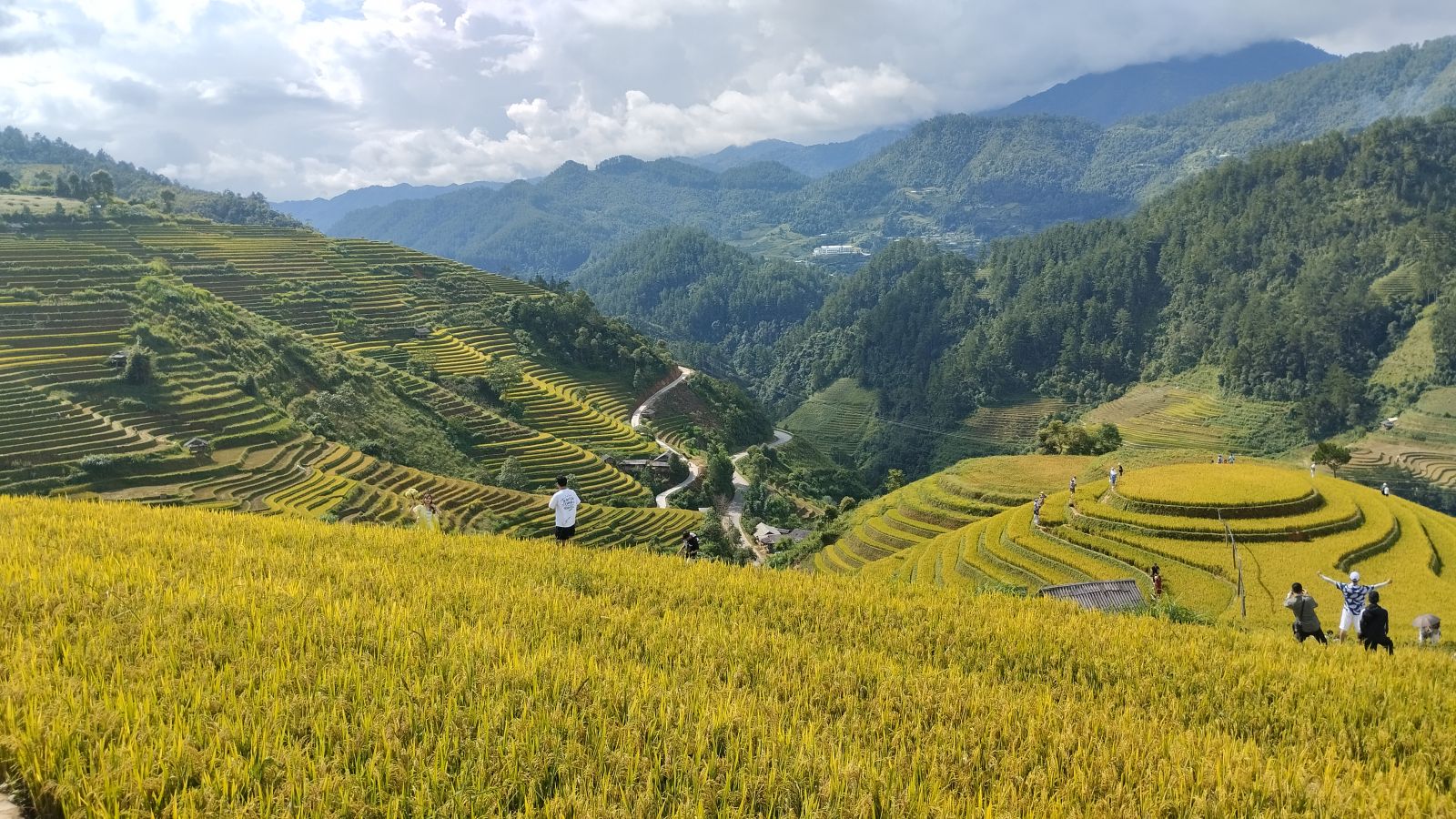
Mam Xoi rice terraces in golden color – the best time to visit Mu Cang Chai (Late Sep – Early Oct)
The geography of Mu Cang Chai is featured by steep mountainsides and narrow valleys. This difficult terrain led local ethnic communities, particularly the Hmong people, to shape the hillsides into stepped fields. This agricultural method allows them to harvest wet rice on extreme slopes by utilizing natural rainwater flowing down from the forest peaks.
Fully Licensed Local Agency
Mu Cang Chai Hiking Tour – 4 Days
Discover the intensive beauty of Mu Cang Chai on a private, customized tour. Our local specialists manage every detail, from transport with private drivers to high-quality accommodations and personalized sightseeing routes.
Why Visiting Mu Cang Chai is Greatly Recommended?
This highland district stands out for its dramatic agricultural fields and preserved indigenous cultures. Traveling here gives you an opportunity to step away from crowded tourist centers and witness an authentic way of life.
Rich Local Customs of the Ethnic H’Mong Communities
The Hmong people make up almost 95% of the local population in Mu Cang Chai. Their daily lives are closely tied to the cycles of the rice crop. By visiting their villages, you can observe traditional farming methods, view hand-woven clothing, and learn about their unique social customs. Local residents welcome visitors with great hospitality, often share the stories of their ancestry and mountain traditions.
A Landscape Sculpted by Human Hands and Nature
The rice terraces in Mua Cang Chai represent a massive agricultural work. For generations, H’Mong families have carved these steps into the hillsides using basic hand tools. This intricate network of mud walls and water channels captures mountain runoff, transforming steep cliffs into productive farmlands that cascade beautifully down to the valley floors.
Striking Mountain Vistas Along Khau Pha Pass
As one of the most famous mountain passes in Northern Vietnam, Khau Pha Pass provides stunning lookouts over the entire Cao Pha Valley. The pass rises over 1,500 meters above sea level and features numerous scenic viewpoints. Traveling along this route, you can admire the vast layout of fields, green forests, and distant villages shrouded in soft white clouds.

Fully Licensed Local Agency
Northern Vietnam Tours
Discover the grand beauty of Northern Vietnam on a private, customized tour. Our local specialists manage every detail, from transport with private drivers to high-quality accommodations and personalized sightseeing routes.
Suggested Rice Terrace Regions to Visit in Mu Cang Chai
The district contains several key communes where the rice fields are clustered. Each area presents distinct layouts and photography options. To make the most of your trip, it is helpful to understand the characteristics of each village.
La Pan Tan Village and the Famed Mam Xoi Hill
La Pan Tan is home to the most celebrated rice terraces in the region. The iconic Mam Xoi (Round Tray) hill is situated here, attracting photographers from all over the world. The fields here are shaped in symmetrical concentric circles, resembling a golden tray of sticky rice during the harvest. Walking trails around La Pan Tan allows for extensive hiking, leading through several H’Mong villages and quiet pine forests.

Falling water season on rice terraces
Che Cu Nha Village’s Steep Scenic Terraces
Che Cu Nha features some of the steepest terraced fields in Mu Cang Chai. The slopes are extremely sharp, requiring impressive skill from the farmers who till them. A winding, steep road leads to a high viewpoint at Mong Ngua Hills that provides a wide vista of the surrounding mountains and valleys. This location is ideal for sunset photography, as the late afternoon light highlights the deep contours of the tilled hillsides.
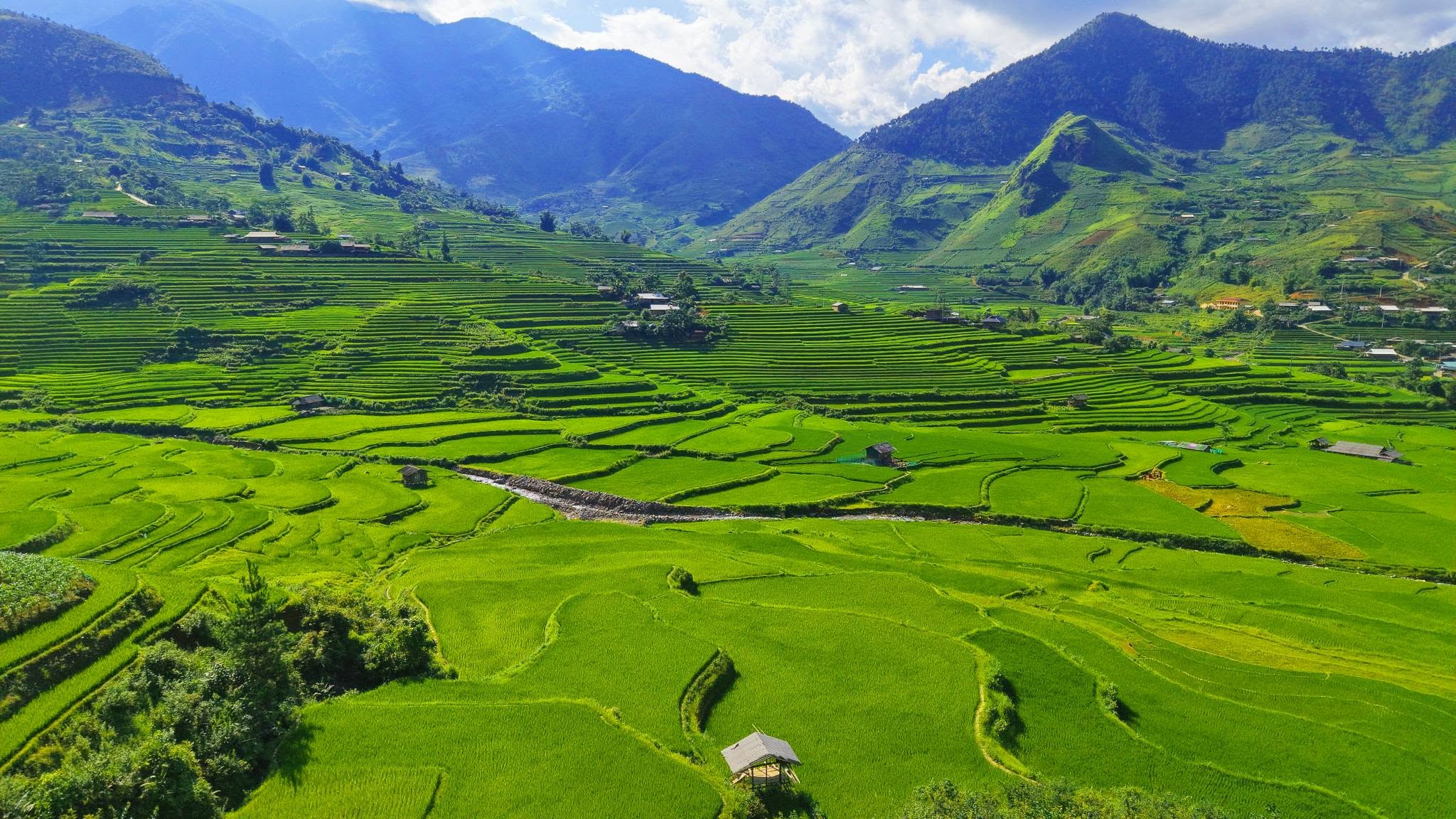
Green fields of growing rice
Ze Xu Phinh Village’s Beautiful Rice Terraces
Ze Xu Phinh is characterized by its less-frequently visited rice terraces among visitors due to its remote location to reach. This village is relatively quiet compared to La Pan Tan, offering a peaceful setting for slow-paced trekking. The local Hmong residents here continue their daily routines with minimal tourist influence, providing a wonderful look into local traditions.
When Is the Best Time to Visit Mu Cang Chai?
Understanding the seasonal changes is essential for planning your trip to Mu Cang Chai. The scenery changes completely depending on the month you choose to visit:
- Water Pouring Season (between May and June): This period marks the start of the single yearly crop. Farmers channel water into the dry fields. The terraces turn into giant water mirrors, reflecting the blue sky, clouds, and the figures of farmers at work. This is an active time, with buffaloes ploughing and families planting young green seedlings.
- Growing Green Season (between June and September): The fields turn a lush green as the young rice grows rapidly. The entire landscape becomes an emerald carpet. This is a quiet, peaceful period, excellent for long treks along buffalo paths.
- Golden Harvest Season (between late September and early October): This is the peak tourist season in Mu Cang Chai. The green fields ripen into golden yellow. The valleys are filled with activity as local families gather to harvest the crop. The scent of ripe rice fills the air, and the golden color under the autumn sun provides the best photography conditions of the year.

Golden rice terraces on its fullest beauty
| Region / Village | Highlight Elements | Best Time to Visit |
|---|---|---|
| La Pan Tan | Round Mam Xoi Hill, deep pine forests, scenic hiking trails | Late September to early October |
| Che Cu Nha | Extremely steep terraces, panoramic valley sunset viewpoints | Mid-September to early October |
| Ze Xu Phinh | Stunning terraced fields, peaceful Hmong stilt-house villages | Late September to early October |
| Tu Le Valley | Fragrant green rice flakes, local mineral hot springs | May to June, September |
Step-by-Step Guide on How to Experience Mu Cang Chai for First-Time Travelers
To guarantee a comfortable and safe adventure, arranging your Mu Cang Chai visit properly is highly recommended. Here is a practical step-by-step checklist prepared by our local specialists:
- Select your preferred season: Decide whether you want to witness the water mirror reflections in May or the golden harvest colors in September.
- Secure private transport: Contact Golden Holiday Travel to arrange a private car with an experienced mountain driver from Hanoi. Avoid driving motorbikes on these difficult roads if you lack extensive local experience.
- Pack appropriate outdoor gear: Bring sturdy walking shoes with good grip for trekking, a lightweight waterproof jacket, and protective camera bags to guard against sudden mountain showers.
- Prepare cash in advance: ATMs are scarce in remote Yen Bai districts. Keep sufficient Vietnamese Dong cash on hand for meals, local transport, and small purchases.
- Book accommodations early: Homestays, ecolodges, and local hotels fill up quickly during the peak harvest season. Secure your lodging at least a month prior to departure.
- Hire a local guide: Arrange for a local English-speaking guide to show you the best trekking trails and help you communicate with ethnic Hmong families.
Common Mistakes to Avoid When Visiting Mu Cang Chai & Our Local Tips
Avoid these common mistakes to ensure your Mu Cang Chai adventure safe and pleasant:
- Riding motorbikes without mountain experience: Winding curves on Khau Pha Pass present serious dangers. Landslides and thick mist can occur quickly. If you are not a highly skilled rider, use a private car or book a private Mu Cang Chai tour package instead.
- Visiting during heavy rain without checking forecasts (rainy season between June & Oct): As recently reported on July 18, 2026, heavy rainfall caused serious landslides in Lao Chai, Khao Mang, and other Mu Cang Chai communes, forcing local families to relocate. Always monitor the weather forecast and check with your tour operator before departure to avoid closed roads.
- Wearing revealing clothing in ethnic villages: Hmong and Thai communities maintain traditional values. Dress modestly, particularly when entering local homes or community spaces.
- Expecting luxury city amenities: Lodging in the area leans toward rustic community homestays and basic hotels. Adopt a flexible attitude and enjoy the natural simplicity of mountain life.
- Forgetting insect repellent and sun protection: Hiking on dirt trails through fields and forests exposes you to sun and insects. Carry reliable sunscreen and bug spray.
Fully Licensed Local Agency
Customized Vietnam Tours
Request a customized holiday package with Golden Holiday Travel. We combine top mountain destinations like Sapa and Mu Cang Chai with iconic spots like Halong Bay, providing customizable options to fit your pace.
Frequently Asked Questions (FAQs) About Mu Cang Chai
How many days should I spend in Mu Cang Chai?
We recommend spending three to four days. This duration allows for a comfortable drive from Hanoi, extensive trekking through remote Hmong villages, and sufficient time for photography at key viewpoints without feeling rushed.
Is it safe to travel to Mu Cang Chai in the wet season?
It is generally fine, but you must remain cautious. Heavy rains from June to September can cause sudden landslides and block mountain roads. Always check local forecasts and consult with our travel support team before departing.
Can I find Western food in Mu Cang Chai?
Western dining options are extremely limited. Local restaurants serve traditional Vietnamese dishes, local grilled meats, and specialties like Tu Le sticky rice. We recommend tasting the local mountain food, which is fresh and flavorful.
What is the best way to get around the villages?
While hiking is the best way to explore, you can hire local motorbike taxis (xe om) to reach steep viewpoints like Mam Xoi or Horseshoe Hill. Ensure you agree on the price before starting.
Are there any good hotels in Mu Cang Chai?
Yes, options range from local rustic homestays to comfortable boutique stays like Mu Cang Chai Ecolodge, Mu Cang Chai Garrya Resort, and Le Champ Tu Le Resort. Booking well in advance is essential during the autumn harvest peak.

Plan Your Customized Vietnam Tour with Golden Holiday Travel
We hope this seasonal guide of best time to visit Mu Cang Chai can partly help you plan your coming trip to explore Mu Cang Chai’s beauty. If you need any travel service support with private tours to Mu Cang Chai, local tour guides, or a reliable car rental with driver Hanoi to Mu Cang Chai, please reach out to us.
Contact our travel experts via email at [email protected] or send a direct text on WhatsApp +84.988451530. Our team is ready to design a customized route that matches your specific desires.
Note: The travel tips and recommendations shared in this guide have been carefully prepared by the local travel experts at Golden Holiday Travel. While every traveler is different, our team is always happy to provide personalized itinerary planning, destination advice, and one-on-one support to help you create the perfect Vietnam journey.

Meet Our Experts

Suggested


Featured Articles


Related Articles




Ask a Question or Share Your Thoughts
Have questions about this itinerary, road trip tips, private car rentals, or ticket booking? Leave a comment or question below — our travel specialists will reply within a few hours!