
Sapa Trekking Tour By Bus- 3 Days ( one night in hotel & one night in homestay)
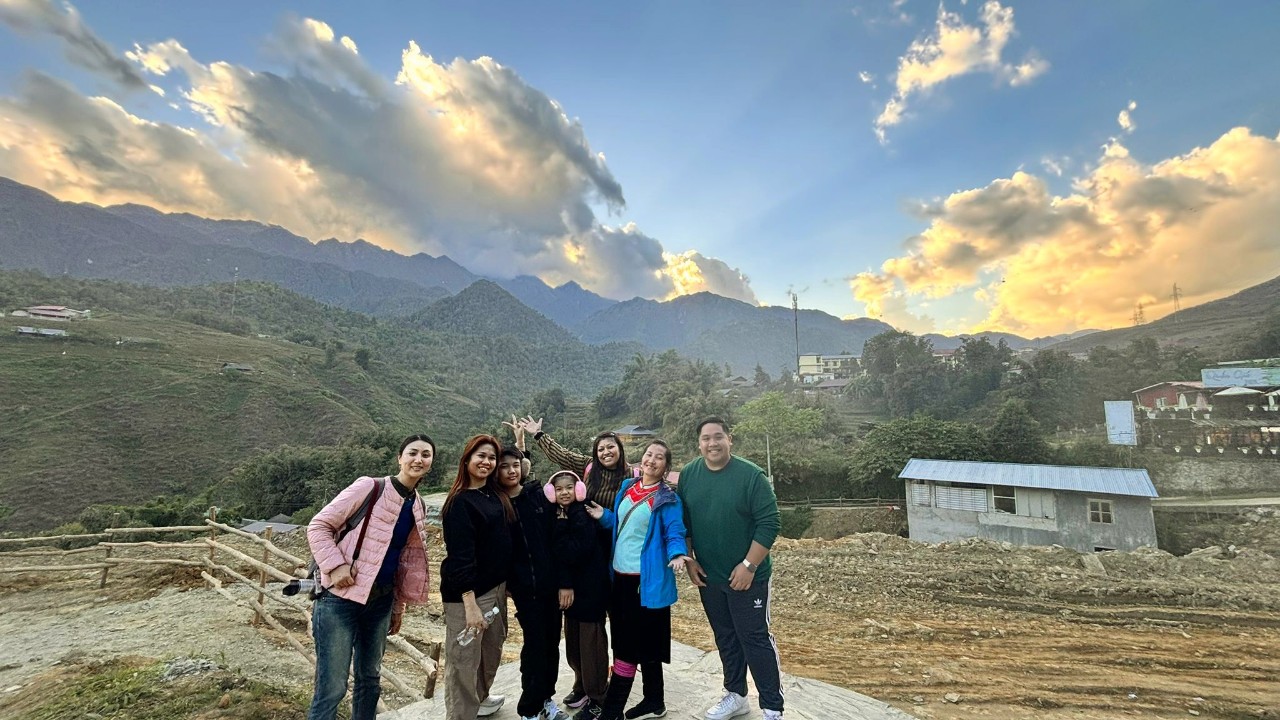
Trip Highlights
Overview of 3 Day Sapa trekking tour, a bus journey from Hanoi
Sapa, a gem in the northwest highlands of Vietnam, is renowned for its pleasant climate, stunning landscapes, and rich cultural heritage. With the opening of Noi Bai – Lao Cai highway, travelling Sapa from Hanoi has become much more convenient, allowing for a quick 6-hour drive. As a result, our daily Sapa trekking tours by bus have gained popularity among travelers.
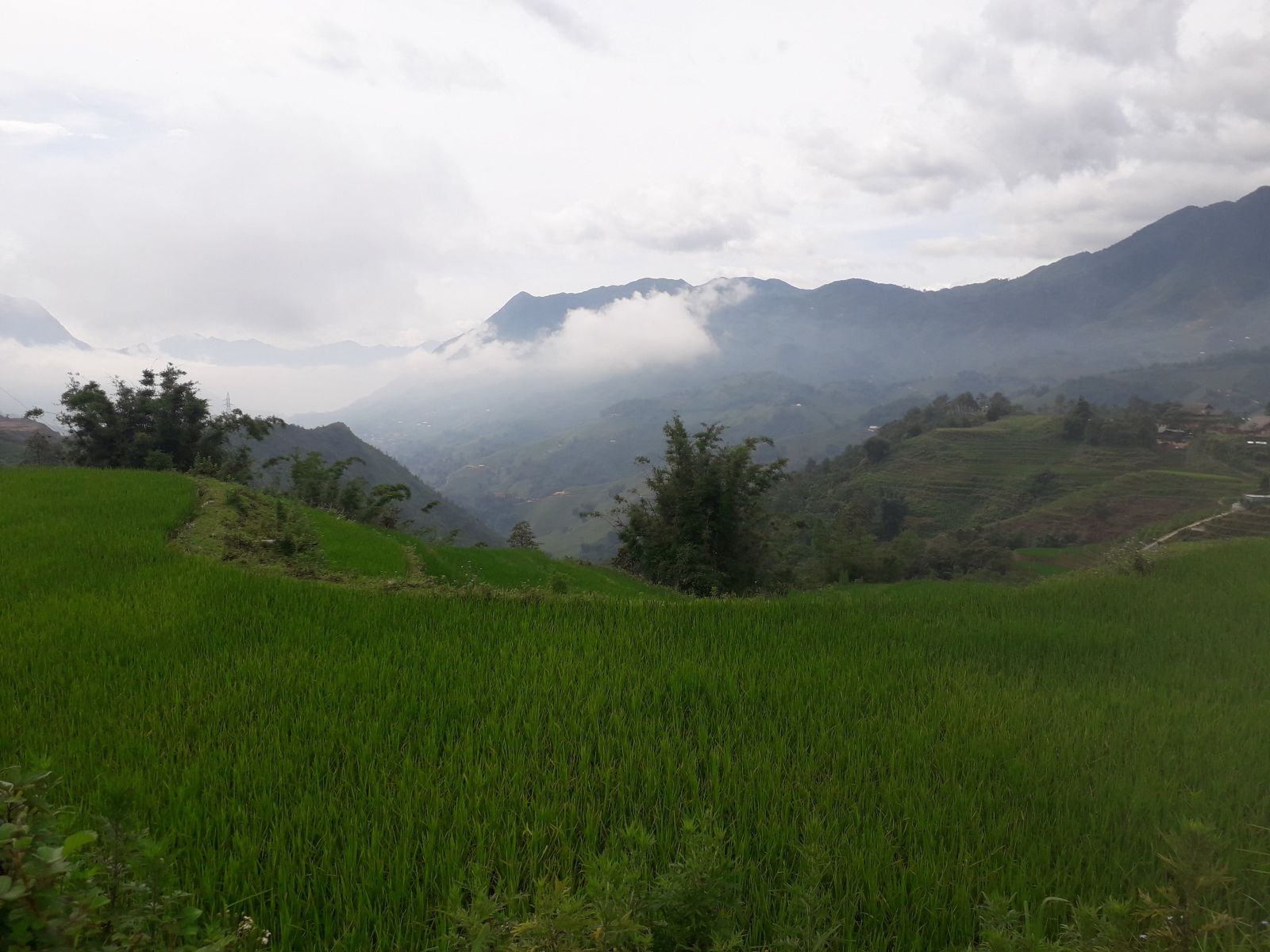
Pristine Sapa with green rice terraces
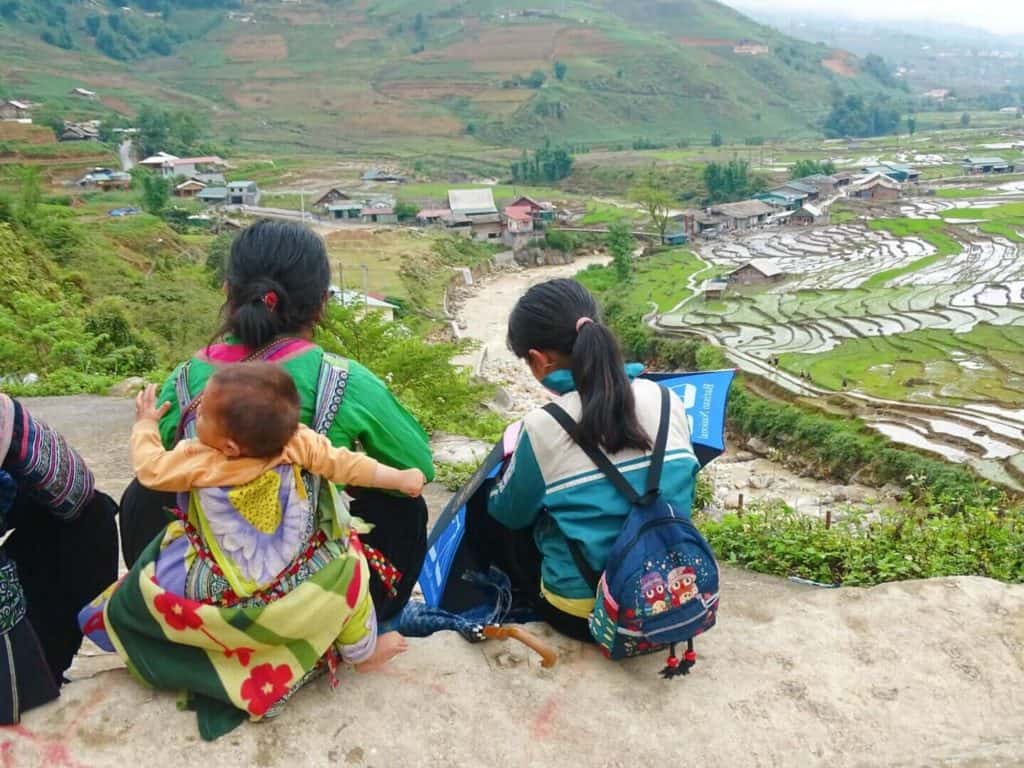
Join us for our 3-day, 2-night Sapa tour by bus from Hanoi, which includes a night homestay with a local family and a second night at a hotel in Sapa. This flexible itinerary lets you explore the breathtaking scenery of Sapa while enjoying beautiful trekking routes in Muong Hoa Valley, including visits to Y Linh Ho, Lao Chai, Ta Van, Giang Ta Chai, and Cat Cat village. You’ll also have the opportunity to experience the authentic daily lives of three ethnic minority groups: the Black Hmong, Dzay, and Red Dzao, witnessing their traditional colorful attire and rice terrace farming practices.
Brief itinerary of 3 day Sapa Tour, a bus journey from Hanoi
- Day 1 : Hanoi – Sapa by bus, trek down Muong Hoa valley to Y Linh Ho, Lao Chai & Ta Van villages.Homestay in Ta Van village ( L, D)
- Day 2 : Sapa trekking tour to Giang Ta Chai & Cat Cat villages.Overnight in 3* The View Sapa hotel (B,L,D)
- Day 3 : Sapa exploration on your own & transfer back to Hanoi by bus ( B,L)
Map of Sapa travel route from Hanoi
Special Highlights of a 3-Day Sapa Trip by Bus from Hanoi
- Experience the breathtaking beauty of Vietnam’s northwest highlands as you journey along the newly opened Hanoi – Lao Cai highway.
- Escape the hustle and bustle of city life and immerse yourself in Sapa’s cool climate, pristine landscapes, and welcoming local tribes.
- Enjoy fascinating trekking routes that lead you down to Muong Hoa Valley, where you’ll encounter the stunning scenery of mountains, valleys, rivers, and terraced rice fields unique to the Sapa region.
- Engage with local lifestyles and discover their rich culture and customs during your treks or homestays in the villages.
- Indulge in delicious local dishes, savor traditional rice wine, and enjoy warm conversations with the friendly ethnic communities.
Itinerary
Itinerary will be updated soon.
The Trip’s inclusions :
- All land transportation by air conditioned vehicle as tour itinerary indicated
- Bus ( 16 -45 seats ), cold water, wet tissue,free wifi
- Meals as indicated: B-Breakfast, L- Lunch, D- Dinner
- English guide during tour :enthusiatic, experienced
- All entrance and sightseeing fees following the tour program.
- Accomodation: one night in local homestay & one night in twin/double shared room in Sapa hotel.
The Trip’s exclusions :
- Drinks and other meals do not indicate in the program
- Tipping/ Gratuities to guide & driver
- Single room supplement
- Personal expenses (laundry, telephone, shopping…)
- 10% VAT (optional)
- Any additional expenses caused by reasons beyond our control such as natural calamities (typhoon, floods), flight delays, rescheduling or cancellations, any accidents, medical evacuations, riots, strikes etc.
Important Notes:
- The long trek (9 km) is not suitable for elderly individuals.You have the option to stay overnight at a homestay on either the first or second night. Our tour leader will provide details during the bus ride to Sapa.
- This tour is not recommended for people with disabilities or children under 6 years old.
- Please note that homestay accommodations offer basic and simple facilities, which differ greatly from hotel standards
Things to Bring:
- Be sure to pack warm clothing, a scarf, a hat, and a cap, as the weather in Sapa can be unpredictable. It tends to be chilly from September through March. Due to Sapa’s altitude, foggy conditions can occur in December, January, February, and March.
- Don’t forget trekking shoes, sunglasses, sunscreen, and insect repellent.
- It’s advisable to carry cash in Vietnamese Dong, as the banking ATM in Sapa don’t operate properly somestime. US Dollars, Euros, and Australian Dollars are also accepted.
- Although there are some pharmacies in Sapa, it’s wise to bring any necessary medications with you.
No information yet.
Good to Know
Before travelling to Vietnam, please ensure that your passport is valid for at least 6 months from your arrival date and has at least two blank pages for immigration stamps and visa purposes.
Citizens from several countries, including France, Japan, South Korea, the United Kingdom, Germany, Italy, and Spain, can currently enter Vietnam visa-free for stays of up to 45 days. Visa policies may change from time to time depending on nationality and travel regulations.
If you intend to stay longer than the visa exemption period, or if your nationality is not included in the visa-free list, you can apply for an e-visa online.You are also welcome to contact our team for updated visa information and travel assistance before your trip to Vietnam.
Travel insurance is not included in our tour package; however, valid travel insurance is mandatory for all participants joining the tour. Your policy should provide adequate coverage for:
- Emergency medical treatment, hospitalization, and repatriation
- Trip cancellation, delays, or interruptions
- All activities included in your itinerary, including outdoor and adventure excursions
We also recommend checking whether your credit card offers travel insurance coverage and purchasing additional protection if needed to ensure comprehensive coverage throughout your journey.
The official currency in Vietnam is the Vietnamese Dong (VND). While some hotels and tourist-oriented businesses may accept US dollars or euros, payments are generally preferred in local currency.
Visa and MasterCard are commonly accepted at most hotels, restaurants, shopping centers, and larger establishments, especially in major cities and tourist destinations. However, cash is still widely used for local markets, small shops, and rural areas.
ATMs are easy to find throughout Vietnam, particularly in cities and popular travel destinations. Currency exchange services are available at international airports, banks, hotels, and licensed exchange counters.
Also, please make sure your banknotes are clean and undamaged, as torn, heavily worn, or marked foreign bills may not be accepted for exchange or payment in Vietnam.
Vietnam is a year-round destination, offering diverse weather patterns across its different regions. In general, spring (February to April) and autumn (September to December) are considered the most comfortable times to visit, thanks to pleasant temperatures, lower humidity, and less rainfall.
As Vietnam stretches over 1,600 km from north to south, the climate can vary greatly depending on where you travel:
- Northern Vietnam: Experiences four distinct seasons, with cool and sometimes chilly winters (December to February) and hot, humid summers (May to August).
- Central Vietnam: Usually enjoys warm weather, though the rainy season typically occurs between September and November.
- Southern Vietnam: Has a tropical climate with warm temperatures throughout the year, alongside occasional tropical showers during the rainy season from May to October.
We recommend packing light, comfortable clothing as well as seasonal items suited to the regions included in your itinerary.
International flights are not included in our tour prices, giving you the flexibility to choose the airline and flight schedule that best suit your travel plans and budget. If needed, our travel consultants are happy to assist you in finding the most convenient and competitive flight options.
For international departures, we highly recommend arriving at the airport at least 3 hours before your flight to allow enough time for check-in, immigration procedures, and any unexpected delays or issues that may arise.
If your itinerary includes domestic flights within Vietnam, all flight schedules, airline information, and booking details will be included in your final travel documents before departure.
For a smooth journey, we recommend arriving at the airport at least 2 hours prior to your flight. Please make sure to carry your passport along with your e-ticket or booking reference.
Baggage Allowance: Checked baggage allowance typically ranges from 20kg to 23kg depending on the airline and ticket class, while cabin baggage is generally limited to 7kg per passenger.
Important Notice: Extra baggage fees may apply for your overweight or oversized luggage. We strongly recommend reviewing the baggage policies of your airline in advance, such as Vietnam Airlines, VietJet Air, or Bamboo Airways.
Please note that domestic flight schedules may occasionally change due to airline operations or weather conditions. Should there be any updates, our team will inform you as soon as possible.
If your journey includes a connecting domestic flight within Vietnam, please keep the following information in mind upon arrival:
- Collect your checked luggage after landing.
- Complete immigration and customs procedures.
- Proceed to the domestic terminal for your onward flight. At some airports, this may involve a short walk or shuttle transfer between terminals.
- Airport staff are usually available to assist passengers, so feel free to ask for directions or support if needed.
Recommended connection time: at least 2 hours 30 minutes
This allows enough time for immigration clearance, baggage collection, customs procedures, terminal transfers, and possible flight delays.
Practical Tip: At major airports such as Noi Bai International Airport and Tan Son Nhat International Airport, international and domestic terminals may be located in separate buildings. Please follow airport signage carefully and allow sufficient transfer time.
You might also like...

Azura Cruise 6-Star: An Exclusive 2–3 Day Luxury Journey through Halong & Lan Ha Bay
Discover the breathtaking beauty of Halong Bay and Lan Ha Bay aboard the Azura 6-Star Cruise, where luxury meets serenity. Designed for travelers seeking comfort, privacy, and authentic experiences, this 2–3 day premium cruise features elegant cabins, refined dining, and carefully curated route... [...]Read More... from Azura Cruise 6-Star: An Exclusive 2–3 Day Luxury Journey…
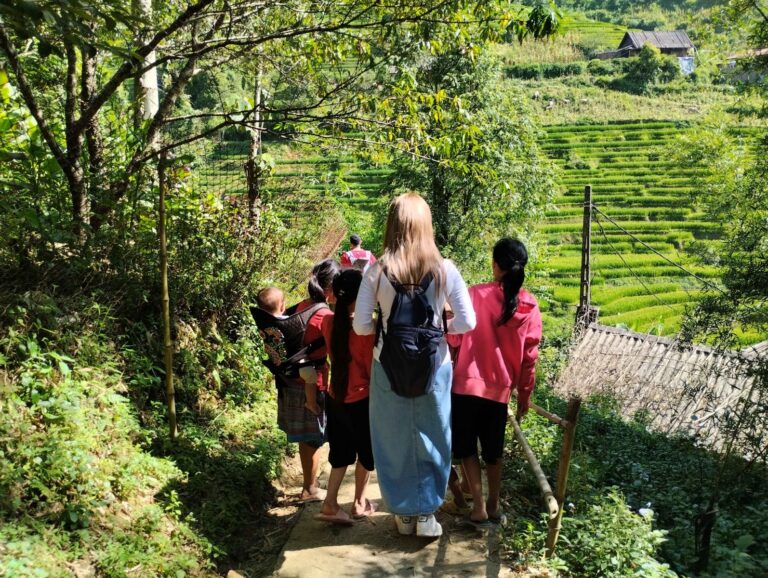
14-Day Vietnam Tour Package: Sapa, Hanoi, Halong Bay, Da Nang, Phu Quoc & HCM City
Looking for the ultimate Vietnam experience? This 14-day Vietnam Tour Package is your once-in-a-lifetime journey through the country’s most iconic destinations - Perfect for families, groups, or anyone who wants to explore Vietnam from north to south in comfort and style [...]Read More... from 14-Day Vietnam Tour Package: Sapa, Hanoi, Halong Bay, Da Nang, Phu…
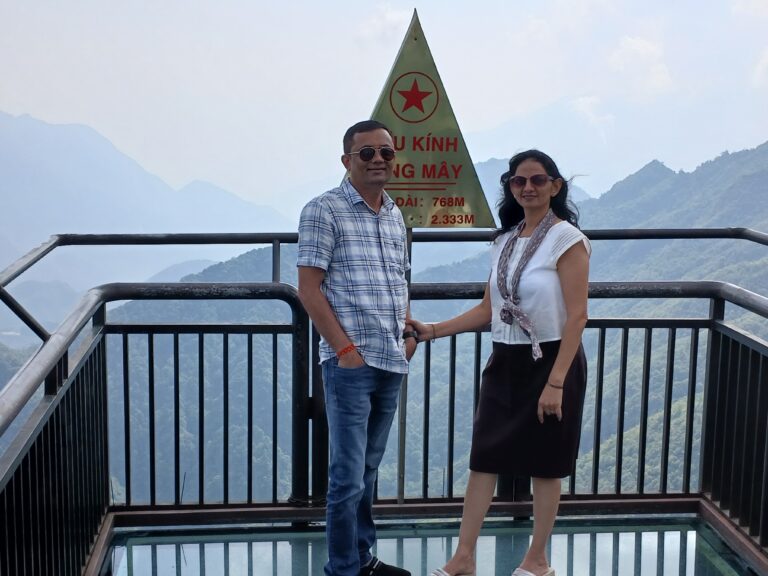
Private Sapa Day Trip to Rong May Glass Bridge & Love Waterfall
Discover the best of Sapa in one day with a private tour to Rong May Glass Bridge and Love Waterfall. Walk above the clouds, explore romantic waterfalls, enjoy scenic drives over O Quy Ho Pass, and travel stress-free with your own guide & car. Perfect for adventure seekers and nature lovers..... [...]Read More... from Private…
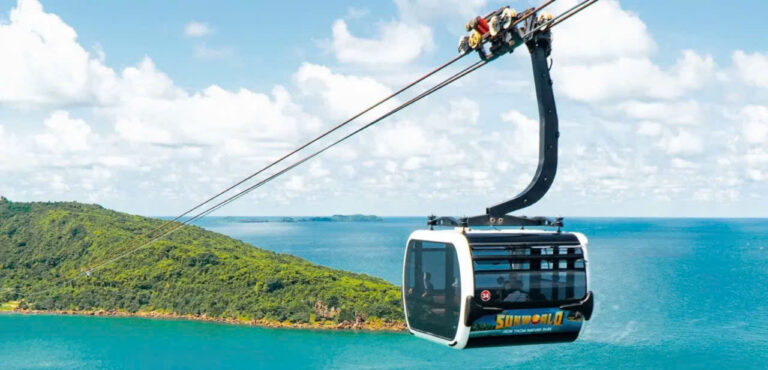
Phu Quoc Free & Easy Getaway 4D3N – Beaches, Cable Car & Local Culture
Looking for a quick getaway of adventure, culture, and relaxation? Let's discover Phu Quoc - Vietnam’s Pearl Island, with golden beaches, secret islands, vibrant shows, and turquoise waters. Our 4-day Phu Quoc island escape blends guided highlights - island-hopping, cable car rides, cultural si... [...]Read More... from Phu Quoc Free & Easy Getaway 4D3N –…


No reviews yet!
All Reviews
Sapa Trekking Tour By Bus- 3 Days ( one night in hotel & one night in homestay)