
Discover the Charm of Phia Thap, A Traditional 100-Year-Old Incense-Making Village In Cao Bang
A Visit to Phia Thap Village: Experience Local Incense-Making & Authentic Daily Life of Nung Hilltribe.
Welcome to Phia Thap Incense Village, a hidden gem nestled in the picturesque landscape of Cao Bang province, Vietnam. Renowned for its rich cultural heritage and traditional incense -making craft, Phia Thap offers visitors a unique opportunity to delve into the authentic daily life of Nung Hilltribe community.
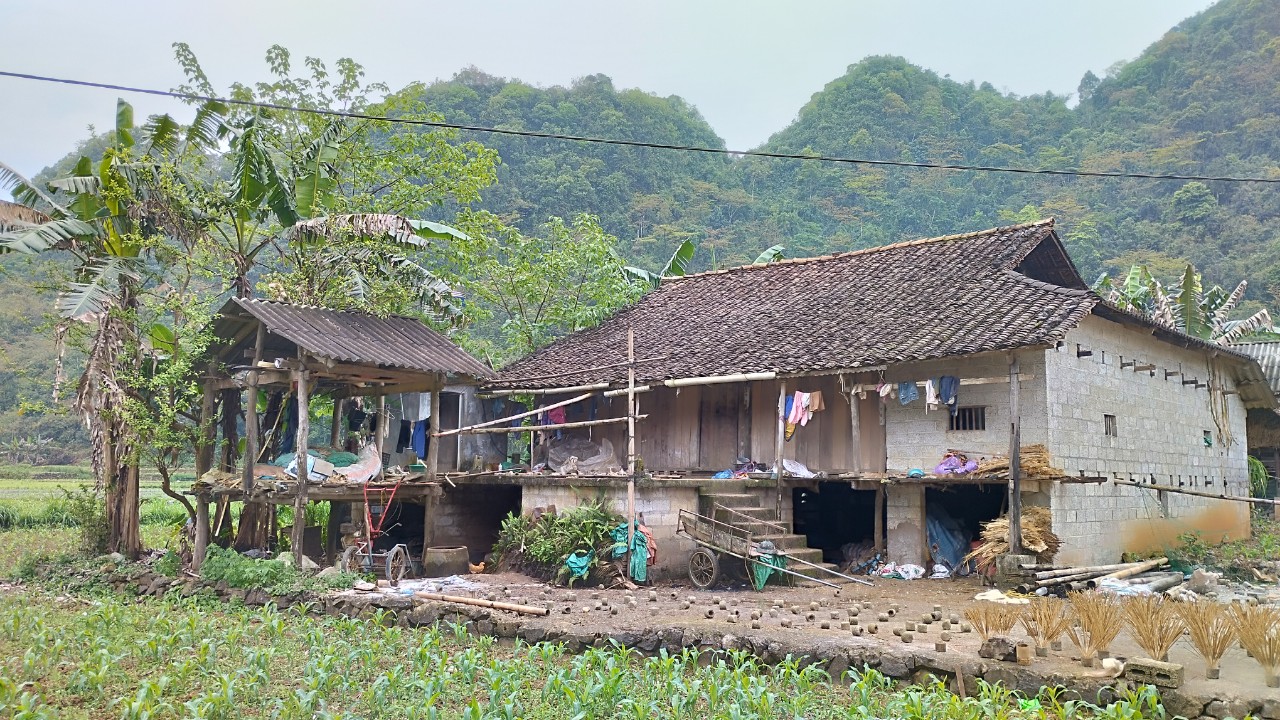
Located in Phuc Sen commune, Quang Hoa district, this incense village is recognized as one of the seven traditional craft villages of Cao Bang province. Its fame comes from the time-honored tradition of incense making, a craft that has been well preserved by Nung An ethnic group for generations.
1. Experience Local Incense Making Process in Phia Thap
Doing a visit to this picturesque village in the serene valley surrounded by towering peaks, you’ll be captivated by the sight of yin-yang tiled stilt houses that characterize the village. Here, amidst this tranquil setting, the art of incense making thrives, passed down from one generation to the next. It’s remarkable to witness how every member of the village is skilled in this traditinal craft, contributing to the preservation of their cultural heritage.
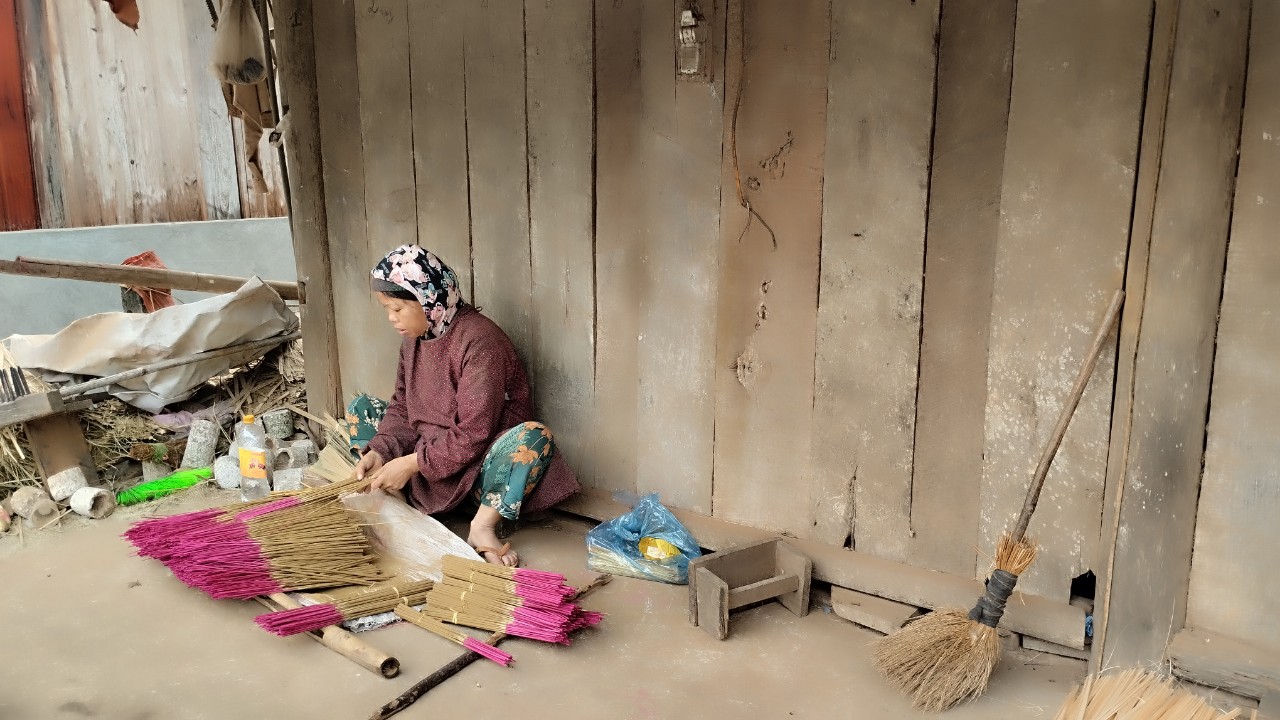
What sets Phia Thap incense apart is its local natural materials used for production. Unlike the incense from other regions, Phia Thap incense is made without the use of any chemicals. Instead, it relies on the forest leaves of the B?u H?t tree, which grow locally on rocky cliffs. After harvesting, these leaves are carefully dried, ground into a fine powder, and used as the primary ingredient for making the incense sticks.
The process of making incense in Phia Thap is a labor of love. To this day, over 50 households of Nung An tribe here continue to preserve the longstanding tradition of manual incense making. Instead of relying on machinery, the traditional Phia Thap incense sticks are still handcrafted.
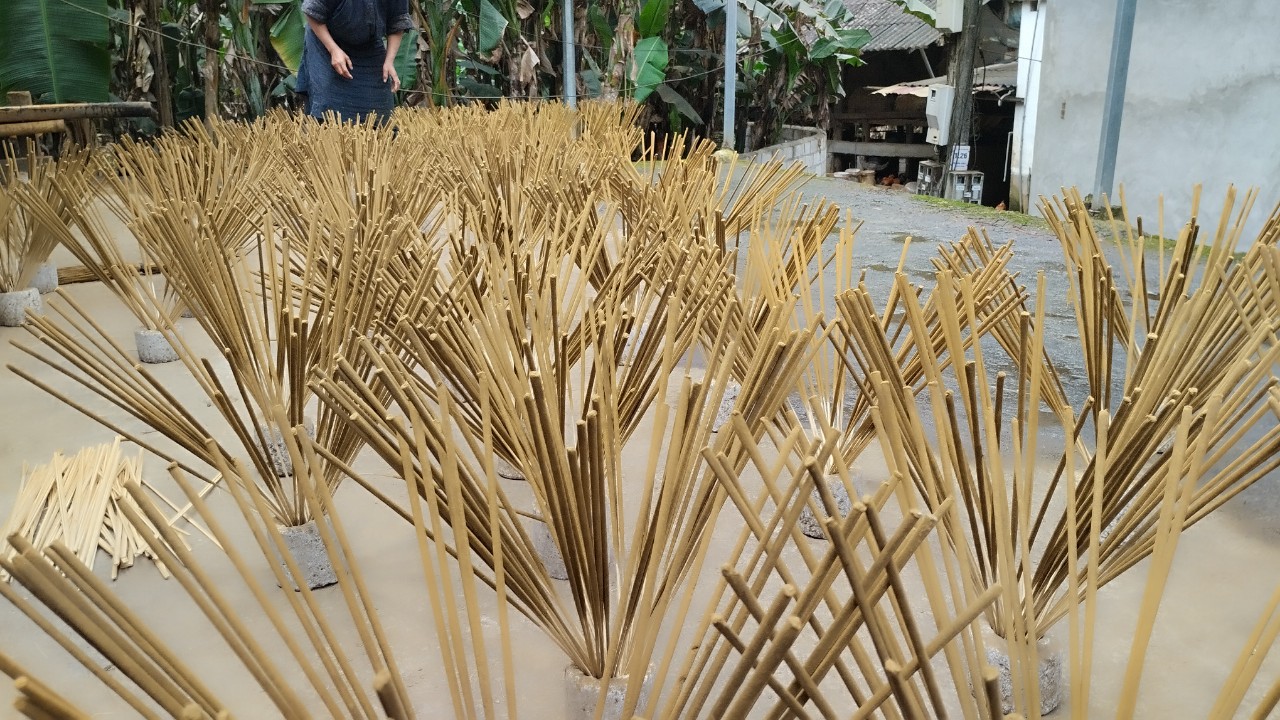
The incense sticks are made from bamboo (known locally as “cây m?y m??i“) because it is both straight and flexible, making it easy to ignite. After splitting, the bamboo incense sticks are manually smoothed and then passed through a polishing table to achieve a smoother roundness.
Once dried, the incense sticks are dipped in water and rolled in a layer of B?u H?t leaf powder, followed by a layer of sawdust. After the sawdust layer adheres, the sticks are dipped in water again and rolled in sawdust once more, repeating the process until the desired thickness is achieved. This process demands the skillful expertise of the artisans of Phia Thap incense making village
2. Getting to Know Rich Local Culture Of Nung An Ethnic Group
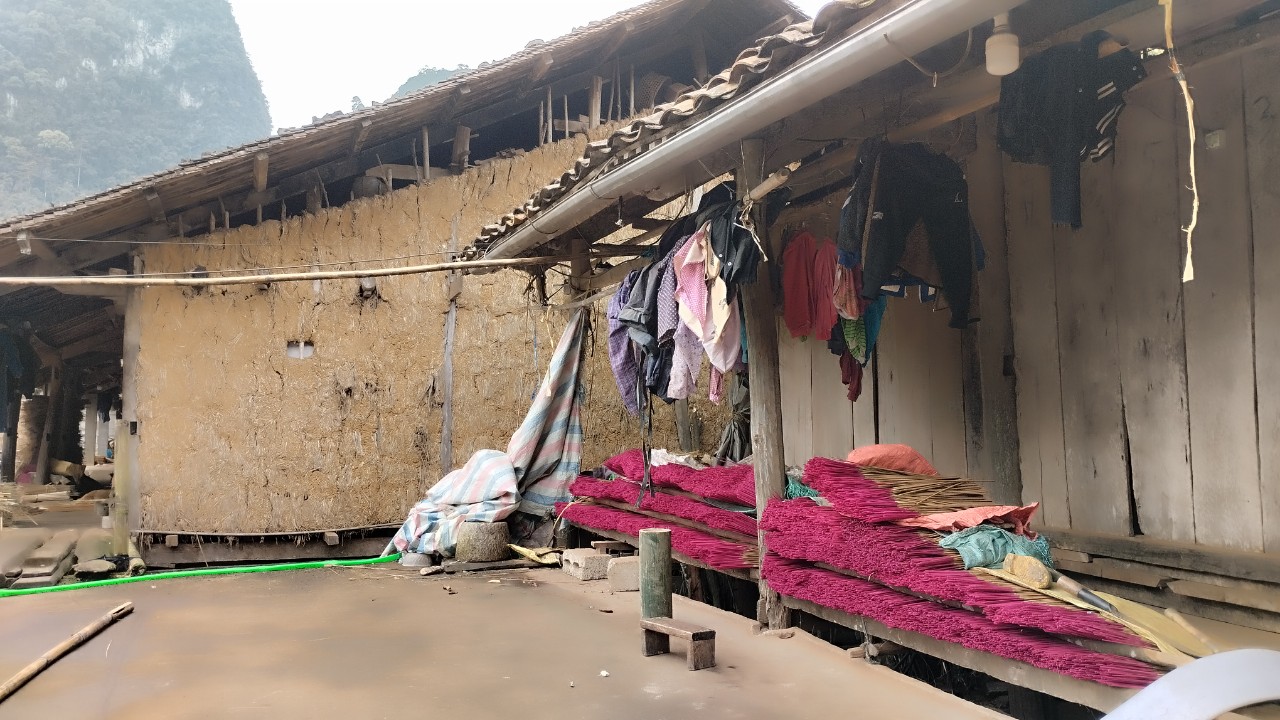
Trips to Ban Gioc waterfall, Cao Bang, it will be great to add this incense village into your top places to visit in Cao Bang. Beside learning about the interesting incense making craft, you will have chances to enrich your insight of local Nung An’s daily life & their authentic culture. You can stroll around the village, take a close look at their daily routines & interact with friendly locals.
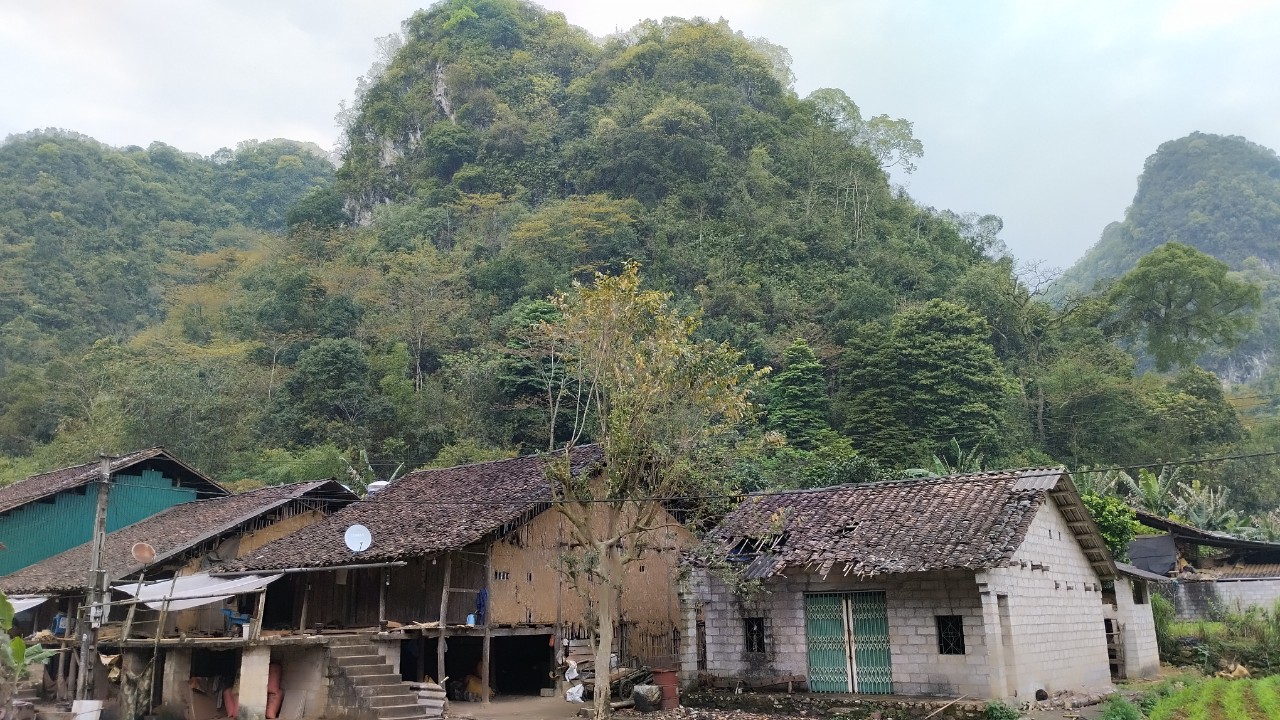
In recent years, Phia Thap village has opened its doors to tourists, offering homestay accommodations so if you are eager to know more the serene and rustic life of the Nung Hilltribe, you can spend a night here partaking in incense making activities, gaining insight into this ancient craft while immersing yourselves in the local culture & tasting local dishes unique to this ethnic group.
3. How to Reach Phia Thap Incense Village?
Phia Thap incense-making village is a serene destination located 325 km from Hanoi and just 25 km from Cao Bang city.This picturesque village is conveniently on the way to the stunning Ban Gioc waterfall, making it a perfect addition to your travel itinerary. Here are the best ways to reach this hamlet.
- By Car or Motorbike: For those who prefer a more personal and flexible travel experience, renting a car or motorbike is an excellent option. The drive from Cao Bang city to Phia Thap is roughly 25 km, offering a delightful journey through scenic mountain landscapes and lush green valleys. From Hanoi, the drive is about 325 km, perfect for an adventurous road trip.
- By Organized Tour: To enhance your experience with rich local insights and interesting stories of the region, consider joining an organized tour. Many tours include a visit to Phia Thap incense-making village along with other attractions such as Ba Be Lake and Ban Gioc Waterfall. These package tours typically provide transportation, a guide, and all necessary arrangements for a hassle-free adventure.

For more information on tours that include Phia Thap Incense Village, you can reach out to us at [email protected] or whatsapp us +84.988451530 .Whether you choose to drive yourself or take part in an organized tour, a visit to Phia Thap promises a unique blend of natural beauty and cultural richness.
Frequently Asked Questions
Phia Thap is a 100-year-old traditional craft village inhabited by the Nung An people. It is famous for its natural incense-making process, where every step—from splitting the bamboo sticks to creating the aromatic coating from tree bark and leaves—is done entirely by hand without chemicals. Visitors can see thousands of incense sticks drying like colorful bouquets against the backdrop of limestone mountains
Phia Thap is located in the Quang Uyen district of Cao Bang province, within the territory of the Non Nuoc Cao Bang UNESCO Global Geopark. It is about 30km from Cao Bang city and sits on the route toward the famous Ban Gioc Waterfall. Travelers often visit Phia Thap as a cultural stop during a loop tour of Northern Vietnam.
Yes, one of the best ways to experience the village is through a hands-on workshop. Local artisans often welcome guests to try their hand at “shaking” the incense sticks to coat them with sawdust and natural glue made from “bau hien” leaves. This immersive experience offers a deep connection to the Nung An culture and their ancestral traditions.
While the village produces incense year-round, the most vibrant time to visit is during sunny days, as the incense sticks must be dried outdoors. The months leading up to the Lunar New Year (Tet) are particularly busy and colorful. From a scenic perspective, the harvest season (September to October) offers a stunning contrast between the red incense sticks and the golden rice fields nearby.
Yes, Phia Thap has developed community-based tourism, offering authentic homestays in traditional houses on stilts. Staying overnight allows travelers to enjoy local Nung An cuisine, learn about daily agricultural life, and explore the nearby “Mountain of the Pierced Eye” (Nui Thung) at a relaxed pace
Golden Holiday Travel, a licensed tour operator in Vietnam, provides expert guides who can bridge the language gap between travelers and the Nung An artisans. We organize specialized itineraries that combine Phia Thap with Ban Gioc Waterfall and Nguom Ngao Cave, ensuring comfortable transport and a respectful, deep dive into the ethnic minority cultures of Northern Vietnam









Write Comment