
Your Complete Guide to Exploring the DMZ in Vietnam
Vietnam’s Demilitarized Zone (DMZ): A Tranquil Region with a Turbulent Past
Following the Geneva Agreement of 1954 to end the war with France, Vietnam was temporarily divided into two regions: North Vietnam and South Vietnam, with the 17th Parallel (the Ben Hai River) serving as the border. The Demilitarized Zone (DMZ) was established as a buffer between the two regions, extending 50 kilometers north and south of the Ben Hai River.Between 1954 and 1975, the DMZ served as a war-free zone between North and South Vietnam, yet it still suffered from heavy bombing and casualties from both sides.
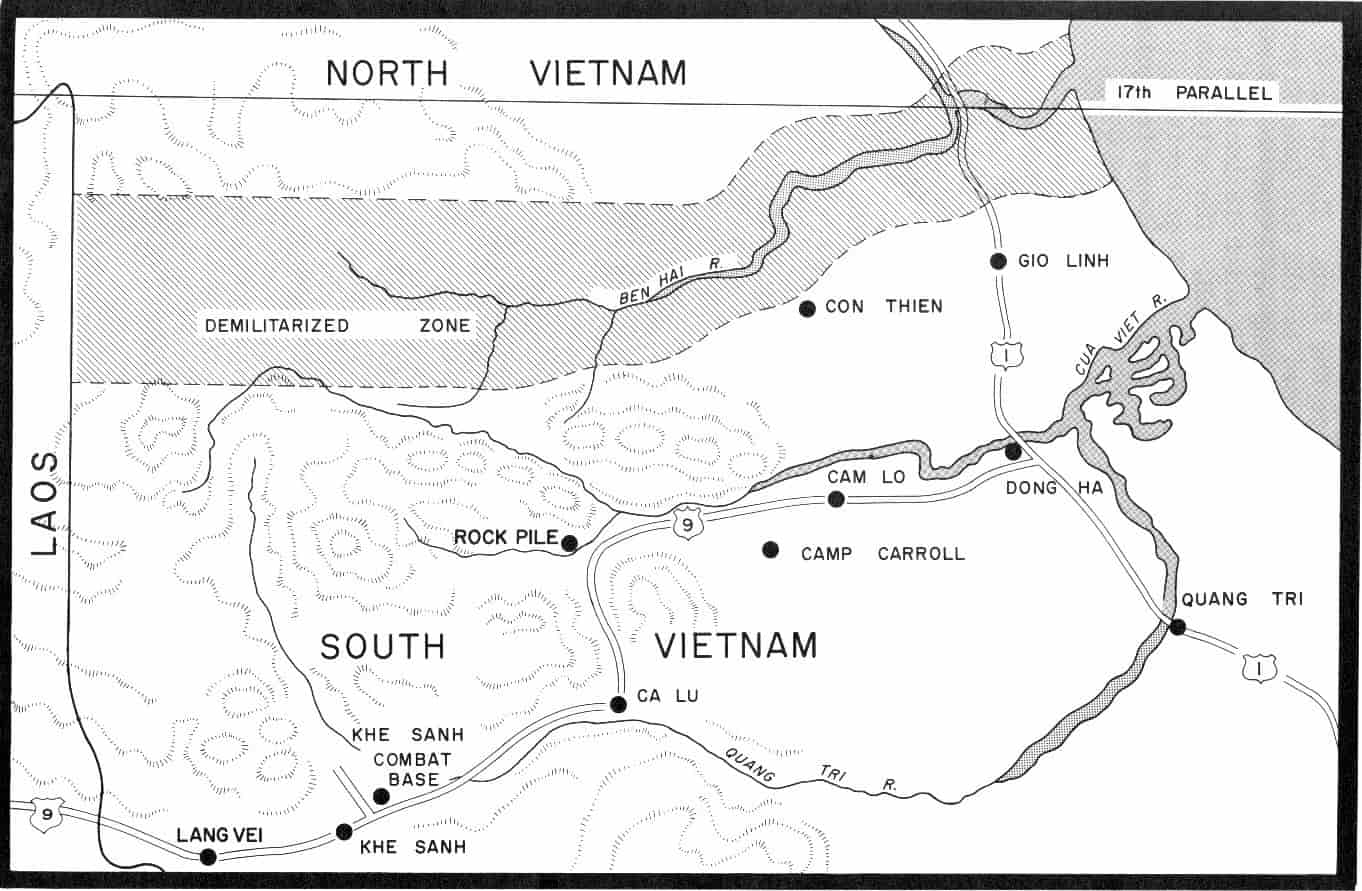
DMZ Vietnam Travel Guide & Map
From the above map & description, you can easily spot out that DMZ Vietnam covering much of Quang Tri Province, only 100km far from Hue city.This area looks so peaceful today, however, it was once the site of some of the bloodiest battles during the Vietnam War in the 1960s and 1970s.
The DMZ Quang Binh now are scattered with former American military bases, monuments dedicated to local war heroes, a US combat base-turned-museum, and some war relics. It has become a significant historical site in Vietnam, attracting many veterans and history enthusiasts. To fully explore this historic area, it’s advisable to have a knowledgeable local guide who can provide in-depth insights into the Vietnam War. Follow our local guide for insights if you plan to visit the DMZ in Vietnam.
Top Places to Visit & Best Things to Do in DMZ Vietnam
While the area isn’t very large, it typically takes about two days, or at least a full day, to thoroughly explore all the significant historical sites. Here are the top places to visit and things to do during your trip to the DMZ in Vietnam.
1. Ho Chi Minh Trails
The Ho Chi Minh Trails were a vital and legendary supply network used during the Vietnam War.Established in 1959 by the North Vietnamese army, the Ho Chi Minh Trails were named after President Ho Chi Minh, also known as Uncle Ho, the revered leader of the Vietnamese Communists. This complex network of routes began in southern Hanoi and stretched approximately 1,000 miles along the Truong Son mountain range, crossing into Laos and Cambodia at various points before concluding near Da Lat in Lam Dong.
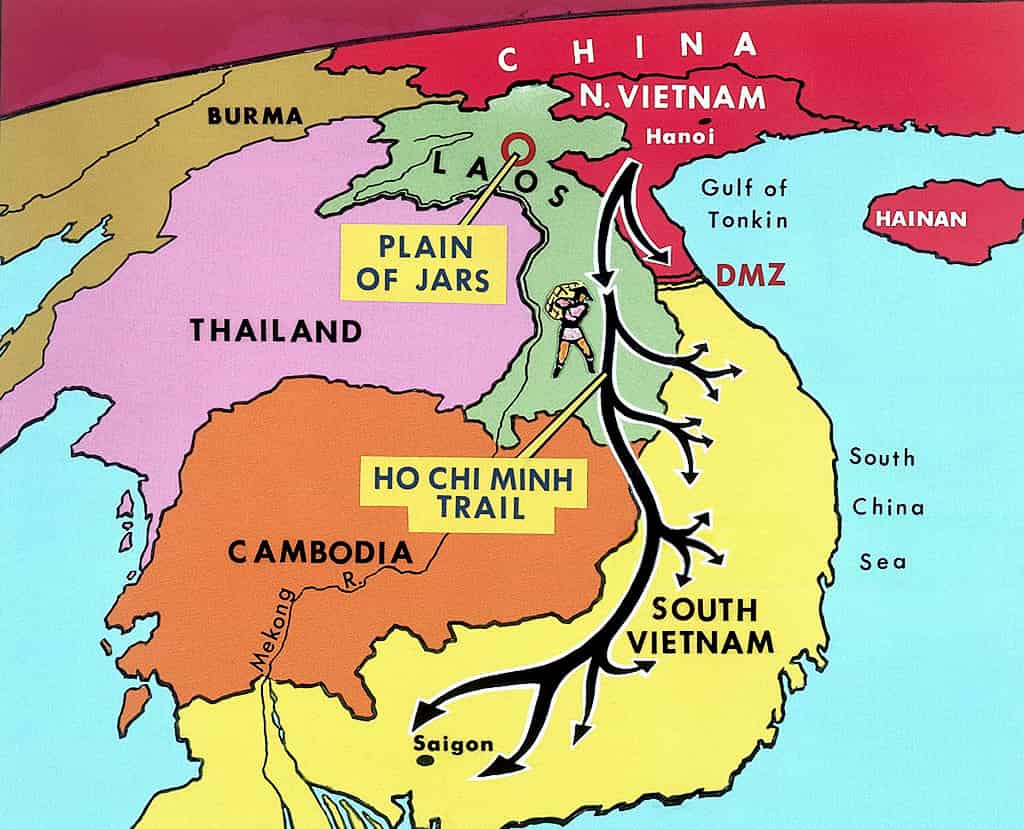
Ho Chi Minh trails – supply routes
The trails were secretly designed to facilitate the movement of troops, weapons, and supplies from North Vietnam to the Communist forces in South Vietnam for fighting against American forces.The Ho Chi Minh Trails became a primary target for American and South Vietnamese forces. The U.S. launched extensive bombing campaigns to disrupt and destroy the trails. Despite these efforts, the trails were remarkably resilient. The North Vietnamese Army employed various tactics to protect and repair the trails, including moving supplies by night, using underground bunkers, and constantly rebuilding damaged sections.The trails continued to function throughout the war & played a crucial role in the eventual victory of North Vietnamese forces and the reunification of Vietnam
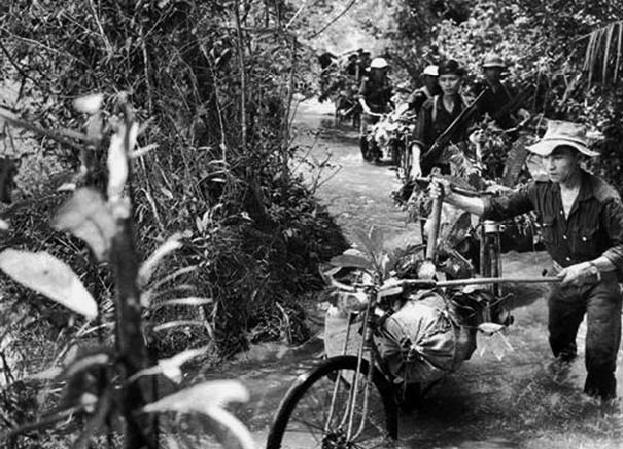
Supplies to Southern Vietnam by HCM trail
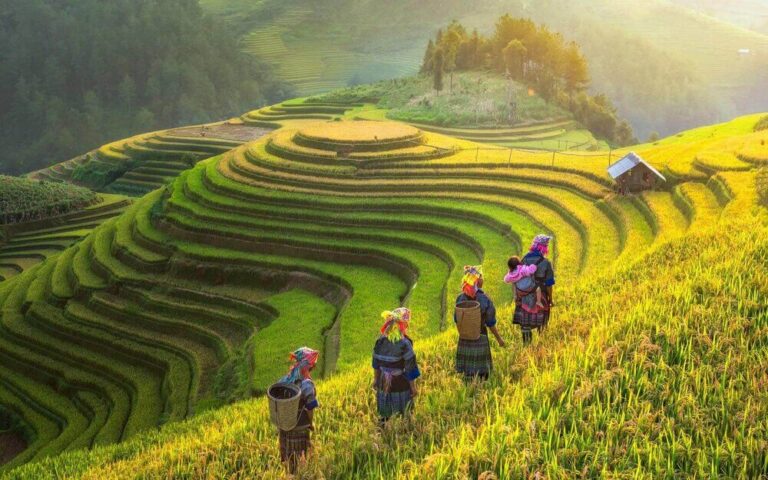
Today, the remnants of the Ho Chi Minh Trails are a historical and cultural landmark, reflecting the profound impact of the Vietnam War on the region. They are now nestled between picturesque rice terraces, lush forests, and local ethnic villages, offering a glimpse into Vietnam’s wartime history and its enduring resilience.
2. Dakrong Bridge
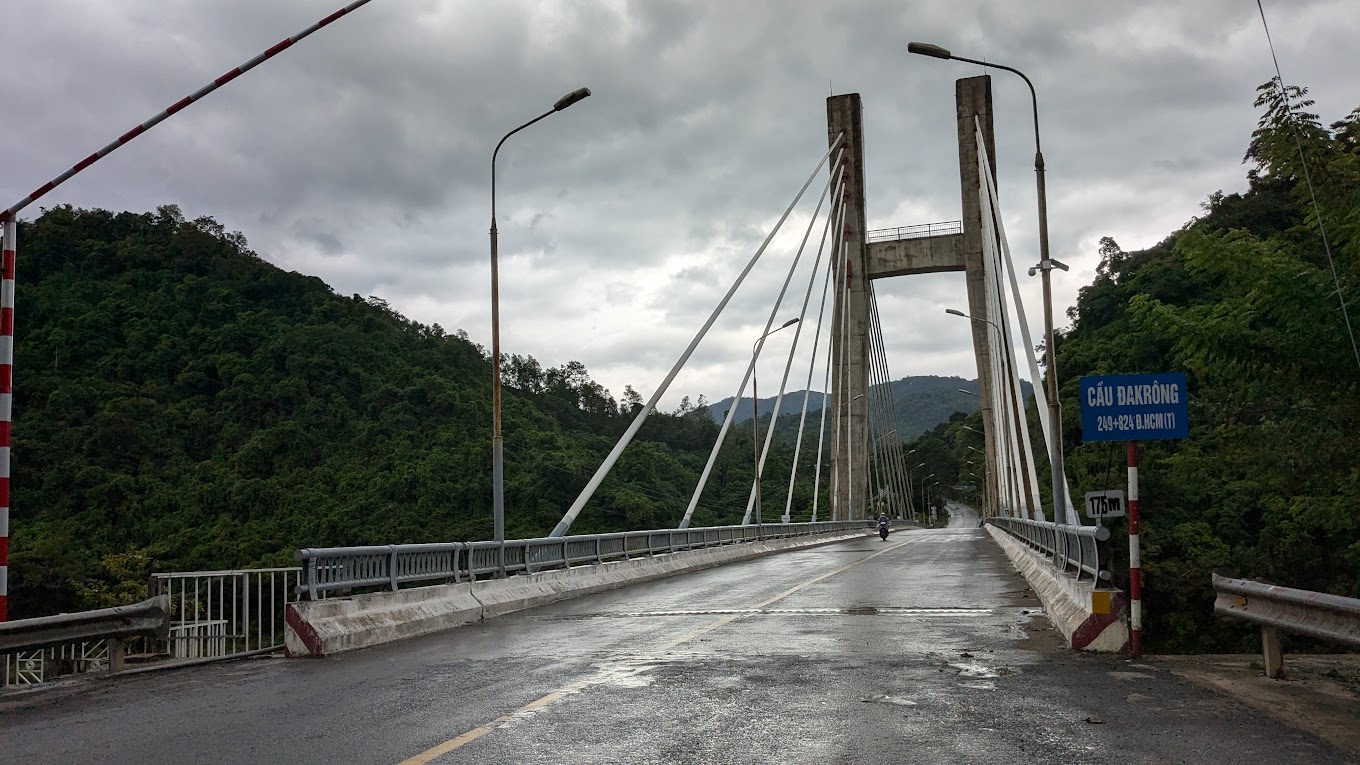
Dakrong Bridge, alongside Ho Chi Minh Trail, was a major focus of the US Army during the Vietnam War. Serving as a key access point to the trail, it endured relentless bombing by US forces in the 1950s and 60s and was repeatedly destroyed and rebuilt throughout the conflict. Today, the bridge is a historical landmark on the route to Khe Sanh Marine Base. Stop briefly to capture some photos and then continue your journey to Khe Sanh.
3. Khe Sanh Combat Base
Located in the northwestern part of Quang Tri Province near the Laos border, Khe Sanh Combat Base was a key site for the US Marine Corps during the Vietnam War. It witnessed over 100,000 tons of bombs during some of the conflict’s longest and deadliest battles, including the Route 9-Khe Sanh campaign in 1968 and the Route 9-Southern Laos campaign in 1971.
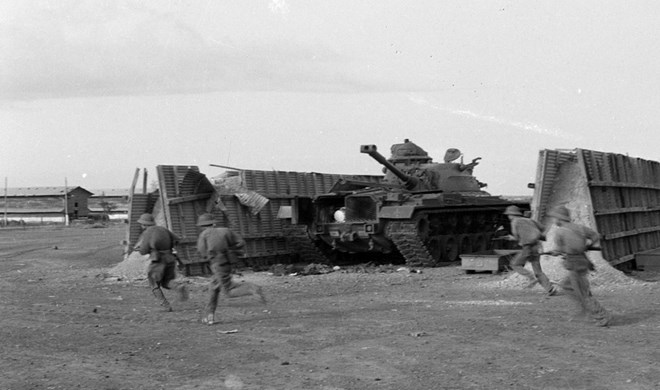
Khe Sanh battle in 1968
Though the battlefield and Ta Con airport from over 50 years ago are no longer visible, you can still delve into the history through the Khe Sanh Victory Museum, situated on the former camp site. The museum showcases war photos, preserved aircraft, American helicopters, a C130 transport plane, and North Vietnamese tanks.
In addition to the museum, explore the area where reconstructed bunkers, the old runway used by the US Marine Corps, and various armored vehicles, tanks, and airplanes are displayed. Don’t miss a visit to the Lang Vei Special Forces Camp, renowned for the intense battle of Lang Vei in 1968.
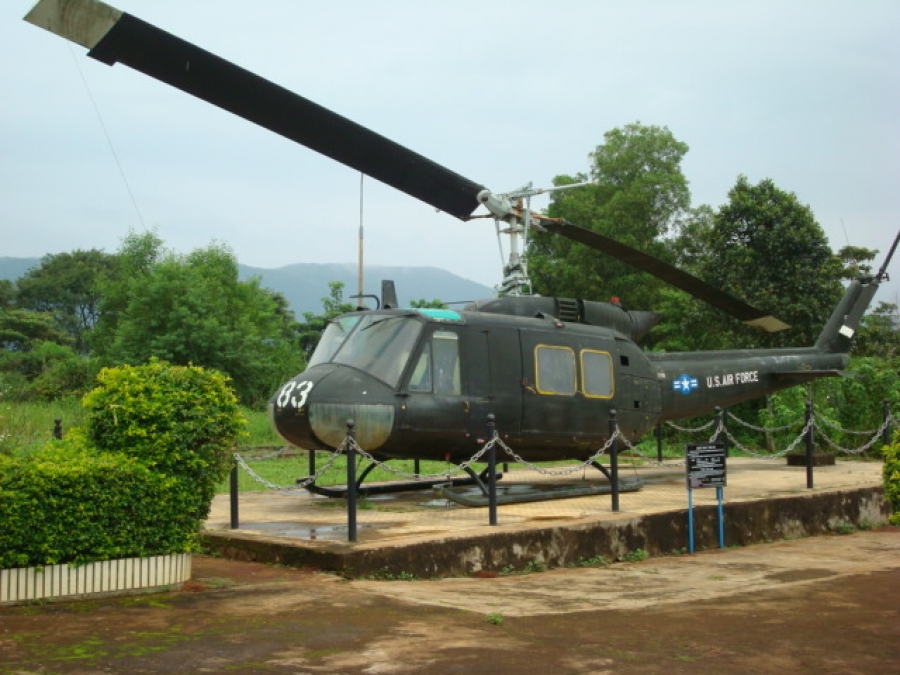
Ta Con airport – museum
For those who don’t want to recall the bloody history of Khe Sanh, pay a visit to a local coffee plantation to learn about the cultivation, harvesting, and production of Khe Sanh Coffee, a local organic coffee bean.
4. Hamburger Hill
Remember the 1987 film “Hamburger Hill,” which depicts the intense battle for Hill 937 from the perspective of American soldiers? The real-life battleground featured in the movie is indeed Ap Bia Hill, commonly known as Hamburger Hill. Rising 937 meters above sea level from the A Sau Valley in A Luoi town, this historic site was once a fierce conflict zone. Today, finding this former battleground can be challenging without a local guide.
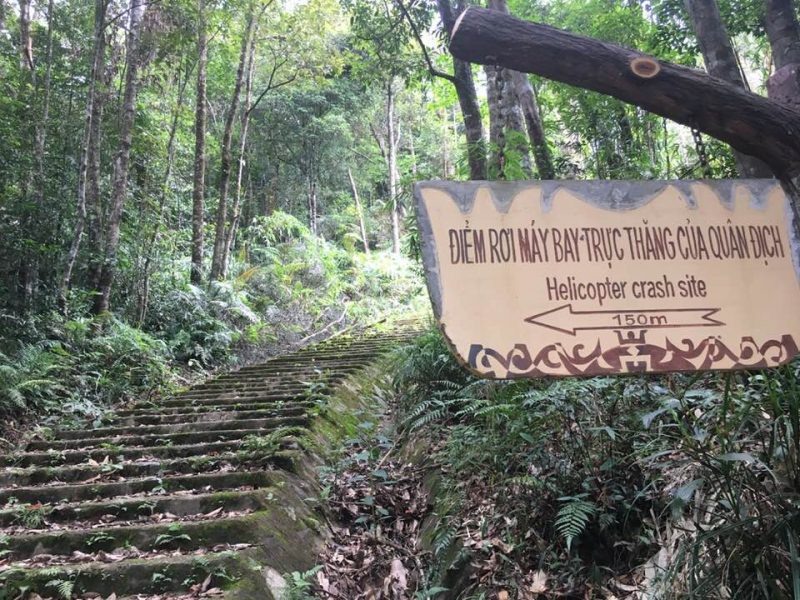
The area, once littered with bombs, is now covered in waist-high elephant grass, dense bamboo forests, and thick jungle. When you arrive, enjoy a rewarding hike to the summit, explore the remnants of the war, and take a stroll through a nearby tunnel used by the North Vietnamese Army.
5. The Rockpile Hill
Traveling along Route 9 towards the Vinh Moc Tunnels, you will come across the Rockpile Hill, located just 230 meters high and 29 kilometers west of Dong Ha, Quang Tri. This strategic vantage point was utilized by the US Marines to observe the area and track the movement of North Vietnamese troops entering South Vietnam through the DMZ.
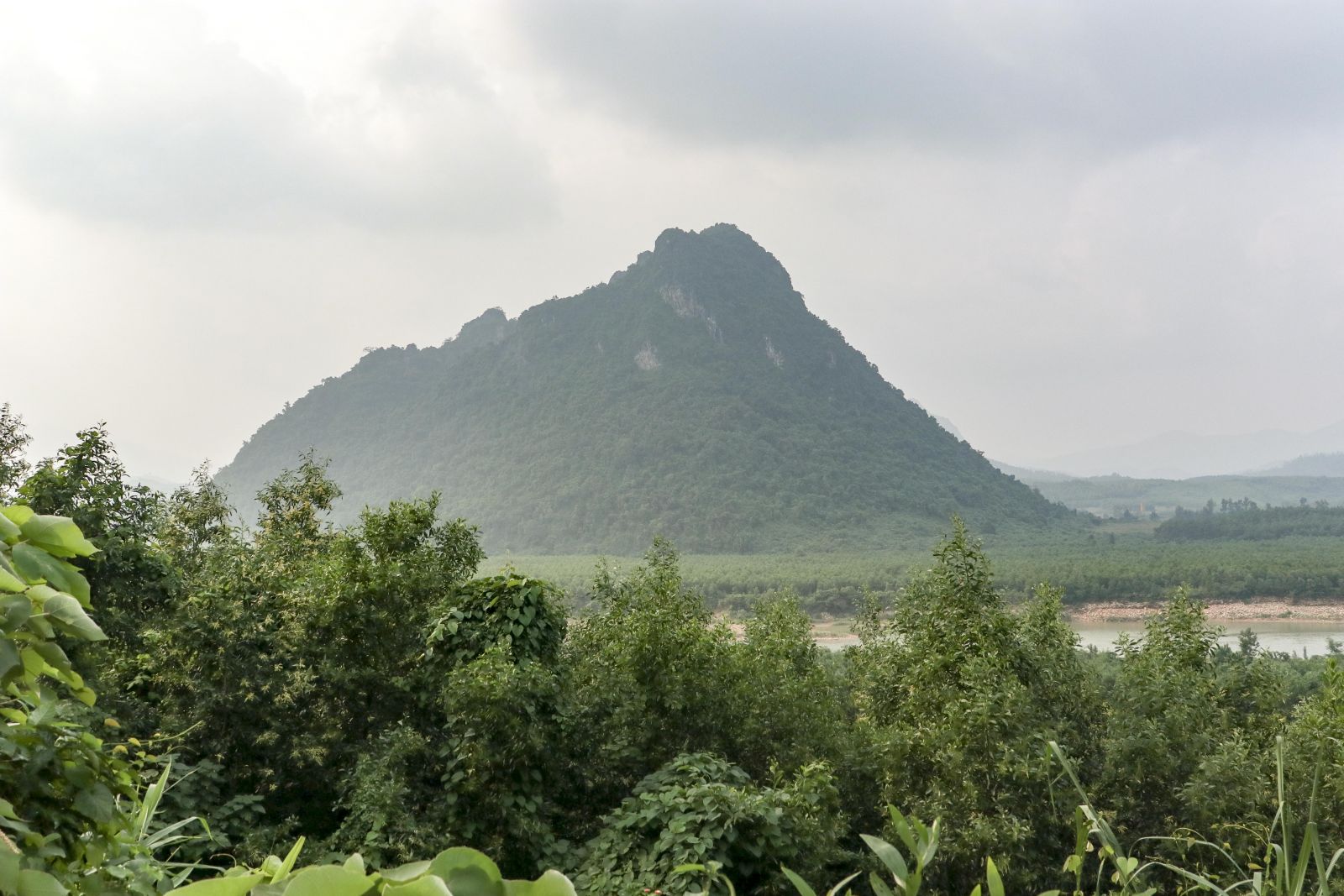
Rockpile Hill – DMZ Quang Tri
6. Ben Hai River and Hien Luong Bridge (17° Parallel)
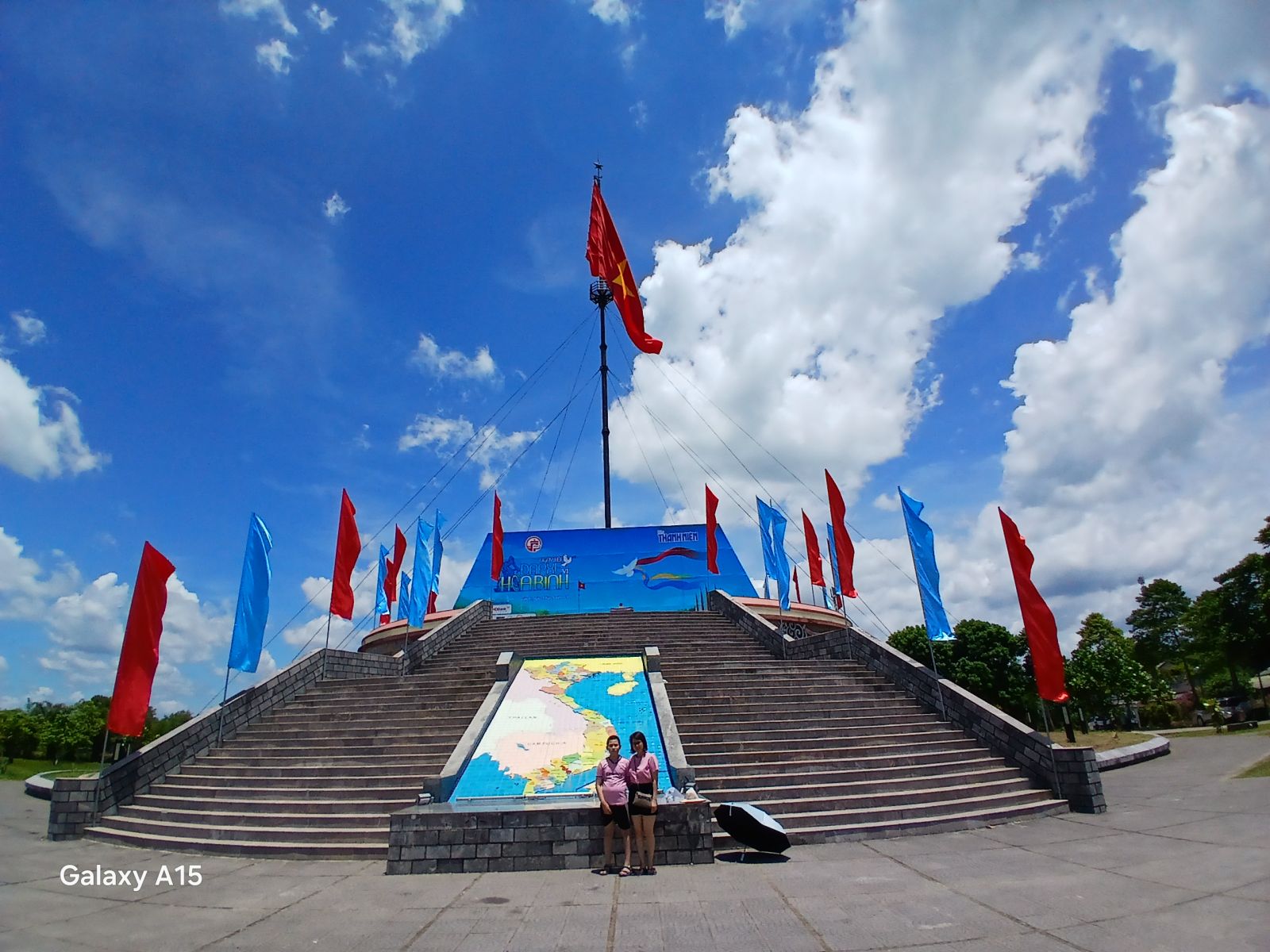
Route 9 leads us to the Ben Hai River and Hien Luong Bridge, which once divided North and South Vietnam during the Vietnam War. After Vietnam’s victory over France in 1954, this division separated thousands of local families. Hien Luong Bridge was a witness to the intense conflict between the two sides during the war. However, following Vietnam’s reunification in 1975, the bridge became a symbol of national unity and independence.
To commemorate this historic river and bridge, impressive reunification monuments have been erected on both sides, serving as important historical landmarks in Quang Tri. Take an hour or two to visit a nearby museum to learn more about the historical significance of Hien Luong Bridge and its role in Vietnam’s past.
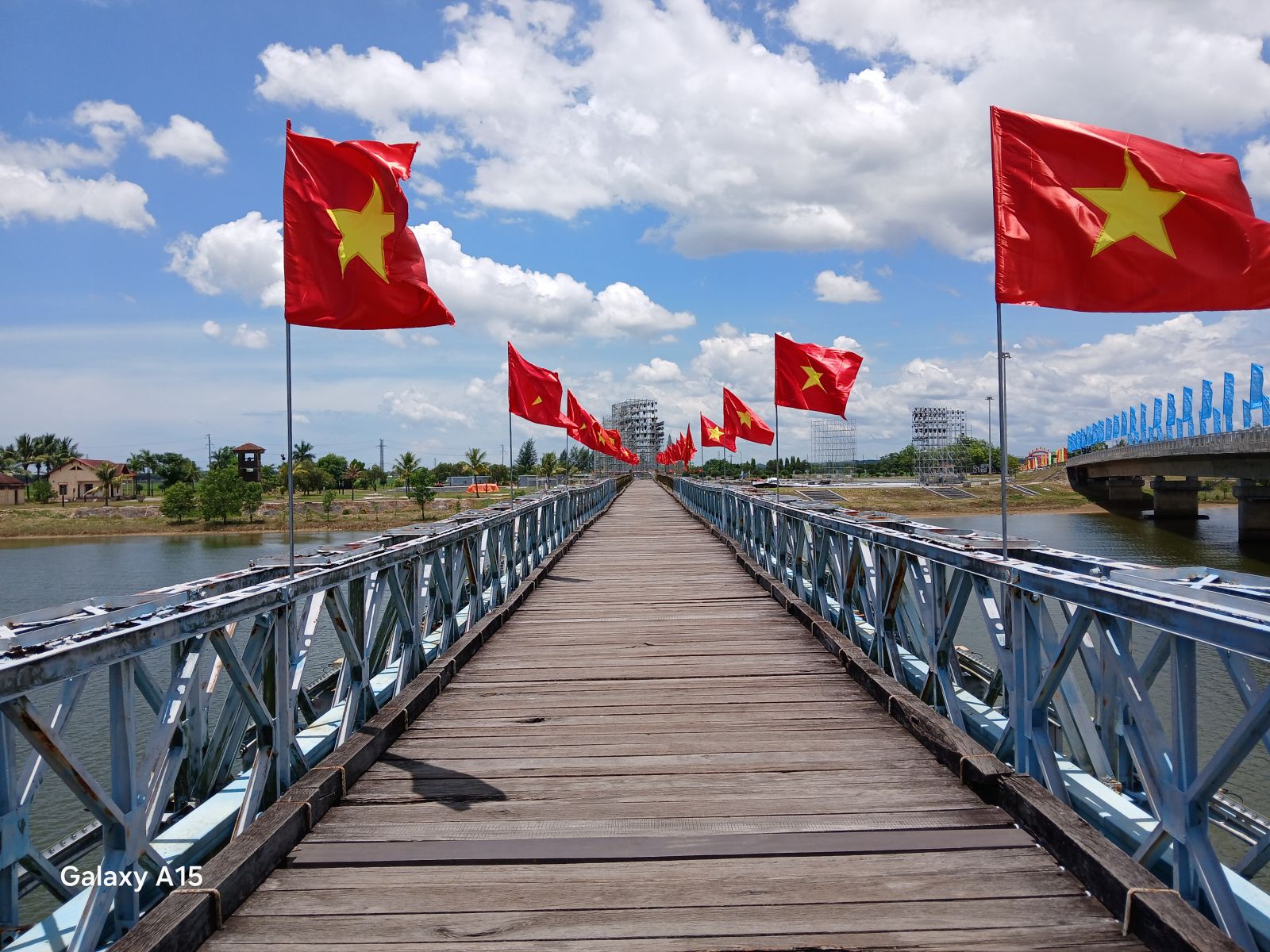
Legendary Hien Luong Bridge – Ben Hai river (DMZ)
7. Vinh Moc Tunnels
Similar to the Cu Chi Tunnels in the South, the Vinh Moc Tunnels served not only as a bomb shelter but also as a living space for the residents of Vinh Moc village during the war. Constructed secretly between 1966 and 1967, these tunnels are the longest and largest in Vietnam, surpassing even the Cu Chi Tunnels in scale. They consist of three levels, extending 12 meters, 15 meters, and 23 meters deep, and feature 13 entrances and 7 sea exits, ensuring adequate ventilation and supply routes to the sea
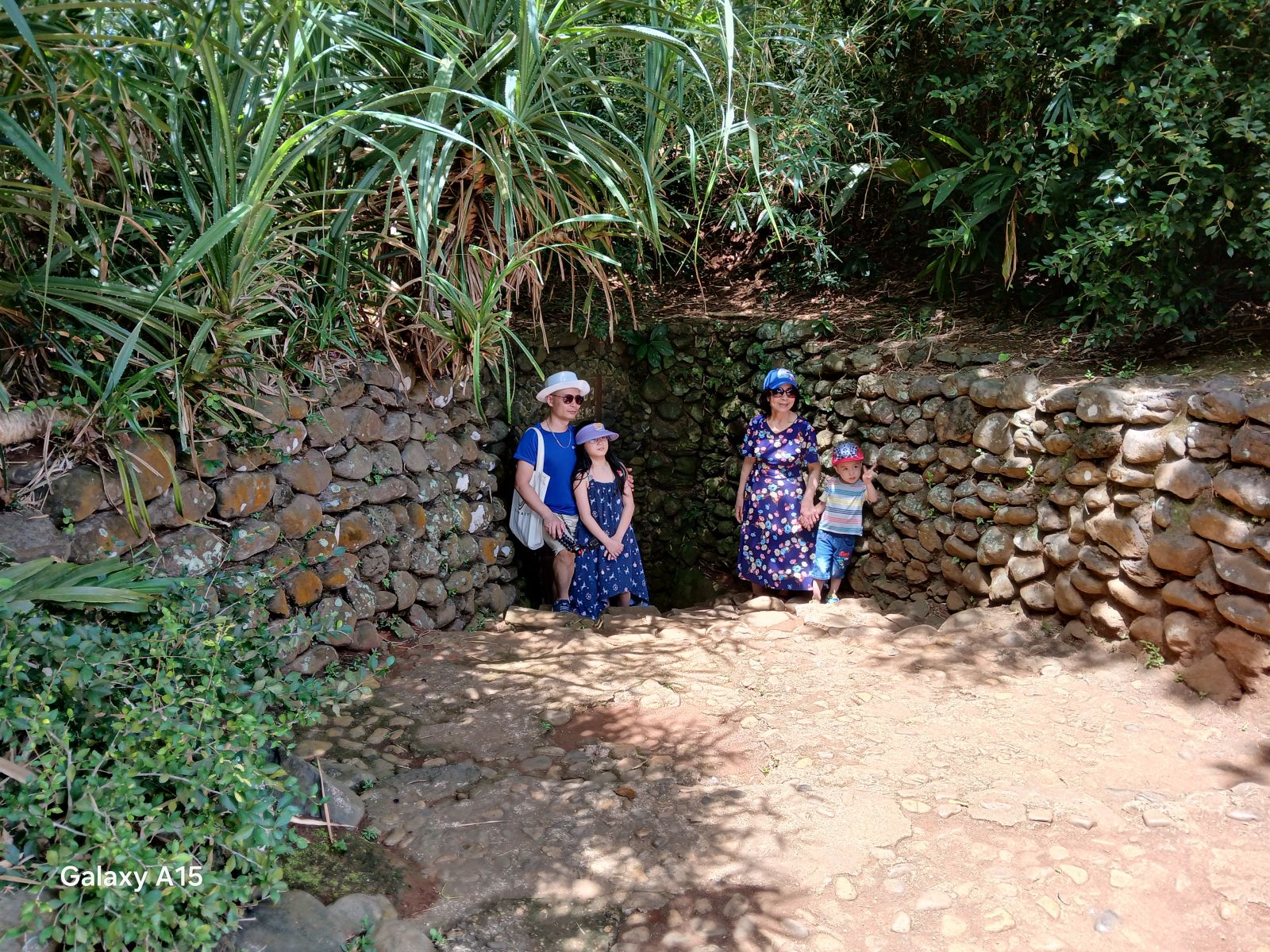
Entrance to Vinh Moc tunnels
The Vinh Moc Tunnels supported daily life of local people underground, accommodating activities such as watching movies, giving birth, and studying. Guided tours with flashlights lead you through the maze, revealing sleeping quarters, a meeting room, and a kitchen designed to conceal smoke. The tunnels even included an operations room, a nursery, and a maternity ward where 17 babies were born. Despite American Forces’ awareness of the tunnels, they were unable to locate their precise entrances or exits, thus, hundreds of tons of bombs were dropped during the wartime. Remarkably, the tunnels withstood these attacks and stand as a testament to human ingenuity, engineering, and resilience.
8. Cua Tung Beach: A Hidden Gem
While exploring historical monuments and relics, don’t miss out on Cua Tung Beach, often called the “Queen of Beaches” by locals. This one-kilometer stretch may not be as renowned as Nha Trang, Quy Nhon, or Phu Quoc, but it boasts its own charm with its clear, gentle waters and pristine sand. Enjoy a leisurely walk along the shore, feeling the soft sand beneath your feet, and watch the sunrise or sunset paint the sky in shades of orange and red.
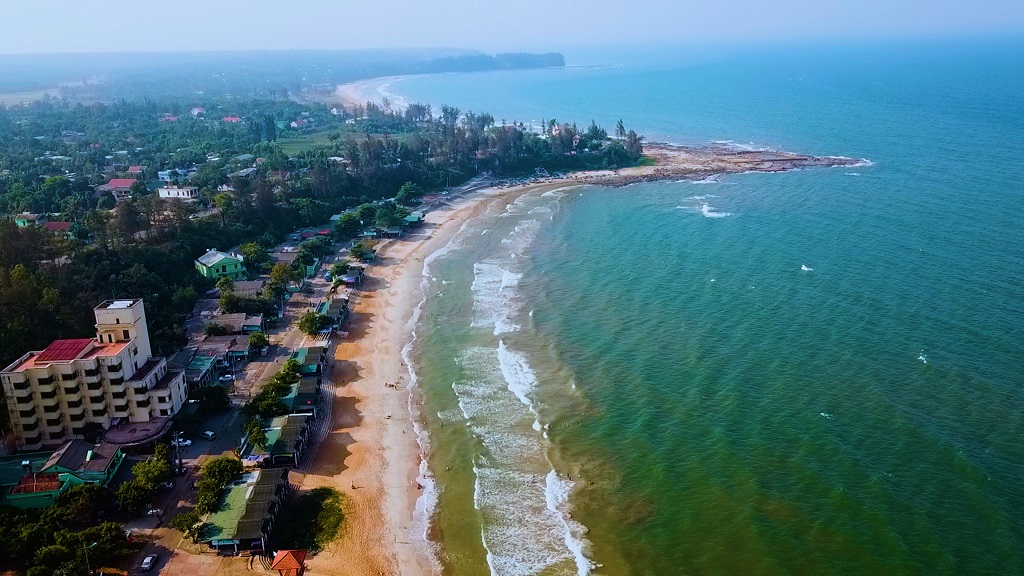
Cua Tung beach – DMZ Quang TRi
To immerse yourself in the local culture and experience the serene life of Cua Tung, take a short walk to Cat Son, a century-old fishing village. Observe traditional fishing techniques that have been used for generations, and participate in workshops on drum-making, carpentry, or pearl inlay.
If you have more than two days, seize the opportunity to visit Con Co Island, a peaceful spot nearby that was once part of the northern Ho Chi Minh Trail at sea
9.Quang Tri Ancient Citadel
The Quang Tri Ancient Citadels, located in Quang Tri Province near the Vietnam-Laos border, stand as silent witnesses to the intense battles and strategic significance of the Vietnam War. These historic fortifications, originally built by Nguyen dynasty during their control, became crucial military strongholds during the conflict between North and South Vietnam.
The citadels, comprising a series of fortresses and defensive structures, were fortified and heavily used by both sides throughout the war. They were strategically positioned to control key routes and supply lines, making them a focal point of the fierce and protracted confrontations in the region. The surrounding area saw extensive bombing and ground combat, leaving the citadels scarred and battered.
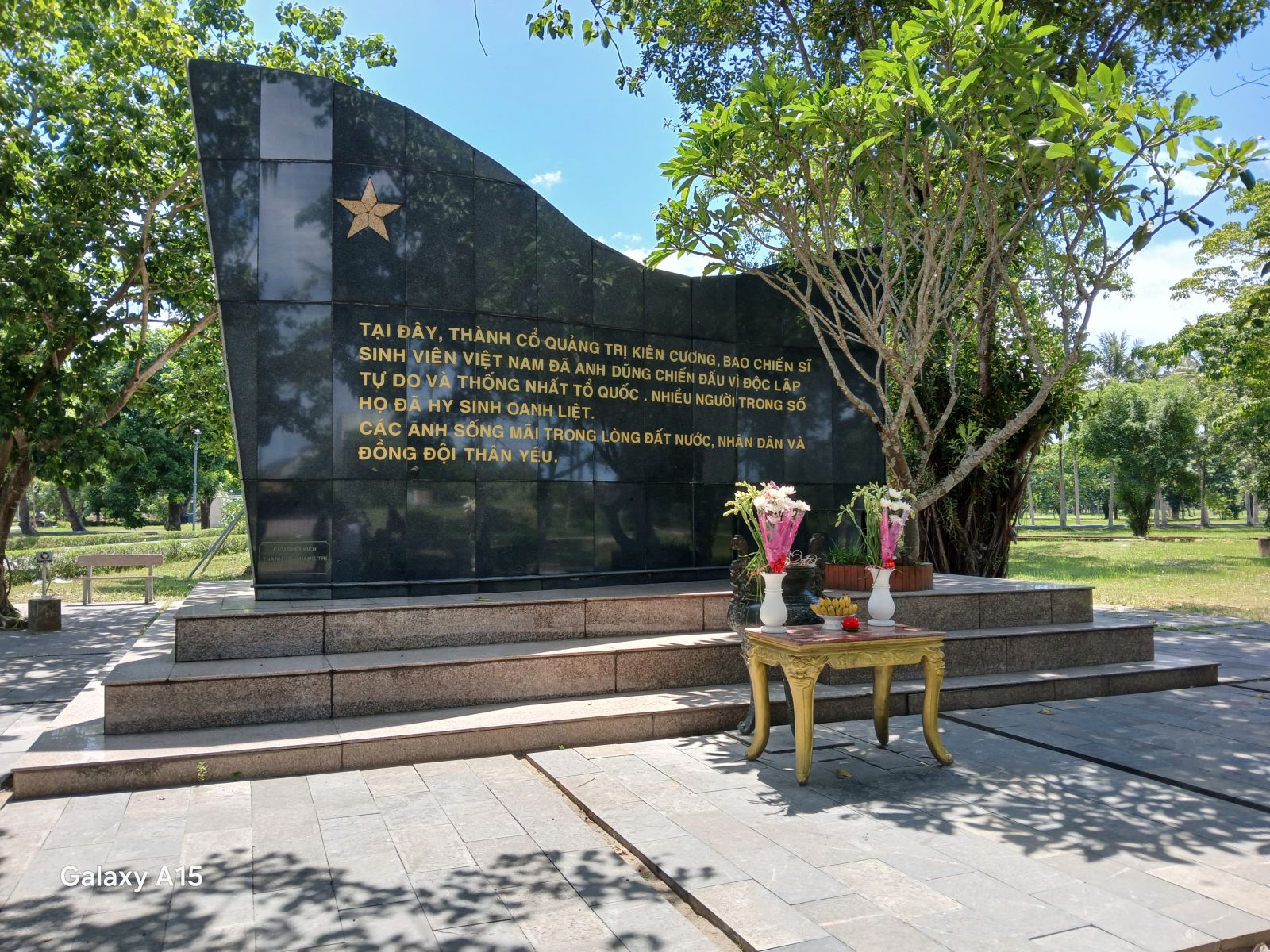
Today, the Quang Tri Old Citadels serve as poignant reminders of the war’s devastation and the resilience of those who fought and endured. The remnants of these fortifications offer valuable insights into the military strategies of the era and stand as a tribute to the historical and cultural heritage of Vietnam.
10. Truong Son National Cemetery
Situated on Ben Tat Hill in Vinh Truong Commune, Gio Linh District, Quang Tri, Truong Son National Cemetery is a solemn site dedicated to honoring the thousands of Vietnamese martyrs who rest here. It serves as a poignant reminder for Vietnamese people, the government, and the military to pay tribute to the heroes who sacrificed their lives for the country’s liberation and reunification.
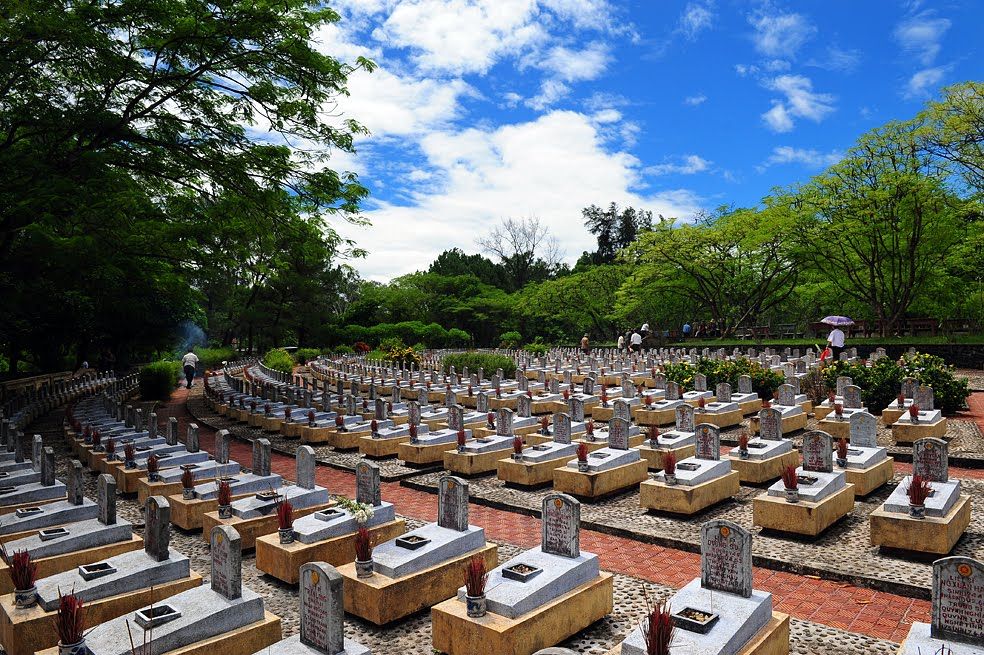
Graves of martyrs in Truong Son semetery
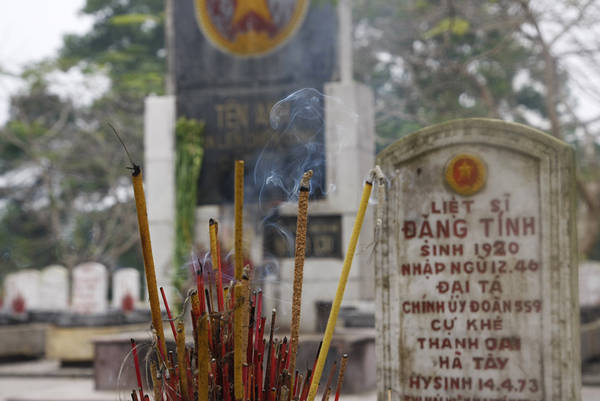
As a military cemetery, Truong Son is the final resting place for 33,000 soldiers and civilians who perished fighting for the independence and unity of North and South Vietnam. Among these graves, over 12,000 are marked by white tombstones on the hillside, inscribed with the names and details of the martyrs. Many graves remain nameless or empty, as the remains of numerous martyrs were scattered throughout the Truong Son mountain range or buried in unknown locations, their final resting places lost to time.
Established in 1975, the cemetery is set on a hill surrounded by eight smaller hills, symbolizing an eight-petal flower. The construction was completed in about a year and a half. At the heart of the cemetery stands a war memorial made of white marble, featuring pagoda-style architecture and engraved with the famous quote from Uncle Ho: “Nothing is more precious than freedom and independence.” The graves are typically arranged in groups of eight, with candles and incense lit on national memorial days such as April 30th, July 27th, and September 2nd.
When is the Best Time to Visit DMZ Quang Tri – Vietnam?
Situated in the remote Truong Son mountain range (Annamite Range) in Central Vietnam, the DMZ Quang Tri experiences a two-season climate: the dry season and the rainy season. The dry season, from April to August, brings temperatures of 35-40°C with relatively low humidity, so it will be very hot weather thanks to the Foehn wind from Laos. This contrasts sharply with the hot and humid conditions typical of Northern and Southern Vietnam. Conversely, the rainy season, from September to March, is characterized by heavy rainfall and high humidity. For the most enjoyable visit, consider traveling to the DMZ Vietnam during the early dry season (April or May) to avoid the intense heat, heavy rains, and large crowds of domestic tourists.
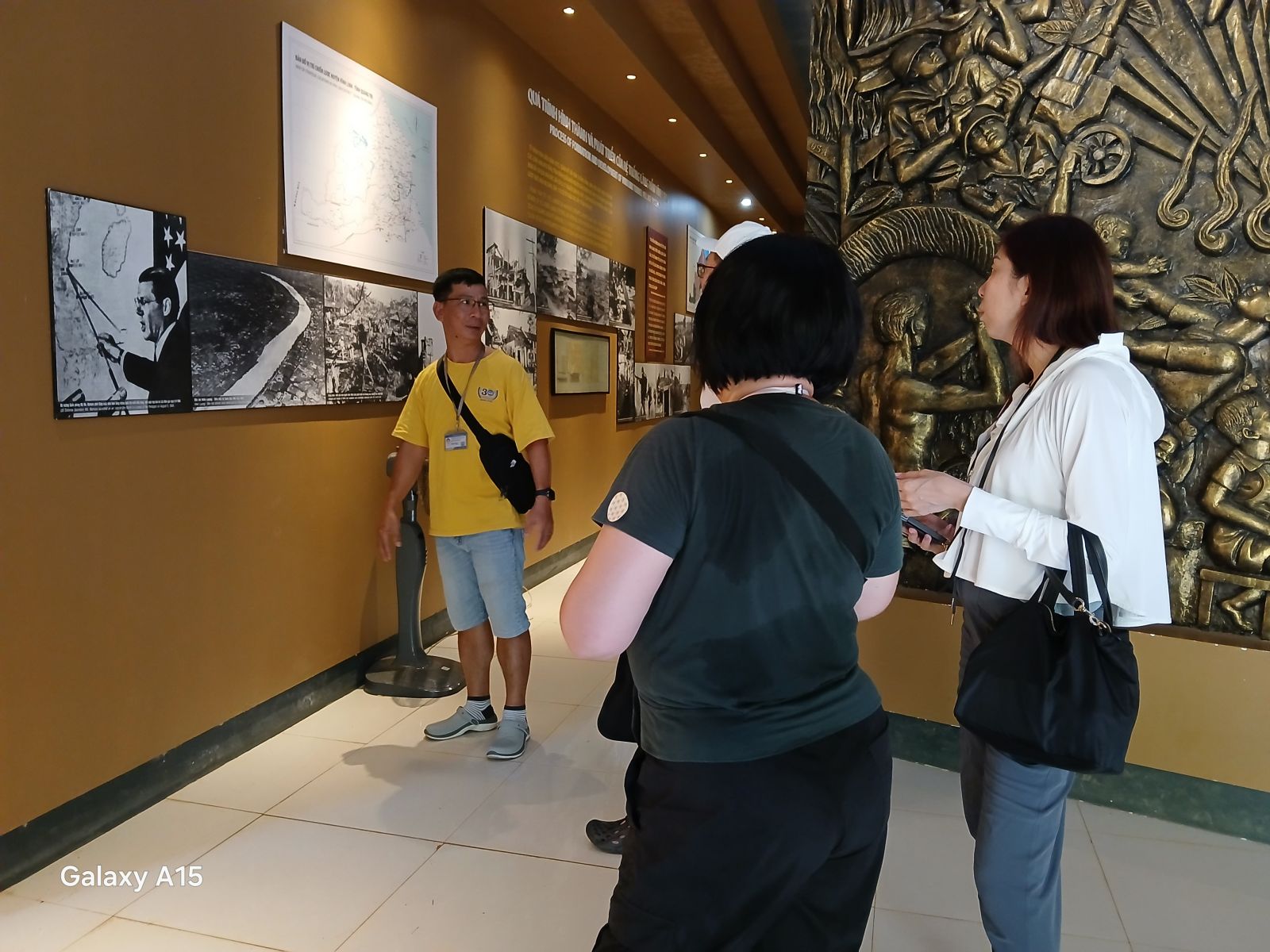
A visit to Vinh Moc museum
Essential Travel Tips for Visiting Vietnam’s DMZ
- Understand the History: The DMZ (Demilitarized Zone) in Quang Tri is a significant historical site, marking the division between North and South Vietnam during the Vietnam War. Familiarize yourself with its history to fully appreciate your visit.
- Ideal Time to Visit: The best time to visit the DMZ is during the dry season, from April to August. The weather is more favorable for exploring outdoor sites, with less rain and clearer skies.
- Join is an organized tour with a knowledgeble guide: To get the most out of your DMZ visit, consider a tour with a local guide who can provide detailed insights into the history and significance of each site.
- Stay Hydrated and Bring Snacks: The sites are spread out and can take several hours to explore. Carry water and some snacks, especially if you’re visiting during the warmer months.
- Respect the Sites: Remember that the DMZ is a solemn area where many people lost their lives. Be respectful, particularly when visiting war memorials, cemeteries, and tunnels.
- Photography: While most areas allow photography, be mindful of restrictions, especially in sensitive sites like memorials. Always ask your guide if you’re unsure.
- Stay Safe: While the DMZ is safe for visitors, stick to marked paths and avoid venturing into undeveloped areas, as there may still be unexploded ordnance in some remote locations.
By following these tips, you can ensure a safe, respectful, and enriching experience while exploring Vietnam’s DMZ.
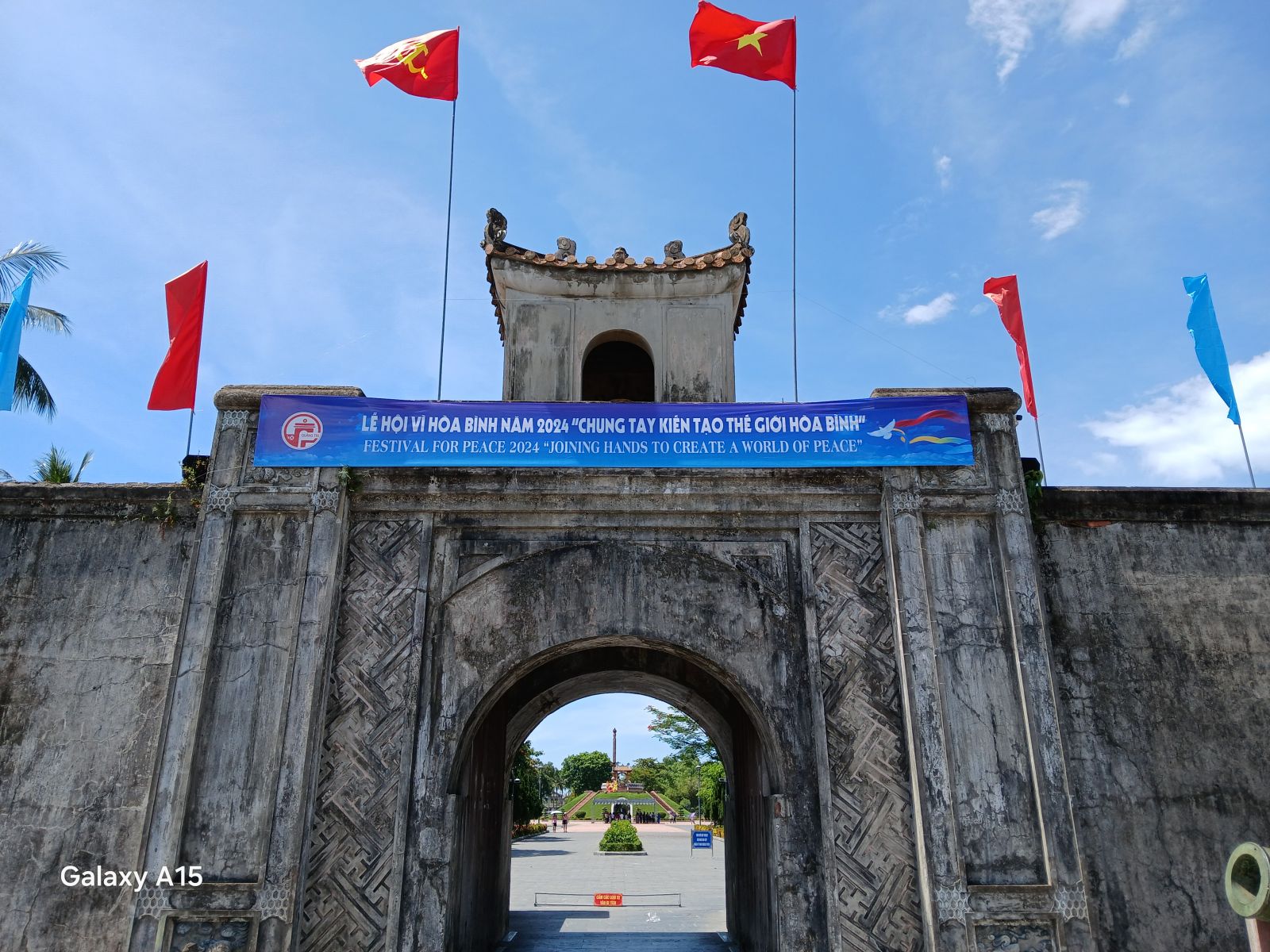
The gate to enter Quang Tri ancient citadel
Suggested Itinerary for Exploring the DMZ Quang Tri – Vietnam
Experience a historical journey through the DMZ in Central Vietnam, with Truong Son National Cemetery marking the end of this fascinating exploration. Located near Quang Binh and Hue, the DMZ Quang Binh can be seamlessly integrated with other destionations for a comprehensive tour of history, world heritage, and natural wonders. Here’s a suggested itinerary:
- Day 1: Discover Quang Binh’s natural marvels with visits to Phong Nha and Paradise Caves.
- Day 2: Explore the DMZ, including the Ho Chi Minh Trails, Khe Sanh Combat Base, and Cua Tung Beach.
- Day 3: Continue your DMZ adventure with the Vinh Moc Tunnels and Truong Son National Cemetery, then travel to Hue.
- Day 4-5: Immerse yourself in the World Heritage Sites of Hue.
- Day 6-8. Visit top highlights between Hue, Da Nang & Hoi An : Lap An fishing village, Hai Van Pass, Ba Na hills, Hoi An ancient town, My Son holy land…..
For a detailed travel itinerary, check out the 8-Day Central Vietnam Heritage Tour to help plan your visit to the DMZ and Central Vietnam.

Planning your trip to Vietnam and exploring the historic DMZ in Quang Tri? For personalized local travel support, contact us via WhatsApp at +84.988451530 or email us at [email protected]. We’re here to help make your journey unforgettable!
Frequently Asked Questions
The Vietnam DMZ (Demilitarized Zone) was the historic dividing line between North and South Vietnam during the war. Located near the 17th parallel, it is a must-visit for history enthusiasts. Exploring the DMZ provides a deep understanding of the country’s struggle for independence, the resilience of its people, and the significant military operations that took place in this strategic region
A comprehensive DMZ tour typically includes the Vinh Moc Tunnels, where an entire village lived underground to escape bombing, and Hien Luong Bridge over the Ben Hai River, the symbolic divide of the nation. Other crucial landmarks include Khe Sanh Combat Base, a pivotal site of a major siege, and The Rockpile, a former US long-range lookout point.
Yes, a DMZ day trip from Hue is one of the most popular ways to see the region. Since the DMZ is located about 100km north of Hue, travelers can easily book a full-day private tour. This allows you to visit key sites like the Vinh Moc Tunnels and Dakrong Bridge comfortably while returning to Hue by evening.
While both were used during the war, their purposes differed. The Cu Chi Tunnels near Saigon were primarily used for guerrilla warfare and military operations. In contrast, the Vinh Moc Tunnels in the DMZ were built as a strategic civilian shelter. They are deeper, more spacious, and designed for long-term living, housing families and even a clinic and maternity ward during the conflict
Visiting the DMZ without a guide can be difficult as many sites are spread out and require deep historical context to appreciate. A professional guide from Golden Holiday Travel provides expert storytelling, helps navigate the rural terrain, and explains the tactical significance of sites like Khe Sanh or the Ho Chi Minh Trail, making the history come alive in a way that plaques and signs cannot
Planning your visit is simple with Golden Holiday Travel, a licensed tour operator. We offer customizable private tours starting from Hue or Dong Ha. Our packages include a private car, an experienced English-speaking guide, and a flexible itinerary tailored to your specific historical interests, ensuring a respectful and educational journey through Vietnam’s war history.















Write Comment