
Must-Know Taboos of Local Ethnic Villages in Sapa – Essential Cultural Etiquette for Travelers
Important Local Taboos to Know Before Visiting Sapa’s Ethnic Villages
Nestled among the majestic mountains of northern Vietnam, Sapa is one of the most breathtaking destinations for travelers exploring Vietnam. Famous for its spectacular rice terraces, misty valleys, lush forests, colorful ethnic cultures, and authentic trekking experiences, Sapa has become a must-visit highlight in many Vietnam tour itineraries.
A trip to Sapa is not only about admiring the stunning landscapes of Muong Hoa Valley, conquering mountain trails, or visiting beautiful waterfalls. It is also an opportunity to discover the fascinating traditions, customs, and lifestyles of local ethnic minority groups such as the Black H’Mong, Red Dao, Giay, Tay, Xa Pho, and Ha Nhi people.
However, before joining trekking tours to local villages in Sapa, travelers should understand that many ethnic communities still carefully preserve their spiritual beliefs and traditional rules. Respecting local customs is one of the most important things to know before traveling to Sapa. Some actions that may seem normal to foreign visitors can unintentionally become disrespectful or offensive in local culture.
To help you enjoy a respectful and memorable Sapa trekking experience, Golden Holiday Travel would like to share the most important taboos and cultural etiquettes so you can remember & apply well while visiting local ethnic villages in Sapa.
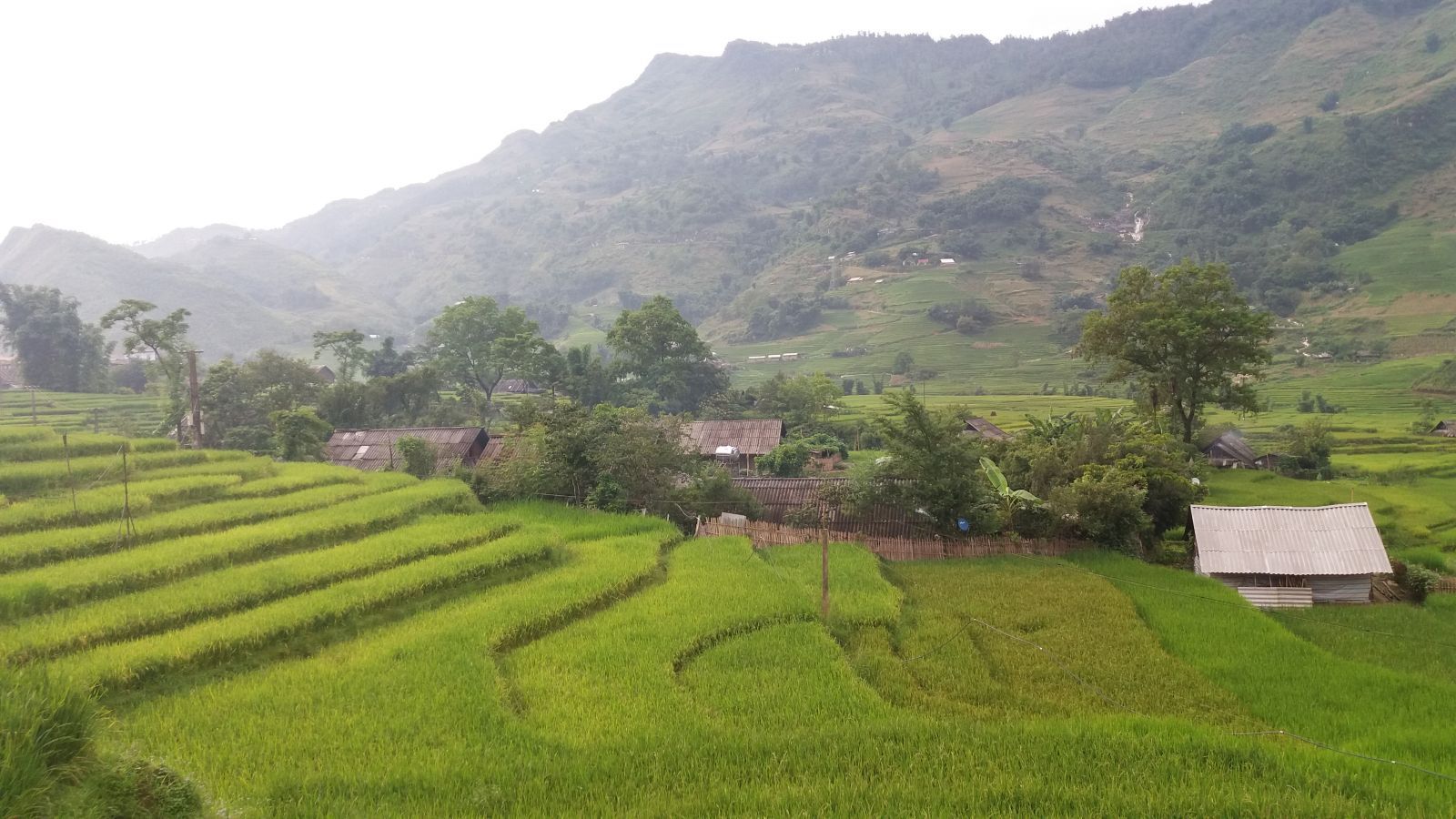
Trekking to Lao Chai village of Black H’mong
Respect Sacred Forests and Spiritual Areas
One of the most important taboos in Sapa ethnic villages is related to sacred forests and worship areas. Many villages in the Sapa region maintain a “forbidden forest” or sacred area where villagers worship spirits, ancestors, or local gods. These forests are usually filled with ancient trees, large rocks, or spiritual symbols considered sacred by the community.
Local people strongly protect these areas, and outsiders are often not allowed to enter freely. Travelers should never touch sacred objects, climb on rocks, litter, or behave disrespectfully near these spiritual places. Loud noises, joking around, or taking inappropriate photos in sacred areas should also be avoided.
During certain periods of the year, villagers organize traditional ceremonies to worship spirits or pray for peace, good harvests, and protection from evil spirits. At these times, villages may place symbolic gates or ritual decorations at the entrance to indicate that outsiders should not enter.
For example, some Ha Nhi villages place chicken heads, wings, wooden swords, or knives on ritual gates. Other ethnic groups such as the Tay, Thai, Giay, Lao, Bo Y, and Xa Pho may hang green leaves or animal bones to signal ongoing spiritual ceremonies. If you see these signs during your Sapa trekking trip, it is best to respectfully avoid entering the village.
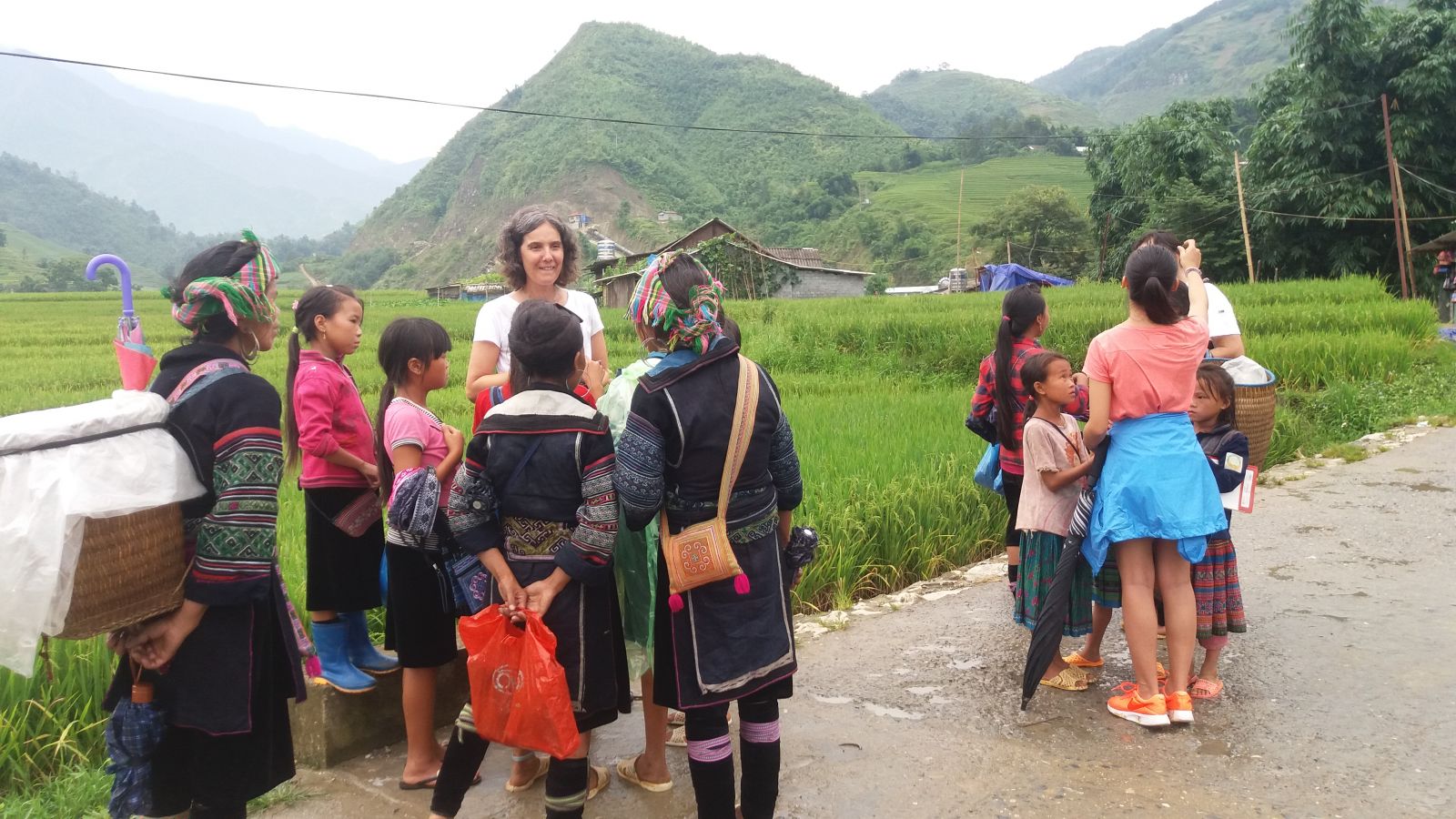
Tourists & local ethnics in Lao Chai village
Avoid Whistling or Making Loud Noises in Villages
The peaceful atmosphere of ethnic villages is highly valued by local communities. While trekking through villages such as Lao Chai, Ta Van, or Y Linh Ho, travelers should avoid shouting, making excessive noise, or behaving too loudly.
Whistling is especially considered taboo in many villages because local people believe it may attract evil spirits or bad luck into the community. Even though whistling may seem harmless to visitors, avoiding it shows respect for local beliefs and traditions.
Maintaining a calm and respectful attitude during village visits will help you connect more naturally with local people and create a better travel experience.
Never Touch Local Children on the Head
When trekking through villages in Sapa, travelers are often greeted by smiling local children who may walk alongside visitors or try to communicate in simple English. While these encounters are charming and memorable, there are certain cultural boundaries travelers should understand.
In many ethnic cultures in northern Vietnam, the head is considered the most sacred part of the body because it is believed to be where the soul resides. Touching a child’s head, even as a friendly gesture, may be considered disrespectful or spiritually harmful. Some villagers believe this action could cause illness or weakness to the child.
Instead of patting children on the head, travelers can simply smile, wave, or greet them warmly to show kindness and friendliness.
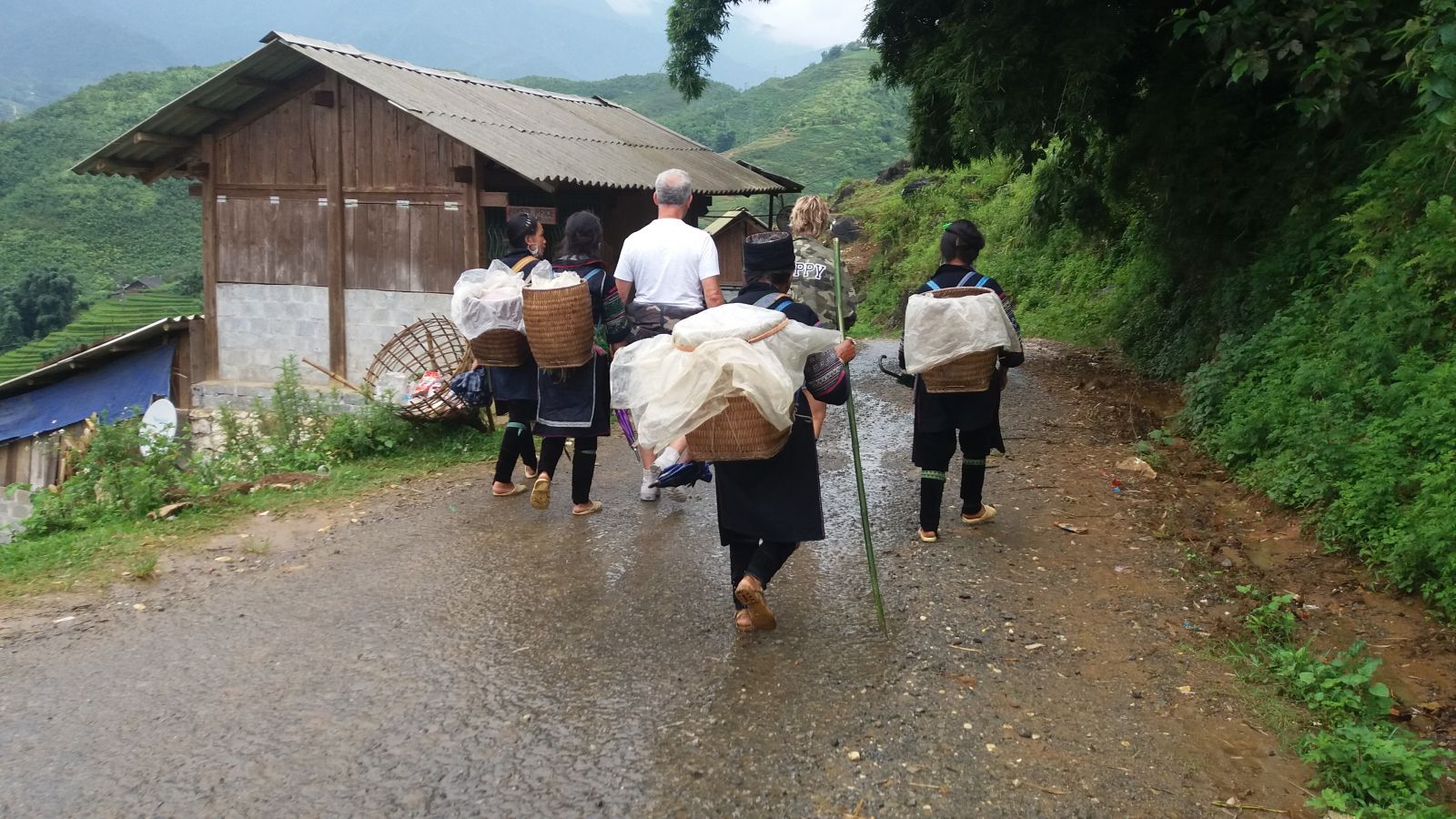
The entrance to Lao Chai- Ta Van villages
Important Rules When Visiting Local Houses
Homestay experiences in Sapa villages are one of the best ways to discover authentic local life, traditional architecture, and ethnic culture. However, each ethnic group has its own house rules and customs that visitors should respect.
Before entering a local house, travelers should pay attention to signs hanging near the entrance. If you see woven branches, green leaves, or white cloths hanging in front of the house or staircase, you should not enter. These symbols usually indicate that the family recently experienced a funeral or is conducting spiritual rituals, and strangers are not welcome during this period.
When entering a local home, always follow the guidance of the host. Some Black Ha Nhi houses, for example, have two entrances, but guests may only use the entrance permitted by the homeowner. In Thai ethnic houses, there are separate stairways for men and women.
Inside most homes, you will find an ancestor altar located in the center or most respected position of the house. The altar is considered sacred and should always be respected. Travelers should never place bags, cameras, hats, or personal belongings on the altar. Sitting directly in front of the altar or turning your back toward it is also considered impolite.
In traditional H’Mong houses, there is often a central pillar believed to contain protective spirits. Visitors should avoid leaning against this pillar or hanging clothes and belongings on it.
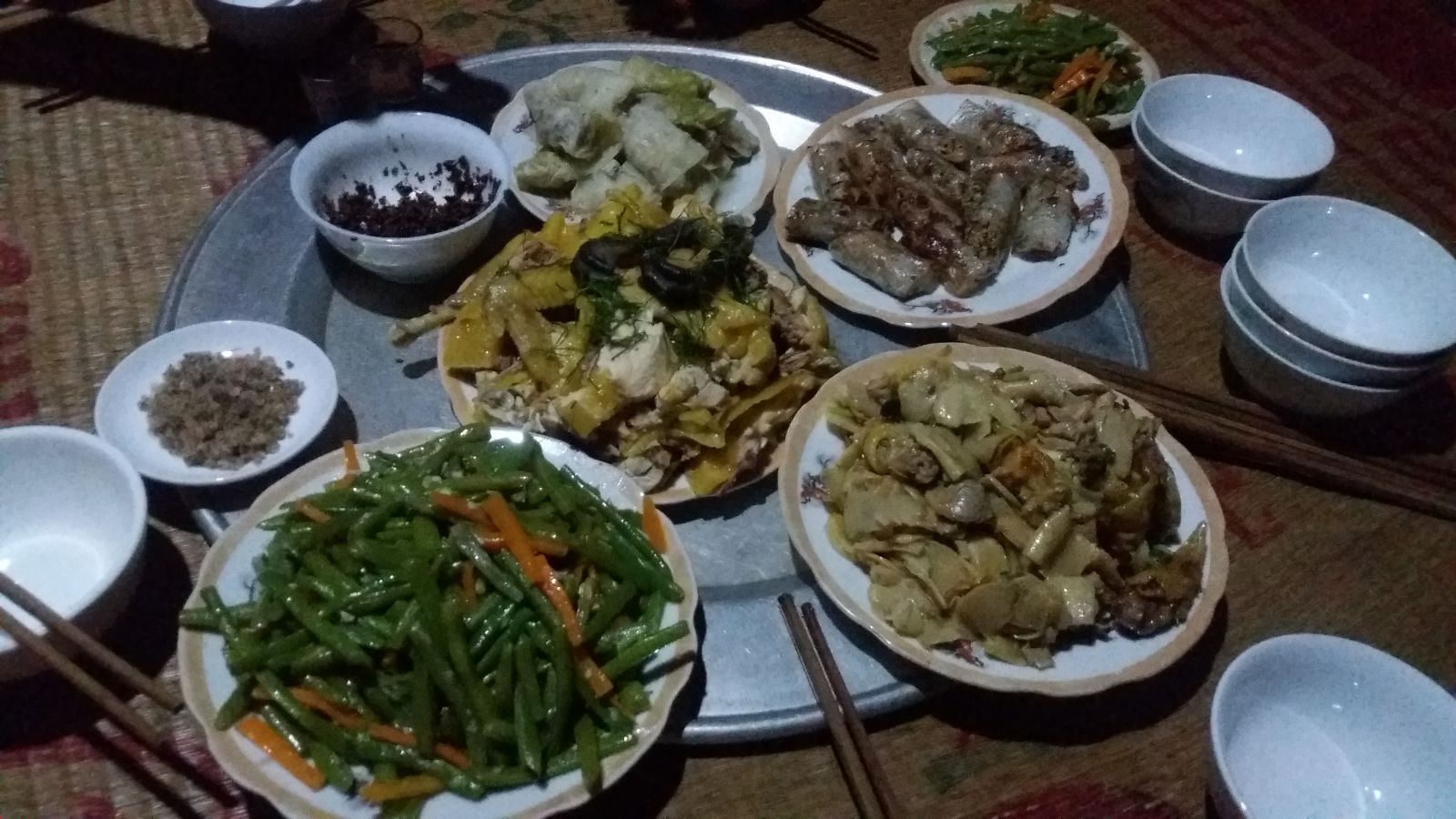
Homestay & local food in village
Dining Etiquette and Meal Taboos in Sapa Villages
Sharing meals with local families during a Sapa homestay is a wonderful cultural experience. Traditional meals often include home-cooked dishes, local rice wine, mountain vegetables, and regional specialties prepared by ethnic families.
However, dining customs are very important in ethnic culture, and seating arrangements often reflect respect and social hierarchy. In some Giay and Red Dao families, seats near the ancestor altar are reserved for elders or honored guests. In H’Mong culture, certain seats may symbolically belong to deceased ancestors and should remain empty.
As a visitor, you should wait for the host to invite you to sit down. Avoid choosing the best seat yourself or sitting beside village elders unless specifically invited.
Before eating, local families may perform small rituals to invite ancestors or give thanks. Travelers should wait patiently and avoid starting the meal or drinking before the host begins. Respectful behavior during meals demonstrates appreciation for local hospitality and traditions.
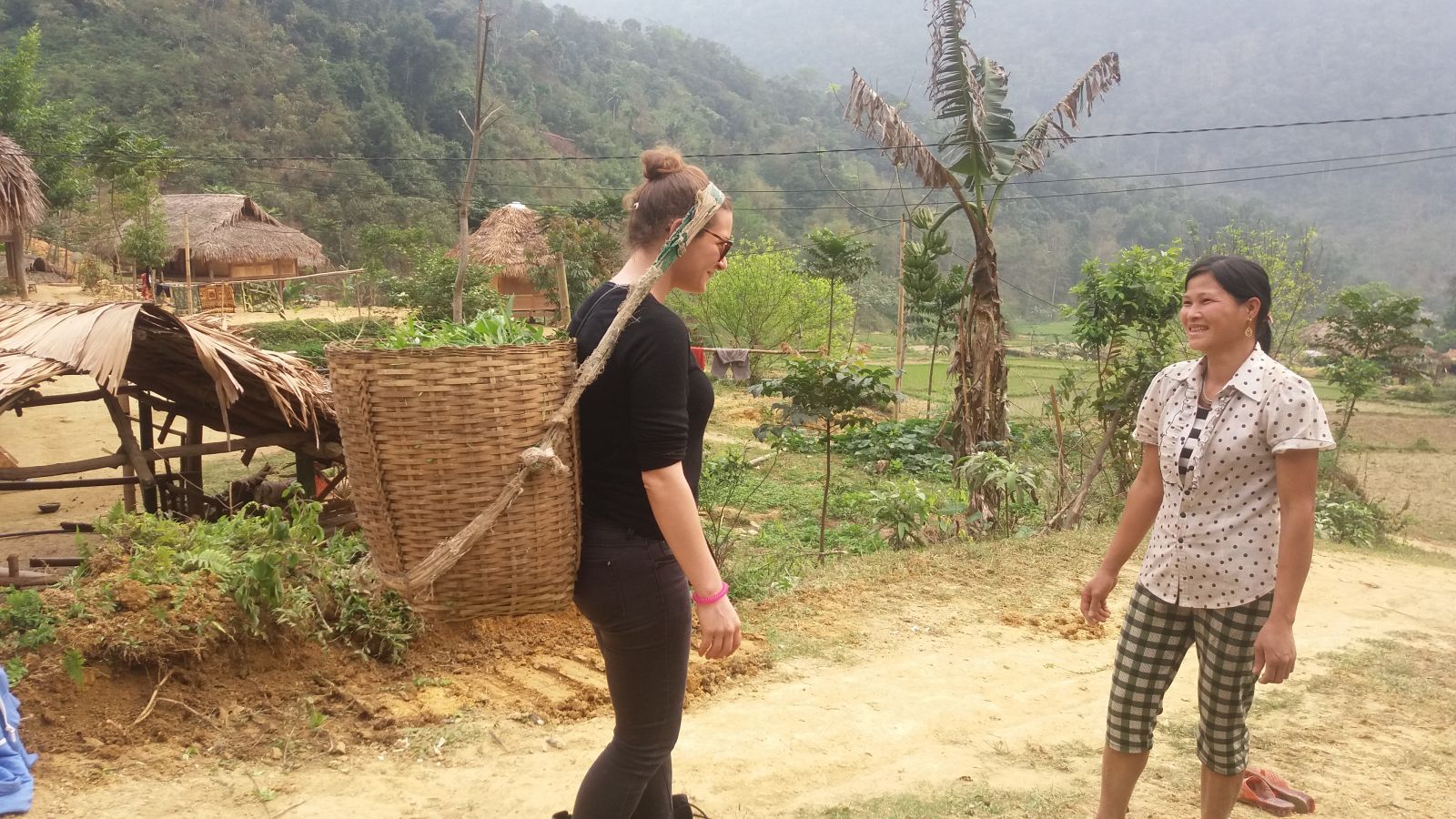
Meeting locals with nice experiences
Be Friendly and Respectful Toward Local People
One of the best ways to enjoy meaningful experiences in Sapa is by showing kindness and respect to local communities. Even though language barriers may exist, a smile, gentle greeting, and sincere attitude can create positive connections with villagers.
Simple gestures such as saying hello, smiling warmly, or slightly bowing your head are appreciated by local people. Handshakes are also commonly accepted when greeting or saying goodbye.
Travelers should also be careful with language. Terms like “Meo” or “Man,” once used historically to refer to H’Mong and Dao people, are now considered offensive and disrespectful. Always use the correct names such as H’Mong, Black H’Mong, Red Dao, or Dao people instead.
Aggressive behavior, arguments, or disrespectful attitudes toward elders, women, or children are strongly discouraged in all ethnic communities.
Enjoy a Respectful and Memorable Trip to Sapa with Golden Holiday Travel
Understanding local customs and respecting village traditions will help travelers enjoy a more authentic and rewarding journey in Sapa. These cultural taboos are not meant to restrict visitors but to preserve the spiritual values and unique identities of ethnic minority communities in northern Vietnam.

If you are planning a trip to Sapa, Golden Holiday Travel is ready to help you arrange unforgettable Sapa trekking tours, homestay experiences, overnight train tickets from Hanoi to Sapa, private car transfers, local tour guides, and customized travel itineraries throughout northern Vietnam.
As a trusted local tour operator in Vietnam, Golden Holiday Travel is committed to providing professional support, authentic local experiences, and personalized services for travelers discovering the beauty of Sapa and the mountainous regions of Vietnam
Frequently Asked Questions
While it may seem like a gesture of affection, you should avoid touching the heads of local children. Many ethnic groups in Sapa believe the soul resides in the head, and touching it can cause the soul to flee, potentially bringing sickness to the child. It is best to express your kindness with a warm smile or a slight bow instead.
If you see a gate made of woven greenery, white cloth, or symbols like wooden knives at a village entrance, do not enter. This is a signal that the village is performing a sacred ritual to ward off evil spirits or worship their ancestors. During these times, the village is “closed” to outsiders to maintain the purity of the ceremony.
Always wait for an explicit invitation from the host before entering. Once inside, be mindful of the “Soul Pillar” (usually the largest central pillar) and the altar. Never hang your clothes on the central pillar or sit with your back facing the altar, as these are the most sacred spaces where the house spirits and ancestors reside.
Locals consider whistling while walking through the village or forest to be a taboo. It is believed that whistling acts as a signal to call wandering spirits or devils to the village. To maintain the peaceful atmosphere and respect local superstitions, it is better to enjoy the natural sounds of the valley in silence.
If you are invited for a meal, wait for the host to complete their rituals of inviting ancestors before you start eating. Avoid taking the first bite or sitting in the “prominent” seats (usually those closest to the altar), which are reserved for elders or spirits. It is also polite to remove your shoes before stepping onto the wooden floor of the home.
Yes. While the traditional costumes are stunning, always ask for verbal permission before taking photos, especially of the elderly. Some groups, like the Red Dao, believe that being photographed together before marriage is a bad omen for young couples, and some elders believe a part of their spirit is captured by the lens. A simple gesture with your camera and a smile is usually enough to ask for consent.
Meet Our Experts

Suggested


Featured article


Related Articles




Write Comment