
Ultimate Travel Guide to Dien Bien Phu – A Hidden Gem in Northern Vietnam
Dien Bien Phu, the Land of Historic Battles and Untouched Landscapes
Dien Bien Phu battle, which took place from March to May 1954, resulted in a decisive defeat for the French and had a significant impact on the Geneva negotiations concerning the future of Indochina.
Today, Dien Bien Phu is celebrated by the Vietnamese as one of the greatest victories in modern history, and General Vo Nguyen Giap, the battle commander, is regarded as one of the foremost military leaders of the 20th century.
Starting in late 1953, French forces established a stronghold in Dien Bien Phu Valley, aiming to lure the Viet Minh into a decisive confrontation. Viet Minh commander Vo Nguyen Giap, however, secretly assembled troops and positioned heavy artillery in mountain caves overlooking the French camps.
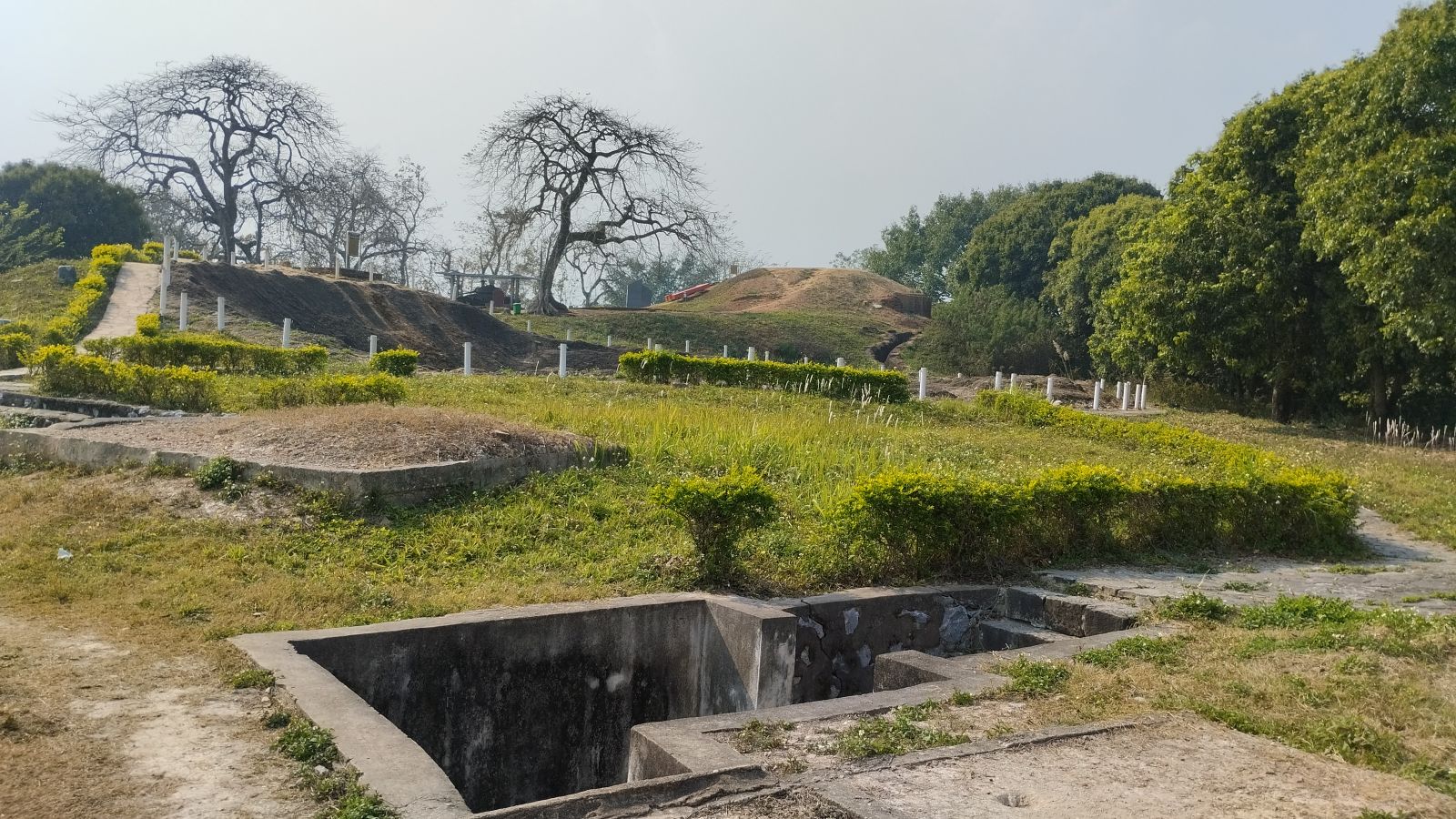
Underground trenches in A1 Hill
In March 1954, Giap launched attacks on French strongholds, neutralizing their airfield and plunging the French into a hell-on-earth situation.Giap’s first intention was a fast offensive aiming for a fast victory, then he later shifted to a siege strategy using trench warfare tactics, which ultimately led to a 57-day campaign before achieving final victory
On May 7th 1954, the French resistance collapsed, and Dien Bien Phu was recaptured by the Viet Minh forces. This defeat marked the end of French influence in Indochina. Until this day, the victory of Dien Bien Phu still holds so much value as the most military event that united Vietnamese people and proved that the weak still can win against the strong if there are enough determination and will
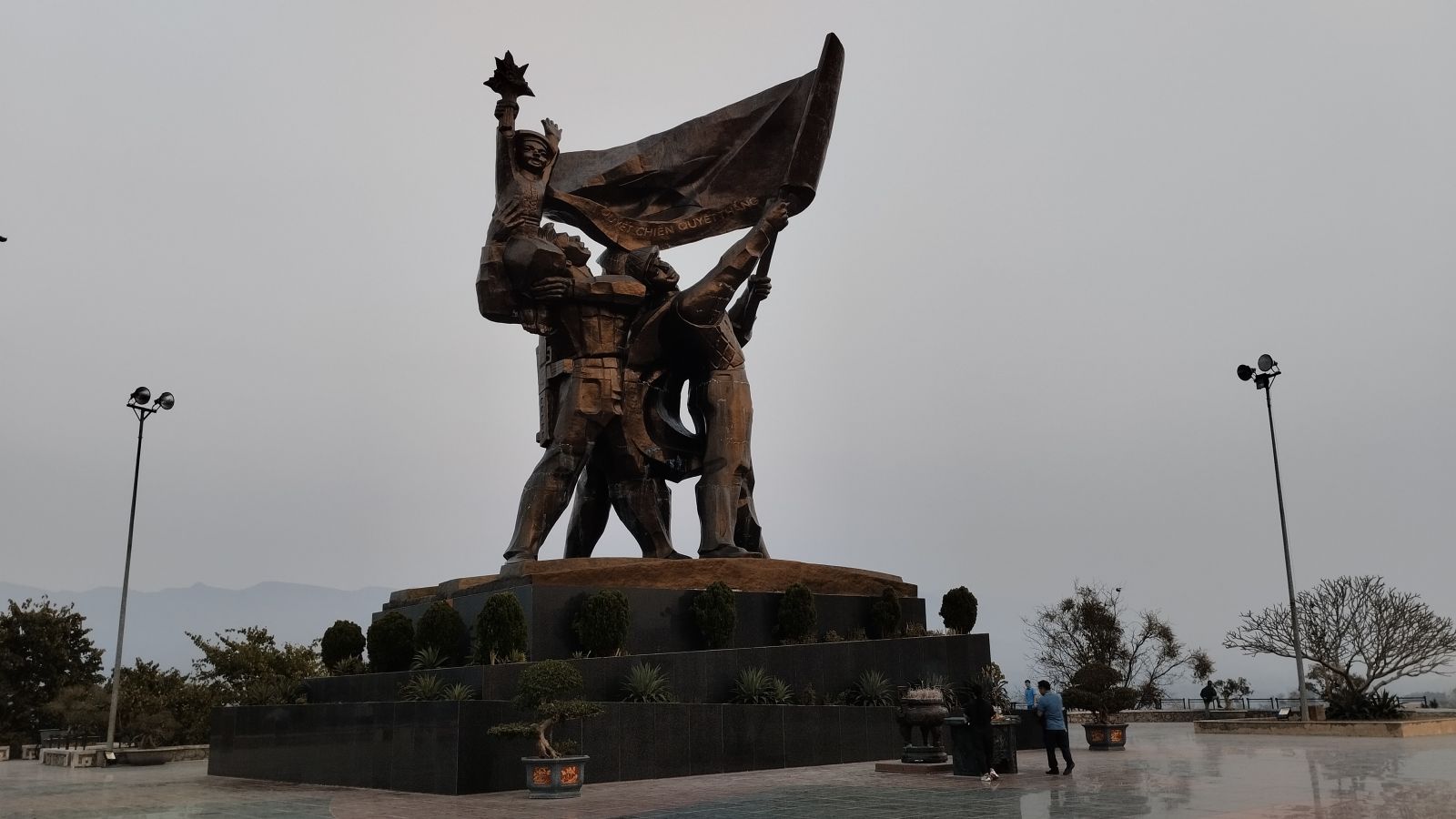
Victory Mounument- Dien Bien Phu Travel Guide
Today, Dien Bien Phu is undergoing rapid transformation and development while still maintaining its serene, mountainous charm. Situated in the remote northwest Mountain of Vietnam, Dien Bien Phu, along with the entire Dien Bien province, is home to a diverse range of ethnic minorities who take great pride in preserving and celebrating their unique cultural heritage.
How to Get to Dien Bien Phu?
There are two main ways to travel from Hanoi to Dien Bien Phu:
- By Air: Dien Bien Phu Airport is conveniently located close to the town center, along the road to Muong Lay. Vietnam Airlines operates flights from Hanoi to Dien Bien Phu daily, with departures at 10:00 and 13:30. The flight duration is approximately one hour.
- By Bus: Numerous buses travel between Hanoi and Dien Bien Phu, as well as other provinces and cities to Dien Bien. Buses depart throughout the day, including overnight sleeper buses. From Hanoi, you can catch a bus to Dien Bien Phu at My Dinh Bus Station.
- Getting Around: Renting a motorbike is a practical option for exploring Dien Bien Phu. You can arrange to rent a motorbike through your hotel or hostel. For trips to more remote areas like Muong Lay, shuttle buses are available. Keep in mind that motorbike rental prices in Dien Bien Phu may be higher than in other destinations.
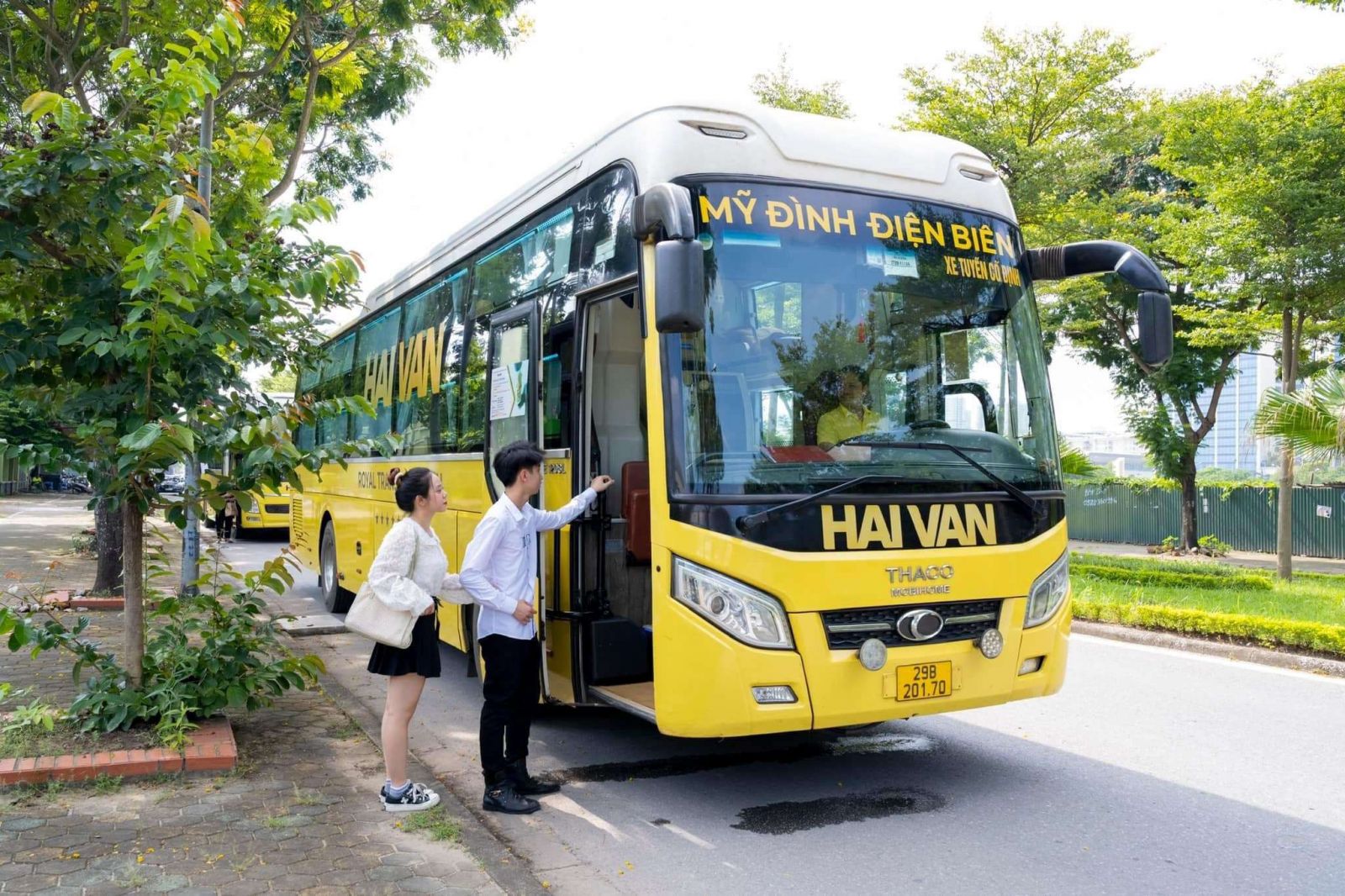
Bus Hai Van from Hanoi- Dien Bien
When is the Best Time to Visit Dien Bien Phu?
The ideal time to visit Dien Bien Phu is during spring or early summer, from March to May. This period offers the chance to see the stunning cherry blossoms around Pa Khoang Lake and experience the festive atmosphere of the Lunar New Year. May is particularly special as it marks the anniversary of the Dien Bien Phu victory, with numerous events and commemorations taking place.
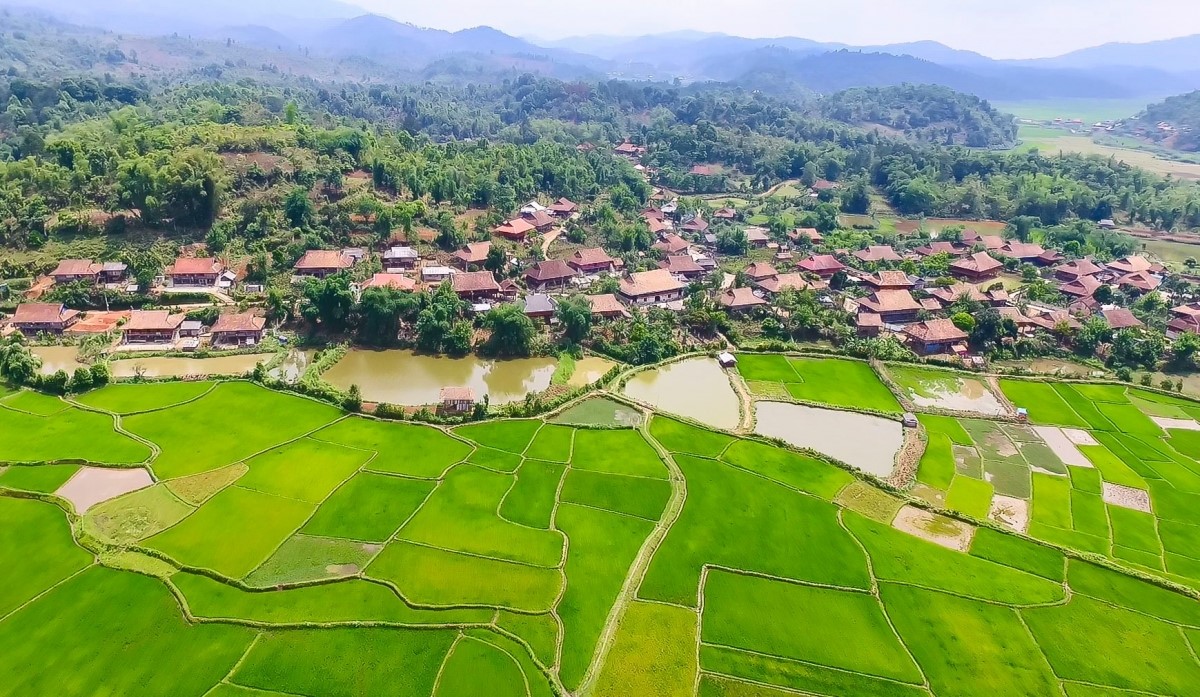
Another great time to visit is in autumn, from September to October, when the rice fields turn golden and the region is abundant with delicious seasonal dishes.
Top 10 Things To Do in Dien Bien Phu, Vietnam
1.The Museum of Dien Bien Phu Victory
Before exploring the battle relics of Dien Bien Phu, it’s essential to grasp the context of this historic conflict, and the Museum of Dien Bien Phu Victory is the perfect place to start your journey. Put aside the propaganda you might or might not see here, the museum is the place that keeps most important documents and images related to the battle
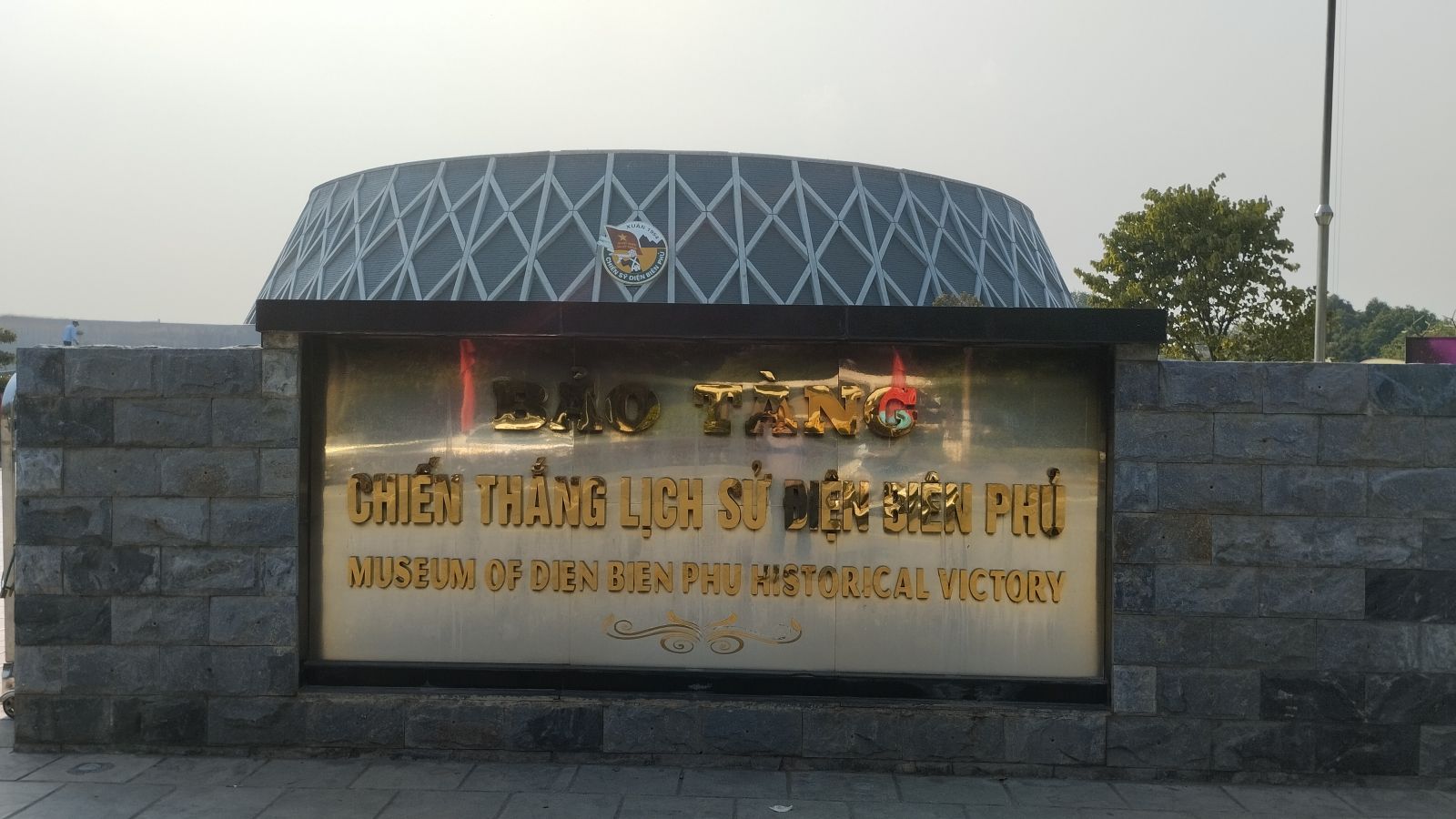
Opened in May 2014 to mark the 60th anniversary of the Dien Bien Phu Victory, the museum’s exterior is designed to resemble the camouflage netting on the helmet of Vietnamese soldiers. Inside, the exhibits are organized into four main themes: Vietnamese resistance, the battle itself, international support, and the aftermath of the victory. These themes are effectively presented through five sections, featuring 270 artifacts and over 200 historically significant paintings and photographs.
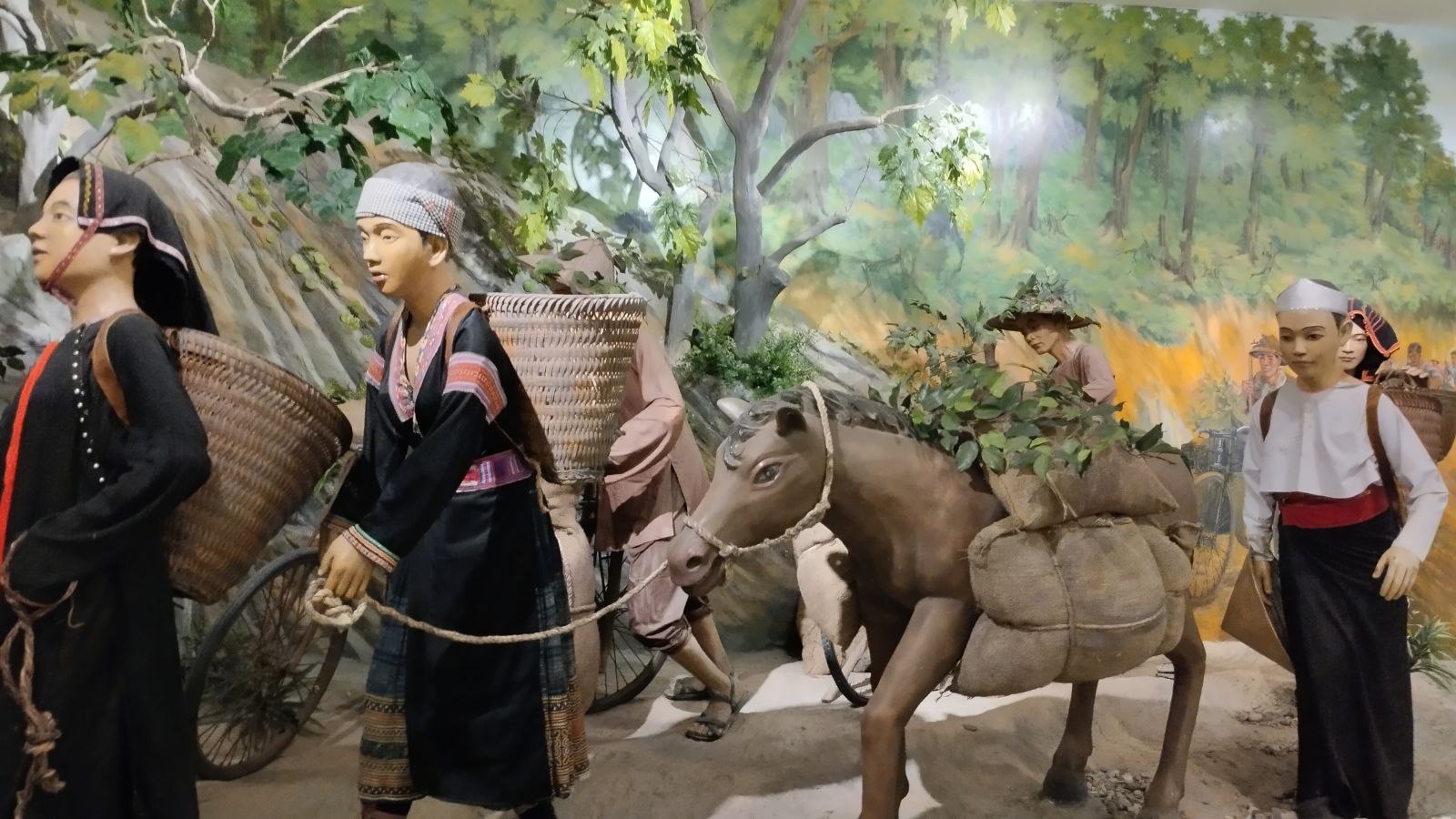
A visit to this museum will deepen your understanding of the Dien Bien Phu Battle and provide insight into the resilience of the Vietnamese people during wartime.
2. Pay a Visit to Dien Bien Phu’s Top Historical Relics
Him Lam Hill
Also known as Beatrice to the French, Him Lam Hill was the site of the first major battle in the Dien Bien Phu Offensive on March 13, 1954. Positioned 2 kilometers from the central sector of the Dien Bien Phu stronghold, Him Lam served as a critical vantage point for French artillery and air force operations in Muong Thanh. Its strategic importance lay in its role as a key defensive position for the French.
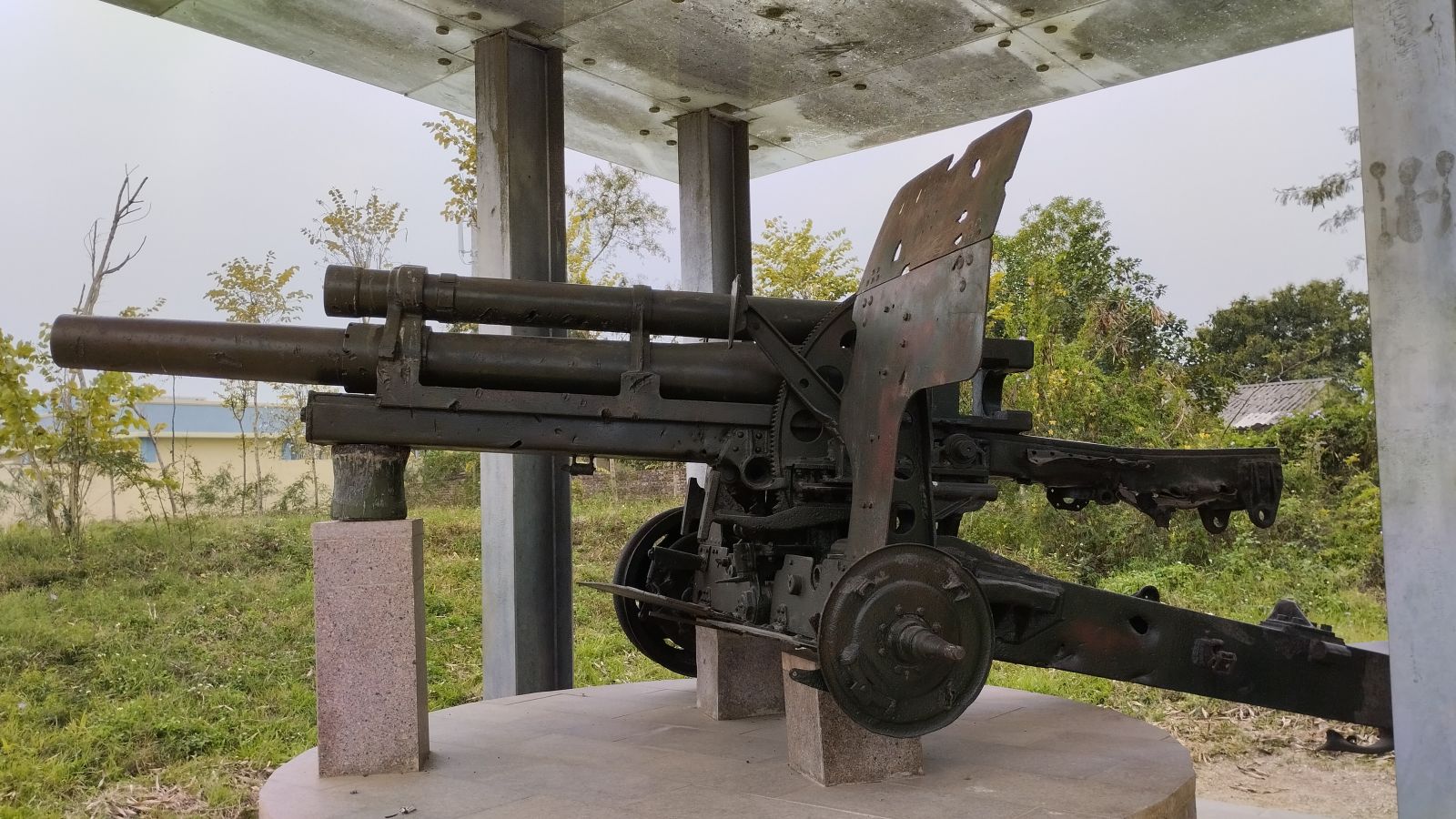
On the first day of the offensive, the Viet Minh launched a sudden bombardment on the valley, a move that took the French by surprise due to their underestimation of the Viet Minh’s capabilities.The Viet Minh’s assault resulted in the deaths of two French commanders. Two days later, Colonel Charles Piroth, the French artillery commander, overwhelmed by his inability to target the well-hidden Viet Minh positions, committed suicide with a hand grenade inside his dugout
A1 Hill
Known as Colline Éliane or Eliane 2 by the French, A1 Hill was the site of the decisive final battle that led to a significant victory for the Viet Minh. The battle at A1 Hill was the most intense and fierce one of the Dien Bien Phu Offensive. The French had fortified the hill with bunkers placed every 10 meters, which the Viet Minh could only overcome after destroying two French tanks. The French resistance continued until May 6, when Viet Minh forces detonated explosives in their tunnels, that the position finally fell. Today, remnants of the blast craters, tanks, and tunnels are still visible.
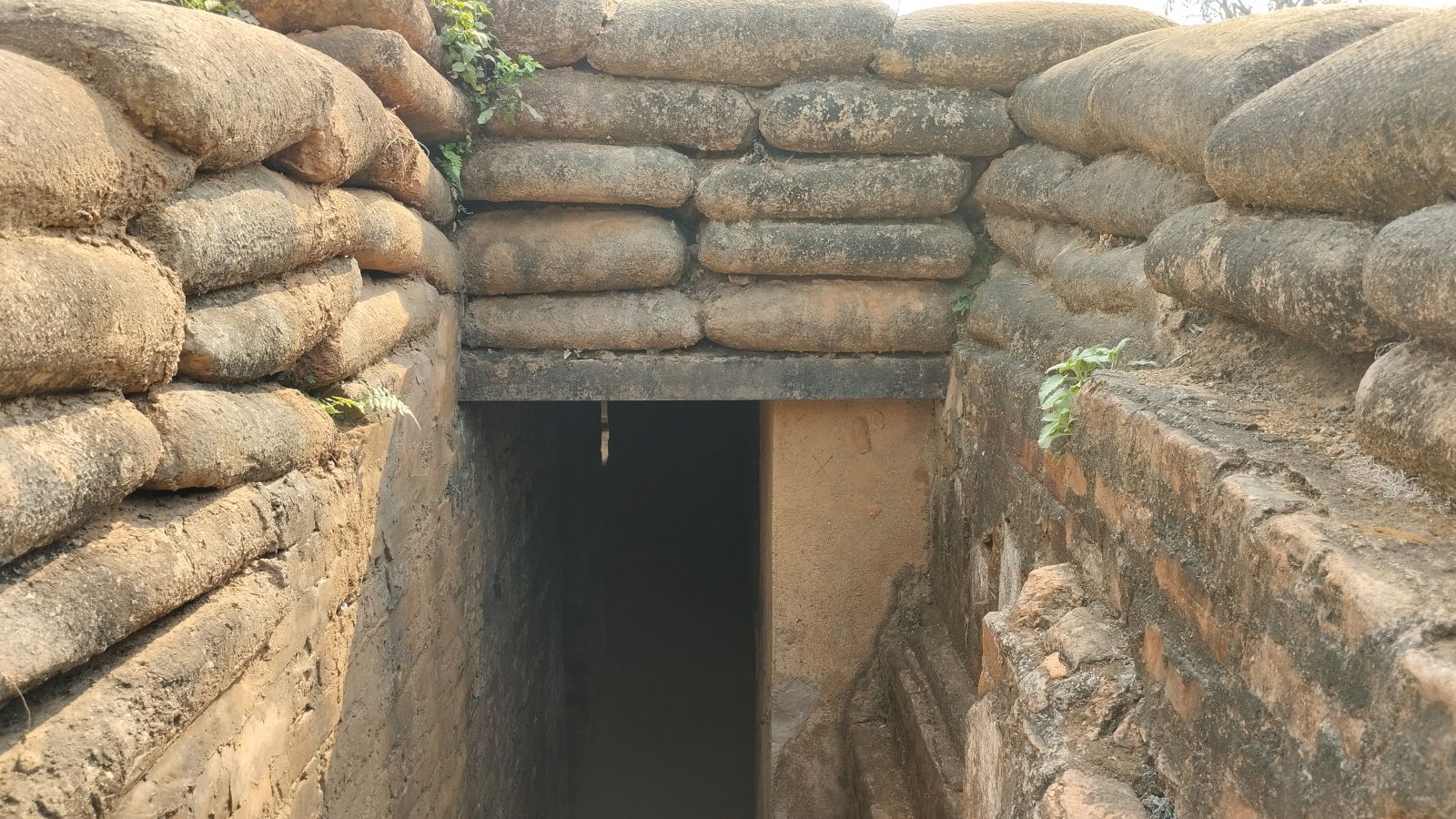
A1 Hill was strategically crucial as it protected the command bunker of French General de Castries and overlooked other key positions, including D1, C2, C3, E1, E2, Muong Thanh airport, A1 field, and A1 cemetery. For General Vo Nguyen Giap, A1 Hill was the most challenging position to capture, with 39 days and nights of fierce combat resulting in the loss of 2,000 soldiers. A Vietnamese veteran reflecting on the battle said, “It was hard to win every meter of land on A1 Hill.”
Bunker of General De Castries
Situated in the heart of the Dien Bien Phu Garrison, the bunker of French commander General De Castries measures 20 meters in length and 8 meters in width, featuring rooms for both living and operations. From any hill within the stronghold, this notable bunker is visible and has been prominently featured on Vietnamese television during each anniversary of the Dien Bien Phu victory.
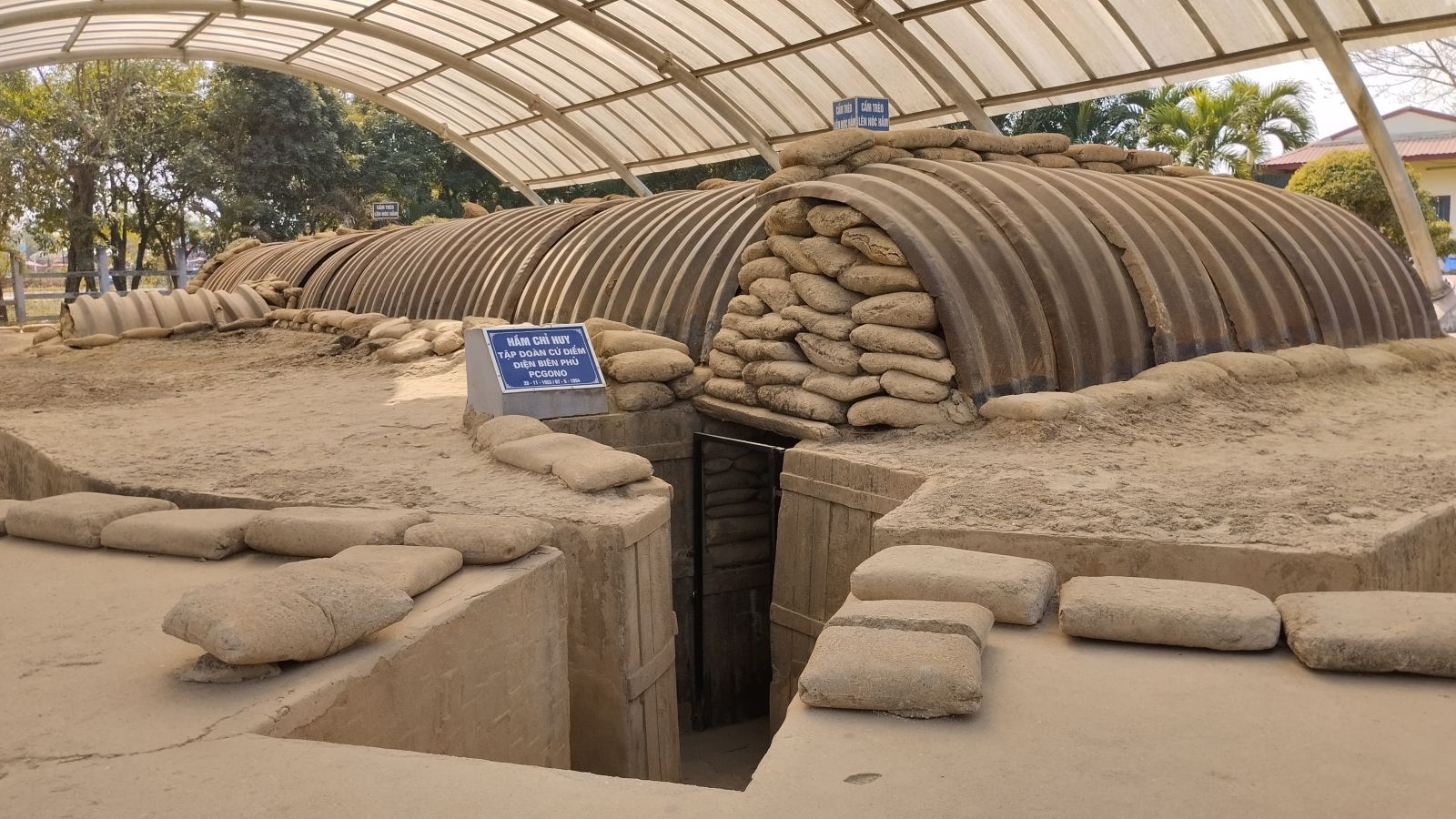
Previously, the French constructed a trench made of logs and sandbags to connect the bunker with a blockhouse on Eliane 2 Hill (A1). This trench has since been destroyed and no longer exists. It was in this bunker that General De Castries was captured on May 7, 1954. The bunker remains a significant historical site and is a must-see attraction in Dien Bien Phu.
Muong Phang: The Viet Minh’s Headquarters
Muong Phang, located about 30 kilometers from Dien Bien Phu city, holds a significant place in Vietnam’s history as the headquarters of the Viet Minh during the First Indochina War. This remote area was the strategic center from which General Vo Nguyen Giap and his forces operated the important battles against French colonial troops.
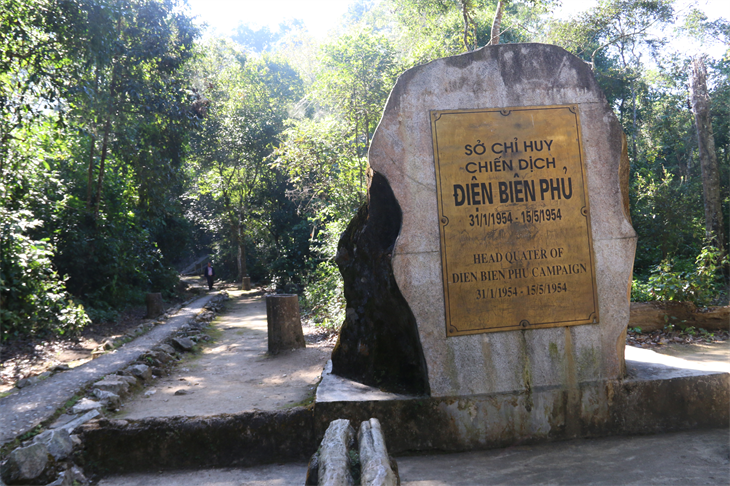
Today, Muong Phang is a historical site where visitors can explore relics of the war, including bunkers and command posts, offering a poignant glimpse into the wartime strategies and the resilience of the Viet Minh. The surrounding natural beauty of Muong Phang adds a tranquil backdrop to this important historical landmark.
3. Take a Ride to Pha Din Pass
Stretching 32 kilometers, the renowned Pha Din Pass connects the provinces of Son La and Dien Bien via National Highway 6. The pass links Phong Lai Commune in Thuan Chau District, Son La, and Toa Tinh Commune in Tuan Giap District, Dien Bien Province.
The name “Pha Din” derives from the local Thai language, where “Pha” means “sky” and “Din” means “earth,” reflecting the pass’s position where the sky meets the earth.
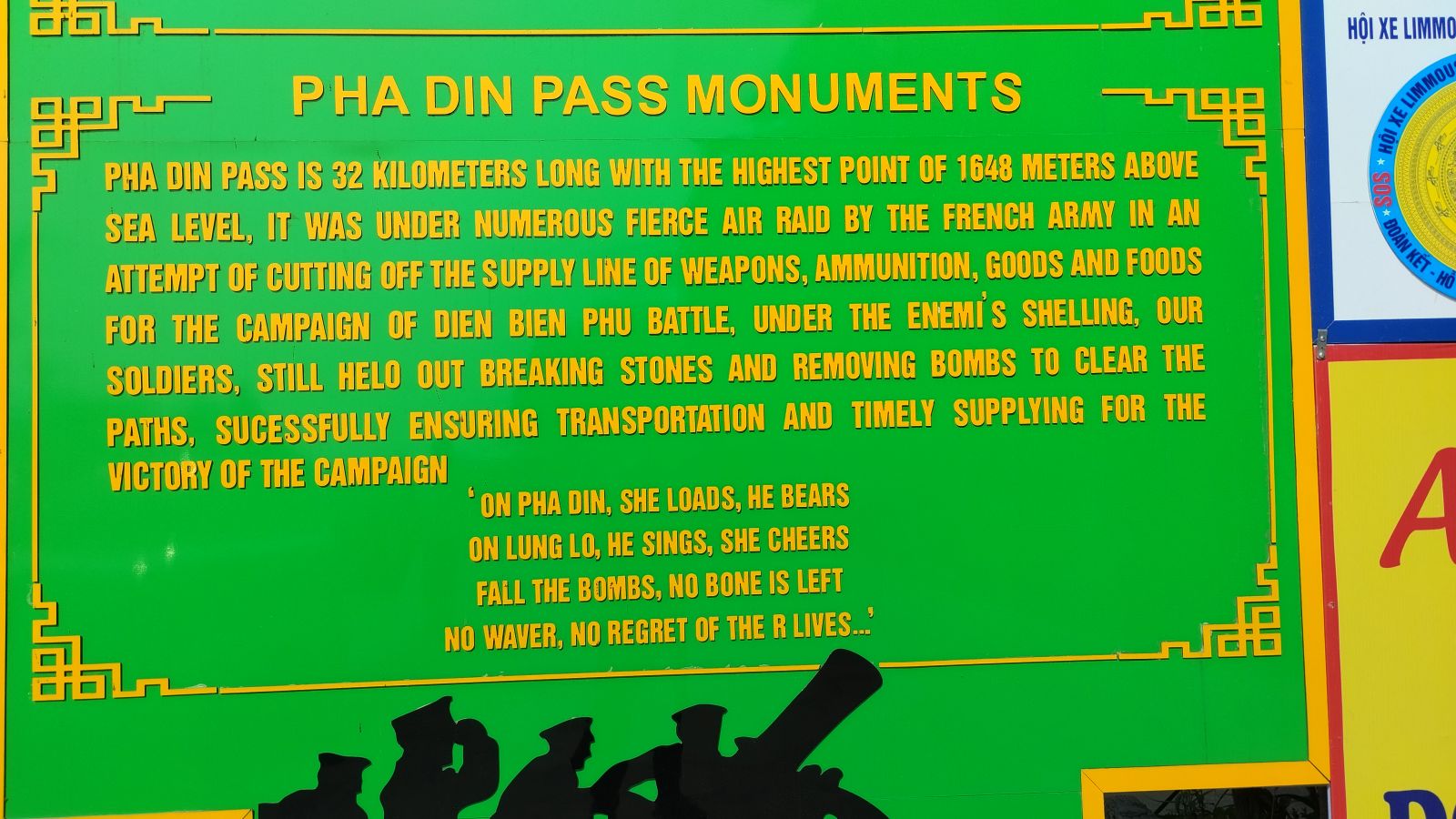
True to its name, Pha Din Pass often finds itself enveloped in white clouds or fog during early mornings. It is celebrated as one of the four great passes of Northern Vietnam, alongside O Quy Ho, Khau Pha, and Ma Pi Leng. Unlike the dramatic vistas of Ma Pi Leng, Pha Din offers a more serene beauty with its rolling green mountains and tranquil azure rivers. The sight of traditional ethnic villages nestled in the valleys behind the hills invites a sense of adventure and curiosity about unexplored lands.
4. Muong Thanh Valley – The Largest Rice Field in Northwest Vietnam
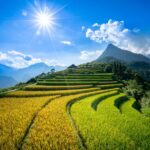
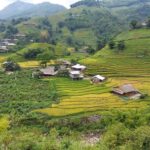
Nestled between the Pu Hong Meo and Pu Hong Thai mountains, Muong Thanh Valley offers a stunning backdrop for those looking to admire vast emerald rice fields and trek along breathtaking trails. Just a few kilometers from the center of Dien Bien Phu, Muong Thanh valley is the largest area of rice production in Northwest Mountain Vietnam, stretching 20 kilometers in length and 6 kilometers in width, forming a lush sea of green rice paddies.
The fields are fed by the Nam Ron River, which winds through the valley, creating a picturesque landscape that captures the beauty of Dien Bien’s countryside.
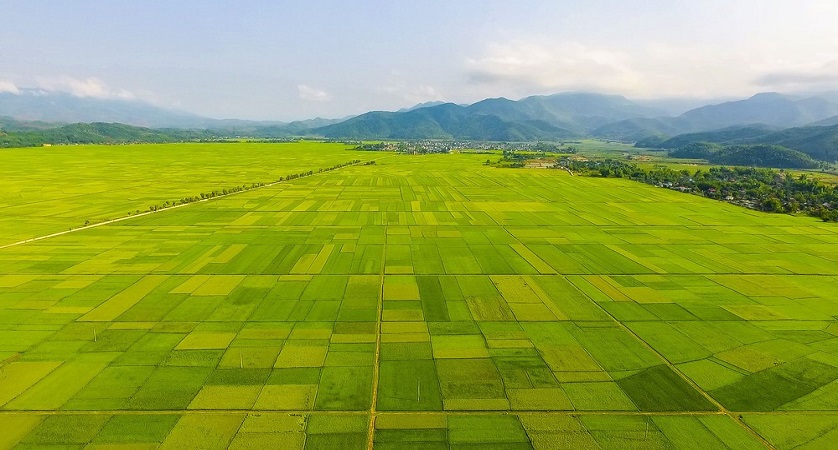
During the harvest season, which begins in September, visitors are treated to the charming sight of local farmers at work, their warm smiles greeting those who pass by. A friendly wave or photo with them adds an extra touch of joy to your trekking adventure through the valley.
Don’t miss the chance to visit a nearby ethnic village, where you can savor the fresh taste of newly harvested rice and enjoy a traditional family meal, offering a true taste of local culture.
5. Take a Scenic Boat Ride at Pa Khoang Lake
Pa Khoang Lake, a man-made gem located in Muong Phang district just 20 kilometers from Dien Bien Phu city, is a serene retreat into nature. Covering an area of 2,400 hectares, the lake is a popular destination for visitors seeking tranquility and natural beauty. The expansive waters, rich with flora and fauna, offer a pristine escape from urban life.
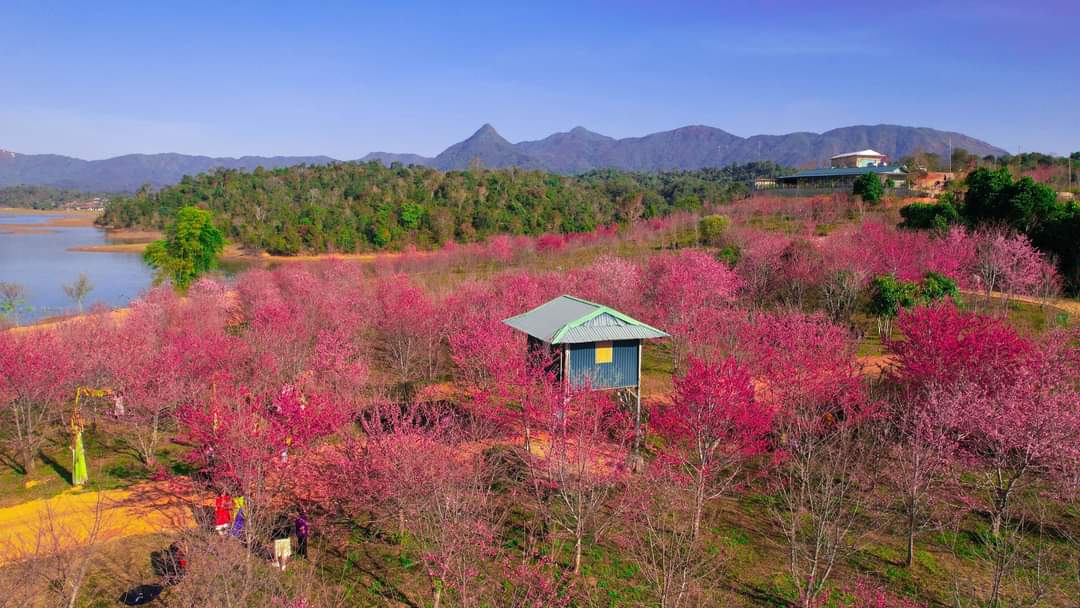
Cherry Blossom island – Pa Khoang lake
During the summer and autumn months, the lake’s surface transforms into a massive mirror, perfectly reflecting the blue sky and surrounding gray mountains. To fully appreciate the serene ambiance, take a boat ride at sunset. As you glide across the calm waters, the boat will take you to the lake’s central islet, known locally as ‘Love Islet‘ or Cherry Blossom Islet. This islet is adorned with a large garden of Japanese cherry blossoms, creating a picturesque scene of pastel pink hues that blanket the island.
While at Pa Khoang Lake, you can also indulge in some fishing, allowing yourself to immerse in the natural beauty and peaceful surroundings.
6. Muong Lay – The Valley of Stilt Houses
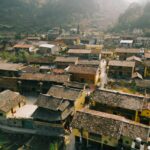
Muong Lay is a wonderful destination for any travelers eager to explore the most remote corners of Vietnam.Once devastated by two major floods from the infamous Da River, Muong Lay experienced a revival with the construction of the Son La Hydropower Plant. The town is now on track to become a provincial city in Dien Bien, promising even greater prosperity and development in the future.
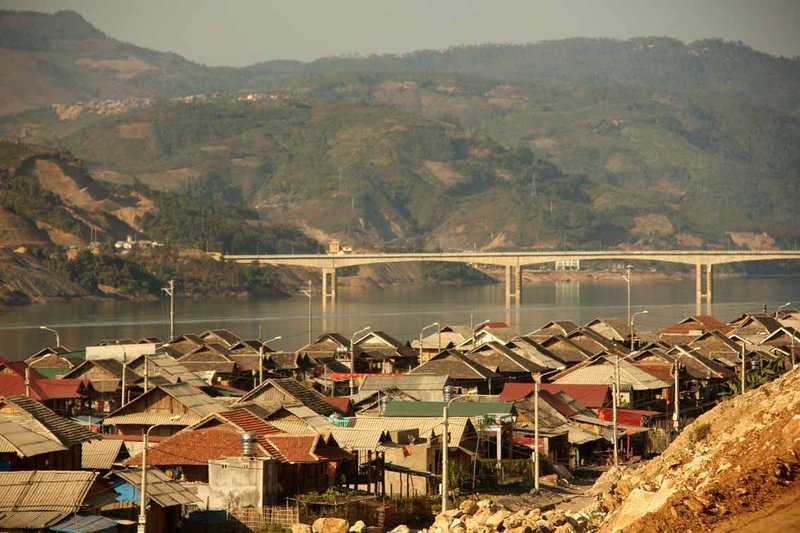
The tranquil, azure waters of the Son La Reservoir hold deep significance for the locals, who have endured the devastating floods of the past. A white concrete bridge spans the lake, connecting both sides, which are home to nine ethnic minorities living in traditional black-roofed stilt houses along the riverside. The White Thai people, known for their distinctive traditional costumes and rich heritage, are the most prominent ethnic group in Muong Lay, and their culture has become a major attraction in Northwest Vietnam.
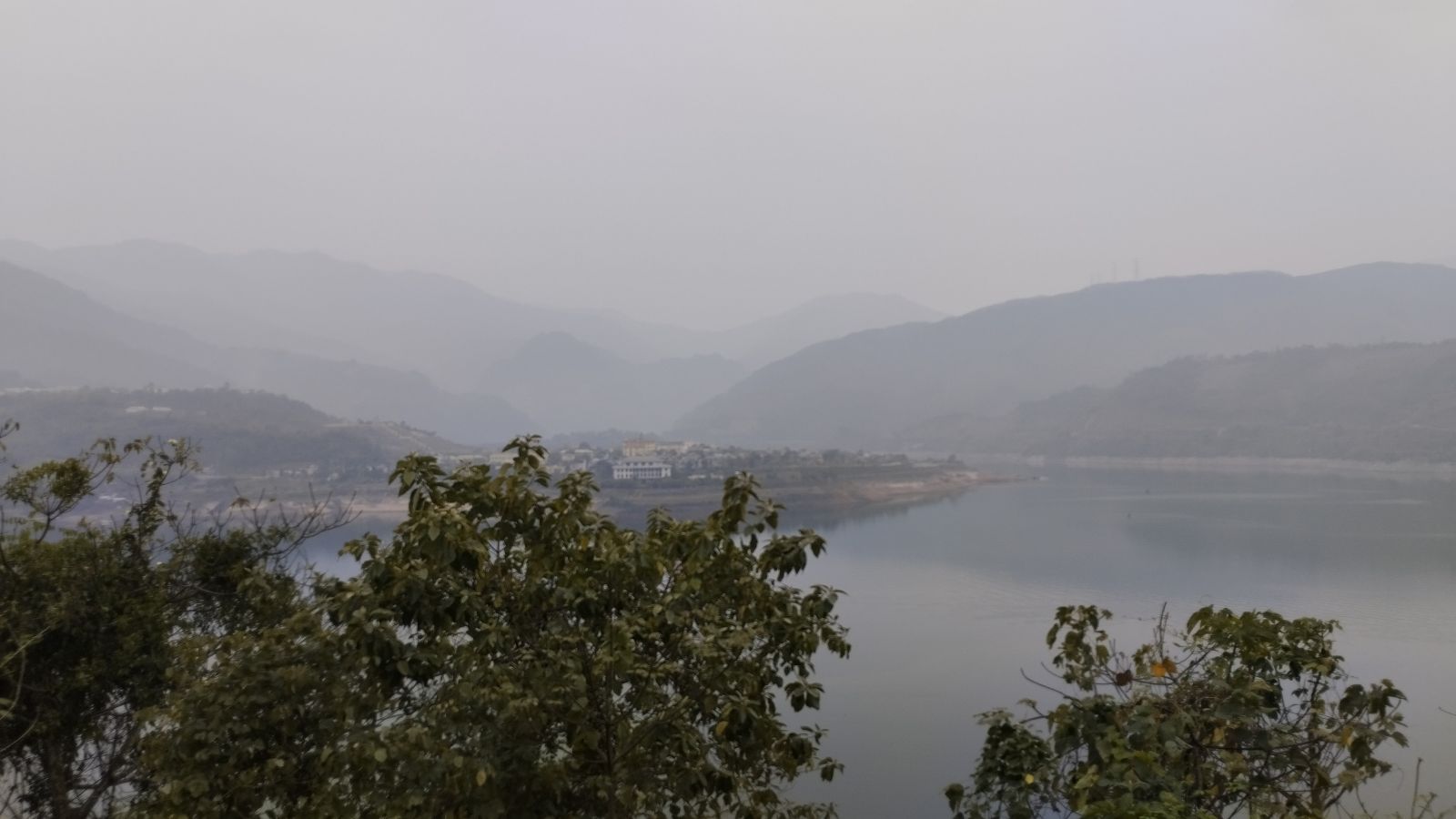
A visit to Muong Lay is incomplete without experiencing a boat trip on the Da River, exploring an ethnic handicraft village, or staying overnight in a traditional Thai stilt house. Muong Lay is a hidden gem in Dien Bien, a pristine destination in northern Vietnam that remains largely untouched by tourism.
7. Explore Xa Nhe Cave and Xa Nhe Hilltribe Market in Dien Bien Phu
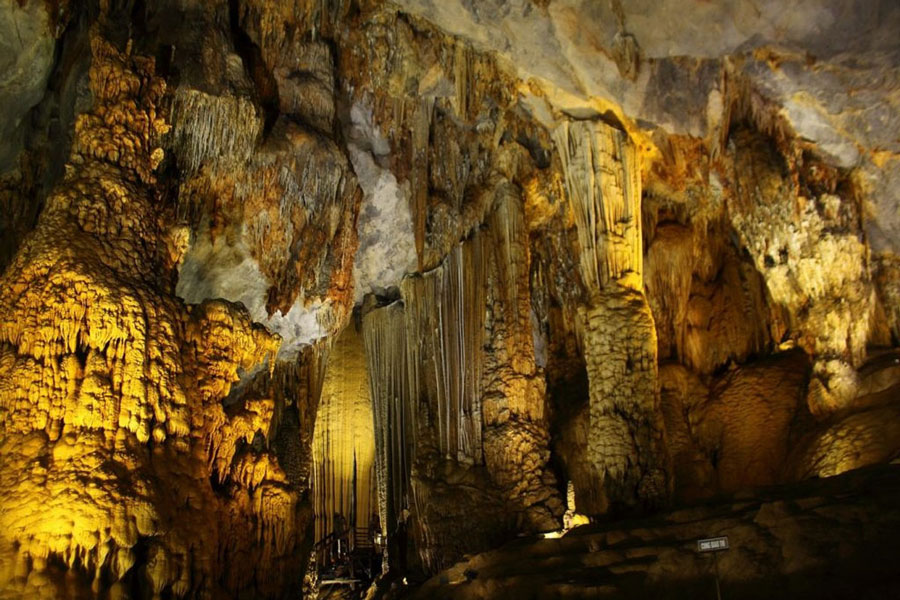
Xa Nhe Cave, situated in Xa Nhe Commune, south of Tua Chua District, is a fascinating destination in Dien Bien Phu. Known as ‘Kho Xo’ in the H’mong language, which translates to ‘Dynamite Cave,’ this name originates from the practice of collecting bat dung for dynamite production. The cave is nestled beneath a sheer mountain cliff, about 1 kilometer from the central town of Xa Nhe Commune. Together with its pristine and untouched nature, the cave boasts impressive features, including stalagmite columns. Stretching 700 meters long, Xa Nhe Cave comprises five chambers, each with its own unique beauty.
While in Xa Nhe, take the opportunity to visit the Xa Nhe Hilltribe Market, which operates every six days. Located in the heart of Xa Nhe Commune, the market is a vibrant hub where various ethnic minority groups, such as the H’mong, Thai, Zao, and Phu La…gather. Each group showcases their distinctive traditional costumes, adding to the market’s colorful atmosphere.
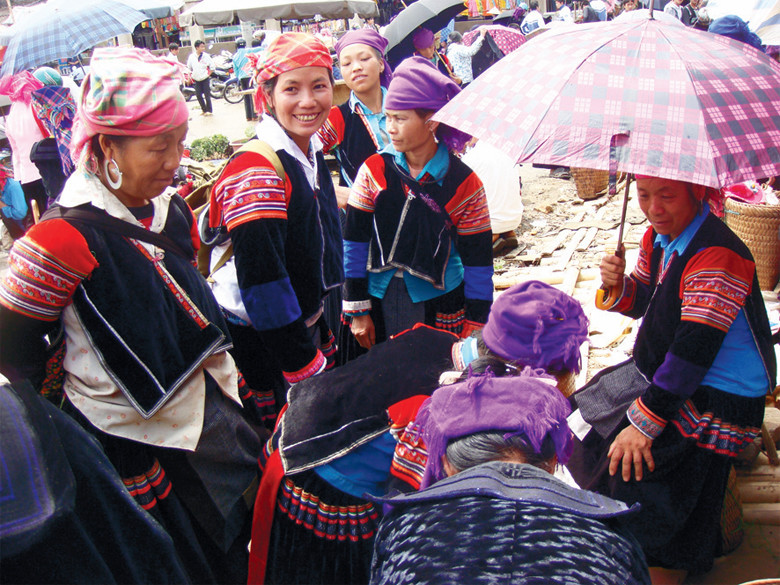
The market attracts visitors from surrounding areas who come to trade goods, foodstuffs, and clothing. It opens at daybreak and continues until the afternoon. A visit to Xa Nhe Fair Market offers a chance to savor local foods, enjoy the festive environment, and experience authentic cultural practices.
8. Immerse Yourself in Local Culture at Ta Sin Thang Market of Local Ethnic Groups
Ta Sin Thang is a cultural hub and even a place for potential romance. Held once every six days, this highland fair is like a mini festival, attracting H’mong and other ethnic communities from the surrounding areas.
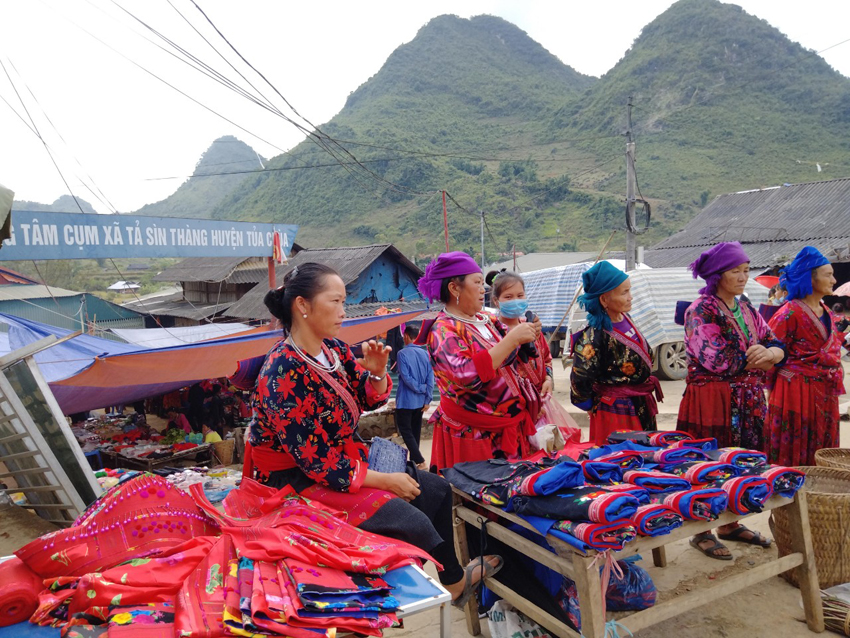
Dressed in their finest traditional attire, locals gather to trade goods, share stories, enjoy food, and sometimes even go on dates. The market reaches its peak around noon, when people gather for lunch and indulge in Mong Pe wine, a local favorite in Dien Bien.
Visitors can also browse through a variety of authentic brocade products, handcrafted by H’mong women, making it the perfect place to experience the region’s rich cultural heritage.

Throughout the article, we hope to provide you with helpful insights on how to travel to Dien Bien for an unforgettable experience. If you’re seeking a trusted travel agency to plan a memorable trip to Dien Bien, don’t hesitate to contact us at [email protected] or via WhatsApp at +84.988451530. We are dedicated to making your journey a once-in-a-lifetime adventure.
Frequently Asked Questions
Yes, Dien Bien Phu is a “hidden gem” that offers a unique blend of world-changing history and stunning mountain scenery. It is a must-visit for history enthusiasts interested in the Indochina War and for travelers seeking an authentic off-the-beaten-path experience. Visiting the historic battlefields, museums, and local hill tribe villages provides a deep dive into the resilient spirit of Vietnam.
The most significant sites include A1 Hill (Eliane 2), the Dien Bien Phu Victory Museum with its famous 360-degree panorama painting, and General de Castries’ Bunker. Visitors should also explore the Dien Bien Phu Victory Monument for city views and the Muong Phanh Campaign Headquarters, located in a scenic forest where General Vo Nguyen Giap planned the decisive 1954 offensive
There are two main ways to reach Dien Bien Phu. The fastest option is a direct flight from Hanoi, which takes about an hour and offers spectacular views of the Northwest highlands. For those who prefer a scenic road trip, you can travel by private car or bus via the stunning Pha Din Pass, one of Vietnam’s four most beautiful mountain passes, making it a great addition to a Northern Vietnam loop.
The ideal time to visit is during the dry season, from October to April, when the weather is cool and pleasant for exploring outdoor historic sites. If you want to see the region at its most beautiful, visit in March for the Ban flower (Bauhinia) season or in May to coincide with the grand anniversary celebrations of the Dien Bien Phu Victory on May 7th
Absolutely. Dien Bien Phu is a strategic stop on the Northwest loop, connecting perfectly with Sapa, Lai Chau, or Son La. Travelers often choose a multi-day private tour that travels from Hanoi to Mai Chau, through Son La, and into Dien Bien Phu before heading north toward Sapa, allowing for a complete experience of Vietnam’s ethnic culture and rugged terrain.
As a licensed tour operator in Vietnam, Golden Holiday Travel provides expert local guides who offer deep historical insights that you won’t find in standard guidebooks. We handle all logistics, including private transport, flight bookings, and local accommodations, ensuring a comfortable and educational journey through this remote and significant part of Vietnam.



Write Comment