
Vietnam DMZ: The Ultimate Guide for First-Time Visitors
Vietnam DMZ stands as one of the most historically significant regions in Vietnam, offering visitors a clear look into the wartime events that shaped modern Vietnam.
With over 10 years of crafting custom Vietnam travel itineraries, our local experts at Golden Holiday Travel have helped thousands of travelers explore the country’s historic sites with genuine insight, care, and respect. This guide combines local knowledge and first-hand travel insights to help you plan a meaningful trip through Quang Tri Province.
What Is the DMZ in Vietnam?
The Demilitarized Zone in Quang Tri Province was established along the 17th parallel as a temporary division line between North and South Vietnam following the 1954 Geneva Accords. Stretching five kilometers on either side of the Ben Hai River, this narrow strip of land became a heavily fortified battlefield during the conflict between 1954 and 1975.
Fully Licensed Local Agency
Private Vietnam Tour Packages
Discover historical regions across Vietnam with private tour guides, professional drivers, and custom schedules built around your personal travel goals.
Where Is the Vietnam DMZ Located?
The historical Demilitarized Zone lies inside Quang Tri Province in Central Vietnam. It spans from the western border with Laos across to the eastern coast along the East Sea.
This zone sits roughly 100 kilometers north of Hue City, 180 kilometers north of Da Nang, and 60 kilometers south of Dong Hoi City in Quang Binh Province. Travelers driving along National Route 1A or Highway 9 will cross directly through key historical points of this region.
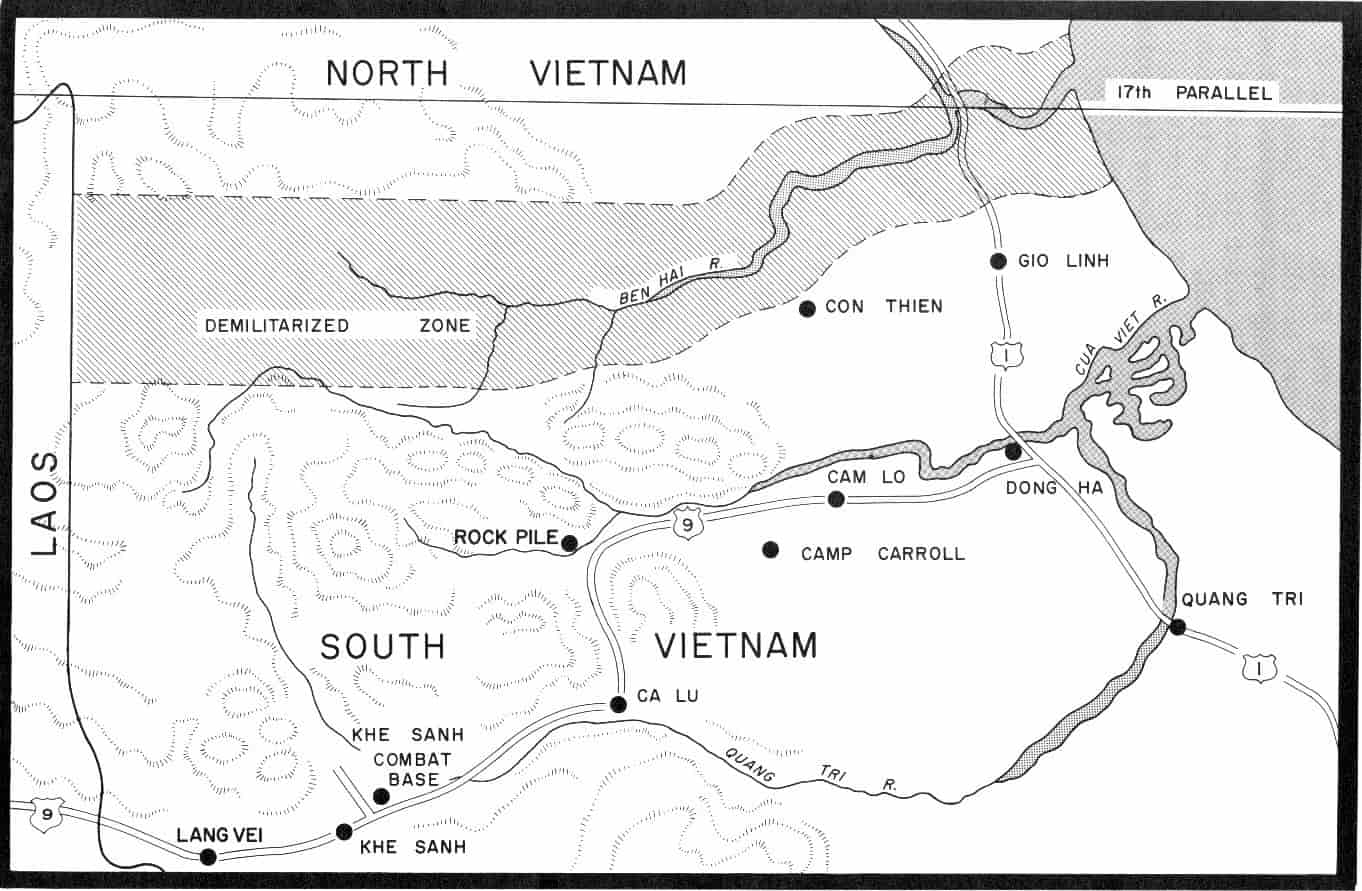
DMZ Vietnam Travel Guide & Map
Why Was the DMZ Created?
Following the defeat of French forces at Dien Bien Phu in 1954, global powers gathered at the Geneva Conference to negotiate the end of the First Indochina War.
The resulting agreements established the 17th parallel as a temporary military demarcation line. The intent was to separate the forces of the Democratic Republic of Vietnam in the north from the State of Vietnam in the south until nationwide elections could take place in 1956. Those elections were never held, turning the temporary line into a hard border.
What Happened in the DMZ During the Vietnam War?
Despite its designation as a demilitarized zone, the region rapidly transformed into one of the most contested combat areas in modern history.
Both militaries constructed base camps, outpost hills, and observation towers along the line. Millions of tons of munitions were dropped on Quang Tri, making it the most heavily bombed province in Vietnam. Major military operations, including the 1968 Siege of Khe Sanh and the 1972 Battle of Quang Tri Citadel, took place directly within or adjacent to this zone.
Is the Vietnam DMZ Still a Demilitarized Zone Today?
Today, the area functions purely as a peaceful agricultural and historical region within Quang Tri Province.
Local communities farm pepper, rubber, tea, and rice across land that once held military bases. War relics have been preserved as historical monuments, open-air museums, and memorial sites. Humanitarian groups continue ongoing work to clear remaining unexploded ordnance from surrounding agricultural fields.
Why Visit the Vietnam DMZ?
Visiting the Demilitarized Zone provides travelers with an educational window into 20th-century history, moving past basic textbook descriptions to show physical war sites and subterranean survival networks. Exploring this area gives visitors broader context on Vietnam’s path toward national reunification while experiencing quiet rural landscapes.
Experience an Important Chapter of Vietnam’s History
Walking through historical battlefields and border crossings allows travelers to understand the profound impact of the war on local communities and international relations. Standing at these preserved sites offers real context to historic events, helping international visitors appreciate how resilience shaped modern Vietnam.
Explore Historic War Sites and Underground Tunnels
The region features surviving fortifications, airfields, bunker systems, and civilian underground shelters. Unlike reconstructed displays in large cities, sites like the Vinh Moc Tunnels remain largely in their original physical state, offering direct observation of wartime engineering.
See the Less-Touristy Side of Central Vietnam
Quang Tri Province experiences far lower tourist density than coastal destinations like Da Nang or Hoi An. Travelers along Highway 9 encounter quiet farming villages, open country drives, and direct interactions with local residents living near the Truong Son mountains.
Combine the DMZ With Hue and Central Vietnam
The geographical placement of Quang Tri makes it an ideal stop along Central Vietnam road routes. Travelers can combine a DMZ visit with the imperial architecture of Hue City and the cave systems of Phong Nha-Ke Bang National Park in Quang Binh Province.
Vietnam DMZ vs. Other War History Sites in Vietnam
Different war history destinations across Vietnam present distinct aspects of the conflict. The matrix below outlines how the DMZ compares to other primary historical sites.
| Historical Feature | Vietnam DMZ (Quang Tri) | Cu Chi Tunnels (Ho Chi Minh) | Hoa Lo Prison (Hanoi) |
|---|---|---|---|
| Historical Focus | Border demarcation, heavy battlefields, civilian shelters | Guerrilla warfare tactics, combat supply networks | Colonial imprisonment, POW detention exhibits |
| Primary Sites | Vinh Moc, Khe Sanh, Hien Luong Bridge | Ben Dinh and Ben Duoc tunnel sectors | Preserved prison blocks and courtyard displays |
| Terrain & Layout | Expansive rural province, hill bases, coastal tunnels | Forest network, restored narrow crawl passages | Single urban building complex in downtown Hanoi |
| Travel Distance | 2 hours drive north from Hue City | 1.5 hours drive from central Ho Chi Minh City | Located within Hoan Kiem District, Hanoi |
Fully Licensed Local Agency
Vietnam Adventure Tours
Explore Central Vietnam’s mountain passes, historical corridors, and rural villages with private transportation and experienced local guides.
The Best Places to Visit in the Vietnam DMZ
Key historical destinations across the Demilitarized Zone include the Vinh Moc Tunnels, Khe Sanh Combat Base, Hien Luong Bridge over the Ben Hai River, and the Quang Tri Ancient Citadel. Each landmark features distinct war relics, military structures, and preserved underground networks.
1. Vinh Moc Tunnels
Located in Vinh Linh District near the coast, the Vinh Moc Tunnels served as an underground shelter village for local residents between 1966 and 1972.
The hand-dug network spans nearly two kilometers across three distinct levels at depths of 12 meters, 15 meters, and 23 meters. It features 13 separate entrance portals, six opening toward the countryside and seven leading out to the sea. Inside, visitors can observe preserved living quarters, meeting rooms, a maternity space where 17 children were born, and ventilation shafts designed to diffuse cooking smoke.
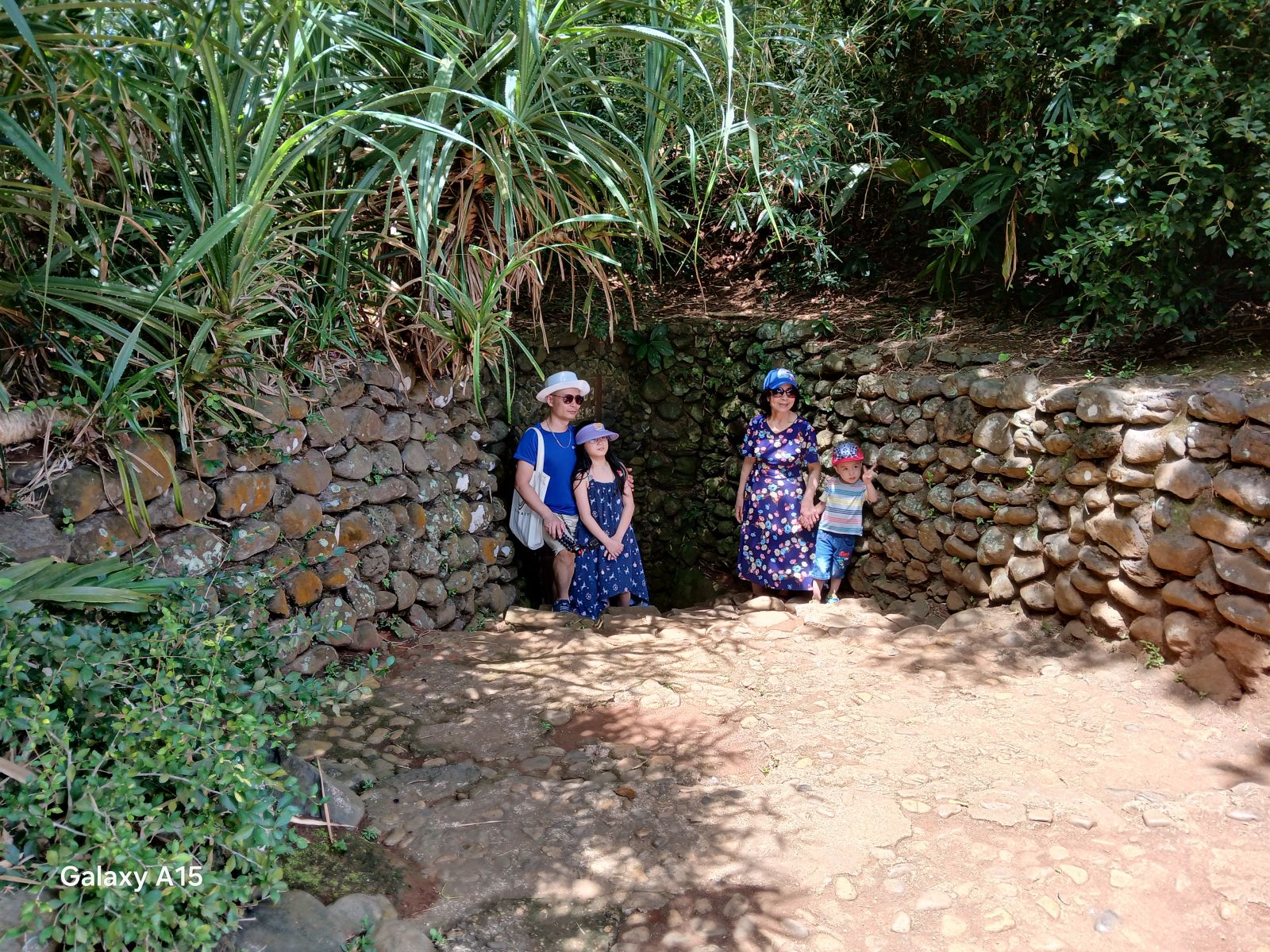
Entrance to Vinh Moc tunnels
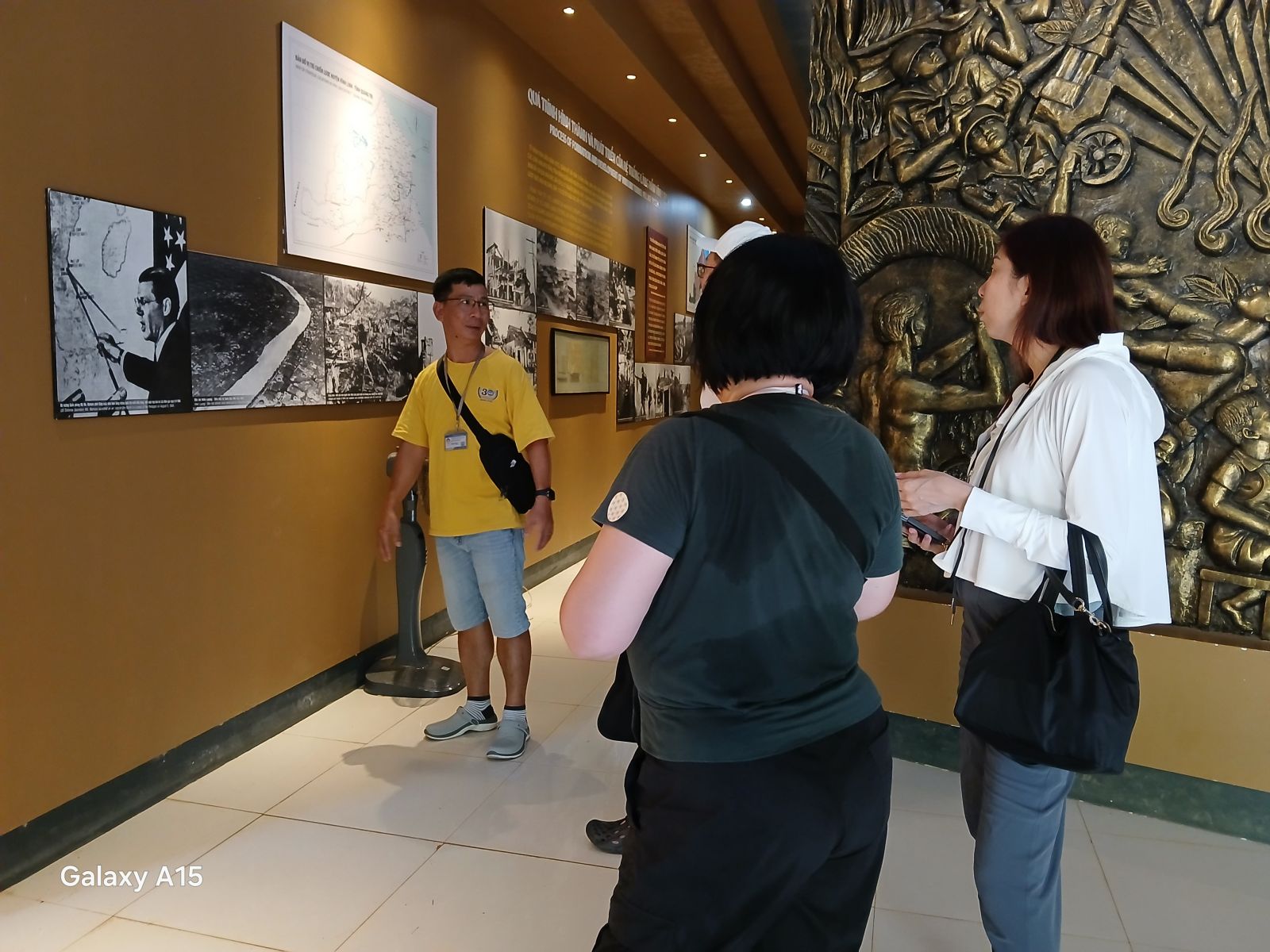
A visit to Vinh Moc museum
A short drive from the tunnel complex brings visitors to Cua Tung Beach. While less commercialized than other coastal stops, Cua Tung offers quiet shoreline views and access to local fishing communities like Cat Son Village.
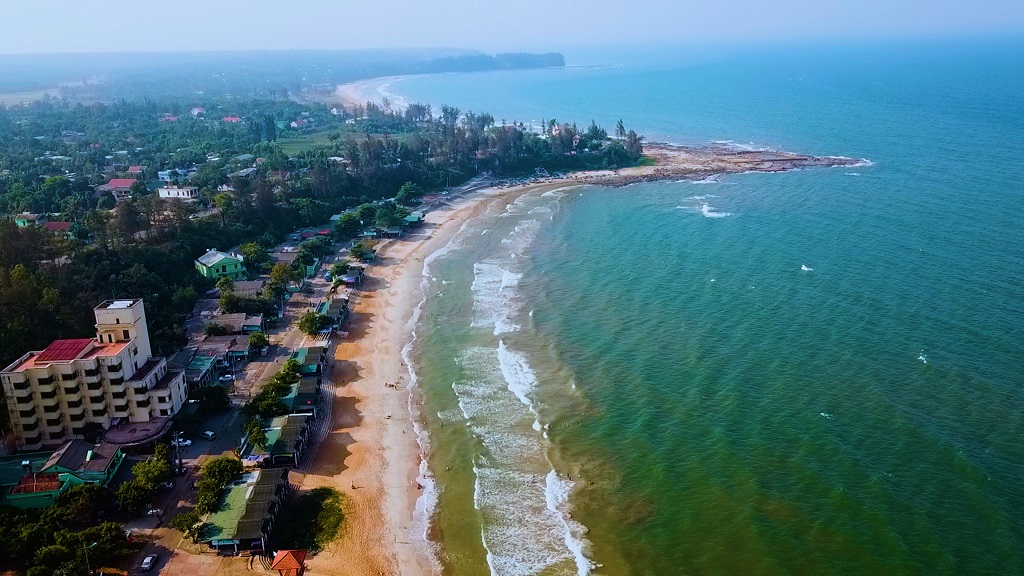
Cua Tung beach – DMZ Quang Tri
2. Khe Sanh Combat Base
Positioned in Huong Hoa District along Highway 9 near the Laos border, Khe Sanh was a major outpost for the United States Marine Corps. The base became the focal point of a major 77-day siege in early 1968. Today, the location operates as the Ta Con Airport Museum. Visitors can examine preserved airfields, reconstructed earthwork bunkers, military trench lines, and static displays of cargo planes, helicopters, and armored vehicles.
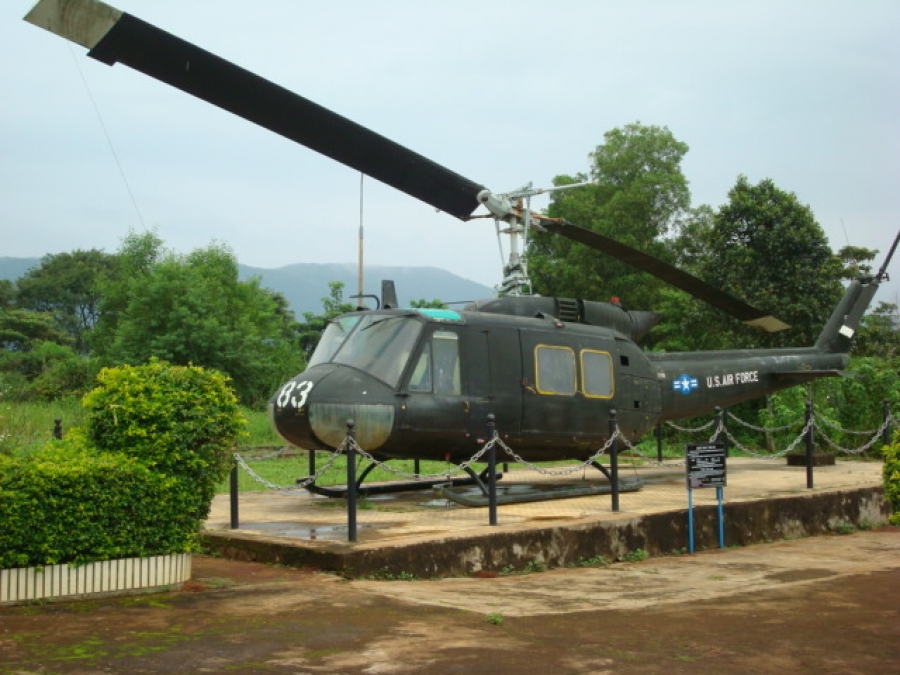
Ta Con airport – museum
Further west along the mountain valley lies Ap Bia Hill, known historically as Hamburger Hill. Situated in the A Sau Valley, this steep peak saw heavy combat in 1969 and can be reached via local hiking trails accompanied by a guide.
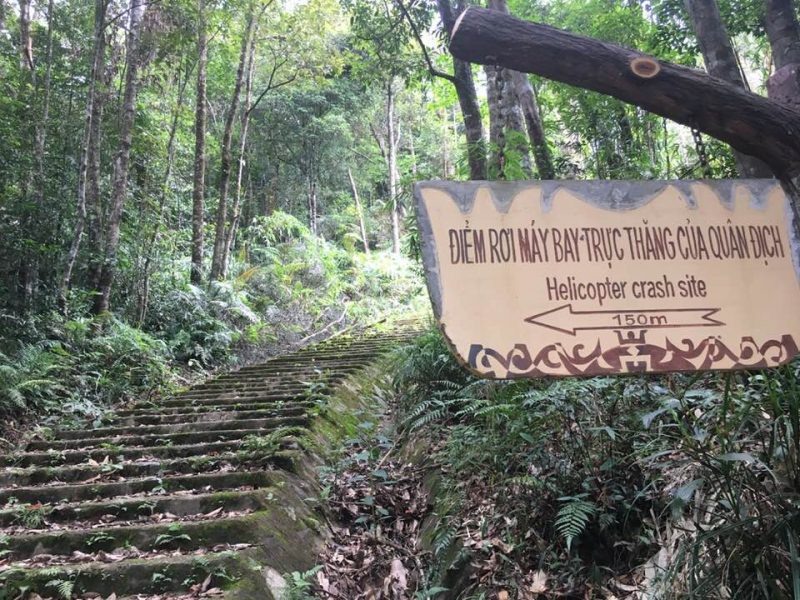
3. Hien Luong Bridge and the Ben Hai River
Spanning the Ben Hai River at the 17th parallel, Hien Luong Bridge served as the official physical border dividing North and South Vietnam from 1954 to 1975.
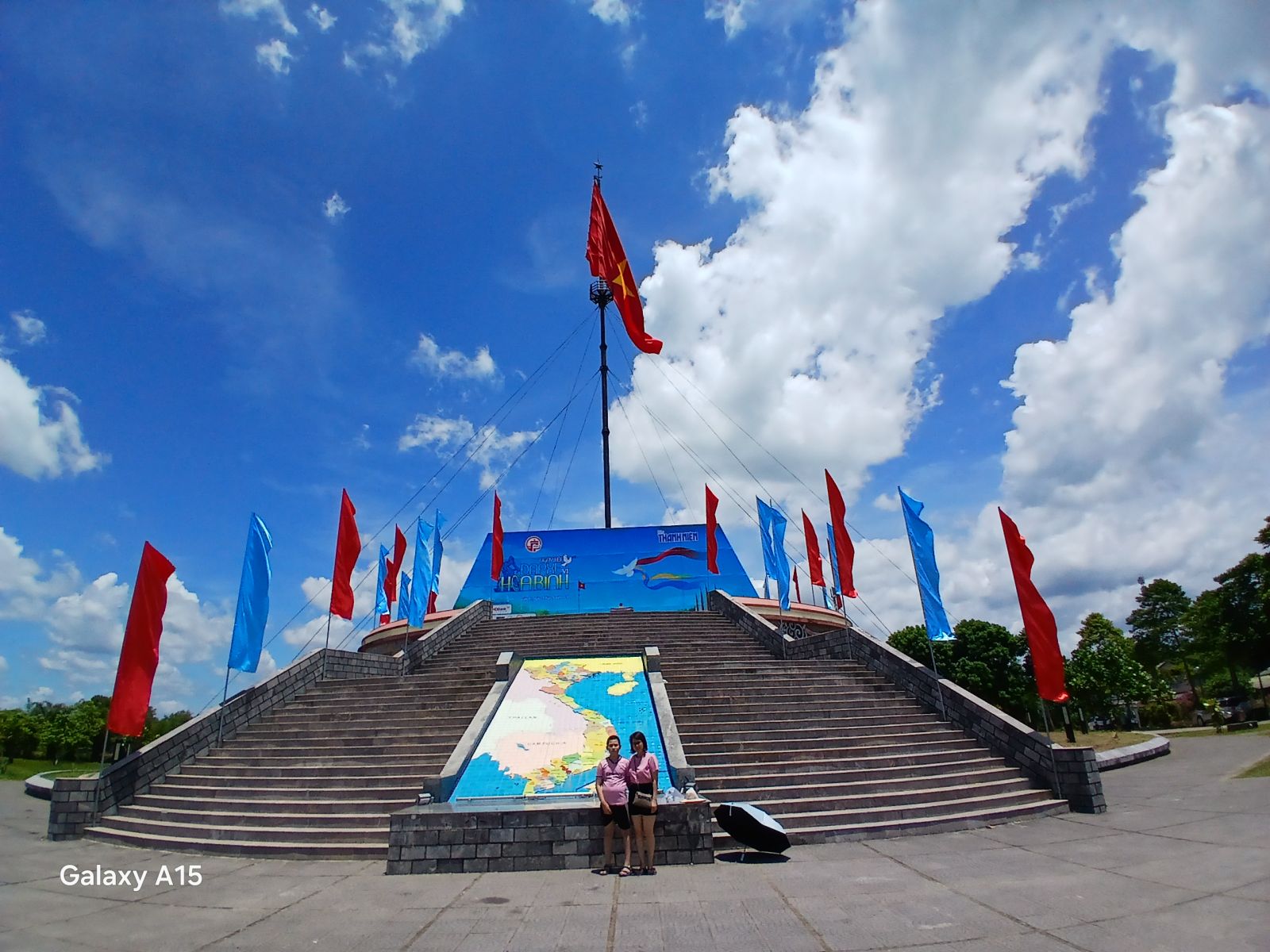
The site now forms a national historic complex. The original pedestrian bridge stands restored, painted half blue and half yellow to mark the former division line. The complex includes a high flagpole monument, a museum displaying wartime photographs, loudspeakers used during psychological border broadcasts, and a reunification monument park.
Travelers can read detailed historical records on the Ben Hai River and Hien Luong Bridge to understand its significance as a symbol of national unity.
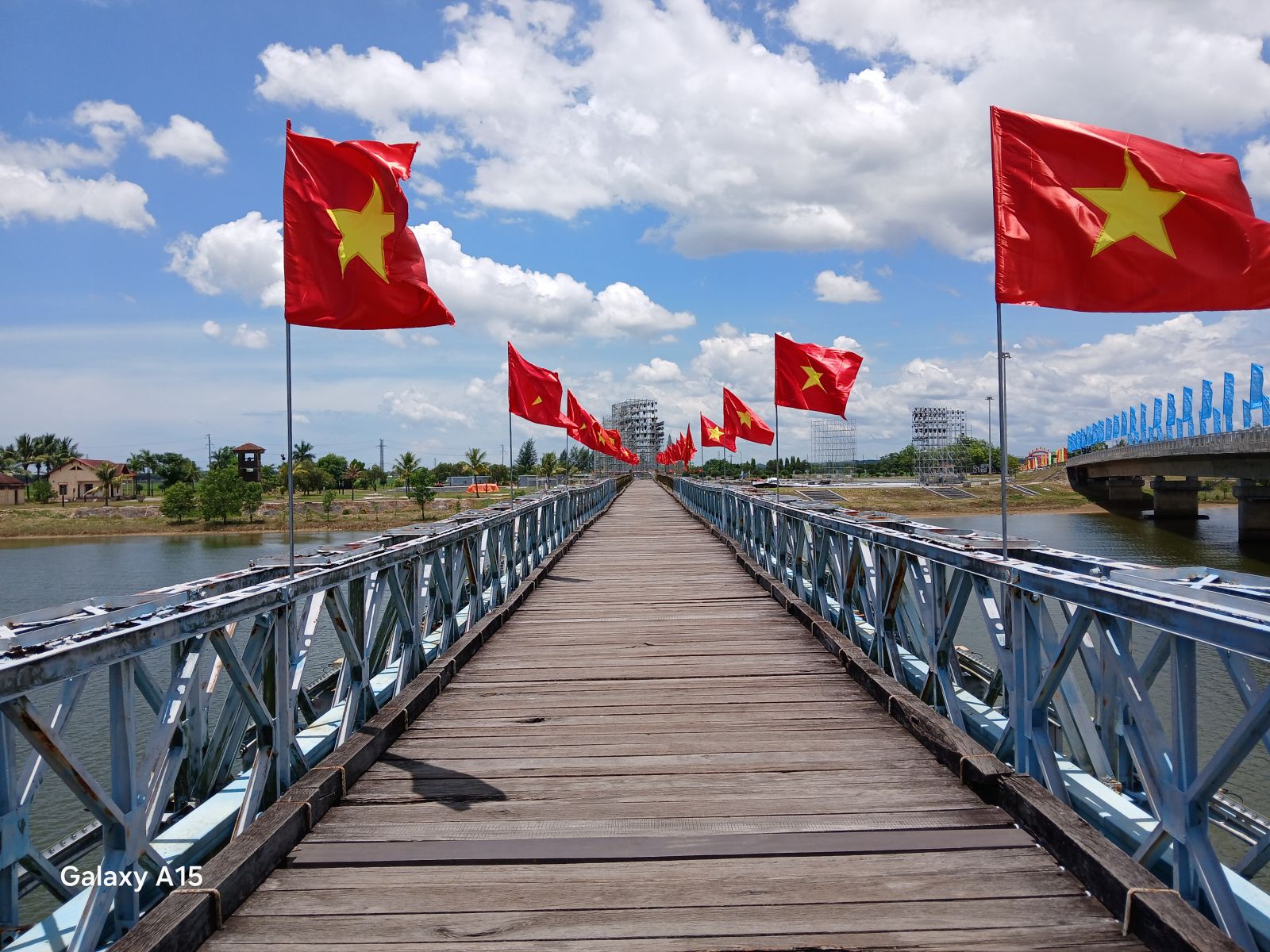
Legendary Hien Luong Bridge – Ben Hai river (DMZ)
4. Quang Tri Ancient Citadel
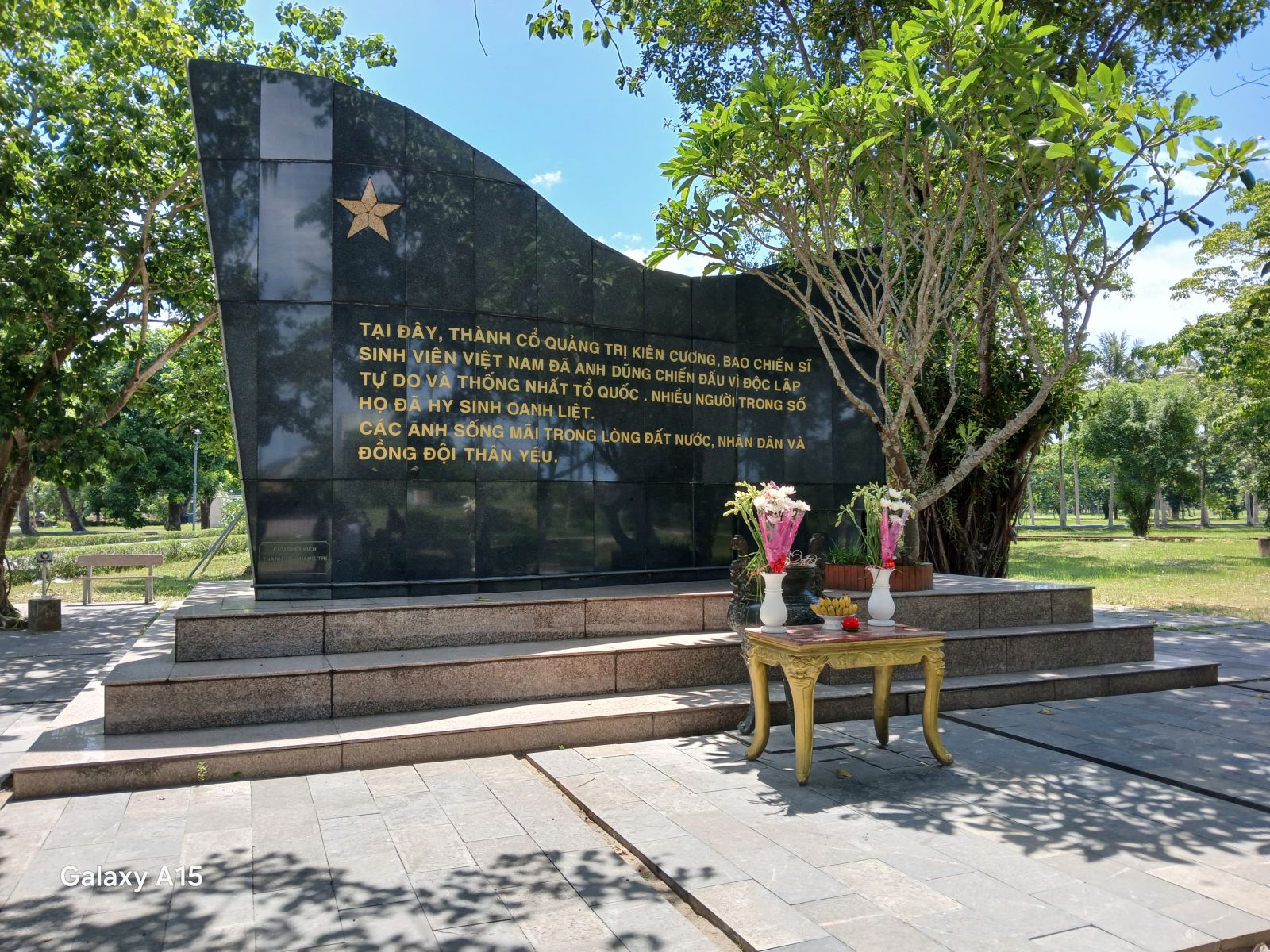
Situated in the town center of Quang Tri, this military fortress was originally constructed during the Nguyen Dynasty in the early 19th century. During the summer of 1972, the citadel was the site of an intense 81-day battle. Today, the location operates as a quiet memorial park. The outer damaged brick gates still show artillery impact marks, while a central memorial monument and museum honor those who fell during the conflict.
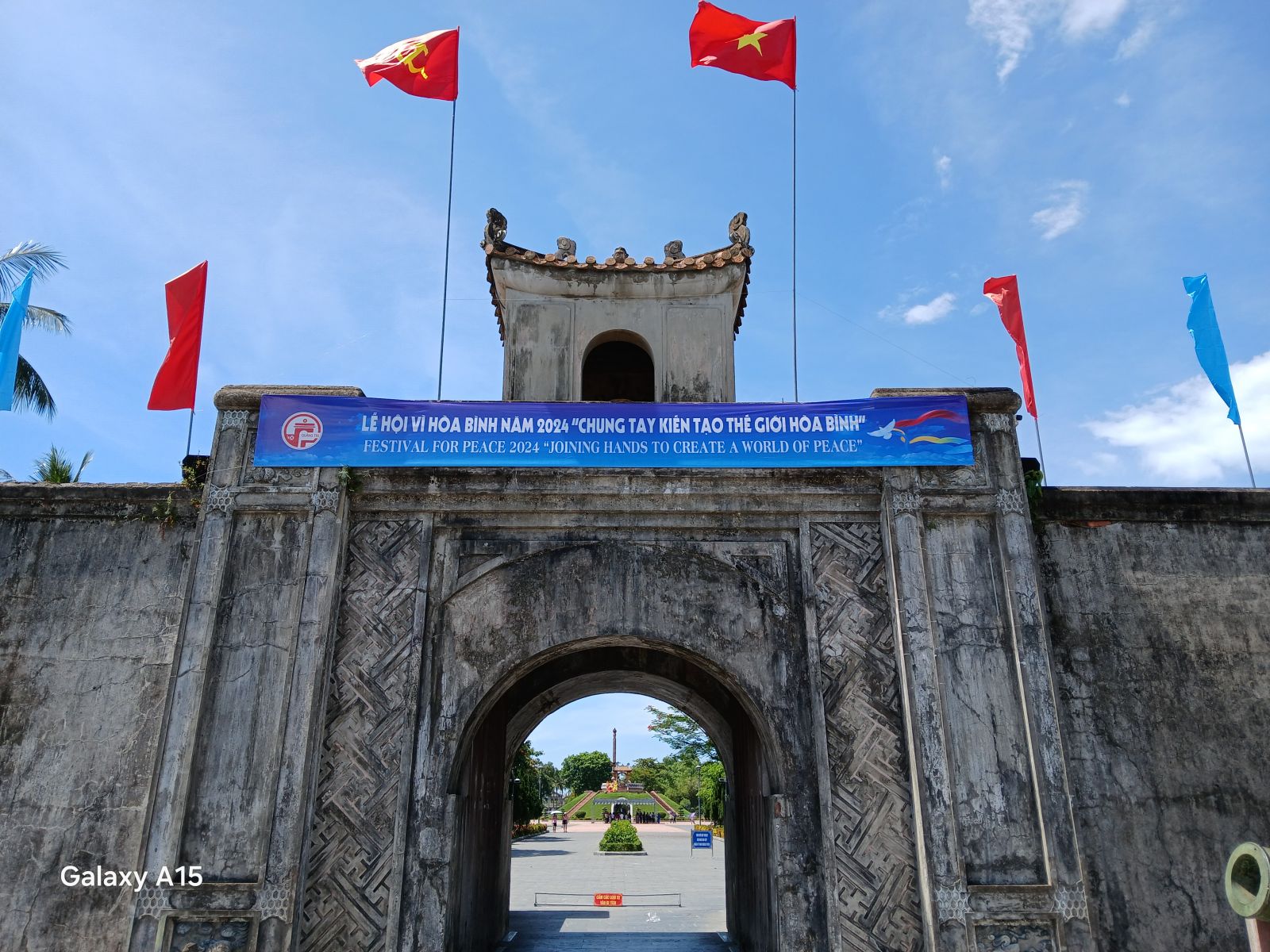
The gate to enter Quang Tri ancient citadel
5. Doc Mieu Base
Located on National Route 1A south of the Ben Hai River, Doc Mieu formed a key outpost along the McNamara Line. During the 1960s, this ridge housed high-tech electronic sensors, acoustic detectors, and long-range artillery batteries intended to detect troop movements. Concrete bunkers and defensive earthworks remain visible near the roadside monument.
6. The Rockpile
Rising 230 meters out of the Cam Lo valley floor, this isolated karst hill once served as a military observation post overlooking Highway 9. Due to its steep vertical cliffs, marine units could only reach the summit via helicopter. From this vantage point, artillery spotters monitored movement across the surrounding river valleys. Travelers typically view and photograph the formation from a roadside viewing pull-off along Highway 9.
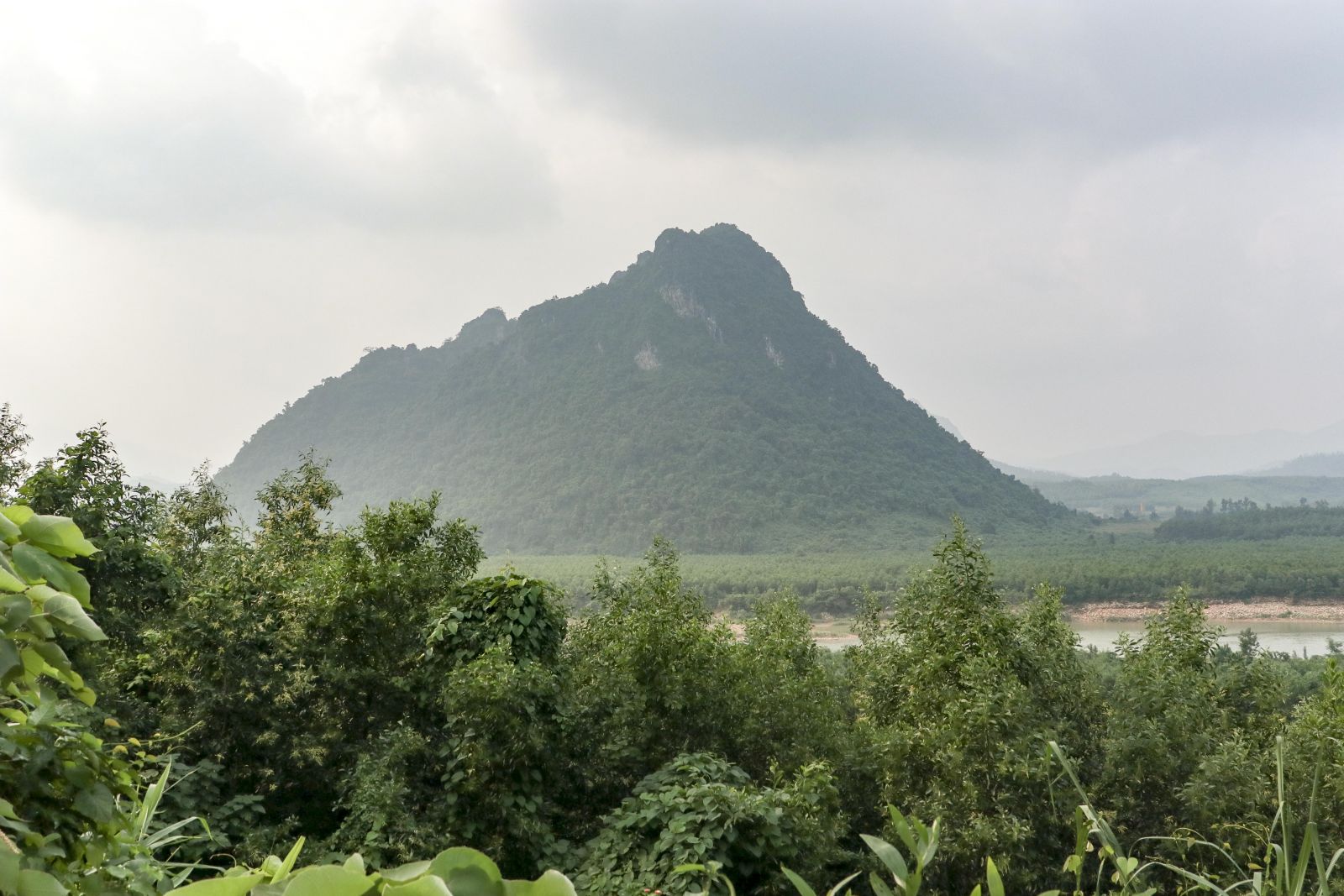
Rockpile Hill – DMZ Quang Tri
7. Dakrong Bridge
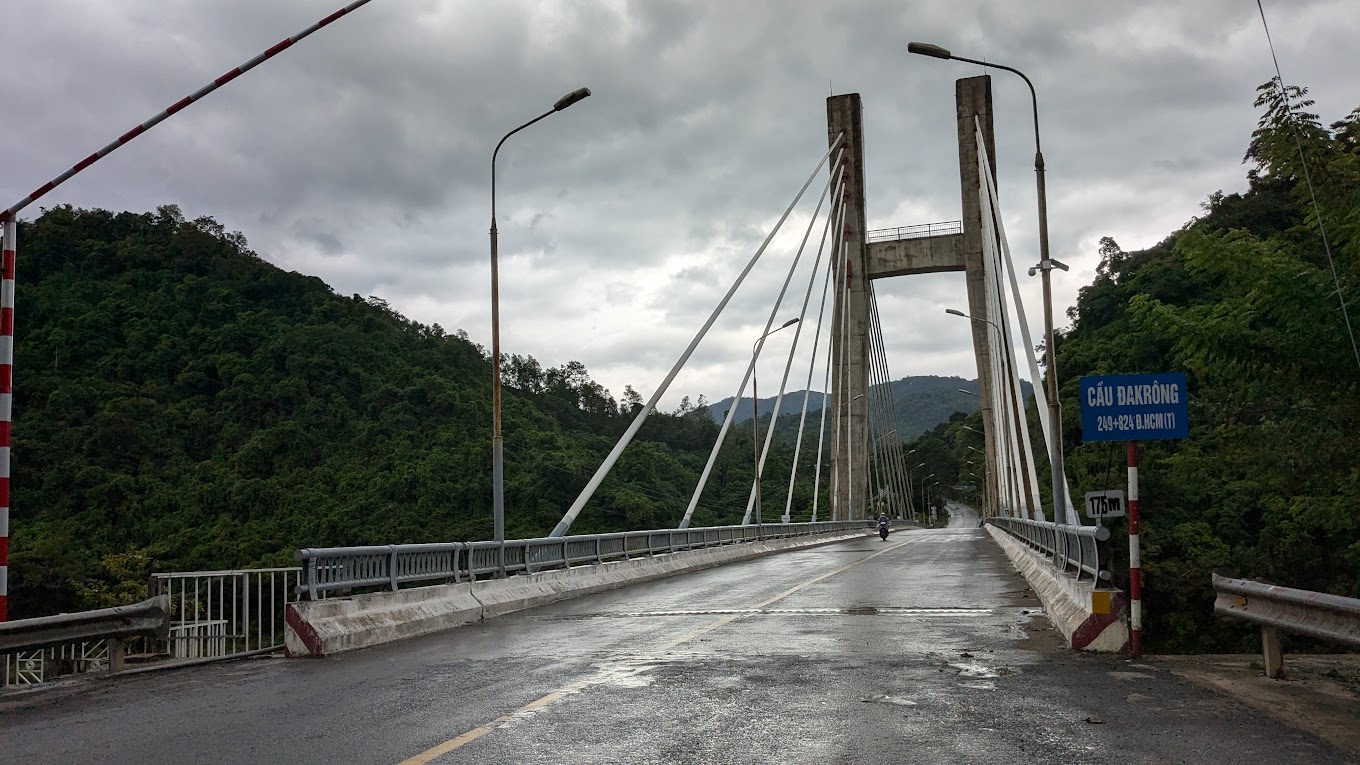
Dakrong Bridge marks a vital access point along the mountain branch of the Ho Chi Minh Trail network. Because of its role in transshipment, the original crossing suffered repeated bombardment during the conflict. The modern suspension bridge stands as a key transit link along Highway 9, set against lush mountain valley scenery near locaL Bru-Van Kieu ethnic villages.
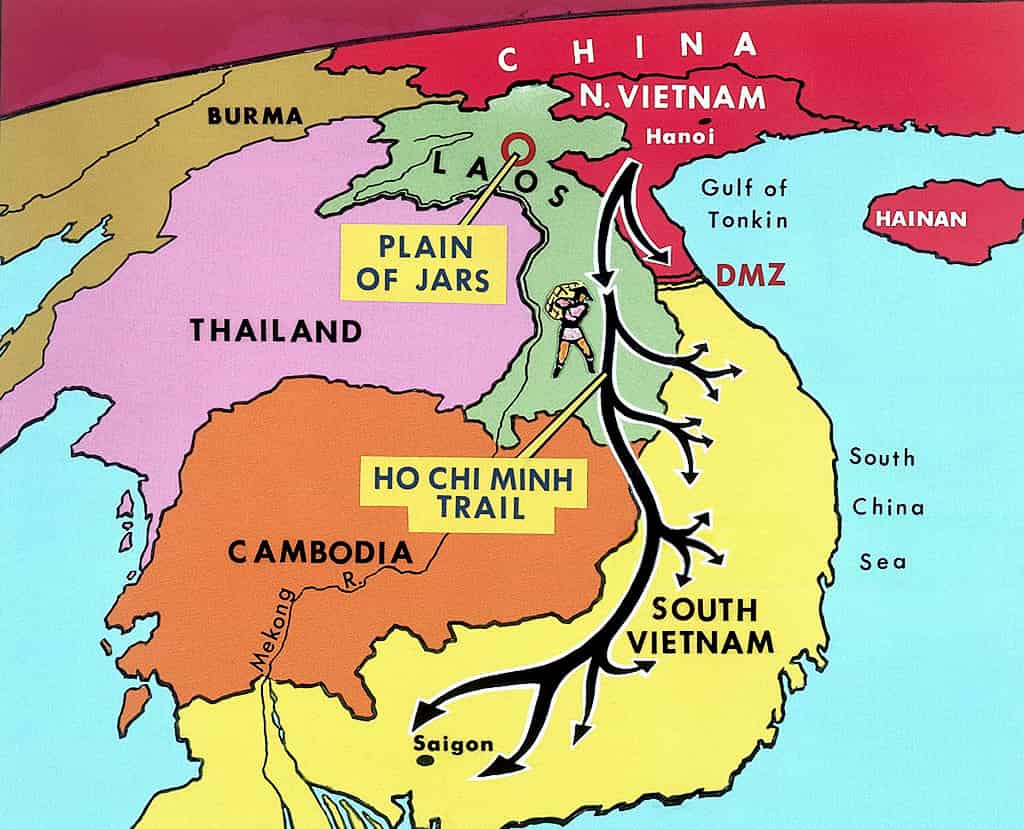
Ho Chi Minh trails – supplies route
8. Truong Son National Cemetery
Situated on Ben Tat Hill in Gio Linh District, Truong Son National Cemetery is the largest military cemetery in Vietnam. The memorial grounds serve as the final resting location for over 10,000 soldiers who died along the Ho Chi Minh Trail network. The cemetery features grave sectors organized by home province, centered around a main marble memorial monument on the hill crest.
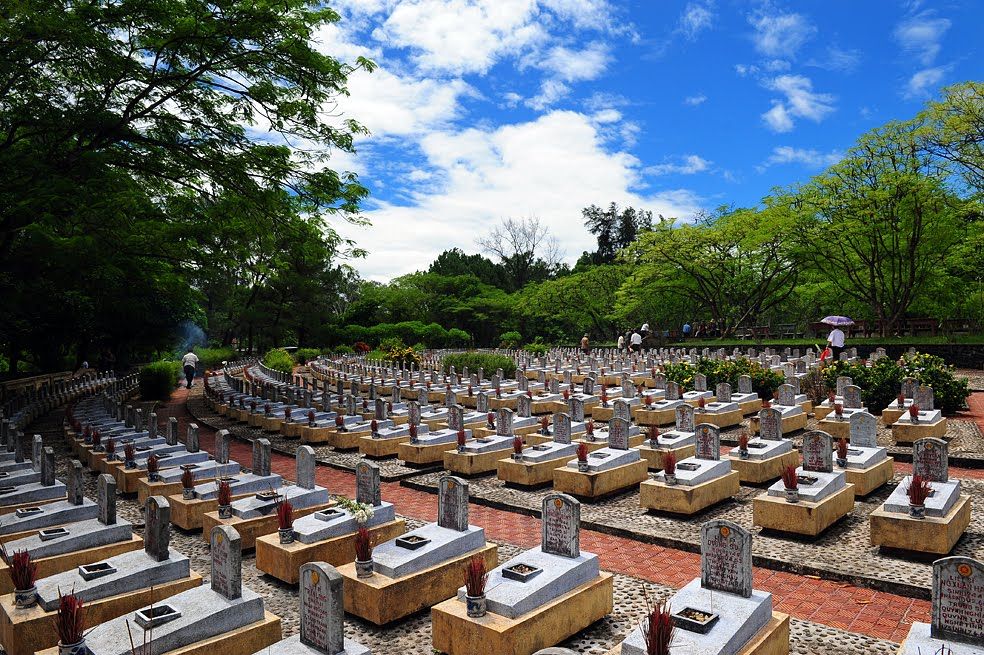
Graves of martyrs in Truong Son cemetery
How to Visit the Vietnam DMZ?
Visitors can access the Demilitarized Zone through private car services, guided historical day tours, or organized transport from Hue, Da Nang, or Dong Hoi. Booking a private vehicle accompanied by a specialized local guide guarantees clear historical context and efficient travel between distant sites.
From Hue to the DMZ
Hue serves as the most convenient urban base for exploring Quang Tri Province. Driving north along Highway 1A takes approximately 2 hours (100 kilometers) to reach Hien Luong Bridge. Private day tours departing from Hue routinely cover eastern sites like Vinh Moc and Hien Luong within an 8 to 9 hour itinerary.
From Da Nang to the DMZ
Da Nang lies roughly 180 kilometers south of the Ben Hai River. A one-way drive takes approximately 3.5 hours via the Hai Van Tunnel and Highway 1A. Because round-trip road travel requires 7 hours, travelers starting from Da Nang often combine their DMZ excursion with an overnight stay in Hue.
From Hoi An to the DMZ
Hoi An is located approximately 210 kilometers south of the Demilitarized Zone. Direct single-day return trips from Hoi An require over 8 hours of driving. We recommend incorporating the DMZ into a multi-day private road tour that progresses northward toward Dong Hoi or Phong Nha.
Can You Visit the DMZ Independently?
Traveling independently by rental car or motorbike is possible, but presents distinct challenges for first-time visitors. Many historical outposts lack comprehensive English signage or physical markers. Highway 9 carries heavy commercial truck traffic, and rural roads through the Truong Son mountains require careful navigation.
Should You Join a Guided DMZ Tour?
Customized tours with a licensed tour guide significantly improves the historical value of your trip. Experienced local guides share personal family histories, translate museum exhibits, and explain military maneuvers that are not obvious when viewing open fields or concrete bunkers alone.
How Long Do You Need to Explore the Vietnam DMZ?
Exploring the main highlights of the Demilitarized Zone requires at least one full day from Hue, while a comprehensive two-day trip allows visitors to reach remote interior locations like Khe Sanh Combat Base and the Ho Chi Minh Trail.
One-Day DMZ Tour From Hue
A single day permits adequate time to visit key eastern sites along National Route 1A. A standard 8-hour schedule covers the Quang Tri Citadel, Doc Mieu Base, Hien Luong Bridge, Ben Hai River, and the Vinh Moc Tunnels before returning to Hue by late afternoon.
Two Days for a More Relaxed DMZ Experience
A two-day itinerary allows travelers to cover both eastern coastal sites and western mountain outposts along Highway 9. Day one focuses on coastal tunnels and border markers, with an overnight stay in Dong Ha City. Day two explores western locations including the Rockpile, Dakrong Bridge, Khe Sanh Combat Base, and Truong Son Cemetery.
Can You Visit the DMZ as a Day Trip From Da Nang?
While technically possible, a direct day trip from Da Nang means spending a significant amount of time on the road. Travelers opting for this schedule must start early in the morning and focus strictly on two main sites, such as Hien Luong Bridge and Vinh Moc Tunnels, to return before nightfall.
| Tour Option | Duration | Key Locations Included | Recommended For |
|---|---|---|---|
| DMZ Highlights Day Tour | 1 Day (8-9 Hours) | Hien Luong Bridge, Ben Hai River, Vinh Moc Tunnels, Quang Tri Citadel | Travelers based in Hue with limited vacation days |
| Full DMZ & Highway 9 Expedition | 2 Days / 1 Night | Vinh Moc, Khe Sanh Base, Rockpile, Dakrong Bridge, Truong Son Cemetery | History enthusiasts, US veterans, detailed researchers |
| Central Heritage Corridor | 3 to 4 Days | Hue Imperial City, DMZ Sites, Phong Nha-Ke Bang Caves | Visitors traveling overland between Hue and Quang Binh |

Fully Licensed Local Agency
Central Vietnam Heritage Tour
Combine historical DMZ landmarks with UNESCO heritage sights across Hanoi, Halong Bay, Hue, and Hoi An on a customized private tour.
Best Time to Visit the Vietnam DMZ
The ideal months to visit the Demilitarized Zone in Quang Tri are from March to May, when weather conditions remain dry and temperatures are comfortable for outdoor walking. Summer months bring high heat, while late autumn brings monsoon rains.
Weather in Quang Tri and the DMZ
Quang Tri Province experiences a tropical monsoon climate influenced by the Truong Son mountain range. Weather patterns split into two dominant periods: a dry season marked by hot dry winds and a rainy season that brings heavy rainfall along the coast.
Dry Season vs. Rainy Season
The dry season runs from March through August. From June to August, dry southwestern Foehn winds blowing over from Laos push temperatures up to 38°C to 40°C.
The rainy season spans September through February. Peak rainfall occurs between October and November, bringing risk of flooding near low-lying river areas.
What Time of Day Is Best for Visiting?
Morning visits between 7:30 AM and 11:30 AM offer the most comfortable conditions for walking around outdoor airfields and underground tunnels.
Midday sun can prove intense across unshaded areas like Khe Sanh runway or Hien Luong Bridge during summer months.
Common Mistakes & Our Practical Tips for Planning Your Trip to Vietnam DMZ
Planning a visit to historical sites across Quang Tri requires practical preparation to handle changing weather, rural conditions, and respectful cultural standards. Following expert recommendations helps avoid travel delays and ensures a well-organized historical tour.
- Wear Comfortable Shoes and Sun Protection: Exploring sites involves walking across open airfields, dirt tracks, and descending unpaved tunnel staircases. Wear sturdy closed-toe shoes and carry a sun hat.
- Bring Enough Water: Tap water is not drinkable. Carry bottled drinking water in your vehicle during long highway drives between Cam Lo and Khe Sanh.
- Dress Appropriately for Historical Sites: When visiting war cemeteries, monuments, and memorial halls, choose attire that covers shoulders and knees to show respect.
- Hire a Local Guide for Better Historical Context: Remote physical sites often carry limited English documentation. A qualified guide provides critical context, personal stories, and site details.
- Be Respectful at War Memorials and Cemeteries: Truong Son National Cemetery and Quang Tri Citadel represent sacred memorial grounds for local families. Maintain quiet while walking through these areas.
To see how a DMZ excursion integrates into a regional travel schedule, explore our 8-Day Central Vietnam Heritage Tour itinerary.
Frequently Asked Questions (FAQs) About Vietnam DMZ
Q1: What is the Vietnam DMZ?
The Vietnam DMZ was a demilitarized zone established along the 17th parallel in 1954 to temporarily divide North and South Vietnam following the Geneva Accords.
Q2: Where is the Vietnam DMZ located?
It is located in Quang Tri Province, Central Vietnam, roughly 100 kilometers north of Hue City and 60 kilometers south of Dong Hoi.
Q3: How do I get to the Vietnam DMZ from Hue?
You can travel from Hue by private car or guided tour along Highway 1A, which takes approximately two hours to reach core historical sites.
Q4: Are the Vinh Moc Tunnels safe to visit?
Yes, the Vinh Moc Tunnels are structural war relics that are lit, restored, and regularly inspected for visitor access and safety.
Q5: Do I need a tour guide to visit the DMZ in Vietnam?
While independent travel is possible, hiring a licensed local guide is recommended to understand historical context and navigate rural sites efficiently.

Final Thoughts on Vietnam DMZ & Arrange Your Trip with Our Travel Experts
Exploring the historical landmarks of the Vietnam DMZ offers an educational reflection on the resilience of Central Vietnam. If you wish to incorporate these sites into a broader Central Vietnam Heritage Tour or arrange specialized Vietnam Tours for US veterans, our travel team stands ready to assist. Contact our travel experts via WhatsApp +84.988451530 or email us directly at [email protected] to customize your travel plan.
Note: The travel tips and recommendations shared in this guide have been carefully prepared by the local travel experts at Golden Holiday Travel. While every traveler is different, our team is always happy to provide personalized itinerary planning, destination advice, and one-on-one support to help you create the perfect Vietnam journey.
















Write Comment