
Vietnam Tours by Train – Routes and Travel Guide
Vietnam tours by train let you see the country at ground level, from northern rice fields and historic cities to the coastline around the Hai Van Pass. The North-South railway connects Hanoi with Hue, Da Nang, Nha Trang, and Ho Chi Minh City, making it possible to combine scenic rail journeys with private sightseeing and comfortable hotel stays.
Train travel is best treated as part of the experience rather than the fastest way to cover Vietnam. For travelers from the United States, especially those who prefer a relaxed pace, the most comfortable plan usually combines one overnight sleeper, one scenic daytime segment, private station transfers, and flights for the longest distances.
Key Takeaways
- The North-South railway covers approximately 1,072 miles from Hanoi to Ho Chi Minh City, and a through journey generally takes well over 30 hours.
- The most scenic and manageable section is the Hue-Da Nang route across the Hai Van Pass, which takes about three hours.
- A four-berth soft sleeper with a lower berth is usually the most practical overnight option for mature travelers.
- Train schedules and fares change by service and travel date, so confirm the exact train before arranging flights, tours, or hotel check-in.
- A balanced itinerary combines rail with private vehicles or domestic flights instead of completing every long segment by train.

Why Choose Vietnam Tours by Train?
Vietnam’s railway is slower than flying, but it gives travelers a closer view of the landscape and avoids long hours on busy highways. The Reunification Express is a collective name for several trains operating on the North-South line rather than one single train.
What Makes the Reunification Express Special?
The North-South railway extends approximately 1,726 kilometers, or 1,072 miles, between Hanoi and Ho Chi Minh City. It passes through central Vietnam’s historic cities and coastal scenery, and the route was named the world’s leading train journey in Lonely Planet’s 2025 selection.
Most visitors should not ride the entire route without stopping. Breaking the journey in Hue, Da Nang, Hoi An, Nha Trang, or Quy Nhon creates a more comfortable trip and allows time for sightseeing and rest.
Train vs. Flight vs. Private Vehicle
The right mode depends on your available time, comfort expectations, and interest in the journey itself. The following comparison is designed for a typical U.S. traveler planning a multi-city vacation.
| Travel Option | Main Advantage | Main Limitation | Best Use |
|---|---|---|---|
| Train | Scenic travel and city-center stations | Long travel times, shared facilities, and possible delays | Hai Van Pass and selected overnight routes |
| Domestic flight | Fastest option between distant regions | Airport transfers and limited scenery | Hanoi to central or southern Vietnam when time is limited |
| Private vehicle | Door-to-door comfort and flexible stops | Long road journeys can be tiring | Short regional transfers and station connections |
For most mature travelers, the best approach is a mixed itinerary: fly between distant regions, use private transfers locally, and reserve the train for one or two memorable sections.
Best Train Routes in Vietnam
Vietnam offers several useful rail segments, but they differ significantly in duration, scenery, and comfort. These four routes provide the strongest combination of experience and practical value.
Hanoi to Hue – Overnight Sleeper
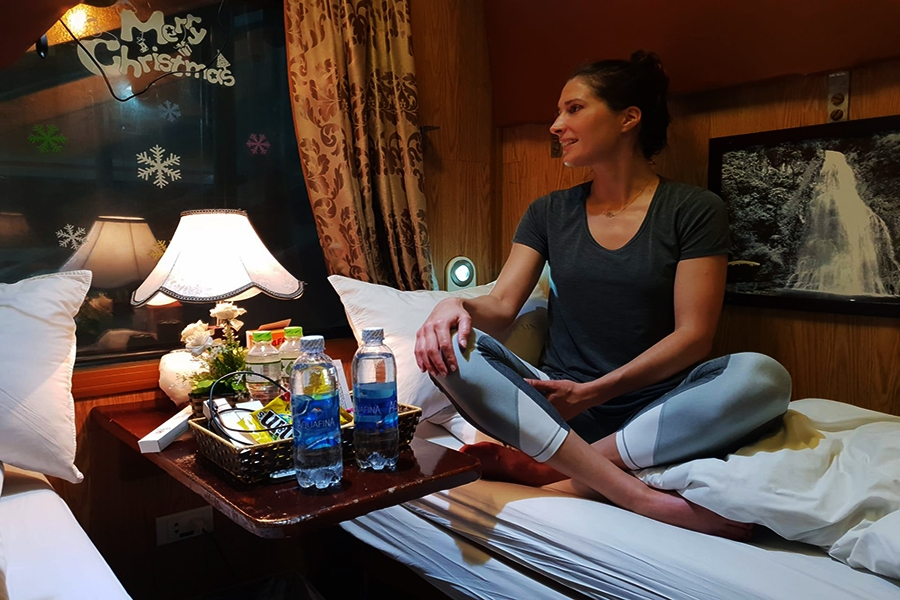
The overnight train from Hanoi to Hue normally takes about 13 to 15 hours, depending on the selected service and operating schedule. It can replace one hotel night, but sleep quality varies because of movement, noise, station stops, and early arrival.
- Recommended accommodation: A four-berth air-conditioned soft sleeper.
- Best berth: A lower berth for easier access and less climbing.
- Comfort consideration: Cabins and restrooms are compact, and luggage space is limited.
- Arrival planning: Arrange a private station pickup and request early hotel access when available.
- Best for: Travelers who are comfortable sleeping on a moving train and want to reduce daytime travel.
Travelers with balance problems, limited mobility, or difficulty sleeping may prefer a daytime flight to Hue or Da Nang.
Hue to Da Nang – The Hai Van Pass
The Hue-Da Nang railway is the best short train experience for many first-time visitors. The journey takes roughly three hours and passes lagoons, mountains, beaches, and the coastal slopes of the Hai Van Pass.
Vietnam Railways operates regular North-South services on this section as well as dedicated heritage trains at selected times. Exact departures can change, so choose a daylight service and reconfirm the schedule shortly before travel.
- Activity level: Easy once seated, although boarding may involve steps and uneven platforms.
- Best seating: A window seat; views change with train direction and carriage position.
- Recommended plan: Travel after breakfast and continue to a hotel in Da Nang or Hoi An by private vehicle.
- Weather note: Clouds and rain may reduce visibility, particularly during central Vietnam’s wetter months.
Da Nang to Nha Trang and Ho Chi Minh City
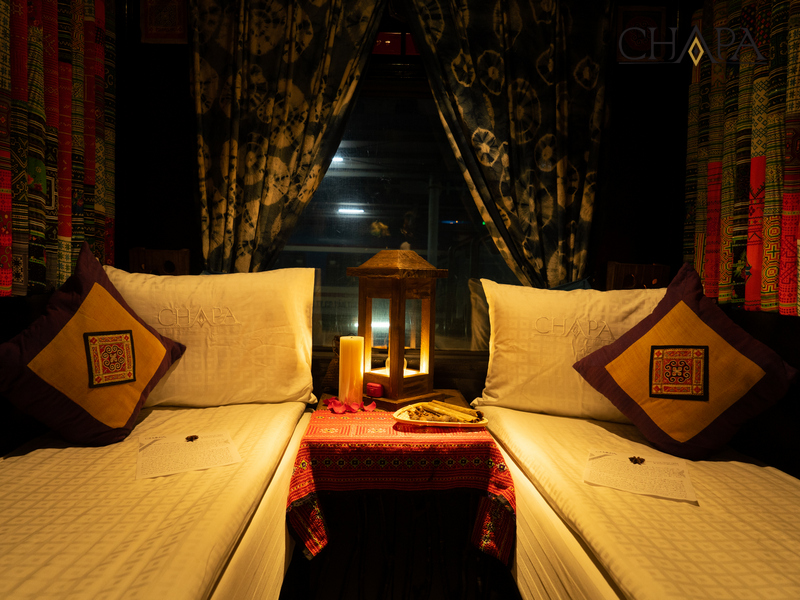
The railway south of Da Nang includes attractive coastal and rural scenery, but the distances are substantial. A daytime trip from Da Nang to Nha Trang can occupy most of a day, while continuing to Ho Chi Minh City adds another long segment.
- Best strategy: Break the journey in Nha Trang or Quy Nhon rather than riding from Da Nang to Ho Chi Minh City in one stretch.
- Suitable for: Rail enthusiasts and travelers with at least two weeks in Vietnam.
- Less suitable for: Visitors with a short vacation or difficulty sitting for extended periods.
- Practical alternative: Take the scenic Hue-Da Nang train, then fly from Da Nang to Ho Chi Minh City.
Hanoi to Lao Cai for Sapa
The overnight railway terminates in Lao Cai, not Sapa. From Lao Cai station, Sapa is approximately 24 miles away by mountain road, with the transfer often taking about one hour or longer depending on traffic and weather.
- Journey pattern: Evening departure from Hanoi and early-morning arrival in Lao Cai.
- Cabin choice: Four-berth soft sleeper or a private tourist cabin when currently available.
- Important limitation: The train does not provide the mountain views associated with Sapa because much of the journey takes place at night.
- Comfort planning: Arrange a station pickup, breakfast, luggage handling, and hotel access before sightseeing.
- Mobility note: Sapa village walks may include steep paths, mud, stone steps, and uneven terrain; easier alternatives should be arranged in advance.
Suggested Vietnam Train Tour Itineraries
A successful train itinerary leaves enough time between long travel days and avoids combining an overnight journey with demanding sightseeing immediately after arrival. These options can be adjusted for pace, mobility, and hotel preference.
| Itinerary | Length | Key Train Experience | Pace | Best For |
|---|---|---|---|---|
| Classic North to South | 14 to 16 days | Hanoi-Hue sleeper and Hue-Da Nang scenic train | Balanced | First-time visitors |
| Central Vietnam by Rail | 7 to 9 days | Hai Van Pass in daylight | Relaxed | Culture, history, and easier logistics |
| Hanoi and Sapa by Train | 8 to 10 days | Round-trip Lao Cai sleeper | Moderate | Mountain scenery and cultural experiences |
Classic North-to-South Journey – 14 to 16 Days
This itinerary uses rail where it adds experience and flights where they save a full day of travel.
- Days 1 to 3: Hanoi with private city sightseeing and a flexible arrival day.
- Day 4: Overnight soft-sleeper train from Hanoi to Hue
- Days 5 to 7: Hue with a lighter first day, the Imperial City, royal tombs, and private transportation.
- Day 8: Daylight train across the Hai Van Pass to Da Nang, followed by a private transfer to Hoi An.
- Days 9 to 11: Hoi An and Da Nang with cultural activities, beach time, or a rest day.
- Day 12: Fly to Ho Chi Minh City.
- Days 13 to 16: Ho Chi Minh City and the Mekong Delta, with the final day adjusted to the international flight schedule.
Recommended pace: Balanced. Adding one extra night in Hue or Hoi An makes the itinerary more comfortable after the overnight train.
Central Vietnam by Rail – 7 to 9 Days
This is the strongest option for travelers who want scenic rail travel without spending a night onboard.
- Days 1 to 3: Hue, including the Imperial City and selected royal tombs.
- Day 4: Daylight train from Hue to Da Nang across the Hai Van Pass.
- Days 5 to 7: Hoi An and Da Nang with private transfers and a flexible activity schedule.
- Optional Days 8 to 9: Beach relaxation, a cooking experience, or an additional rest day.
Recommended pace: Relaxed. This route has fewer hotel changes and no overnight sleeper.
Train Classes, Tickets, and Onboard Comfort
Vietnamese trains offer several seat and sleeper configurations, but not every train carries every class. The exact carriage, condition, and fare depend on the service and date.
Choosing the Right Train Class
| Class | Typical Configuration | Best Use | Comfort Notes |
|---|---|---|---|
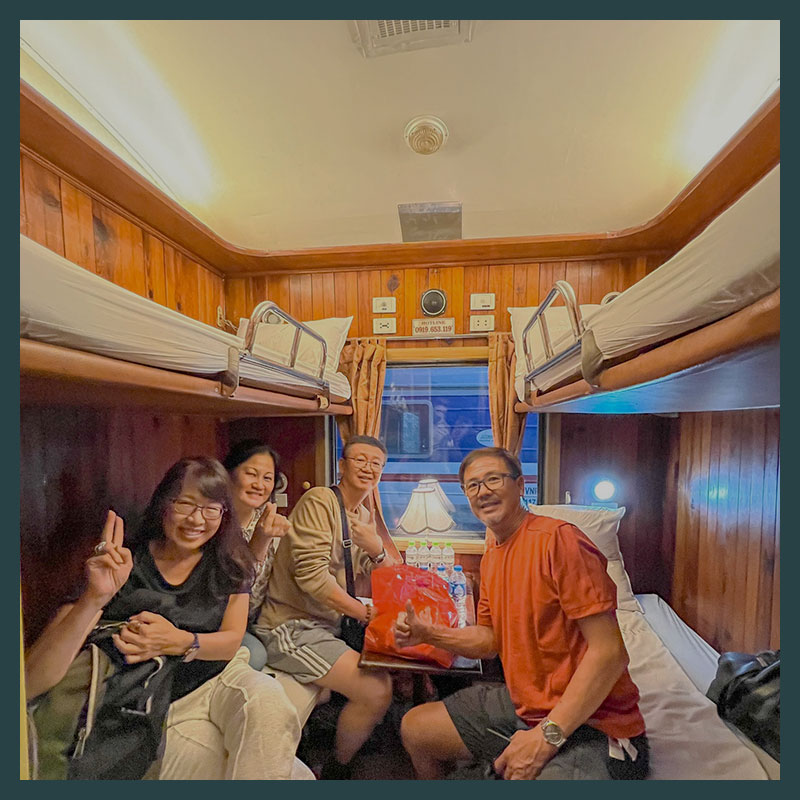
| Soft sleeper | Four berths in an air-conditioned compartment | Long overnight journeys | Best standard option; request a lower berth |
| Hard sleeper | Six berths arranged in three levels | Budget overnight travel | Firmer beds and more difficult upper-berth access |
| Soft seat | Padded reclining seat in an air-conditioned carriage | Daytime journeys such as Hue-Da Nang | More comfortable than a hard seat but limited space to walk |
| Hard seat | Basic fixed seating | Short trips for budget travelers | Not recommended for long journeys |
| Private tourist cabin | Upgraded compartment on selected routes or a standard cabin booked privately | Couples seeking more privacy | Availability and service standards vary by operator |
Fares should be checked for the exact train and date. Avoid relying on a fixed dollar price because seasonal demand, berth position, carriage type, and exchange rates affect the total.
Comfort and Mobility Considerations
Vietnam train travel can work well for mature travelers, but it is not fully accessible in the same way as a modern airport or high-speed railway.
- Passengers may need to climb steps from the platform into the carriage.
- Corridors, cabin entrances, berths, and restrooms are narrow.
- Upper and middle berths require climbing a ladder.
- Station elevators, ramps, and platform assistance are not consistent across the network.
- Large hard-shell suitcases are difficult to store inside sleeper cabins.
- Train movement can make walking to the restroom challenging at night.
Request a lower berth, use manageable luggage, and arrange porter or guide assistance where available. Travelers who use a wheelchair or mobility aid should confirm station and carriage access before payment.
How to Book Vietnam Train Tickets
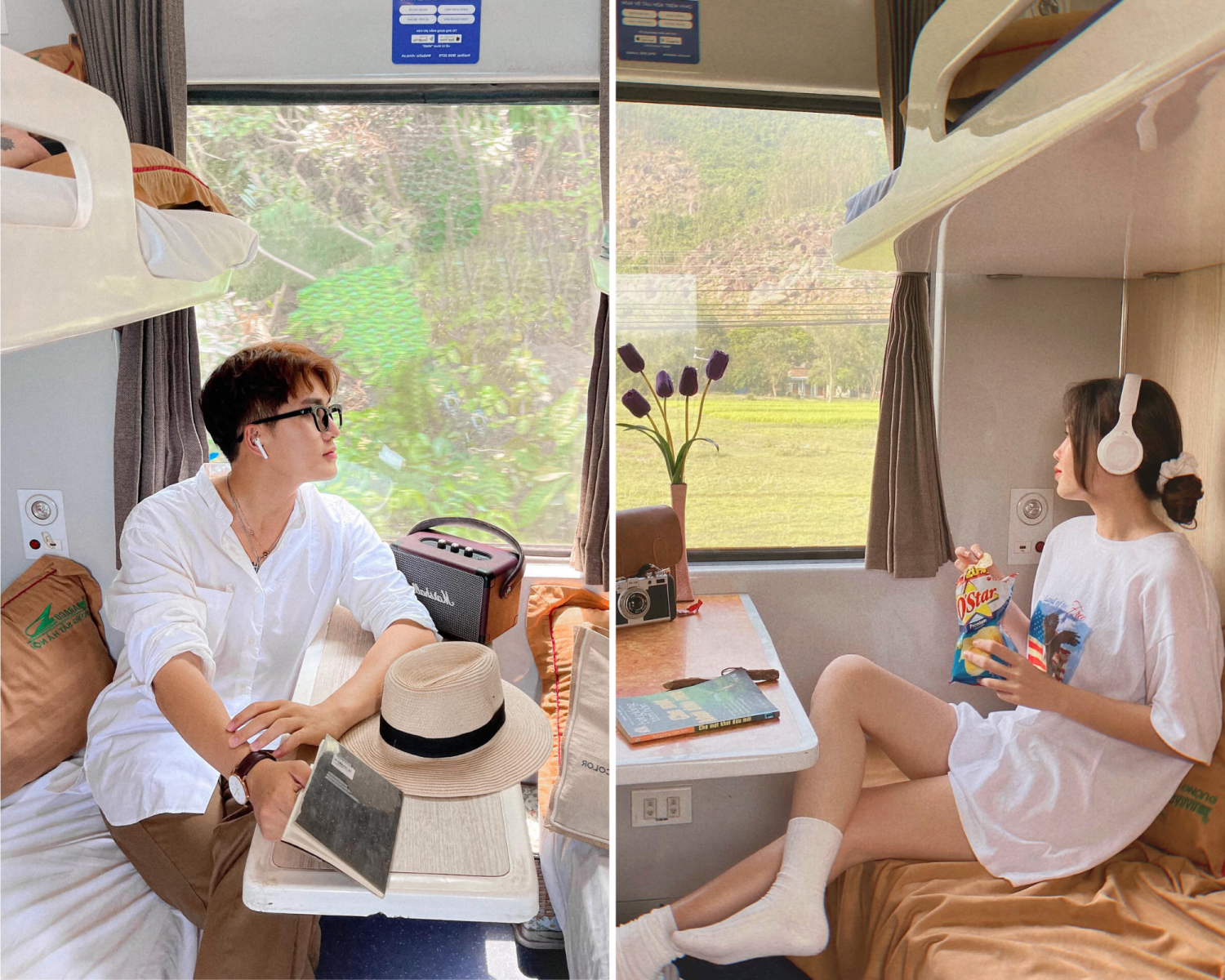
Tickets can be purchased through the official Vietnam Railways booking system, at railway stations, or as part of a tour arrangement. Availability is released according to railway operating plans, so there is no single advance-booking rule for every date.
- Enter each traveler’s name and identification details exactly as shown on the passport.
- Check the departure station carefully because large cities may have more than one boarding point.
- Reconfirm the train number, station, departure time, berth, and carriage before travel.
- Book earlier for Tet, national holidays, weekends, and popular soft-sleeper services.
- Arrive at least 30 minutes before departure and allow more time at unfamiliar stations.
- Do not book a tight flight or cruise connection immediately after a long train journey.
Golden Holiday Travel can coordinate train reservations, private transfers, hotel check-in, and local guides as part of customized Vietnam tour packages.
What to Bring on the Train
- A passport and accessible copy of the ticket.
- Earplugs, an eye mask, and a light layer for strong air conditioning.
- Water and suitable snacks, especially for dietary restrictions.
- Hand sanitizer, tissues, and personal medication.
- A small overnight bag so the main suitcase can remain closed.
- A charged power bank and downloaded entertainment.
- Secure storage for cash, cards, passport, and phone.
Best Time for Vietnam Train Travel
Vietnam has several climate zones, so no month provides perfect conditions everywhere. Train services can also be delayed or adjusted during severe storms, flooding, and major holidays.
| Region | Generally Favorable Period | Main Weather Consideration |
|---|---|---|
| Hanoi and northern lowlands | October to April | Winter can be cool and damp; summer is hot and humid |
| Sapa and northern mountains | March to May and September to November | Winter can be cold and foggy; mountain rain affects trails |
| Hue, Da Nang, and Hoi An | February to August | Heat is strongest in late spring and summer; heavy rain and storms are more likely later in the year |
| Nha Trang and south-central coast | January to August | Rain patterns differ from Hue and Da Nang |
| Ho Chi Minh City and the south | December to April | Rainy-season showers are common from approximately May to November |
For a multi-region train itinerary, February through April often provides a practical balance. Travelers sensitive to heat should favor earlier departures, air-conditioned vehicles, and midday rest periods.
Entry, Safety, and Practical Planning
U.S. travelers should confirm entry requirements, railway schedules, and travel conditions shortly before departure because each may change independently of the itinerary.
Vietnam Entry Requirements for U.S. Travelers
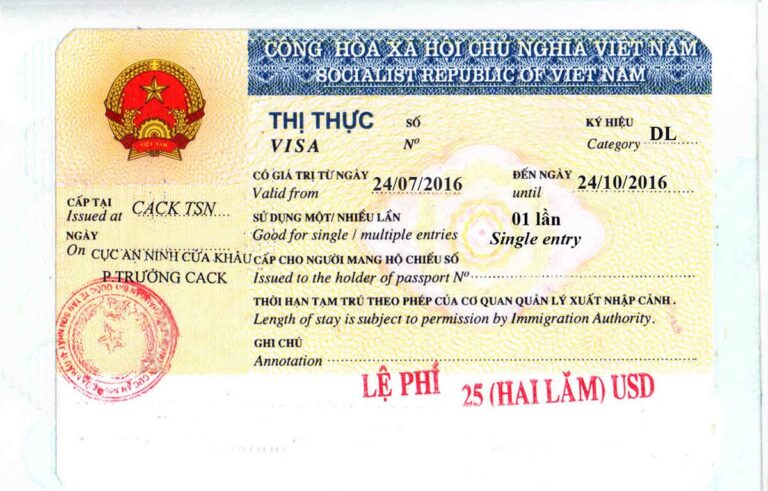
U.S. passport holders generally need a visa before entering Vietnam. Vietnam’s official e-visa may be issued for up to 90 days with single or multiple entry, and the official government fee is currently USD 25 for single entry or USD 50 for multiple entry.
Travelers entering Vietnam by air on a non-Vietnamese passport must also complete the current pre-arrival information declaration no earlier than three days before arrival. Verify passport validity, the approved entry point, and every detail on the e-visa before boarding the flight.
Train Safety and Luggage
The current U.S. State Department advisory places Vietnam at Level 1 – Exercise Normal Precautions. On trains and at busy stations, the most relevant precautions involve valuables, luggage, platform awareness, and flexible connections.
- Keep passports, cash, cards, and phones with you rather than in an unattended bag.
- Use luggage that you can lift or arrange assistance in advance.
- Keep cabin doors secured when possible and avoid displaying valuables.
- Expect schedule changes or delays and maintain a buffer before flights and cruises.
- Purchase travel insurance that addresses medical care, cancellation, delay, and missed connections.

Are Vietnam Train Tours Suitable for Mature Travelers?
Yes, Vietnam tours by train can suit mature travelers when the itinerary uses the right segments and cabin type. The easiest plan limits overnight travel, includes private station transfers, and avoids demanding sightseeing immediately after arrival.
| Potential Challenge | Recommended Solution |
|---|---|
| High or middle sleeper berth | Request a lower berth or reserve an entire cabin when possible |
| Heavy luggage | Travel with one manageable suitcase and arrange porter assistance |
| Compact restroom | Use station facilities before boarding and keep tissues and sanitizer accessible |
| Interrupted sleep | Choose a daytime scenic train or schedule a light arrival day |
| Steps and uneven platforms | Request guide assistance and confirm mobility requirements before booking |
| Long sitting periods | Break the route into shorter segments and add two-night hotel stays |
My practical recommendation is to prioritize the Hue-Da Nang daytime route. Add the Hanoi-Hue or Hanoi-Lao Cai sleeper only when the traveler is comfortable with shared cabins, train movement, and compact facilities.
Frequently Asked Questions
These answers cover the practical questions travelers commonly ask before including rail travel in a Vietnam itinerary.
How Long Is the Train From Hanoi to Ho Chi Minh City?
The complete journey usually takes more than 30 hours, with the exact duration depending on the train and operating schedule. Most vacation itineraries divide the route into two or more segments rather than traveling straight through.
What Is the Best Train Route in Vietnam?
The Hue-Da Nang route across the Hai Van Pass is the best choice for most visitors. It is scenic, takes only about three hours, and can be included without an overnight train.
Which Train Class Is Best for an Overnight Journey?
A four-berth soft-sleeper cabin is the most comfortable standard choice. Mature travelers should request a lower berth because upper berths require climbing and have less headroom.
Can a Couple Book a Private Train Cabin?
Sometimes. Private two-berth products are available on selected routes and dates, or a couple may pay for all berths in a standard cabin. Confirm the exact carriage and inclusions because private tourist operators vary.
Are Vietnam Train Schedules Reliable?
Published schedules provide a useful plan, but delays and operational changes can occur. Avoid tight onward connections and reconfirm the departure details before travel.
How Far Ahead Should Train Tickets Be Booked?
Book as soon as the preferred service becomes available, especially for soft sleepers, Tet, national holidays, and weekends. Availability depends on the railway’s sales schedule, so a fixed 30-day or 60-day rule does not apply to every journey.
Conclusion
Vietnam tours by train are most rewarding when rail travel is selected for scenery and experience rather than used for every long-distance transfer. The Hue-Da Nang journey is the strongest option for nearly every itinerary, while an overnight soft sleeper can add character for travelers who are comfortable with compact cabins and shared facilities.
For a comfortable trip, combine scenic trains with private station transfers, lower berths, lighter arrival days, and flights between distant regions. Explore Vietnam tours or contact Golden Holiday Travel to build a tailor-made route around your preferred pace and comfort needs.

































Write Comment