
Top 10+ Must-Do Experiences in Ho Chi Minh City for First-Time Visitors
Things to do in Ho Chi Minh City range from exploring French colonial landmarks, moving wartime memorials to wandering lively local markets and sampling the distinctive flavors of Southern Vietnamese cuisine. As Vietnam’s commercial hub, Ho Chi Minh City attracts travelers with its fascinating mix of deep-rooted traditions, cultural heritage, and fast-paced modern life. For first-time visitors, families, and couples, the challenge is knowing how to combine the city’s must-see historic landmarks with genuine local experiences while avoiding tourist traps, heavy traffic, and overcrowded areas.
With over 10 years of crafting private Vietnam tours, our team at Golden Holiday Travel helps travelers experience the authentic charm of Vietnam. As a licensed international tour operator, we work closely with trusted local drivers, guides, and family-run eateries to ensure safe, transparent, and flexible journeys.
This practical local guide covers top things to do in HCM city, dining spots, and travel tips based on our firsthand experience. Whether you have 48 hours or are exploring southern Vietnam, it offers useful advice to help you make the most of your time.
KEY TAKEAWAYS FOR TRAVELERS
- Core Historic Sights: District 1 hosts the Reunification Palace, War Remnants Museum, Central Post Office, and Ben Thanh Market within walking distance.
- Top Regional Excursions: The Cu Chi Tunnels and Mekong Delta waterways can be reached within a 1.5 to 2.5 hour private drive from central Saigon.
- Cuisine & Coffee Culture: Taste local specialties like Com Tam (broken rice) and Bun Mam (fermented noodle soup) alongside traditional iced milk coffee (Ca Phe Sua Da).
- Travel Logistics: Allocate 2 to 3 full days to cover downtown highlights and major day trips smoothly.
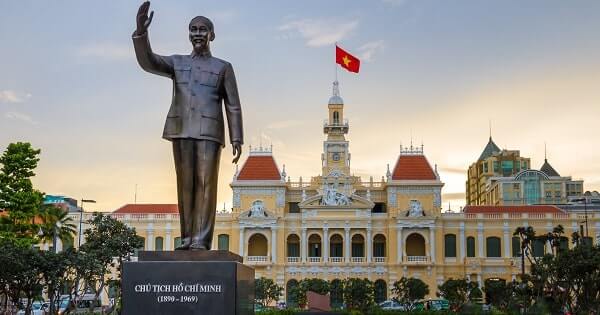
Fully Licensed Local Agency
Private Vietnam Tour Packages & Custom City Itineraries
Discover southern Vietnam with knowledgeable English-speaking guides, private air-conditioned transport, and flexible daily schedules. Reduce trip planning time by up to 70% with our rapid 24-hour itinerary customization guarantee.
Why Ho Chi Minh City Should Be on Your Vietnam Itinerary?
Ho Chi Minh City serves as the economic hub and cultural heartbeat of southern Vietnam. Adding this southern city to your itinerary offers a fascinating mix of history, diverse architecture, and fast-paced urban development, creating a striking contrast with northern destinations like Hanoi.
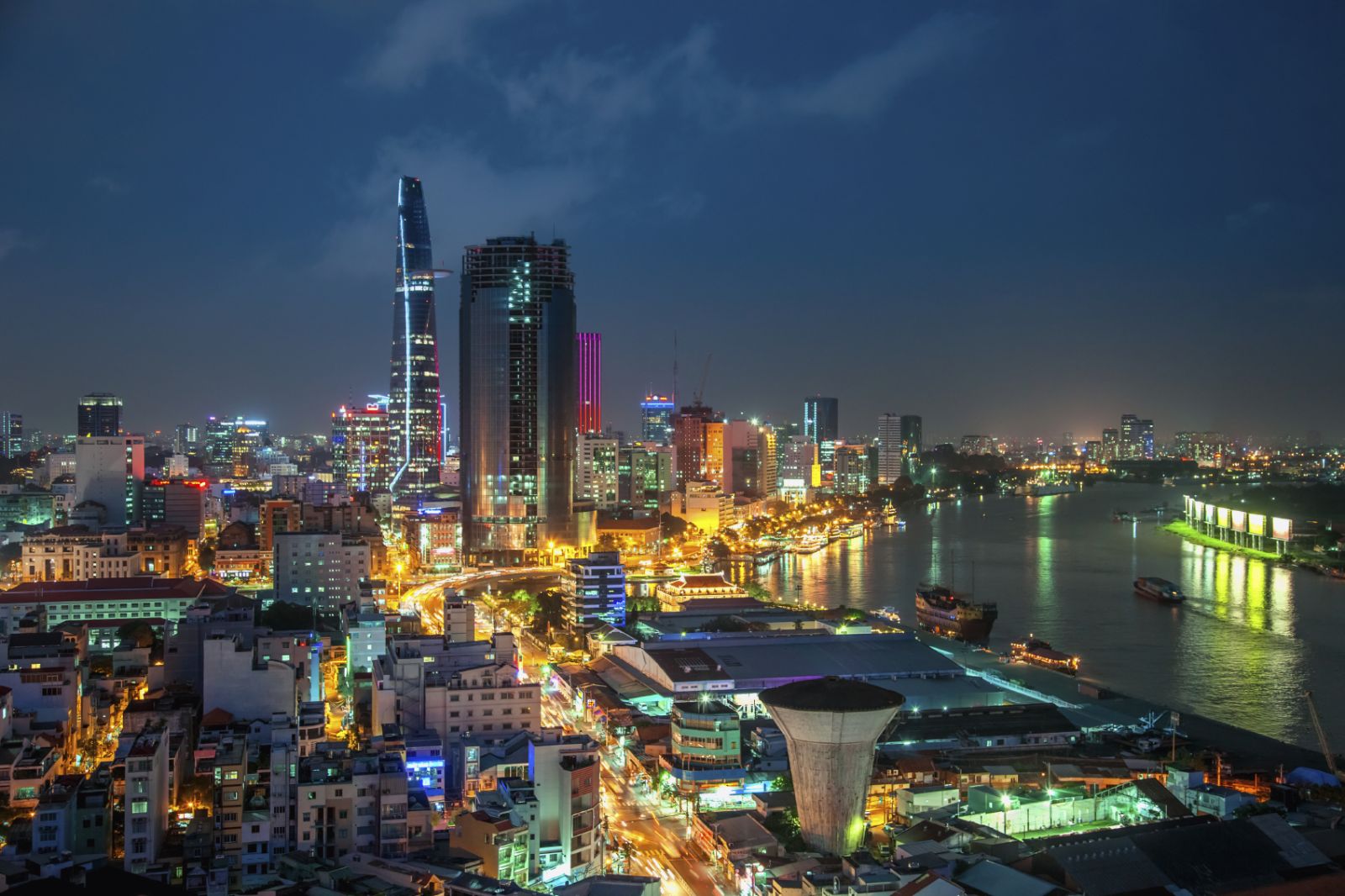
The modern skyline of Ho Chi Minh City along the Saigon River.
Discover Vietnam’s Most Dynamic Southern City
Ho Chi Minh City moves at an impressive pace with over 9 million residents and millions of motorbikes flowing through tree-lined boulevards. The city offers direct insight into Vietnam’s modern economic growth alongside traditional street commerce, open-air markets, and historic shophouses.
Travelers can enjoy world-class restaurants, luxury hotels, and modern rooftop viewpoints just minutes away from peaceful temple courtyards. This striking contrast offers a genuine glimpse into how modern Vietnam continues to preserve its ancestral traditions while embracing rapid economic growth and global business.
Experience the Perfect Mix of History, Culture, and Modern Life
The city’s urban layout preserves distinct layers of history. French colonial municipal buildings sit beside modernist structures built during the mid-20th century, while contemporary skyscrapers rise in the background.
Visiting Ho Chi Minh City allows travelers to understand the country’s wartime resilience through preserved museums and underground tunnel networks. You will also experience southern hospitality, where friendly local residents warmly welcome visitors at neighborhood coffee counters and street food stalls.
10+ Best Things to Do in Ho Chi Minh City
The top Ho Chi Minh City attractions combine major wartime landmarks, preserved colonial architecture, and active cultural quarters. Organizing your daily visits by district helps minimize transit time across busy city intersections.
1. Explore the Historic Reunification Palace
The Reunification Palace, also known as Independence Palace, stands as a prime symbol of modern Vietnamese history. On April 30, 1975, North Vietnamese tanks crashed through the iron gates, marking the formal conclusion of the Vietnam War.
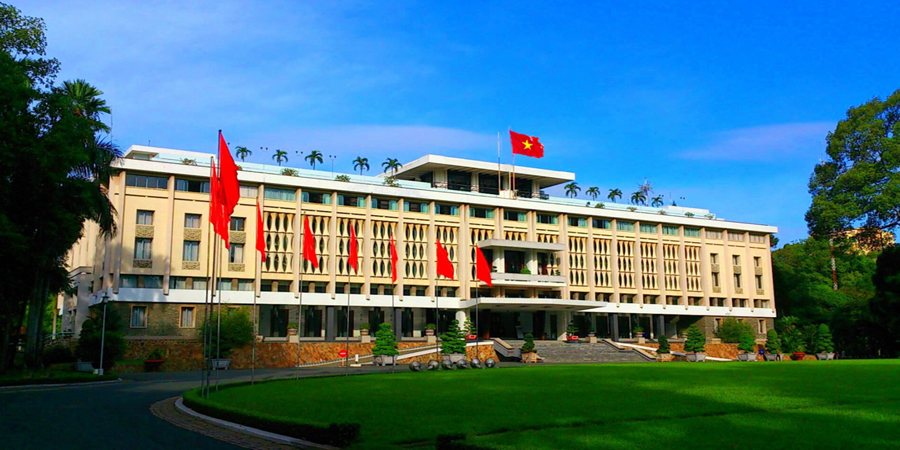
The iconic facade of the Reunification Palace in District 1.
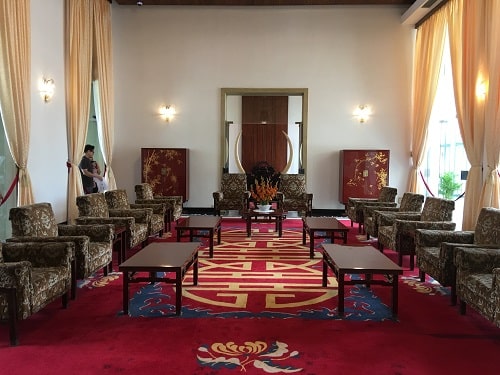
Designed by architect Ngo Viet Thu, the building displays 1960s modernist architecture with airy corridors, grand reception halls, and original furnishings. Visitors can walk down into the basement command bunker, which houses telecommunications equipment, strategic maps, and secure meeting rooms preserved in their original state.
- Address: 135 Nam Ky Khoi Nghia, Ben Thanh Ward, District 1
- Opening Hours: 07:30 – 11:00 and 13:00 – 16:00 daily
- Admission Fee: 40,000 VND ($1.60) per adult
2. Visit the War Remnants Museum
The War Remnants Museum offers a sober look at the harsh realities and long-term consequences of the 20th-century conflict. It ranks among the most visited museum facilities in Vietnam, attracting over 500,000 international visitors annually.
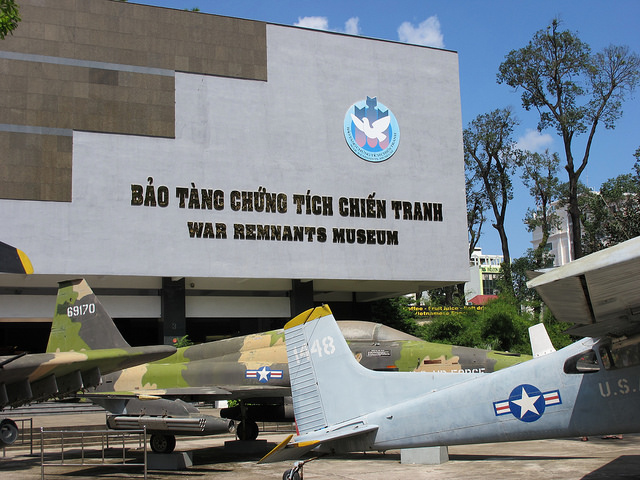
Outdoor display of military aircraft at the War Remnants Museum.
The outdoor courtyard displays captured American military hardware, including UH-1 Huey helicopters, M48 Patton tanks, and fighter jets. Inside, multi-floor galleries present historical photographs, including the renowned Requiem exhibition documenting the work of combat photographers who lost their lives during the conflict.
- Address: 28 Vo Van Tan, Ward 6, District 3
- Opening Hours: 07:30 – 17:30 daily (ticket counter closes at 17:00)
- Admission Fee: 40,000 VND ($1.60) per person
3. Admire Saigon Notre-Dame Cathedral and Central Post Office
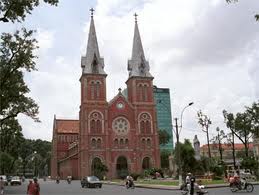
Located directly opposite each other on Paris Square, these two structures represent the center of French colonial architecture in southern Vietnam. Built between 1863 and 1880, the Notre-Dame Cathedral Basilica of Saigon features red bricks imported directly from Marseille, France.
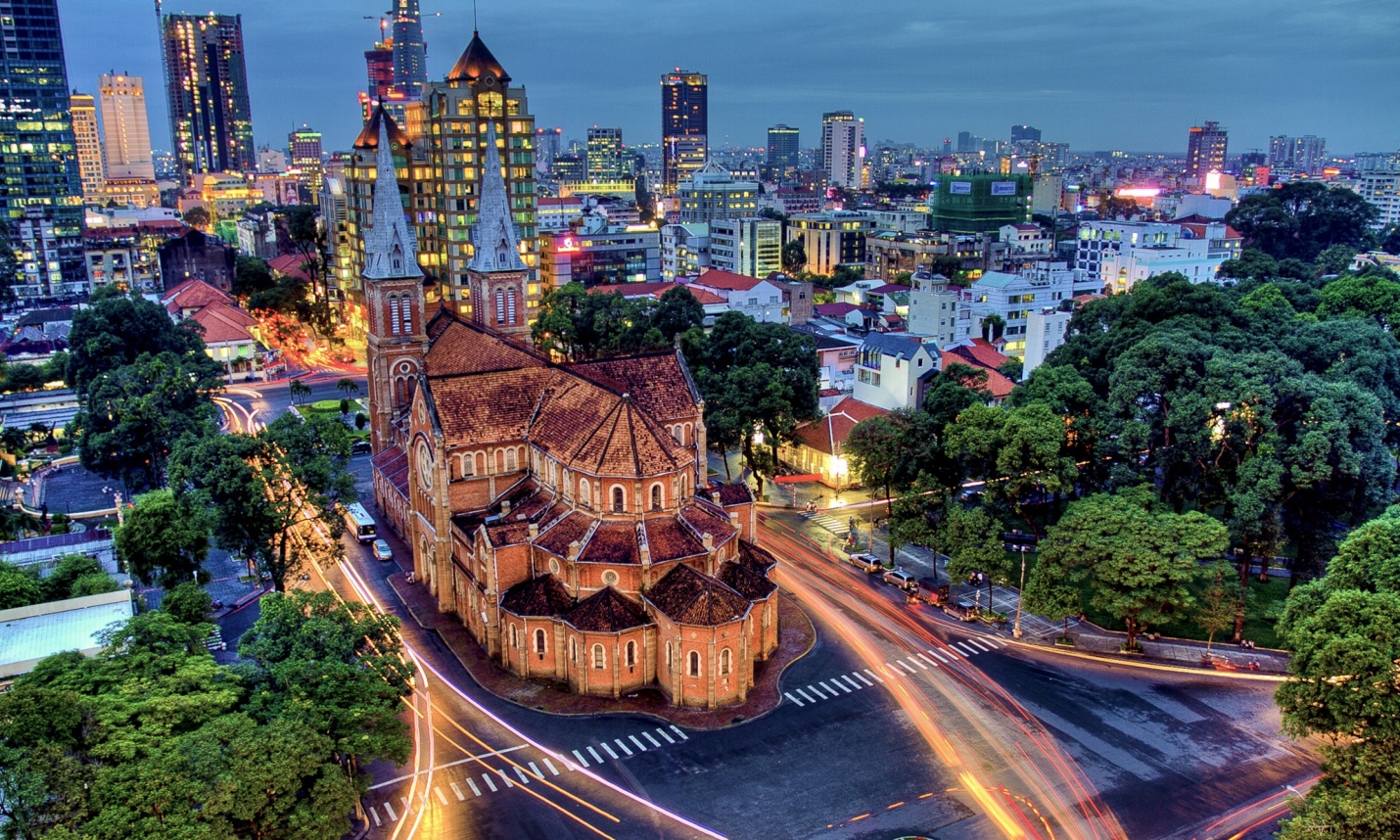
Saigon Notre-Dame Cathedral standing proudly in District 1.
Adjacent to the cathedral stands the Saigon Central Post Office, constructed between 1886 and 1891 based on designs by architect Gustave Eiffel. Inside, high vaulted ceilings, classic telephone booths, and hand-painted historic maps of 19th-century telegraph lines welcome travelers who wish to mail postcards home.
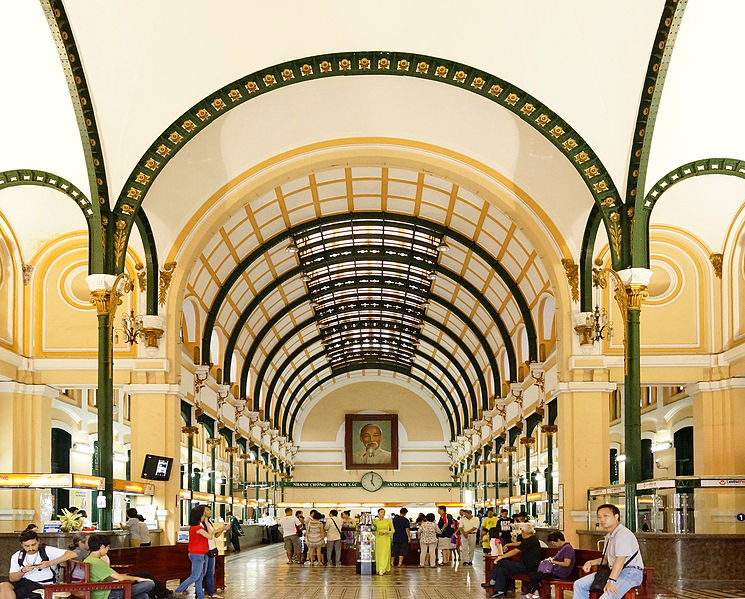
The grand interior archways of the Saigon Central Post Office.
- Address: 2 Cong Xa Paris, Ben Nghe Ward, District 1
- Opening Hours: 07:00 – 18:00 daily (Post Office)
- Admission Fee: Free entry
4. Wander Through Ben Thanh Market
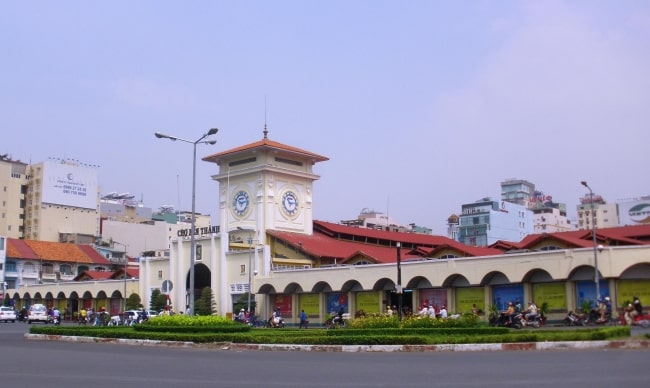
Ben Thanh Market has functioned as an active trading center since 1914 and remains one of the most recognizable places to visit in Ho Chi Minh City. The market features four primary entrances facing main boulevards, surmounted by an iconic clock tower.
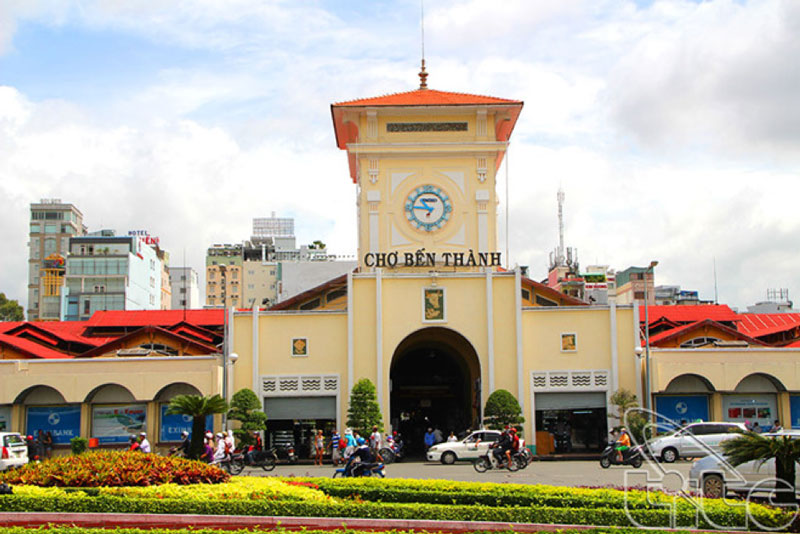
The southern clock tower entrance of Ben Thanh Market.
Inside, narrow aisles accommodate over 1,500 vendor stalls selling textiles, lacquerware, coffee beans, spices, and clothing. The central food hall serves freshly prepared local dishes such as Bun Bo Hue, Banh Xeo, and Che desserts at reasonable rates.
- Address: Le Loi, Ben Thanh Ward, District 1
- Opening Hours: 06:00 – 18:00 (Day Market), 18:00 – 23:00 (Night Street Market)
- Travel Advice: Politely negotiate vendor prices down by 20% to 30% when purchasing non-food goods.
5. Experience the Bustling Atmosphere of Nguyen Hue Walking Street
Nguyen Hue Walking Street is a broad pedestrian boulevard extending 670 meters from the historic Ho Chi Minh City People’s Committee Building down to the Saigon River bank. In the evenings, locals gather here to walk, socialize, and watch street performers.
Along the pedestrian zone, you can explore the famous Cafe Apartment Building at No. 42 Nguyen Hue. This nine-story residential block has been converted into multi-level boutique coffee shops, fashion studios, and tea houses overlooking the open plaza.
6. Discover Local Life in Chinatown and Cho Lon
Chinatown, known locally as Cho Lon, spans across Districts 5 and 6 and preserves the heritage of the Chinese-Vietnamese community dating back to the late 18th century. The area is known for its traditional Chinese medicine shops, tea houses, and historic assembly halls.
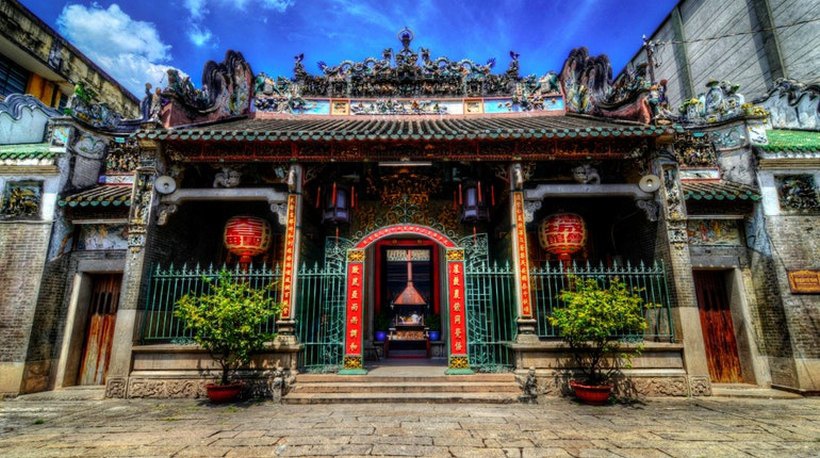
Intricate ceramic roof details at Thien Hau Pagoda in District 5.
A key highlight in Cho Lon is Thien Hau Pagoda, dedicated to the Goddess of the Sea. Built in the 19th century by Cantonese immigrants, the temple is adorned with intricate ceramic scenes along its roof ridges, while large coils of fragrant incense hang above the inner sanctuary, creating a distinctive and atmospheric setting.
- Address: 710 Nguyen Trai, Ward 11, District 5
- Opening Hours: 08:00 – 16:30 daily
- Admission Fee: Free entry (donations welcome)
7. Visit the Jade Emperor Pagoda
The Jade Emperor Pagoda (Chua Ngoc Hoang), located in District 1, remains one of the most revered Taoist sanctuaries in southern Vietnam. Built in 1909 by the Cantonese community, the pagoda features detailed wood carvings, statues of deities, and incense-filled prayer halls.
The temple complex houses a courtyard turtle pond where locals release turtles as a Buddhist act of merit. Modest attire covering shoulders and knees is strictly required when entering the inner worship halls.
8. Enjoy Panoramic City Views From a Rooftop
Viewing the city from above provides a clear perspective on its scale and rapid urban development. The Saigon Skydeck at Bitexco Financial Tower in District 1 offers 360-degree views from the 49th floor across the river bend.
For an even higher vantage point, the Landmark 81 SkyView observation deck in Binh Thanh District stands at over 380 meters above ground level, making it the tallest architectural vantage point in Vietnam.
9. Take a Mekong Delta Day Trip From Ho Chi Minh City
The fertile river basin of the Mekong Delta begins just 70 kilometers south of the city center. An ornanized day excursion introduces visitors to river life, canal transit networks, and tropical fruit orchards.
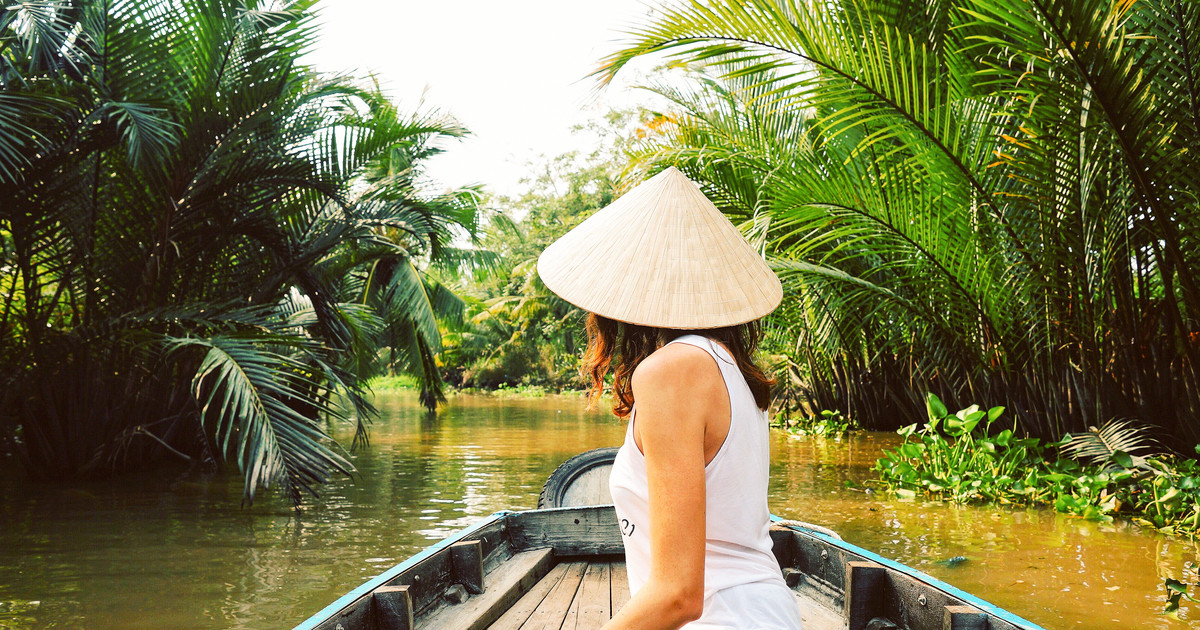
Cruising through narrow natural waterways in the Mekong Delta.
Travelers can board traditional wooden sampans to navigate shaded water coconut canals, visit family-run coconut candy workshops in Ben Tre, and taste regional honey tea while listening to southern folk music (Don Ca Tai Tu).
10. Explore the Cu Chi Tunnels
The Cu Chi Tunnels is an extensive subterranean defense network spanning over 250 kilometers of underground passages northwest of the city. Built during the resistance wars, the tunnels contained command rooms, field hospitals, living quarters, and kitchens with hidden smoke outlets.
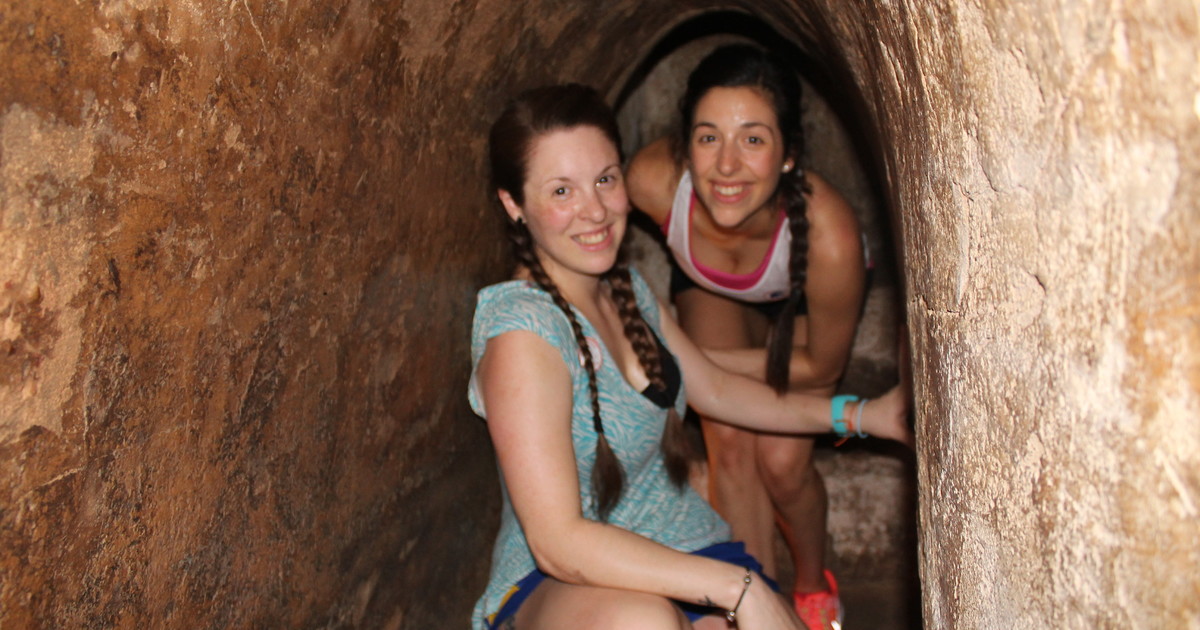
The historical underground tunnel system at Cu Chi.
Visitors can crawl through widened tunnel sections, inspect ingenious bamboo trap mechanisms, and taste boiled cassava served with peanut salt, which was the staple ration for guerrilla fighters during the war.
11. Join a Saigon Street Food Tour After Dark
Experiencing street food after sunset reveals why Saigon is considered one of the top culinary capitals in Asia. Joining a private evening food tour with a local guide allows you to explore hidden alleys in District 3, District 4, and District 10 safely.
Local guides take you directly to family stalls that have perfected individual recipes over multiple generations, steering you toward high-hygiene vendors and authentic regional flavors.
12. Watch A O Show at The Saigon Opera House
The Saigon Opera House, constructed in 1897 by architect Eugene Ferret, stands as a prime example of French colonial theater architecture. Attending a performance inside provides access to its historic auditorium and decorative interior balconies.
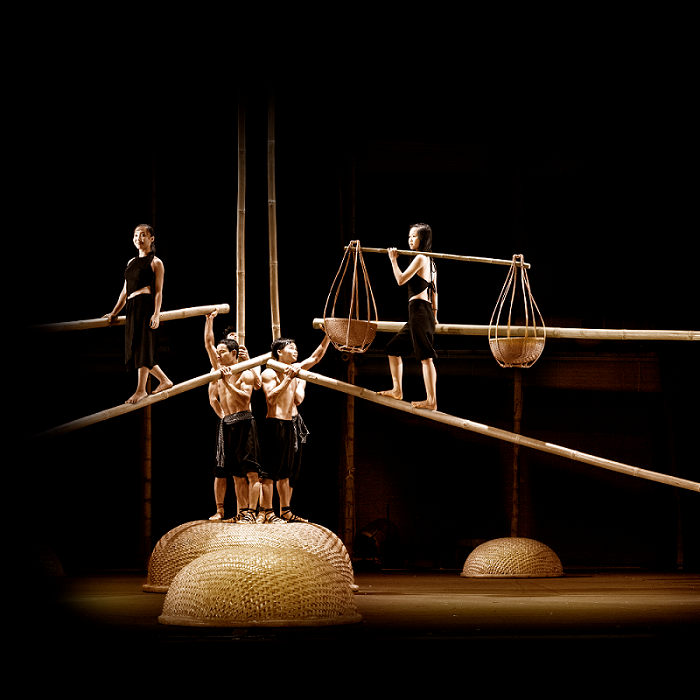
The acclaimed A O Show performance at the Saigon Opera House.
The acclaimed A O Show combines contemporary circus arts, acrobatics, and live traditional Vietnamese folk music using bamboo props to depict the transition from rural village life to urban modernization.
- Address: 7 Cong Truong Lam Son, Ben Nghe Ward, District 1
- Show Tickets: 700,000 VND to 1,600,000 VND ($28 – $64) based on seating tier
Fully Licensed Local Agency
Custom Vietnam Adventure Tours & Multi-Day Southern Journeys
Combine cultural city highlights with cycling routes in the Mekong Delta, national park treks, and private transfers. Enjoy personalized service with licensed local tour leaders dedicated to your safety.
Best Things to Do in Ho Chi Minh City at Night
Ho Chi Minh City transforms into an energetic entertainment hub after dark. Nighttime activities range from open-air pedestrian promenades and street food stalls to illuminated bridges and river dinner cruises.
1. Stroll Along Nguyen Hue Walking Street
The central pedestrian mall cools down in the evening as sea breezes move up from the river. Families, young locals, and international travelers gather to walk past the illuminated French-era City Hall, listen to acoustic street performers, and enjoy the musical water fountain displays.
2. Sample Local Street Food and Vietnamese Drinks
For travelers seeking lively nightlife, the backpacker corridor along Bui Vien and Pham Ngu Lao streets offers loud music venues, neon displays, and street-level plastic seating.
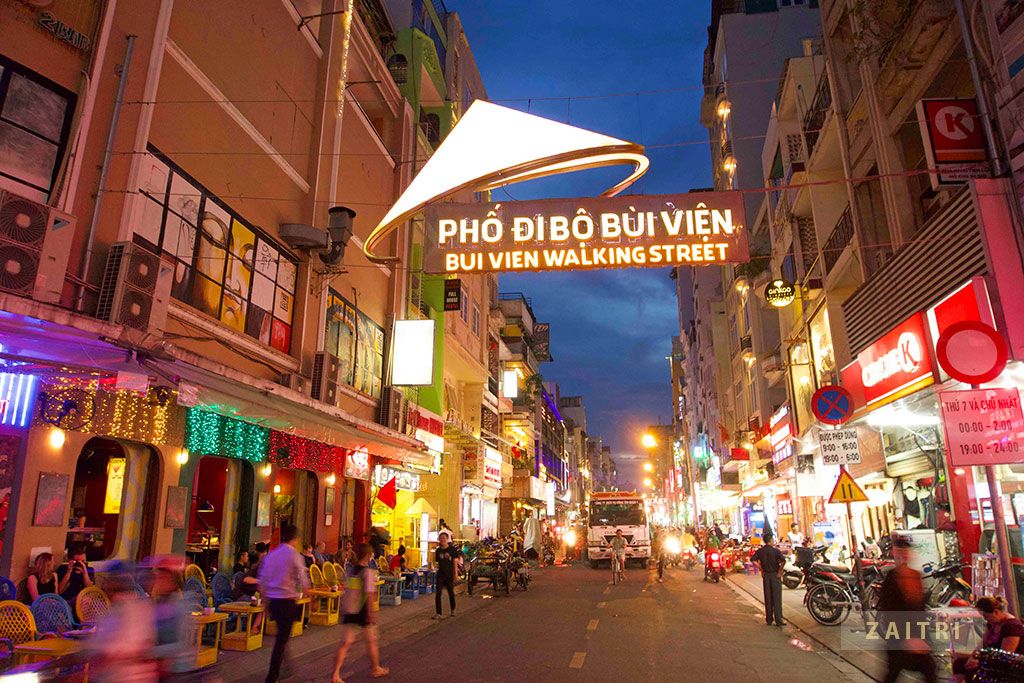
The energetic night scene along Bui Vien Walking Street in District 1.
Travelers can sit along to sample Vietnamese draft beer (Bia Hoi), grilled skewers, and local seafood dishes while taking in the high-energy social atmosphere.
3. Enjoy Live Music and Rooftop Bars
District 1 hosts numerous rooftop lounges and live music clubs. Venues like Acoustic Bar in District 3 showcase talented local rock and jazz musicians, while upscale rooftop bars on Dong Khoi Street offer skyline views paired with craft cocktails.
4. Explore the City’s Night Markets
When the daytime markets close, night markets open around Ben Thanh and suburban districts. For a scenic walk away from heavy traffic, the Starlight Bridge (Cau Anh Sao) in District 7 spans Crescent Lake with waterfall light displays.
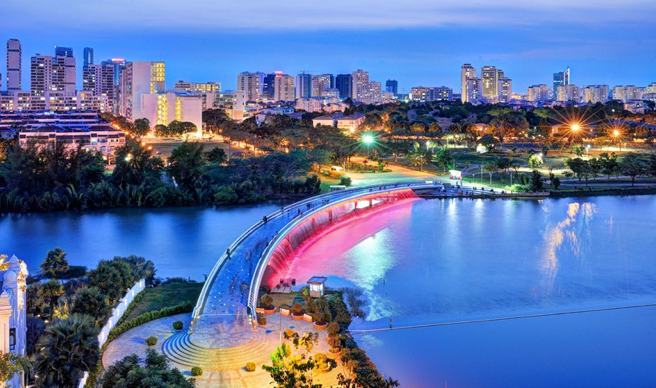
The colorful illuminated walkway of Starlight Bridge in Phu My Hung.
- Address: Ton Dat Tien, Tan Phu Ward, District 7
- Admission Fee: Free public access
5. Dinner Cruise along Sai Gon River
Boarding a dining cruise at Bach Dang Wharf provides a relaxing two-hour river cruise with views of the illuminated city center, Ba Son Bridge, and Landmark 81. Cruises offer traditional southern Vietnamese set menus accompanied by live instrumental performances.
Best Day Trips From Ho Chi Minh City
Exploring the surrounding provinces reveals rural landscapes, river systems, and religious complexes. Private day trips allow flexible schedules and direct pickups from your city hotel.
1. Discover the Cu Chi Tunnels
Located 45 kilometers northwest of District 1, Cu Chi features two separate visiting sites: Ben Dinh (tailored primarily for standard tour groups) and Ben Duoc (a more expansive, less commercialized historic complex favored by private travelers).
- Ben Dinh Admission: 110,000 VND ($4.40) per person
- Ben Duoc Admission: 90,000 VND ($3.60) per person
- Travel Time: 1.5 hours each way by private car
2. Cruise Through the Mekong Delta
A full-day excursion to My Tho and Ben Tre (2 hours south) or a multi-day itinerary to Can Tho introduces travelers to the agricultural heart of Vietnam. Travelers can cruise along coconut canals, observe rice paper making, and cycle along peaceful village paths.
To combine the highlights of the city, tunnels, and river delta, consider our private itinerary: Ho Chi Minh city, Cu Chi Tunnel & Mekong delta exploration 5 days.
3. Visit the Cao Dai Holy Temple & Ba Den Mountain in Tay Ninh
Tay Ninh province, situated 95 kilometers northwest near the Cambodian border, hosts the Great Temple of Caodaism—a unique indigenous religion synthesizing elements of Buddhism, Christianity, Taoism, and Confucianism.
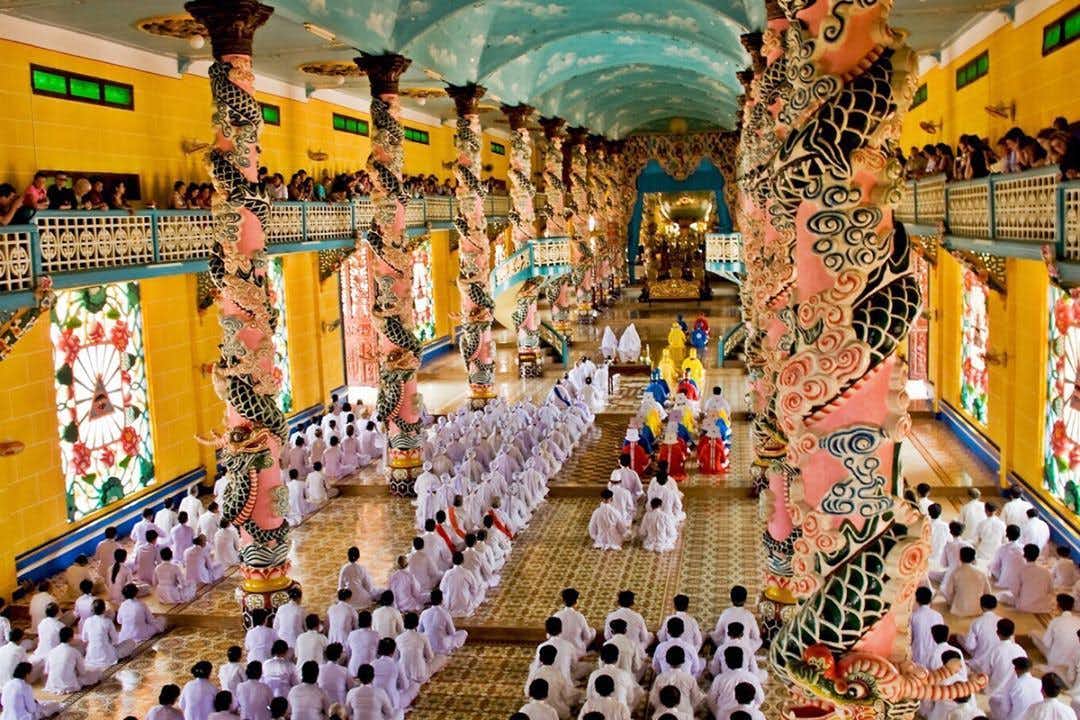
The colorful Great Temple of Caodaism in Tay Ninh province.
Visitors can attend the midday prayer ceremony at 12:00 PM to observe followers in white, yellow, blue, and red robes chants in unison under the Divine Eye symbol. Afterward, take the modern cable car up Ba Den Mountain to view the towering bronze statue of the Virgin Buddha.
4. Explore Can Gio Biosphere Reserve
Located 50 kilometers southeast of downtown Saigon, the Can Gio Mangrove Forest is a UNESCO-designated Biosphere Reserve covering over 75,000 hectares of wetlands.
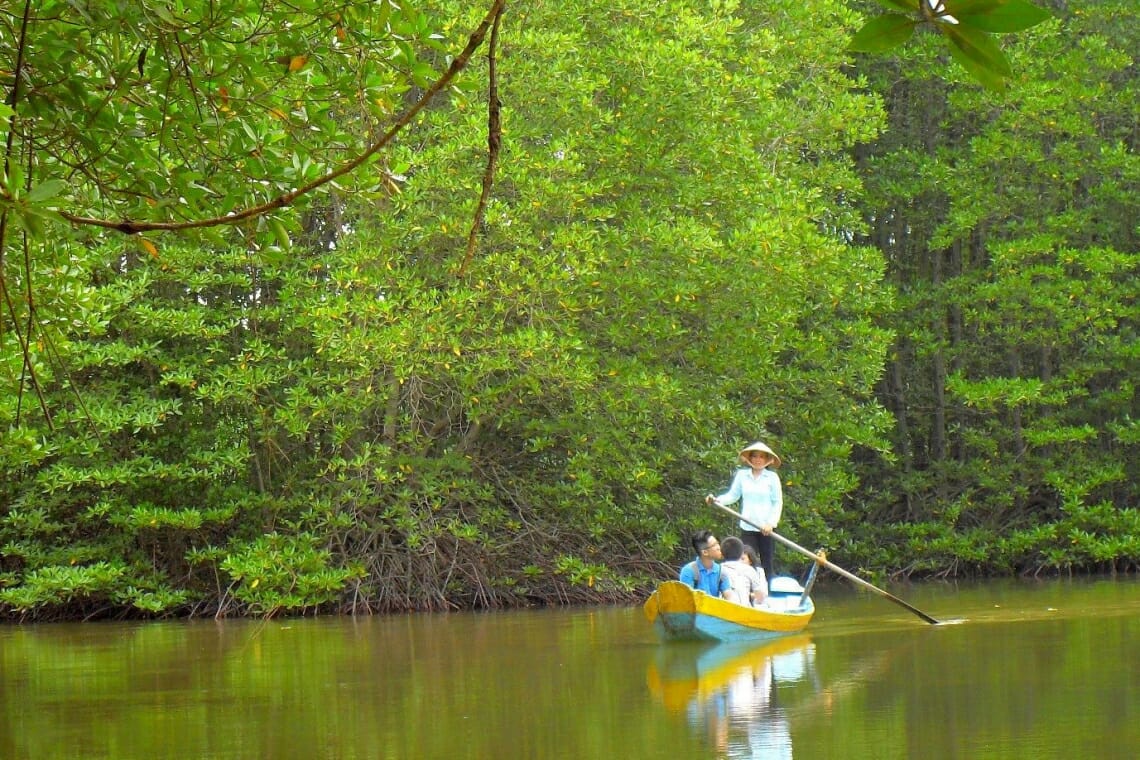
Protected coastal mangrove ecosystems in Can Gio Biosphere Reserve.
Travelers can take motorized canoe rides through mangrove canals, visit the Rung Sac guerilla military base, and observe wild long-tailed macaques and saltwater crocodiles under protected conservation programs.
What to Eat and Drink in Ho Chi Minh City?
Southern Vietnamese cuisine emphasizes fresh herbs, sweet-savory broths, fermented fish bases, and crunchy textures. Trying local dishes at authentic eateries is an essential part of discovering the city.
Try Iconic Vietnamese Dishes
Com Tam (Broken Rice): Originally prepared from broken rice grains left after milling, this signature dish comes topped with grilled marinated pork chops (Suon Nuong), steamed egg meatloaf (Cha Trung), shredded pork skin (Biu), and scallion oil.
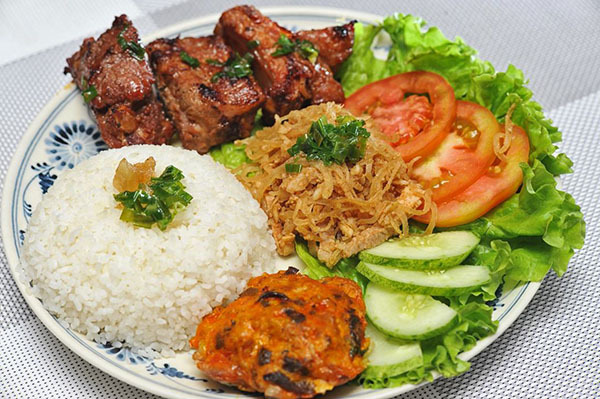
A classic plate of Com Tam Suon Nuong with fresh garnishes.
- Com Tam Cali: 32 Nguyen Trai Street, District 1
- Com Tam Moc: 85 Ly Tu Trong, Ben Thanh Ward, District 1
Banh Cuon (Steamed Rice Rolls): Thin sheets of steamed fermented rice batter filled with seasoned minced pork and wood ear mushrooms, topped with fried shallots and served with sweet fish sauce dipping broth.
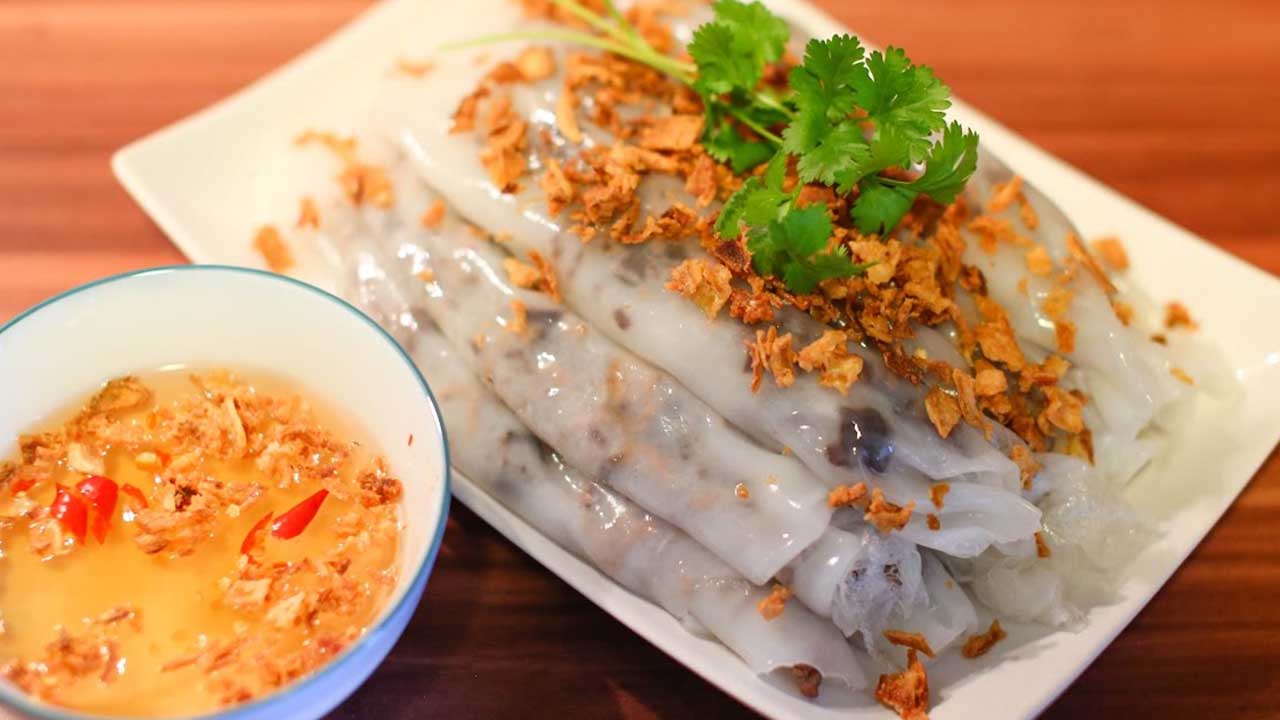
Freshly rolled Banh Cuon with pork sausage and herbs.
- Banh Cuon Hai Nam: 11A Cao Thang, District 3
- Banh Cuon Tay Ho 1: 127 Dinh Tien Hoang, District 1
Taste Authentic Southern Vietnamese Specialties
Bun Mam (Fermented Fish Noodle Soup): A bold southern soup featuring thick rice vermicelli in a rich fermented snakehead fish broth, served with prawns, squid, roast pork, eggplant, and water spinach.
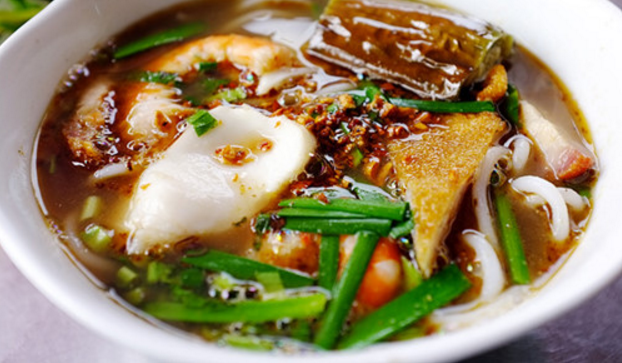
A rich bowl of southern Bun Mam packed with seafood and herbs.
- Bun Mam Dac San: 22 Phan Boi Chau, District 1
- Bun Mam 444: 369 Le Quang Dinh, Binh Thanh District
Banh Beo (Water Fern Rice Cakes): Small steamed rice flour discs served in individual ceramic saucers, topped with dried ground shrimp powder, crispy pork rinds, and scallion oil.
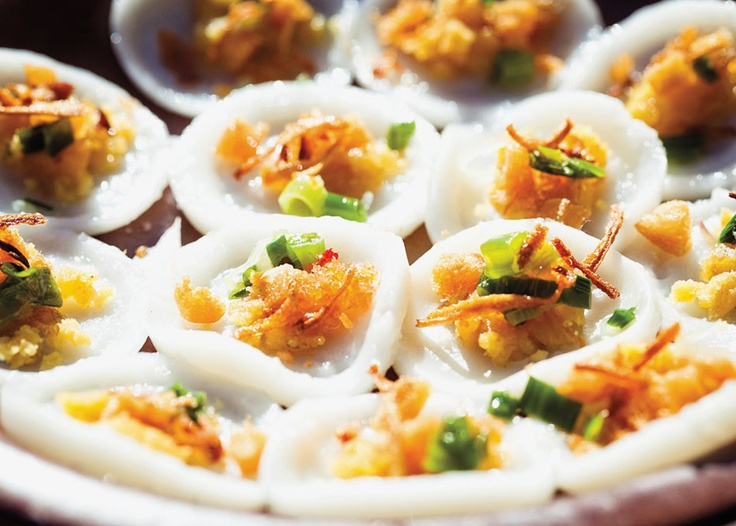
Savory steamed Banh Beo saucers served with fish sauce.
- Nam Giao Restaurant: 136 Le Thanh Ton, District 1
Banh Trang Tron (Mixed Rice Paper Salad): A popular street snack consisting of shredded rice paper tossed with green mango, dried beef jerky, quail eggs, Vietnamese coriander, fried shallots, and chili oil.
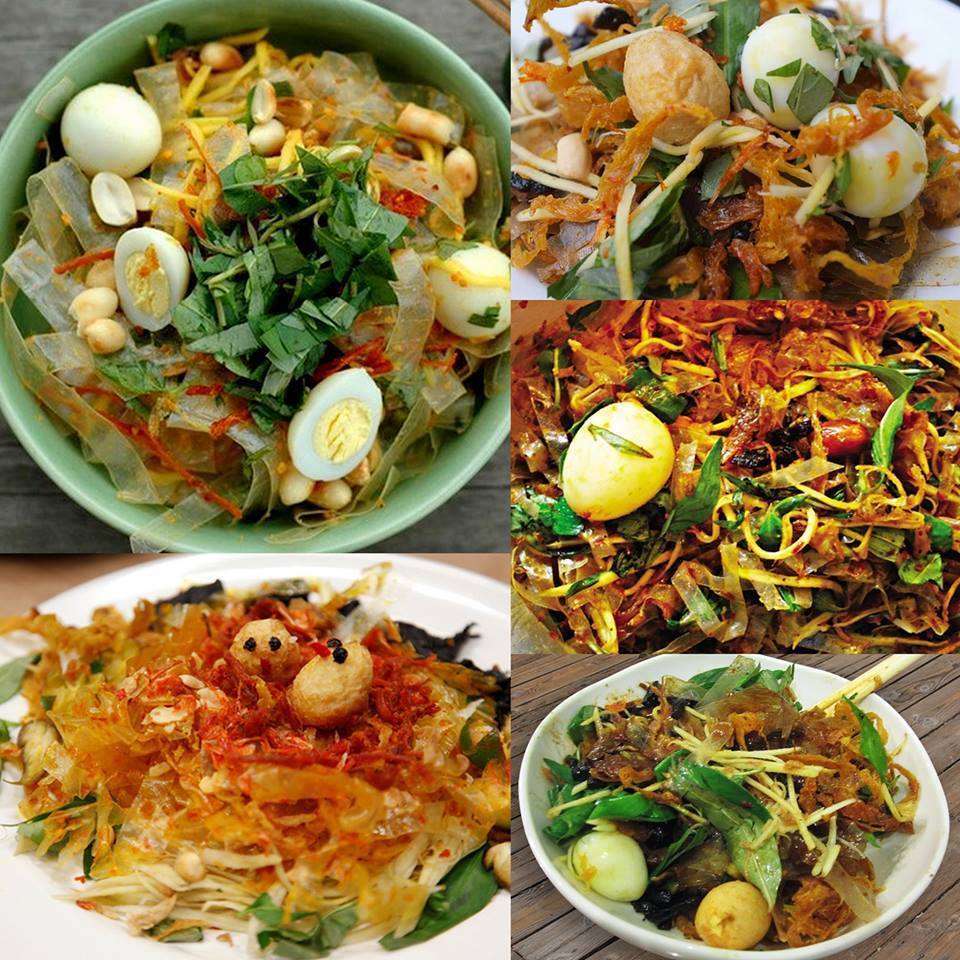
Freshly tossed Banh Trang Tron prepared curbside.
- Nguyen Thuong Hien Street: Ward 5, District 3 (renowned snack street)
- Banh Trang Tron Hoa Hao: Hoa Hao Street, District 10
Discover Saigon’s Famous Coffee Culture
Coffee is an integral part of daily life in Ho Chi Minh City. Traditional Vietnamese iced coffee with sweetened condensed milk (Ca Phe Sua Da), brewed slowly through a metal drip filter (Phin), is sold across curbside stalls and modern cafes.
Travelers should also sample salt coffee (Ca Phe Muoi), which balances bitterness with savory cream, and visit historic filter coffee stalls in District 3 that have brewed coffee continuously for over 60 years.
Explore Local Street Food by Scooter or Walking Tour
Exploring street food with a local guide ensures you taste genuine flavors while learning about ingredients and dining customs. Guided evening food tours take you into vibrant alley communities where vendors prepare sizzling pancakes (Banh Xeo) and grilled seafood.
Best Time to Visit Ho Chi Minh City
Ho Chi Minh City features a tropical climate with two clear seasons: the dry season and the rainy season. Temperatures remain consistently warm throughout the year, averaging 27°C to 34°C (81°F to 93°F).
Dry Season: Ideal for Sightseeing and Day Trips
The dry season lasts from December to April and is the most popular time for international travelers. Humidity levels are lower, rainfall is rare, and clear skies provide reliable conditions for walking tours and excursions to the Cu Chi Tunnels and Mekong Delta.
Rainy Season: What Travelers Should Expect
The rainy season runs from May to November, bringing brief afternoon downpours that typically last 30 to 60 minutes before skies clear. Mornings are usually dry and sunny, so scheduling outdoor sightseeing early leaves afternoons open for museums and cafes.
Festivals and Events Worth Experiencing
Key cultural events include the Vietnamese Lunar New Year (Tet) in January or February, when streets are decorated with yellow apricot blossoms, and National Reunification Day on April 30, which features fireworks along the Saigon River.
| Season | Months | Avg Temp | Rainfall Pattern | Travel Considerations |
|---|---|---|---|---|
| Dry Season | December – April | 28°C – 35°C | Very low (10-30 mm/mo) | Peak tourist season; book hotels and private tours early. |
| Rainy Season | May – November | 26°C – 32°C | High (200-300 mm/mo) | Fewer crowds and lower hotel rates; carry a compact umbrella. |
How Many Days Do You Need in Ho Chi Minh City?
The ideal length of stay depends on whether you plan to focus solely on downtown historical sights or include day trips to the Cu Chi Tunnels and the Mekong Delta waterways.
One Day in Ho Chi Minh City: The Essential Highlights
With 24 hours, focus on District 1. Visit the Reunification Palace and War Remnants Museum in the morning, stop by the Central Post Office and Notre-Dame Cathedral at midday, explore Ben Thanh Market in the afternoon, and take an evening walk along Nguyen Hue Walking Street.
Two Days: Add Food, Culture, and Local Experiences
A 48-hour itinerary lets you complete the essential city sights on Day 1, followed by a half-day morning trip to the Cu Chi Tunnels on Day 2. Spend the afternoon exploring Chinatown’s Thien Hau Pagoda in District 5 and join a guided street food tour in the evening.
Three Days or More: Explore Beyond the City Center
With three or four days, you can dedicate a full day to cruising the canals and orchards of the Mekong Delta (Ben Tre or My Tho), visit the Cao Dai Holy Temple in Tay Ninh, and attend an evening performance of the A O Show at the Saigon Opera House.
Where to Stay in Ho Chi Minh City?
Choosing the right district helps streamline daily sightseeing and reduces travel time across busy city intersections.
District 1 for First-Time Visitors
District 1 is the prime location for first-time travelers, providing walkable access to major monuments, luxury hotels (such as Park Hyatt Saigon, Caravelle, and Rex Hotel), international restaurants, and boutique shopping along Dong Khoi Street.
District 3 for Local Atmosphere and Colonial Charm
District 3 borders District 1 and offers shaded, tree-lined streets, preserved French villas, boutique hotels, and authentic local cafes. It is ideal for travelers seeking a quieter base close to downtown attractions.
Other Areas for Food, Nightlife, and Longer Stays
District 2 (Thao Dien) features riverside villas, international schools, craft breweries, and upscale dining favored by expatriates. District 5 offers budget-friendly boutique hotels close to Chinatown markets and traditional Cantonese cuisine.
Common Mistakes & Our Essential Travel Tips for Exploring Ho Chi Minh City
To ensure a smooth visit, keep these practical tips in mind when moving through the city:
- Hailing Unmetered Taxis: Never accept rides from unmarked street cabs. Use verified taxi operators like Mai Linh (green vehicles) and Vinasun (white vehicles with red/green stripes), or book rides through the Grab app.
- Carrying Valuables Openly Near Traffic: Keep smartphones, cameras, and handbags secure when standing near curbsides to prevent drive-by snatching by passing motorbikes.
- Inappropriate Temple Dress: Cover your shoulders and knees when visiting active religious sanctuaries like Thien Hau Pagoda and Jade Emperor Pagoda.
- Hesitating at Road Crossings: When crossing motorbike-filled roads, maintain a steady, predictable walking pace without stopping abruptly; motorbike riders will smoothly steer around you.
Frequently Asked Questions (FAQs) About Things to Do in Ho Chi Minh City
What are the top things to do in Ho Chi Minh City for first-time visitors?
First-time visitors should prioritize the Reunification Palace, War Remnants Museum, Central Post Office, Ben Thanh Market, and an evening street food tour, followed by a day trip to the Cu Chi Tunnels.
How many days are ideal to explore Ho Chi Minh City?
Two to three full days are ideal. This allows you to explore central District 1 monuments, experience Chinatown, and take a guided day trip to the Cu Chi Tunnels or Mekong Delta without rushing.
Is Ho Chi Minh City safe for solo travelers and families?
Yes, the city is generally very safe. Violent crime is rare. Travelers should simply practice basic urban awareness regarding bag snatching in busy street areas and use reputable taxi services like Grab, Mai Linh, or Vinasun.
What is the best month to visit Ho Chi Minh City?
December to February is the most pleasant period. Temperatures are moderate, humidity is lower, and rainfall is minimal, making it ideal for walking tours and regional excursions.
Should I take a guided day trip to the Cu Chi Tunnels and Mekong Delta?
Yes. Booking a private guided tour provides licensed transport, historical insights from local experts, and smooth transfers, saving up to 70% of independent planning and transit time.
What is the best way to travel around Ho Chi Minh City?
Private air-conditioned cars offer the safest and most comfortable option for sightseeing itineraries. For quick individual trips, the Grab app provides reliable car and motorbike bookings at clear, pre-set prices.
Fully Licensed Local Agency
Tailor-Made Vietnam Holidays & Private Car Rental Services
Design your customized Vietnam itinerary with private vehicles, professional English-speaking drivers, and licensed guides. Get quick 24/7 client support and transparent tour pricing tailored to your travel dates.
Final Thoughts on Things to Do In HCM City & Arrange Your Trip with Our Travel Experts
Ho Chi Minh City provides an exceptional starting point for foreign visitors doing Vietnam Tours and South Vietnam Tours. From historic colonial landmarks to lively food alleys and delta waterways, our team at Golden Holiday Travel designs personalized, private travel packages suited to your pace. Request your free customized itinerary by contacting our team directly via WhatsApp +84.988451530 or email us at [email protected].
Note: The travel tips and recommendations shared in this guide have been carefully prepared by the local travel experts at Golden Holiday Travel. While every traveler is different, our team is always happy to provide personalized itinerary planning, destination advice, and one-on-one support to help you create the perfect Vietnam journey.
Meet Our Experts

Suggested


Featured article

Related Articles


Write Comment