
Travel Vietnam by Train: Routes, Tips & Trip Ideas
Vietnam tours by train offer a practical and authentic way to travel between major cities, rural areas, and scenic coastal destinations. Traveling by rail allows visitors to observe changing landscapes while avoiding long driving hours on high-density highways.
With over 10 years of experience creating Vietnam travel itineraries across the country, our local team at Golden Holiday Travel foreign visitors plan smooth and comfortable train trips in Vietnam. We provide up-to-date station information, explain the differences between cabins and seating options, recommend suitable routes, and arrange private transfers to make each journey easier from start to finish.
Why Travel Vietnam by Train?
Traveling through Vietnam by train gives you a chance to enjoy scenic views, experience local life, and arrive at stations conveniently located near major city centers.Traveling by train is generally more eco-friendly than taking short domestic flights, while also helping you avoid the fatigue of long journeys on winding mountain roads..

Fully Licensed Local Agency
Customized Vietnam Tour Packages
Combine scenic railway segments with licensed English-speaking local guides, private vehicle transfers, and handpicked 3 to 5-star hotel accommodations across Vietnam.
Is Traveling by Train in Vietnam Worth It?
Taking the train in Vietnam provides direct access to scenic coastal stretches and peaceful countryside that you simply can’t see from a plane. Train stations are generally located inside city centers, saving travelers from long taxi rides to distant airports.
What Makes Vietnam Train Travel Different?
Vietnamese trains operate at a relaxed average speed of 50 to 60 kilometers per hour. This moderate pace creates opportunities to observe local countryside life, pass through rural villages, and view mountain passes from comfortable carriage windows.
Train vs. Bus vs. Domestic Flights in Vietnam
Choosing the optimal transit method depends on journey duration, comfort expectations, and available travel days. Domestic flights offer the fastest regional connections, while private vehicles provide flexible door-to-door transit, and trains offer scenic immersion.
| Transport Mode | Average Speed & Duration | Comfort & Space | Sightseeing Value | Best Choice For |
|---|---|---|---|---|
| Vietnam Train | 50-60 km/h (30-35 mph) | High in Soft Sleeper berths | High (Coastlines & pass views) | Relaxed travelers & scenic routes |
| Domestic Flight | 1 to 2 hours flight time | Standard economy seating | Low (Cloud cover only) | Long distances (Hanoi to HCM City) |
| Private Car / Van | 60-80 km/h (35-50 mph) | High customized comfort | Flexible photo stops | Short regional city transfers |
Vietnam Train Routes at a Glance
The Vietnamese national railway network connects key province capitals from the northern mountain borders to the southern delta regions. Review the operational characteristics and timing of primary routes across the country.
Vietnam’s Main North–South Railway Route
The primary railway line spans approximately 1,726 kilometers (1,072 miles) between Hanoi and Ho Chi Minh City. Standard express passenger trains perform this entire journey in 32 to 37 hours, serving central coastal hubs like Hue, Da Nang, and Nha Trang.
Hanoi to Sapa by Train
Overnight trains depart daily from Hanoi Railway Station (Ga Hà Nội) to Lao Cai Station near the Chinese border, covering 296 kilometers in approximately 8 hours. Private transfers cover the remaining 35 kilometers up the mountain road to Sapa town.
Hanoi to Ninh Binh by Train
Located 95 kilometers south of Hanoi, Ninh Binh is reached in 2 hours and 15 minutes by day express trains. This short route provides an efficient alternative to highway vehicle travel for visiting Tam Coc and Trang An.
Hanoi to Halong Bay by Train
A local commuter train connects Hanoi’s Yen Vien Station with Ha Long City over a 7-hour single-track route. Due to long transit times, most international visitors prefer private cars or expressway shuttles for Halong Bay cruise transfers.
Hanoi to Hue by Train
The 688-kilometer route from Hanoi to Hue takes 13 to 14 hours on overnight express trains. Departure in late afternoon allows travelers to arrive in the historic imperial capital early the following morning.
Hanoi to Da Nang by Train
Covering 791 kilometers, the train ride from Hanoi to Da Nang takes roughly 15 to 17 hours. It provides an efficient overnight option that connects Northern Vietnam directly with central beach resorts and Hoi An Ancient Town.
Hanoi to Hoi An by Train
Hoi An does not have its own railway station. Travelers take the train from Hanoi to Da Nang Station, followed by a 30-kilometer (45-minute) private vehicle transfer south to Hoi An.
Ho Chi Minh City to Nha Trang by Train
Connecting Southern Vietnam with the south-central coast, this 411-kilometer rail line takes approximately 7 to 8 hours. Morning departure trains offer views of dragon fruit plantations in Binh Thuan province.
Ho Chi Minh City to Phan Thiet by Train
A dedicated tourist train service operates between Ho Chi Minh City’s Saigon Station and Phan Thiet (Mui Ne), covering 186 kilometers in about 3.5 to 4 hours. It is an effective option for weekend coastal excursions.
Ho Chi Minh City to Da Nang by Train
The southern segment from Ho Chi Minh City to Da Nang spans 935 kilometers and takes approximately 17 to 19 hours. It crosses rural provinces before approaching coastal cliffs south of Da Nang.

Fully Licensed Local Agency
Northern Vietnam Tour Packages
Explore Northern Vietnam with tailor-made luxury sleeper trains to Sapa, private day cruises in Halong Bay, and driver services through Ninh Binh.
The Best Vietnam Train Journeys for Travelers
Selected railway lines stand out for coastal vistas, mountain scenery, and cultural heritage. Integrating these specific train segments into a broader itinerary offers excellent sightseeing balance.
Hanoi to Sapa: The Classic Mountain Journey
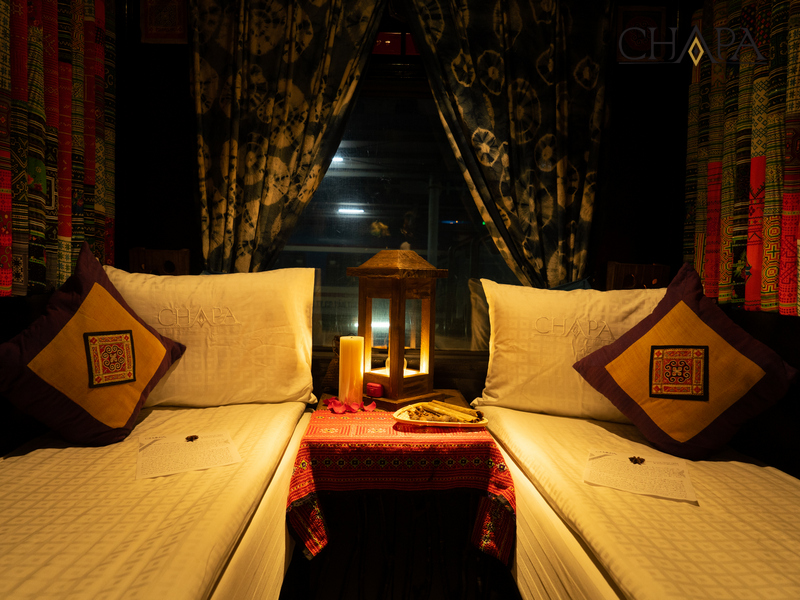
The night express train from Hanoi to Lao Cai is a established travel option for visiting Hoang Lien Son mountain range. Private carriage operators provide upgraded wood-paneled cabins with air conditioning, comfortable bedding, and reading lamps.
Hanoi to Ninh Binh: An Easy Train Escape
A daytime train from Hanoi to Ninh Binh provides convenient access to limestone karst valleys. Arriving at Ninh Binh Station allows travelers to quickly meet private local drivers for boat trips in Trang An or cycling trips around Tam Coc.
Hanoi to Hue: A Scenic Overnight Journey
Boarding an evening express in Hanoi allows travelers to rest overnight and wake up as the train skirts the central Vietnamese coastline north of Hue. It replaces one night of hotel stay while maintaining practical progress southward.
Hue to Da Nang: Vietnam’s Most Scenic Train Ride
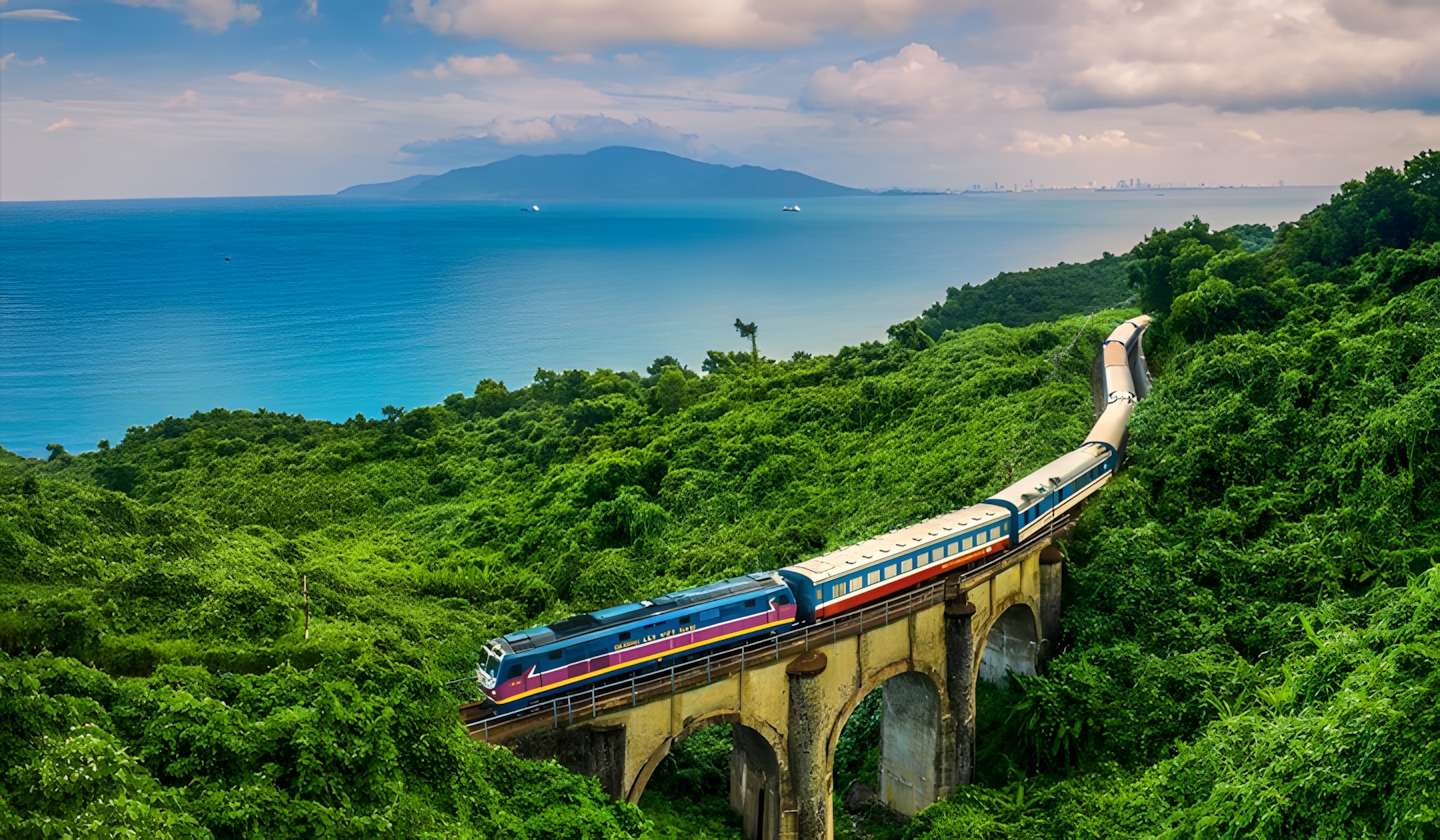
The 3-hour train ride between Hue and Da Nang winds directly around the cliffs of the Hai Van Pass and Lang Co Bay. The railway line runs along mountain edges elevated above the ocean, offering uninterrupted coastal views.
Hanoi to Da Nang: A Long but Memorable Journey
Traveling the full northern-to-central rail corridor gives passengers continuous views of rural rice cultivation, provincial towns, and coastal plains. Selecting premium soft-sleeper berths ensures reasonable privacy and comfort throughout the 16-hour transit.
Ho Chi Minh City to Nha Trang: A Popular Coastal Route
Daytime passenger services operating between Saigon and Nha Trang offer views of southern agricultural fields, dragon fruit orchards, and coastal fishing ports. It serves as a comfortable transit option for coastal holidays.
Vietnam Reunification Express: What You Need to Know
The phrase “Reunification Express” refers to the operational North-South railway line restored after 1975. Understanding how these daily services operate helps travelers select the appropriate train codes and seat categories.
What Is the Reunification Express?
Rather than being a single luxury train, the Reunification Express represents all regular express passenger trains (SE1 through SE30) managed by Vietnam Railways along the 1,726 km line connecting Hanoi and Ho Chi Minh City.
Hanoi to Ho Chi Minh City by Train
Direct express trains run continuously between Hanoi Station and Saigon Station. SE3 and SE1 are generally designated as faster express trains with updated passenger carriages and fewer intermediate stops.
How Long Does the Journey Take?
Direct transit across the entire country takes between 31 and 36 hours. Because of the long duration, most leisure travelers prefer breaking the trip into regional stops rather than riding straight through.
Can You Travel the Entire Route by Train?
Yes, travelers can complete the entire North-South route by rail. However, booking multi-stop tickets with stops in Ninh Binh, Hue, Da Nang, and Nha Trang provides a superior vacation experience.
Vietnam Train Types and Seat Options
Vietnam Railways provides different cabin categories across its fleet. Choosing the right class directly impacts sleep quality and privacy on long journeys.

Soft Seat vs. Hard Seat
Soft seats feature padded airplane-style reclining chairs in air-conditioned carriages, ideal for daytime trips under 5 hours. Hard seats consist of wooden benches and are generally non-air-conditioned, making them unsuitable for long distances.
Soft Sleeper vs. Hard Sleeper
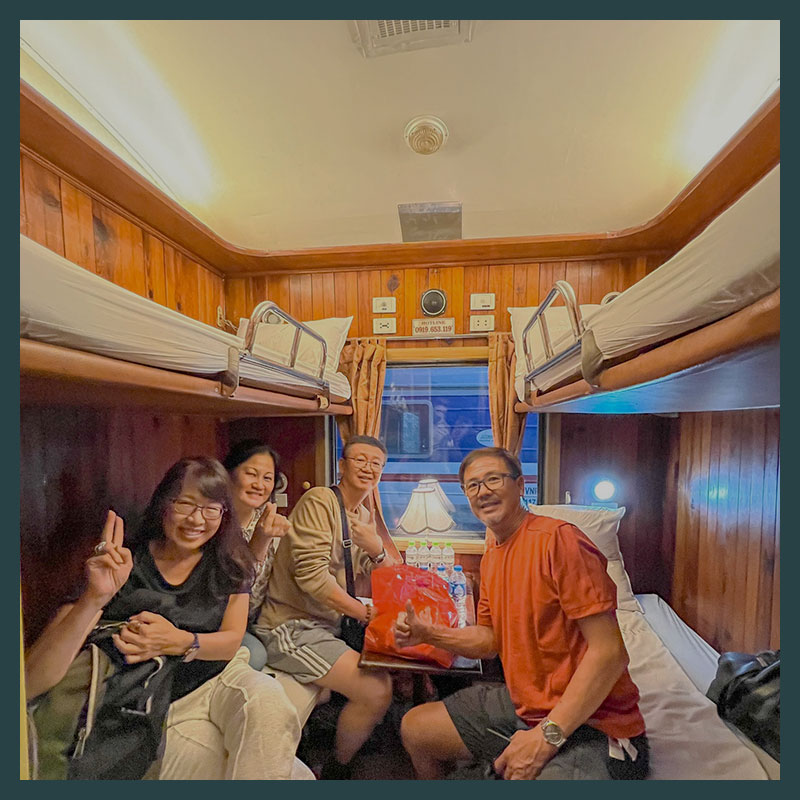
Soft Sleeper compartments contain 4 berths with mattresses, pillows, clean linens, and a lockable door. Hard Sleeper compartments feature 6 berths arranged in three tiers, providing narrower vertical space and firmer mattresses.
4-Berth vs. 6-Berth Sleeper Cabins
A 4-berth cabin offers superior headroom, easier luggage placement under lower berths, and enhanced privacy. A 6-berth cabin is higher density, requiring passengers on top berths to climb vertical metal ladders.
What Is the Best Train Class for Tourists?
For international visitors, a 4-berth Soft Sleeper berth (specifically a lower berth) is recommended for overnight routes. Private tourist carriages (such as Livan, Chapa, or Lotus Express) attached to national trains provide upgraded interior finishing.
| Cabin Class | Berths / Layout | Air Conditioning | Privacy Level | Recommended For |
|---|---|---|---|---|
| Soft Sleeper (4-Berth) | 4 beds per cabin (2 upper, 2 lower) | Yes (Centralized) | High (Lockable door) | Couples, families, mature travelers |
| Private Tourist Cabin | 2 or 4 VIP wood-paneled beds | Yes (Adjustable) | Very High | Luxury travelers & private groups |
| Hard Sleeper (6-Berth) | 6 beds per cabin (3 tiers) | Yes | Moderate | Budget travelers |
| Soft Seat (Air-Con) | Individual aircraft-style seat | Yes | Low (Open carriage) | Day journeys (Hue-Da Nang) |
How Much Does Train Travel in Vietnam Cost?
Train fares in Vietnam offer predictable transport value. Ticket prices vary depending on carriage class, berth elevation, train speed category, and seasonal booking windows.
Average Vietnam Train Ticket Prices
Daytime soft seats for short routes (e.g., Hue to Da Nang) range between $8 and $12 USD per passenger. Standard 4-berth soft sleepers for overnight journeys (e.g., Hanoi to Hue) typically range from $35 to $55 USD. Private luxury tourist cabins to Sapa range from $40 to $85 USD per berth.
What Affects Train Ticket Prices?
Prices vary based on berth position (lower berths cost slightly more than upper berths), express status (SE services vs. TN slow services), peak holiday demand (such as Lunar New Year / Tet), and private carriage management fees.
Are Overnight Trains Worth the Extra Cost?
Overnight trains combine city-to-city transportation with one night of lodging, saving hotel accommodation expenses while maximizing daytime sightseeing hours.
What to Expect on a Train Journey in Vietnam?
Knowing onboard amenities, dining options, luggage limits, and bathroom setups ensures a relaxed rail experience across Vietnam.
What Are Vietnam Trains Like?
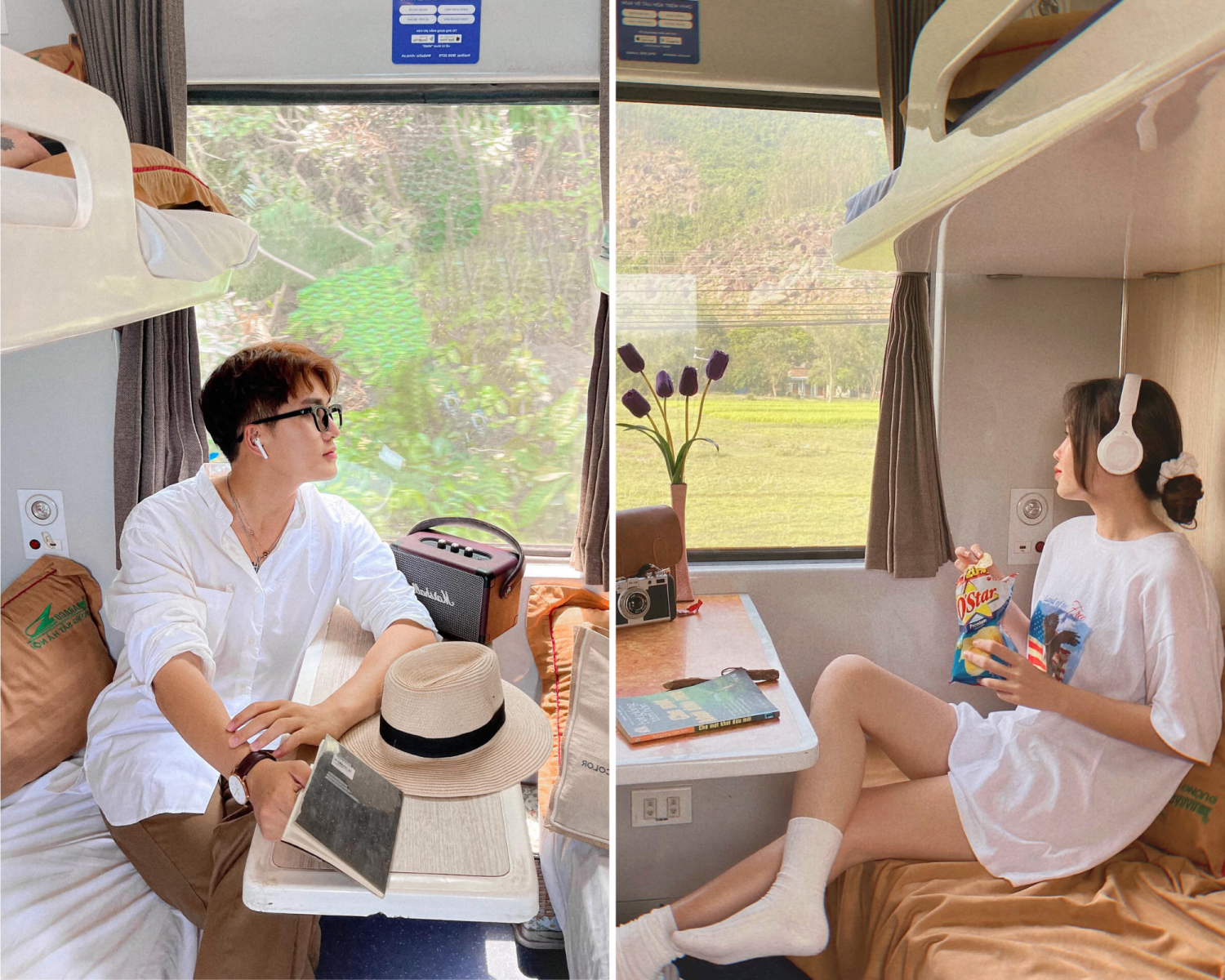
Express passenger carriages are air-conditioned, fully enclosed, and equipped with overhead storage racks, electrical sockets, and central aisle corridors. Cabin doors lock securely from the inside during overnight travel.
Food and Drinks on Vietnamese Trains
Catering carts move through train aisles regularly, offering hot coffee, bottled water, snacks, and traditional Vietnamese set meals (such as rice with pork, chicken, or fish). Boiling water dispensers are accessible at carriage ends for instant soup.
Toilets and Other Onboard Facilities
Carriages feature washbasins and restroom cubicles at both ends. Western-style seated toilets are available in Soft Sleeper carriages, while Hard Sleeper cars may feature traditional squat toilets. Restrooms are locked during station stops.
Wi-Fi and Mobile Phone Connectivity
While some modern SE trains offer onboard Wi-Fi, connection speeds vary. Local 4G/5G mobile data coverage remains consistent along coastal routes, with minor signal drops inside mountain tunnels.
Luggage Space and Storage
Luggage can be stored underneath lower berths or in overhead compartments inside sleeper cabins. Travelers are advised to bring medium-sized suitcases or duffel bags for easier compartment placement.
How to Book Train Tickets in Vietnam?
Reserving tickets early guarantees preferred soft sleeper berth locations and avoids sold-out carriages during high-season travel periods.
Booking Vietnam Train Tickets Online
E-tickets can be issued directly via digital QR codes. Official railway portals accept international credit cards, though payment processing errors can occasionally occur with foreign banking cards.
Booking Tickets at Vietnam Railway Stations
Tickets can be purchased directly at ticket counters inside primary stations like Hanoi (Ga Hà Nội) or Saigon (Ga Sài Gòn). Passports are required for registration at the counter.
Should You Book Through a Travel Agency?
Reserving through a licensed travel agency guarantees lower-berth securing, accurate ticket issued details, and coordinated station transfers. View our custom Vietnam tour packages for seamless booking integration.
How Far in Advance Should You Book?
Advance ticket release schedules vary from 30 to 60 days prior to departure. Booking at least 2 to 4 weeks in advance is recommended during peak winter months and national holidays.
Best Time to Travel Vietnam by Train
Weather patterns affect landscape visibility and railway operations across Vietnam’s different regions. Plan travel around seasonal regional climate variations.
Vietnam Train Travel in Spring
Spring (February to April) provides pleasant temperatures and low rainfall across Northern and Central Vietnam, making it an optimal period for coastal rail routes like the Hai Van Pass.
Traveling by Train During the Summer
Summer months (May to August) bring higher temperatures and sunshine to central beaches, though afternoon downpours occur in southern provinces. Air-conditioned soft sleeper carriages remain comfortable.
Autumn Train Journeys in Vietnam
Autumn (September to November) offers clear skies in Northern Vietnam and harvest seasons in mountain terraced valleys, creating excellent countryside views from train windows.
Winter Train Travel in Northern Vietnam
Winter (December to January) brings cool, mist-covered mountain landscapes in Sapa and Lao Cai. Travelers are advised to pack warm layers for evening platform transfers.
Tet Holiday and Peak Travel Periods
During the Lunar New Year (Tet, usually January or February), domestic demand for rail tickets increases significantly. Booking several months in advance is essential during this period.
Recommended Vietnam Train Tour Itineraries
Explore these proven, expert-tested route designs tailored for couples, families, and small private groups seeking comfort and local immersion.
Hanoi – Ninh Binh – Hue – Da Nang – Hoi An
A 10-day highlights itinerary featuring a short day train to Ninh Binh, an overnight soft sleeper to Hue, and the coastal Hai Van Pass train to Da Nang, ending with relaxation in Hoi An.
Hanoi – Sapa – Hanoi – Ninh Binh
An 8-day northern circuit featuring night sleeper carriages to Sapa mountain valleys, ethnic village walks, and a return south to Ninh Binh limestone karsts.

Hanoi – Hue – Hoi An – Ho Chi Minh City
A balanced 12-day journey linking northern capital history, central heritage cities, and southern urban highlights via overnight train and domestic flight segments.
Hanoi to Ho Chi Minh City by Train: 2-Week Route
A 14-day rail-focused travel plan with stops at major province capitals, historic monuments, and coastal beaches down the Reunification line.
Vietnam Family Tour by Train
A family-friendly 10-day route featuring private 4-berth sleeper compartments, daytime coastal rail rides, and light guided excursions suitable for all age groups.
Common Mistakes & Our Practical Tips for Planning Your Vietnam Train Tour
Avoid common travel pitfalls by following these operational recommendations provided by our local tour operators:
- Choose Routes Based on Your Travel Style: Do not attempt to travel the entire 30+ hour North-South line in one sitting. Break long distances into 3 to 14 hour segments.
- Book Popular Sleeper Routes Early: Soft sleeper berths (especially lower beds in 4-berth cabins) sell out weeks in advance for Hanoi-Sapa and Hanoi-Hue lines.
- Combine Train Travel With Local Experiences: Use private vehicle pickups at train stations to seamlessly transition from rail arrivals to hotel check-ins and guided tours.
- Pack a Small Cabin Bag: Keep large suitcases in luggage areas while keeping personal toiletries, medicine, chargers, and snacks in a small daypack inside your cabin berth.
Frequently Asked Questions (FAQs) About Vietnam Tours by Train
How long is the train from Hanoi to Ho Chi Minh City?
The complete rail trip spans 1,726 km and takes approximately 31 to 37 hours. Most travelers divide this journey into shorter segments with overnight hotel stops in Hue, Da Nang, and Nha Trang.
What is the most scenic train route in Vietnam?
The 3-hour journey between Hue and Da Nang across the Hai Van Pass is widely considered the most scenic route, offering coastal ocean views and lush mountain vistas.
Which train class is best for an overnight journey?
A 4-berth Soft Sleeper cabin provides the optimal combination of air-conditioned comfort, clean bedding, lockable security, and personal space for overnight routes.
Can a couple book a private train cabin in Vietnam?
Yes. Couples can reserve private 2-berth VIP tourist cabins on selected routes (such as Hanoi to Sapa) or buy all four berths in a standard 4-berth compartment for complete privacy.
How far in advance should Vietnam train tickets be booked?
It is recommended to reserve soft sleeper tickets 2 to 4 weeks in advance, and at least 2 to 3 months early if traveling during the peak Tet holiday season.

Fully Licensed Local Agency
Tailor-Made Vietnam Railway Vacations
Let our local travel experts design your customized train itinerary, complete with lower-berth reservations, private drivers, and handpicked local tours.
Final Thoughts on Vietnam Tours by Trains & Arrange Your Trip with Our Travel Experts
Vietnam Tours by Train combine cultural immersion with memorable scenic rail rides along coastline cliffs and countryside valleys. To organize a custom itinerary with lower-berth tickets and private transfers, reach out to our team via WhatsApp +84.988451530 or email [email protected]. You can also contact Golden Holiday Travel directly to receive a customized route proposal within 24 hours.
Note: The travel tips and recommendations shared in this guide have been prepared by the local travel experts at Golden Holiday Travel. While every traveler is different, our team is always happy to provide personalized itinerary planning, destination advice, and direct support to help you plan your ideal Vietnam trip.

Meet Our Experts

Suggested


Featured article


Related Articles




Write Comment