
Vietnamese Family Traditions: The Timeless Values Behind Everyday Life
Vietnamese family values shape everyday life, from how people treat one another to how generations stay connected. For foreign visitors, understanding these traditions helps build respectful connections with local families and communities while offering a deeper insight into Vietnamese culture.
As a fully licensed local tour operator, our local team at Golden Holiday Travel shares practical insights drawn from years of guiding travelers through authentic Vietnamese communities. In this guide, we will explore the importance of family bonds, ancestral traditions, and everyday etiquette, giving you the confidence to connect with local people in a respectful and authentic way.
KEY TAKEAWAYS FOR TRAVELERS
- Vietnamese families often value a strong sense of togetherness, respect for parents and elders, and mutual support among different generations.
- Respect for elders plays an important role in Vietnamese family life, influencing everything from where people sit during meals to how they greet one another and make family decisions.
- Ancestral worship and shared family meals continue to play an important role in bringing past, present, and future generations closer together.
- Following a few simple home etiquette rules can help create warm and respectful interactions when visiting local villages or staying with Vietnamese families in private homestays.
Understanding Traditional Vietnamese Family Values
Traditional Vietnamese family values place a strong emphasis on family well-being, respect for parents and elders, and harmony between generations rather than individual interests. Shaped by the communal collaboration of wet-rice farming and the influence of Confucian philosophy, these values have helped strengthen family bonds and create a close-knit support system that has endured through generations.
Fully Licensed Local Agency
Tailor-Made Vietnam Tour Packages
Discover local culture through customized private itineraries led by knowledgeable local guides and dedicated drivers. We match your personal travel pace with authentic cultural interactions away from crowded tourist spots.
Why Family Comes First in Vietnamese Society?
In Vietnam, family is often the foundation of emotional support, financial security, and moral guidance. What one person does can also affect how the entire family is viewed and respected within the community.
From early childhood, Vietnamese people are taught to balance their personal goals with the needs and interests of their family. This sense of togetherness fosters a strong bond and a shared sense of responsibility between family members across generations.
When making important decisions about careers, marriage, or finances, individuals often seek advice from their parents and elders, helping maintain family harmony, stability, and social standing.
The Role of Family in Shaping Vietnamese Identity
In Vietnam, a person’s identity is often closely tied to their ancestors, family lineage, and roots in their home village. From an early age, children learn important values from their families, such as honesty, modesty, and diligence.
Lineage halls and family records preserve generational histories that remind younger family members to stay connected to their roots. Maintaining these connections fosters pride and a clear sense of duty.
During private village excursions arranged by our tour guides, visitors often witness how whole hamlets share familial bonds and communal responsibilities.
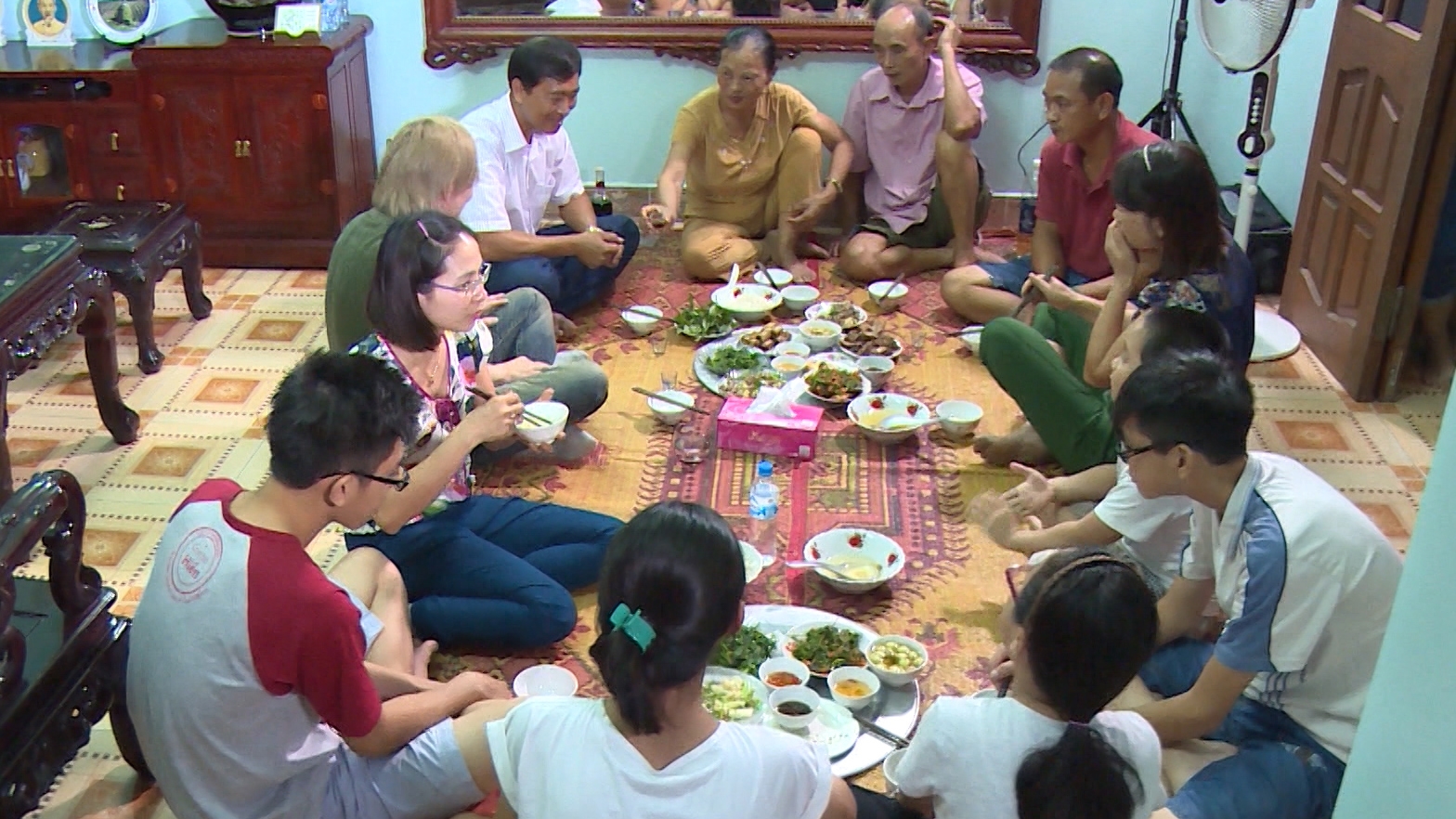
Multi-generational family meals showcase solidarity and mutual care in daily Vietnamese life
How Traditional Values Continue in Modern Vietnam?
Modern economic growth and rapid urbanization have changed the way Vietnamese families live, but traditional family values remain strong in major cities such as Hanoi and Ho Chi Minh City. Many young professionals still live with their parents until marriage or choose homes in nearby neighborhoods.
Even with busy urban lifestyles, people still make time for their families through weekend visits, regular phone calls, and shared Sunday lunches. These simple routines help them stay close to their parents and grandparents, allowing traditional family values to remain strong while naturally fitting into modern life.
Our private tour guests often notice that even younger Vietnamese people today still use respectful language and show a polite attitude when speaking with older relatives or service staff.
The Most Important Values in Vietnamese Families
In Vietnamese families, core values such as filial piety, respect for elders, loyalty, and mutual sacrifice remain deeply rooted. These principles shape how family members treat one another, guide everyday behavior, and help maintain harmony both within the family and in the wider community.
Filial Piety: Honoring Parents and Elders
Filial piety (đạo hiếu) is an important Vietnamese family value. Adult children are expected to care for their parents as they grow older, offer emotional support, and show respect for their advice and life experience. Failing to look after elderly parents can also lead to strong disapproval from family members and the wider community.
Children often show their devotion to their parents by caring for them in person, offering financial support, and treating them with respect. In Vietnam, nursing homes are still relatively uncommon, as many families see caring for aging parents as an important personal and family responsibility.
Honoring parents extends beyond their lifetime through regular death anniversary ceremonies (ngày giỗ), when family members come together to remember and pay their respects to their ancestors.
Respect for Older Generations
Seniority plays an important role in Vietnamese social life. Older family members are often respected for their experience and practical wisdom, and younger generations may turn to them for advice when facing important personal or business decisions.
Younger people in Vietnam often address older family members with specific kinship terms that reflect their age and position within the family, rather than simply using first names. In public settings, it is also considered respectful to avoid interrupting or openly contradicting older people.
At social gatherings, seniors occupy seats of honor and receive food and drinks first, illustrating daily respect in action.
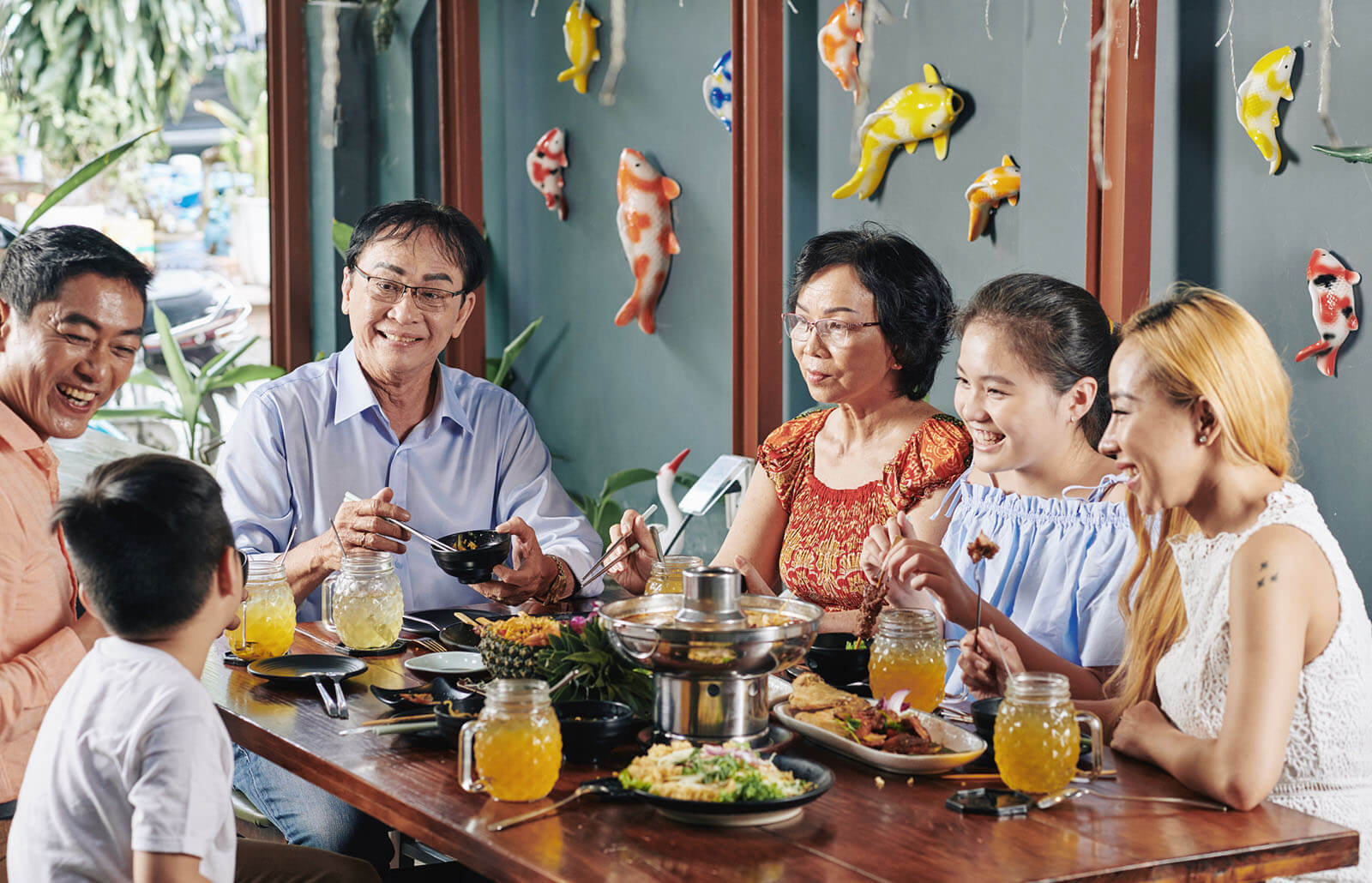
Respect for seniors and intergenerational harmony remain central to Vietnamese family culture
Love, Loyalty, and Mutual Support Among Family Members
The Vietnamese proverb “Một giọt máu đào hơn ao nước lã” reflects the belief that family bonds run deeper than ordinary friendships. In times of financial difficulty, illness, or major life events such as building a home, family members are often the first to come together, offering practical help, emotional support, and a helping hand when it matters most.
Siblings often help one another with school expenses, childcare, or even money to start a business. This spirit of mutual support creates a strong family safety net and helps provide greater financial security for everyone.
Extended relatives such as cousins, aunts, and uncles maintain active roles in day-to-day welfare, reinforcing broad community cohesion.
Sacrifice and Responsibility for the Family
One of the most admired qualities of Vietnamese parents is their willingness to make sacrifices for their children’s future. Many mothers and fathers work long hours and make personal sacrifices to give their children better educational opportunities and support them in pursuing higher education.
In earlier generations, women often carried much of the household and agricultural workload, playing a central role in keeping the family together. Today, parents continue that tradition of dedication by investing time, care, and resources in their children’s education and future.
Children acknowledge these parental sacrifices by applying themselves diligently in school and contributing to the family once employed.
Fully Licensed Local Agency
Northern Vietnam Cultural Tours
Gain direct cultural insights across Hanoi, Ninh Binh, Mai Chau, and Sapa with our private English-speaking tour guides and experienced private drivers. Enjoy authentic home visits and private local meals.
The Role of Parents, Children, and Elders in Vietnamese Families
Every family member has their own responsibilities, helping keep the household balanced and harmonious. Clearly defined roles can reduce conflicts at home while giving children steady guidance from both working parents and grandparents who live with the family.
The Role of Parents in Raising and Guiding Children
Vietnamese parents often place a strong emphasis on education, good character, and respectful manners. For many families, academic success is seen as an important path toward a better future, greater opportunities, and long-term stability.
Traditionally, fathers have often taken on the role of representing the family and managing major financial matters, while mothers have been responsible for household finances and day-to-day childcare. Today, however, these roles are much more flexible, with both parents often sharing household responsibilities while pursuing their own careers.
Parents often stay closely involved in their children’s friendships, education, and career decisions, even well into adulthood.
Children’s Responsibilities Toward Their Parents
Children must show obedience, study hard, and assist with daily household tasks. As adults, they provide practical care and companionship for their aging parents.
When adult children earn their first salary, treating parents to a meal or giving a portion of earnings back is a common gesture of gratitude. This practice shows appreciation for years of upbringing.
As their parents grow older, children often take on greater responsibility for organizing important family ceremonies and caring for the ancestral altar.
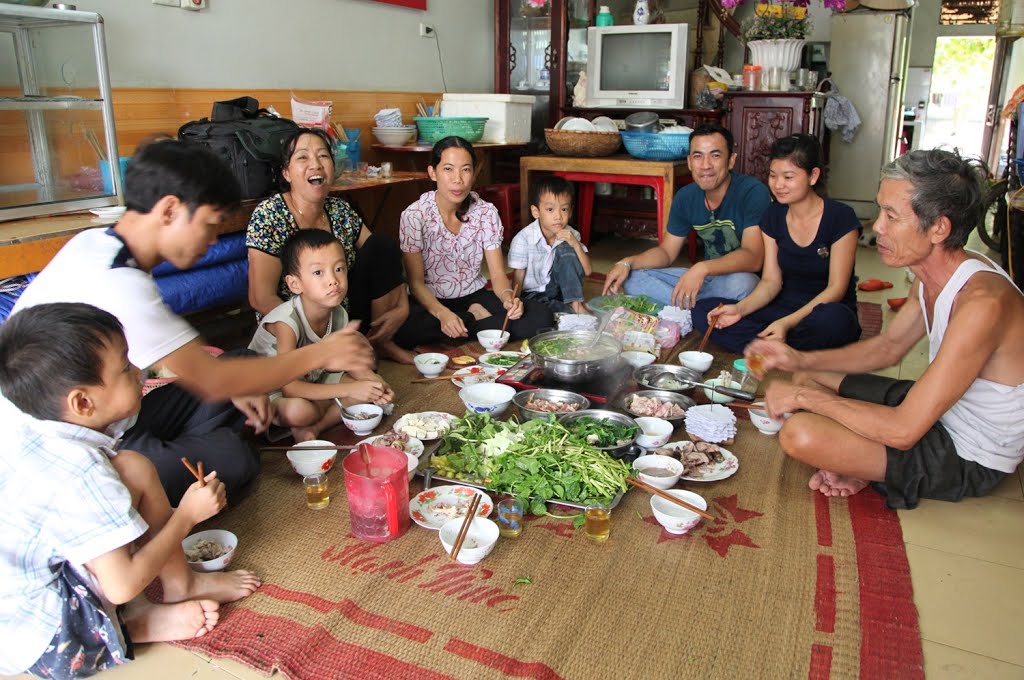
Family reunions gather multiple generations together to celebrate milestones and preserve traditions
Why Grandparents Often Play an Important Role?
Grandparents often play an important role in multi-generational Vietnamese families, helping care for young children while their parents are at work. Beyond childcare, they also pass on family stories, traditional manners, folk tales, and cultural values, helping younger generations stay connected to their heritage.
Their support allows young working couples to pursue their careers without having to depend entirely on commercial daycare. Grandparents also often settle small family disputes through their respected authority
These everyday interactions help young children develop a natural respect for older generations from an early age.
The Close Bond Between Different Generations
Living under one roof creates strong emotional bonds between three or four generations. Grandparents, parents, and children share daily routines, meals, and social conversations.
This structure prevents social isolation among the elderly and provides young family members with steady guidance. Differences between generations are often handled through open discussion, compromise, and mutual understanding.
Travelers visiting homestays in rural Vietnam will see how effortlessly household tasks are shared among family members of all ages.
Traditional Vietnamese Family Customs and Practices
Vietnamese family life is shaped by traditions that keep ancestral memories alive, bring family members together around shared meals, and mark important milestones. These customs help strengthen family bonds while maintaining a meaningful connection between present generations and their ancestors.
Ancestor Worship and Remembering Previous Generations
Ancestor worship (thờ cúng tổ tiên) is a deeply rooted tradition throughout Vietnam and is practiced by families regardless of their formal religious beliefs. In many Vietnamese homes, you will find an ancestral altar in the main room, serving as a place for family members to honor and remember their ancestors.
Families burn incense, offer fresh fruits, and present home-cooked food on the first and fifteenth days of each lunar month, as well as on death anniversaries. These acts invite ancestors to protect the family.
This practice reminds living descendants of their moral duty to preserve the family name and live honorably.
Family Gatherings During Tet and Major Holidays
Major holidays such as the Mid-Autumn Festival, Vu Lan (Ullambana/Parents Day), and national holidays bring extended relatives together. Family members travel long distances to share celebratory meals.
These gatherings provide opportunities to update relatives on personal milestones, welcome new spouses, and plan joint lineage events. Solidarity is renewed through lively conversation and shared feasting.
Observing these festive gatherings provides travelers with deep insight into the warmth of Vietnamese community life.
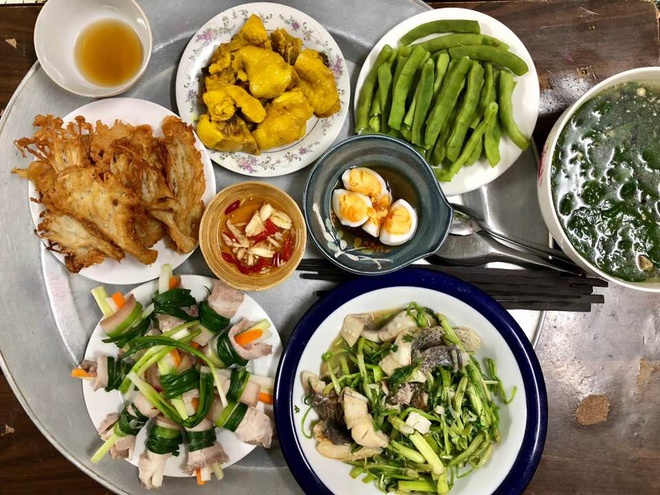
A traditional family dinner tray featuring shared dishes, rice bowls, and balanced home cooking
Sharing Meals as a Way to Strengthen Family Bonds
Daily family dinners represent the primary bonding ritual for Vietnamese households. Food is placed on a central tray where everyone shares common dishes, soup, and rice.
Table etiquette requires younger diners to invite older relatives to begin eating before touching their own chopsticks. Offering the choice portion of meat or fish to grandparents demonstrates filial attentiveness.
Dinner is often a time for parents to catch up on their children’s school life and offer helpful advice in a warm, supportive environment.
Important Family Ceremonies and Milestones
Major milestones include the baby’s one-month celebration (day thang), first-year celebration (thoi noi), longevity celebrations for seniors (mung tho), and traditional funerals. Each event follows specific rites.
Longevity celebrations honor relatives reaching ages 70, 80, or 90, gathering hundreds of relatives to show public gratitude for the elder’s lifelong contribution.
These milestones emphasize that an individual’s life stages are celebrated collectively by the broader family network.
The Importance of Tet in Vietnamese Family Culture
The Lunar New Year, known locally as Tet holiday, stands as the most critical annual occasion for family reconnection. It marks the renewal of familial ties, ancestral remembrance, and collective hopes for prosperity.
Returning Home for the Lunar New Year
Vietnamese workers, students, and overseas citizens make efforts to return to their ancestral hometowns before New Year’s Eve. Being away from family during Tet is considered a deep misfortune.
Together, family members clean the entire house, paint walls, and decorate living rooms with peach blossoms, kumquat trees, or apricot flowers to welcome good fortune.
Making traditional square sticky rice cakes (banh chung) around a boiling wood fire through the night creates treasured memories across generations.
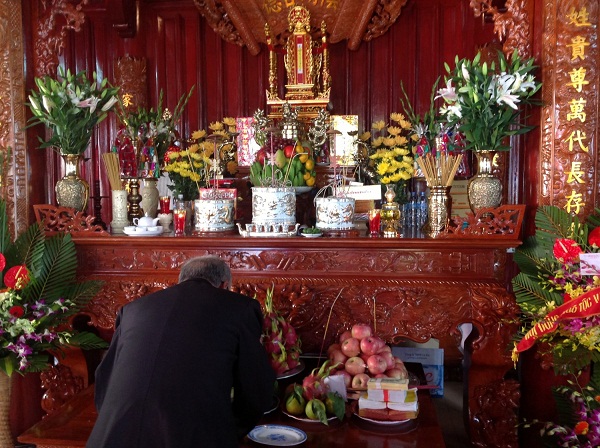
The family ancestral altar decorated with five-fruit trays and offerings during Tet
Honoring Ancestors During Tet
Before Tet begins, families visit ancestral graves (tao mo) to clean headstones and invite departed relatives back for the celebrations. Special feasts are offered at the home altar daily during the holiday.
The head of the household burns incense and reports major family events of the past year to the ancestors. This ritual links living descendants with their family history.
These ceremonies instill respect for ancestral roots among young children participating in the rites.
Family Traditions, Lucky Money, and New Year Gatherings
On the first morning of the New Year, younger members formally wish grandparents and parents health, long life, and prosperity. In return, elders give children red envelopes containing lucky money (li xi).
Adult children also present lucky money to their aging parents to wish them continuous health and vitality. The gesture carries symbolic blessings rather than monetary value.
Days following New Year’s Day are spent visiting maternal relatives, paternal relatives, teachers, and neighbors in traditional order.
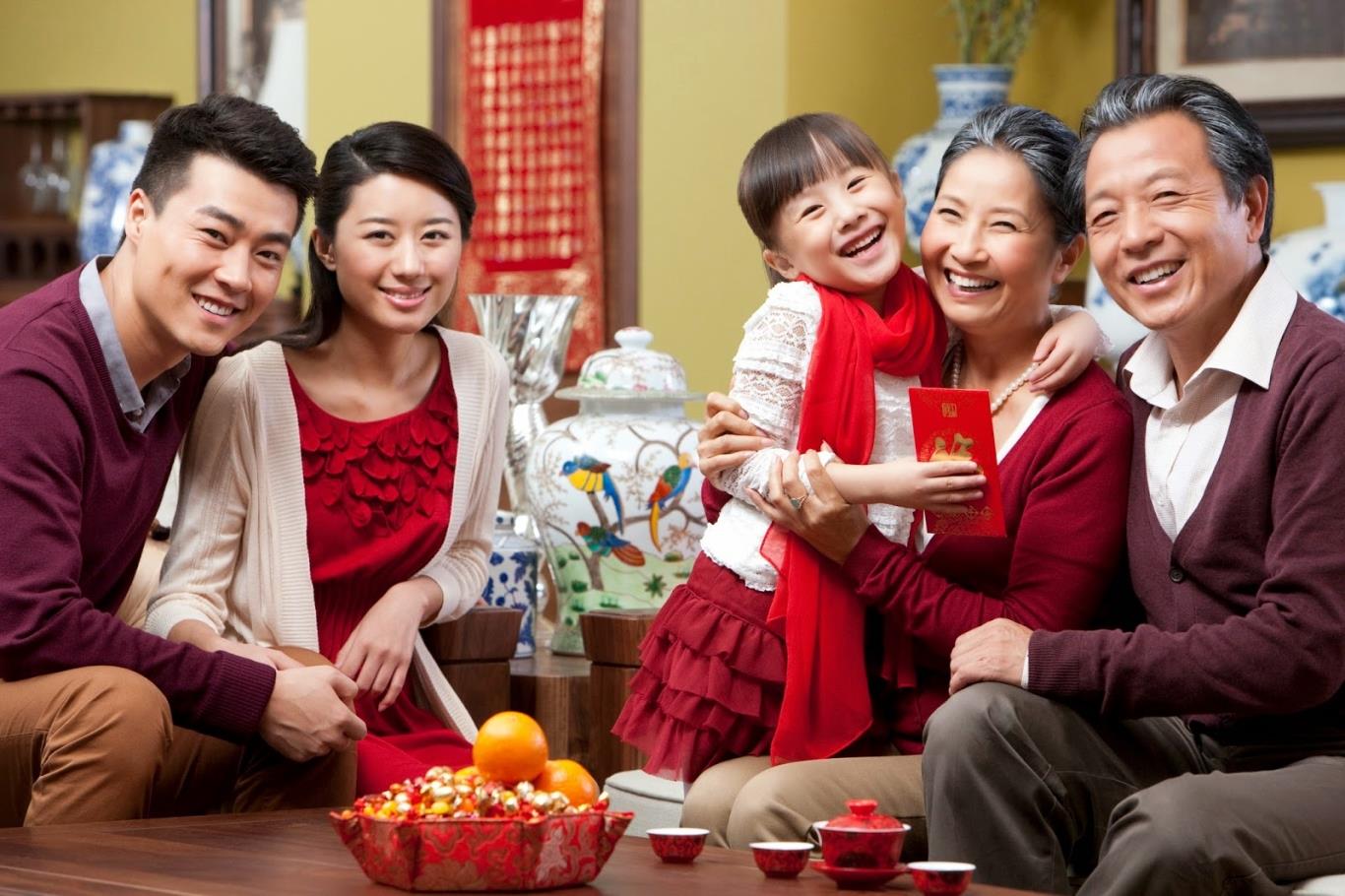
Giving lucky money in red envelopes symbolizes health, wisdom, and blessings for the new year
Traditional Vietnamese Weddings and Family Values
A wedding in Vietnam is not solely a union between two individuals, but a formal alliance uniting two extended family lineages. Both sets of parents and extended relatives play essential roles in planning and conducting every ritual.
The Role of Parents and Elders in Marriage
While modern Vietnamese youth select their own romantic partners, parental approval remains a major step before formal engagement. Both families meet to assess family compatibility and traditions.
Elders select auspicious dates for engagement and wedding ceremonies based on the lunar calendar. This careful planning aims to secure peace and good fortune for the couple.
Parents often help cover the costs of major wedding ceremonies while offering guidance and support as the couple begins their married life and takes on new responsibilities.
Traditional Wedding Customs and Ceremonies
Traditional weddings involve several sequential rituals, including the proposal meeting (Dam Ngo), the formal engagement ceremony (An Hoi), and the wedding procession (Ruoc Dau).
Groomsmen carry red lacquered gift trays (mam qua) containing betel leaves, areca nuts, tea, roasted pork, and sticky rice cakes into the bride’s home. The couple bows before the bride’s ancestral altar.
These detailed customs demonstrate respect for ancestral blessing and public accountability before both extended clans.
| Ceremony Name | Timing & Setting | Traditional Gifts & Offerings | Core Cultural Purpose |
|---|---|---|---|
| Le Dam Ngo (Official Meeting) | Weeks before wedding at bride’s home | Betel leaves, areca nuts, tea, fruits | Parents formally agree on marriage intentions |
| Le An Hoi (Engagement Rites) | Days before wedding at bride’s house | Even number of red lacquered gift trays | Groom’s family presents formal bridal offerings |
| Le Ruoc Dau (Bridal Procession) | Wedding day at both households | Incense, tea offerings, gold jewelry | Bride is welcomed into the groom’s ancestral home |
| Le Lai Mat (Homecoming Visit) | 1 to 3 days after the wedding day | Cakes, fruits, wine presented to parents | Newlyweds show ongoing gratitude to bride’s parents |
How Weddings Bring Two Families Together?
A wedding in Vietnam is more than the union of two people. It also brings their families and relatives closer together. Both sides often work together to arrange transportation, welcome guests, organize the reception, and take care of hosting duties.
Following the ceremony, in-laws visit each other during holidays and lineage events. This broad integration provides the new couple with extended social support.
Traditional Vietnamese Family Values in Everyday Life
Everyday interactions in Vietnam are deeply shaped by family values, from the way people greet one another to the use of kinship-based titles and the tradition of helping each other. For foreign travelers, understanding these simple customs can make everyday conversations feel more natural and help them connect with locals more comfortably.
Greeting and Showing Respect to Older Family Members
When entering a home, younger members greet elders first before greeting peers or children. A respectful greeting involves a gentle bow of the head and polite vocal markers like “da” or “vang”.
Passing items or receiving objects with both hands is a standard polite practice when interacting with seniors. Using one hand when handing items to elders is viewed as discourteous.
Our private tour guides assist travelers in adopting these subtle habits when meeting homestay hosts across northern and central Vietnam.
Using Family Titles to Express Age and Relationships
The Vietnamese language uses kinship terms instead of neutral pronouns like “you” and “I”. People address others as “anh” (older brother), “chi” (older sister), “chu” (uncle), or “bac” (older aunt/uncle).
This linguistic structure embeds family hierarchy into daily street conversations and business meetings. It establishes a warm, familial connection even between strangers.
Foreign visitors using basic kinship titles when ordering food or greeting drivers receive warm appreciation from locals.
Supporting Relatives During Important Life Events
Whenever a relative builds a home, opens a shop, or falls ill, the extended family mobilizes resources to help. Financial gifts and physical labor are freely contributed.
Relatives take turns sitting beside hospital beds to care for sick family members rather than leaving patient care entirely to nursing staff.
This deep sense of mutual duty provides peace of mind for every family member throughout life’s challenges.
The Importance of Maintaining Family Connections
Even when members move abroad or relocate to commercial hubs, maintaining regular communication remains mandatory. Family chat groups and video calls happen daily across time zones.
Failing to inform relatives of major personal decisions is viewed as disrespectful detachment. Staying connected ensures that roots remain firm across distances.
These habits explain why overseas Vietnamese travel home frequently for family anniversaries and holidays.

Fully Licensed Local Agency
Private Vietnam Adventure & Cultural Tours
Combine scenic walking routes and village homestays with dependable private transport and licensed local guides. Experience authentic cultural immersion across northern and central Vietnam safely.
How Vietnamese Family Values Are Changing Today?
Rapid economic growth, new technology, and greater international integration have reshaped family life in Vietnam. Today, many households are finding ways to preserve traditional values while also making room for personal goals, independence, and modern lifestyles.
Traditional Values in Modern Urban Families
Nuclear households are becoming more common in major cities as young married couples purchase apartments. However, many still choose homes within a short driving distance of parents.
Gender roles have shifted considerably, with men taking active roles in kitchen duties and childcare while women pursue executive careers and business ventures.
Despite smaller living spaces, ancestral altars remain a permanent central feature in modern city apartments.
The Influence of Education, Technology, and Globalization
Access to international education and global media has broadened individual worldviews among younger Vietnamese. Young people express personal opinions and career ambitions more openly than previous generations.
Social media platforms allow distant relatives to coordinate family anniversaries and maintain lineage records digitally. Technology assists rather than replaces traditional connection.
Parents increasingly value creative thinking and personal happiness alongside traditional academic disciplines.
Balancing Traditional Customs With Modern Lifestyles
Modern Vietnamese families streamline elaborate rituals to fit busy professional schedules while preserving their core meaning. Meal preparations during Tet now incorporate time-saving services without skipping ancestral offerings.
Wedding banquets often combine traditional morning rites with modern evening receptions to accommodate coworkers and friends.
This flexibility ensures that younger generations remain committed to preserving their heritage without feeling constrained.
Which Family Values Remain Strong Today?
Filial piety, deep respect for elders, and devotion to ancestral memory remain strong and unchanged across modern Vietnamese society.
Families continue to gather for Tet, maintain home altars, and care for aging parents within the family circle rather than outsourcing care.
These enduring values provide stability and grounding amid fast-paced societal transitions.
What Travelers Can Learn From Vietnamese Family Culture?
Observing Vietnamese family life provides foreign travelers with a deeper appreciation of community solidarity, social hospitality, and mindful elder care. These lessons transform an ordinary holiday into a meaningful cultural encounter.
Experiencing Vietnamese Hospitality Through Family Life
When you visit a Vietnamese family home, hosts treat you with genuine warmth, offering fresh tea, sliced fruit, and invitations to join meals. Guests are treated with generous attention.
Hosts often offer the best dishes to their visitors as a sign of respect. This hospitality reflects a cultural desire to leave guests with positive memories of local kindness.
Our private customized tours prioritize home-cooked lunch stops in rural villages where travelers experience this authentic hospitality directly.
Understanding Local Customs With Cultural Respect
Learning basic cultural manners, such as removing shoes at the doorway and accepting drinks with both hands, shows respect for your local hosts. These small efforts build immediate trust.
Showing polite deference to older members of the household honors the family’s internal harmony and earns heartfelt smiles.
Our professional tour guides provide practical etiquette advice before every village walk and homestay visit.
Seeing Vietnam Beyond Its Tourist Attractions
Looking beyond scenic landmarks into private family courtyards and village gatherings reveals the genuine spirit of Vietnam. It allows travelers to connect with real daily life.
Participating in Trips to Vietnam with family-centered itineraries allows parents and children to share memorable cross-cultural exchanges with local families.
These genuine personal connections create lasting memories far beyond typical sightseeing stops.

Common Mistakes & Our Practical Tips for Visiting A Vietnamese Family Home
Visiting a local home requires awareness of household customs. Here are common tourist pitfalls and practical corrective advice from our experienced travel team:
- Mistake: Wearing shoes inside the living area. In Vietnam, outdoor footwear brings street dirt into the home. Our Advice: Always remove shoes and sandals at the entrance threshold. House slippers will be provided if required.
- Mistake: Sticking chopsticks vertically into a rice bowl. Vertical chopsticks resemble burning incense sticks on an ancestral altar or at a funeral, symbolizing death. Our Advice: Rest chopsticks across the bowl rim or on the designated chopstick rest when pausing during a meal.
- Mistake: Handing gifts, money, or drinks with only one hand. Using one hand when giving items to elders or hosts can appear casual or dismissive. Our Advice: Always present and receive items using both hands accompanied by a slight, respectful nod.
- Mistake: Starting to eat before the oldest person at the table. Beginning a meal ahead of seniors breaches table etiquette. Our Advice: Wait until the host or senior elder invites everyone to eat and takes the first bite before serving yourself.
- Mistake: Touching the top of a child’s head or pointing feet at altars. The head is considered spiritually sacred, while pointing feet toward people or altars is disrespectful. Our Advice: Keep feet tucked under the table or pointed away from the family altar when seated on floor mats.
- Mistake: Arriving empty-handed when invited to a home meal. Showing up without a small offering looks inconsiderate. Our Advice: Bring a modest gift such as high-quality fresh fruit, local pastries, or boxed tea for the host family.
Frequently Asked Questions (FAQs) About Vietnamese Family Values
Here are direct answers from our local travel specialists to the most frequent cultural questions asked by foreign travelers visiting Vietnam.
Why do multiple generations live together in Vietnam?
Multi-generational households allow families to share living expenses, support working parents with trusted childcare, and care directly for aging grandparents. This arrangement reinforces mutual support, family cohesion, and cultural values across generations.
What is the meaning of filial piety in Vietnamese culture?
Filial piety means honoring, obeying, and caring for parents throughout their lives and after death. Children express this duty through academic diligence, respectful communication, direct elder care, and conducting regular ancestral ceremonies.
Why is ancestor worship practiced in Vietnamese homes?
Ancestor worship expresses gratitude to departed forebears, keeps family lineages connected across generations, and seeks spiritual protection for the household. It serves as a moral anchor connecting past, living, and future family members.
What should I bring when invited to a Vietnamese home?
Bring a modest gift such as a basket of fresh fruits, quality tea, or packaged sweets. Avoid bringing sharp objects, black items, or yellow chrysanthemums, which are traditionally reserved for funerals and grave visits.
How are modern Vietnamese family values changing in big cities?
Urban families increasingly live in nuclear households, share domestic chores more equally, and embrace individual career choices. Despite these adjustments, core values like filial respect, ancestral worship, and holiday reunions remain deeply rooted.
How should foreign travelers greet elders in a Vietnamese home?
Greet the oldest person first with a slight bow of the head and a warm smile. Use both hands when shaking hands, handing gifts, or accepting tea, and use polite language provided by your local guide.
Fully Licensed Local Agency
Private Vietnam Adventure & Cultural Tours
Combine scenic walking routes and village homestays with dependable private transport and licensed local guides. Experience authentic cultural immersion across northern and central Vietnam safely.
Final Thoughts on Vietnamese Family Culture & Arrange Your Trip with Our Travel Experts
Understanding Vietnamese family values enriches your journey, allowing you to connect genuinely with the people and customs of Vietnam. Whether you seek customized Vietnam Tours or comprehensive Hanoi Day Tour programs, our dedicated team at Golden Holiday Travel is ready to create your private itinerary. Contact our local specialists directly on WhatsApp +84.988451530 or email us at [email protected] to start planning your personalized Vietnam trip today.
Note: The travel tips and recommendations shared in this guide have been carefully prepared by the local travel experts at Golden Holiday Travel. While every traveler is different, our team is always happy to provide personalized itinerary planning, destination advice, and one-on-one support to help you create the perfect Vietnam journey.
Meet Our Experts

Suggested



Featured article












Related Articles



Write Comment