
19 Things Visitors Should Know Before Travelling to Vietnam
The majority of the Vietnam Travel Advice found online are repetitive or mostly based on common sense. This article provides a list of 19 things that most travelers to Vietnam probably won’t be aware of, and may save you from making some expensive mistakes during your trip!
1. The Weather Can Vary Drastically In North, Central and South Vietnam
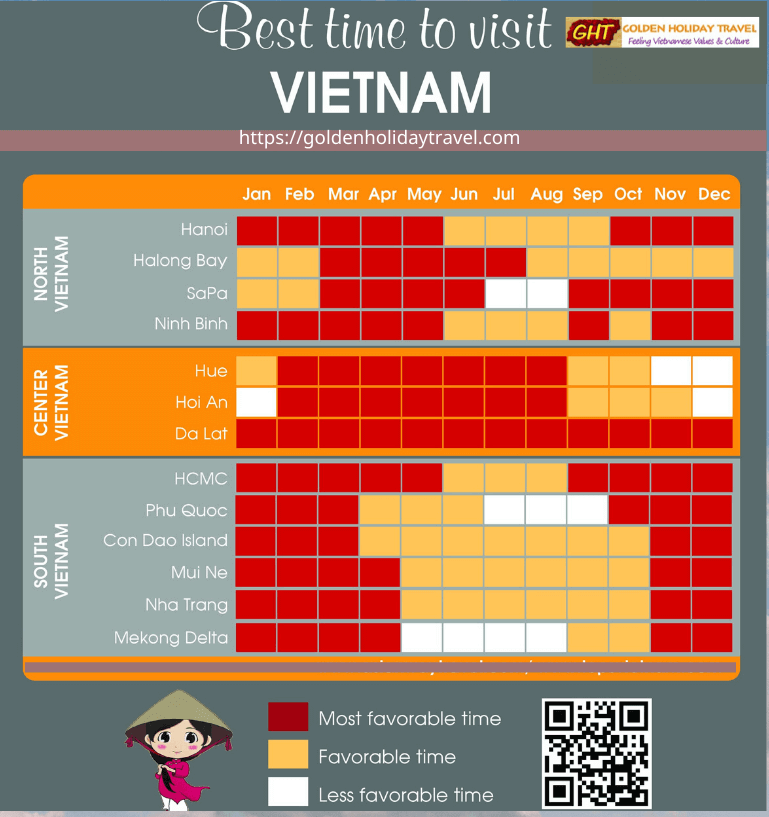
The weather will be the most important factor in determining what you pack for your trip. If you’re only staying in South Vietnam, for example, there is no need to bring cold-weather clothing. If you’re traveling in Northern Vietnam between November and March, you should pack some sweaters, thermals, and other warm clothing. And Central Vietnam often floods during the monsoon season which usually occurs between October and December, so you might want to bring a good rain jacket.
>>>>>> You love to know about Best time to visit Vietnam
2. For Most Travelers, TET Is A Terrible Time To Come To Vietnam
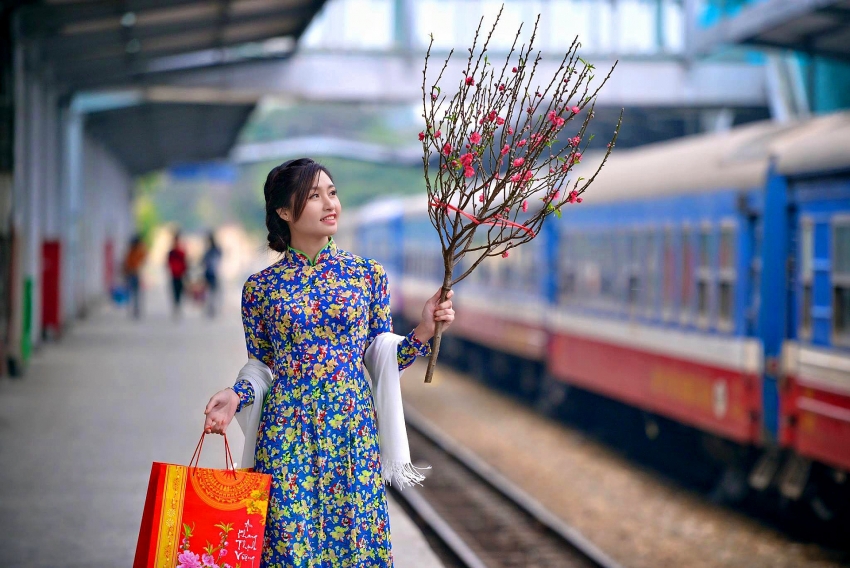
Tet (Lunar New Year) is the most important holiday in Vietnam, so it might seem like a nice idea to visit Vietnam during Tet. Unless you are invited by a local family into their home or plan to spend the entire week of TET at the beach however, we would recommend not traveling to Vietnam during this time of year. The larger cities in Vietnam will almost be completely deserted during TET, and most businesses will shut down. Travelling is also much more expensive during this time of year, and will likely cost you 2-3 times the normal price. If you’ve already booked your trip during TET, don’t fret, however. Although most markets and restaurants will shut down for 7 days, the main tourist attractions will still be open, and because there is so much less traffic in the big cities, it’s less dangerous to cross the streets and you will be able to grab some great hotel bargains.
3. Beware: The Wet Bathroom Floors
In Vietnamese bathrooms, there is generally no barrier between the shower area and the toilet area. The good news is, it makes cleaning the bathroom easy. The bad news is the entire bathroom floor will often be wet if anyone has showered recently. Mold and bacteria grow more easily in wet environments so most locals keep separate sandals at the entrance to the bathroom to keep their feet clean. And nobody likes to climb into bed with damp feet. So remember to bring an extra pair of flip-flops or Crocs to use in the restrooms. This won’t be an issue in some of the more modern hotels which will have separators for the shower and bathroom areas.
4. Cheap Laundry Services Are Everywhere So No Need To Overpack
Fluff-and-fold laundry places are everywhere in Vietnam. You should never have to walk more than a block or three in big Vietnamese cities to find one. They do a great job, they’re fairly quick, and they are very cheap; generally around 12,000 vnd ($0.50) per kilogram (1.2 lbs) at a place on the street. Just hand one of these places a bag of clothes, making note if any of them are especially dirty and require extra attention. 24 hours later you’ll get them back washed, softened, sun-dried, and neatly folded.
Because it’s so easy to get laundry done in Vietnam, you don’t need to pack an outfit for every single day you are here. For a three-week trip, for example, you can pack eight outfits and plan a laundry run once a week.
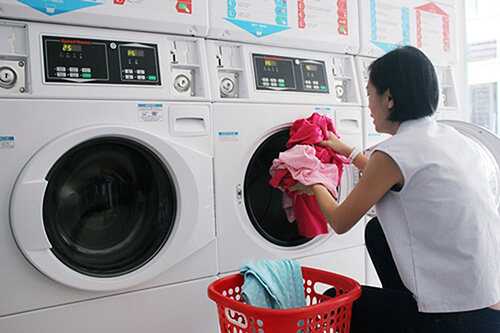
Note: Some hotels in Vietnam offer laundry services for exorbitant prices, like $0.50 per item. If money is an issue, it’s best to make the short walk to a local fluff-and-fold instead.
5. Mattresses In Vietnam Are Rock Hard
Many hotel mattresses in Vietnam are firm or even straight-up rock hard because of an old but untrue Vietnamese belief that sleeping on a soft surface will warp your spine. If sleeping on a hard mattress is an issue for you, be sure to look for reviews mentioning the beds at a hotel before you book. Large chain hotels may be able to supply you with an air mattress if you ask. At small hotels or AirBNBs, you’re probably out of luck if the beds are too hard.
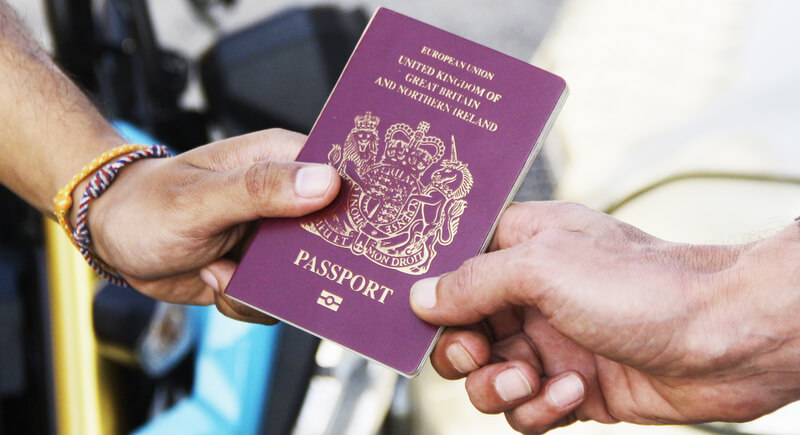
6. Most Hotels Will Ask To Keep Your Passport (But don’t let them!)
7. AirBnBs Can Save Families A Lot Of Money
8. Hotels and Tours in Vietnam Are Plagued With Fake Reviews
Lots of the hotel/Airbnb tips above involve reading reviews. Unfortunately, Vietnam’s tourism and hospitality industry are plagued with fake reviews. Yes, we know this is a worldwide issue however this problem seems to be especially egregious in Vietnam.
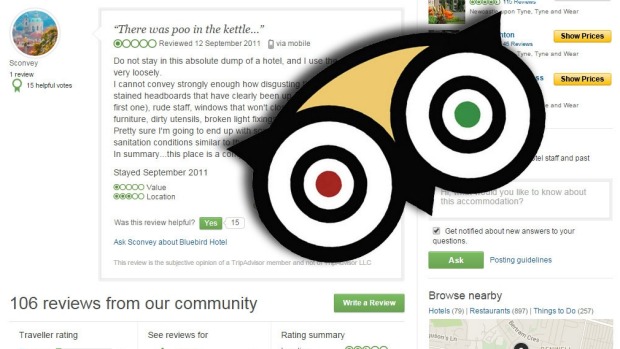
- Find reviews on Facebook. It is much more difficult for a single person to make multiple Facebook accounts than on sites like Tripadvisor that only require an email address to create a new account. Also if a Facebook reviewer doesn’t have a profile picture and more than a handful of friends then we can probably assume the account is fake.
- Discount reviews from 1-time reviewers. Although we’re sure there are a small percentage of real reviewers that only write a single review and stop, it is pretty obvious that the reviews of a business is fake if the majority of the reviews are from 1 and done reviewers, which seems is the case with many if not most hospitality businesses in Vietnam.
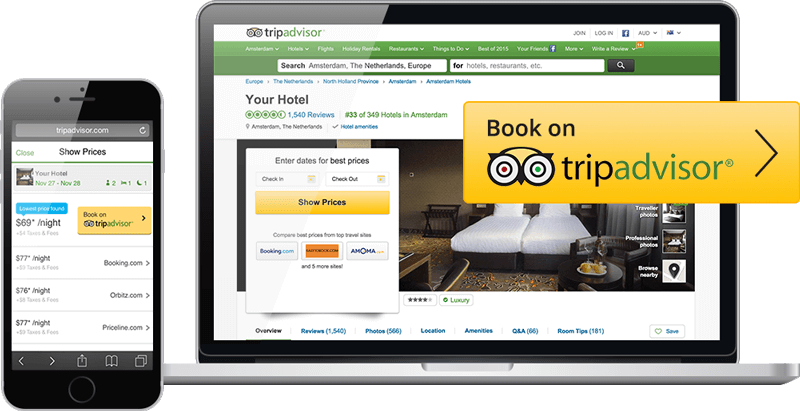
9. Tripadvisor Is A Terrible Place To Book Tours (And usually more expensive!)
10. Free Student Tours Are Very Popular And Can Book Out Weeks In Advance
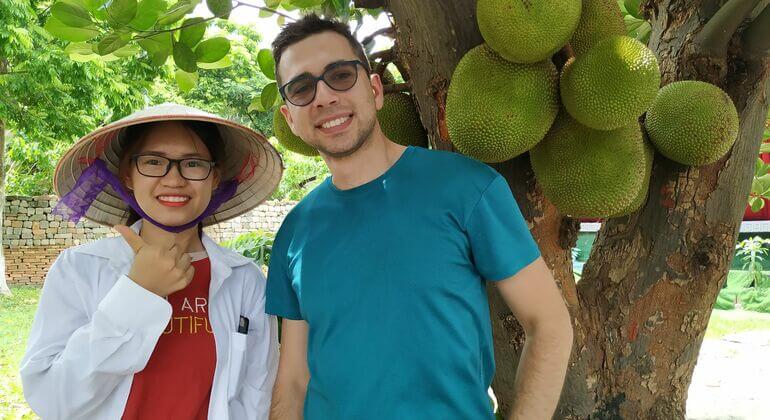
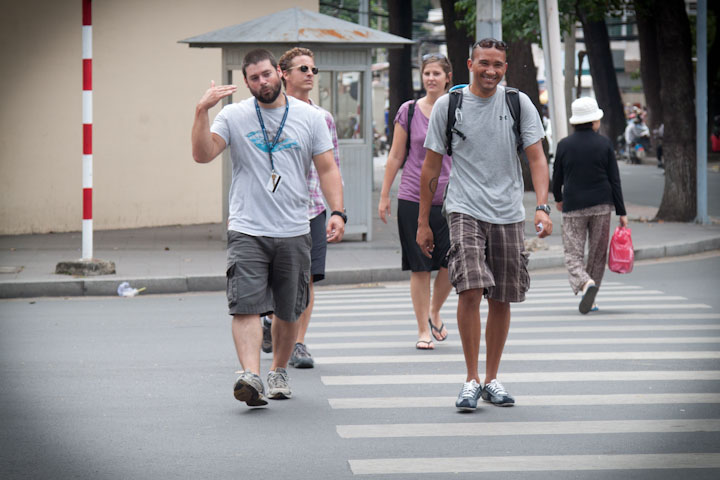
Free student-led tours are not only great for budget travelers, but they are also a great way to meet locals and learn more about life in Vietnam. Some of the more well-known student tour organizations like “Hanoi Kids” and “Saigon Hotpot” have huge demand, so don’t expect to be able to book spots with one of these organizations on just a few days notice. We would recommend booking these tours first once you have a firm itinerary for your Vietnam vacation.
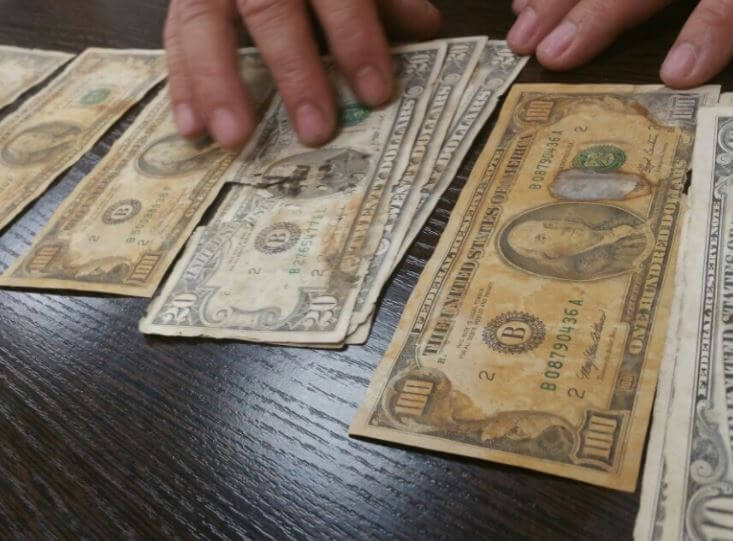
11. Your Old Or Torn Bills Won’t Be Accepted in Vietnam
Make sure the cash you are planning on bringing with you to exchange for Vietnamese Dong is in great condition if you want decent currency exchange rates. This means no pen markings, no tears (however small), and no significant creases. It might be a good idea to swing by a bank before you fly out to exchange your bills for crisp new ones. If you don’t, you’ll be charged an additional fee on the dirty notes, and some places might even refuse to exchange them entirely.
Bonus tip: Larger denominations (e.g. $50 & $100 USD bills) will get you better exchange rates than smaller denominations.
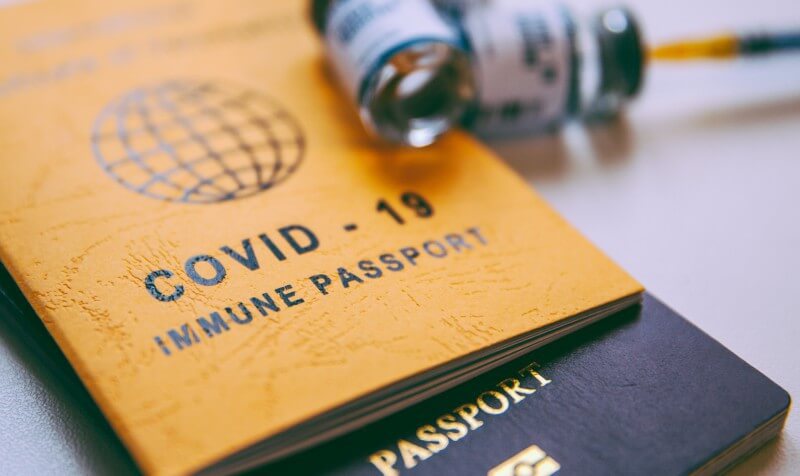
12. Some Vaccinations Need To Be Administered Months In Advance
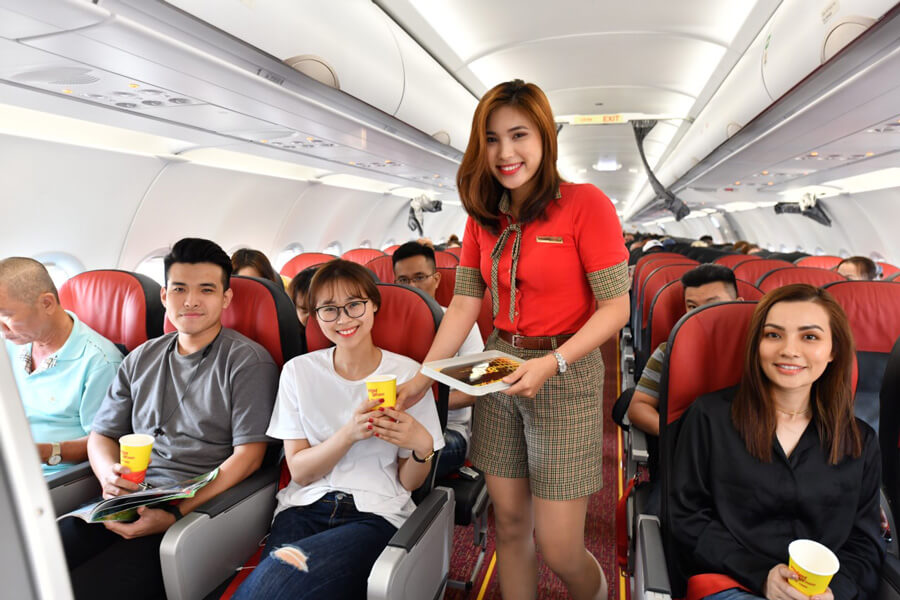
13.Domestic Flights In Vietnam Are Frequently Delayed, Especially Budget Airlines
14. Sleeper Buses Are Really Really Cheap, And A Great Travel Option For Small Budgets
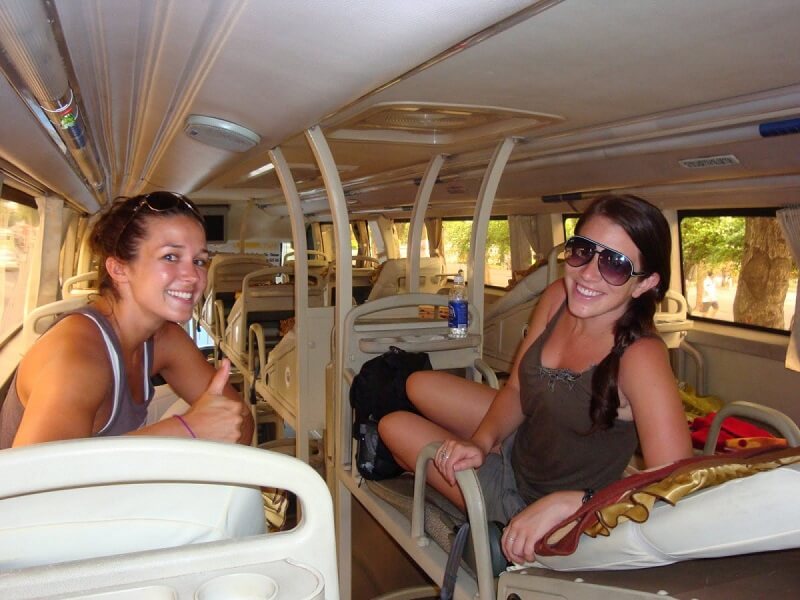
The sleeper buses in Vietnam are actually pretty amazing in their quality, making them great low-budget options. They’re obviously nowhere near as fast as planes, but they are very cheap (generally $6 for a 100-500km trip) and can get you almost anywhere you want to go. They are air-conditioned, clean, and each “seat” is also a bed that allows people 5’6” or smaller to actually stretch out and recline almost fully. If you’re over that height however, you’ll have to scrunch your legs a bit to lie down. The sleeper buses run every half hour until late at night, so buying a ticket at 11pm and getting a good night’s sleep while gliding down the highway isn’t hard to arrange. FUTA is the best company to use, and they have an easy online booking portal. You don’t need to book in advance to get the best fares.
- The bus drivers often drive like maniacs, so it can be nerve-racking and somewhat dangerous to take a sleeper bus if you are unlucky enough to get on one with a bad driver.
- Luggage theft is common on Vietnam buses. The luggage hold is not really secure, and it is easy for the bus staff to get in there to go through the bags. So keep your valuables with you in the cabin is possible. If you travel with lots of suitcases, you probably shouldn’t risk taking the bus.
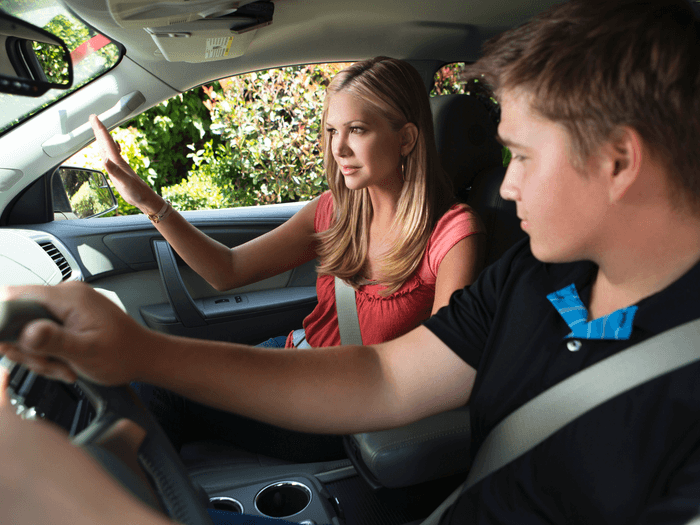
15. You Won’t Be Allowed To Drive A Rental Car
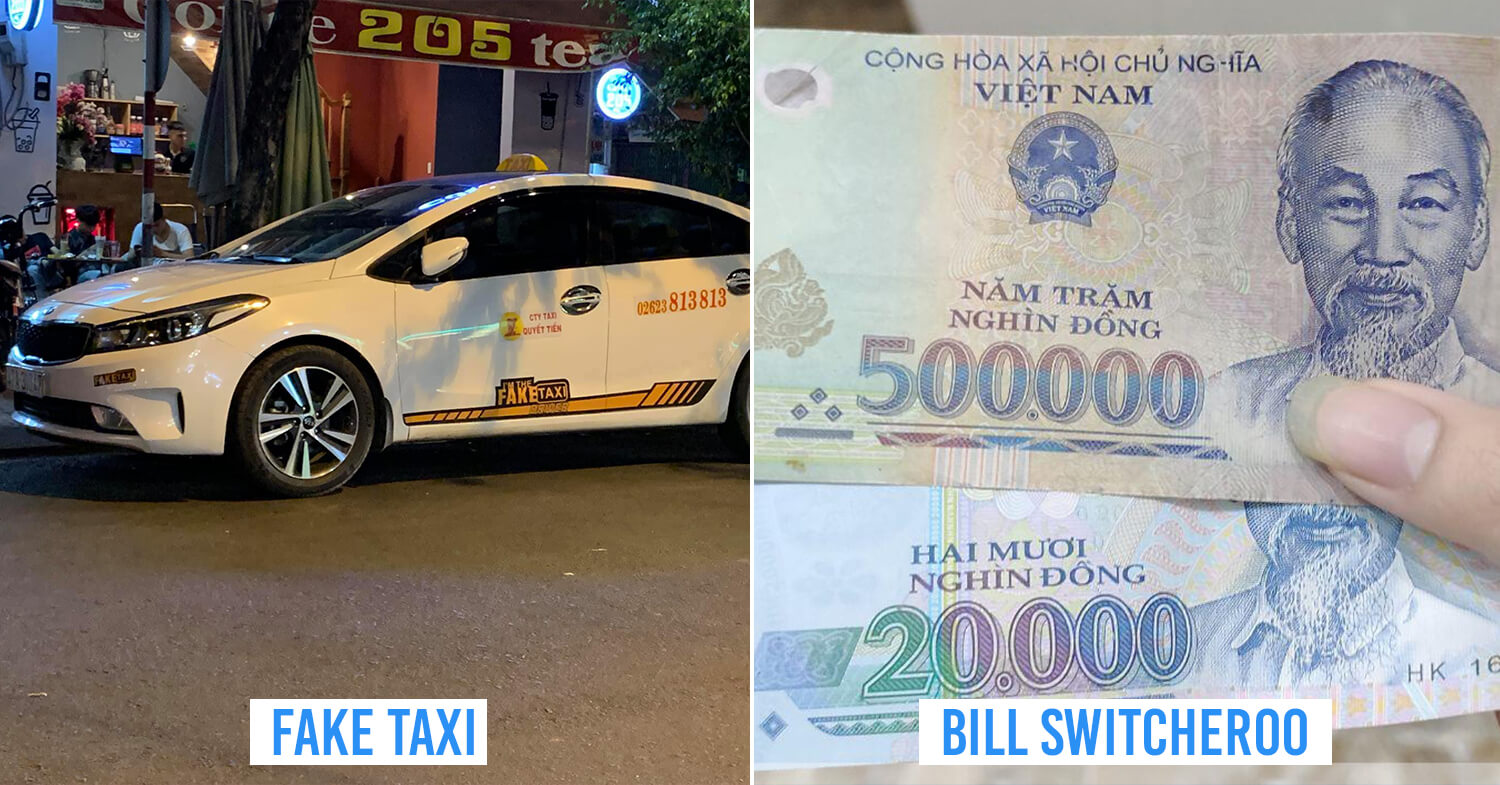
16. The Grab App Will Help You Avoid The Most Common Vietnam Scam
If there is one phone app no tourist should be without in Vietnam, it’s Grab. Grab is essentially the Uber of Southeast Asia, offering car and motorbike rides on demand. The app is easy to use and even allows you to set up digital payment with a credit card for added convenience. When you need a ride, you only need to choose whether you want a car or bike, enter a pick-up point and destination, and the app will give you a price. Tap “confirm” and you’re done.
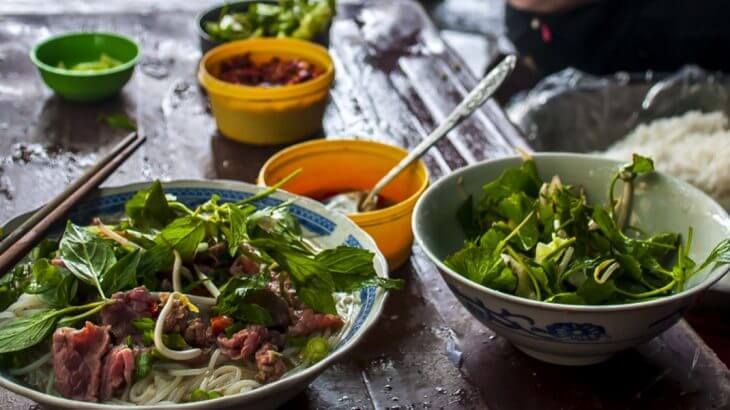
17. Vietnamese People Probably Won’t Take Your Food Allergies Seriously
18. What Is Legal In Your Country May Be Illegal In Vietnam
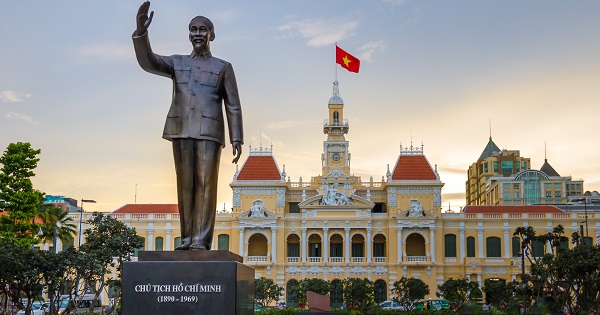
Did you know it’s illegal to take photos of any government building in Vietnam or fly drones in Vietnam without a permit? Or that it’s illegal ride on a motorbike with more than two people on it unless the 3rd person is a small child (7 years old or younger). And even if you have a international motorbike license it doesn’t mean you’re legal to drive in Vietnam since most international driver’s licenses are not recognized in Vietnam. Additionally, it’s illegal to join a crowd if the government deems that crowd to be involved in a protest, even if you did not know what the crowd was for when you joined it. These are just a few of the laws that travelers to Vietnam have had trouble with in the past, and they’re not exactly intuitive to westerners. So take some time to look up Vietnamese laws tourists should know; you don’t want to spend your vacation tangled up in Vietnamese legal proceedings with a big fine as a souvenir.
19. The Vietnam E-Visa Is The Best Visa Option For Most Travelers
A few years ago, the Vietnamese government began offering a cheaper, easier method for getting a Vietnam tourist visa. Previously, the simplest way to get a visa was by getting a Visa On Arrival, which involved paying a third-party agent to issue a digital invitation and then waiting in line at the Vietnamese airport to get the actual visa.
- Log onto the one and only official Vietnam E-visa site.
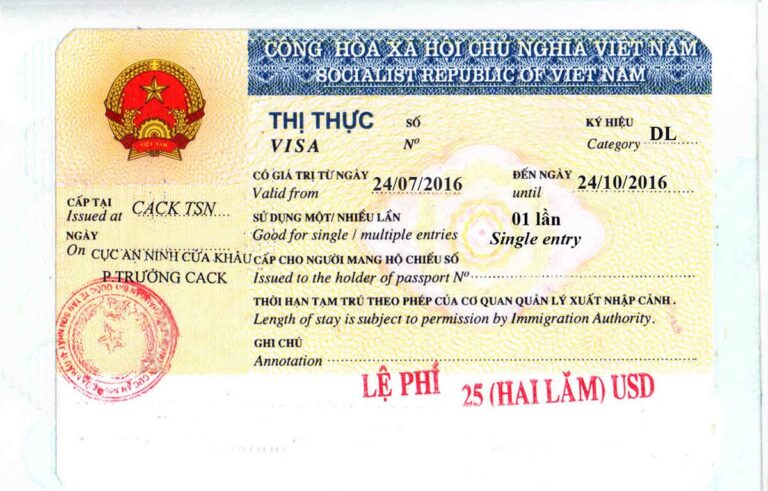
- Apply for a visa letter online at least a week before your trip. The processing fee is 25 USD.
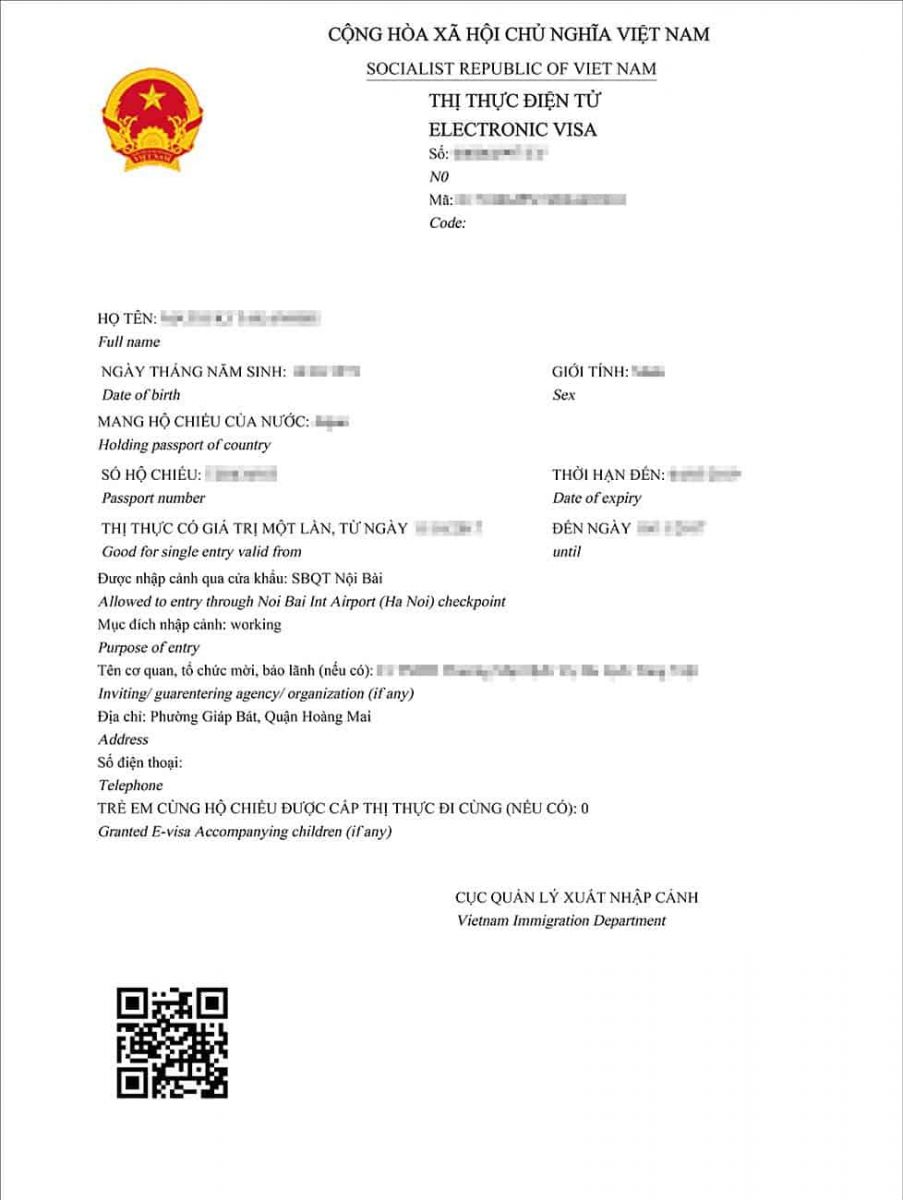
- Print out the e-visa once it’s sent to you. It will take 3 to 6 days to arrive. Your e-visa should look similar to the image below.
- Bring the e-visa with you on your flight.
- Present your e-visa to the immigration clerk at the Vietnamese airport.

Any accomplished traveler will tell you one of the first rules of visiting a new country is to always come prepared. This advice is doubly true for Vietnam because the culture and customs are so different than in western countries. Hopefully, this blog post helps you to do just that.
Frequently Asked Questions
Because Vietnam’s climate varies drastically between the North, Central, and South, there is no single “perfect” time. From November to April, Northern Vietnam is cool and dry, making it ideal for trekking, while the South stays sunny. If you plan to visit Central Vietnam, be mindful of the monsoon season from October to December. Packing layers is essential if your itinerary spans the whole country.
Traveling during Tet (Lunar New Year) offers a unique cultural glimpse but comes with challenges. Most shops, local restaurants, and markets close for about seven days, and transportation prices often triple. However, if you enjoy quiet cities with less traffic and don’t mind staying in larger hotels that remain open, it can be a peaceful time to visit. For the best experience, we recommend booking well in advance.
As of 2026, many travelers benefit from expanded visa exemptions (often up to 45 days) or the 90-day multi-entry e-visa. A new regulation introduced in April 2026 also encourages travelers entering through Tan Son Nhat (Ho Chi Minh City) to complete a digital arrival card online before landing. Always ensure your passport is valid for at least 6 months beyond your arrival date.
Tipping in Vietnam is not mandatory but is increasingly appreciated in the service industry. For excellent service, a tip of 20,000–50,000 VND for bellhops or 100,000–200,000 VND per day for private tour guides is a kind gesture. In local street food stalls or taxis, tipping is not expected; rounding up the bill is the most common way to show appreciation.
While cash (Vietnamese Dong) remains king for street food and local markets, 2026 has seen a massive rise in digital payments. Most hotels and upscale restaurants accept Visa and Mastercard. For a local experience, you can use apps like MoMo or scan VietQR codes, which are now common even in smaller shops. It is always wise to keep small-denomination cash for rural areas.
To avoid “traveler’s tummy,” you should avoid drinking tap water; always stick to bottled or filtered water. Regarding street food, it is one of Vietnam’s highlights! Look for stalls with a high turnover of local customers, as this usually indicates the food is fresh. Golden Holiday Travel recommends trying local specialties but being cautious with ice in very remote or rural areas.








Write Comment