
19 Things to Know Before Traveling to Vietnam: Local Expert Advice
Vietnam travel advice found on public forums often repeats the same generic packing lists while overlooking real-world logistical headaches on the ground. At Golden Holiday Travel, our team has handled private holiday bookings and guided foreign visitors across the country for more than ten years. Reaching unfamiliar destinations with different cultural standards requires practical preparation regarding cash habits, local regulations, and transport choices. This updated 2026 checklist details 19 practical realities to help you bypass costly misunderstandings and plan a safe, rewarding holiday.
Key Vietnam Travel Realities at a Glance
Preparing for your trip involves understanding regional weather differences, local regulations, and common day-to-day customs. The table below outlines what to plan for before boarding your flight.
| Category | What Tourists Expect | Local Reality in Vietnam | Local Expert Advice |
|---|---|---|---|
| Weather | Tropical heat year-round | Chilly northern winters, central monsoon floods | Check regional climates; pack warm layers for northern trips |
| Transport | Self-drive car rental | Foreign licenses rarely legal; chaotic traffic | Hire a private car with a licensed driver |
| Currency | Any cash accepted | Torn or creased notes rejected or penalized | Bring crisp, unblemished $50 and $100 bills |
| Hotels | Plush beds, dry bathrooms | Firm orthopedic mattresses, combined wet rooms | Pack flip-flops for bathrooms; request mattress toppers |
| Visa | Visa on arrival queues | 90-day official electronic visa | Apply online only through the official immigration portal |
1. The Weather Varies Drastically Across Northern, Central, and Southern Regions
Packing for Vietnam is rarely as simple as throwing lightweight shorts and t-shirts into a bag. The country spans over 1,600 kilometers in latitude, dividing into three distinct weather zones. Southern areas like Ho Chi Minh City and the Mekong Delta remain hot and tropical throughout the year. Northern destinations, including Hanoi, Sapa, and Ha Giang, experience cold winter spells between November and March, where temperatures can plunge below 10°C (50°F) in mountain valleys.
Central Vietnam, including Hue, Da Nang, and Hoi An, experiences heavy monsoon rains and localized coastal street flooding between October and December. Planning an itinerary requires matching your wardrobe to the specific regional calendar.
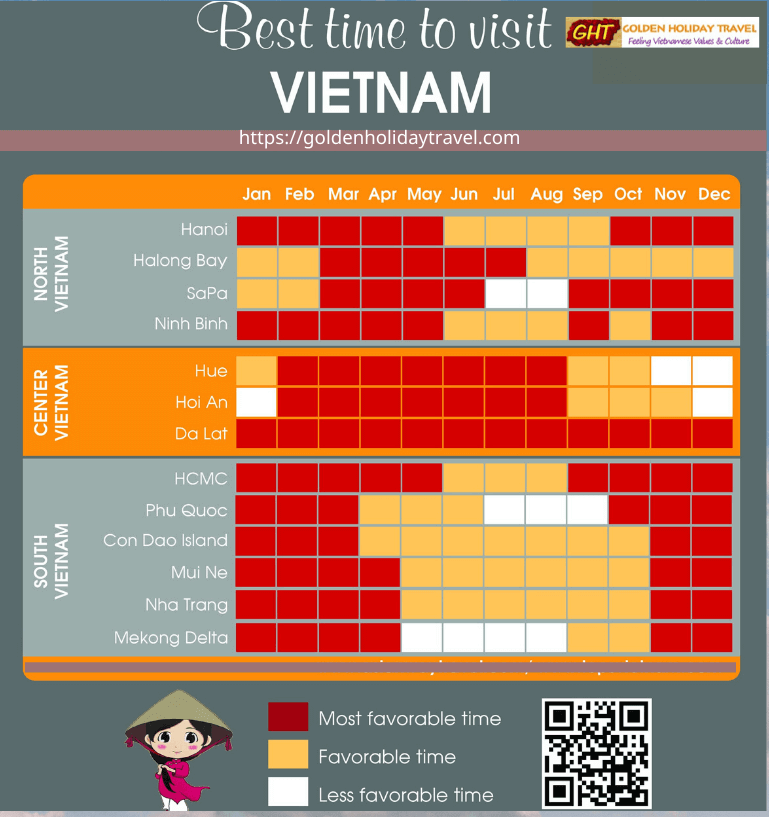
Regional weather guide for planning travel across Vietnam.
Read our detailed analysis on the best time to visit Vietnam to choose the optimal travel window for your preferred activities.
2. For Most First-Time Travelers, Tet Is a Challenging Time to Visit
Tet (Lunar New Year) represents the most sacred holiday on the Vietnamese calendar, typically falling between late January and mid-February. While witnessing the country prepare with peach blossoms and kumquat trees is culturally rich, independent travel during the holiday week presents severe logistical hurdles.

Streets decorated with festive peach blossoms during the Lunar New Year season.
Most restaurants, family-owned shops, local markets, and public offices close for four to seven days as citizens return to their ancestral villages. Domestic flights, trains, and interprovincial transfers sell out weeks ahead, carrying surcharges double or triple standard rates. If your travel dates coincide with Tet, base yourself at a full-service beach resort or secure an organized private package tour where meals and transport are pre-arranged.
3. Wet Bathroom Floors Are Standard in Many Local Accommodations
In many boutique hotels, homestays, and guesthouses across Vietnam, bathrooms are designed as unified “wet rooms.” The shower drain sits directly in the open floor area without a raised lip, glass enclosure, or curtain separating it from the toilet and sink. This setup makes cleaning straightforward in humid climates, but it leaves the tile floor damp for hours after bathing.
Local households resolve this by keeping a pair of plastic slip-ons or flip-flops directly outside the bathroom door. Bringing personal rubber sandals or water-resistant slides prevents stepping on cold, damp tiles with clean socks or bare feet.
4. Affordable Street Laundry Services Make Overpacking Unnecessary
There is no need to pack three weeks worth of clothing for a tour of Vietnam. Residential neighborhoods across Hanoi, Da Nang, Hoi An, and Ho Chi Minh City feature small, family-operated wash-and-fold laundry shops (Tiệm Giặt Là) on almost every block.
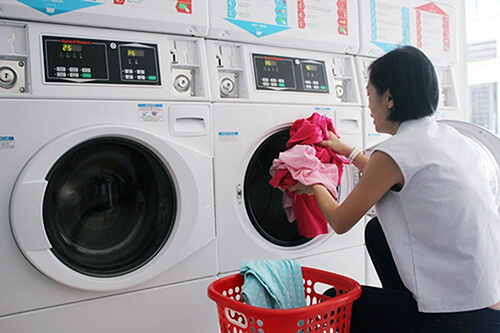
Affordable street-side laundry shops wash, dry, and fold clothes within 24 hours.
Pricing remains reasonable, averaging 15,000 to 25,000 VND (around $0.60 to $1.00 USD) per kilogram. Hand over your laundry in the morning, and you will receive your garments washed, dried, and folded within 24 hours. Upscale international hotels often bill laundry per individual item at rates up to ten times higher, making street laundry services a sensible habit for budget-conscious travellers.
5. Hotel Mattresses Are Often Extremely Firm
Visitors frequently note the solid, unyielding feel of beds in local 2-star and 3-star hotels. Vietnamese culture holds a long-standing belief that sleeping on rigid surfaces maintains spinal alignment and prevents posture issues in warm, humid weather. Traditional households often prefer firm cotton mattresses or bamboo mats over plush springs.
If you have back sensitivities or struggle to sleep without cushioning, verify hotel bed reviews before booking. Reputable 4-star and 5-star properties utilize international pocket-spring mattresses, while mid-range boutique hotels can often provide extra soft mattress toppers or spare duvets upon request.
6. Hotels Will Ask to Keep Your Physical Passport (Offer a Copy Instead)
Upon check-in, reception desks routinely request to hold your original passport until check-out. Vietnamese law mandates that all lodging providers register foreign guest information with local police authorities through an online immigration portal.
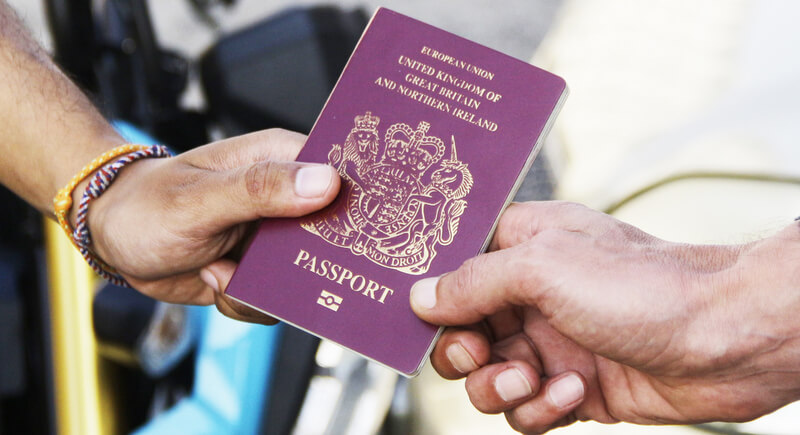
Provide a clear passport photocopy at hotel check-in to keep your original document safe.
However, leaving your physical passport in a hotel drawer presents unnecessary risks of loss or damage, which can disrupt your travel itinerary. Most properties will happily accept a clear color photocopy of your passport information and visa page, provided you settle room charges upfront or leave a small cash deposit. Carry multiple physical copies of your passport data page in your daypack.
7. Serviced Apartments and Airbnbs Provide Substantial Savings for Families
Rental apartments in urban residential towers across Hanoi, Da Nang, and Ho Chi Minh City represent practical lodging for families and small private groups. Booking a multi-room apartment with a kitchen, living area, and washing machine frequently costs less than reserving multiple adjacent hotel rooms while traveling in Vietnam.
Before confirming an apartment rental, examine recent guest feedback regarding elevator wait times, building access card policies, and local noise levels. Some residential towers enforce strict guest registration policies at the lobby security desk.
8. Tourism Listings Encounter Significant Review Manipulation
Online review manipulation remains a known challenge within the regional hospitality sector. Certain budget tour desks and hostels create artificial profiles to boost their standing or offer free drinks in exchange for immediate 5-star ratings on travel aggregator sites.
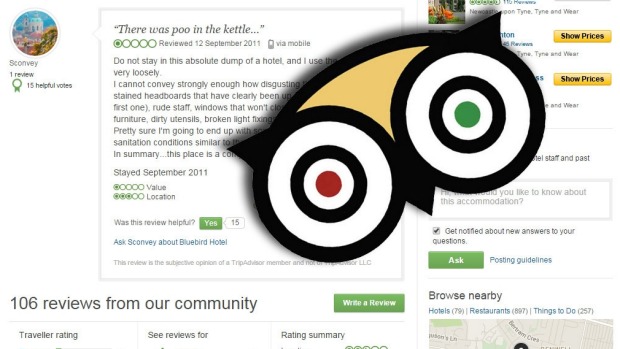
Cross-reference reviews across multiple travel portals to confirm authenticity.
To identify genuine feedback, look beyond the overall numeric score. Disregard profiles that have posted only one review. Read intermediate 3-star and 4-star comments, which usually describe realistic pros and cons. Check established Google Maps locations and active Facebook business pages to verify real operating histories.
9. Booking Tours Directly With Local Operators Yields Better Value Than Third-Party Platforms
Global aggregator platforms charge local operators commissions ranging from 20% to 30% for every activity sold. To offset these fees, many service providers raise their public listings on international platforms or deliver stripped-down services to protect profit margins.
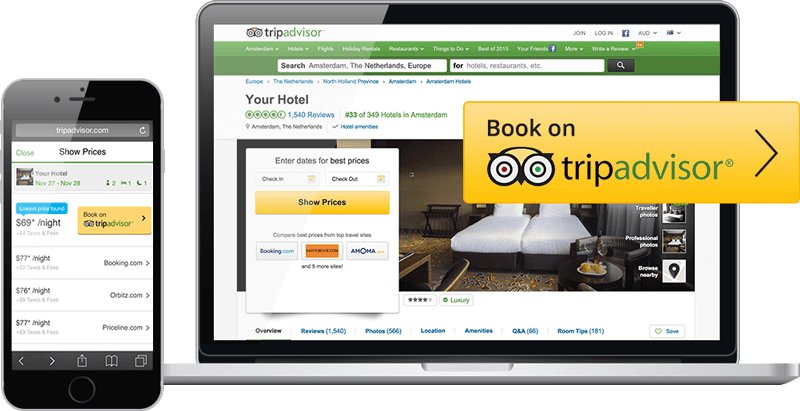
Direct contact with licensed agencies provides tailored itineraries and responsive support.
Working directly with a licensed company such as Golden Holiday Travel provides personalized route planning, transparent pricing, and immediate assistance if mountain weather or flight shifts require itinerary adjustments.
10. Volunteer Student Walking Tours Must Be Booked Weeks Ahead
Non-profit university clubs like Hanoi Kids and Saigon Hotpot match international travellers with enthusiastic local students who volunteer as walking guides. These outings provide cultural exchanges where students practice foreign languages while sharing local neighborhood insights.
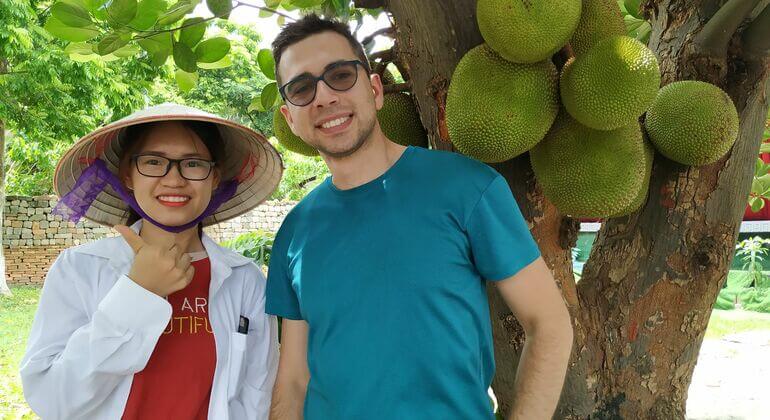
Student-led walking tours offer cultural exchanges across university networks.
Because student volunteers work around academic commitments, guide capacity is limited. These walking tours routinely fill up three to four weeks in advance. While the tour guide fee is free, guests pay for all admission tickets, transport fares, and meals consumed during the outing while enjoying a genuine cultural exchange during their Vietnam vacation.
11. Banks and Money Changers Will Reject Damaged or Creased Foreign Bills
When bringing foreign currency (such as USD, EUR, or AUD) to exchange into Vietnamese Dong (VND), bill condition is vital. Local banks, jewelry stores, and licensed currency booths enforce rigid standards. Notes with minor tears, pen ink markings, deep folds, or stamp marks are routinely rejected or subject to steep exchange discounts.
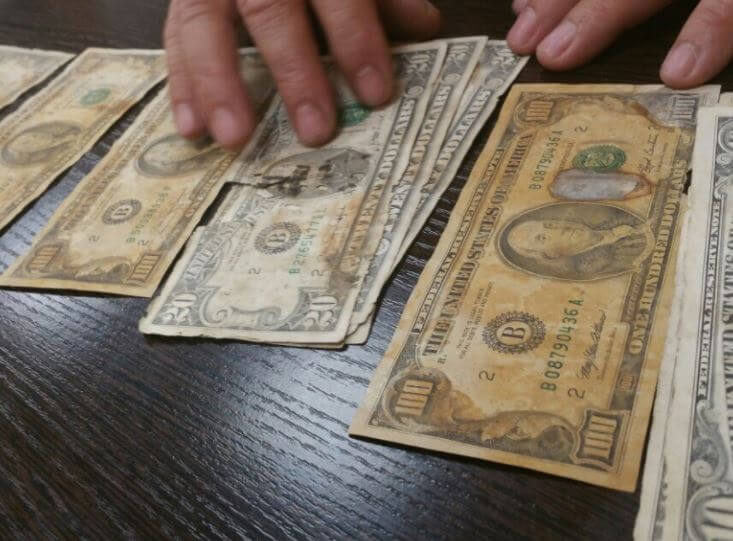
Damaged, stamped, or marked foreign banknotes will be rejected at currency exchange counters.
Visit your home bank before departure to request brand-new, clean bills. Higher denominations, specifically crisp $100 and $50 notes, command superior exchange rates compared to small $10 or $20 bills.
12. Medical Preparation and Recommended Vaccinations Require Early Planning
Mandatory Covid-19 health declarations and vaccination certificates are no longer required for entry into Vietnam. However, consulting a travel medicine professional six to eight weeks before your trip remains sensible.
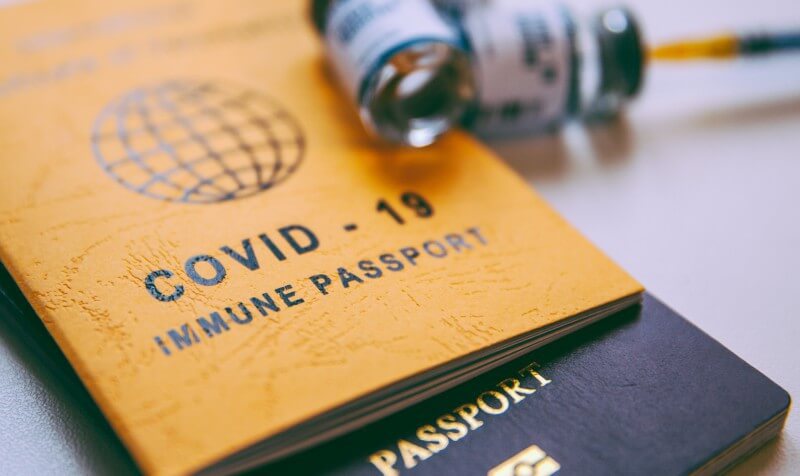
Schedule travel consultations in advance to arrange routine immunizations.
Doctors typically recommend updating routine immunizations such as Tetanus, Typhoid, and Hepatitis A and B. Travellers planning rural trekking expeditions through remote valleys in Ha Giang or the Central Highlands may also consider Japanese Encephalitis or Rabies prevention, which require multi-dose schedules spread over several weeks.
13. Domestic Budget Flights Face Frequent Rescheduling
Vietnam operates several domestic carriers, including the full-service national carrier Vietnam Airlines, alongside low-cost operators such as Vietjet Air and Vietravel Airlines. While low-cost tickets look appealing, budget airlines experience frequent gate changes, schedule adjustments, and departure delays.
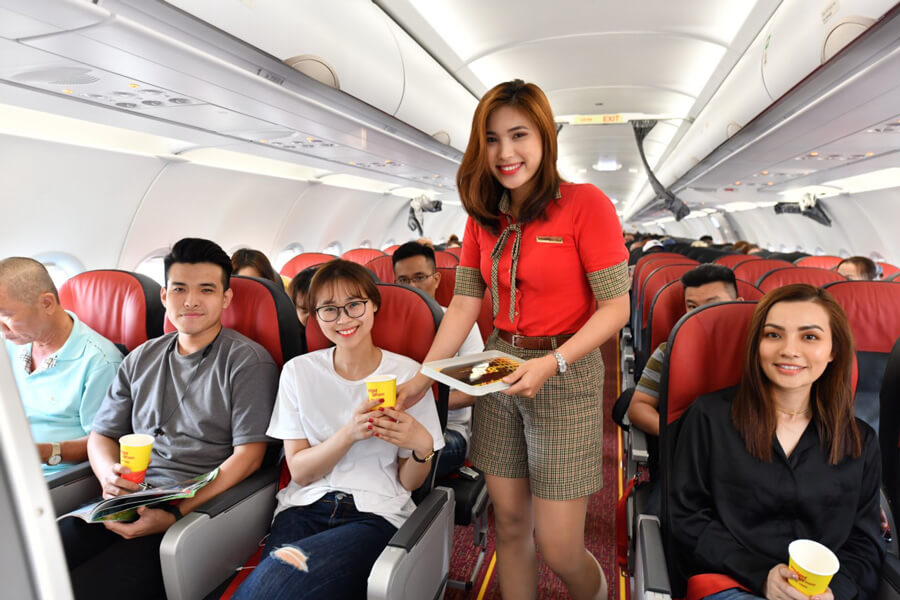
Domestic budget flights operate on tight turnarounds that can lead to delayed connections.
Low-cost base fares also exclude checked baggage, seat selection, and refreshments, which raise final costs during checkout. If you have connecting international departures or fixed cruise embarkation times in Halong Bay, selecting Vietnam Airlines provides greater reliability, included baggage, and priority takeoff slots at busy hub airports.
14. Sleeper Buses Offer Frugal Transit but Involve Practical Compromises
Intercity sleeper buses (Xe Giường Nằm) connect cities across Vietnam at economical fares, often under $15 USD for multi-hour trips. Modern double-decker buses feature air conditioning, reclining bunks, and curtained privacy pods on newer “cabin bus” routes.

Long-distance sleeper buses offer affordable travel but have compact bunk dimensions.
However, sleeper bunks are measured for local body dimensions. Passengers taller than 1.75 meters (5’9″) often find legroom tight. Furthermore, night drivers on winding mountain passes frequently drive aggressively with heavy horn usage. Unattended luggage placed in lower cargo bays can occasionally be mishandled. For comfort and safety, many private travelers choose daytime express limousine vans or regional trains instead.
15. Foreign Visitors Cannot Legally Rent Self-Drive Cars
Foreign tourists cannot simply walk up to a car rental desk, present an overseas driving permit, and drive away in a rental car. Vietnam only recognizes International Driving Permits (IDPs) issued under the 1968 Vienna Convention. Driver’s licenses and IDPs issued under the 1949 Geneva Convention (used by the United States, Canada, Australia, and the UK) are not recognized under local traffic laws.
Because converting a foreign license into a temporary Vietnamese permit requires weeks of administrative processing, car rental agencies operate exclusively with professional local drivers. Hiring a private vehicle with an experienced driver is affordable, keeps you legally compliant, and protects you from the complexities of local traffic.
16. Ride-Hailing Apps Protect You from Unregulated Street Taxi Scams
Street taxi scams, such as tampered meters, rigged fast-running timers, or deliberate route detours, remain an issue near airport terminals and major train stations. Unaffiliated drivers often mimic legitimate brands like Mai Linh or Vinasun using similar decals and lettering.
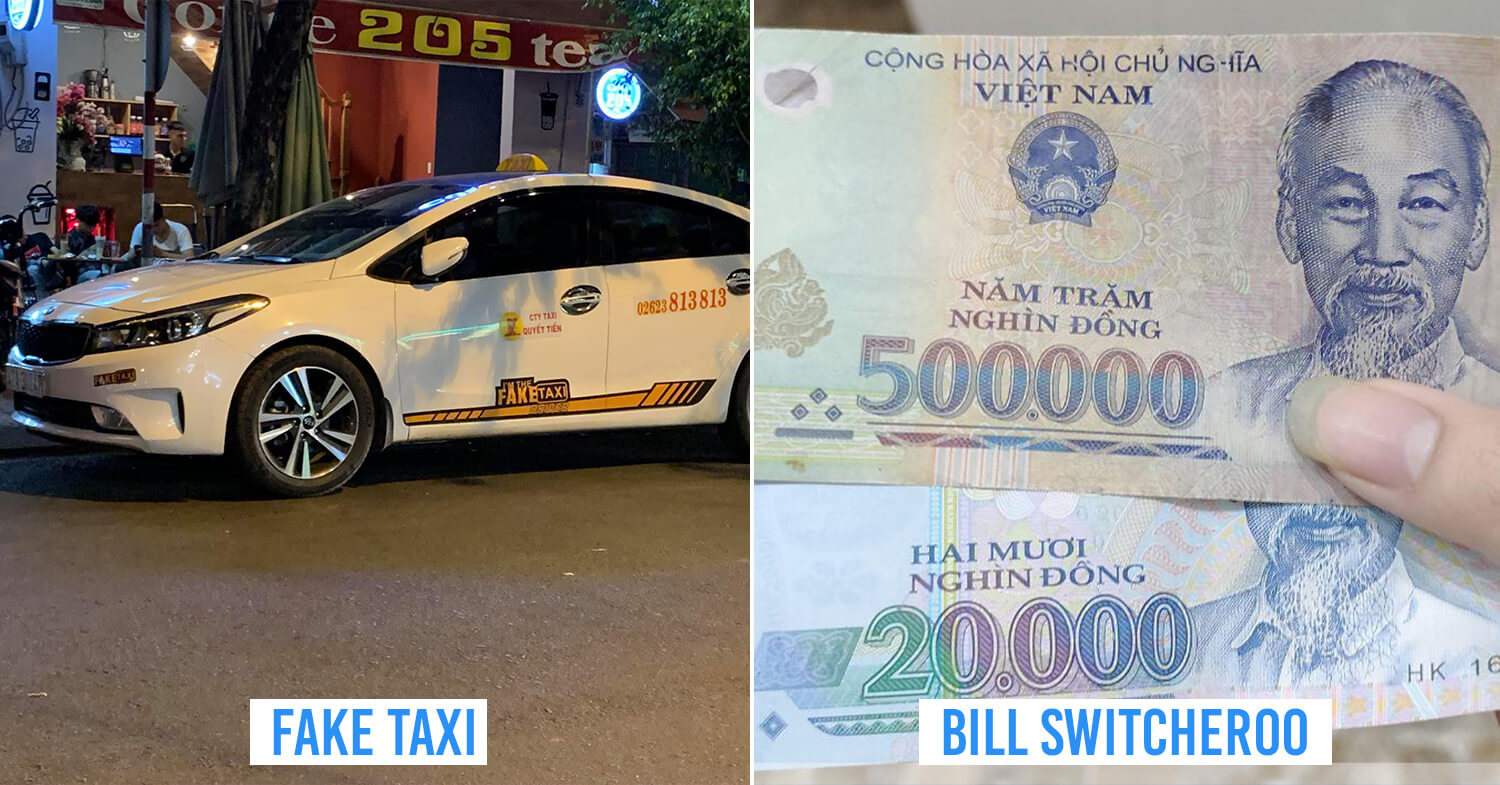
Use verified ride-hailing applications to prevent taxi meter tampering and route manipulation.
Using digital transport apps like Grab or Xanh SM (Vietnam’s widespread electric taxi service) eliminates street haggling. These apps calculate upfront fares based on mapped routes and support direct cashless credit card transactions, securing dependable city transit without surprise costs.
17. Food Allergies Require Explicit Precaution in Local Eateries
Severe food allergies are uncommon in domestic Vietnamese households, meaning street food cooks and small restaurants may not fully grasp cross-contamination risks. Crushed peanuts (lạc), oyster sauce, shrimp paste (mắm tôm), and fish sauce (nước mắm) form baseline seasonings across northern and southern culinary traditions.
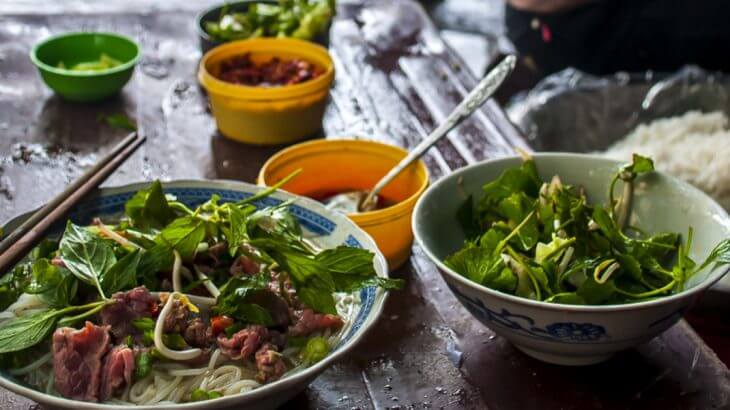
Carry translated dietary allergy cards when ordering meals in local restaurants.
Telling a vendor that you dislike an ingredient might simply result in them picking visible pieces off your bowl before serving. If you have an allergy to peanuts, shellfish, or gluten, carry a laminated card written in clear Vietnamese explaining that eating the item causes severe medical distress. When joining private food excursions with Golden Holiday Travel, our guides brief restaurant staff directly to safeguard guest requirements.
18. What Is Legal at Home May Carry Severe Penalties in Vietnam
Local legal regulations contain specific provisions that overseas travellers frequently overlook. Flying camera drones without an official military flight permit issued by the Ministry of National Defense is illegal; unpermitted drones face border confiscation and steep fines. Photographing military installations, border crossings, police checkpoints, or government compounds is strictly prohibited.
Respect local driving laws, safety regulations, and public security procedures.
Participating in unauthorized public demonstrations or political gatherings can lead to detention and deportation. When renting motorbikes locally, wearing an approved helmet is strictly enforced, and carrying more than one adult passenger violates road safety statutes.
19. The Official 90-Day Electronic Visa Is the Standard Entry Method
The previous visa-on-arrival system, which required paid third-party approval letters and long airport processing queues, has been replaced by the official government electronic visa. Vietnam now issues 90-day multiple-entry e-visas to citizens of all countries.
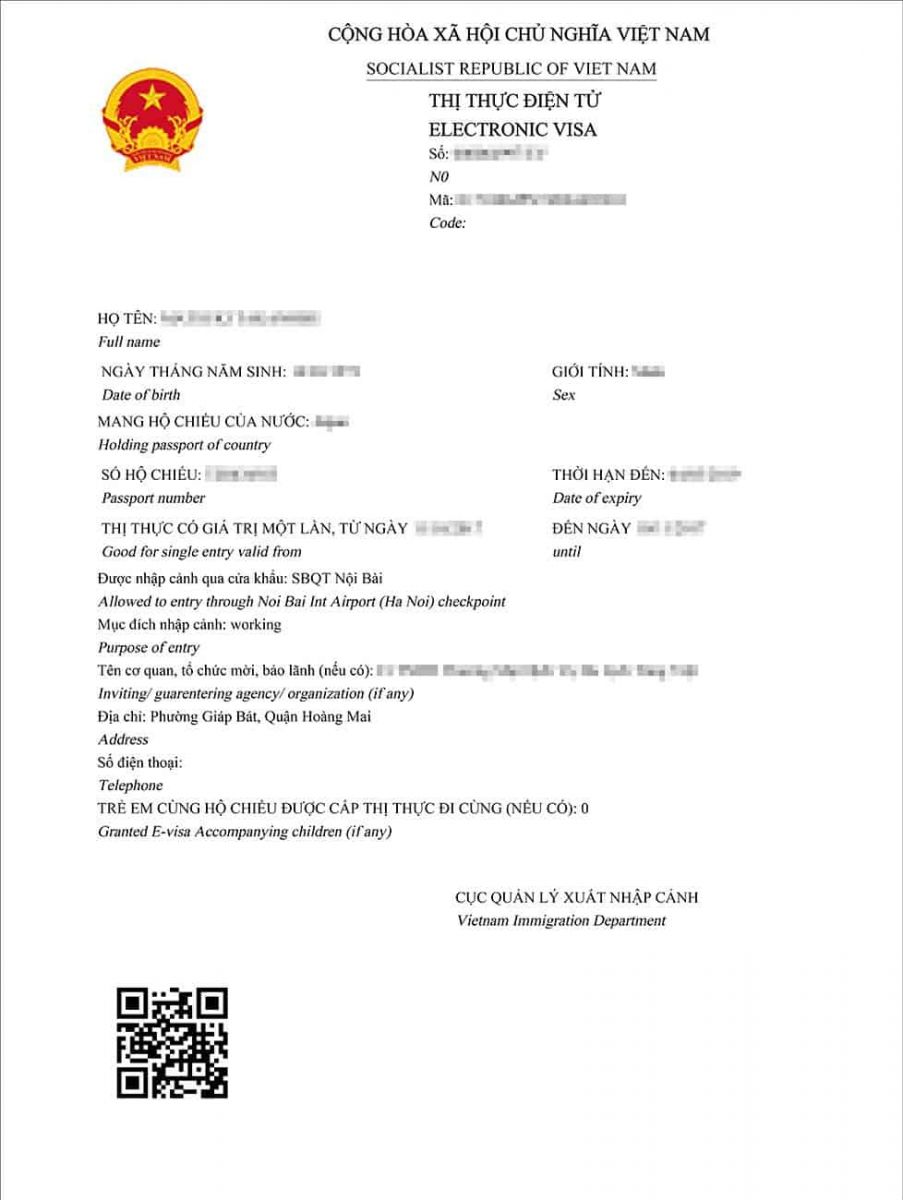
Sample official electronic visa issued by the Vietnamese Immigration Department.
Follow these steps to secure your official e-visa without paying inflated third-party agency surcharges:
- Access the official portal of the Vietnam Immigration Department at evisa.xuatnhapcanh.gov.vn.
- Upload a clear passport biographical scan and a portrait photo with a plain white background.
- Pay the statutory processing fee ($25 USD for single-entry; $50 USD for multiple-entry) via online card payment.
- Apply at least 10 to 14 days before departure to account for potential administrative processing backlogs.
- Print two physical paper copies of your approved e-visa letter to present to airline check-in staff and border control officers.
Frequently Asked Questions (FAQs)
1. Is Vietnam safe for solo travelers and families?
Vietnam ranks among the safest destinations in Southeast Asia with low rates of violent crime. Petty theft, such as opportunistic phone-snatching in crowded city centers, is the primary hazard. Crossing busy streets through dense scooter traffic requires confidence: step out slowly at an even pace without sudden stops, allowing riders to calculate your trajectory.
2. Can foreign visitors rent and drive motorbikes legally in Vietnam?
Legally, riders must hold a motorcycle license accompanied by a 1968 Vienna Convention International Driving Permit. In practical terms, local rental shops rarely check licenses before handing over scooters. However, riding without a recognized license invalidates standard travel insurance policies, leaving you personally liable for hospital bills and property damages in case of road mishaps.
3. How much cash should travelers carry daily?
Carrying 500,000 to 1,000,000 VND (roughly $20 to $40 USD) in cash per person covers daily street food, bottled water, entrance admissions, and taxi rides comfortably. While hotels, supermarkets, and upscale restaurants accept international Visa and Mastercard, small local eateries, traditional markets, and countryside stalls operate exclusively on cash.
4. Is tap water safe to drink in Vietnam?
Tap water across Vietnam is not potable. Always drink sealed bottled water, filtered water provided by reputable hotels, or boiled beverages like hot tea. Ice served in established urban cafes and restaurants is commercially produced from purified water in tubular shapes and is generally safe to consume.
5. What is the tipping custom across Vietnam?
Tipping is not customary in everyday Vietnamese life, and local street stalls do not expect gratuities. However, in the tourism sector, leaving a modest gratuity for private drivers, licensed tour guides, and hotel luggage staff is appreciated for attentive service.
Plan a Private, Worry-Free Journey with Local Experts
Planning a holiday through a foreign country with different administrative rules does not need to feel overwhelming. Golden Holiday Travel provides custom private touring services, comfortable chauffeured transfers, and verified accommodations suited to discerning travellers.
Explore our comprehensive selection of private Vietnam tour packages or immerse yourself in the terraced valleys and limestone waterways with our handpicked Northern Vietnam tours.

Direct Support & Custom Itinerary Inquiries:
Email: [email protected]
WhatsApp / Hotline: +84 988 45 15 30 (Consultations returned promptly within 12 hours)
Meet Our Experts

Suggested


Featured Articles


Related Articles




Ask a Question or Share Your Thoughts
Have questions about this itinerary, road trip tips, private car rentals, or ticket booking? Leave a comment or question below — our travel specialists will reply within a few hours!