
Discover Vietnam’s Hidden Gems : 10 Incredible Places Beyond the Tourist Trail
Hidden gems in Vietnam provide foreign travelers with serene rural valleys, dramatic limestone mountains, and direct cultural encounters away from crowded tourist centers. Many first-time and returning visitors seek alternatives to commercial hotspots to experience the authentic daily life of local communities across the country.
Operating under official International Tour Operator License No. 01-884/2016/TCDL-GPLHQT, our travel experts at Golden Holiday Travel provides practical travel advice, carefully selected routes, and private customized services to assist you in planning a smooth, secure holiday across Vietnam.
Why Explore Vietnam Beyond the Famous Tourist Spots?
Traveling beyond the main tourist hubs lets you discover unspoiled landscapes, experience everyday local life, and enjoy quieter places away from the crowds and commercial bustle. Venturing into lesser-known provinces directly benefits local rural econom while giving foreign visitors a more authentic understanding of Vietnamese culture.

Fully Licensed Local Agency
Northern Vietnam Private Tour Packages
Discover northern mountain ranges and rural valleys with licensed local tour guides, private air-conditioned transport, and customized itineraries tailored to your preferred travel pace.
What Makes an Off-the-Beaten-Path Destination Worth Visiting?
Lesser-known destinations often retain their traditional architecture, local languages, and centuries-old farming practices, with far less commercial influence. Visitors get a genuine glimpse of local life, where communities go about their daily routines naturally rather than rather than performing for large tour groups.
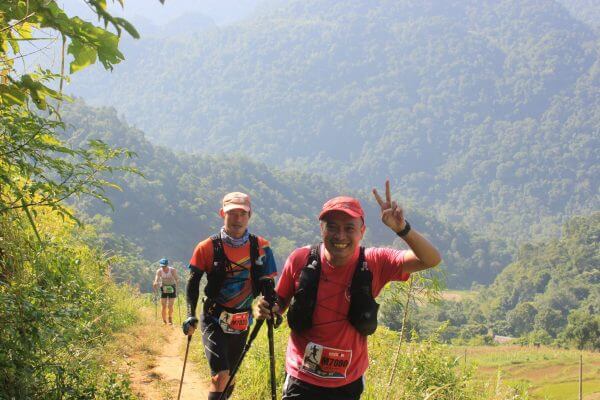
These regions feature peaceful natural environments, ranging from protected limestone karst systems to uncrowded coastal bays. Travelers can hike along quiet trails, take in wide-open farming valleys, and chat directly with local village elders in a relaxed, welcoming atmosphere.
The Benefits of Traveling Beyond Vietnam’s Main Tourist Routes
Choosing less-visited destinations can make your trip much more relaxing, away from crowded tour buses and noisy shopping areas. You gain greater schedule flexibility and spend more time engaging with nature, traditional handicraft workshops, and regional cuisine.
Direct spending at family-operated homestays, village eateries, and local boat docks supports local communities. This style of responsible tourism helps preserve cultural heritage and encourages younger generations to maintain their traditional crafts.
| Travel Factor | Major Tourist Hubs (Hanoi, Halong, Hoi An) | Lesser-Known Regional Destinations |
|---|---|---|
| Crowd Density | High visitor volume, frequent queuing at sites | Low visitor count, peaceful open spaces |
| Cultural Interaction | Commercialized retail and hospitality services | Direct, authentic exchanges with local families |
| Transport Requirements | Standard expressways, taxis, tourist shuttles | Private vehicles, mountain passes, local ferries |
| Accommodation Types | International chain hotels, large resorts | Boutique ecolodges, traditional stilt homestays |
Top 10 Hidden Gems in Vietnam to Discover
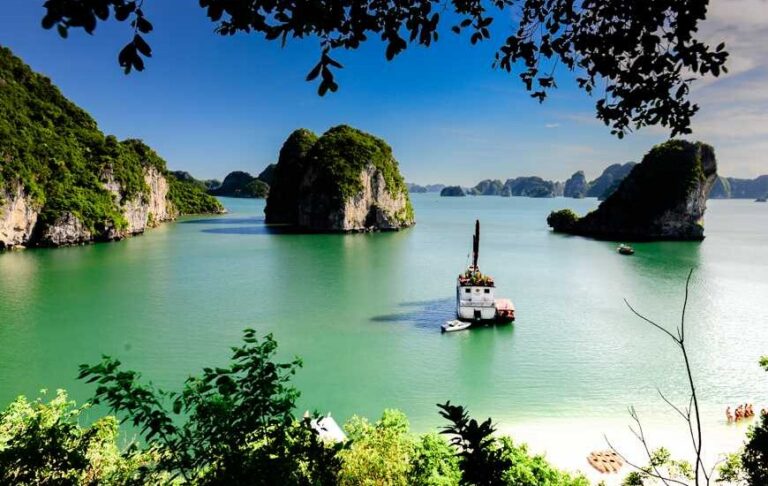
When planning a vacation across Vietnam, most international visitors begin with well-known destinations like Ha Long bay, Hoi An Ancient Town, and Ho Chi Minh City. However, choosing to explore the top 10 off-the-beaten track places in Vietnam introduces you to dramatic mountain passes, untouched cave complexes, and tranquil coastal towns. Below are ten exceptional destinations recommended by our local travel experts.
1. Ha Giang – Dramatic Mountains and Authentic Highland Culture
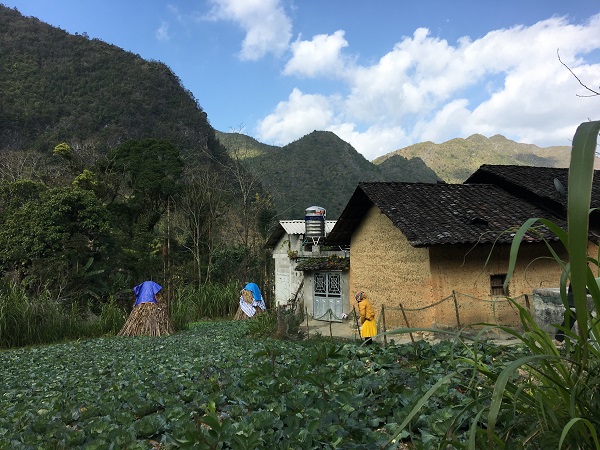
Located in Vietnam’s northernmost frontier, Ha Giang features towering limestone peaks, deep canyons, and vibrant ethnic minority markets. The Dong Van Karst Plateau UNESCO Global Geopark provides dramatic geological landscapes alongside the traditional cultures of the Hmong, Tay, and Dao communities.
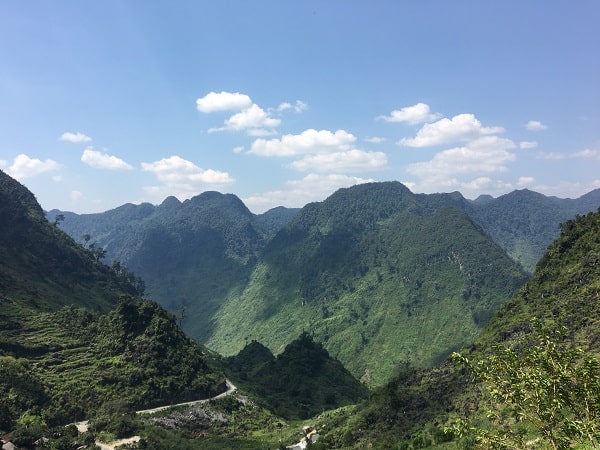
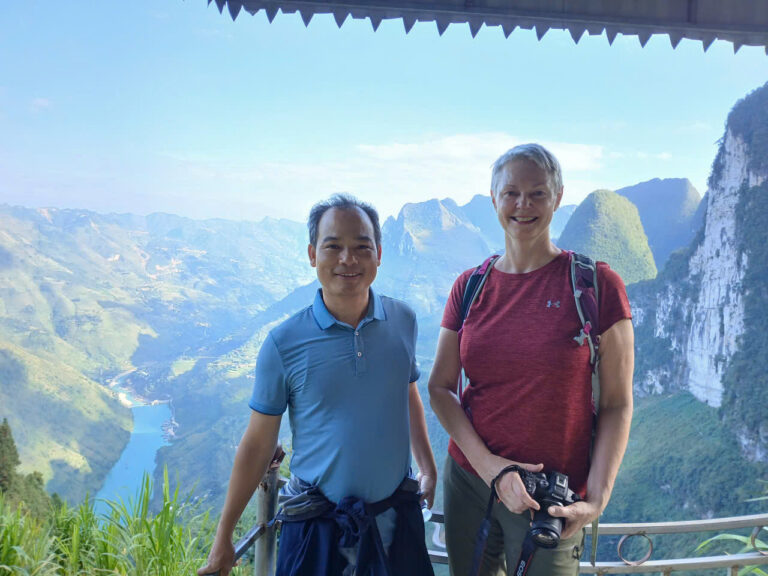
Traveling across the renowned Ma Pi Leng Pass overlooking the emerald Nho Que River is an extraordinary highlight for adventure travelers. We recommend hiring a private car with an experienced local driver to navigate these steep mountain passes safely while exploring remote villages at a relaxed pace.
2. Ba Be Lake – A Peaceful Escape Into Northern Vietnam
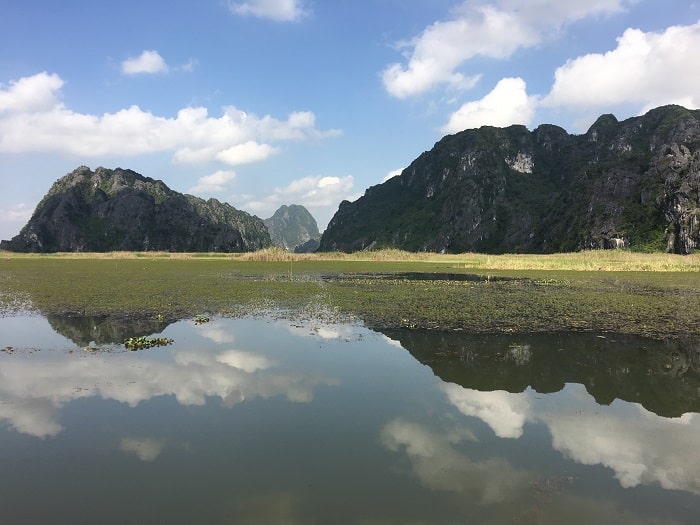
Situated within Bac Kan Province, Ba Be National Park protects Vietnam’s largest natural freshwater lake. Surrounded by dense tropical rainforests and jagged limestone towers, the lake offers quiet waters ideal for boat excursions and kayaking.
Visitors can stay in traditional wooden stilt houses in Pac Ngoi village, hosted by Tay ethnic families. Highlights include cruising the Nang River through the massive Puong Cave and trekking through primary forests to observe native bird species.
3. Cao Bang – Waterfalls, Mountains, and Ethnic Villages
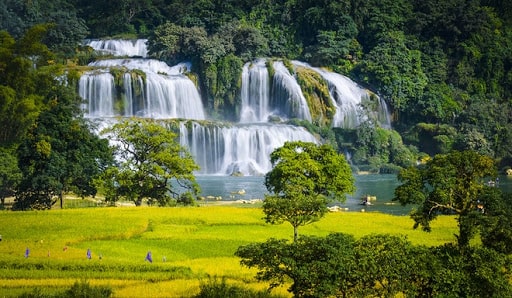
Bordering China in the northeast, Cao Bang showcases verdant valleys, peaceful rivers, and geological landmarks. The premier attraction is Ban Gioc Waterfall, one of the most magnificent multi-tiered waterfalls in Southeast Asia.
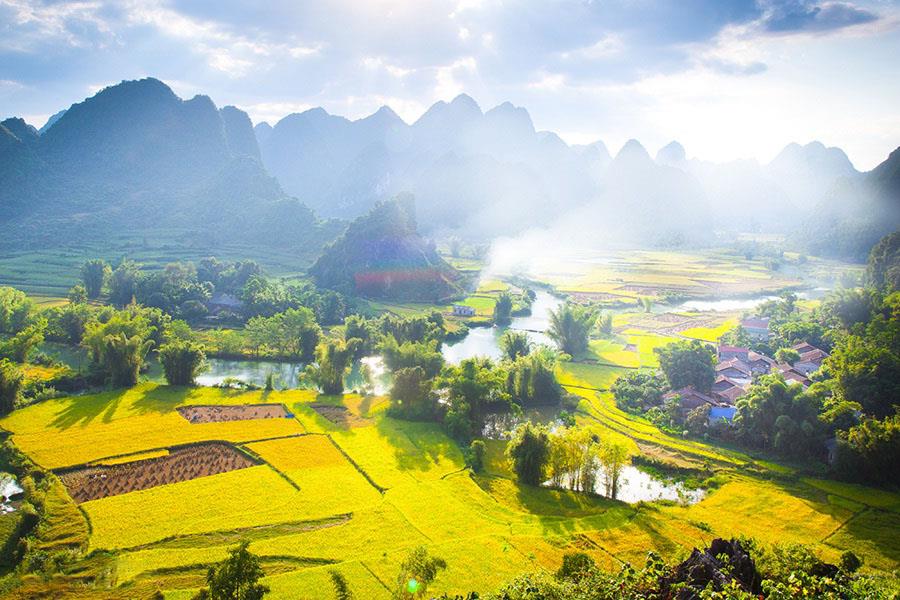
Beyond the falls, travelers can explore Nguom Ngao Cave with its massive stalactite chambers and visit the historical Pac Bo Cave where President Ho Chi Minh lived after returning to Vietnam in 1941. The region remains refreshingly peaceful and uncrowded throughout the year.
4. Pu Luong – Rice Terraces and Traditional Village Life
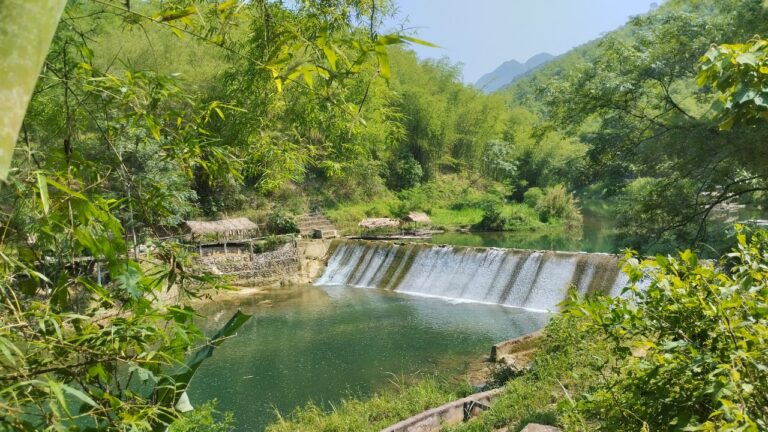
Located in Thanh Hoa Province, approximately 160 kilometers southwest of Hanoi, Pu Luong Nature Reserve is an ideal destination for nature lovers. The reserve features terraced rice fields, forested limestone ranges, and historic water wheels made from local bamboo.
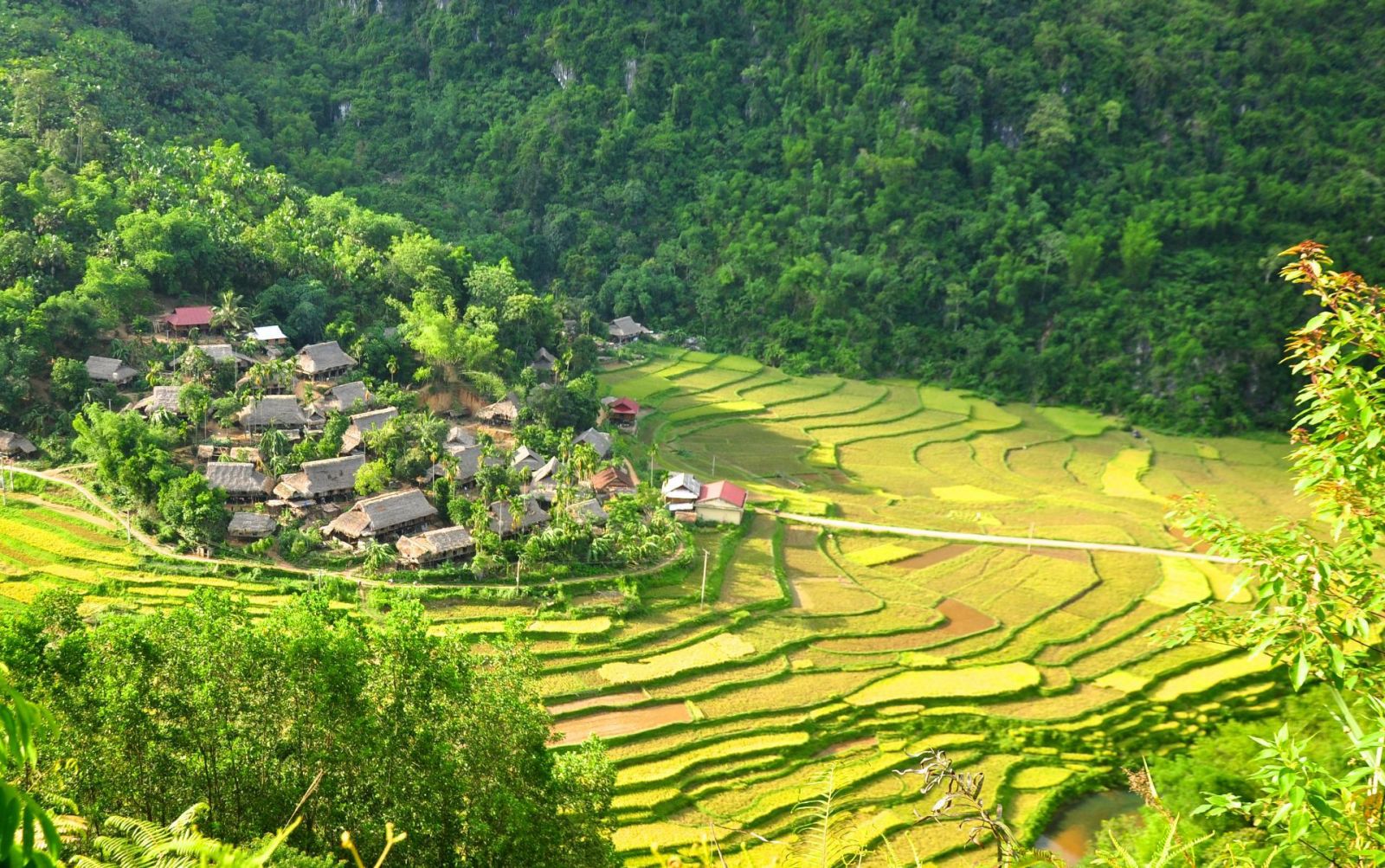
Pu Luong provides comfortable boutique ecolodges alongside authentic White Thai village homestays in Don and Kho Muong villages. Walking paths through the valley allow guests to explore rice fields and forest trails at an easy, enjoyable pace.
5. Na Hang – A Serene Mountain Landscape Away From the Crowds
Na Hang lake in Tuyen Quang Province remains one of northern Vietnam’s best-kept secrets. Often described as an inland bay, Na Hang features clear blue waters flanked by vertical limestone towers and dense primeval forests.
Boat tours navigate the peaceful reservoir toward Pac Ta Mountain and the confluence of the Gam and Nang Rivers. The area is home to the rare Tonkin snub-nosed monkey and offers tranquil trekking routes connecting Tay and Dao ethnic hamlets.
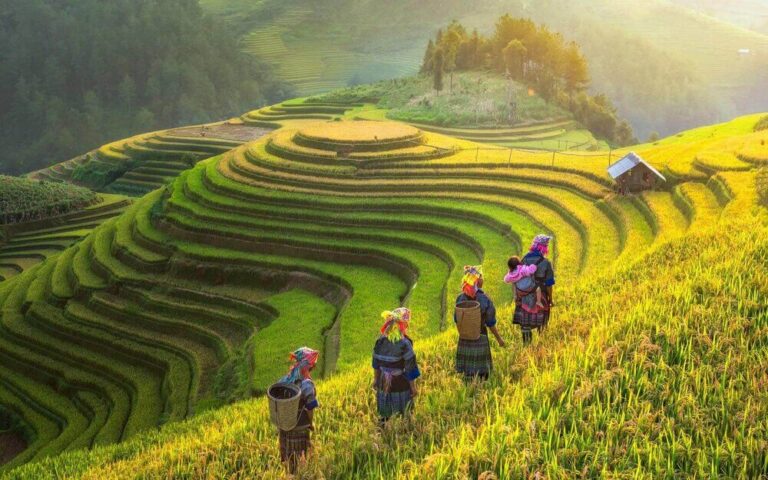
6. Mu Cang Chai – Spectacular Rice Terraces in Northern Vietnam
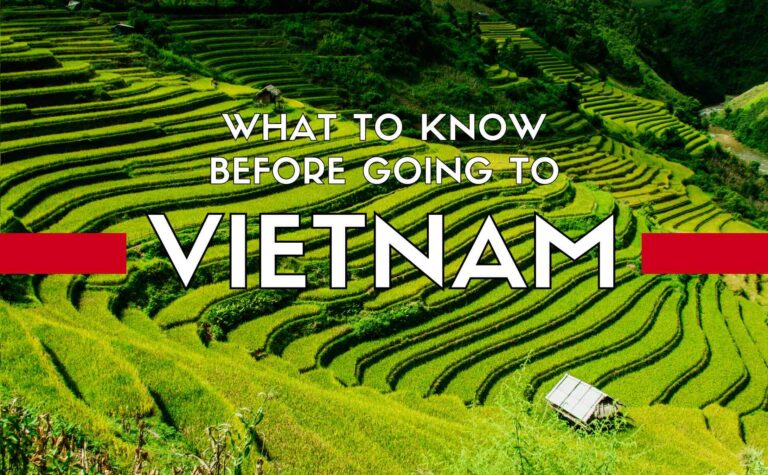
Situated along the slopes of the Hoang Lien Son mountain range in Yen Bai Province, Mu Cang Chai is famous for its hand-carved rice terraces. Recognized as a special national heritage site, these terraced hills display ingenious irrigation systems crafted over generations by Hmong farmers.
Crossing the scenic Khau Pha Pass leads to celebrated viewpoints in La Pan Tan, Che Cu Nha, and De Xu Phinh. Visiting during the watering season (May to June) or the golden harvest season (September to October) offers remarkable photographic opportunities without commercial clutter.
7. Quang Binh – Caves and Wild Landscapes Beyond the Tourist Trail
Quang Binh Province in north-central Vietnam is renowned for Phong Nha-Ke Bang National Park, A UNESCO World Heritage Site. Containing the oldest karst mountains in Asia, the park houses world-class underground cave systems, including Son Doong, Hang En, and the Tu Lan cave network.
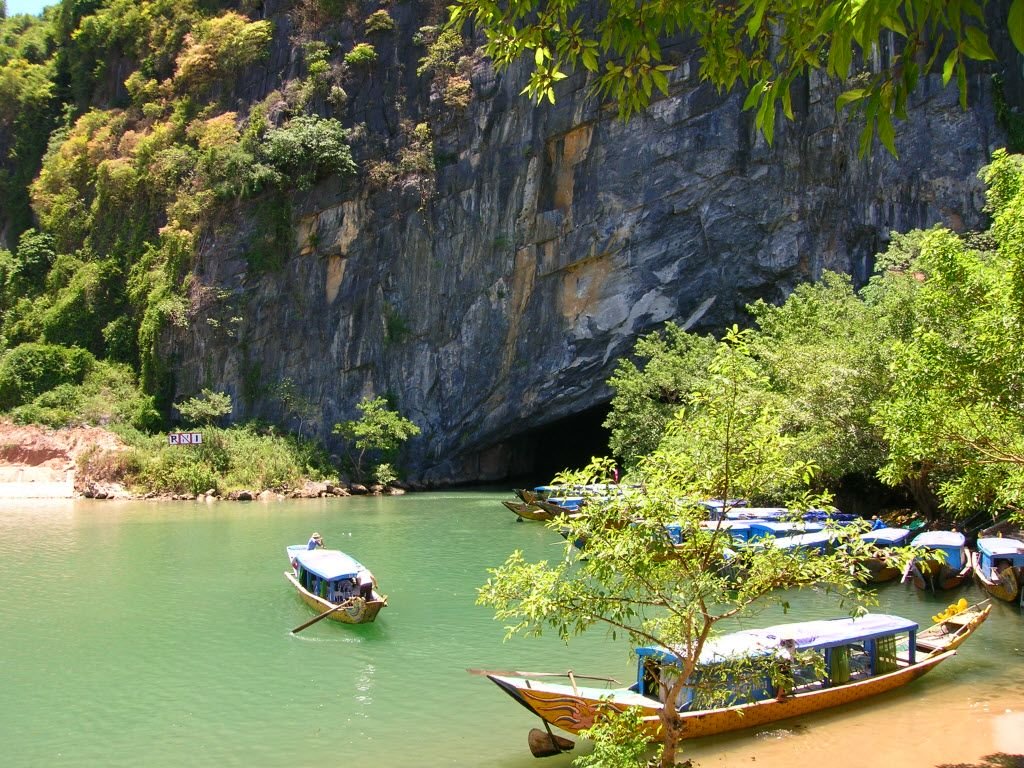
Beyond multi-day expedition caving, visitors can enjoy gentle river boating inside Phong Nha Cave, walk the wooden pathways of Paradise Cave, or kayak along the pristine Chay River. The surrounding countryside provides quiet rural roads lined with peanut farms and limestone peaks.
8. Quang Tri & The Central Highlands – History, Nature, and Authentic Culture
Central Vietnam offers deep historical significance and cultural diversity. Quang Tri Province preserves important historical locations along the former Demilitarized Zone (Vietnam DMZ), including the Vinh Moc Tunnels, Hien Luong Bridge, and the Truong Son mountain trails.
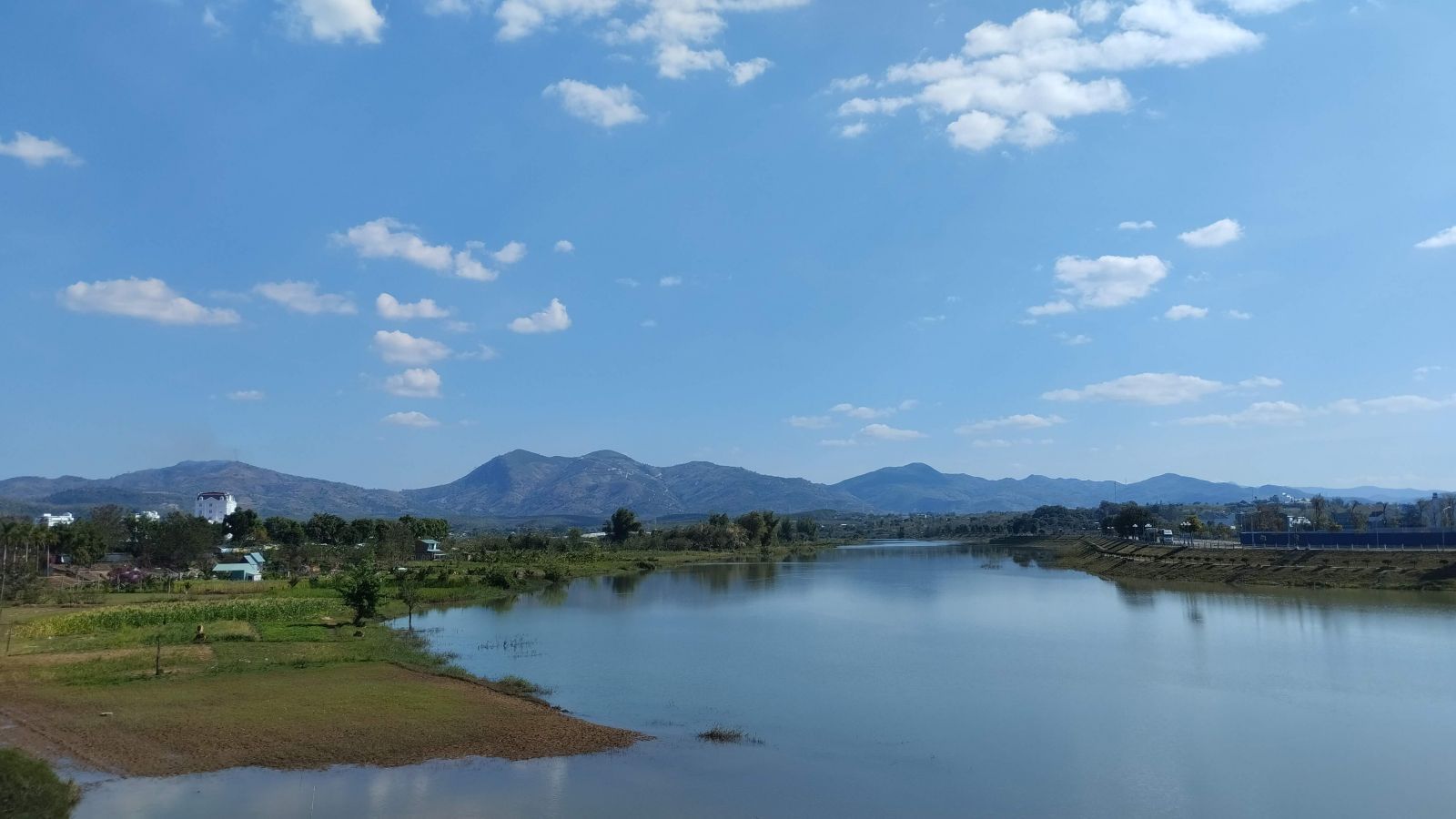
Further south in the Central Highlands, Buon Ma Thuot and Kon Tum showcase vast coffee plantations, traditional communal Rong houses, and the cultural customs of the Ede and Ba Na ethnic groups along the peaceful Dak Bla River.
9. Quy Nhon & Phu Yen – Quiet Beaches and Local Coastal Life
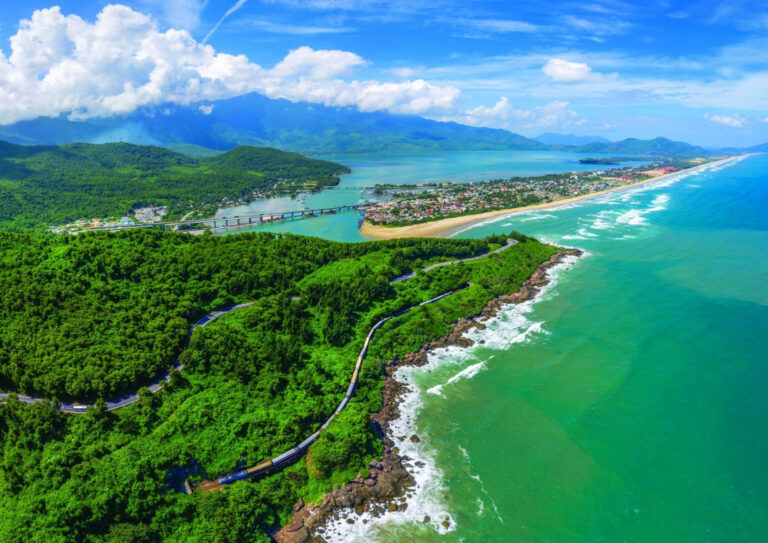
For travelers seeking peaceful coastal getaways, Quy Nhon in Binh Dinh Province and neighboring Phu Yen Province provide pristine sandy beaches and relaxed fishing ports. Unlike crowded beach resort hubs, these shores maintain clean coastlines and authentic seaside dining.
Must-see landmarks include the volcanic basalt columns of Ganh Da Dia, the calm waters of Ky Co Beach, and early morning views from Dai Lanh Cape, the easternmost mainland point of Vietnam.
10. Con Dao – Untouched Beaches and Island Adventures
The Con Dao Archipelago, located off the southern coast of Vietnam, comprises 16 isolated islands and islets. Protected within a national marine park, Con Dao features crystal-clear waters, vibrant coral reefs, and nesting grounds for endangered green sea turtles.
Along with peaceful beaches like Dam Trau and An Hai, the main island preserves significant colonial-era historical sites and the historic Con Dao Prison complex. This blend of untouched natural scenery and solemn history creates a memorable island retreat.
Fully Licensed Local Agency
Customized Vietnam Adventure Tours
Experience trekking, mountain road excursions, and cultural village homestays with our licensed local guides and dedicated 24/7 travel support team.
How to Choose the Right Hidden Gem in Vietnam?
Selecting the right destination depends on your personal interests, physical fitness, preferred pace of travel, and seasonal climate patterns across the country. Evaluating your travel goals in advance guarantees an enjoyable and well-organized holiday.
- Best Destinations for Mountains and Adventure : Travelers seeking active exploration, photography, and high-altitude scenery should prioritize Ha Giang, Mu Cang Chai, and Cao Bang. These northern provinces feature winding mountain roads, elevated viewpoints, and challenging hiking trails suited for adventure enthusiasts.
- Best Places for Nature and Wildlife : If your priority is lush greenery, national parks, and biodiversity, consider Ba Be Lake, Pu Luong Nature Reserve, and Phong Nha-Ke Bang National Park. These protected areas offer peaceful lake kayaking, cave discovery, and forest walks among diverse flora and fauna.
- Best Destinations for Beaches and Island Escapes : For relaxing beside uncrowded waters, Quy Nhon, Phu Yen, and the Con Dao Islands provide clean shorelines and high-quality seafood. These coastal areas present serene alternatives to heavily developed beach towns like Nha Trang or Da Nang.
- Best Places for Culture and Authentic Local Experiences : Foreign visitors wanting deep cultural immersion can choose traditional villages in Bac Son Valley, the Dong Van Plateau, and the Central Highlands. These destinations provide opportunities to observe traditional weaving, wooden architecture, and regional culinary customs firsthand.
When Is the Best Time to Visit Vietnam’s Hidden Gems?
Vietnam spans multiple climatic regions with varied seasonal weather patterns between the north, center, and south. Aligning your travel dates with regional dry seasons ensures optimal road conditions, clear views, and comfortable temperatures for outdoor exploration.
- Best Time to Explore Northern Vietnam : Northern mountain destinations such as Ha Giang, Cao Bang, Ba Be, and Mu Cang Chai are best visited from September to May. Autumn offers dry weather and golden terraced rice harvests, while spring brings blooming peach blossoms and pleasant trekking temperatures.
- Best Time to Visit Central Vietnam : Central regions including Quang Binh, Quang Tri, and Quy Nhon experience optimal weather from February to August. This dry season provides calm sea waters, sunny skies, and safe conditions for caving expeditions inside Phong Nha-Ke Bang.
- Best Time for Southern Islands and Coastal Destinations : The Con Dao Archipelago is best explored between November and April when dry, sunny weather prevails. For diving, snorkeling, and turtle nesting observations, the seas remain calmest from March through September.
| Region | Key Destinations | Recommended Months | Seasonal Weather Highlights |
|---|---|---|---|
| Northern Mountains | Ha Giang, Cao Bang, Mu Cang Chai, Ba Be | Sep – May | Cool air, minimal rainfall, golden rice harvests |
| North-Central Valleys | Pu Luong, Mai Chau | May – Jun & Sep – Oct | Pleasant valley breezes, ripe rice terraces |
| Central Region & Caves | Quang Binh, Quang Tri, Quy Nhon | Feb – Aug | Dry conditions, calm ocean waters, safe cave entry |
| Southern Islands | Con Dao Islands | Nov – Apr (Dry), Mar – Sep (Calm seas) | Clear underwater visibility, warm island weather |
How to Travel to Vietnam’s Lesser-Known Destinations?
Reaching remote regions requires thoughtful logistical coordination because public transit options are often limited or infrequent. Booking comfortable private transport and licensed guides ensures safe transfers across challenging mountain routes.
Getting Around by Private Car and Local Transport
Hiring a private car with a professional driver provides foreign travelers with safety, flexibility, and convenience. Mountain roads in Ha Giang and Cao Bang demand experienced driving skills, making private vehicle rentals far more reliable than self-driving or crowded local buses.
When to Take a Train, Bus, or Domestic Flight
Domestic flights connect major hubs to regional airports like Dong Hoi (for Quang Binh), Quy Nhon (Phu Cat Airport), and Con Dao Island. Overnight sleeper trains offer scenic connections along the central coastline, while private transfers remain the preferred option for mountainous northern circuits.
Why a Local Guide Can Make a Difference?
English is rarely spoken in remote highland villages. A licensed local guide bridges communication gaps, explains regional customs, assists with dietary requests, and introduces travelers directly to local families in a respectful manner.
What to Expect When Traveling Off the Beaten Path in Vietnam?
Visiting rural and lesser-traveled provinces offers rewarding cultural insights alongside modest infrastructure. Having realistic expectations regarding facilities, meals, and local interactions ensures a smooth and pleasant travel experience.
- Accommodation and Facilities : Accommodations range from comfortable boutique ecolodges with mountain views to traditional village homestays. While homestays provide simple amenities, our team selects partner properties featuring clean private bedding, hot water showers, and Western-style toilets.
- Language and Communication : English proficiency is limited outside major urban cities. Local residents are welcoming and hospitable, frequently using friendly gestures and translation apps to communicate with international visitors.
- Food, Markets, and Local Experiences : Rural dining features fresh, locally sourced ingredients prepared in traditional styles. Weekly highland markets serve as important social and economic gatherings where ethnic minority groups trade livestock, textiles, and farm produce.
- Responsible Travel in Rural Communities : Travelers are encouraged to practice sustainable habits by reducing single-use plastic, asking permission before taking close-up portraits, dressing modestly when visiting village homes or temples, and supporting local handicraft artisans.
Can You Combine Vietnam’s Hidden Gems With the Classic Highlights?
Combining iconic cultural sights with peaceful off-the-beaten-path locations creates a balanced, diverse holiday itinerary. Private customized tours allow you to enjoy major attractions like Hanoi or Halong Bay before retreating into quiet mountain valleys or remote coastal havens.
- Hidden Gems to Add to a Northern Vietnam Itinerary : Travelers visiting Hanoi and Ninh Binh can easily include a 2-day excursion to Pu Luong Nature Reserve or extend their journey northward into the rugged mountains of Ha Giang and Cao Bang for a complete northern circuit.
- Combining Nature, Culture, and Coastal Destinations : A central Vietnam itinerary can seamlessly connect the historic imperial monuments of Hue and the lantern-lit streets of Hoi An with the cave systems of Quang Binh and the tranquil beaches of Quy Nhon.
- Sample Routes for First-Time Travelers : A 10-day northern route could include Hanoi, Pu Luong, Ninh Binh, and a serene cruise in Bai Tu Long Bay. A 14-day grand itinerary can cover Hanoi, Ha Giang, Cao Bang, Hue, Hoi An, and finish with a quiet island stay in Con Dao.
Fully Licensed Local Agency
Tailor-Made Vietnam Tour Packages
Combine Vietnam’s famous cultural landmarks with quiet off-the-beaten-path regions through private, fully customizable tour itineraries designed for your schedule.
Common Mistakes & Our Practical Tips for Planning an Off-the-Beaten-Track Vietnam Adventure
Traveling to rural destinations requires specific preparation that differs from standard city sightseeing. Below are common traveler pitfalls along with practical guidance from our travel experts to keep your trip safe and enjoyable.
- Allow More Time for Remote Destinations: Mountain transit in northern provinces takes longer than flat highway driving. Plan for reasonable daily driving distances (under 180 km per day) to avoid long hours in transit and enjoy frequent scenic stops.
- Pack for Changing Weather and Road Conditions: Mountain temperatures drop quickly in the evening, and sudden showers can occur. Bring layered clothing, sturdy walking footwear, waterproof rain jackets, and essential personal medication.
- Keep Your Itinerary Flexible: Rural road conditions and mountain weather can change. Maintain a flexible schedule with buffer time for unexpected delays or spontaneous village visits.
- Respect Local Customs and Communities: Observe local etiquette by removing shoes before entering wooden stilt homes, dressing modestly in ethnic villages, and supporting local markets and family eateries directly.

Frequently Asked Questions (FAQs) About Hidden Gems in Vietnam
Here are answers to frequent questions from international travelers planning off-the-beaten-path journeys across Vietnam.
1. Are remote destinations in Vietnam safe for foreign families and solo travelers?
Yes, Vietnam is a safe travel destination. Remote communities are hospitable and peaceful. For mountain travel, booking a private vehicle with an experienced professional driver ensures reliable transit safety.
2. How many days should I allocate for visiting Vietnam’s off-the-beaten-path regions?
We suggest setting aside at least 3 to 5 days for northern mountain circuits like Ha Giang or Cao Bang, and 2 to 3 days for destinations such as Pu Luong or Ba Be Lake.
3. Do I need a private car or can I take public buses to remote areas?
While local buses run between provincial centers, private cars offer far superior comfort, safety on steep mountain roads, direct point-to-point transfers, and schedule flexibility for sightseeing.
4. What standard of accommodation is available in rural Vietnam?
Rural areas offer clean boutique ecolodges, 3 to 4-star regional resorts, and traditional wooden homestays equipped with private rooms, hot water showers, and Western-style bathrooms.
5. Can dietary preferences like vegetarian meals be accommodated in remote areas?
Yes, rural eateries and homestays prepare fresh vegetable, tofu, and rice dishes upon request. Having a private local tour guide ensures clear communication of your dietary requirements.
Final Thoughts on Vietnam’s Hidden Gems & Arrange Your Trip with Our Travel Experts
Exploring hidden gems in Vietnam provides a rewarding alternative to traditional sightseeing routes, connecting you directly with peaceful landscapes and indigenous cultures. Whether you are interested in customized Vietnam Adventure Tours or relaxing country retreats, our licensed team is ready to assist. Contact Golden Holiday Travel via WhatsApp +84.988451530 or email [email protected] to receive a personalized itinerary for your trip to Vietnam.
Note: The travel tips and recommendations shared in this guide have been carefully prepared by the local travel experts at Golden Holiday Travel. While every traveler is different, our team is always happy to provide personalized itinerary planning, destination advice, and one-on-one support to help you create the perfect Vietnam journey.








Write Comment