
Top 10 Delicious Hanoi Street Food Dishes You Shouldn’t Miss
Hanoi street food serves as at the heart of the capital’s culinary reputation, offering a balanced combination of fresh herbs, delicate broths, and a wonderful variety of textures in every bite. For international visitors planning their trips to Vietnam, learning what to eat and where to find traditional, safe food stalls is the key to an enjoyable stay.
With over 10 years of experience crafting tailor-made Vietnam travel itineraries as a fully licensed local operator, our team at Golden Holiday Travel provides practical insights based on direct, on-the-ground food inspections. This comprehensive guide outlines 10 must-try street food dishes in Hanoi along with local prices, hygiene safety standards, and dining customs to help you organize a safe and satisfying culinary exploration.
Why Hanoi Is Vietnam’s Street Food Capital?
Hanoi street food is known for its perfect balance of flavors, featuring fresh seasonal herbs, slow-simmered broths, and simple yet deeply satisfying recipes. Our local travel team have explored traditional food stalls throughout Hanoi’s Old Quarter to discover how these generations-old recipes continue to thrive today. Travelers can easily enjoy high-quality street meals for under $3 per serving while sitting on classic plastic stools along the sidewalks.

Fully Licensed Local Agency
Customized Northern Vietnam Tours
Discover the authentic flavors and cultural highlights of Hanoi, Halong Bay, Sapa, and beyond. Our local travel team specializes in crafting tailor-made itineraries with private transport, professional local guides, and comfortable accommodations to match your travel style.
The street food scene in Hanoi is not merely about quick meals; it is an active social custom that brings people together. Sidewalk stalls serve as communal dining areas where locals and visitors sit side-by-side to enjoy freshly prepared dishes. This social way allows travelers to observe daily routines and interact with residents in a warm, relaxed atmosphere.
What Makes Hanoi Street Food So Special?
The culinary identity of Hanoi relies on fresh, clean, and balanced flavors rather than heavy oils or strong spices. Unlike the sweeter dishes found in southern regions, northern preparations focus on savory depth created through slow-cooked bone broths and local herbs. This traditional methodology produces dishes that are light, comforting, and highly digestible for international visitors.
Local cooks prioritize the use of seasonal greens and aromatic ingredients to create a clean taste. Basil, perilla, mint, and coriander are served in large quantities alongside grilled proteins and warm noodles, allowing diners to adjust the flavor balance of their bowls. Every dish is seasoned with fresh lime, garlic vinegar, and fresh chilies available at the table, ensuring that each serving matches the personal taste of the diner.
A Blend of Tradition, Flavor, and Local Culture
Hanoi’s traditional cuisine has evolved over centuries, blending local culinary traditions with Chinese & French’s influences. These historical factors influenced the development of distinct culinary methods, such as baguette baking and slow-simmered beef bone reductions. Today, local families pass down these specialized recipes through generations, preserving the culinary identity of the capital.
Many food stalls in the historic center have occupied the same street corners for 50 years or more, using secret family recipes to prepare their broths and marinades. These multi-generational businesses form the backbone of the local economy and define the social character of each neighborhood. By dining at these stalls, travelers support the preservation of local food traditions.
What To Expect From Hanoi’s Street Food Scene
First-time visitors to Hanoi should expect active street corners, low plastic seating, and fast-paced service at local food stalls. Understanding these standard conditions helps travelers feel comfortable and secure while exploring the neighborhood alleys. Sidewalk dining is highly efficient, with most dishes prepared in under two minutes from the moment of ordering.
The environment is energetic, with the sound of motorbikes, the steam from large metal pots, and the aroma of charcoal-grilled meats filling the air. Stalls are small, typically consisting of a single cart and a few tables set against shopfront walls. Do not let the simple setup deter you; these humble venues serve superior quality food because they focus on fresh ingredients and rapid preparation.
Top 10 Delicious Street Food Dishes You Should Not Miss in Hanoi
This curated selection of Hanoi street food highlights 10 traditional dishes that represent the authentic culinary heritage of the capital. Our travel consultants have verified the quality, prices, and locations of these recommendations to support your self-guided exploration. From iconic soups to specialty grilled fish, these choices offer a complete overview of the local dining scene.
1. Pho – Vietnam’s Iconic Beef Noodle Soup
Pho serves as the national dish of Vietnam, with its clear, spiced broth and tender rice noodles representing the culinary soul of Hanoi. Our team recommends trying both beef and chicken Pho at established local restaurants to experience the depth of these traditional dishes. Average prices for a bowl range from 40,000 to 100,000 VND depending on the selected orders.
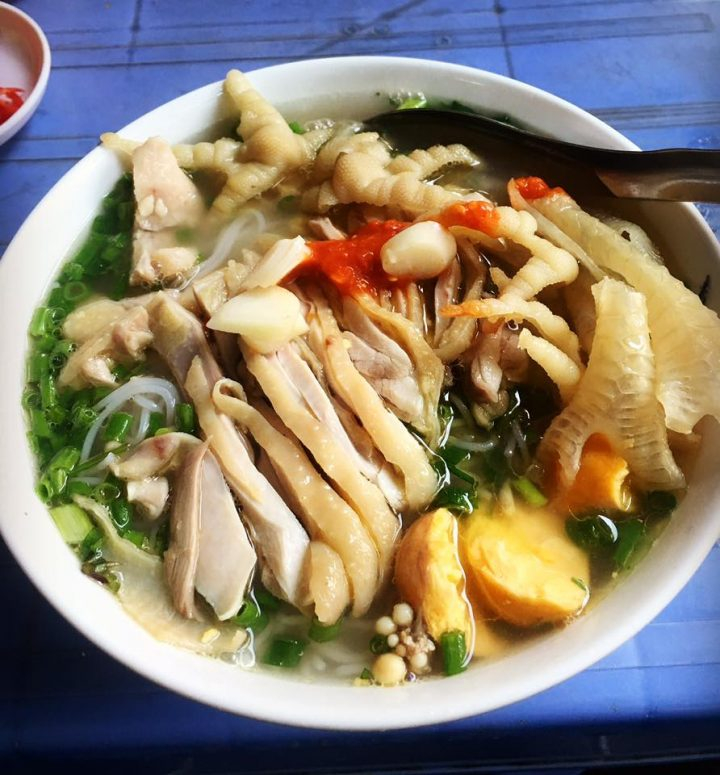
No exploration of the capital is complete without tasting Pho. This iconic noodle soup is built on a rich, aromatic broth that local cooks simmer for 8 to 10 hours using beef bones, star anise, cinnamon, cloves, ginger, and charred onions. The thin, flat rice noodles must be fresh and delicate, serving as the base for thin slices of beef (pho bo) or shredded chicken (pho ga). Green onions, cilantro, and sweet white onions are sprinkled on top before the boiling broth is ladled into the bowl.
Hanoians eat this dish for breakfast, but you can find it served throughout the day and late into the night. When eating beef noodle soup, you can select different cuts, such as rare beef (tai), fully cooked beef (chin), or flank (nam). For chicken noodle soup, local free-range chicken is preferred for its firm texture and flavorful skin.
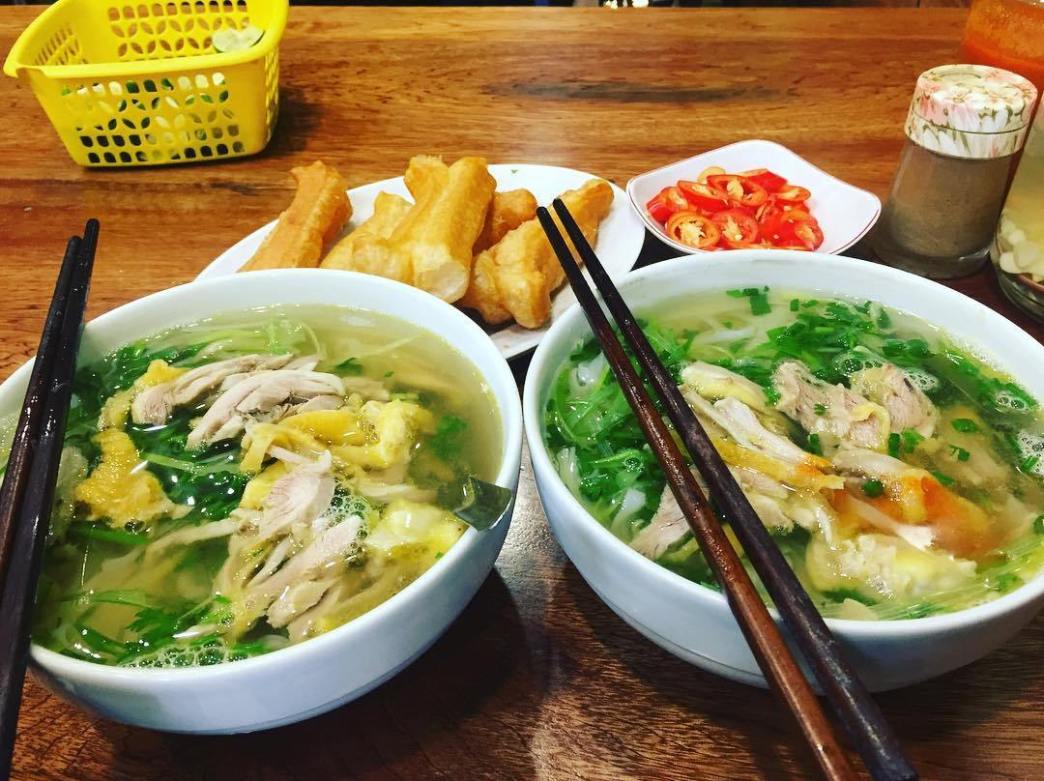
Recommended Venues for Chicken Noodle Soup in Hanoi:
- Pho Ga Ta Linh Phung: Located at 7 Dinh Liet in the Hanoi Old Quarter. Known for its flavorful free-range chicken. Open daily between 7:00 AM and 10:00 PM. Price ranges from 50,000 to 80,000 VND per bowl.
- Pho Ga Cham: Situated at 63 Yen Ninh Street. This spot is famous for its thick slices of chicken and rich broth. Open daily between 7:00 AM and 1:30 PM (or until sold out). Price ranges from 60,000 to 100,000 VND per serving.
- Pho Ga Ban: Located at 72 Ton Duc Thang Street in Dong Da District. Popular for its traditional chicken and optional offal additions. Open daily between 7:00 AM and 10:00 PM. Price starts at 40,000 VND per bowl.
Recommended Venues for Beef Noodle Soup in Hanoi:
- Pho Thin Lo Duc: Located at 13 Lo Duc Street, Hai Ba Trung District. Famous for stir-frying the beef with garlic before adding it to the broth, creating a distinct, rich flavor profile. Open daily between 6:00 AM and 8:30 PM. Price is 60,000 to 100,000 VND per person.
- Pho Suong: Located at 24B Trung Yen Alley, Dinh Liet Street. This long-running shop serves a clear, sweet beef broth. Open daily between 5:30 AM and 11:00 AM, and again between 4:30 PM and 9:30 PM. Price is 50,000 to 70,000 VND per bowl.
- Pho Vui: Located at 25 Hang Giay, Hoan Kiem District. A popular local brand specializing in various beef cuts, from rare fillets to tender brisket. Open daily between 7:00 AM and 10:00 PM. Price is 60,000 to 85,000 VND per bowl.
- Pho Nho: Located at 27A Huynh Thuc Khang, Dong Da District. Excellent for both traditional soup and stir-fried noodles. Open daily between 7:00 AM and 10:00 PM. Price is 50,000 VND for beef noodle soup and 60,000 VND for stir-fried noodles.
- Pho Ly Quoc Su: Located at 10 Ly Quoc Su, Hoan Kiem District. A reliable, well-known local brand with a highly satisfying broth. Open daily between 7:00 AM and 10:00 PM. Price ranges from 60,000 to 80,000 VND per bowl.
- Pho Gia Truyen Bat Dan: Located at 49 Bat Dan, Hoan Kiem District. Famous for its long morning queues of locals waiting for a classic, traditional recipe. Open daily between 6:30 AM and 10:30 PM. Price ranges from 70,000 to 90,000 VND per bowl.
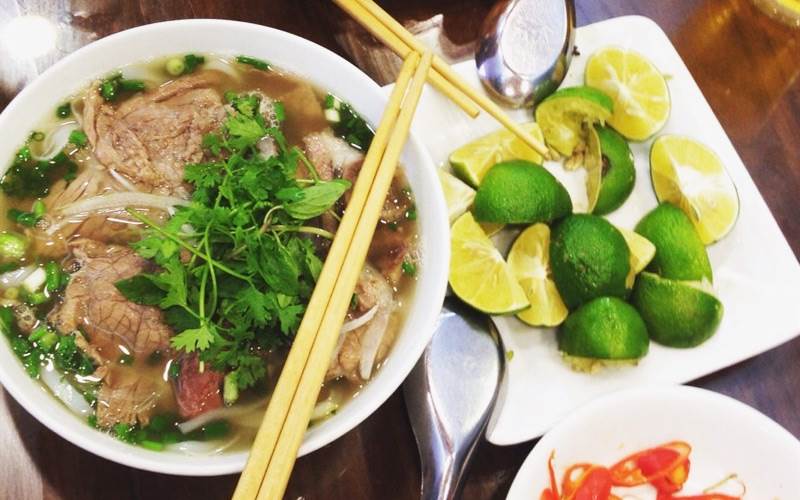
Recommended Venues for Rolled Noodle in Hanoi:
- Pho Cuon Hung Ben: Located at 33 Ngu Xa Street, Ba Dinh District near Truc Bach Lake. This dish features unsliced noodle sheets rolled around stir-fried beef, lettuce, and coriander, served with a light dipping sauce. Open daily between 7:00 AM and 10:00 PM. Price is 50,000 to 75,000 VND per portion.
2. Bun Cha – Grilled Pork with Vermicelli Noodles
Bun Cha is a signature lunchtime specialty consisting of charcoal-grilled pork patties and caramelized pork belly served in a warm, sweet-and-sour dipping broth. Accompanied by fresh rice vermicelli, crispy spring rolls, and a platter of herbs, this dish provides a balanced combination of smoky and fresh flavors. It gained global prominence following a historic visit by international food personalities.
This dish is a popular lunch option among Hanoi residents. The preparation begins with ground pork patties and sliced pork belly, which are marinated in fish sauce, sugar, garlic, and shallots before being grilled over hot charcoal. The smoky, caramelized meat is placed directly into a bowl of warm broth made from fish sauce, vinegar, sugar, and water, garnished with sliced green papaya and carrots.
To eat Bun Cha like a local, take a small portion of the fresh rice vermicelli (bun) with your chopsticks, dip it into the pork-infused broth, and gather it together with a piece of grilled meat and fresh herbs like perilla and lettuce. The contrasting temperatures of the warm broth and cold noodles, combined with the smoky meat and crisp herbs, create a highly satisfying flavor. Fried spring rolls (nem ran) are a common side order, adding a crunchy texture to the meal.
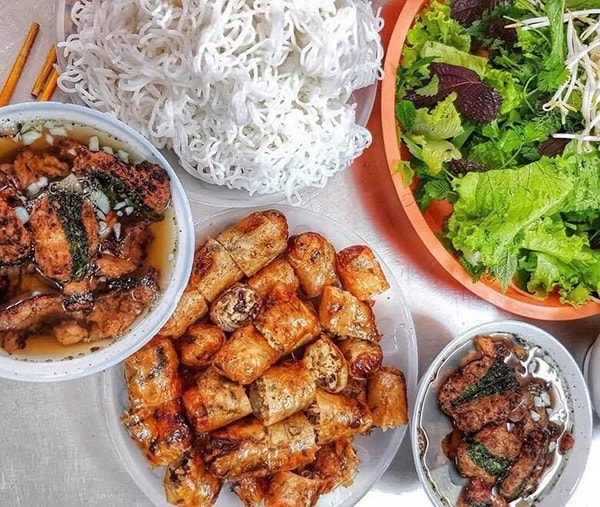
Recommended Venues for Bun Cha in Hanoi:
- Bun Cha Dac Kim: Located at 1 Hang Manh, Hoan Kiem District. Famous for its generous portions and crispy crab spring rolls. Open daily between 8:00 AM and 9:00 PM. Price ranges from 80,000 to 150,000 VND.
- Bun Cha Huong Lien: Located at 24 Le Van Huu Street, Hai Ba Trung District. Commonly known as Bun Cha Obama, where you can view the preserved table where the historic meal took place. Open daily between 8:00 AM and 9:00 PM. Price ranges from 60,000 to 120,000 VND.
- Bun Cha Tuyet: Located at 34 Hang Than Street. A local favorite offering a traditional and affordable taste. Open daily between 8:00 AM and 9:00 PM. Price ranges from 55,000 to 80,000 VND.
3. Banh Mi – Vietnam’s Legendary Sandwich
Banh Mi is a globally recognized street sandwich that combines French baking techniques with savory Vietnamese ingredients inside a warm, airy baguette. This portable meal features layers of pâté, cured meats, fresh herbs, pickled vegetables, and local sauces to create a distinct texture and flavor. A high-quality baguette is widely available across the historic center for 40,000 to 80,000 VND.
The story of the local baguette is a classic example of culinary adaptation. Introduced by the French during the colonial period, the traditional wheat baguette was modified by local bakers who added rice flour to the dough, making the crust lighter and the interior fluffier. This structural change allowed the bread to hold a rich combination of ingredients without becoming soggy.
A typical street baguette is sliced lengthwise and spread with a rich pork liver pâté and mayonnaise. It is then filled with various proteins, such as roast pork, headcheese, fried eggs, or barbecued beef. To balance the rich meats, cooks add crisp cucumber slices, fresh cilantro, and pickled carrots and daikon radish. A drizzle of savory soy sauce and a spread of spicy chili sauce complete the assembly.
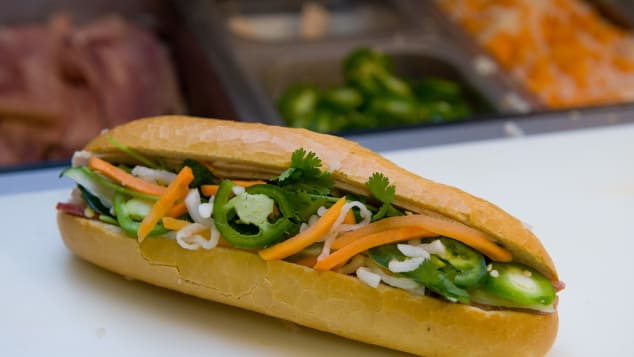
Recommended Venues for Banh Mi in Hanoi:
- Banh Mi 25: Located at 25 Hang Ca Street, Hoan Kiem District. Highly popular among international visitors for its wide selection of fresh fillings, including vegetarian options. Open daily between 7:00 AM and 7:00 PM. Price ranges from 40,000 to 80,000 VND.
- Banh Mi Tram: Located at 252 Cua Nam Street. Known for its distinct style of serving the ingredients in a savory gravy alongside a warm, crispy baguette. Open daily between 7:00 AM and 9:00 PM. Price ranges from 40,000 to 60,000 VND.
- Banh Mi Minh Nhat: Located at 3 Hang Khay Street, directly facing Hoan Kiem lake. A reliable modern chain serving traditional fillings. Open daily between 6:30 AM and 10:00 PM. Price ranges from 40,000 to 80,000 VND.
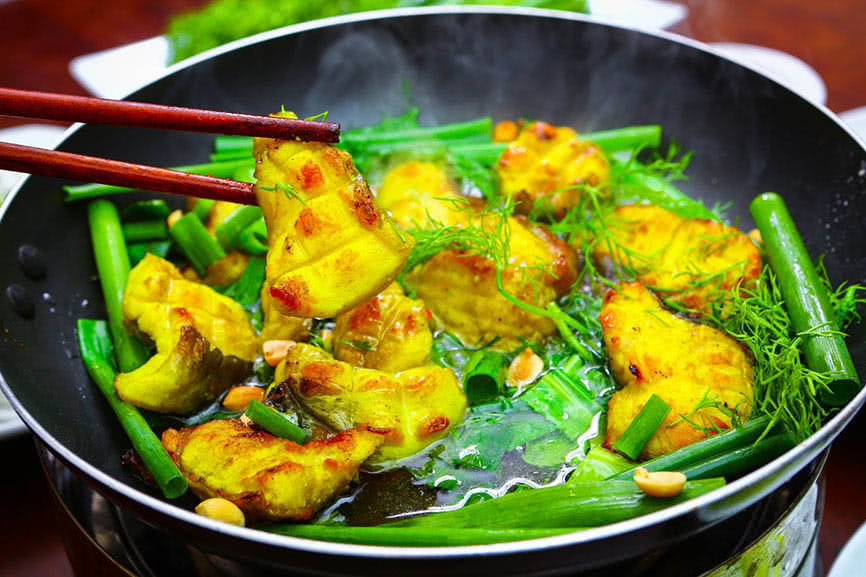
4. Cha Ca – Hanoi’s Famous Turmeric Fish
Cha Ca is a historic pan-fried fish dish marinated in turmeric and galangal, cooked at the table with fresh dill, green onions, and peanuts. Served over rice vermicelli with a side of savory fermented shrimp paste, this culinary preparation offers an engaging dining experience. It is so culturally significant that an entire street in the old center was renamed in its honor.
This specialty dates back over a century, originally prepared by the Doan family during the French colonial era. The family used to serve the dish to local patriots, and its popularity eventually led to the renaming of Hang Son (Paint Street) to Cha Ca Street. The dish is typically made from hemibagrus (ca lang), a freshwater catfish prized for its firm, boneless flesh and sweet taste.
The fish fillets are marinated in a mixture of turmeric, galangal, ginger, and garlic before being grilled over charcoal. When you order, a portable burner and a small skillet are placed at your table. The pre-cooked fish is fried in hot oil along with massive quantities of fresh dill and spring onions.
Recommended Venues for Cha Ca in Hanoi:
- Cha Ca La Vong: Located at 14 Cha Ca Street, Hoan Kiem District. This is the original historic restaurant managed by the Doan family. Open daily between 9:00 AM and 10:00 PM. Price is approximately 175,000 VND per portion.
- Cha Ca Thang Long: Located at 19, 21, and 23 Duong Thanh Street. Highly rated for its modern, clean environment and consistent food quality. Open daily between 9:00 AM and 10:00 PM. Price is approximately 150,000 VND per portion.
- Cha Ca Anh Vu: Located at 120 Giang Vo Street, Ba Dinh District. A popular local spot offering excellent value and prompt service. Open daily between 9:00 AM and 10:00 PM. Price is approximately 130,000 VND per portion.
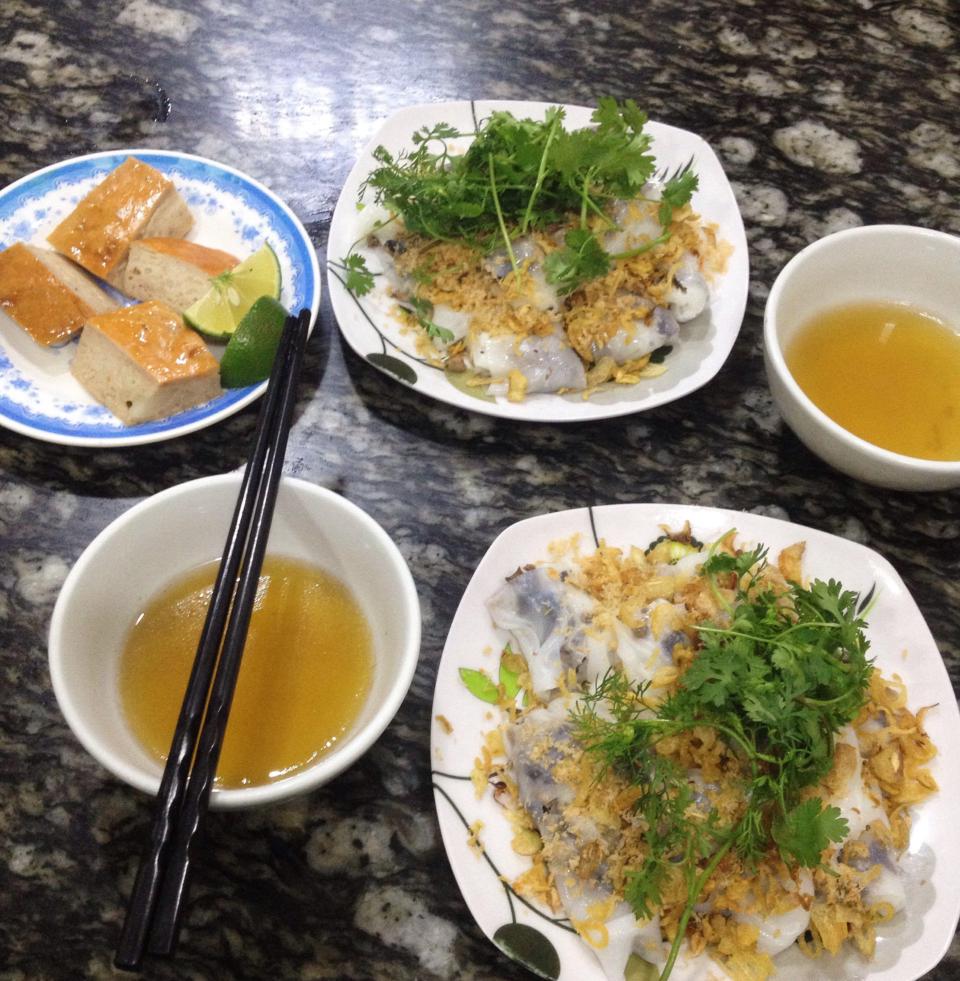
5. Banh Cuon – Delicate Steamed Rice Rolls
Banh Cuon is a light, savory breakfast dish consisting of thin sheets of steamed rice batter rolled around minced pork and wood ear mushrooms. Topped with crispy shallots and served with a balanced fish sauce dipping broth, this dish showcases the delicate culinary craftsmanship of Northern Vietnam. Travelers can enjoy a fresh, hot portion prepared to order for 40,000 to 60,000 VND.
The preparation of Banh Cuon is a specialized art that requires significant skill. The cook pours a thin ladle of fermented rice batter onto a tightly stretched piece of fabric placed over a pot of boiling water. The lid is closed for a few seconds to let the steam cook the sheet, which becomes incredibly thin and translucent. Using a long wooden stick, the cook lifts the delicate sheet and places it on a flat surface, filling it with seasoned minced pork and chopped wood ear mushrooms.
The roll is then folded and cut into bite-sized pieces, topped with fried shallots, and served hot. It is typically accompanied by a side of fresh coriander, mint, bean sprouts, and slices of Vietnamese pork sausage (gio lua). The dipping sauce, a warm mixture of fish sauce, lime juice, sugar, and water, ties all the elements together.
Recommended Venues for Banh Cuon in Hanoi:
- Banh Cuon Thanh Van: Located at 12-14 Hang Ga Street in the old city. Famous for its quick service and diverse fillings, including chicken and shrimp options. Open daily between 8:00 AM and 10:00 PM. Price ranges from 45,000 to 60,000 VND.
- Banh Cuon Ba Hoanh: Located at 66 To Hien Thanh Street, Hai Ba Trung District. Known for its thicker, rustic rice sheets and flavorful grilled pork additions. Open daily between 6:00 AM and 10:00 PM. Price ranges from 30,000 to 60,000 VND.
- Banh Cuon Ba Xuan: Located at 16 Hoe Nhai Street, Ba Dinh District. A long-running local favorite near the historic Dong Xuan market. Open daily between 6:00 AM and 10:00 PM. Price ranges from 30,000 to 50,000 VND.
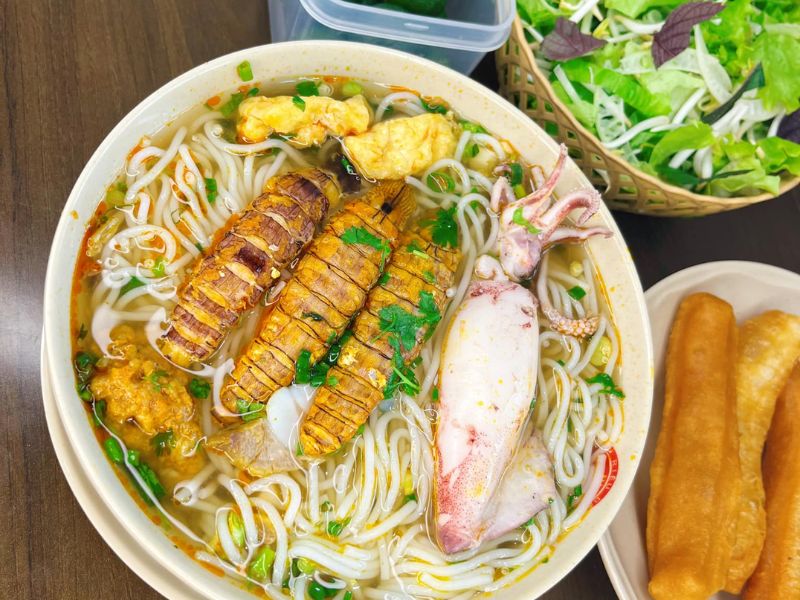
6. Bun Rieu – Tangy Crab Noodle Soup
Bun Rieu is a popular, tangy noodle soup made with fresh freshwater crab paste, tomatoes, tofu, and tamarind in a light pork broth. Garnished with shredded banana flowers, split water spinach, and fresh herbs, this dish offers a highly satisfying balance of sour and savory flavors. A hot bowl is a common sight during morning and late-afternoon dining hours across the old center.
This traditional soup showcases the rustic culinary heritage of Northern Vietnam’s agricultural communities. The broth is prepared by crushing small, freshwater paddy crabs to extract their juices, which are simmered with tomatoes, fried tofu, tamarind, and rice vinegar (dam bong). As the broth cooks, the crab paste coagulates into soft, flavorful clouds that float on the surface.
The soup is poured over round rice vermicelli noodles and topped with fried tofu, sliced green onions, and sometimes pork ribs, beef, or Vietnamese sausage. To enjoy this soup fully, diners add a spoonful of shrimp paste for depth, a squeeze of lime, and a large handful of fresh herbs, particularly shredded banana flower and perilla leaves. The contrast of the tart, tomato-infused broth with the sweet crab meat and crisp greens makes it a favored local alternative to beef noodle soup.
Recommended Venues for Bun Rieu in Hanoi:
- Bun Rieu Trang: Located at 23 Nguyen Sieu Street, Hoan Kiem District. A highly popular spot known for its rich, traditional crab flavor. Open daily between 6:00 AM and 2:00 PM. Price is approximately 40,000 to 60,000 VND per bowl.
- Bun Rieu Co Hoan: Located at 14 Hang Luoc Street, Hoan Kiem District. Famous for its generous toppings of beef and pork snail sausages. Open daily between 6:00 AM and 10:00 PM. Price ranges from 35,000 to 55,000 VND.
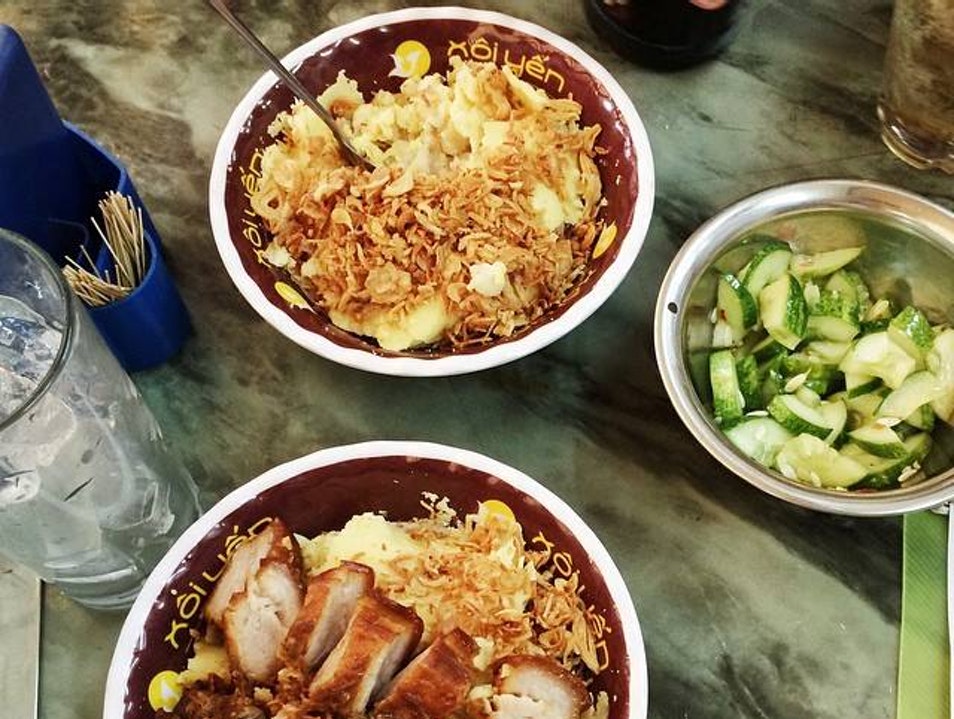
7. Xoi – Vietnamese Sticky Rice
Xoi is a filling, comforting dish made from steamed glutinous rice topped with savory ingredients such as shredded chicken, pork floss, fried shallots, and yellow mung bean paste. Commonly consumed as a hearty breakfast, this flexible dish can be customized with various meats, pâté, or eggs. The most famous local sticky rice venue in the old quarter serves hot bowls daily from early morning until late at night.
Glutinous rice is a dietary staple in Vietnam, and Xoi is the definitive way locals enjoy it on the move. The rice is soaked for several hours, often with turmeric to give it a bright yellow color, before being steamed in large bamboo baskets. There are both sweet and savory varieties, but the savory version (xoi man) is the most popular for main meals.
At a traditional sticky rice stall, the vendor scoops a hot portion of rice into a bowl, adds a thin layer of mashed mung bean paste, and adds your choice of savory toppings. These can include shredded boiled chicken, Chinese sweet sausage (lap xuong), pork floss (ruoc), fried eggs, slow-cooked pork belly, or creamy liver pâté. A spoonful of liquid pork fat and a handful of crispy fried shallots are added on top, creating a rich and satisfying combination of textures.
Recommended Venues for Sticky Rice in Hanoi:
- Xoi Yen: Located at 35 Nguyen Huu Huan Street, Hoan Kiem District. This is the most famous sticky rice establishment in the city, known for its rapid service and extensive menu of savory toppings. Open daily between 6:00 AM and 11:00 PM. Price ranges from 35,000 to 50,000 VND depending on the selected ingredients.
8. Nem Ran (Cha Gio) – Crispy Fried Spring Rolls
Nem Ran is a traditional fried roll made of minced pork, shrimp, wood ear mushrooms, noodles, and vegetables wrapped in thin rice paper. Deep-fried until golden and crispy, these rolls are served alongside fresh herbs and a sweet-and-sour dipping sauce. They are commonly enjoyed as a stand-alone snack or as an essential accompaniment to grilled pork vermicelli.
Fried spring rolls are a fundamental element of Vietnamese festive and street dining. The filling is a mixture of minced pork, finely chopped shrimp, noodles, wood ear mushrooms, bean sprouts, carrots, and onions, all bound together with raw eggs and seasoned with black pepper and fish sauce. This mixture is rolled inside a sheet of thin rice paper (banh da nem) that has been lightly moistened.
The rolls are double-fried in hot oil to make certain the exterior achieves a crisp texture while the interior remains moist and fully cooked. To enjoy Nem Ran like a local, wrap a hot roll in a fresh lettuce leaf along with mint and coriander, and dip it into a sweet, tangy fish sauce broth. This dipping sauce balances the rich, fried character of the roll, making it a satisfying addition to any local meal.
Recommended Venues for Nem Ran in Hanoi:
- Bun Cha Dac Kim: Located at 1 Hang Manh, Hoan Kiem District. Their large, crispy crab spring rolls (nem cua be) are highly rated. Open daily between 8:00 AM and 9:00 PM. Price is 25,000 to 40,000 VND per roll.
- Quan Nem: Located at 105K1 Giang Vo, Ba Dinh District. Highly regarded for its square crab spring rolls, prepared and cut directly at your table. Open daily between 10:00 AM and 10:00 PM. Price ranges from 50,000 to 80,000 VND per portion.
9. Banh Tom Ho Tay – West Lake Shrimp Cakes
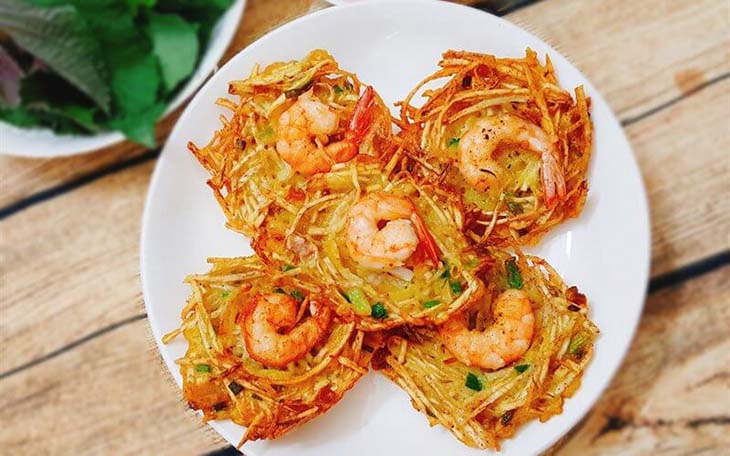
Banh Tom is a localized street specialty made of fresh shrimp placed on a sweet potato batter and deep-fried until crisp and golden. Served hot with fresh lettuce, herbs, and a light sweet-and-sour dipping sauce with pickled green papaya, this dish originates from the scenic shores of West Lake. A portion can be enjoyed at the historic lakeside restaurant for 80,000 to 120,000 VND.
Shrimp cakes became popular in the capital during the 1930s, when street vendors along the lakeside roads began selling deep-fried cakes using fresh shrimp caught directly from West Lake. The batter is made from flour and shredded sweet potato, which adds a subtle sweetness and a distinct crunch. A whole, unpeeled freshwater shrimp is placed on top of the batter before the cake is fried in hot oil.
The resulting cake features a red, crispy shrimp embedded in a golden, sweet potato nest. It is cut into pieces and wrapped in lettuce leaves along with fresh herbs like basil and mint, then dipped into a seasoned fish sauce broth. The crispy sweet potato, sweet shrimp, and fresh greens provide a highly satisfying combination of flavors that is best enjoyed during the late afternoon.
Recommended Venues for Banh Tom in Hanoi:
- West Lake Shrimp Cake Restaurant (Nha Hang Banh Tom Ho Tay): Located at 1 Thanh Nien Street, Tay Ho District. This is the historic lakeside establishment where the dish was first popularized. Open daily between 8:00 AM and 10:00 PM. Price ranges from 80,000 to 120,000 VND per person.
10. Egg Coffee – Hanoi’s Most Famous Drink
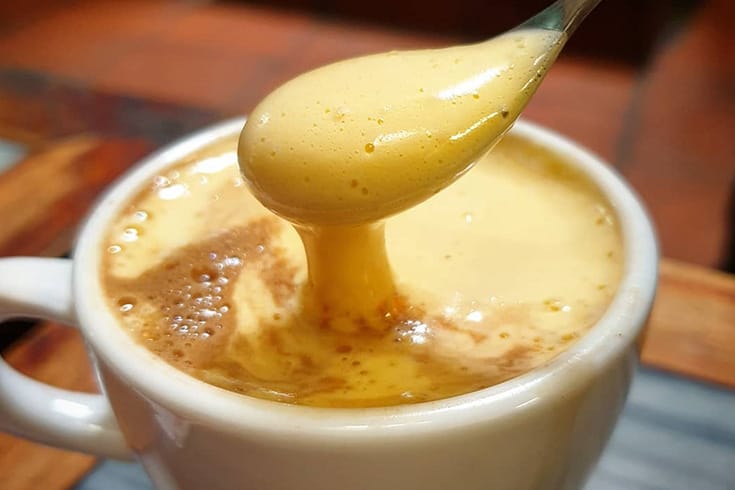
Egg Coffee is a sweet local beverage made by whipping raw egg yolks with sweetened condensed milk to create a rich, creamy custard layer over hot espresso. This signature drink was created in the capital during a historical dairy shortage and has since become a recognized symbol of the city’s coffee culture. Visitors can taste the original recipe at a historic hidden café in the old quarter.
The creation of Egg Coffee (Cafe Trung) is a testament to local resourcefulness. In 1946, during the First Indochina War, imported condensed milk was highly scarce in the capital. Mr. Nguyen Giang, a bartender at the historic Metropole Hotel, decided to whip raw chicken egg yolks with sugar and condensed milk as a replacement for milk foam, creating a rich, custard-like topping. The drink was a major success, leading him to open Giang Cafe, which remains active today.
The drink is served in a small cup placed in a bowl of warm water to maintain its temperature. The bottom layer consists of strong, dark Vietnamese robusta coffee, while the top is a thick, sweet, and airy egg foam that tastes like liquid tiramisu. To enjoy it, use a small spoon to taste the sweet cream layer first, then slowly stir the dark coffee from the bottom to create a balanced, rich drink.
Recommended Venues for Egg Coffee in Hanoi:
- Giang Cafe: Located at 39 Nguyen Huu Huan Street, Hoan Kiem District. This is the original birthplace of the drink, situated down a narrow alleyway. Open daily between 7:00 AM and 10:00 PM. Price is 20,000 to 35,000 VND per cup.
- Cafe Dinh: Located at 13 Dinh Liet, Hoan Kiem District. Run by the daughter of Mr. Nguyen Giang, this rustic second-floor café offers a slightly stronger coffee profile. Open daily between 7:00 AM and 10:00 PM. Price is 20,000 to 30,000 VND per cup.
Hanoi Street Food Quick Reference Matrix
| Dish Name | Key Ingredients | Suggested Venue | Average Price Range (VND) |
|---|---|---|---|
| Pho Bo / Ga | Rice noodles, beef/chicken broth, fresh herbs | Pho Gia Truyen Bat Dan | 60,000 – 80,000 |
| Bun Cha | Grilled pork patties, vermicelli, warm broth | Bun Cha Huong Lien | 60,000 – 80,000 |
| Banh Mi | Baguette, pâté, cold cuts, pickled vegetables | Banh Mi 25 | 45,000 – 60,000 |
| Cha Ca | Turmeric catfish, fresh dill, green onions | Cha Ca Thang Long | 150,000 – 200,000 |
| Banh Cuon | Steamed rice sheets, pork, mushrooms | Banh Cuon Thanh Van | 45,000 – 60,000 |
| Bun Rieu | Freshwater crab paste, tomatoes, tofu | Bun Rieu Trang | 45,000 – 60,000 |
| Xoi Yen | Steamed glutinous rice, chicken, shallots | Xoi Yen | 35,000 – 50,000 |
| Banh Tom | Shrimp, sweet potato batter, dipping sauce | Banh Tom Ho Tay | 80,000 – 120,000 |
| Egg Coffee | Robusta coffee, whipped egg yolk, milk | Giang Cafe | 35,000 – 55,000 |

Fully Licensed Local Agency
Private Vietnam Tour Packages
Experience the highlights of Vietnam on a fully customizable private tour package. Ranging from Northern scenic landscapes to Central cultural heritages and Southern delta tours, our custom designs adapt to your preferred pace. We guarantee safe drivers, responsive 24/7 client care, and licensed local experts to guide you.
Where to Find the Best Street Food in Hanoi
Finding authentic culinary spots in Hanoi requires knowing which neighborhoods specialize in specific traditional dishes. Our travel team has mapped out the primary districts where food safety, high quality, and historical recipes come together. These areas allow visitors to sample multiple classic preparations within walking distance.
Hanoi Old Quarter
The Hanoi Old Quarter is the primary culinary hub of the city, with its ancient lanes organized historically by trade guild specialties. It is the best place to find long-running family stalls serving beef noodle soup, baguettes, and delicate rice rolls. Walking through these alleys provides immediate access to some of the most famous food vendors in Vietnam.
With its narrow pathways and historical architecture, this area hosts hundreds of sidewalk stalls that have operated for generations. Streets like Hang Buom, Hang Giay, and Ly Quoc Su are known for their high concentration of food vendors. Because the shops are located close to one another, visitors can easily plan a self-guided food crawl, moving from a hot bowl of noodles to a crispy baguette within a single evening. Busy stalls usually serve a constant stream of customers, so ingredients are replaced frequently, helping keep the food fresh and safe.
Dong Xuan Market
Dong Xuan Market features a large, dedicated food alley that serves as a concentrated venue for traditional snacks, noodle soups, and sweet desserts. It is highly favored by local residents for its affordable prices and traditional flavors. This market is a recommended stop for travelers seeking a direct look at the city’s daily food culture.
The food section located on the western side of this historic market is filled with stalls serving dishes like snail noodle soup (bun oc), shrimp cakes, and sweet soup desserts (che). It is busiest during the middle of the day when market traders and local shoppers gather for lunch. The seating is highly communal, with diners sharing wooden benches in front of active cooking stations, providing a traditional slice of local market life.
Ta Hien Street
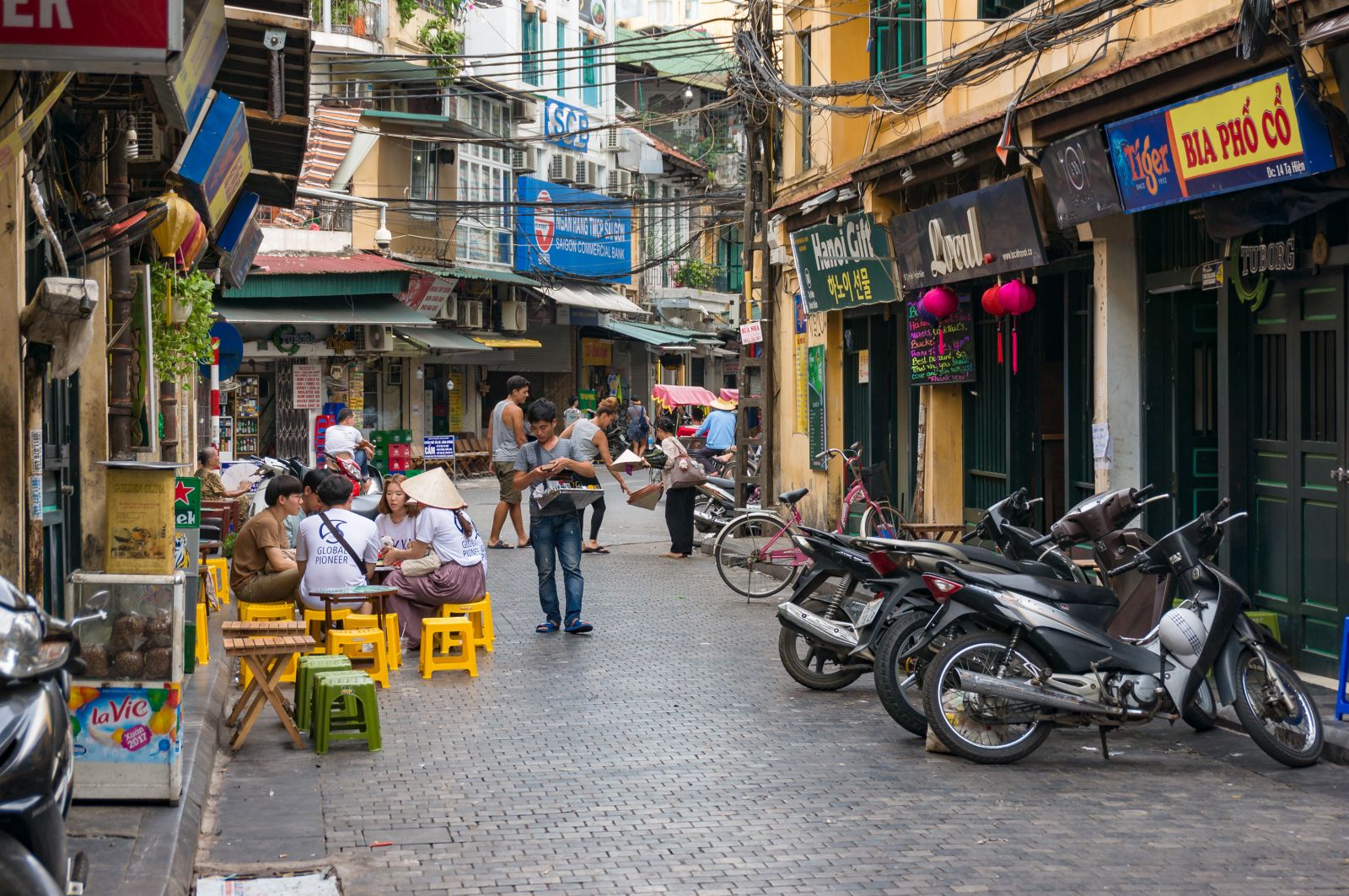
Ta Hien Street is the nightlife center of the historic quarter, famous for its draft beer, grilled skewered meats, and active sidewalk social scene. It is a popular evening destination where travelers and young locals gather to socialize over shared plates. Sidewalk dining here continues late into the night, making it an excellent spot for evening snacks.
Often called “Beer Street,” this avenue comes alive after sunset when the road is closed to motorized vehicles and tables are set out along the pavement. The local draft beer (bia hoi) is brewed fresh daily and served cold for a very low cost. It is traditionally paired with street snacks like fried fermented pork rolls (nem chua ran), grilled squids, and seasoned French fries.
Hoan Kiem Lake Area
The streets surrounding Hoan Kiem lake are excellent for enjoying street treats like dry beef salad, ice cream, and modern snacks in a more relaxed setting. It is a highly scenic location, particularly on weekends when the surrounding roads become a pedestrian-only zone. Visitors can enjoy their food while walking along the historic lakeside paths.
This central area offers a pleasant dining environment, especially during the weekend walking street events. Streets like Dinh Tien Hoang and Trang Tien are famous for their sweet options, particularly the historic Trang Tien ice cream shop, which has served locals since the mid-twentieth century. Nearby alleys also host popular stalls specializing in green papaya salad with dried beef (nom bo kho), a sweet and tangy snack favored by local students.
West Lake Food Spots
West Lake offers a scenic dining environment focused on seafood specialties, freshwater snail dishes, and the city’s historic shrimp cakes. It is situated slightly north of the historical center, providing a quieter escape from the dense Old Quarter. The lakeside avenues are highly favored for late-afternoon dining as the sun sets over the water.
The shoreline of West Lake (Ho Tay), particularly along Thanh Nien Road, is famous for seafood dining. Here, travelers can enjoy dishes like steamed snails with lemongrass, grilled fish, and West Lake shrimp cakes. The open-air restaurants provide a cooler breeze and a spacious layout compared to the narrow lanes of the historic quarter, making it an ideal destination for a relaxed dinner after a day of sightseeing.
How Much Does Street Food Cost in Hanoi?
Street food in the capital remains exceptionally affordable, allowing travelers to enjoy a full variety of dishes without exceeding their budget. Understanding standard local pricing structures helps visitors avoid overpaying and plan their daily cash requirements. Most traditional street meals cost between $2.00 and $4.00 per portion.
Average Prices for Popular Dishes
A standard plate of grilled pork typically costs between 45,000 and 80,000 VND at local street stalls. Specialty items like turmeric-grilled fish are more expensive but still represent excellent value compared to sit-down restaurants. Knowing these average figures helps you identify fair-market prices during your culinary walks.
A bowl of traditional noodle soup (Pho) is usually priced between 55,000 and 70,000 VND. A full serving of grilled pork with noodles (Bun Cha) ranges from 45,000 to 80,000 VND. Sandwiches (Banh Mi) are highly budget-friendly, starting at 30,000 VND and rarely exceeding 50,000 VND. Sweets and beverages, such as traditional egg coffee, cost around 35,000 to 50,000 VND per serving. These low costs mean that a daily food budget of $10 to $15 is more than sufficient to cover three substantial street meals and drinks.
Cash or Card?
Street food vendors in Hanoi operate almost exclusively on cash transactions, making it necessary to carry small denominations of Vietnamese Dong. Credit cards are not accepted at sidewalk stalls or small neighborhood markets. Our team recommends preparing loose bills to ensure smooth transactions with local vendors.
While modern restaurants and hotels in Vietnam widely accept international credit cards, street food stalls rely on cash. Vendors often do not have card terminals or reliable internet connections to process digital payments. Additionally, carrying large bills like 500,000 VND can be difficult for small vendors who may not have enough change. We recommend keeping a supply of smaller notes, such as 10,000, 20,000, and 50,000 VND, in a secure pocket for quick payments.
Budget Tips for Food Lovers
Travelers can maximize their culinary budget by dining at stalls that clearly display their prices on printed menus or wall-mounted signs. Avoiding prime tourist lanes and walking a few blocks into residential alleys often reveals superior food at lower prices. Joining a guided walk can also help you discover high-value spots that are difficult to locate independently.
Look for venues where prices are clearly listed to prevent any misunderstandings when it is time to pay. If a stall has no visible prices, ask “bao nhieu tien?” (how much?) before you sit down to dine. Observing where local office workers and families gather during peak hours is another reliable way to find high-quality, reasonably priced food.
Is Hanoi Street Food Safe for Tourists?
Hygiene and food safety are common concerns for international visitors exploring the local sidewalk dining scene. By following basic selection guidelines and understanding how local vendors operate, travelers can significantly minimize the risk of digestive issues. Sidewalk food in Hanoi is often fresher than restaurant food due to high turnover rates.
How to Choose Clean Food Stalls?
Selecting a clean street stall involves observing the volume of local customers and checking the cleanliness of the food preparation area. High customer turnover guarantees that raw ingredients do not sit in the open for extended periods. Our local experts recommend prioritizing stalls that focus on preparing a single specialty dish.
The most reliable safety indicator is the popularity of the stall among local residents. A food stand filled with Vietnamese families and office workers is a clear sign that the food is fresh and prepared to a safe standard. Examine the food display area; ingredients should be kept behind glass screens to protect them from street dust and insects. Additionally, stalls that specialize in a single dish are generally safer because the cooks have perfected their preparation methods and manage their inventory daily.
Food Safety Tips
Simple habits like consuming fully cooked meals, drinking bottled water, and using clean utensils can protect your digestive health during your trip. Travelers should avoid raw vegetables unless they are washed in treated water or served in hot broths. Keeping hand sanitizer with you is another traditional practice.
Always make certain that hot dishes like noodle soups or fried cakes are served steaming hot. If you are ordering meats, they should be grilled or cooked to order in front of you. Avoid tap water and instead consume bottled water or canned drinks, ensuring the seal is intact. When using chopsticks and spoons at the table, wipe them with a clean dry tissue before eating, as is the custom among locals.
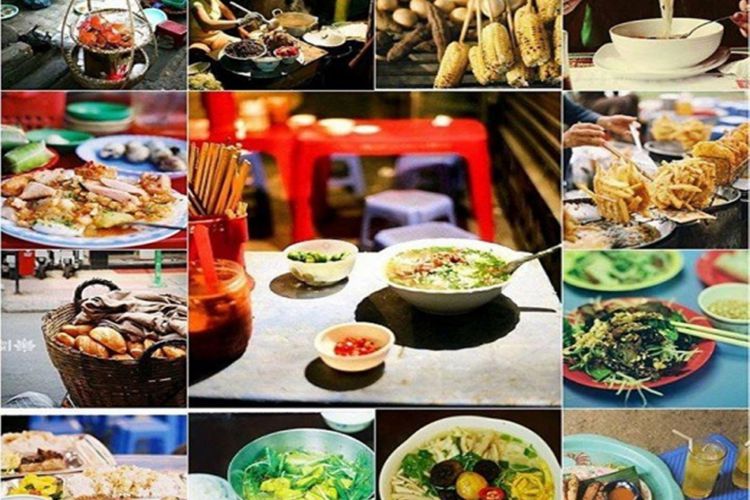
Local Etiquette When Enjoying Street Food in Hanoi
Understanding basic dining customs and social expectations helps travelers interact respectfully with local stall owners and fellow diners. Hanoi’s street food culture is informal but guided by traditional values of respect, cleanliness, and community sharing. Following these simple practices will make your dining interactions smooth and enjoyable.
Ordering Like a Local
Ordering at a sidewalk stall is traditionally direct, often requiring you to point to the desired ingredients or state the name of the single dish served. Payment is usually settled at the end of the meal, although some busy spots collect money immediately upon serving. A polite nod and basic Vietnamese phrases are highly appreciated by local cooks.
When you arrive at a busy stall, catch the eye of the vendor or server, state the number of portions you want, and find a seat. If there is no printed menu, pointing to what other diners are eating is a universally accepted method of ordering. To show politeness, use both hands when handing money to the vendor, and say “cam on” (thank you) when your food is delivered.
Sharing Tables with Strangers
Because sidewalk dining space is highly limited, sharing small wooden or plastic tables with other customers is a standard practice in Hanoi. This arrangement is casual, and diners typically focus on their own meals rather than engaging in lengthy conversations. Respecting the personal space of others in these tight seating arrangements is highly valued.
Do not be surprised if a server directs you to sit at a table that is already occupied by strangers. Simply offer a friendly nod as you sit down. Keep your belongings, such as backpacks or cameras, tucked close to your stool rather than placing them on adjacent seating, to make room for other customers. This communal approach to dining is part of what makes the street food scene in Hanoi efficient and social.
Using Chopsticks and Condiments
Using chopsticks and spoons correctly, along with handling table condiments properly, is an important part of local dining etiquette. Table setups usually include containers of garlic vinegar, chili sauce, fresh limes, and toothpicks for diners to customize their meals. Following local practices when using these items shows respect for the culinary preparation.
When you receive your chopsticks, avoid sticking them vertically into your bowl of rice or noodles, as this gesture resembles burning incense sticks for the deceased and is considered bad luck. Instead, rest your chopsticks across the rim of the bowl or on a provided chopstick rest. When using condiments, use the provided clean spoons rather than your personal utensils to keep the containers sanitary for others.
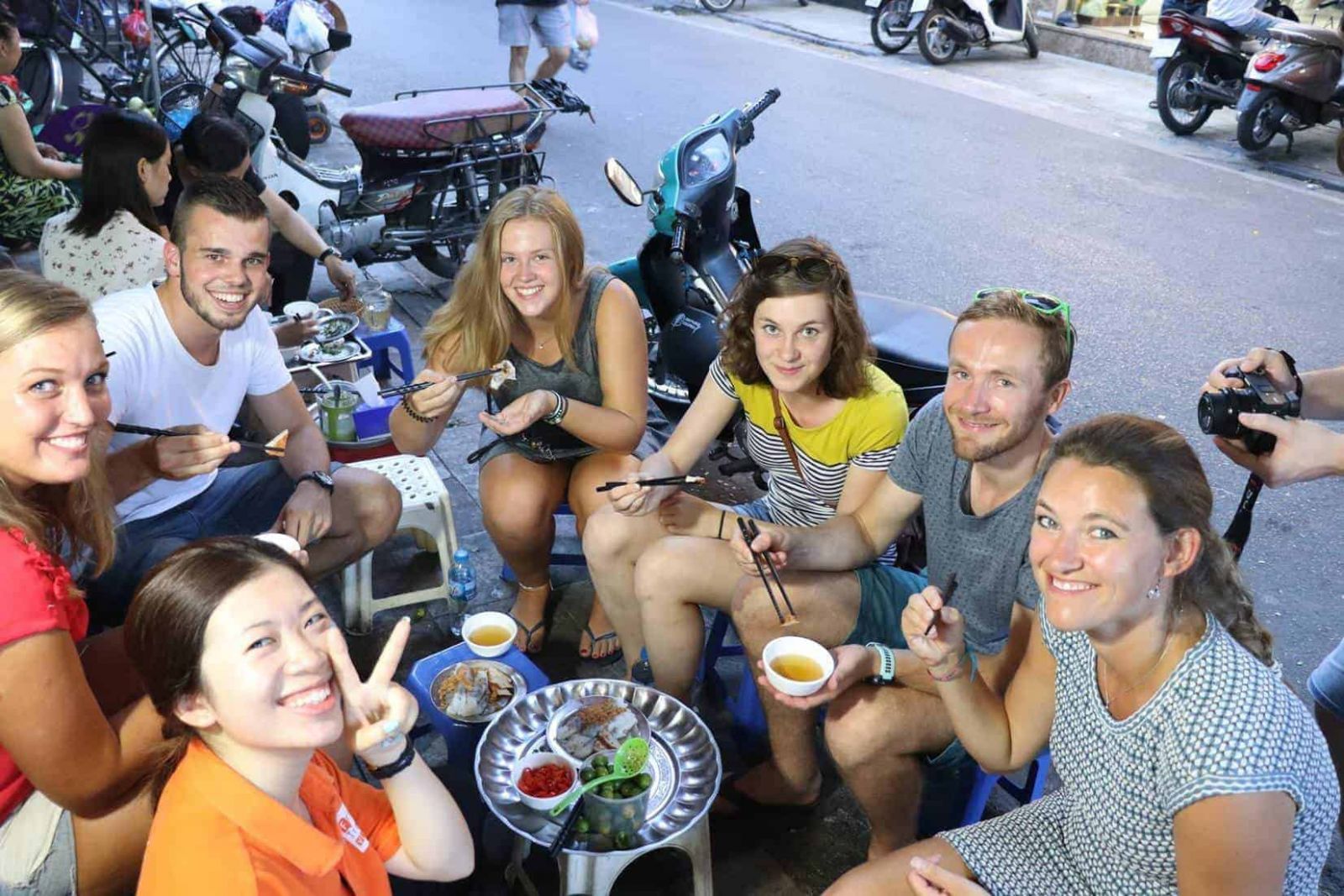
Should You Join a Hanoi Street Food Tour?
Deciding whether to explore the street food scene independently or with a guided group depends on your comfort level, budget, and travel goals. A guided walk provides immediate access to hidden locations and historical context while helping you avoid language barriers. Independent exploration offers complete flexibility for travelers who enjoy discovering spots on their own.
Benefits of Exploring with a Local Guide
Joining a guided food walk led by a local travel expert offers deep insights into the history, ingredients, and cultural background of each traditional dish. Guides can communicate specialized dietary preferences, locate hidden alleyway stalls, and ensure a high standard of food hygiene. This option is highly recommended for first-time visitors seeking a structured introduction.
A local guide acts as a bridge between you and the neighborhood cooks, translating complex ingredient lists and explaining the culinary methods behind each preparation. They know which stalls maintain the highest hygiene standards and which family-run venues serve the most authentic versions of lesser-known dishes. This professional support helps remove the anxiety of ordering in a foreign language and guarantees a safe, educational, and satisfying experience.
Self-Guided vs. Guided Food Tours
While a self-guided walk offers complete control over your schedule and food choices, a guided tour saves planning time and covers more culinary ground efficiently. Guided options typically include all food tastings, beverages, and historical commentary within a fixed price. Comparing these approaches helps you select the ideal option for your stay.
With a self-guided walk, you are free to linger at a favorite café or skip dishes that do not appeal to your palate. However, you may spend significant time finding specific stalls and dealing with language barriers. A guided tour structured by a licensed operator like Golden Holiday Travel organizes the evening itinerary to maximize variety, ensuring you taste a balanced selection of savory, sweet, and traditional dishes in a single outing.
Fully Licensed Local Agency
Private Hanoi Street Food Tour
Discover the authentic flavors of Hanoi on a private street food tour, tasting local specialties while exploring the city’s hidden alleys with your expert local guide.
What to Expect on a Food Tour?
A standard walking food tour in Hanoi lasts approximately three hours, covering 7 to 8 distinct food stops within the historic Old Quarter. Participants should prepare for a moderate amount of walking along active sidewalks and narrow residential alleyways. Tours are typically conducted in small groups to maintain an intimate and interactive experience.
Most evening food tours begin around 5:30 PM or 6:00 PM when the street stalls are fully active. Your guide will lead you through a series of stops, introducing you to dishes ranging from light rice rolls to hearty noodle soups, and finishing with a sweet local dessert or egg coffee. The pace is relaxed, with brief walks between locations to allow your food to digest, making it an enjoyable social activity for solo travelers, couples, and families alike.
Guided Food Tour vs. Self-Guided Exploration
| Feature | Guided Food Tour | Self-Guided (DIY) |
|---|---|---|
| Navigation & Location Finding | Led by an experienced local guide who knows hidden alleyways. | Requires manual map reading and search time. |
| Language & Customization | Guide translates dietary requirements and explains ingredients. | Relies on translation apps and basic hand gestures. |
| Food Safety & Hygiene Verification | Stalls are pre-vetted for clean preparation and high water quality. | Diner must inspect and evaluate stalls independently. |
| Average Cost | All-inclusive flat fee (usually $25 to $40 per person). | Pay-as-you-go based on individual orders (usually $10 to $15). |
Common Mistakes First-Time Visitors Should Avoid & Our Local Tips
Avoiding frequent tourist mistakes and adopting local dining habits can greatly improve your culinary experiences in the capital. Our experienced travel support team has compiled these practical recommendations based on feedback from thousands of travelers. Following these guidelines helps guarantee a smooth, safe, and satisfying trip.
When exploring the sidewalk food culture, travelers often encounter small challenges that are easily resolved with preparation. Here are the primary pitfalls to avoid, along with expert advice from our support team:
- Rushing Into Empty Stalls: Many travelers sit down at the first empty stall they see because they are hungry. Instead, walk a few blocks further to find a stand with a healthy crowd of local residents, which guarantees fresh ingredients and safer food handling.
- Worrying Too Much About Sidewalk Seating: Sitting on low plastic stools close to active streets can feel strange at first. However, this setup is a central part of the dining culture and allows you to enjoy freshly prepared meals immediately, directly from the kitchen.
- Overusing Heavy Condiments Immediately: Adding large amounts of chili sauce or garlic vinegar to your bowl before tasting the broth can mask the delicate flavors that the cook spent hours preparing. Always taste the plain broth first, then add condiments gradually to achieve your preferred balance.
- Forgetting to Carry Small Cash Bills: Handing a 500,000 VND note to a street vendor for a 20,000 VND coffee can create issues, as small stalls often lack sufficient change. Keep small change (10,000 to 50,000 VND) in an accessible pocket to ensure smooth transactions.
- Avoiding Fresh Herbs Completely: While it is sensible to be cautious with raw greens, completely skipping the aromatic herbs served with your meals means missing out on the flavor balance that defines the local cuisine. At reputable, busy stalls, these greens are thoroughly washed and are safe to consume.
Frequently Asked Questions (FAQs) About Hanoi Street Food
We have compiled answers to five of the most common questions asked by international visitors preparing to explore the food stalls of the capital. These concise, expert-vetted responses offer practical advice to help you enjoy your culinary outings with confidence. If you have additional questions, our dedicated travel support team is always available to help.
1. What is the best time of day to explore street food in Hanoi?
The ideal times are noon (11:00 AM to 14:30 AM) for lunch, and late afternoon (5:30 PM to 8:30 PM) when the sidewalk stalls are fully active for dinner. Arriving during peak local dining hours is strongly recommended because specialty vendors close once they sell out.
2. Can vegetarians find suitable street food options in the capital?
Yes, although traditional street food relies on meat-based broths, many stalls offer vegetarian alternatives. Look for dishes like fried tofu with rice noodles, vegetarian baguettes, or plain steamed rice rolls. Many modern stalls in the Old Quarter can customize dishes upon request.
3. Is it safe to consume ice and drinks from sidewalk vendors?
Ice served in the central Hoan Kiem district is generally safe because it is purchased from certified purification factories. However, in smaller, remote lanes, it is safer to consume bottled water or canned beverages without ice. For traditional drinks, hot options like hot egg coffee or freshly brewed tea are reliable.
4. How do I find food stalls that are safe and hygienic?
Look for stalls with high customer turnover, as this guarantees ingredients are fresh and replenished daily. The food preparation area should be clean, with raw ingredients kept behind glass screens. Choosing stands that focus on preparing a single specialty dish is also a reliable way to verify quality and safety.
5. Should I tip street food vendors in Hanoi?
Tipping is not expected or traditional at sidewalk food stalls in Vietnam. The listed price is what you should pay, and vendors do not expect extra money. However, if you receive helpful service or want to show appreciation, leaving the small change is a polite gesture that is always welcomed.

Fully Licensed Local Agency
Vietnam Private Adventure & Trekking Tours
For travelers seeking to step off the crowded tourist routes, our custom adventure packages offer direct access to remote valleys, ethnic villages, and scenic mountains. Explore Vietnam’s natural wonders through private trekking, cycling, or scenic road trips with the support of our licensed tour agency.
Plan Your Customized Vietnam Tour with Local Travel Experts
Our dedicated travel consultants at Golden Holiday Travel specialize in designing private, flexible Vietnam tour itineraries that combine the classic highlights of Vietnam with authentic local culinary experiences.
Exploring the traditional flavors of Hanoi is a key highlight of any trip to Vietnam. At Golden Holiday Travel, we take pride in helping you discover the capital’s authentic food culture through customized private tours, complete with safe drivers and expert local guides. To start planning your customized itinerary, feel free to contact us via WhatsApp +84.988451530 or email our team at [email protected]. We look forward to welcoming you to Hanoi and creating a memorable travel experience.
Note: The travel tips and recommendations shared in this guide have been carefully prepared by the local travel experts at Golden Holiday Travel. While every traveler is different, our team is always happy to provide personalized itinerary planning, destination advice, and one-on-one support to help you create the perfect Vietnam journey.

Meet Our Experts

Suggested


Featured article


Related Articles




Write Comment