
How to Plan a Trip to Vietnam: 8 Simple Steps for First-Time Visitors
How to plan a trip to Vietnam is a key question for travelers looking to visit Vietnam. Preparing a Vietnam travel itinerary involves understanding local climates, choosing routes, and securing travel documents. To help you manage this process, our local specialists at Golden Holiday Travel have put together this guide. Basing on more than 10 years of professional tour operation for foreign vistors to explore Vietnam’s beautiful landscapes & its deep culture, we share genuine local insights to help you plan a safe, personalized trip.
Step 1: Decide When to Visit Vietnam?
Deciding when to schedule your travel is a major element in how to plan a trip to Vietnam. Because the country extends across a vast range of latitudes, you will encounter diverse weather patterns depending on your path. Having a clear layout of the seasons will save you from heavy rain and high humidity during outdoor activities.
Fully Licensed Local Agency
Private Vietnam Tour Packages
Design your customized itinerary with our professional team. Enjoy private guides, dedicated safe drivers, and complete flexibility in your travel schedule across all regions of Vietnam.
Understand Vietnam’s Three Climate Zones
There are three distinct weather regions across the country. Northern Vietnam features four separate seasons, where winters (Nov to Feb) are cool and dry, sometimes dropping below 10°C in high mountain locations like Sapa. Summers in the north are wet and hot, running from May to August.
Central Vietnam is subject to different conditions, with a dry period from January to August and a heavy wet season between September and December. During these wet months, coastal towns can face flooding problem
Southern Vietnam stays warm throughout the year, with temperatures averaging around 30°C. The dry season runs from December to April, while the wet season spans from May to November, characterized by short afternoon downpours.
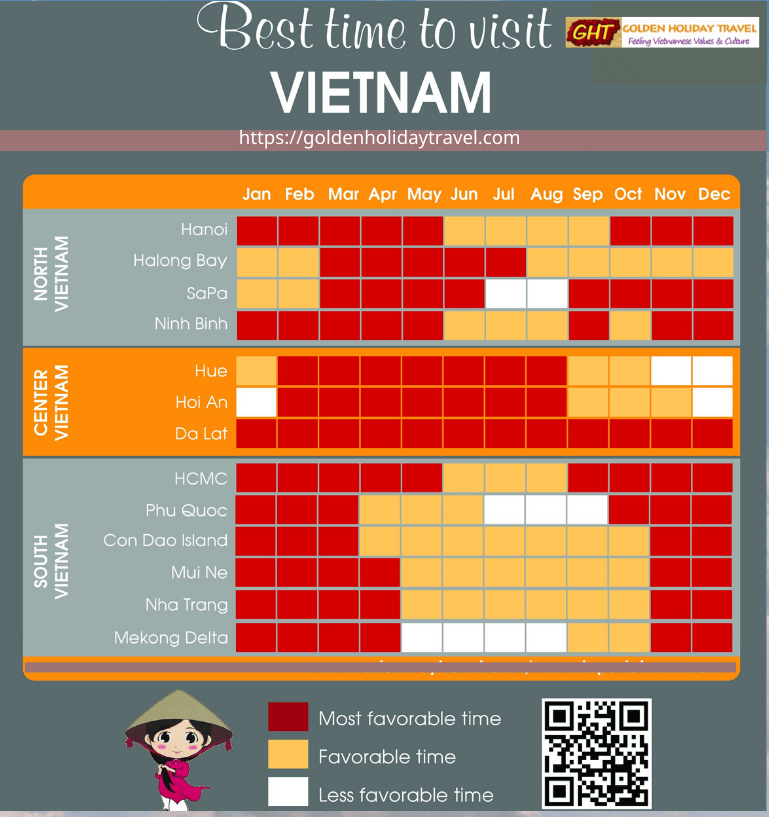
Climate chart indicating ideal travel months for different regions in Vietnam
Best Months to Visit Vietnam
The dry, pleasant months from November to April represent a favorable period to visit all three regions. During this time, northern provinces enjoy refreshing weather, central beaches are sunny, and southern waterways in the Mekong Delta are easily accessible. However, because of these pleasant conditions, visitor numbers are at their peak.
Avoiding Peak Seasons and Crowds
To avoid high travel costs and crowded sites, you can schedule your trip during the transitional months of May, September, and October. During these months, lodging providers often introduce promotions, and flights are more affordable. The rainy period is short, typically lasting only few hours in the afternoon, leaving the rest of the day clear for sightseeing.
| Region | Weather Details | Best Months to Visit | Key Activities |
|---|---|---|---|
| North Vietnam | Cool winters, warm and wet summers. Four clear seasons. | October to April | Trekking, cruising, historical sightseeing. |
| Central Vietnam | Dry and hot from January to August. Wet with rain from September to December. | January to August | Beach activities, heritage sights, cycling. |
| South Vietnam | Consistently warm. Wet season from May to November. | December to April | Delta boat tours, local markets, city walks. |
Step 2: Choose the Destinations That Match Your Interests
Choosing the destinations that match your interests is the next key stage when organizing your trip. Vietnam is a long, narrow country with sights spread from the northern mountains to the southern delta, meaning you must pick your stops with care.
North, Central, or South Vietnam?
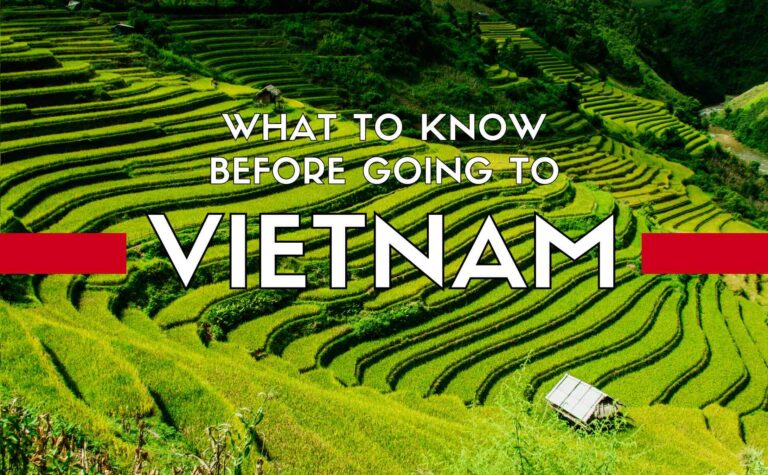
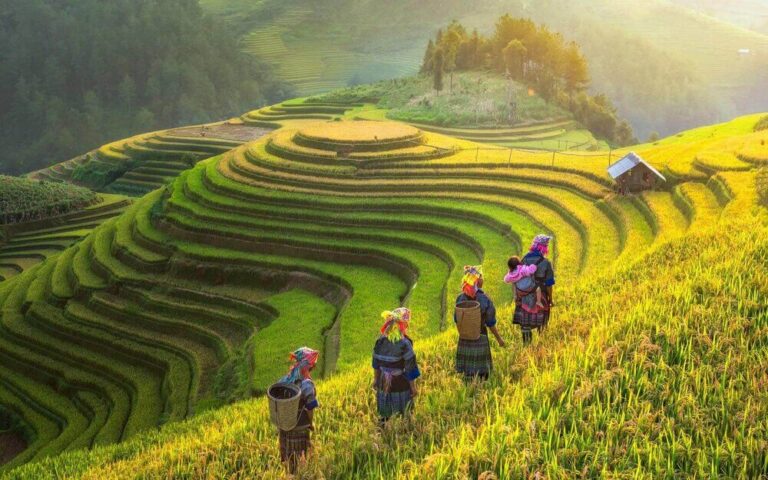
If you prefer mountainous landscapes, ethnic culture, and historic sights, Northern Vietnam is a primary choice. You can visit the historic capital of Hanoi, take a cruise on Halong bay (as well as Bai Tu Long Bay and Lan Ha Bay), or trek through rice terraces in Sapa, Mu Cang Chai, or Ha Giang (featuring the Dong Van Geopark).
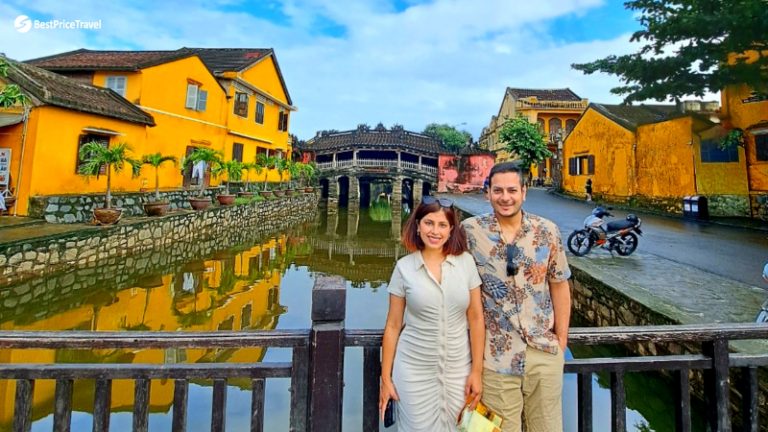
Central Vietnam is best for beach lovers and history enthusiasts. Here, you can find the ancient town of Hoi An, the imperial city of Hue, and the coastal city of Da Nang.
Southern Vietnam offers active urban life in Ho Chi Minh City, winding river channels in the Mekong Delta, and quiet beach breaks on islands like Phu Quoc or the Con Dao islands.
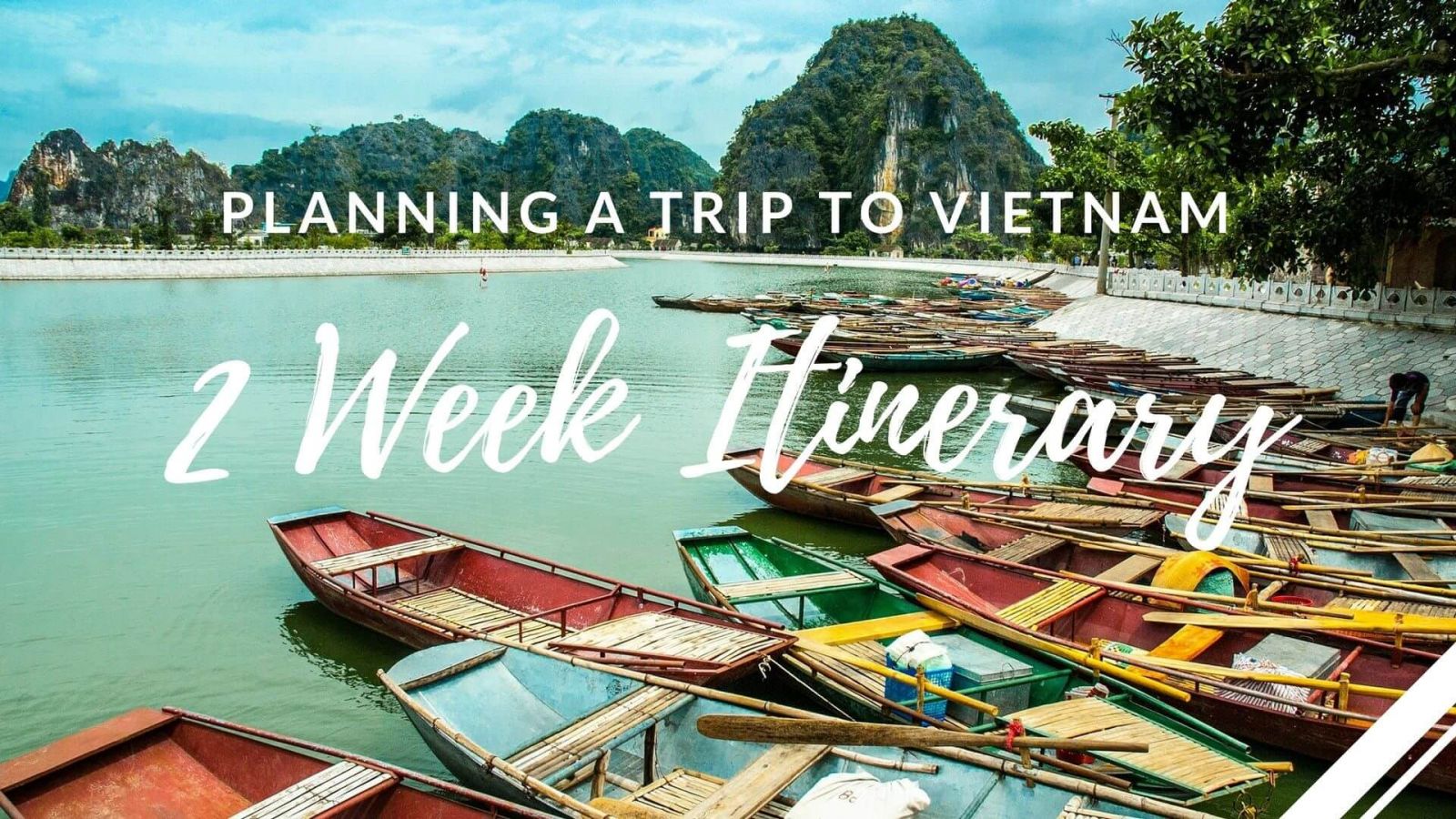
Planning a comprehensive two-week route across Vietnam
Suggested Routes Based on Trip Length
If you only have 4 to 6 days, we suggest focusing on one single region to avoid wasting time on long transfers. With a longer duration of 10 to 15 days, you can easily connect the major hubs of the north, center, and south.
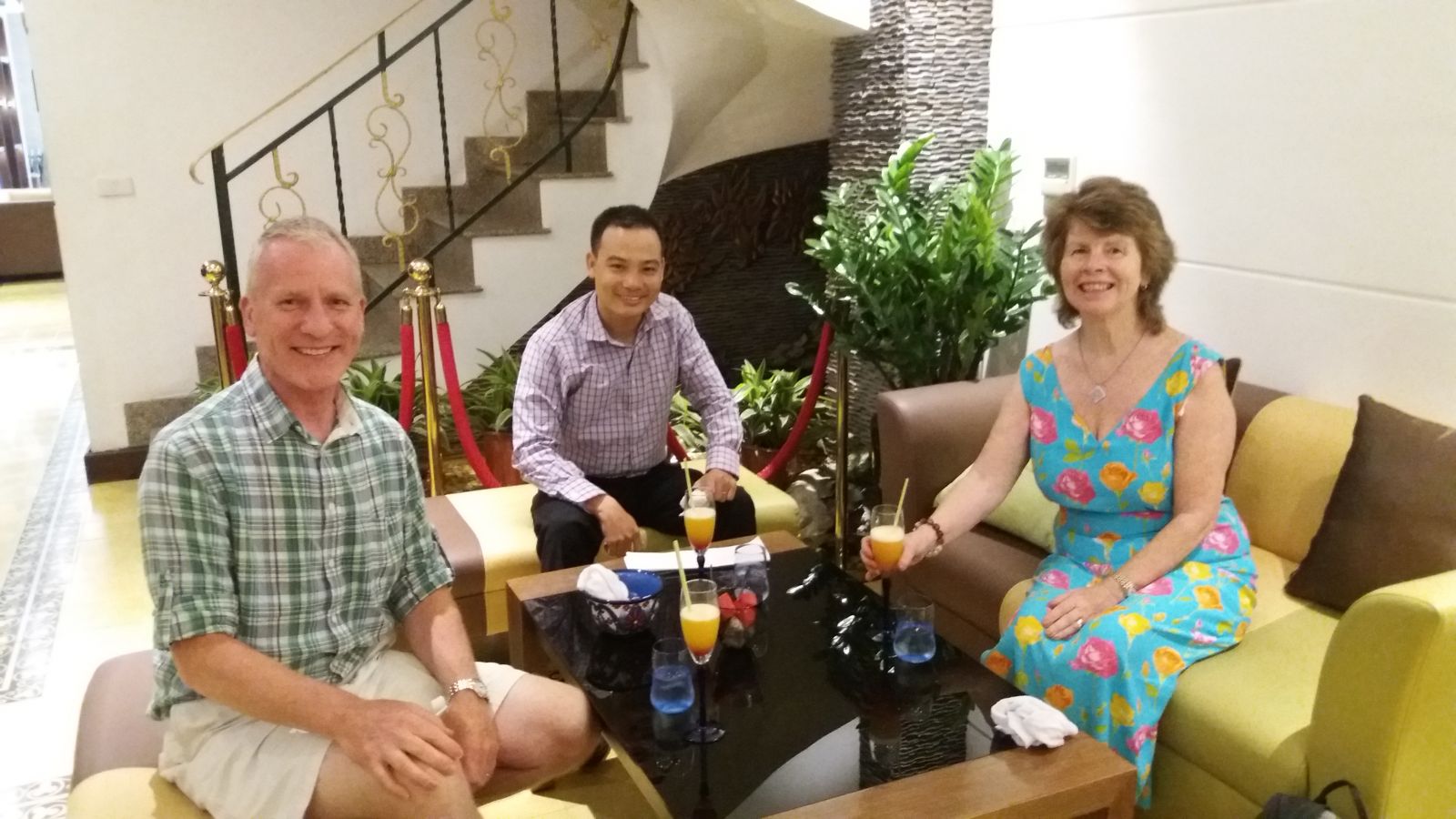
Coordinating an itinerary with family or close friends
Must-Visit Places for First-Time Visitors
For a complete introduction, we have compiled a detailed overview of the most beautiful and worth-visiting places in Vietnam. If you prefer to stay away from major tourist crowds, we also suggest reading our list of the Top 10 untouched places to visit in Vietnam.
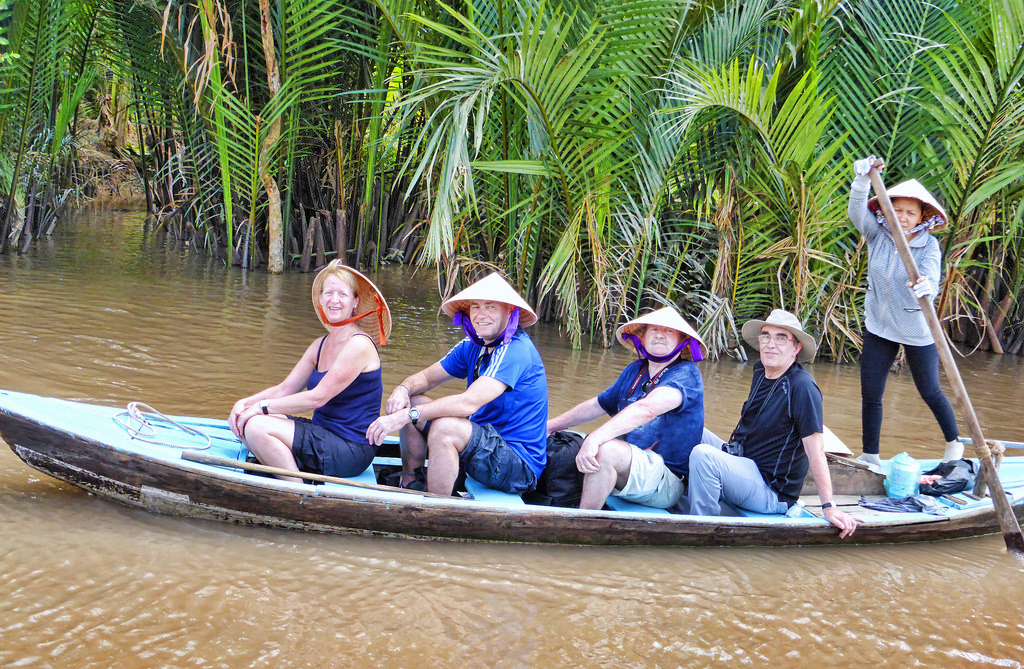
Reviewing route options with local travel maps
| Region | Interests | Key Stops | Experiences |
|---|---|---|---|
| North | Mountain trekking, ethnic culture, heritage sights. | Hanoi, Sapa, Halong Bay, Ninh Binh, Ha Giang. | Walking through historic old streets, spending nights on bay cruises, viewing rice terrace fields. |
| Central | Ancient heritage, sandy beaches, coastal drives. | Hoi An, Da Nang, Hue, Phong Nha. | Cycling in old towns, driving over mountain passes, viewing complex cave systems. |
| South | Urban activities, historical war sites, riverside life. | Ho Chi Minh City, Mekong Delta, Phu Quoc. | Visiting war museums, boating on rivers, relaxing on tropical beaches. |

Fully Licensed Local Agency
Northern Vietnam Customized Tours
See Hanoi, Ninh Binh, Sapa, and Halong Bay with our professional local guides and safe private car drivers. Our local travel experts specialize in designing tailor-made northern itineraries that match your travel speed and budget.
Step 3: Build Your Daily Itinerary
Building your daily itinerary with care ensures a balanced flow between activities and rest periods. By following realistic structures, you will reduce transit exhaustion and allow time for unplanned stops.
How Many Days Should You Spend in Vietnam?
To appreciate the country’s diverse landscapes and cultures, we suggest planning a travel period of 10 to 15 days. This timeframe allows you to see the main historic attractions, visit scenic rural districts, and enjoy a brief beach holiday without feeling rushed.
Balance Sightseeing and Relaxation
Avoid packing too many activities into a single day. Many travelers make the mistake of scheduling long flights or road transfers followed immediately by demanding walking tours. We suggest alternating active sight-seeing days with quieter days spent relaxing at local cafes or taking leisurely walks.
Leave Time for Unexpected Discoveries
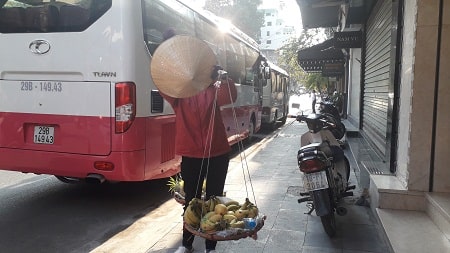
While a structured Vietnam Travel itinerary keeps your vacation on track, leaving free afternoons allows you to visit quiet alleyways, interact with local street vendors, or relax in a lakeside park.

Suggested Sample Itineraries
4-Day Regional Plans
- North Vietnam (Hanoi – Halong Bay): Day 1: Hanoi arrival and walk. Day 2: Hanoi to Halong Bay, overnight cruise. Day 3: Cruise activities, transfer back to Hanoi. Day 4: City tour and departure.
- Central Vietnam (Da Nang – Hoi An): Day 1: Da Nang arrival, transfer to Hoi An. Day 2: Visit My Son Sanctuary and Hoi An ancient town. Day 3: Ba Na Hills and Golden Bridge. Day 4: Marble Mountains and departure.
- South Vietnam (Ho Chi Minh City – Mekong Delta): Day 1: HCMC arrival and city walk. Day 2: Cu Chi Tunnels and Cao Dai Temple. Day 3: Day trip to Mekong Delta. Day 4: Shopping and departure.
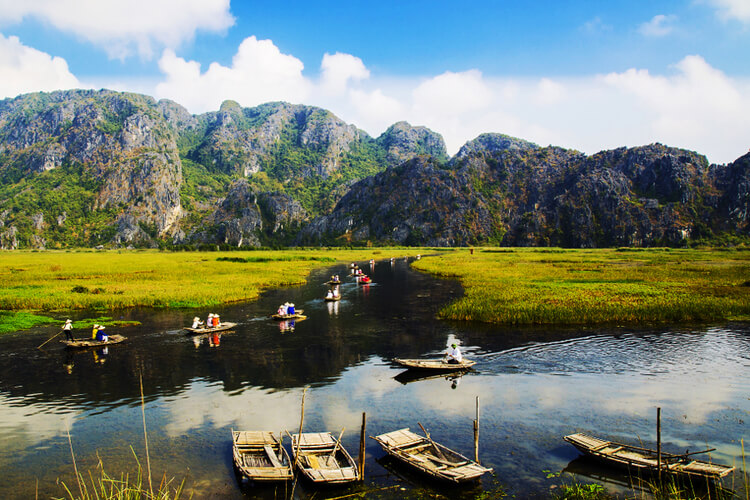
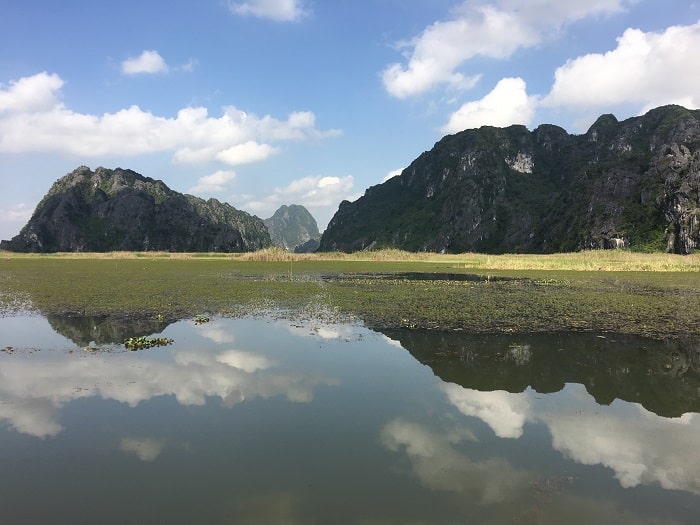
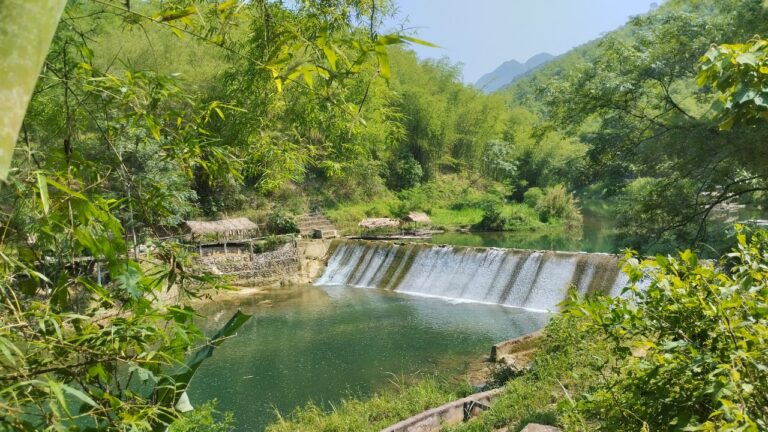
Van Long Nature Reserve in Ninh Binh – a quiet alternative to major hubs
5-Day and 6-Day Regional Plans
- 5-Day North Vietnam: Days 1-3 follow the 4-day plan. Day 4: Day trip to Ninh Binh (Trang An and Hoa Lu). Day 5: Hanoi departure.
- 5-Day Central Vietnam: Day 1: Da Nang arrival. Day 2: Ba Na Hills. Day 3: My Son and Hoi An. Day 4: Biking in Tra Que village and coconut forest boat ride. Day 5: Hoi An departure.
- 5-Day South Vietnam: Day 1: HCMC arrival. Day 2: Cu Chi Tunnels. Day 3: Mekong Delta transfer, overnight in Can Tho. Day 4: Cai Rang floating market, return to HCMC. Day 5: Departure.
- 6-Day North Vietnam: Includes Hanoi, a Halong Bay cruise, and detailed tours in Ninh Binh (Trang An, Mua Cave, and Cuc Phuong National Park trekking).
- 6-Day Central Vietnam: Day 1: Da Nang. Day 2: Ba Na Hills. Day 3: Hoi An. Day 4: Imperial monuments in Hue. Day 5: Bach Ma National park trek, return to Da Nang. Day 6: Departure.
- 6-Day South Vietnam: Day 1: HCMC. Day 2: Cu Chi. Day 3: Mekong Delta day trip. Day 4: Flight to Phu Quoc island. Day 5: Phu Quoc beaches. Day 6: Flight to HCMC and departure.

7-Day, 9-Day, and 10-Day Multi-Region Plans
- 7-Day North and Central Vietnam: Days 1-2: Hanoi and Halong Bay. Day 3: Transfer to Hanoi, flight to Da Nang. Days 4-6: Da Nang, Ba Na Hills, My Son, Hoi An walking and biking tours. Day 7: Departure.
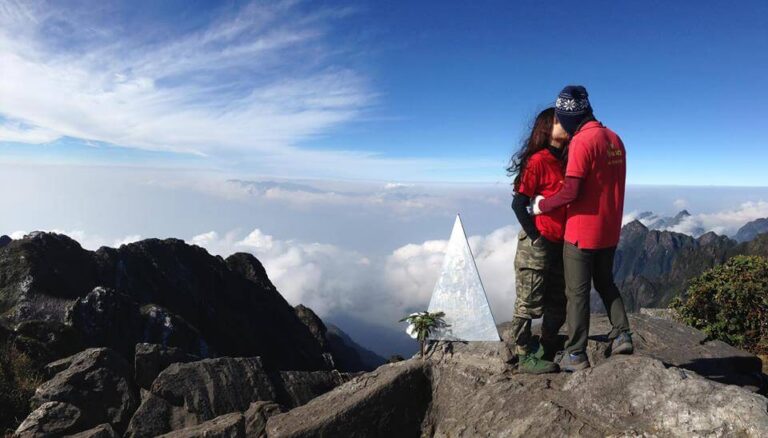
- 9-Day South and North Vietnam: Days 1-3: HCMC, Cu Chi Tunnels, and Mekong Delta. Day 4: Flight to Hanoi, city walk. Day 5: Halong Bay cruise. Day 6: Return to Hanoi, night train to Sapa. Days 7-8: Sapa valley trekking and Fansipan Peak. Day 9: Hanoi departure.
- 10-Day Classic Vietnam Tour: Hanoi (Days 1-2) – Ninh Binh (Day 2) – Halong Bay (Day 3) – Flight to Da Nang and transfer to Hoi An (Day 4) – My Son and Hoi An (Day 5) – Ba Na Hills and transfer to Hue (Day 6) – Hue Imperial City (Day 7) – Flight to HCMC (Day 8) – Cu Chi Tunnels (Day 9) – HCMC departure (Day 10).
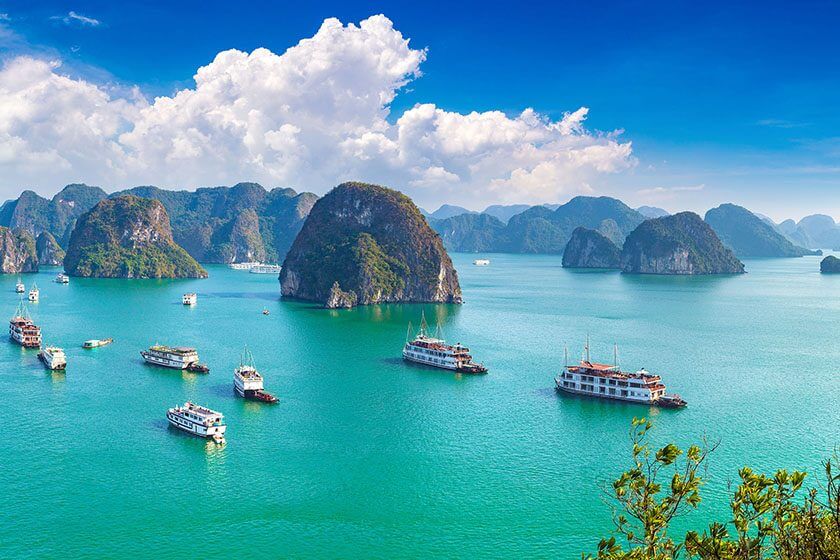
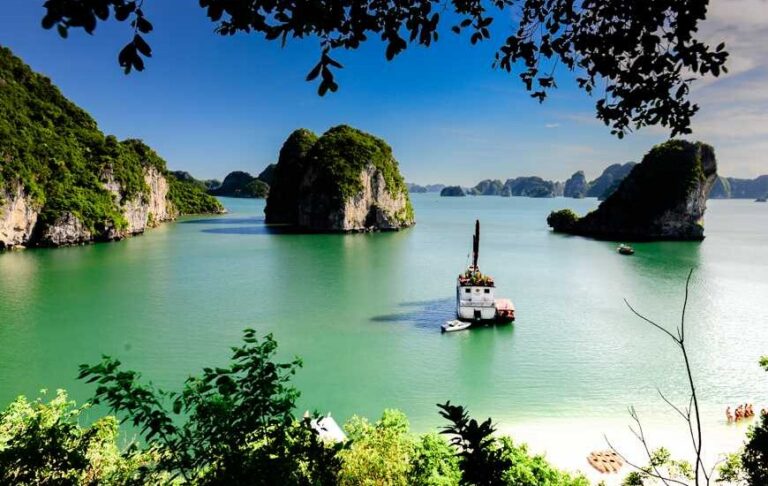
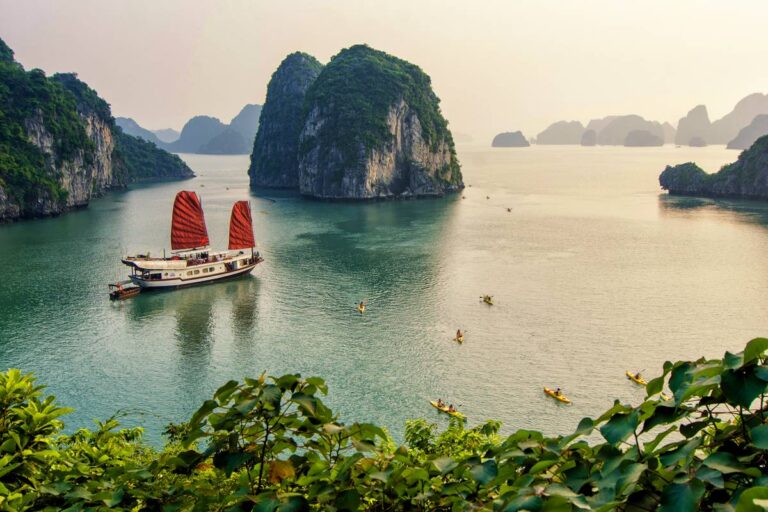
Scenic limestone karsts in Halong Bay
13-Day and 15-Day Complete Route Itineraries
- 13-Day Highlights Itinerary: Follows the 10-day classic structure but includes a detailed 2-day trekking tour in Sapa and an overnight stay in the Mekong Delta.
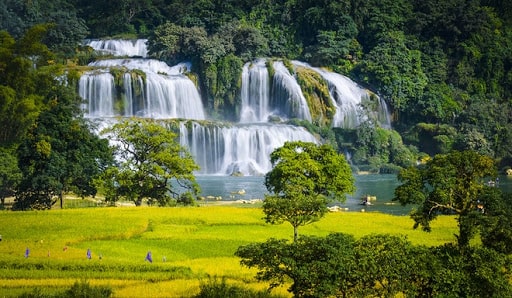
- 15-Day Grand Northern and Southern Loop: Days 1-3: HCMC, Cu Chi, and Mekong Delta. Days 4-5: Flight to Hanoi and Halong Bay cruise. Days 6-8: Hanoi, Sapa trekking, and Fansipan Peak. Days 9-14: Mountain loop through Thac Ba Lake, Ha Giang, Dong Van Geopark, Meo Vac, Cao Bang (Ban Gioc Waterfall), and Ba Be Lake. Day 15: Hanoi departure.
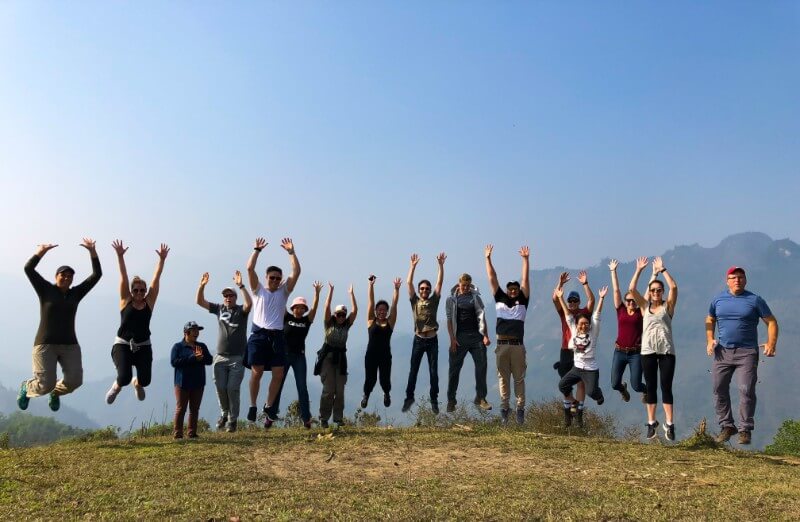
Assisting travelers with tailor-made routes across key highlights
Step 4: Set Your Budget and Book Flights
Setting your budget and booking flights early are critical to preventing last-minute cost spikes. Because flight availability and local accommodation rates vary throughout the season, organizing your funds in advance helps you lock in competitive pricing.
Average Daily Travel Costs
Your expenses in Vietnam depend largely on your personal travel style. The country provides excellent options across all financial levels, from modest local guesthouses to luxury international resorts.
- Low-cost travel: $60 to $80 per day (local transport, street food, budget rooms)
- Mid-range travel: $100 to $150 per day (3-star hotels, private transfers, sit-down dinners)
- Premium travel: $250 to $350+ per day (5-star luxury resorts, private guides, and customized daily plans)
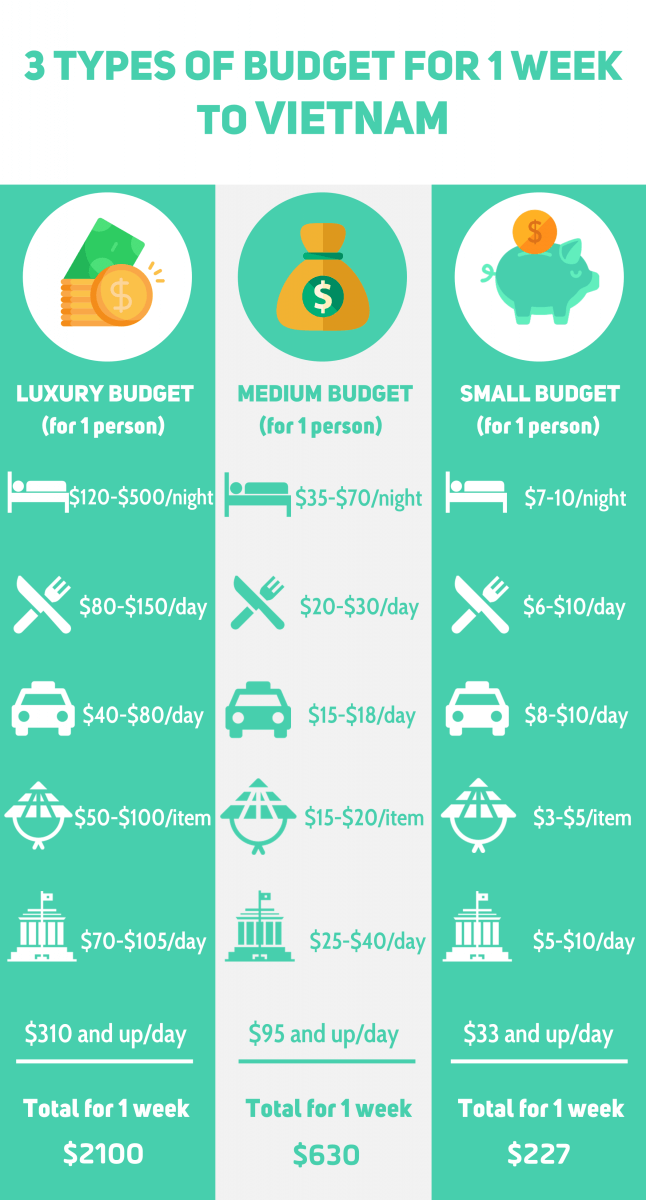
General estimation of weekly costs for travelers in Vietnam
How to Find Cheap Flights to Vietnam
International flights usually form the largest part of your travel budget. To secure favorable fares, we suggest using platforms like Momondo, Skyscanner, or Airtreks to compare different route options. Booking 3 to 6 months in advance often yields lower rates.
Choosing the Best Arrival Airport
Vietnam has three major international gateways. Choose Hanoi’s Noi Bai Airport if you plan to start your trip to Hanoi & Northern Vietnam. If your route begins with the historical sights and beaches of central provinces, choose Da Nang Airport. For trips focused on the south, select Tan Son Nhat Airport in Ho Chi Minh City. Our national carrier, Vietnam National Airlines, offers direct and connecting flights from major world cities with high-quality service.
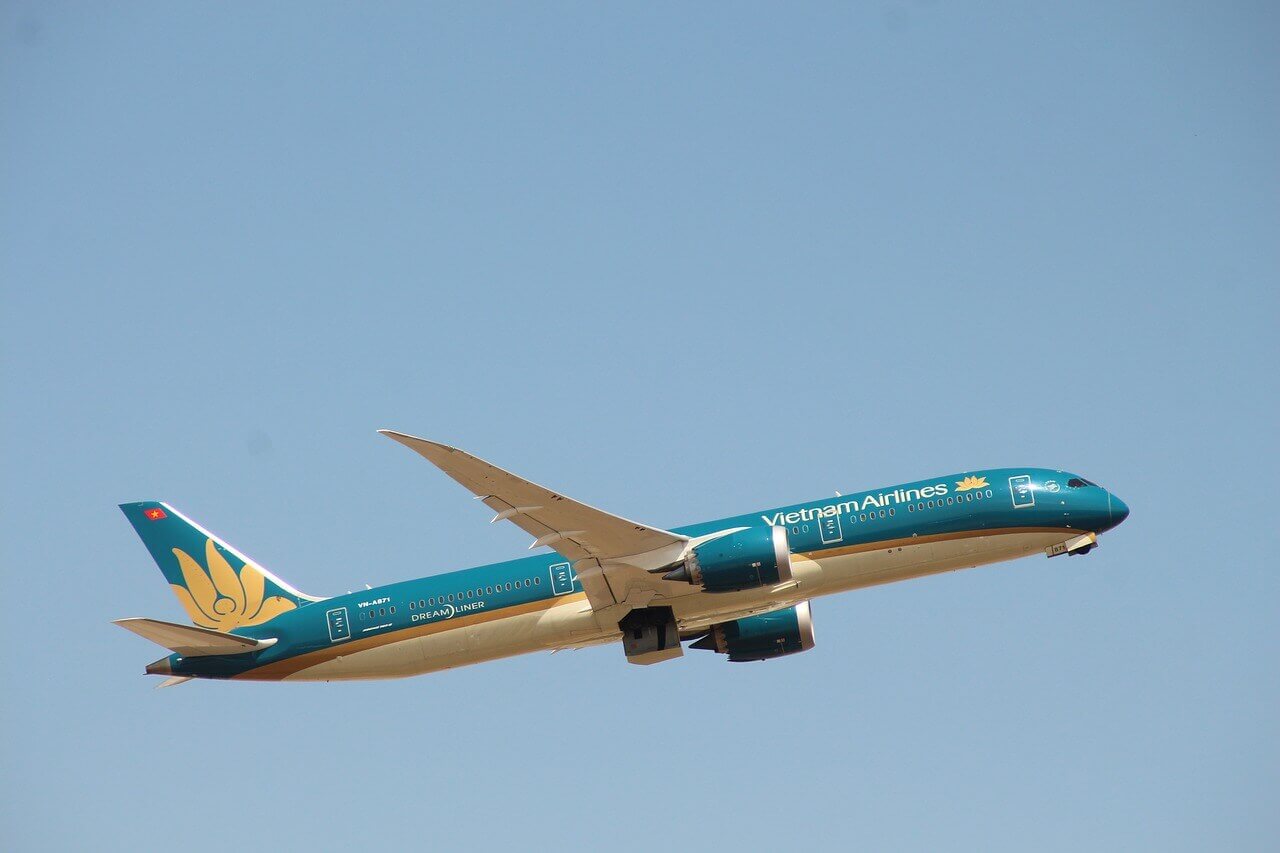
International and domestic operations by Vietnam National Airlines
Step 5: Check Visa Requirements and Travel Documents
Checking visa requirements and travel documents is mandatory before boarding your flight. Entry regulations are subject to change, so verifying your specific requirements early helps prevent boarding issues.
Who Needs a Vietnam Visa?
Travelers from several nations are eligible for visa-free entry for specific durations. We suggest verifying the current visa exemption list to see if your country qualifies. If your nation is not exempt, you must secure an entry visa before your arrival.
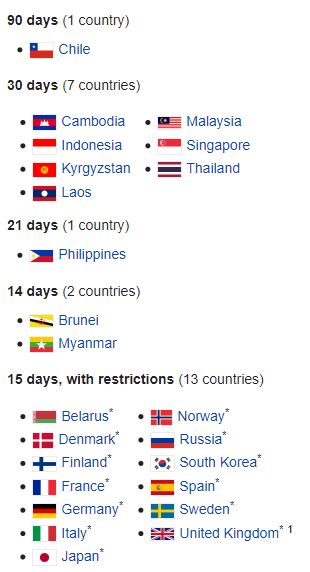
A quick reference chart for passport visa exemptions in Vietnam
How to Apply for a Vietnam E-Visa
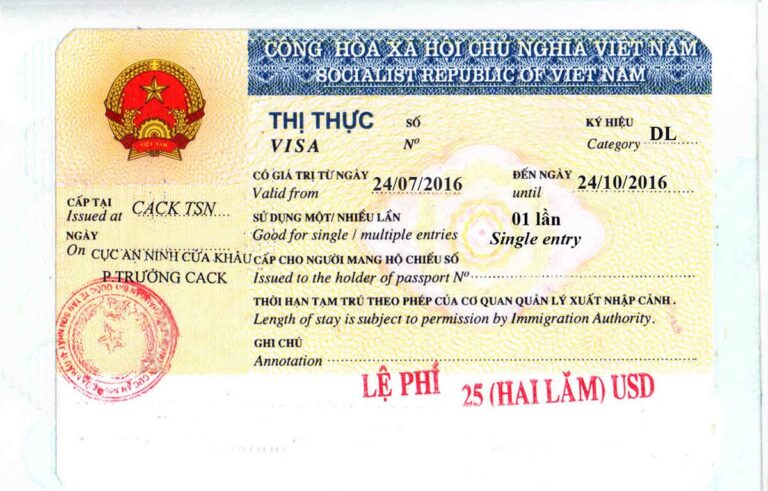
Citizens of most countries can apply online through the official government portal. The process is straightforward, requiring a passport scan, a portrait photograph, and a payment of $25. You can submit your application directly via the Vietnam e-Visa Official Website. The standard processing period is 3 business days.
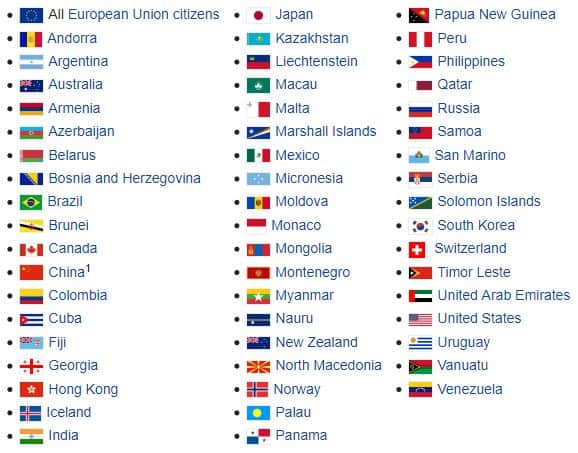
List of countries eligible for the convenient online E-visa system
Alternatively, air travelers can obtain a Visa on Arrival (VOA) by securing an official invitation letter beforehand. You can get professional advice on this process from Vietnam -Visa. For those who prefer direct consular services, submitting your documents in person at a Vietnamese embassy is also possible. You can read details about consular submissions on this website.
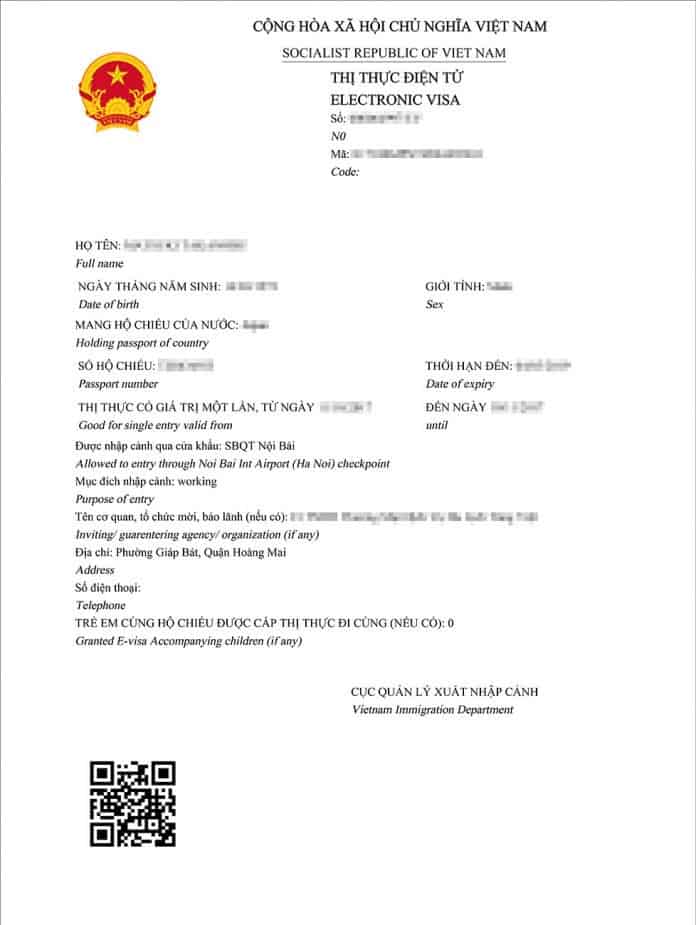
An official approval letter example required for securing a Visa on Arrival
Passport and Entry Requirements
Make sure your passport is valid for at least 6 months past your arrival date in Vietnam. Additionally, your passport must contain at least 2 empty pages for entry and exit stamps. Temporary passports are often not accepted by local border authorities.
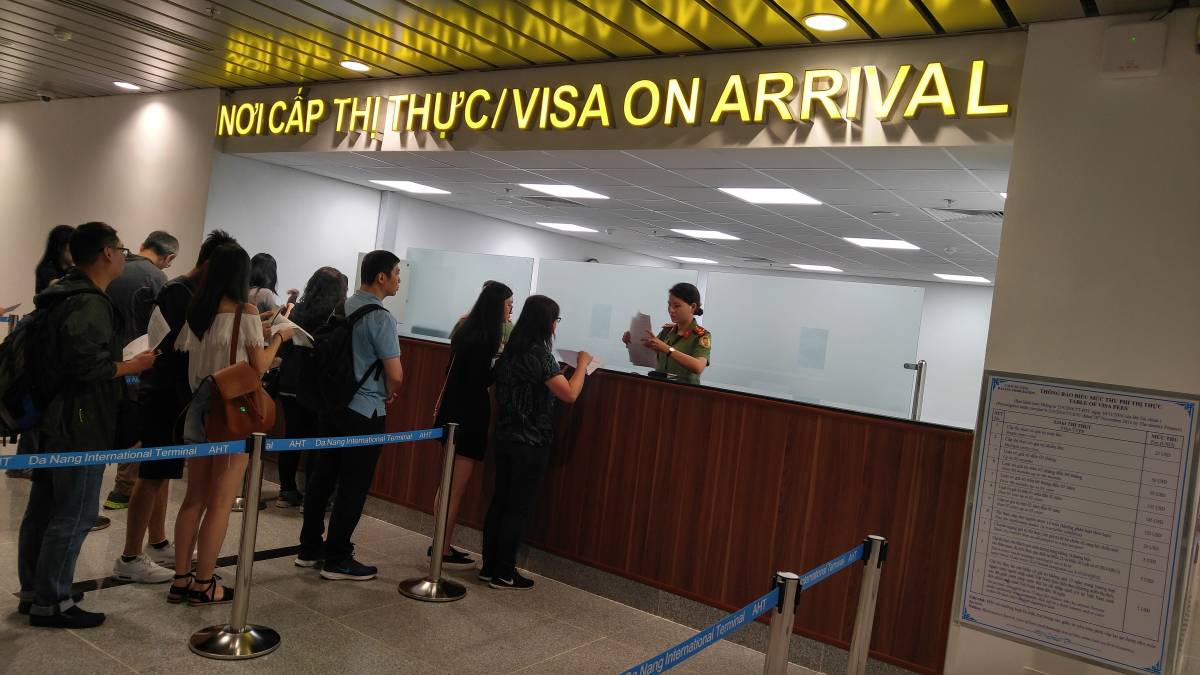
Customs counter for VOA processing at major international airports
Step 6: Plan Transportation Around Vietnam
Planning transportation around Vietnam is crucial due to the country’s long shape. Choosing the correct combination of domestic flights, trains, and private cars will optimize your travel time and ensure safety.
Domestic Flights vs Trains vs Sleeper Buses
For long transfers between regions, domestic flights are the fastest option. Local carriers include Vietnam Airlines, Bamboo Airways, and Vietjet Air. If you prefer to travel at a slower pace and view the rural landscapes, taking the train is a safe, historic alternative. Sleeper buses are useful for shorter routes, but they can be uncomfortable on long trips.
Should You Rent a Motorbike?
Renting a motorbike is popular among budget travelers, but we suggest extreme caution. Local roads are congested, and traffic rules are often ignored. Unless you possess a valid international license and have extensive experience on two wheels, renting a motorbike is not recommended.
Private Car or Group Tours?
For maximum safety and comfort, a private car with a dedicated driver is the best choice, especially when traveling in high mountainous zones like Ha Giang or Sapa. If you need a reliable Hanoi airport transfer or regional private transport, feel free to contact us for a private car with driver. For public transport tickets, we recommend utilizing 12go.asia to search, compare, and book trains, buses, and ferry services online.
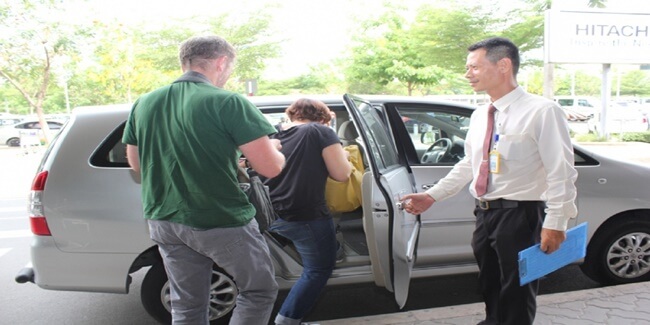
Securing a pre-arranged private vehicle with a driver is the safest way to travel
| Transport Type | Experiences | Best For | Estimated Prices |
|---|---|---|---|
| Domestic Flights | Fast regional transfers between main cities. | Saving travel time. | $60 – $120 per ticket |
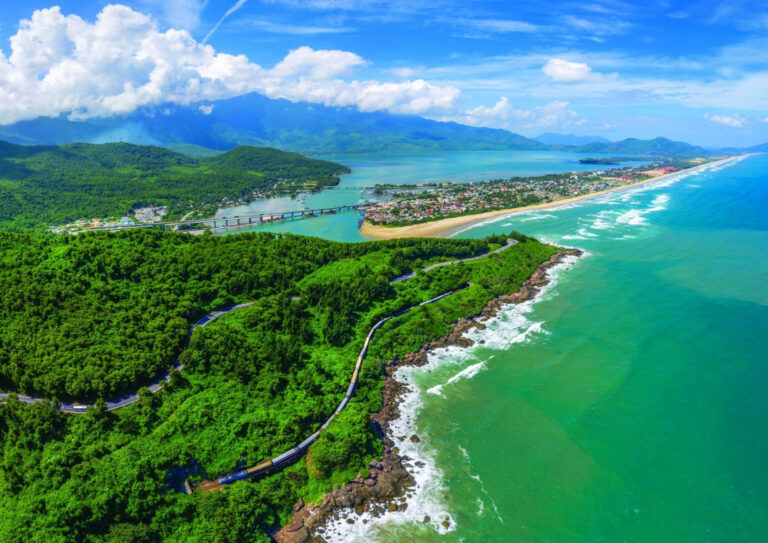
| Reunification Express Train | Leisured coastal rides, rustic views. | Scenic, slower travel. | $30 – $70 per ticket |
| Private Car with Driver | Custom schedules, comfortable door-to-door transport. | Safety in mountainous provinces. | $70 – $150 per day (varies by route) |
| Limousine / Tourist Bus | Standard shared road transport between hubs. | Budget transfers between close towns. | $10 – $25 per ticket |
Step 7: Book Accommodation Early
Booking accommodation early is highly recommended to secure properties with superior ratings. Popular tourism zones in Vietnam have limited luxury or boutique options, which sell out fast during peak seasons.
Where to Stay in Major Destinations
In cities like Hanoi and Ho Chi Minh City, we suggest staying in centrally located neighborhoods. For Hanoi, the Old Quarter places you close to historical sites, local markets, and traditional cafes. In Ho Chi Minh City, District 1 is ideal for access to monuments, restaurants, and shops.
Hotels, Homestays, or Resorts?
Vietnam offers a wide range of lodging styles. Boutique hotels in urban centers provide excellent comfort and local design. If you visit rural regions like Sapa or Ninh Binh, staying in a local homestay offers a direct view of rural life and traditional meals. Coastal areas feature premium beach resorts with international standards.
Booking Tips to Save Money
To find the best rates, we suggest comparing prices on reputable sites like Agoda and Booking.com. Booking your stay several months in advance, especially during the peak winter season, ensures better room availability and promotional pricing.
| Accommodation Type | Experiences | Best For | Estimated Costs |
|---|---|---|---|
| Boutique Hotels | Comfortable, centrally located, local style. | Couples, urban sight-seers, mid-range budgets. | $50 – $90 per night |
| Local Homestays | Rustic lodging, hosted by ethnic families, homemade meals. | Trekking travelers, cultural immersion. | $20 – $30 per night |
| Luxury Resorts | Ocean views, private pools, international standard services. | Honeymooners, family vacations, premium relaxation. | $180 – $450+ per night |
Step 8: Prepare Before You Fly
Preparing before you fly is essential to guarantee a smooth entry into Vietnam. Managing your packing lists, vaccinations, and payment methods in advance prevents common issues encountered at airport arrivals.
Travel Insurance
Although Vietnam is a safe destination, securing a comprehensive travel insurance policy is a necessary step. Your policy should cover medical expenses, emergency repatriation, trip cancellations, and lost baggage. For reliable international coverage, we suggest World Nomads.
We recommend securing a medical and travel policy before departure
Currency, SIM Cards, and Payment Methods
The official currency is the Vietnamese Dong (VND). While credit cards are widely accepted in major hotels and restaurants, cash is still required for street food, traditional markets, and small shops. If you need to exchange foreign currency, certified gold shops offer favorable exchange rates.
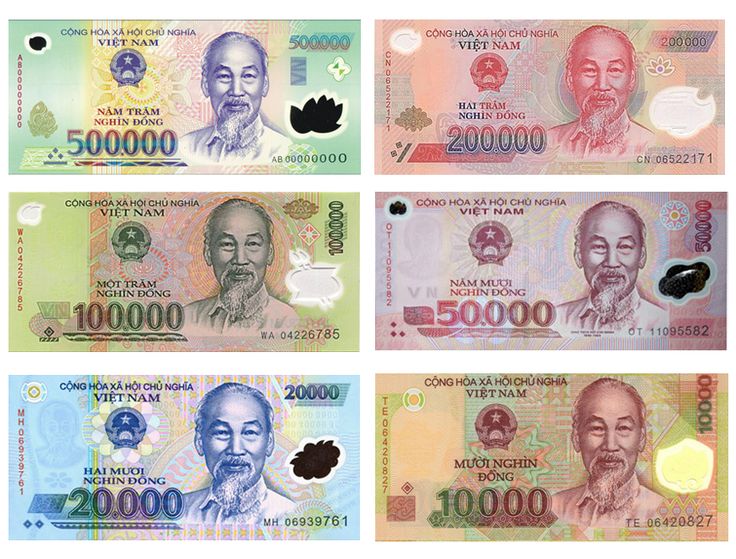
Local Vietnamese bank notes – carefully distinguish between the 20,000 VND and 500,000 VND bill
To stay connected, we suggest purchasing a local 4G SIM card from major brands like Viettel or Vinaphone at the airport. This will assist you with maps, translations, and booking rides.
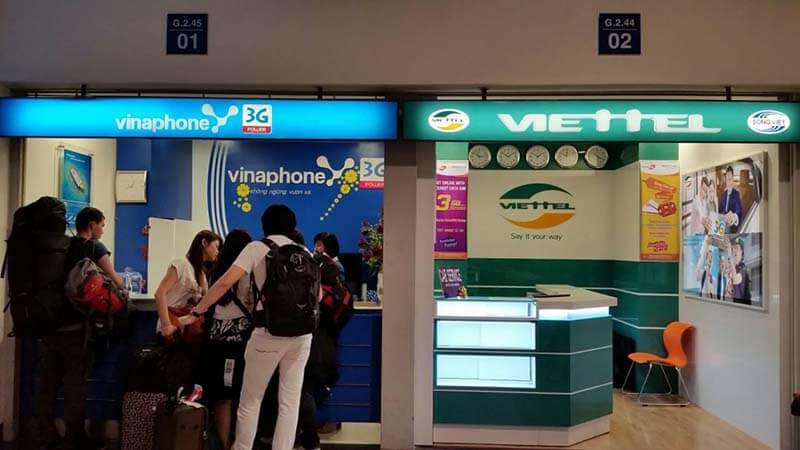
Local sim card kiosk inside Noi Bai Airport arrival hall
Packing Checklist for Vietnam
Pack light, breathable clothing for hot southern provinces, and warm layers if you plan to visit northern mountain areas during winter. Make sure to bring your prescribed medicines, a universal power adapter, sunglasses, and high-quality sun protection.
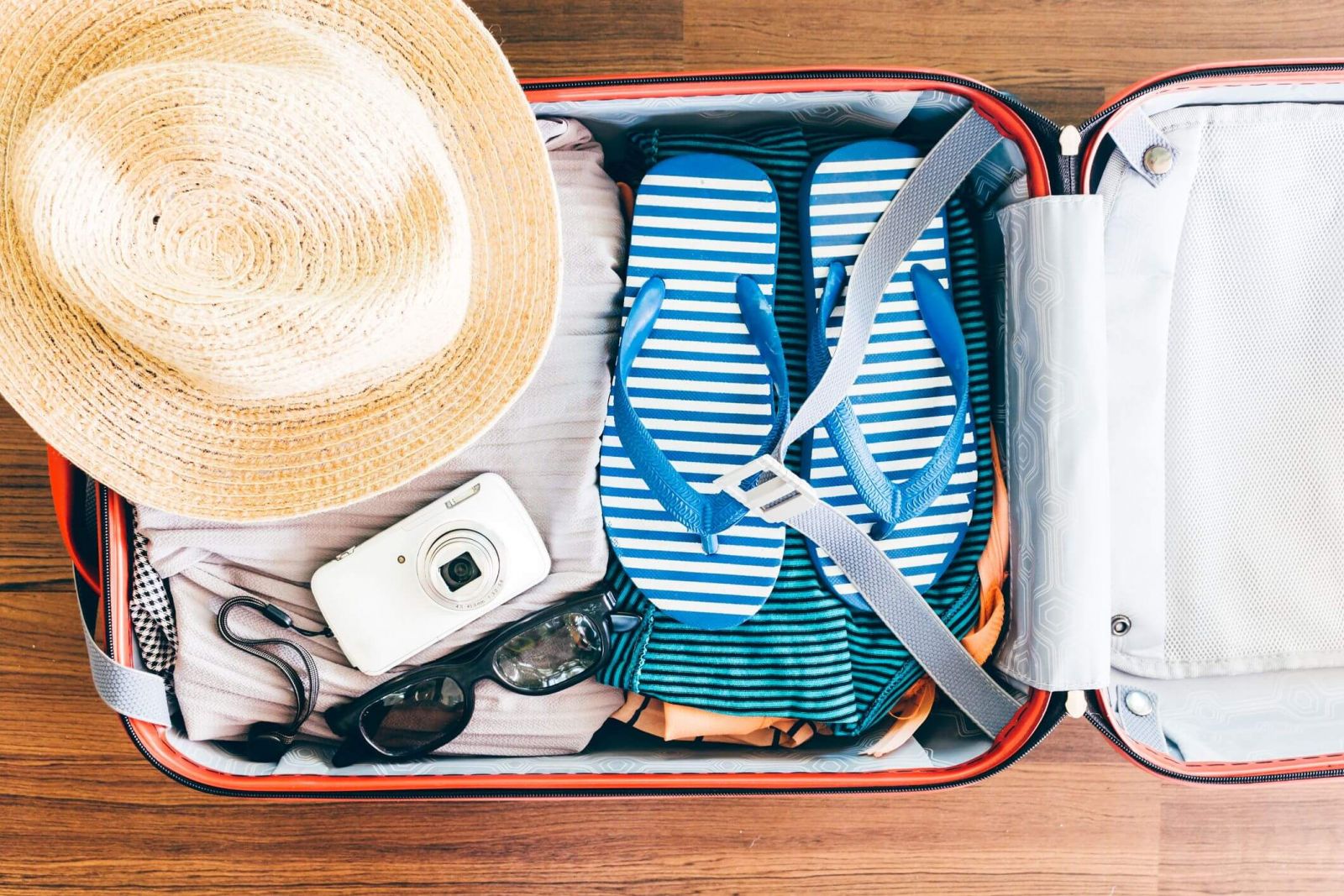
Recommended clothing and accessories layout for travel packing
Take Vaccinations Before Travelling to Vietnam
While specific vaccines are not legally required to enter the country, health authorities strongly recommend several immunizations to ensure a healthy trip.
- Tetanus: Recommended due to dust and urban construction.
- Typhoid: Recommended, especially if visiting rural areas and remote villages.
- Measles: Highly contagious in densely populated urban centers.
- Hepatitis A and B: Critical for protection against food-borne and water-borne pathogens.
- Rabies and Cholera: Optional but recommended for travelers planning to visit wilderness areas or participate in adventure activities.

Consulting medical specialists about travel immunizations is recommended
Common Mistakes First-Time Visitors Should Avoid Planning a Trip to Vietnam & Our Local Tips
Recognizing and avoiding typical tourist pitfalls can greatly protect your peace of mind and secure your travel budget. Local transportation traps, over-priced shops, and eating mistakes are common concerns for many travelers in our experience.
Key Pitfalls to Avoid
- Using Unlicensed Airport Cabs: Unregulated taxis often feature tampered meters. We recommend pre-arranging a car with a safe driver, or using local mobile ride applications like Grab. For detailed warnings, review our guide on how to BE ALERT with tourist scams when travelling in Vietnam.
- Underestimating Mountain Roads: Paths in Sapa and Ha Giang are steep, narrow, and often affected by heavy rain. Driving motorbikes without proper licenses and local experience is dangerous.
- Disregarding Cultural Norms: Modest dress is required at temples and historical monuments. Make sure to cover your shoulders and knees.
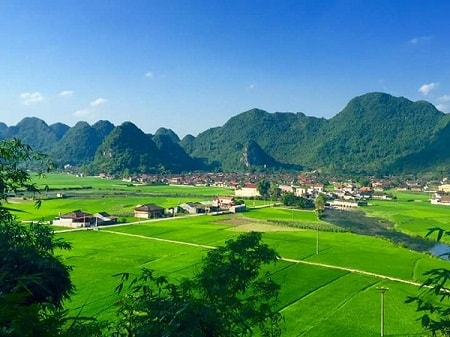
Fully Licensed Local Agency
Tailor-Made Vietnam Adventure Tours
Experience the wild beauty of Northern and Central Vietnam. Hike through rice terraced mountains in Ha Giang, cycle through quiet villages, and stay in welcoming local homestays. Completely customizable to fit your exact fitness level and travel preferences.
Frequently Asked Questions (FAQs) About How to Plan a Trip to Vietnam
What is the recommended duration for a first-time trip to Vietnam?
For first-time visitors, we recommend a travel duration of 10 to 15 days. This allows you to explore the highlights of the north, center, and south at a comfortable pace without feeling rushed.
Is it safe to drive a rental scooter in Vietnam?
We do not recommend renting scooters unless you have extensive driving experience on busy roads and hold a valid international license. Traffic rules are complex and driving conditions can be risky.
How do I get an entry visa for Vietnam?
Citizens of eligible countries can apply for a 30-day single-entry E-visa online through the official portal for $25. Ensure you apply at least 2-3 weeks before departure to avoid any delay
Is travel insurance mandatory for entry?
While not always legally required for passport control, a comprehensive travel insurance policy is strongly recommended to protect against medical emergencies, delayed baggage, and trip cancellations.
What is the local currency and should I carry cash?
The official currency is the Vietnamese Dong (VND). Cash is essential for street stalls, markets, and regional transport. Cards are accepted in major urban hotels and restaurants.

Plan Your Customized Vietnam Tour with Local Travel Experts
Planning an itinerary involves managing transport schedules, selecting reliable local services, and making sure your travel plans fit your personal budget and pace. For support with planning a customized trips to Vietnam, feel free to contact our professional support team via WhatsApp +84.988451530 or send your request details to our email at [email protected]. We are pleased to design a customized plan for your vacation.
Note: The travel tips and recommendations shared in this guide have been carefully prepared by the local travel experts at Golden Holiday Travel. While every traveler is different, our team is always happy to provide personalized itinerary planning, destination advice, and one-on-one support to help you create the perfect Vietnam journey.
















Write Comment