
Top 10 Best Things to Do in Ha Giang: The Ultimate Loop Travel Guide
Things to do in Ha Giang offer travelers an impressive glimpse into northern Vietnam’s mountain passes, deep river canyons, and traditional ethnic communities. Located near the Chinese border, Ha Giang combines breathtaking landscapes with unique local traditions that make every journey here special.
With over 10 years of experience organizing private Vietnam tours for travelers worldwide, our local team at Golden Holiday Travel has put together this detailed guide from firsthand experience to help you plan a smooth, well-organized Ha Giang trip.
Why Ha Giang Should Be on Your Vietnam Bucket List?
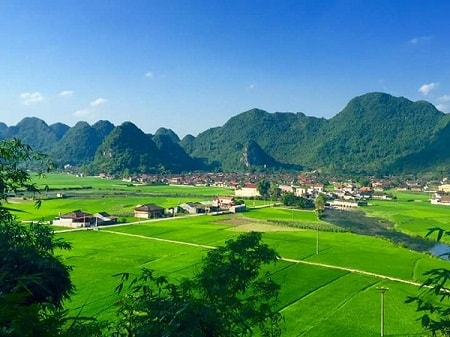
Ha Giang stands out as Vietnam’s northernmost province, famous for its high-altitude limestone plateaus, winding mountain pass roads, and remote ethnic minority villages. Unlike more commercialized destinations, Ha Giang still feels wild and untouched, making it ideal for travelers who want stunning mountain scenery and genuine encounters with local people
Fully Licensed Local Agency
Private Ha Giang Tour Packages
Experience the mountain passes of Ha Giang with private comfortable vehicles, licensed drivers, and expert local guides tailored to your personal schedule.
What Makes Ha Giang So Special?
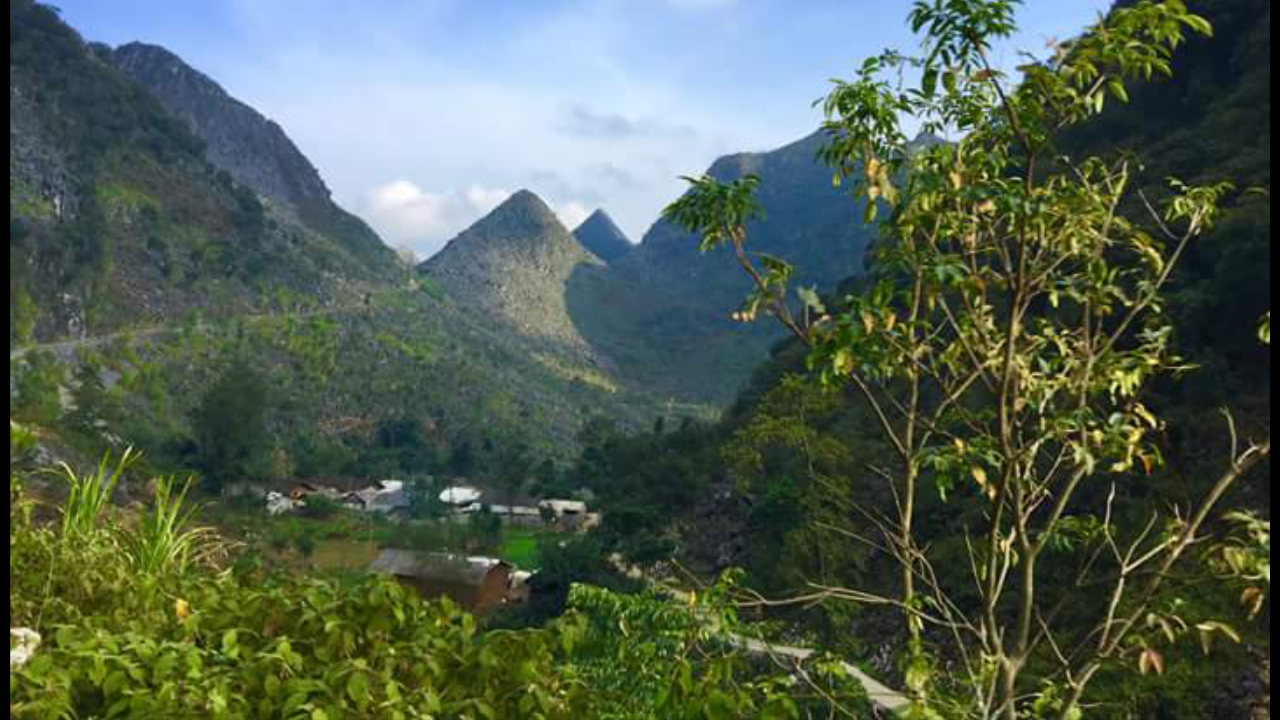
Ha Giang feels unlike anywhere else in Vietnam. Its biggest attraction is the Dong Van Karst Plateau, a UNESCO-recognized geological heritage area shaped over hundreds of millions of years. Here, dramatic limestone mountains rise above deep valleys, winding roads cling to steep cliffs, and small ethnic villages continue to preserve their traditional ways of life.
- A remarkable geological landscape: More than 80% of the region is covered by exposed limestone formations, creating the rugged peaks, deep valleys, and dramatic mountain ridges that make the Ha Giang Loop so spectacular.
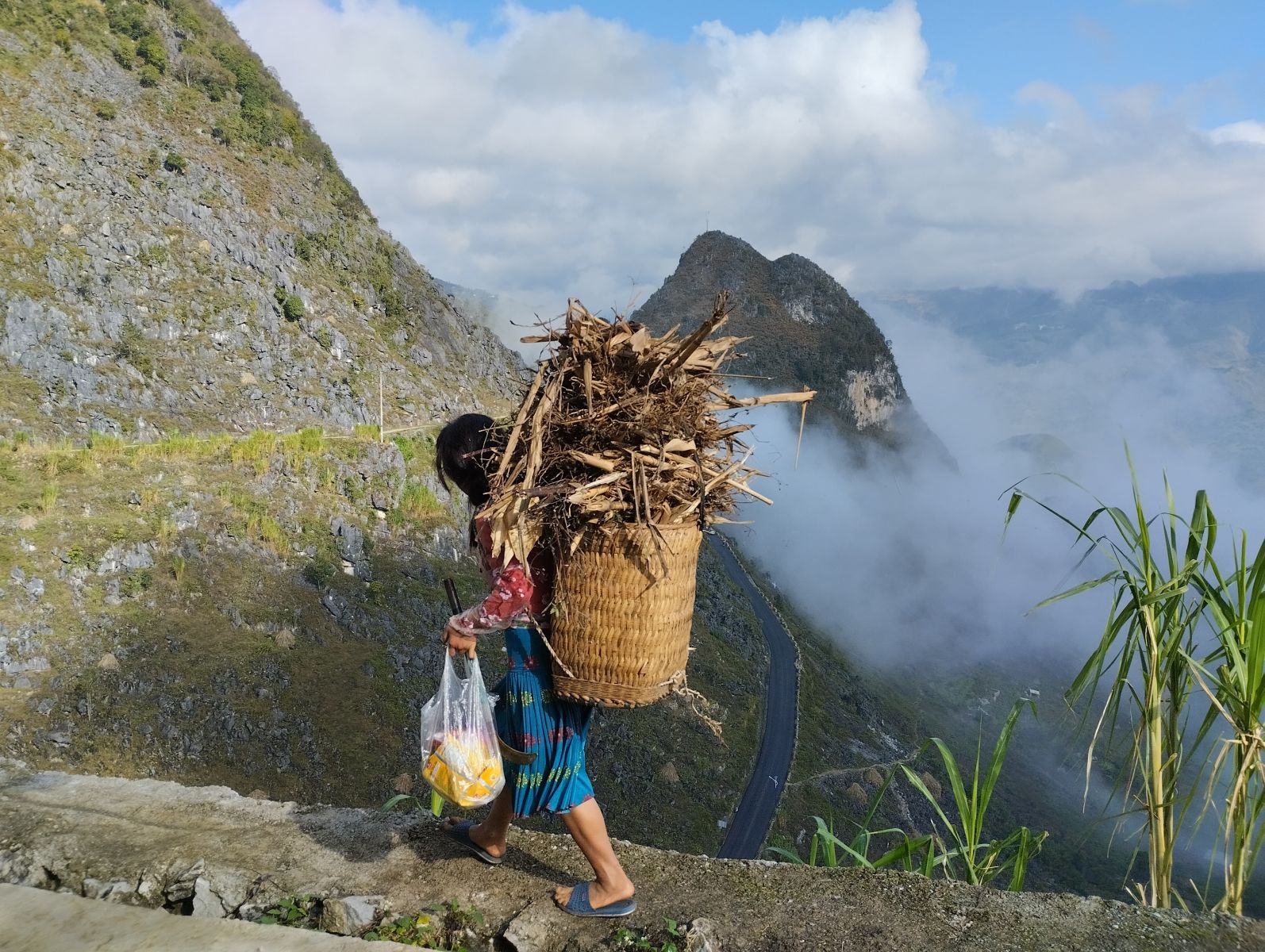
- A rich mix of cultures: Ha Giang is home to 16 ethnic groups, including the Hmong, Tay, Dao, Lolo, and Giay. Each community has its own traditions, clothing, festivals, food, and way of life, adding a fascinating cultural dimension to your journey.
- Roads carved through the mountains: Some sections of the Ha Giang Loop were literally carved into towering cliffs. As you ride along these winding mountain roads, you’ll be rewarded with breathtaking views over deep valleys, terraced fields, and remote villages far below.
The Ha Giang Loop at a Glance
The Ha Giang Loop is a circular travel route spanning approximately 350 to 400 kilometers starting and ending in Ha Giang City. It typically traverses Quan Ba, Yen Minh, Dong Van, Meo Vac, and Du Gia, presenting drivers and passengers with mountain views and steep elevation changes.
Is Ha Giang Suitable for First-Time Visitors?
First-time visitors to Vietnam can explore Ha Giang with ease as long as they choose the right way to get around. Experienced riders may prefer to ride a motorbike themselves, while those who want a more relaxed and worry-free journey can opt for an Easy Rider or a private car with a driver
| Travel Mode | Safety Level | Flexibility | Best Suited For |
|---|---|---|---|
| Self-Ride Motorbike | Moderate / High Risk | High | Experienced riders with valid IDP permit |
| Easy Rider (Local Driver) | High | Moderate – High | Solo travelers wanting motorcycle experience safely |
| Private Car / SUV with Driver | Highest Safety | Maximum Comfort | Families, couples, small groups, mature travelers |
Top 10 Best Things to Do in Ha Giang
Exploring Ha Giang is all about enjoying the journey as much as the destinations. From winding mountain passes and historic towns to peaceful boat rides along river valleys and lively ethnic markets, there’s plenty to experience along the way. Below, we’ve rounded up the top things to do in Ha Giang to help you make the most of your trip.
1. Ride the Legendary Ha Giang Loop
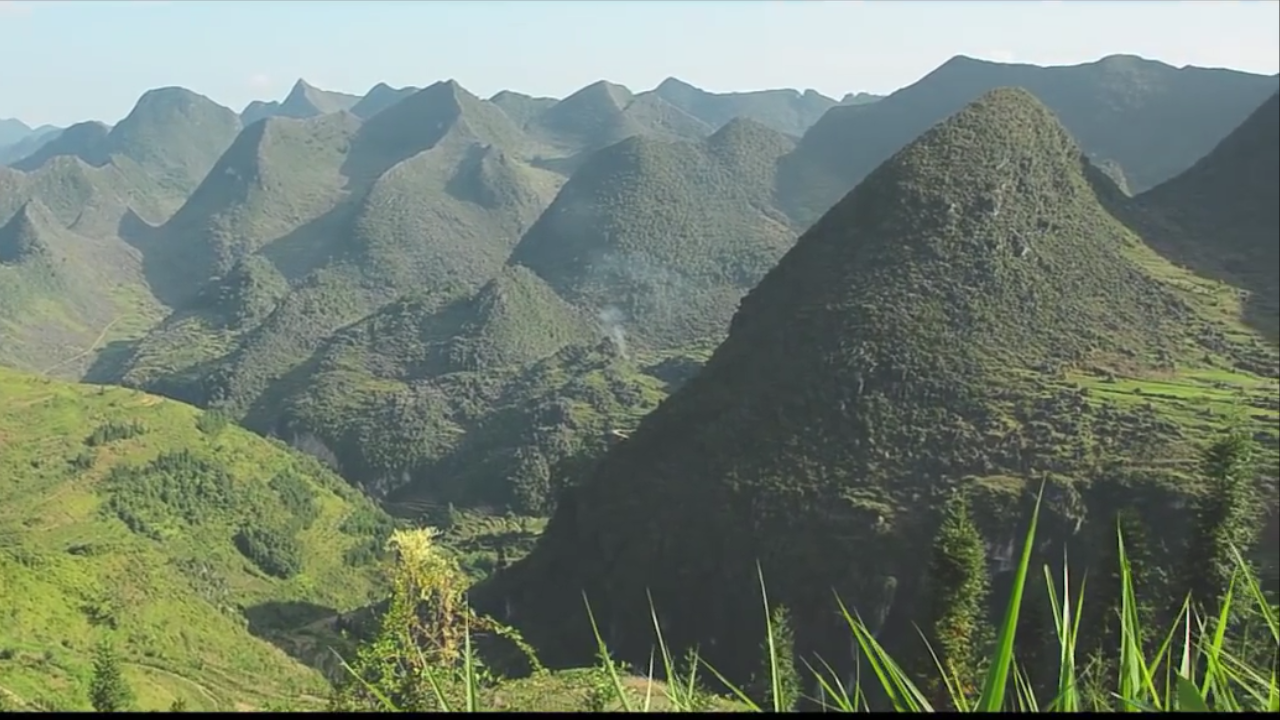
Following the Ha Giang Loop from Ha Giang City through Yen Minh, Dong Van, Meo Vac, and Du Gia means experiencing a landscape that changes around every bend. The road winds through towering limestone mountains, with countless sharp turns carved into grey limestone mountain walls.
2. Conquer Ma Pi Leng Pass and the Skywalk
Known as one of Vietnam’s most famous mountain passes, Ma Pi Leng Pass runs along the Happiness Road between Dong Van and Meo Vac. The route drops sharply into the gorge below, creating impressive viewing points along the cliff edge.
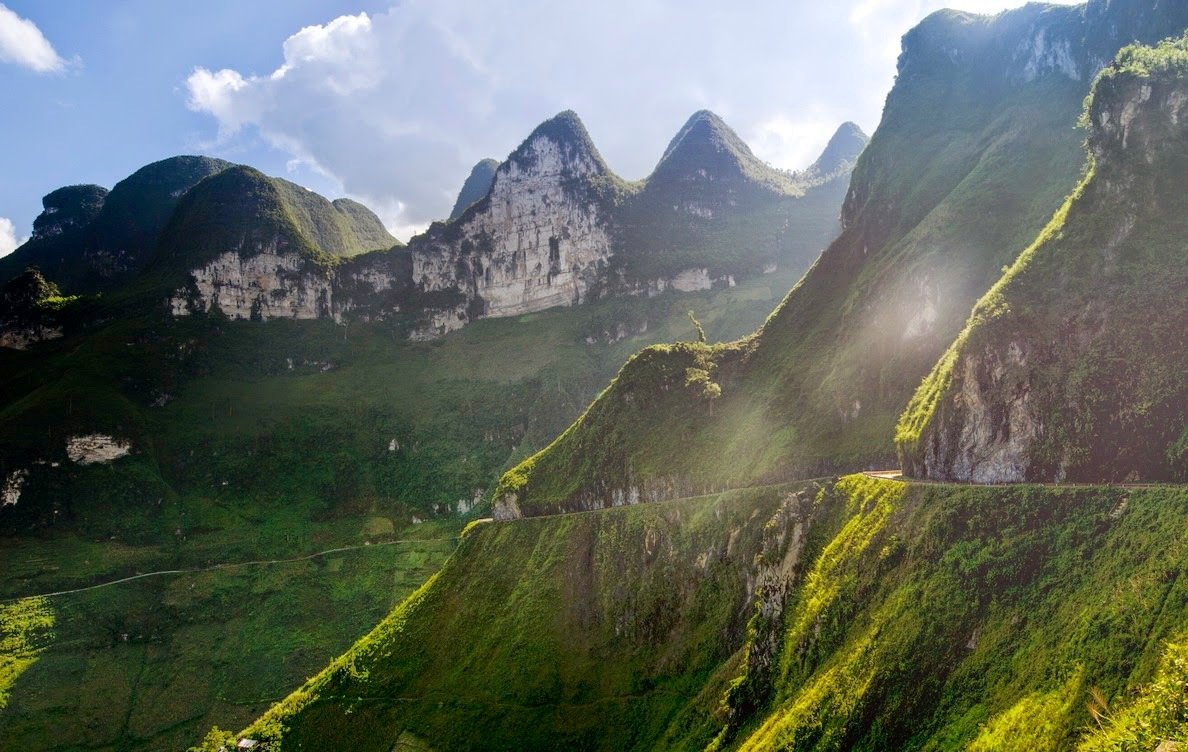
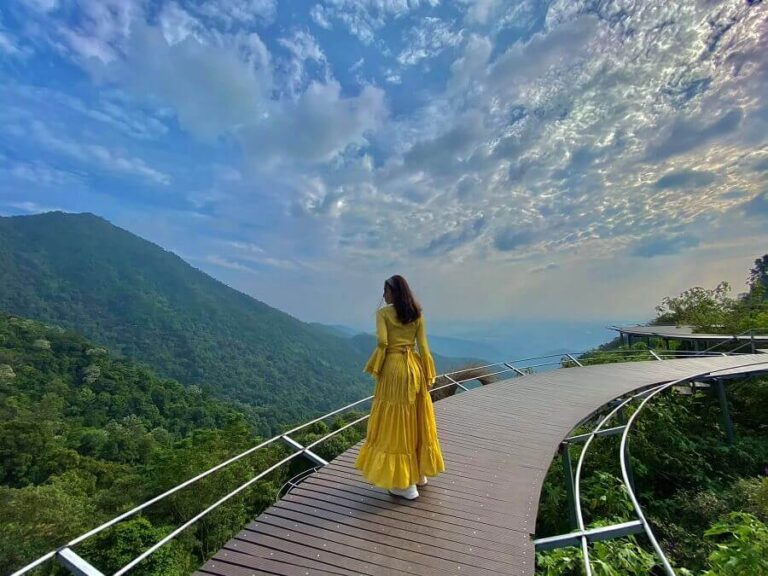
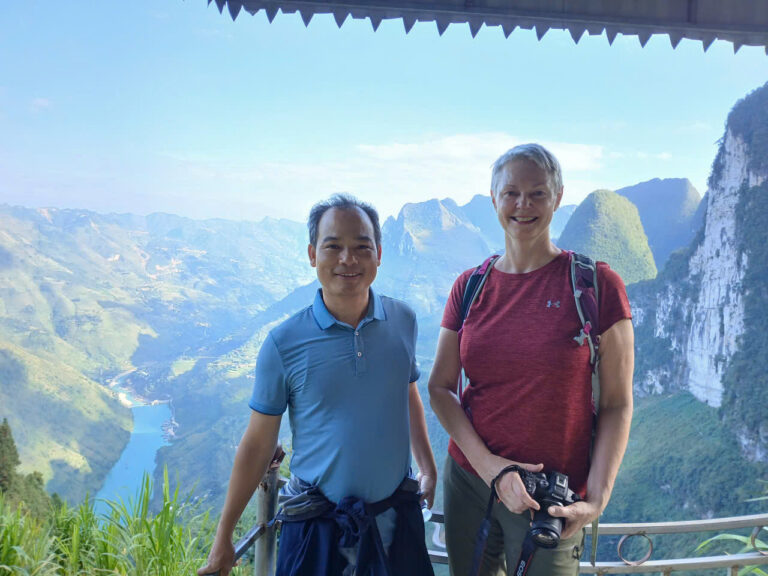
Travelers seeking an active hike can take the hike along Ma Pi Leng Skywalk. This narrow footpath traces high limestone cliffs, opening into clear views of Tu San Canyon and mountain peaks.
3. Admire the Nho Que River from Above and via Boat
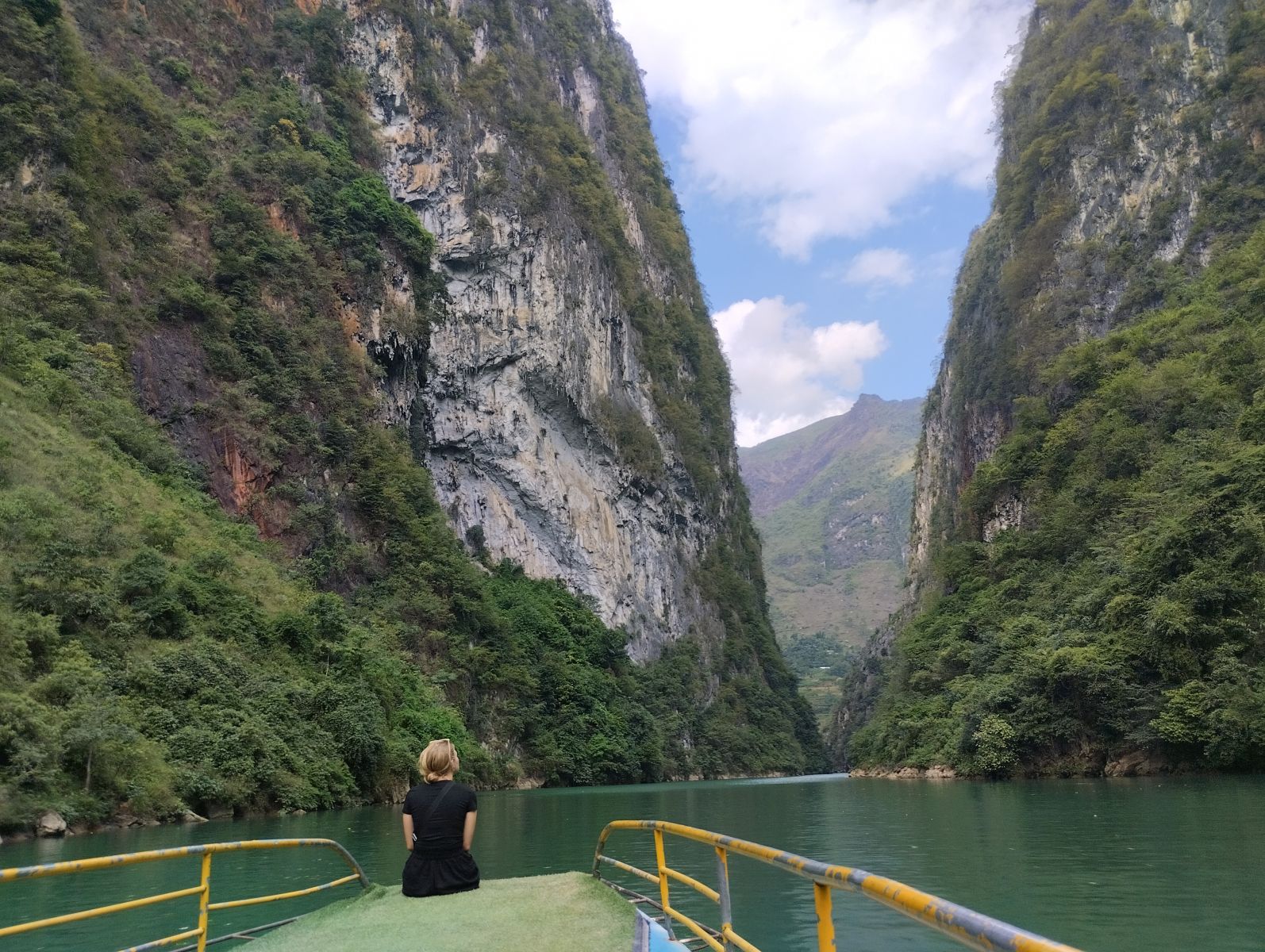
Flowing through Tu San Canyon – recognized as Southeast Asia’s deepest canyon, the Nho Que River displays clear turquoise waters. Visitors can take a scenic boat ride on the Nho Que River to look directly up at vertical rock walls rising hundreds of meters above the water surface.
4. Explore Dong Van Ancient Town and Weekend Markets
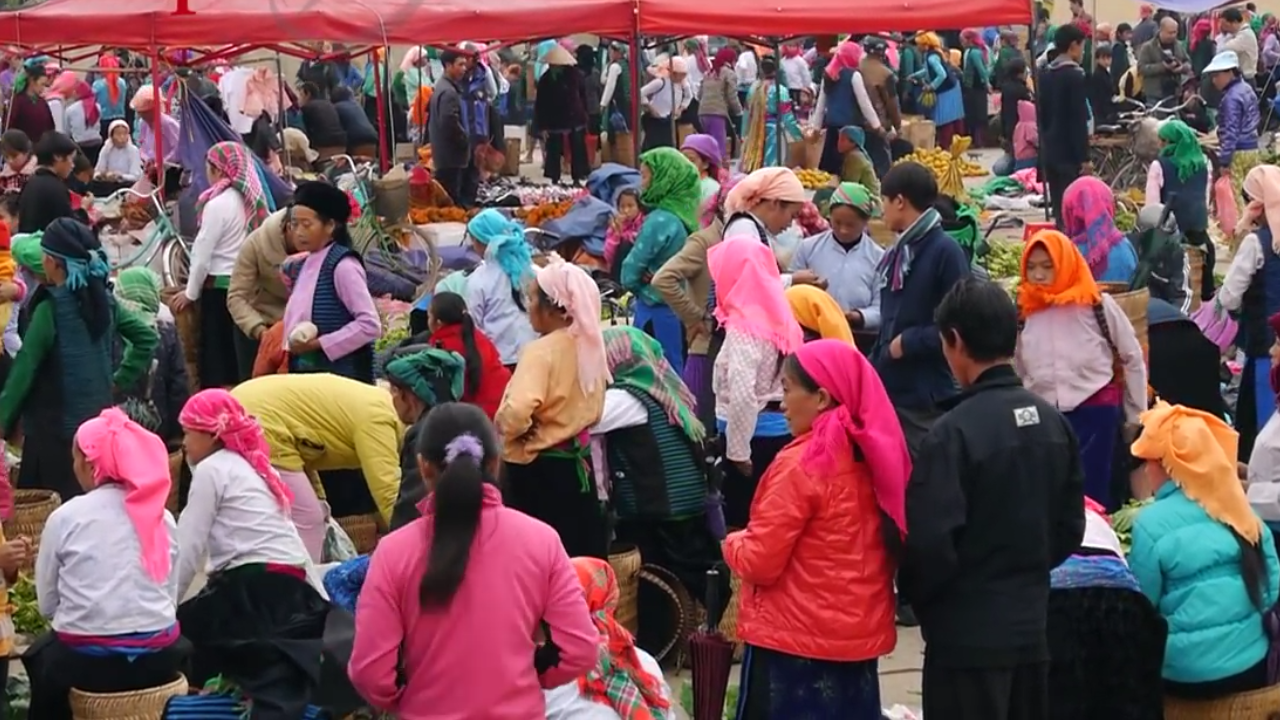
Dong Van Old Quarter features early 20th-century stone and wood architecture with clay tile roofs. On Sunday mornings, the central market space fills with local villagers trading agricultural produce, hand-woven textiles, and livestock.
5. Visit Lung Cu Flag Tower – Vietnam’s Northernmost Landmark
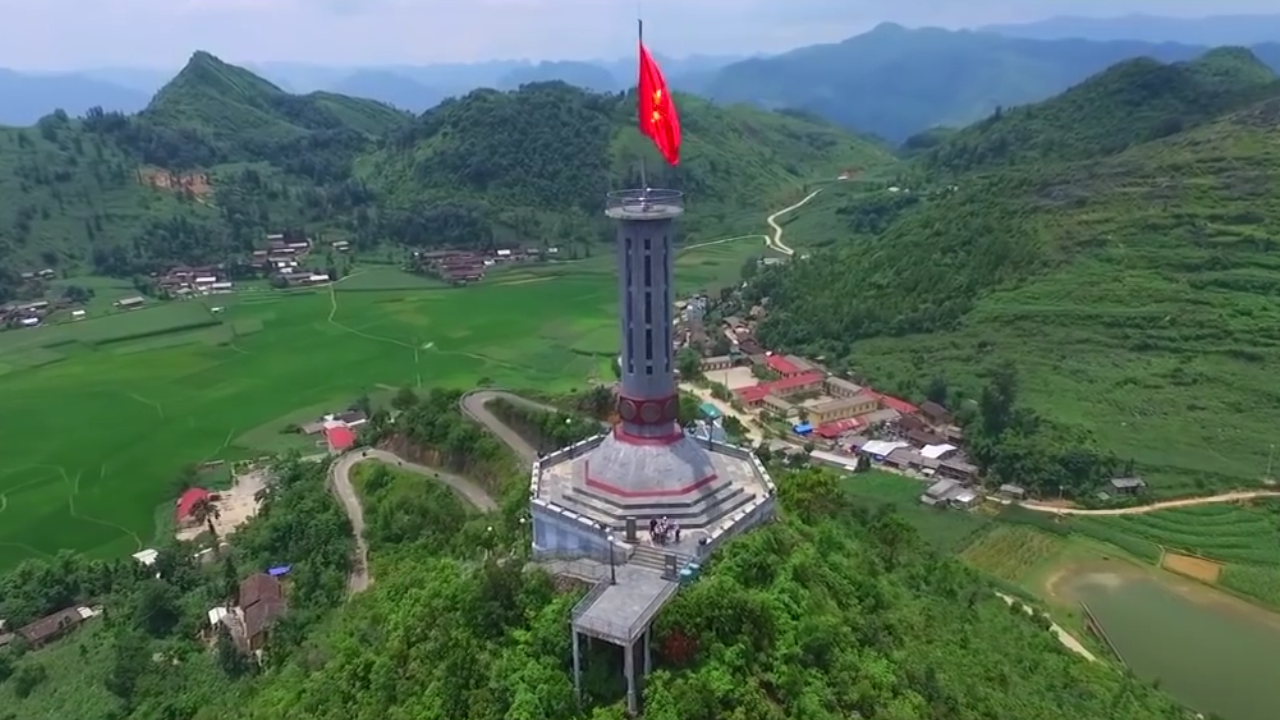
Situated at an altitude of approximately 1,700 meters above sea level, Lung Cu Flag Tower marks the northern border area. Climbing the stone steps to the top platform provides 360-degree views across terraced valleys and nearby villages.
6. Stop at the Iconic Tham Ma Pass
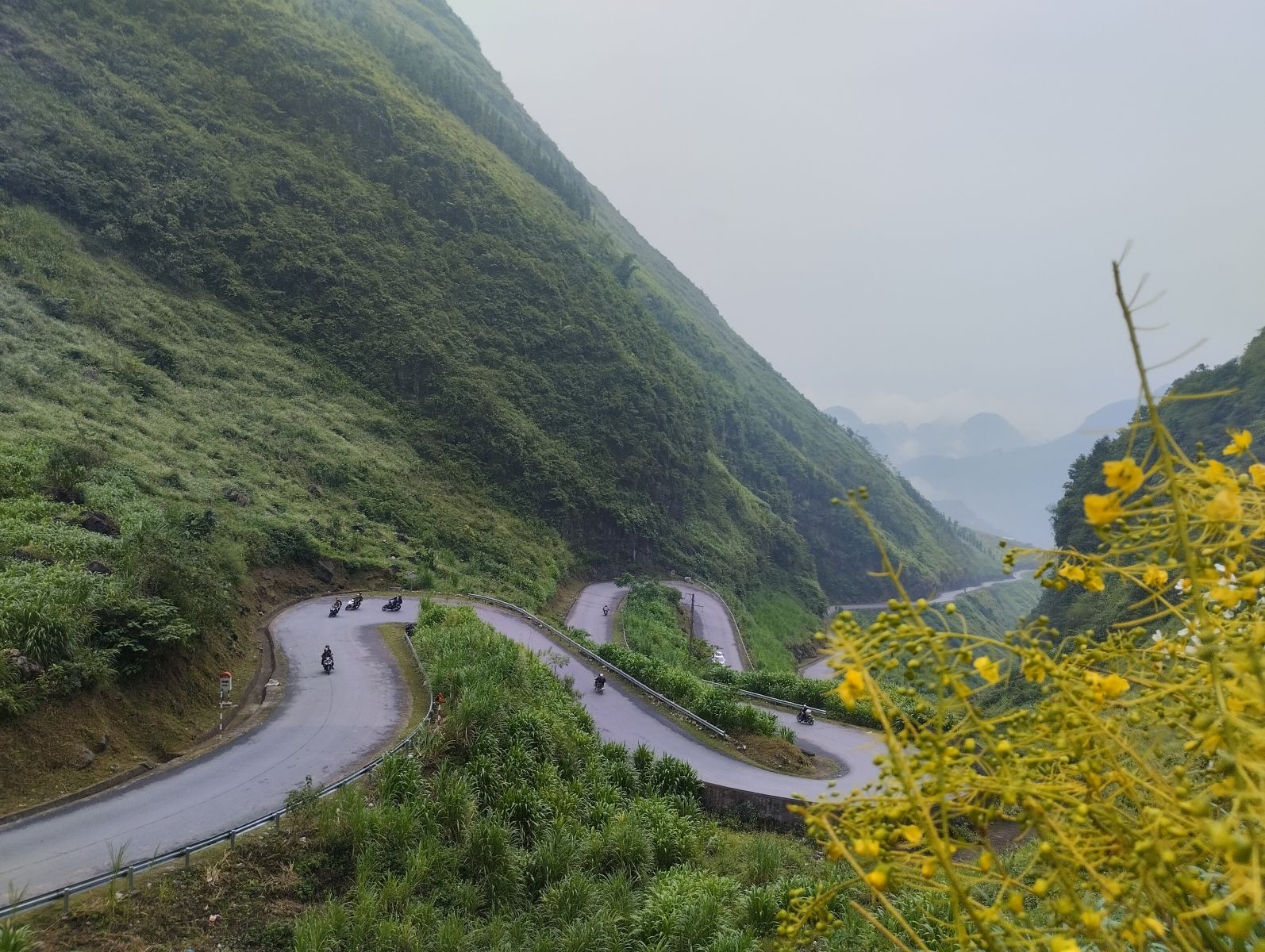
Tham Ma Pass is well-known for its series of tight S-shaped curves climbing uphill. A designated roadside overlook allows travelers to park safely and photograph vehicles negotiating the steep serpentine roadway below.
7. Discover the Hmong King’s Palace (Vuong Mansion)
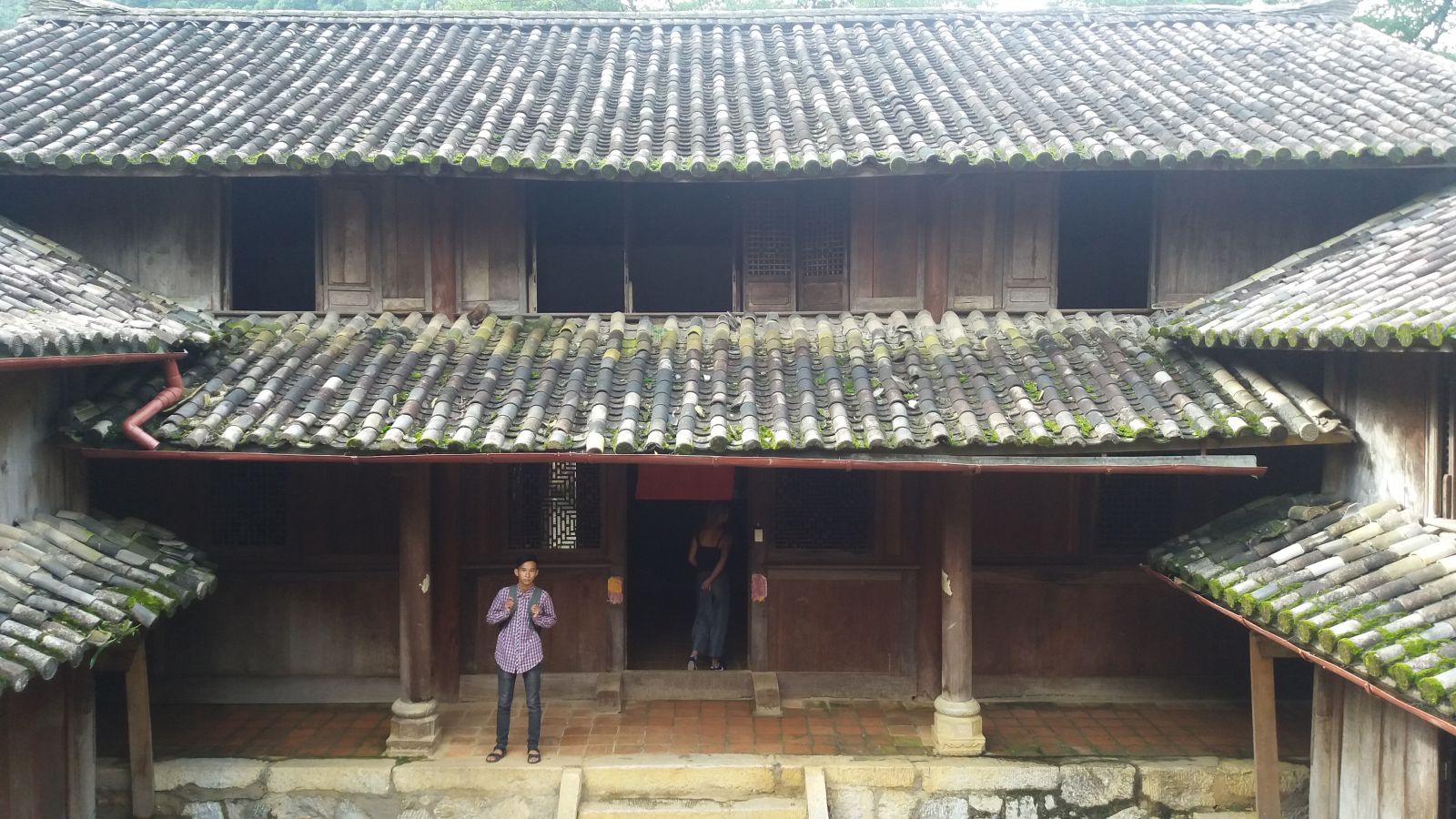
Constructed in 1914 in the Sa Phin Valley, the Vuong Family Mansion belonged to Vuong Chinh Duc. The complex combines traditional Hmong wooden construction with southern Chinese stone courtyard design features, illustrating historical regional governance.
8. Experience Local Life in Ethnic Villages and Lo Lo Chai
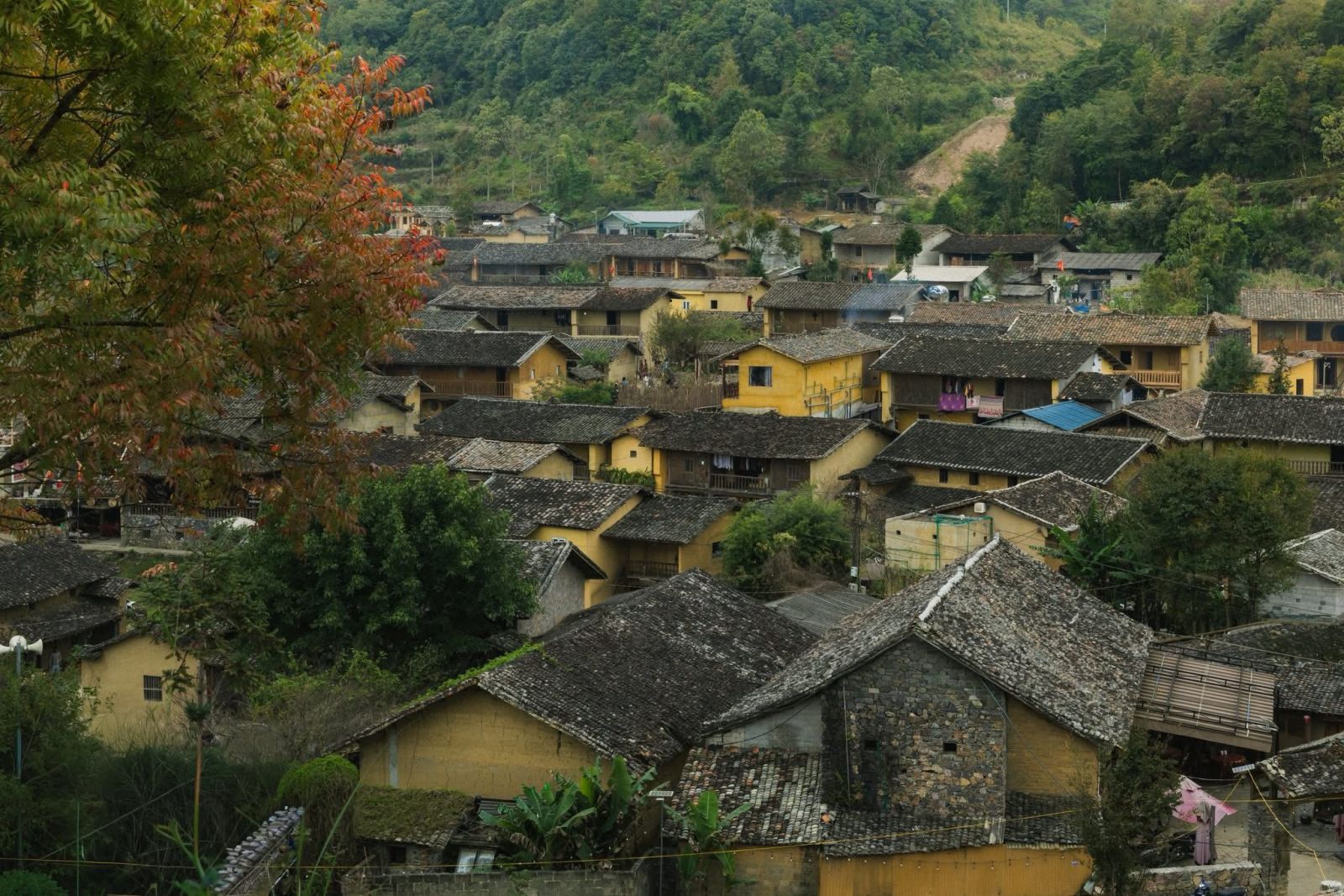
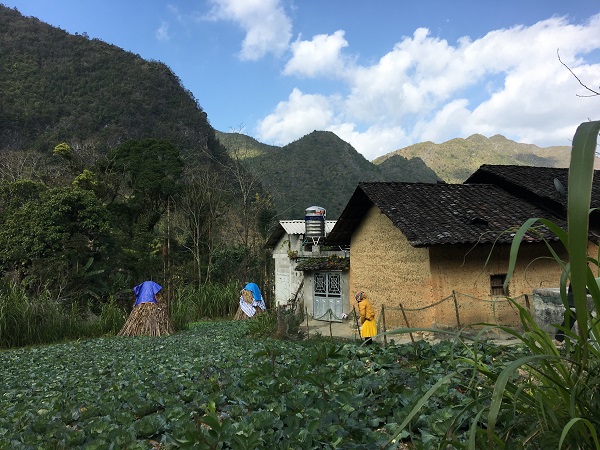
Staying in local hamlets offers direct observation of traditional daily activities. A visit to Lo Lo Chai Village near Lung Cu allows visitors to view preserved earthen walled houses and traditional textile techniques maintained by the Lolo ethnic community.
9. Trek Through Du Gia’s Mountains and Hoang Su Phi Rice Terraces
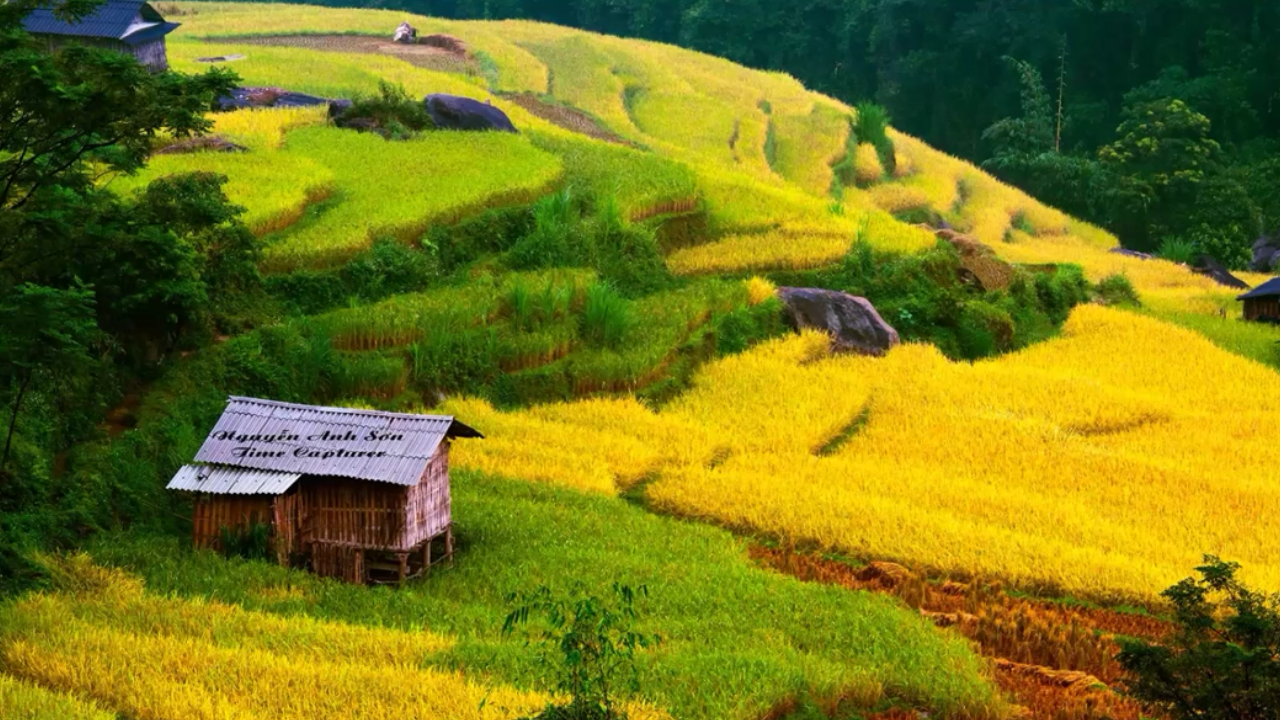
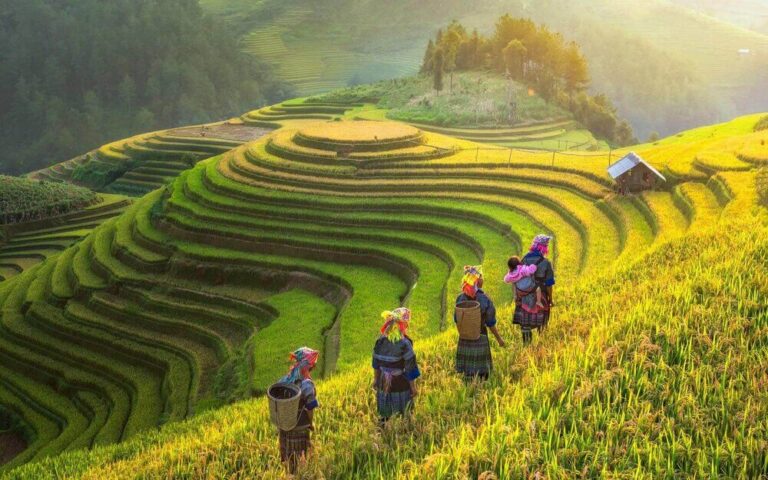
Du Gia offers quiet mountain streams and natural waterfalls, making it a peaceful overnight stay along the loop route. Farther west, Hoang Su Phi presents steep mountain slopes covered in sculpted rice terraces that turn golden during autumn harvest periods.
10. Captivate Quan Ba Heaven Gate and Twin Mountains
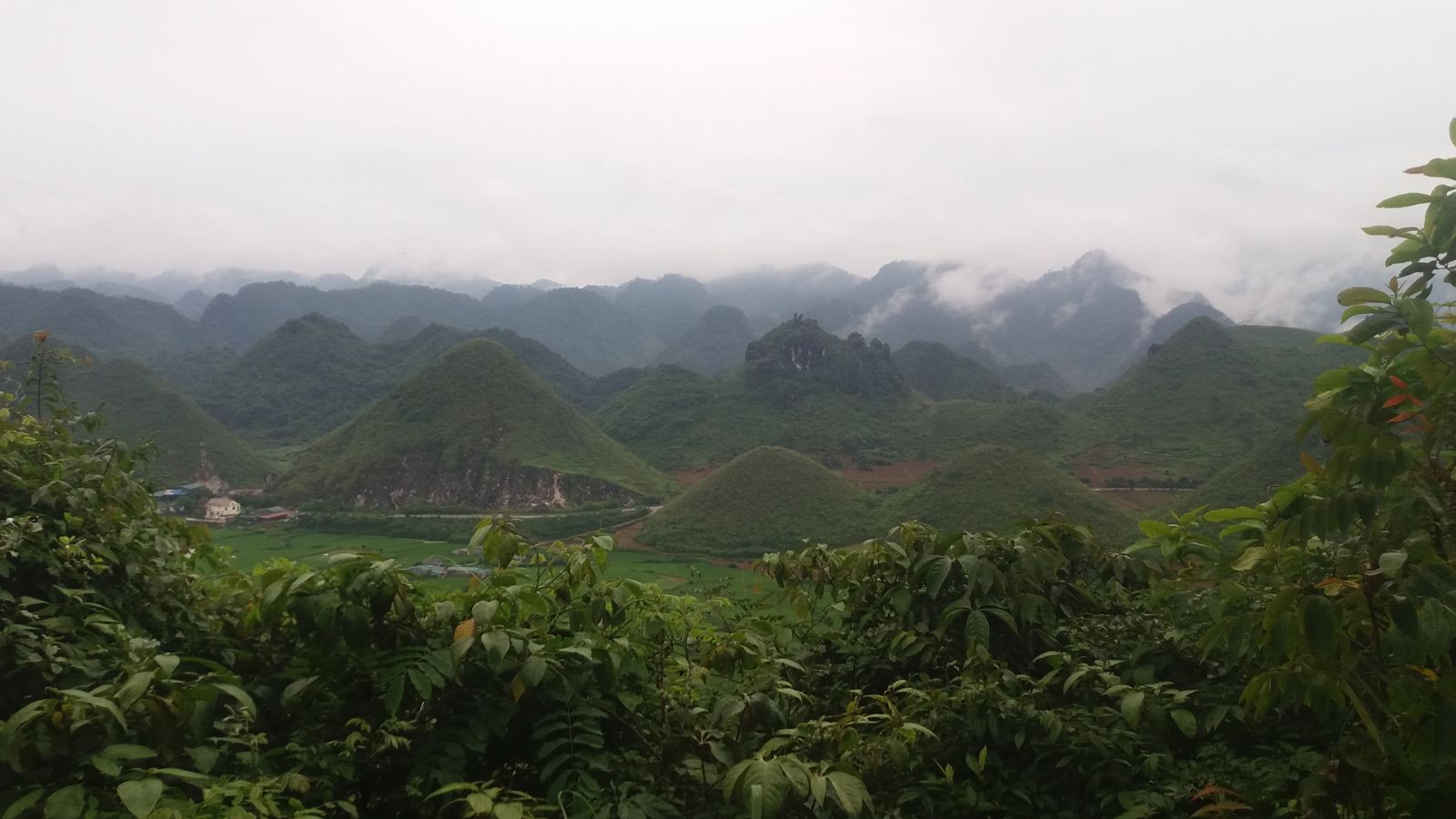
Located roughly 45 kilometers from Ha Giang City, Quan Ba Heaven Gate sits at an elevation offering wide views over the Tam Son Valley. Two symmetrical conical limestone hills rise side by side from the valley floor, known locally as the Fairy Twin Mountains.
| Attraction | Location | Est. Duration | Primary Highlight |
|---|---|---|---|
| Ma Pi Leng Pass | Dong Van – Meo Vac | 2 – 3 Hours | Panoramic cliff views over Nho Que river canyon |
| Nho Que River Boat Trip | Tu San Canyon | 2 Hours | River cruise beneath steep limestone walls |
| Lung Cu Flag Tower | Dong Van District | 1.5 – 2 Hours | Northernmost border landmark & wide valley view |
| Vuong Family Palace | Sa Phin Valley | 1 Hour | Historic Hmong and Chinese courtyard architecture |
Tailor-Made Itineraries
Vietnam Adventure Tours & Expeditions
Combine mountain trekking in Ha Giang with scenic drives across Northern Vietnam, managed by licensed local coordinators.
Best Ha Giang Loop Routes for Different Travel Styles
Selecting an itinerary depends on your total available time, desired travel pace, and physical condition. Below are standard travel routes recommended by our planning team.
2-Day Ha Giang Loop – Is It Enough?
A two-day travel plan requires long hours on mountain roads each day, covering Ha Giang City, Quan Ba, and Dong Van before returning. While feasible for travelers short on time, it restricts opportunities for walking through villages or taking boat trips.
3-Day Ha Giang Loop – The Classic Route
The 3-day itinerary represents the standard loop choice for many travelers. Day 1 covers Ha Giang to Dong Van via Quan Ba and Yen Minh; Day 2 continues across Ma Pi Leng Pass to Meo Vac and Du Gia; Day 3 returns to Ha Giang City via Bac Quang.
4-Day Ha Giang Loop – The Recommended Option
Our travel team consistently suggests a 4-day route for a balanced pace. Extra time allows for visiting Lo Lo Chai Village, enjoying a boat trip on the Nho Que River, inspecting historic sites, and resting at local homestays without daily driving rush.
5–7 Days – For a Deeper Ha Giang Experience
Extending your trip to 5 or 7 days enables the inclusion of Hoang Su Phi’s terraced rice fields in the western district alongside the eastern loop sights, combining mountain pass driving with multi-day rural trekking.

When Is the Best Time to Visit Ha Giang?
Ha Giang changes visually across different weather seasons. Understanding seasonal conditions assists in matching your trip with impressive landscapes and comfortable temperatures.
Ha Giang in Spring (February – April)
Spring brings mild temperatures and flowering plum and peach trees across village valleys. Early spring also features regional traditional festivals held by Hmong and Tay communities.
Ha Giang in Summer (May – August)
Summer corresponds with the water-pouring season, filling terraced fields with reflected sunlight. Higher rainfall occurs during these months, requiring extra caution on mountain driving routes.
Ha Giang in Autumn (September – November)
Autumn presents dry weather conditions, clear blue skies, and ripe yellow rice harvests in September. October and November mark the blooming period for buckwheat flowers across Dong Van and Meo Vac.
Ha Giang in Winter (December – January)
Winter brings cold temperatures, mist, and yellow kale flower blooms. Temperatures on mountain peaks can drop close to freezing, requiring warm layered clothing for evening stays.
Best Months for Flowers, Rice Fields & Clear Mountain Views
September to November offers optimal road driving safety and pleasant daylight visibility for high-elevation photography and outdoor trekking activities.
How to Get to Ha Giang from Hanoi?
Ha Giang City sits approximately 300 kilometers north of Hanoi. Several long-distance transport services connect the capital with the northern province daily.
Hanoi to Ha Giang by Sleeper Bus
Overnight cabin sleeper buses run daily from My Dinh or Old Quarter departure points. Passengers depart late evening and arrive early morning in Ha Giang City to start their trip.
Hanoi to Ha Giang by Limousine Bus
Daytime VIP limousine vans offer recliner seats, charging ports, and direct hotel pickup services in Hanoi, reaching Ha Giang in approximately 6 hours.
Private Car from Hanoi to Ha Giang
Booking a private car hire with driver from Hanoi ensures door-to-door comfort, direct luggage transfer, flexible rest stops, and custom departure scheduling.
How Long Does It Take to Travel from Hanoi to Ha Giang?
Highway highway transit typically takes 5.5 to 6.5 hours depending on traffic flow exiting Hanoi and weather along northern expressways.
Where to Stay During Your Ha Giang Loop?
Accommodations along the route vary from basic community homestays in rural villages to private boutique lodges in main district towns.
Where to Stay in Ha Giang City?
Ha Giang City provides riverside hotels, urban guesthouses, and homestays in nearby Tay ethnic hamlets for night stays before or after completing the loop.
Where to Stay in Yen Minh?
Yen Minh Town offers mid-range town hotels and eco-homestays situated among pine hill landscapes for your first night on a multi-day Ha Giang itinerary.
Where to Stay in Dong Van?
Dong Van town center features several 2 to 3-star standard hotels near the Old Quarter alongside local homestays in nearby hamlets like Lo Lo Chai.
Where to Stay in Meo Vac?
Meo Vac offers authentic homestay choices in Pa Vi Hmong Cultural Village, constructed in traditional style surrounded by limestone hills.
Homestay vs Hotel: Which Should You Choose?
Homestays provide opportunities to eat home-cooked family meals and interact with local hosts. Hotels offer private ensuite bathrooms, air conditioning, and western-style amenities.
Common Mistakes & Our Practical Travel Tips for First-Time Visitors
- Permit Requirements: Foreign travelers driving near border zones must obtain a provincial travel permit at the Ha Giang Immigration Office for 230,000 VND ($10 USD).
- Motorcycle License Legalities: Riding legally in Vietnam requires a 1968 Convention International Driving Permit (IDP) paired with your native motorcycle endorsement.
- Cash Carry Advice: Withdraw cash in Hanoi or Ha Giang City before starting the loop route, as card readers and ATMs are non-existent in small mountain hamlets.
- Local Etiquette Respect: Ask permission before taking close portraits of ethnic villagers, dress modestly when entering residential homes, and avoid distributing plastic candy directly to young children along roadside stops.
Frequently Asked Questions (FAQs) About Things to Do in Ha Giang
How many days are needed for the Ha Giang Loop?
A minimum of 3 days is required to complete the main circuit. We recommend 4 days to comfortably visit sites like Lung Cu Flag Tower and Nho Que River without excessive rush.
Is the Ha Giang Loop dangerous for drivers?
The mountain passes contain sharp curves, steep grades, and heavy truck traffic. Inexperienced riders should hire an easy rider local driver or travel by private car with driver.
Can non-riders explore Ha Giang comfortably?
Yes, non-riders can travel comfortably using private SUVs or private car hire services accompanied by experienced local drivers familiar with northern mountain conditions.
What is the best month to view rice fields in Ha Giang?
September and early October offer golden terraced rice fields in Hoang Su Phi district right before the annual crop harvest begins.
Do I need an easy rider guide for Ha Giang?
Hiring an easy rider or local guide provides safe navigation over mountain roads and valuable local cultural interpretation at ethnic villages along the route.

Tailor-Made Tour Packages
Customized Vietnam Tour Packages
Design your personalized Vietnam travel package with custom itineraries, private transport, and local expert support across Vietnam.
Plan Your Ha Giang Loop Adventure with Local Experts
Exploring the full range of activities and attractions in Ha Giang requires accurate local knowledge, reliable transportation, and flexible travel planning. Our expert coordinators at Golden Holiday Travel organize customized Ha Giang tour packages tailored to your schedule and preferences. Contact our local team on WhatsApp +84.988451530 or send your request via email to [email protected] to receive a personalized itinerary consultation.
Note: The travel tips and recommendations shared in this guide have been carefully prepared by the local travel experts at Golden Holiday Travel. While every traveler is different, our team is always happy to provide personalized itinerary planning, destination advice, and one-on-one support to help you create the perfect Vietnam journey.
Frequently Asked Questions
The Ha Giang Loop is home to some of Vietnam’s most dramatic landscapes. The “Big Three” must-see spots are the Ma Pi Leng Pass (the king of mountain passes), the Nho Que River (best experienced by boat through Tu San Canyon), and the Lung Cu Flag Tower, which marks the northernmost point of Vietnam. Other cultural highlights include the Hmong King’s Palace in Sa Phin and the ancient houses of the Dong Van Old Quarter.
To truly experience the region without rushing, we recommend a minimum of 4 days and 3 nights. This allows you to cover the classic route through Quan Ba, Yen Minh, Dong Van, and Meo Vac, with enough time for a detour to the peaceful village of Du Gia. If you are short on time, a 3-day “Express Loop” is possible, but it involves long hours of driving and less time for cultural interaction.
Ha Giang is beautiful year-round, but two seasons stand out. September to October is the “Golden Season” when the terraced rice fields turn brilliant yellow. October to November is the famous Buckwheat Flower Season, where valleys are carpeted in pink and purple blooms. For those who prefer cooler weather and clear skies, March to May offers pleasant spring temperatures and blooming peach blossoms.
The Ha Giang Loop features steep grades, hairpin turns, and unpredictable weather. If you are not an experienced motorcyclist with a valid international permit, we strongly recommend our Easy Rider tours. This allows you to sit back and enjoy the 360-degree views while a professional local driver handles the road. For those who prefer more comfort, private Jeep tours are an increasingly popular and safe way to navigate the rugged terrain.
Preparation is key for the high altitudes. Even in summer, evenings in Dong Van can be chilly, so bring light layers. Essential gear includes sturdy hiking shoes, a high-quality raincoat, sun protection, and a small first-aid kit. If you are riding a motorbike, ensure you have proper protective gear (knee and elbow pads). We also recommend carrying cash in small denominations, as ATMs are rare once you leave Ha Giang City.
As a licensed tour operator, Golden Holiday Travel ensures your safety and comfort in one of Vietnam’s most remote regions. We provide professional English-speaking guides, well-maintained vehicles, and hand-picked homestays that offer an authentic taste of local ethnic culture. Our itineraries are flexible and designed to take you “off the beaten path” to avoid the crowds, ensuring a truly personal connection with the land and its people










Write Comment