
22 Important Things to Know Before Traveling to Vietnam
Planning a trip to Vietnam is an exciting adventure, but proper preparation makes all the difference. Our expert team at Golden Holiday Travel provides this comprehensive guide to help foreign visitors navigate requirements, itineraries, and local culture. Let us handle your details with deep local expertise and reliable customized services for your first time in Vietnam with personalized travel tips and itinerary planning.
Visa Requirements & Travel Documents when Planning a Trip to Vietnam?
Securing the correct entry documents is the vital first step for international tourists. Most visitors require a valid tourist e-Visa and a passport with at least six months of validity beyond their arrival date. Understanding these entry protocols makes sure your arrival at any major airport is smooth and trouble-free.
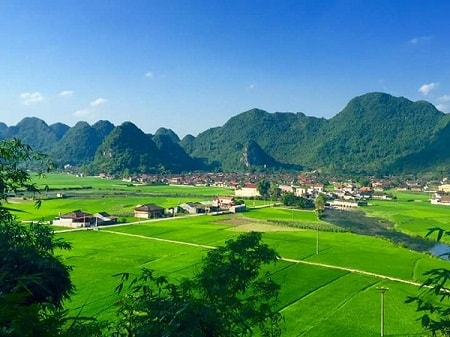
Fully Licensed Local Agency
Private Vietnam Adventure Tours
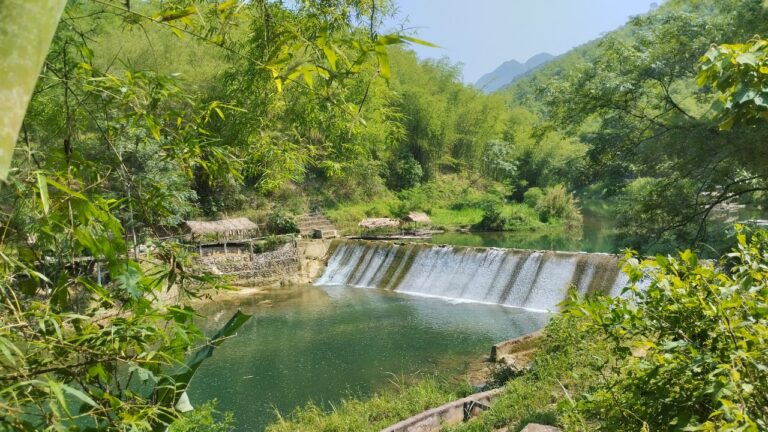
Explore the most beautiful landscapes, terraced rice fields, and remote ethnic villages with our private adventure tours. We specialize in custom-tailored trekking and cycling trips featuring professional local guides, safe private drivers, and local cultural discovery designed to match your physical pace and travel desires.
1. Check Vietnam’s Latest Visa Requirements
Vietnam provides straightforward entry protocols for global passport holders through its modern online platforms. Knowing your country’s specific classification prevents boarding delays at your departure airport. Many western nations benefit from temporary entry waivers for short stays.
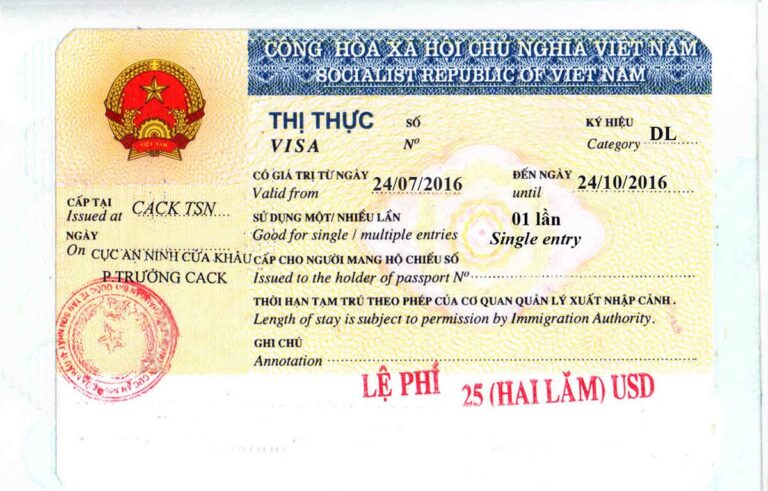
Applying online for your evisa to Vietnam has simplified travel in recent years. If you are from ASEAN or countries with visa exemptions like France, UK, Italy, or Spain, you can enter the country without a pre-arranged document for a specific period. For other passport holders, submitting your application through official channels is necessary. You can read this article to learn the exact step-by-step process of securing your evisa document before starting your travels. Preparing this document well in advance guarantees that a visit to Vietnam begins smoothly and remains completely stress-free.

Visa form to enter Vietnam
2. Passport Validity Rules
Your passport must remain valid for a minimum of six months from your exact date of entry. Custom officials also look for at least two blank pages to apply official immigration stamps. Meeting these standard international travel requirements prevents immediate denial of boarding by your airline.
Custom officers enforce the six-month rule with strict consistency at all international borders. Check your passport booklet expiration date before reserving any flights or domestic arrangements. If your passport is nearing its end date, renew it immediately to avoid airport complications. Our local consultants suggest taking a digital scan of your passport data page and storing it securely on your mobile device as an extra safety measure.
3. Required Travel Insurance (Is It Worth It?)
Comprehensive travel insurance is strongly recommended to protect against unexpected medical costs or trip disruptions. While not always legally mandated for entry, having a policy provides peace of mind while exploring remote regions. Quality coverage should include medical evacuation, flight cancellations, and baggage loss.
Many travelers wonder if insurance is necessary when planning their Vietnam itinerary. While some entry points do not require physical proof of insurance, medical costs in private hospitals can accumulate fast. A good policy covers emergency transit, medical treatment, and adventure activities like trekking, making it a very smart investment. Obtaining coverage reduces risk, helping you enjoy your trip with total security.
Choose the Best Time to Visit When Planning a Trip to Vietnam.
Selecting the right months to travel depends heavily on the specific regions you wish to explore. The country spans multiple climate zones, meaning the weather can be cool in the north while hot and sunny in the south. Aligning your schedule with optimal regional seasons guarantees dry weather and comfortable sightseeing temperatures.
4. Understanding Vietnam’s Three Climate Regions
The country is divided into three distinct weather systems: North, Central, and South. Each area experiences different dry and rainy seasons, creating diverse regional landscapes throughout the year. Knowing these zones prevents you from arriving during severe monsoon or typhoon periods.
The North features four seasons, with cool dry winters and hot rainy summers. At the same time, the Central region experiences hot temperatures during the dry months, followed by a wet winter and autumn. The South stays warm all year round, splitting simply into wet and dry periods. Preparing for these differences makes your travels comfortable.
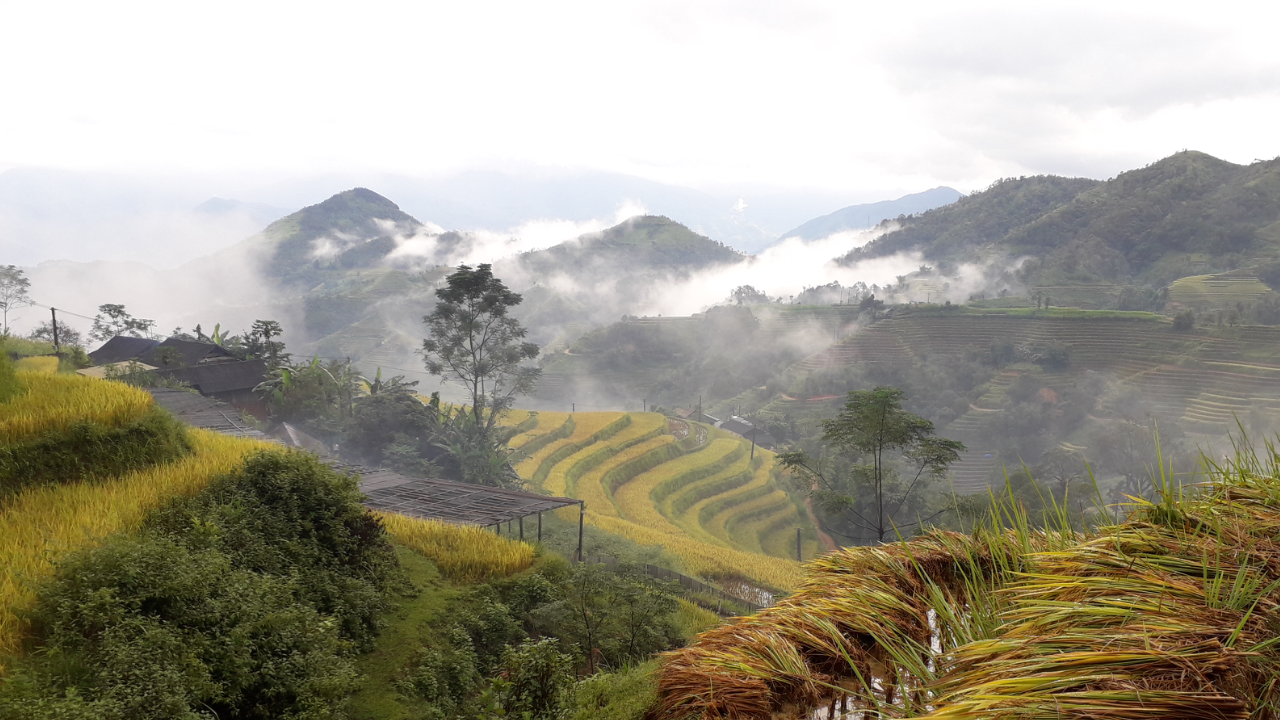
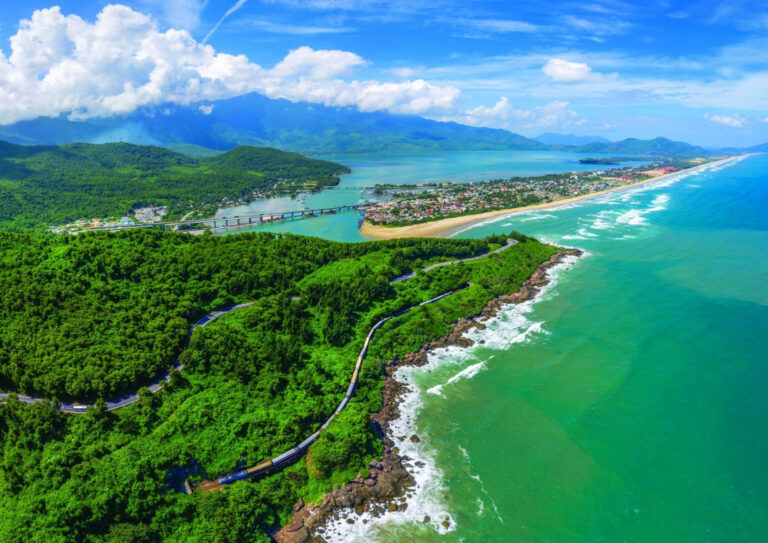
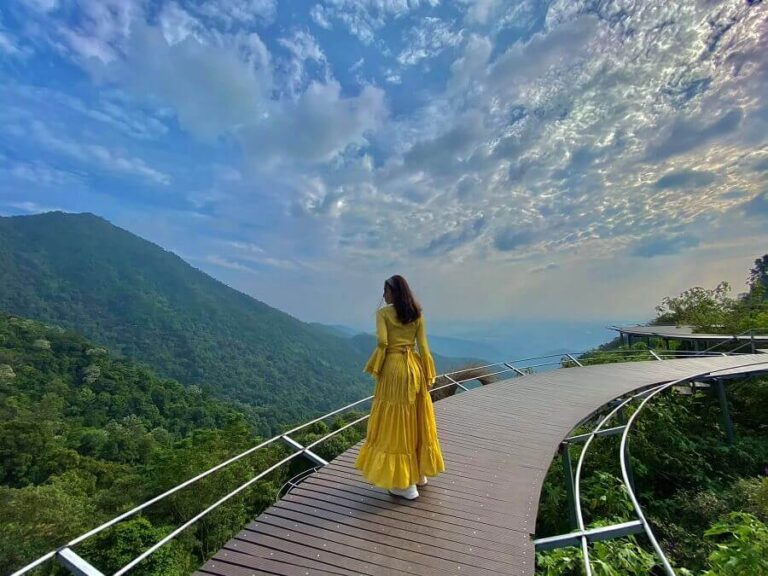
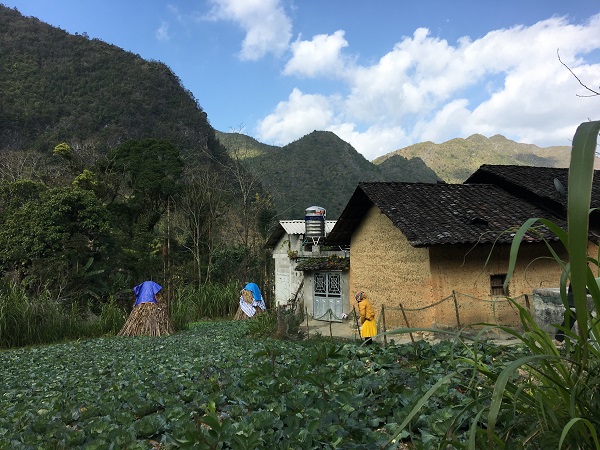
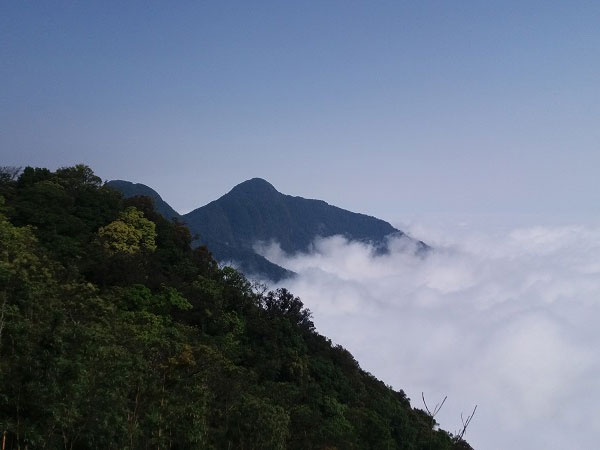
Stunning landscapes in Hoang Su Phi district- Ha Giang
5. Best Months for North, Central & South Vietnam
The period between November and April is widely recognized as the ideal time to explore the entire country. During these dry months, you will enjoy cool breezes in the north and plenty of sunshine on southern beaches. Planning your activities around these peak months guarantees comfortable trekking and cruise conditions.
To experience Vietnam’s most captivating hidden gems, it is wise to schedule your trip when the rainfall is low. Travelers agree that the best time to visit Vietnam is during the winter and early spring months. If you wish to visit mountain landscapes like Sapa, dry cool days offer clear views of the terraces.
6. Avoiding Typhoon & Rainy Seasons
Typhoon season mainly affects Central Vietnam from September to November, often causing flooding and travel disruptions. Heavy summer monsoons hit the North and South between May and September, usually as short afternoon downpours. Staying aware of these seasonal shifts allows you to plan outdoor activities safely.
The rainy season brings frequent showers, but these rarely ruin an entire day. However, severe storms in Central provinces can cause temporary flooding in towns like Hoi An, Hue, Da Nang. Keep your plans flexible if traveling during the autumn months to ensure safe transfers. Planning indoor museum visits or cooking classes during wet afternoons is an excellent backup strategy.
| Region | Weather Pattern | Best Months to Visit |
|---|---|---|
| North Vietnam | Cool and dry winters, hot and wet summers | October to April |
| Central Vietnam | Hot and dry summers, rainy winters with typhoon risks | January to August |
| South Vietnam | Warm year-round, distinct dry and rainy seasons | November to April |

Fully Licensed Local Agency
Customized Northern Vietnam Tours
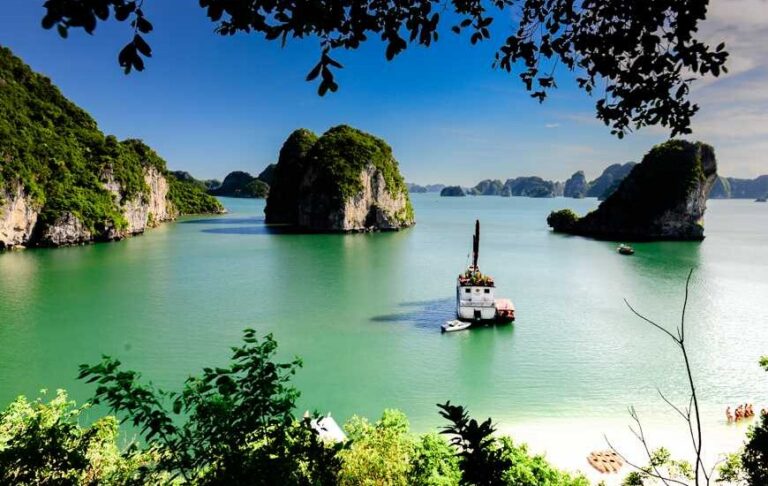
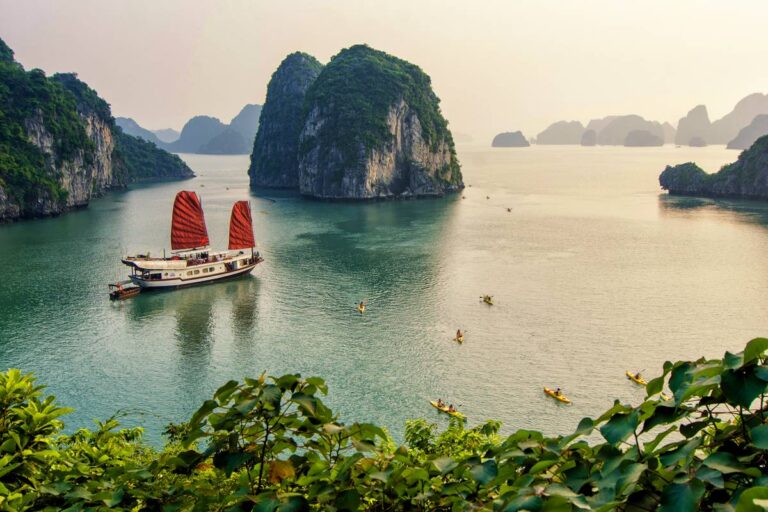
Discover the impressive beauty of Hanoi, Ninh Binh, Halong Bay, and Sapa with our fully personalized Northern Vietnam travel packages. Our local travel specialists offer flexible itineraries, private cars with professional drivers, and expert local guides to guarantee a comfortable and rich travel experience tailored to your exact pace.
Plan a Realistic Vietnam Itinerary
A well-designed travel schedule balances sightseeing with relaxing downtime to prevent travel fatigue. Attempting to cover too much distance in a short trip is a common mistake that leads to exhaustion. Selecting specific regions and focusing on slow, cultural exploration guarantees a far more rewarding vacation.
7. How Many Days Do You Need?
First-time travelers should allocate at least 10 to 14 days to fully appreciate the main regional attractions. If you only have a week, it is wiser to focus exclusively on either the North or the South to minimize internal transit. Longer trips of three weeks or more allow for deep cultural immersion and slow travel.
A week-long stay is enough to see the highlights of one region, like Hanoi, Halong Bay, and Ninh Binh. To travel between the North and South, you will need at least 12 days to avoid rushing. If you have 3 weeks, you can comfortably add adventure detours to Ha Giang or quiet beach stays in Phu Quoc.
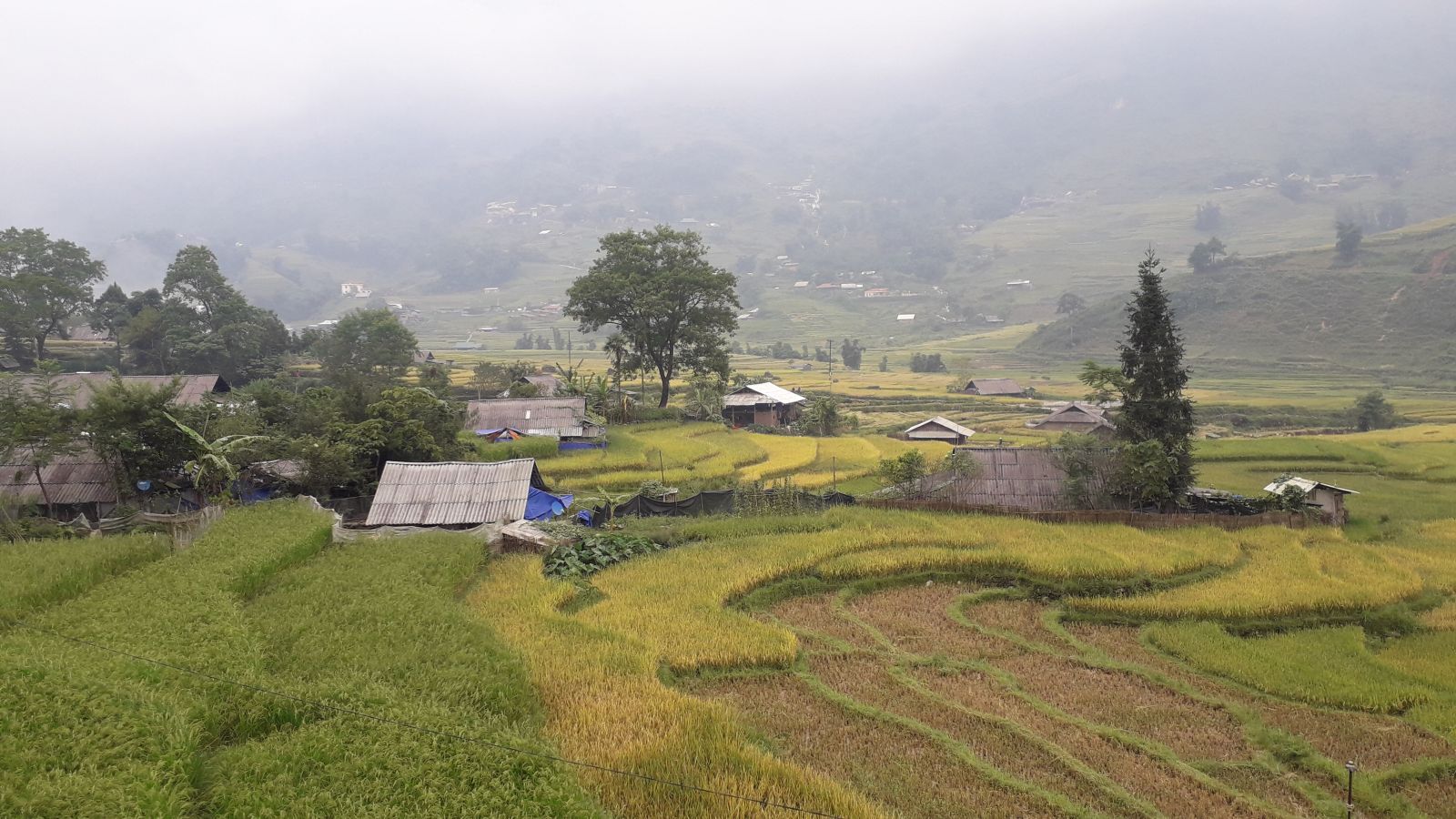
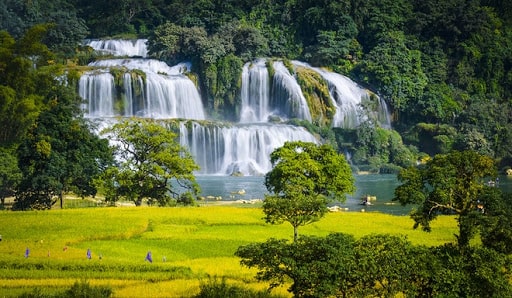
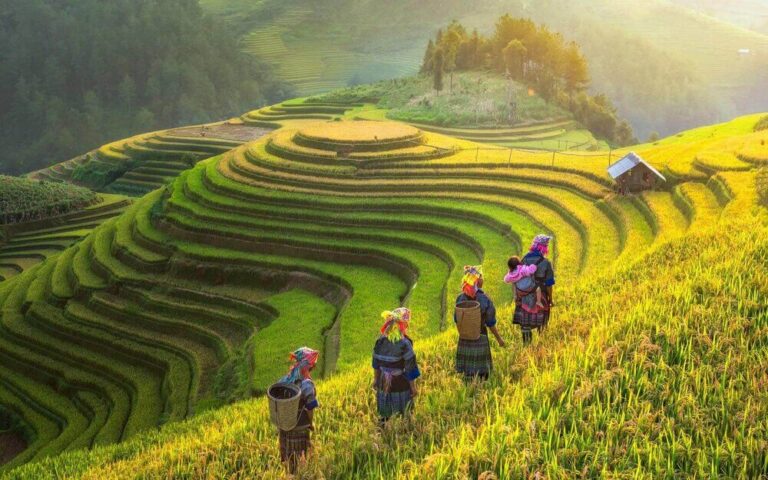
Sapa beauty in rice harvest time [18]
8. Don’t Try to See the Entire Country
Spanning over 1,600 kilometers from north to south, traveling between major destinations takes time. Rushing from one location to another means spending your holiday in planes, trains, and buses instead of exploring. Focus on depth rather than geographical coverage to truly experience the culture.
Travelers often make the mistake of packing too many destinations into a single week. To fully enjoy the slow pace of local life, pick a few key regions and stay longer. This allows you to explore local villages, enjoy the fresh mountain air, and connect with ethnic communities.
9. Sample Itineraries for First-Time Visitors
Standard travel routes usually start in Hanoi and end in Ho Chi Minh City, or vice versa, with stops in Central regions. A balanced itinerary covers historical monuments, natural scenery, and leisure days at tropical beaches. Our local experts can customize these paths to suit families, couples, or solo travelers.
A classic route includes starting in Hanoi, cruising in Halong Bay, visiting Ninh Binh, and then flying to Central Vietnam to see Hoi An and Hue. Finally, travelers fly to Ho Chi Minh City to explore the Mekong Delta. This standard pathway is popular for a reason, as it introduces you to the diverse history and natural beauty of the land.
| Trip Duration | Recommended Regions | Top Things to Do |
|---|---|---|
| 5 to 6 Days | Northern Vietnam OR Southern Vietnam | Explore Hanoi Old Quarter, Halong Bay cruise, Ninh Binh day trip OR tour Ho Chi Minh City and the Mekong Delta. |
| 7 to 10 Days | North & Central or Southern Vietnam | Trek in Sapa, cruise in Halong Bay, explore ancient imperial Hue, and walk through Hoi An Ancient Town or tour Ho Chi Minh City and the Mekong Delta |
| 11 to 14 Days | Fine for Fast-Paced Vietnam Route | Explore Hanoi, Halong Bay, Ninh Binh, Da Nang, Hoi An, Ho Chi Minh, and the Mekong Delta in fast-paced journeys |
| 15 to 21 Days | Full North-to-South Route | Discover Ha Giang loop, Sapa, Hanoi, Halong Bay, Phong Nha Caves, Hue, Hoi An, Nha Trang beaches, and the Mekong Delta. |
Budgeting for Your Trip to Vietnam ?
Vietnam is a highly budget-friendly destination, offering luxurious services at very reasonable rates. Depending on your personal comfort level and travel style, daily costs can vary from modest to high-end. Setting a realistic budget in advance allows you to secure excellent boutique hotels and comfortable private transport.
10. Average Daily Budget for Mid-Range Travel in Vietnam
For a comfortable stay in major cities, budget around $100 to $150 per day. This amount easily covers boutique hotel rooms, dining at quality restaurants, local sightseeing, and comfortable taxi rides. If you select private guided tours and transfers, the value remains outstanding compared to other destinations.
11. Cash or Credit Card?
Large businesses, hotels, and established restaurants in Hanoi or Ho Chi Minh City accept international credit cards. However, smaller cafes, family-run homestays, and market stalls rely on cash. Carry some local money with you to handle small purchases smoothly.
12. Is Tipping Expected in Vietnam?
Tipping is an aspect of travel etiquette to keep in mind when visiting Vietnam. While tipping is not mandatory in casual noodle shops, leaving a small tip of around 10% for excellent service in restaurants is polite. For drivers, private guides, and porters, tips are highly valued as a direct reward for their hard work .
13. Transportation Around Vietnam
A variety of transit options makes traveling between cities convenient and highly accessible. Visitors can choose between efficient domestic flights, scenic overnight trains, or private car rentals with professional drivers. Selecting the right transit mode depends on your budget, timeline, and desired comfort levels.
Domestic flights are the fastest way to travel between major hubs like Hanoi and Da Nang. Sleeper trains offer a local experience, while overnight buses are budget-friendly. Choose the option that fits your time limits.
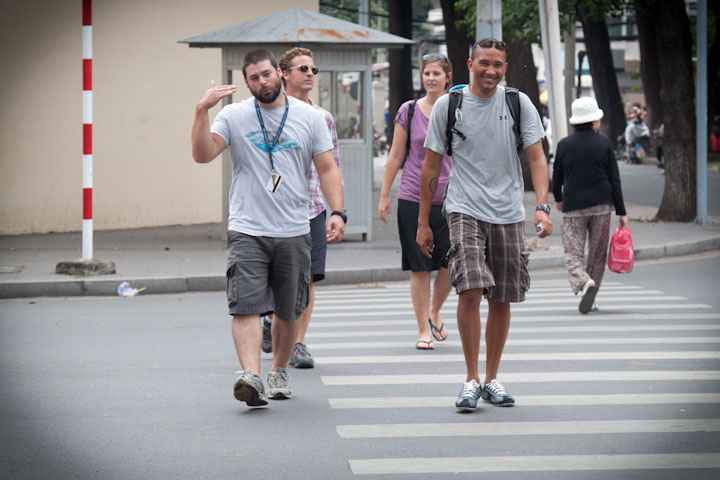
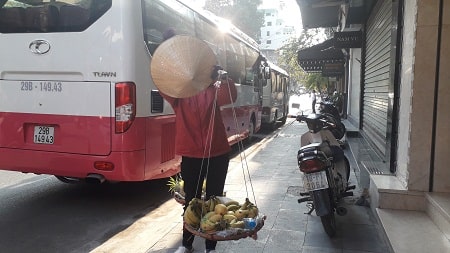
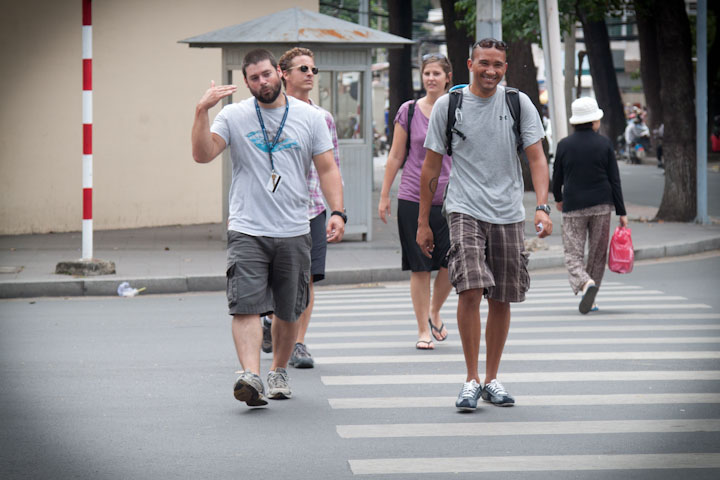
Street crossing in Hanoi
Motorbikes are the main way locals travel, but the traffic can be overwhelming. Renting a bike without a proper license and local experience is risky. To stay safe, hire a private car service with a professional driver instead.
Grab is a reliable ride-hailing app widely used in major cities. Using the app guarantees transparent pricing and avoids the common taxi meter tricks that tourists sometimes encounter.
14. Internet, SIM Cards & Staying Connected
Staying connected is very simple with widely available high-speed internet across the country. International visitors can choose between affordable physical SIM cards or convenient digital eSIMs. Having mobile data makes navigation, translation, and communication with your guides very easy.
You can purchase a physical tourist SIM card at major international airports upon landing. Telecom providers like Viettel and Vinaphone offer good data packages at reasonable rates. Alternatively, eSIMs are becoming very popular because they can be activated online before you travel. This allows you to have mobile data active the moment you land. Free Wi-Fi is standard in almost every cafe, restaurant, and hotel. You can easily connect to check maps or send messages without using up your mobile data.
15. Health & Safety Tips
Vietnam is a very safe country with low crime rates and a welcoming atmosphere for foreign travelers. However, keeping basic health guidelines in mind protects you from common stomach upsets or travel sickness. Practicing food hygiene and drinking safe water ensures your trip remains comfortable throughout.
Talk to your doctor about standard vaccinations, including Hepatitis A, B, and Typhoid. These precautions protect you when tasting local street food. Avoid drinking tap water directly, as it is not safe unless boiled. Instead, purchase sealed mineral water bottles from local shops to stay hydrated and healthy during your walks.
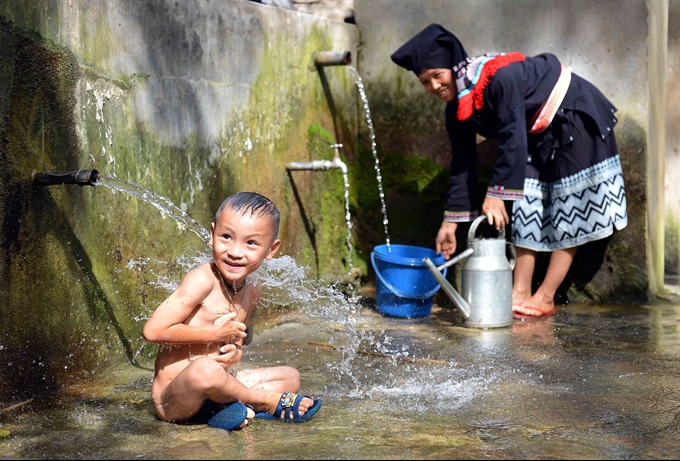
The tap water should not be drunk in Vietnam if not boiling [23]
To avoid stomach issues, eat at busy food stalls with high turnover. Busy stalls mean the food is cooked fresh, reducing the chance of spoilage. Choosing highly rated local restaurants is also a great safety standard for first-time visitors.
16. Vietnamese Currency & Payment Tips
Understanding the local currency prevents financial confusion and ensures smooth transactions at local markets. The official currency is the Vietnamese Dong (VND), which features large denominations that can initially puzzle foreigners. Knowing the note colors and carrying sufficient cash are key practices for every traveler.
The local currency has many zeros, which can be confusing at first. Note values range from 1,000 to 500,000 VND. Be careful, as the 20,000 VND note and the blue 500,000 VND note have different values but can look similar in dim light.
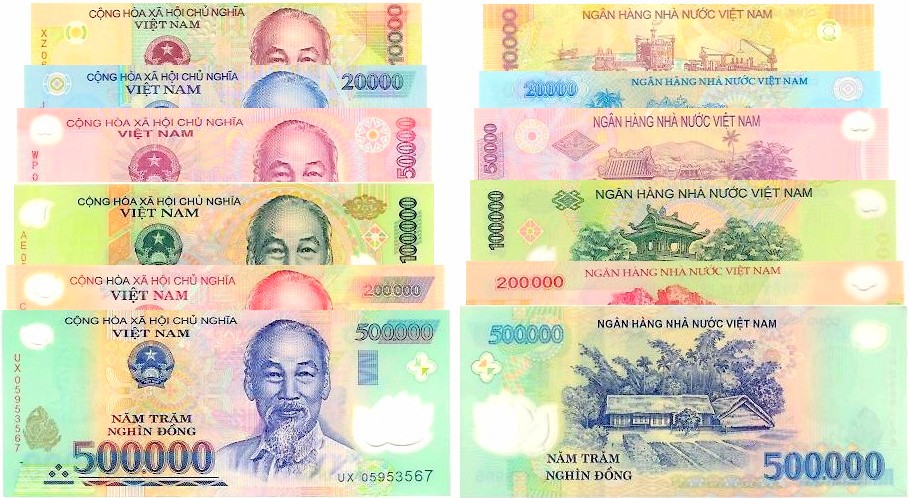
VND – different note values
Exchange your cash at official bank branches or licensed jewelry shops in old quarters for fair rates. Avoid unofficial street money changers. Always count your change carefully before leaving the counter. Keeping your smaller notes separated from large bills prevents payment errors. For a complete guide on exchange rates, Vietnamese banknotes, ATMs, and payment tips, read our Vietnamese Currency Guide
17. Local Culture & Etiquette
Respecting Vietnamese cultural traditions ensures a positive relationship with the local people you meet. The country has a deep cultural history centered around ancestral worshipping, family values, and spiritual devotion. Following basic dress codes and etiquette shows respect for local traditions and spiritual sites.
When organizing your visit to Vietnam, include visits to historical pagodas. Make sure to wear modest clothing that covers your shoulders and knees to show respect.
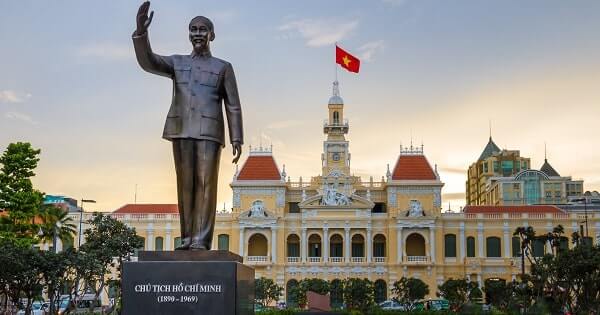
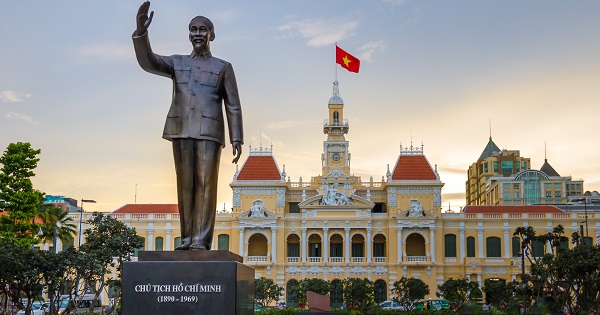
Vietnamese culture is rich with history and ancestral respect. Ancestor worshipping is practiced in almost every home. Showing respect to historical leaders like the Hung Kings, the Trung Sisters, Ngo Quyen, Tran Hung Dao, Ly Thuong Kiet, Quang Trung, or President Ho Chi Minh and General Vo Nguyen Giap is appreciated by locals. You can also experience the traditional water puppet show, which is a folk art created by local farmers.
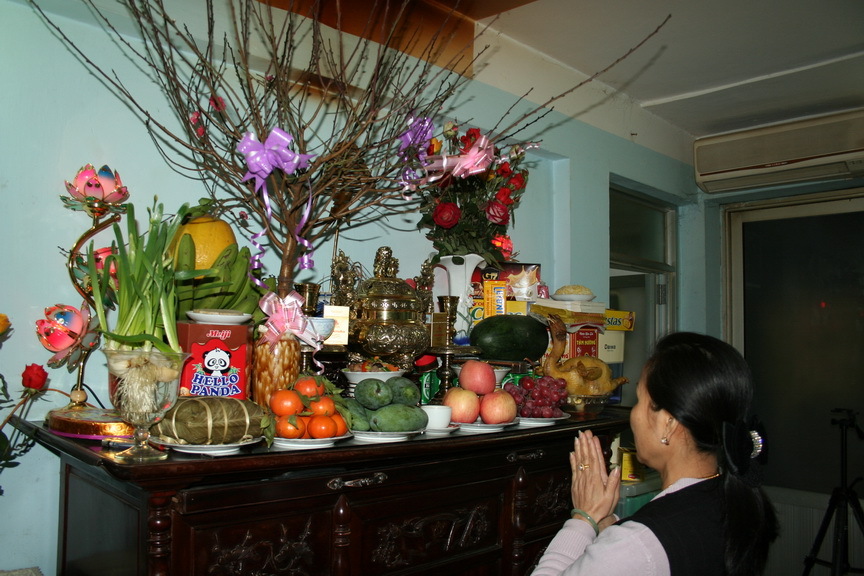
Vietnamese ancestor worshipping culture
Learning simple phrases like ‘Xin chào’ (Hello) and ‘Cảm ơn’ (Thank you) shows politeness and helps you connect with local people.
18. Vietnamese Food You Shouldn’t Miss
Local cuisine is celebrated globally for its fresh ingredients, balanced flavors, and regional diversity. Trying classic dishes is a vital highlight of any trip to the country. From comforting noodle soups to crispy spring rolls, the local culinary options are both delicious and highly affordable.
Do not miss tasting Pho (noodle soup), Nem (spring rolls), and Bun Cha (grilled pork with noodles). These are among the top dishes to try in Vietnam. Pick stalls where you see families and locals dining. A busy stall is a reliable indicator of fresh, high-quality ingredients. Vegetarians can look for the word ‘Chay’ on signs. Buddhist pagodas and specialized restaurants offer excellent plant-based versions of local dishes.
19. Common Tourist Scams & How to Avoid Them
While the country is generally safe, basic awareness helps you avoid minor tourist traps or overcharging. Scams are typically limited to popular crowded destinations and involve taxi meters or street sellers. Staying informed and using trusted travel services protects your budget and your peace of mind.
Be cautious with unmetered taxis outside airports. To prevent overcharging, use ride-hailing apps or book airport transfers in advance. Check the exchange rates online before exchanging money. Always count your cash before walking away from the exchange counter. Some shops copy the names of famous local agencies. To stay safe, book directly through verified websites. Be alert to these common scams and thefts in Vietnam to protect your personal belongings.
20. Packing Essentials for Vietnam
Packing the right items depends on the diverse climates and regional terrains you plan to visit. Light, breathable clothing is ideal for warm southern destinations, while warm layers are necessary for northern mountains. Preparing high-quality gear ensures you are ready for both tropical sun and unexpected rains.
Pack loose, light fabrics like linen and cotton to handle the tropical heat. Modest wear is necessary for pagodas. Bring a universal plug adapter, high-quality sunscreen, insect repellent, and strong walking shoes for city walks and highland hikes. A compact raincoat or small umbrella is very useful during the rainy season, while warm layers are needed for Sapa winters.
Fully Licensed Local Agency
Tailor-made Private Vietnam Tours
Let our professional team design the ideal, fully customized private holiday for you. Benefit from our official international tour operator license, top-rated services on TripAdvisor, and direct boots-on-the-ground local expertise. Our dedicated team is available 24/7 to provide swift, transparent communication and personalized travel planning.
21. Should You Book Tours Before Arrival?
Pre-booking your main activities ensures that you secure top-rated accommodations and experienced local guides. High-demand services, such as boutique cruises and mountain excursions, often sell out months in advance. Arranging your logistics ahead of time guarantees a relaxed, organized travel experience.
Working with a licensed local operator lets you customize your trip. Check Vietnam’s highlighted travel destinations to select your preferred spots and coordinate with experts. High-quality cruises in Halong Bay and private tours in Sapa have limited space and book up quickly during peak seasons. Private tours offer flexible schedules, comfortable vehicles, and personalized attention, making them a great option for families.
22. Step by Step Guide For The First Timers Planning a Trip to Vietnam
Following a careful preparation checklist ensures you cover all key aspects of your upcoming holiday. This practical guide simplifies the planning process from documentation to your actual arrival. Following these direct steps guarantees a safe, comfortable, and well-organized travel experience.
Follow these direct steps to organize your trip smoothly:
- Apply for your tourist e-Visa online at least two to three weeks before departure.
- Select your preferred regional focus to avoid spending too much time in transit.
- Reserve your domestic flights and luxury cruises early to secure the best rates.
- Consult with the local specialists at Golden Holiday Travel to design a custom itinerary.
- Check your passport validity to verify it has at least six months remaining.
- Inform your bank of your travel plans to prevent card blocks while abroad.
- Download essential mobile apps like Grab for reliable local transportation.
- Pack light, breathable clothes and modest outfits for visiting pagodas
Frequently Asked Questions (FAQs) About Planning a Trip to Vietnam
How many days do I need for a complete Vietnam trip?
To comfortably explore the country from north to south, we recommend a trip duration of 12 to 14 days. This allows you to visit major highlights in Hanoi, Halong Bay, Hoi An, and Ho Chi Minh City without feeling rushed.
Is Vietnam safe for solo and family travelers?
Yes, the country is highly safe for both solo travelers and families. Serious crime is very rare, though visitors should remain alert to minor pickpocketing or tourist scams in crowded areas.
Should I carry cash or use credit cards in Vietnam?
We suggest carrying local cash for daily expenses, as street vendors, small cafes, and local markets do not accept credit cards. However, major hotels and restaurants comfortably accept international cards.
Do I need to get vaccinated before visiting Vietnam?
We recommend consulting your doctor to update routine vaccines, such as Hepatitis A, Hepatitis B, and Typhoid. These precautions guarantee a safe, healthy stay while tasting local street food.
What is the most reliable way to travel between cities?
Domestic flights are the fastest option for long distances. For regional travel, hiring a private car with a professional local driver offers the highest levels of safety, flexibility, and comfort.

Plan Your Perfect Customized Vietnam Tour with Golden Holiday Travel
Designing a customized tour with a reputable local agency ensures a personalized, high-quality holiday. Our travel specialists take care of every detail, from transport and hotels to guides and custom routes. Contact us today to begin planning a memorable, custom-designed trip tailored to your preferences.
Partner with our fully licensed local team at Golden Holiday Travel to create your ideal customized travel itinerary. We offer flexible private Vietnam travel packages and secure car rental services in Vietnam to make your travels comfortable and safe. Request a personalized tour plan today by contacting our team at [email protected] or via WhatsApp +84.988451530.
Note: The travel tips and recommendations shared in this guide have been carefully prepared by the local travel experts at Golden Holiday Travel. While every traveler is different, our team is always happy to provide personalized itinerary planning, destination advice, and one-on-one support to help you create the perfect Vietnam journey.









Write Comment