
Vietnamese Currency: Your Practical Guide to Handling Money in Vietnam
Vietnamese currency is a topic that requires careful attention for any first-timers doing trips to Vietnam. That is why local specialists at Golden Holiday Travel have compiled this practical money guide. Master the local exchange rates, transaction methods, and practical budgeting rules to secure a comfortable, stress-free journey through our beautiful country.
What is Vietnamese Currency? An In-Depth Overview
Vietnamese currency, known officially as the Vietnamese Dong, is the only official currencythe used for transactions across the country. The currency is abbreviated internationally as VND and represented by the unique symbol ₫ in retail prices. The State Bank of Vietnam serves as the central administrative authority that manages printing, circulation, and monetary stability.
Historically, the term Dong is derived from the word for copper, celebrating ancient copper coins used by dynasties. After the declaration of independence, the unified state of Vietnam introduced the modern Dong to replace the French Indochinese piastre.
For many decades, the system operated primarily on cotton paper notes which suffered from wear and tear. To combat these durability challenges, the central bank initiated a major shift to modern polymer materials. Polymer notes were first introduced for high-value denominations to extend the lifespan of frequently handled bills.
Recent technological advancements have allowed domestic producers to manufacture highly advanced security substrates locally. This transition has successfully minimized counterfeiting attempts, ensuring safe commercial transactions for everyone.
International travelers visiting Vietnam must quickly adapt to this coinless cash system for their daily holiday expenses. Carrying banknotes with high numbers of zeros can feel highly intimidating during your first few hours. However, with simple math and focused observation, managing your travel budget becomes a straightforward and easy task.
Having a local agency support your journey ensures that all major transport and accommodation costs are secured beforehand. This allows you to explore remote markets and street food stalls with complete peace of mind.
Why Vietnamese Currency Knowledge is a Must-Have?
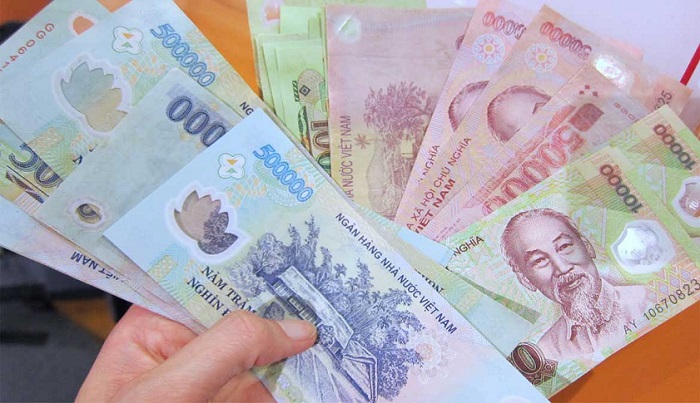
Mastering the local currency system directly improves the quality of your cultural and regional experiences. It empowers you to navigate busy market lanes and rural villages with absolute confidence and independence. Knowing this in advance helps you avoid unnecessary stress and allows you to build genuine connections with local vendors.
Seamless Interactions with Local Artisans and Vendors
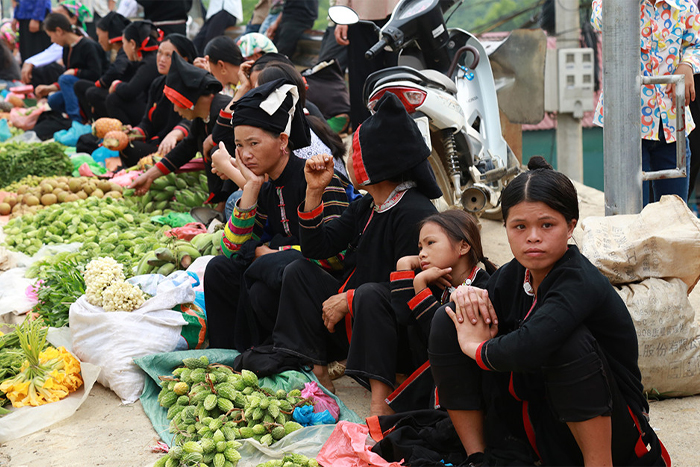
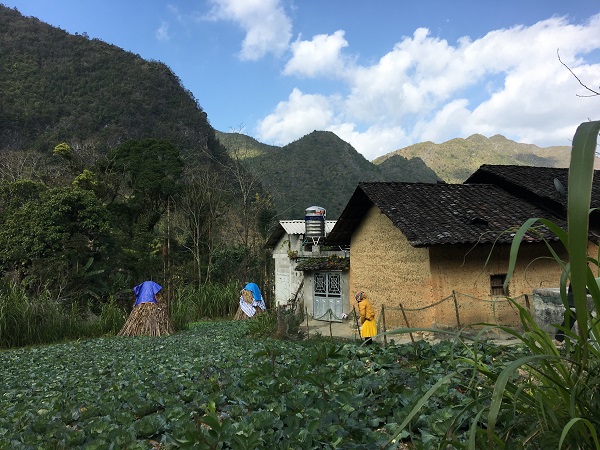
In remote highland destinations like Sapa and Ha Giang, small-scale tribal communities survive on cash trade. Carrying small denominations of Vietnamese currency allows you to buy beautiful hand-woven textiles directly from weavers. This simple transaction ensures that your travel funds directly benefit the hard-working local mountain communities. It also allows you to enjoy fresh regional delicacies at roadside stalls without card payment delays.
Eliminating Travel Anxiety and Avoiding Financial Scams
Feeling confident with high-value polymer notes helps you quickly verify your returned change before leaving shops. It completely eliminates the fear of falling victim to rapid currency swaps by unverified transport drivers. This continuous peace of mind lets you focus fully on the gorgeous landscape around you during tours.
Direct Contribution to the Local Economy
When you pay a local street food chef in Dong, your money stays within the community. This bypasses international credit card networks, payment processing fees, and digital gateway commissions. Supporting local micro-businesses directly aligns with our core company values of sustainable, responsible travel. It fosters a healthy tourism ecosystem that protects the traditions of our beautiful Vietnamese heritage.

Fully Licensed Local Agency
Luxury Halong Bay Day Cruises
Settle into luxury on our curated Halong Bay day cruises. Experience exquisite seafood, magnificent cave treks, and seamless transfers under the care of our dedicated local guides.
Hotline Booking: +84.988451530 ( WhatsApp)
Comprehensive Guide of Vietnamese Currency Features and Denominations
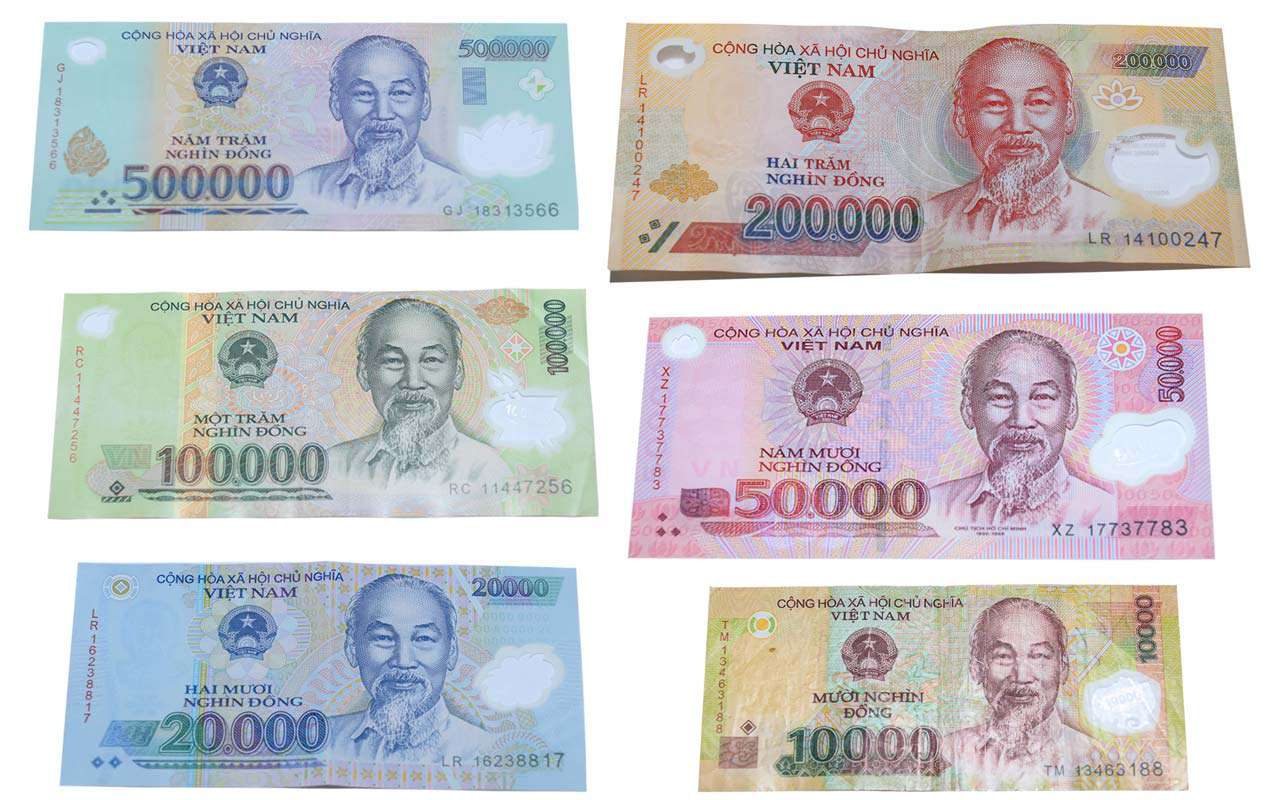
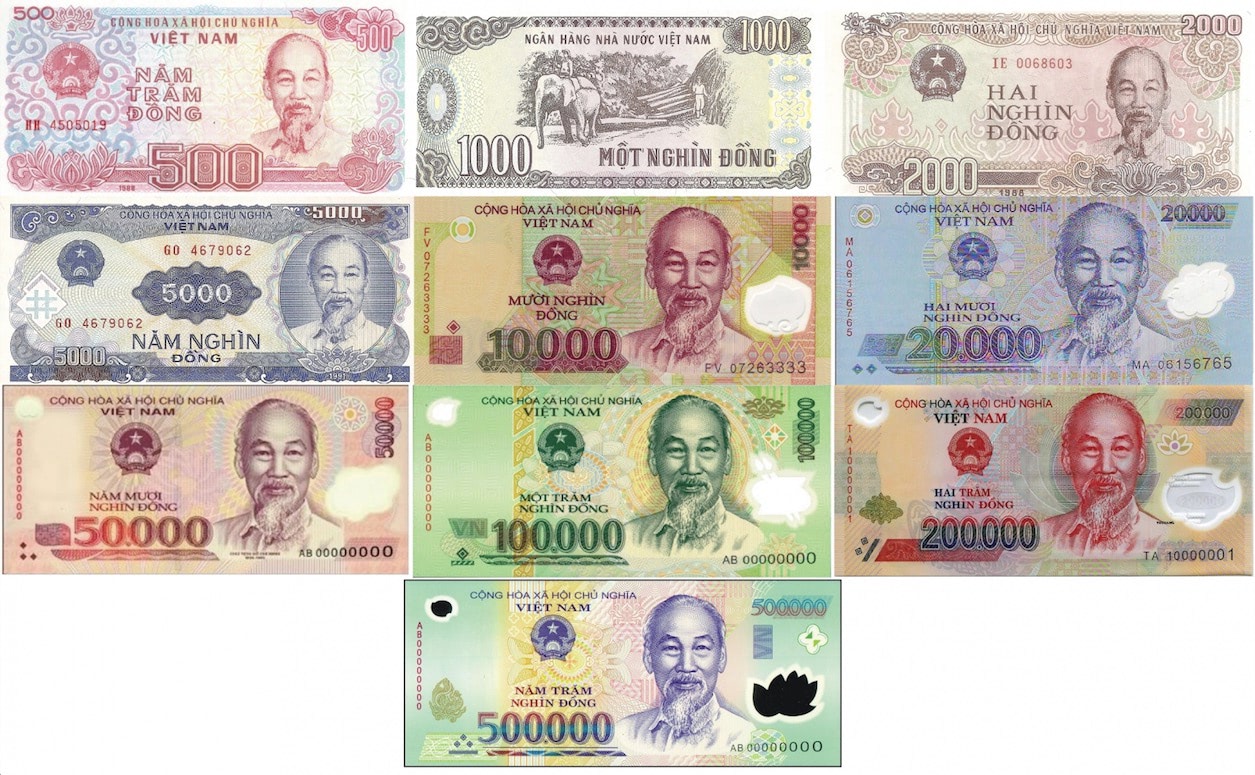
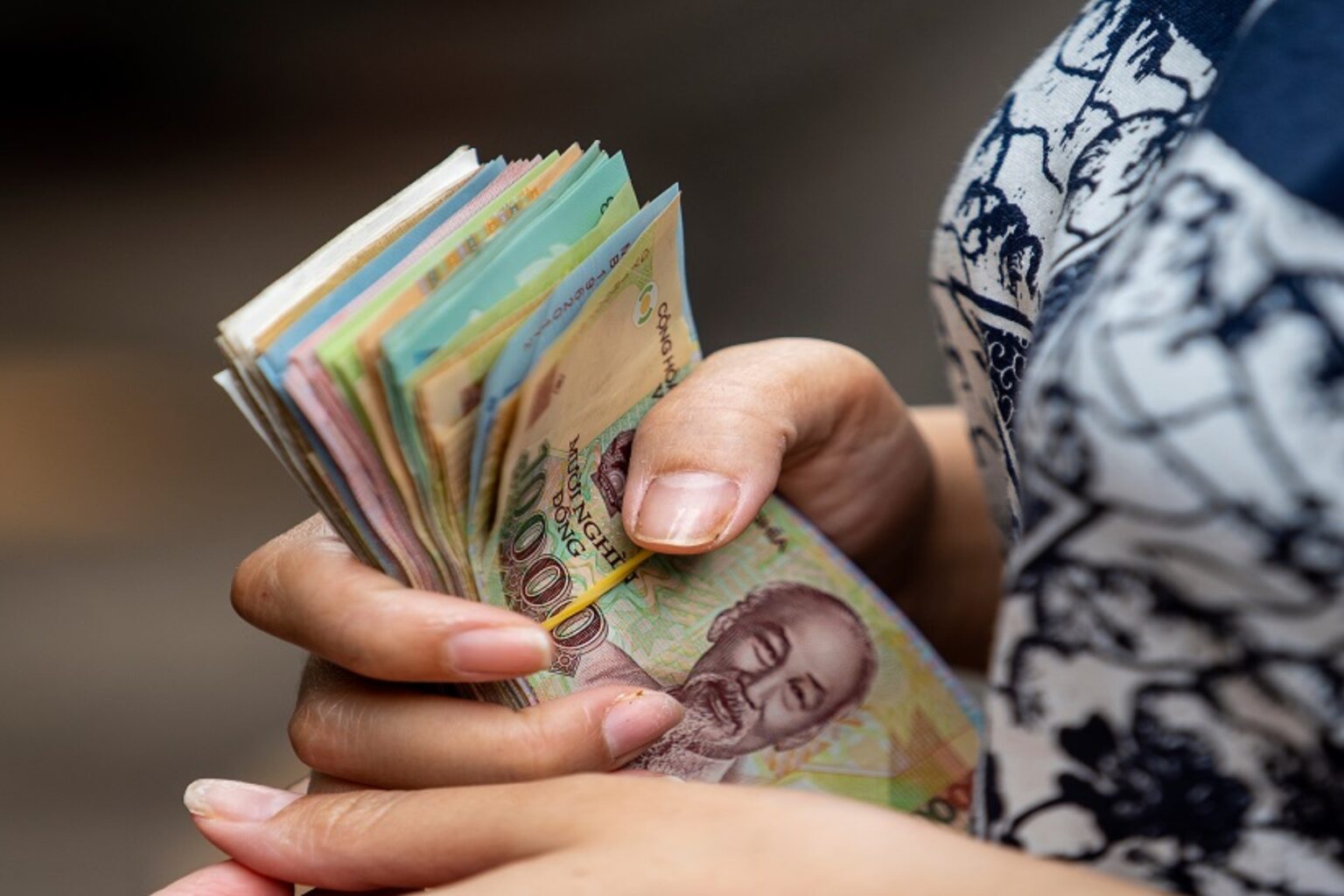
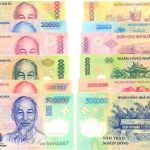
Navigating a wallet full of Vietnamese banknotes requires a solid understanding of each bill’s design. The current denomination system ranges from small paper bills to highly secure polymer banknotes. Every circulating note features the portrait of historical leader Ho Chi Minh prominently on the front side, while the back displays different national landmarks
Low-Value Cotton Denominations (1,000 VND to 5,000 VND)
The one thousand, two thousand, and five thousand Dong banknotes are printed on traditional cotton paper. Due to inflation, these low-value notes are primarily used as small change in minor retail transactions.
- The 1,000 VND note displays a soft purple shade and highlights timber extraction in the forests.
- The 2,000 VND note features a light brown color, showcasing female workers in a textile factory.
- The 5,000 VND note presents a distinct blue-gray tone, depicting the historic Tri An hydroelectric dam.
Keep these cotton paper bills folded in a separate pocket to pay for roadside parking fees. They are also incredibly useful for offering small tips to helpful hotel porters or restroom attendants.
Mid-Value Polymer Denominations (10,000 VND to 50,000 VND)
The ten thousand, twenty thousand, and fifty thousand Dong notes are printed on clean, flexible polymer. These mid-value banknotes are highly durable and remain clean even when exposed to tropical humidity.
- The 10,000 VND note features a brownish-yellow hue and showcases Vietnam’s largest oil production site, located in Vung Tau
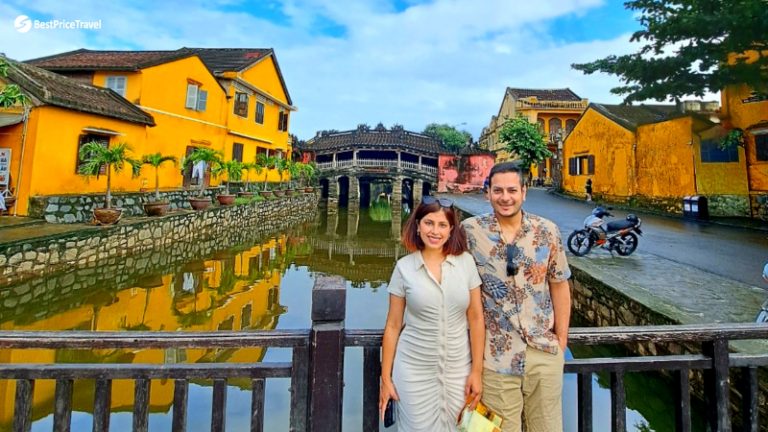
- The 20,000 VND note is colored blue, displaying the famous Japanese covered bridge of Hoi An, a UNESCO heritage site
- The 50,000 VND note features a gorgeous purple-pink shade, showcasing imperial pavilions in ancient Hue.
These three polymer bills are widely utilized for buying regional street food and paying local drivers. Ensure you carry several of these mid-range notes when exploring traditional markets and street cafes.
High-Value Polymer Denominations (100,000 VND to 500,000 VND)
The highest bracket of Vietnamese currency contains the one hundred, two hundred, and five hundred thousand notes.
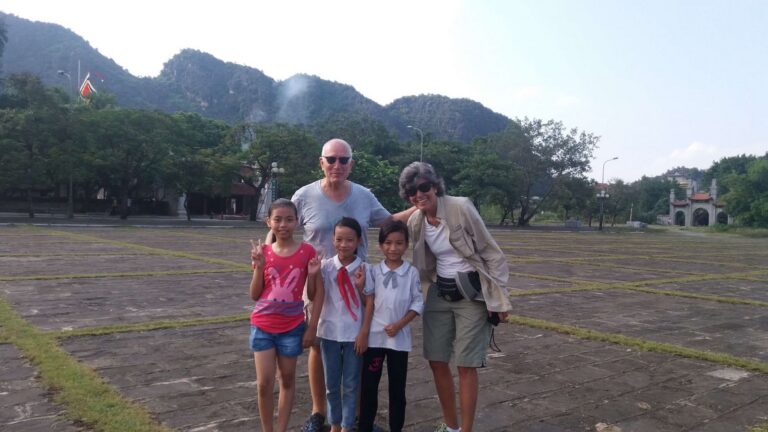
- The 100,000 VND banknote is colored green, highlighting the historic Temple of Literature in Hanoi.
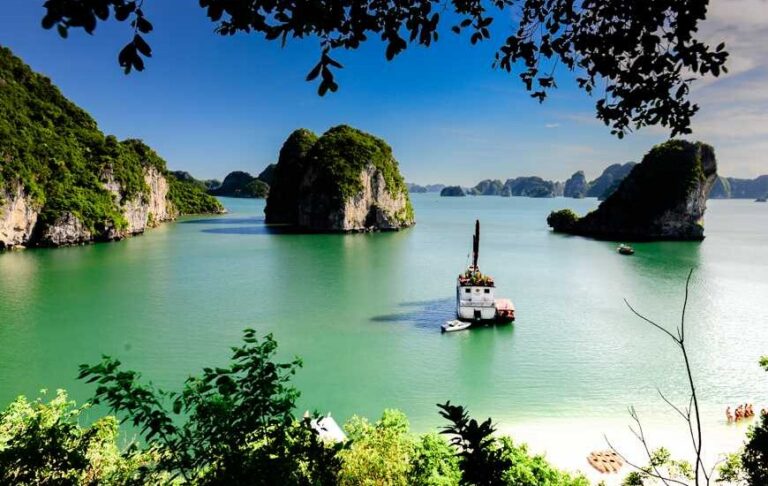
- The 200,000 VND note presents an orange-red theme, showcasing the Dinh Huong Islet in the famous Ha Long Bay.
- The 500,000 VND banknote features a deep blue shade, depicting the house of President Ho Chi Minh in Nghe An Province.
This high-value banknote is the most frequently counterfeited note, requiring careful inspection before acceptance. Genuine polymer banknotes feel smooth, flexible, and feature a completely transparent security window on the side. Additionally, the deep blue five hundred thousand note looks very similar to the blue twenty thousand bill. Always double-check the number of printed zeros before completing any payment to avoid costly mix-ups.
| Regions/Features | Highlight Elements | Best Time to Visit |
|---|---|---|
| Northern Highlands (Sapa, Ha Giang) / Cash-Only Economy | Stunning rice terraced farmlands, ethnic minority markets, homestays. Small banknotes (1,000 to 50,000 VND) are essential for purchasing local handmade souvenirs. | September to November |
| Red River Delta (Hanoi, Ninh Binh) / Mixed Payments | Historic Old Quarter streets, ancient temples, tranquil boat tours. High acceptance of both card payments and local cash for street-side coffee. | October to April |
| Central Heritage Hubs (Hoi An, Hue) / Craft Shopping | Ancient town architecture, custom tailor shops, lantern lit riverfronts. Moderate cash is required for local food stalls and family boutique crafts. | February to May |
| Halong & Lan Ha Bays / Card & Transfer Dominant | Luxury overnight cruises, majestic limestone islands, kayaking spots. Credit cards and electronic bookings are preferred by premium tour operators. | October to December |
| Mekong Delta & South / Cash-Heavy Retail | Bustling floating markets, tropical fruit orchards, riverboat transport. Mid-to-high denomination bills are crucial for buying directly from floating vessels. | December to March |
Vietnam Currency Exchange Rate
Before you set your travel budget, it’s useful to have a general idea of how the Vietnamese Dong (VND) compares with major foreign currencies. Here are some everyday price conversions & exchange rate to give you a feel for the currency:
- A bowl of pho: 40,000 – 60,000 ₫ (~$1.50 – $2.30)
- A local coffee (ca phe sua da): 20,000 – 35,000 ₫ (~$0.80 – $1.35)
- A Grab ride across central Hanoi: 30,000 – 60,000 ₫ (~$1.15 – $2.30)
- A mid-range restaurant meal: 150,000 – 300,000 ₫ (~$5.70 – $11.40)
- A one-night stay in a 3-star hotel: 600,000 – 1,200,000 ₫ (~$23 – $46)
Approximate exchange rates (at the time of writing):
-
1 US Dollar (USD) ≈ 26,300 VND
-
1 Euro (EUR) ≈ 30,000 VND
-
1 British Pound (GBP) ≈ 35,000 VND
-
1 Australian Dollar (AUD) ≈ 17,000 VND
-
1 Canadian Dollar (CAD) ≈ 19,000 VND
-
1 Singapore Dollar (SGD) ≈ 20,500 VND
Keep in mind that exchange rates can fluctuate from day to day. Banks, licensed money exchange counters, and ATMs may also offer slightly different rates, so it’s worth checking the latest USD to VND, EUR to VND, or AUD to VND exchange rate before converting a large amount of money.
Luckily, you don’t need to pull out your phone every time you see a price tag. Many experienced travelers use a quick mental shortcut: simply drop the last three zeros from the VND amount, then divide by your home currency’s exchange rate.
For example:
-
100,000 VND → 100
-
100 ÷ 25 ≈ US$4
-
100 ÷ 17 ≈ AU$6
It’s not perfectly accurate, but it’s close enough for estimating prices when shopping, eating out, or bargaining at local markets. After a day or two in Vietnam, you’ll probably find yourself doing the math automatically.
Exchange Money in Vietnam: Where to Find the Best Exchange Rates?
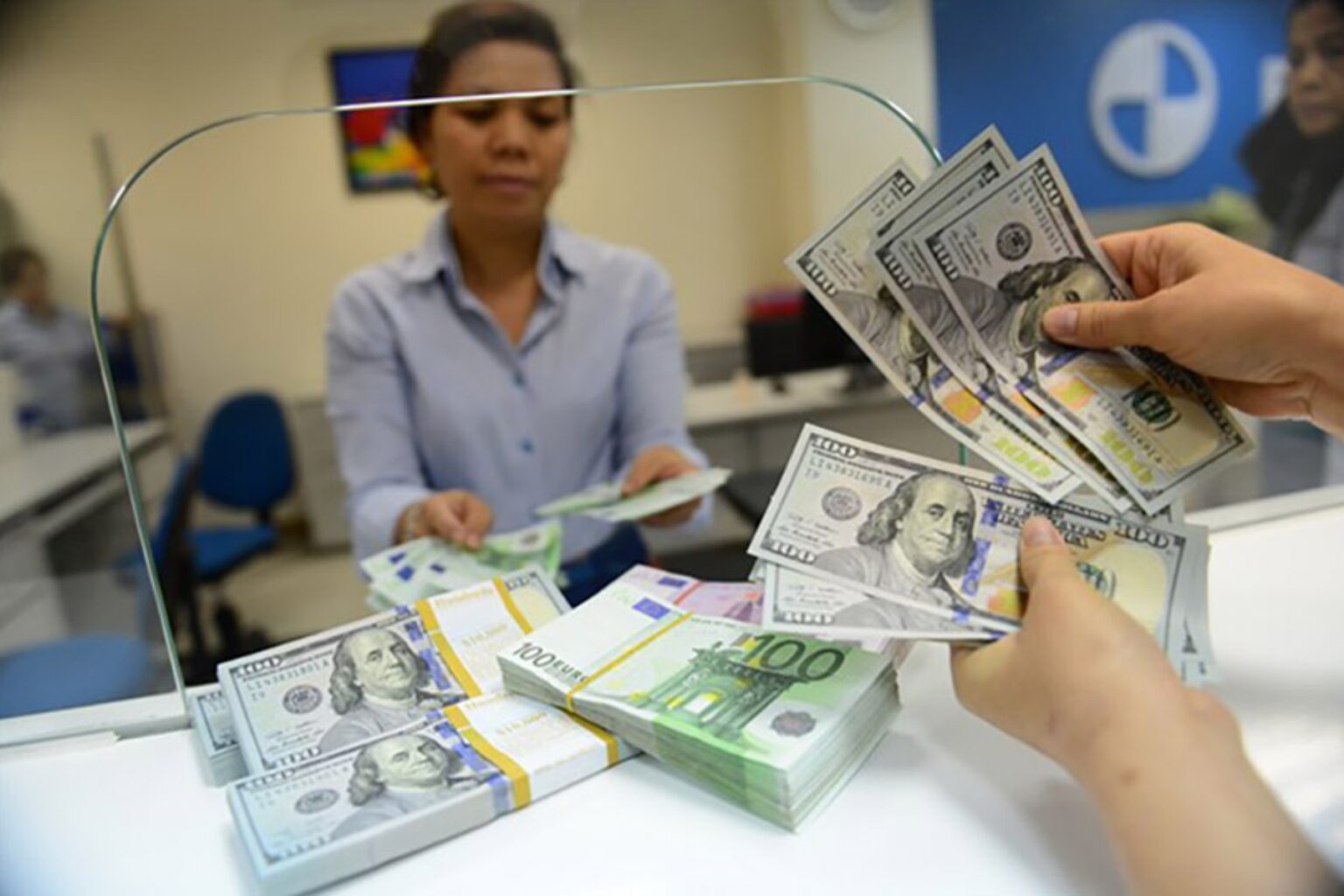
Exchanging money in Vietnam is simple, and in most cases, you’ll receive a better rate than exchanging cash before leaving your home country. The trick is knowing which currencies are commonly accepted and where to exchange them safely.
Which Foreign Currencies Can You Exchange in Vietnam?
The US Dollar (USD) is the easiest and most widely accepted foreign currency for exchange across Vietnam. Other major currencies, including the Euro (EUR), British Pound (GBP), Australian Dollar (AUD), Canadian Dollar (CAD), Singapore Dollar (SGD), and Japanese Yen (JPY), can also be exchanged at most banks and licensed currency exchange counters.
One detail that many travelers don’t realize is that the condition of your banknotes matters. Exchange counters prefer bills that are clean, crisp, and free from tears, stains, or handwriting. Damaged notes may be refused or exchanged at a less favorable rate. If you’re carrying US dollars, larger denominations – especially US$100 bills – usually receive better exchange rates than smaller notes.
Where to Exchange Money in Vietnam Safely?
Many visitors choose to exchange money at gold shops because they often offer excellent rates and quick service. However, not every gold shop is legally licensed to exchange foreign currency. To stay on the safe side, always use authorized currency exchange counters or licensed businesses approved by the State Bank of Vietnam.
Depending on whether you value the best exchange rate, convenience, or extra security, you have several reliable options.
1. Licensed Gold Shops & Currency Exchange Counters
For most travelers, licensed gold shops and currency exchange counters offer the best combination of competitive rates and convenience. Transactions are usually completed within a few minutes, and most locations don’t charge commission fees.
Here are some trusted places to exchange money:
Ho Chi Minh City
- Hung Long Money Exchange – 86 Mac Thi Buoi Street, Ben Nghe Ward, District 1
- Western Union – Dong Da Tao Dan Exchange Service – 191 Nguyen Cu Trinh Street, District 1
- VietBank Currency Exchange – 89 Nam Ky Khoi Nghia Street, Ben Thanh Ward, District 1
- Minh Thu Money Exchange – 22 Nguyen Thai Binh Street, District 1
Hanoi
When you’re in Hanoi, look for signs reading “Đại lý thu đổi ngoại tệ” (Licensed Currency Exchange). These authorized exchange counters are common around the Old Quarter and Ha Trung Street, where rates are often better than those at the airport.
- Kim Linh Jewelry – 67 Hang Bac Street, Old Quarter, Hoan Kiem District
- Thinh Quang Jewelry – 33 Ha Trung Street, Hoan Kiem District
Da Nang
- Paris Deli Foreign Exchange Counter – An Cu 2 Residential Area Extension, Phuoc My Ward, Son Tra District
- Hong Phuc Hoi Jewelry – 14 Chi Lang Street, Hai Chau Ward
- Son Nguyen Jewelry – Lot 216, Thanh Khe I Market, Thanh Khe Ward
Travel Tip: Before completing any transaction, compare the displayed exchange rates and count your money carefully before leaving the counter.
2. Exchanging Money at Vietnamese Banks
If you’re exchanging a large amount of cash or simply prefer the highest level of security, banks are an excellent choice. Major banks throughout Vietnam exchange popular foreign currencies, including USD, EUR, GBP, AUD, CAD, SGD, and JPY. Some of the most reliable banks include:
- Vietcombank
- BIDV
- VietinBank
- Agribank
- ACB
- Techcombank
- Sacombank
When visiting a bank, remember to bring your original passport, as it’s normally required for foreign currency transactions. Banks typically operate on weekdays during regular business hours, and you may need to wait a little longer during busy periods.
Although bank exchange rates are often slightly lower than those offered by the best exchange counters, many travelers appreciate the added transparency and security.
3. Airport Currency Exchange Counters
You’ll find currency exchange counters at the arrival halls of Vietnam’s major international airports, including Noi Bai (Hanoi), Tan Son Nhat (Ho Chi Minh City), and Da Nang International Airport. While they’re incredibly convenient after a long flight, airport exchange rates are usually less competitive than those in the city.
A practical approach is to exchange only US$50–100 when you arrive – enough to pay for transportation, buy a local SIM card, and enjoy your first meal. Once you’re in the city, you can exchange the rest of your money at a licensed exchange counter or authorized gold shop to get a better rate.
Step-by-Step Guide on How to Carry Out Vietnamese Currency Transactions
Preparing your local Vietnamese money insights before your flight departs ensures a smooth transition upon arrival in Hanoi. Follow this step-by-step guide designed by our local guiding specialists to manage your cash effectively:
- Acquire clean foreign bills: Visit your local bank branch before departure to request clean, unmarked fifty and one hundred dollar bills in the newest print series.
- Notify your financial institutions: Contact your debit and credit card providers to declare your upcoming travel dates and prevent sudden account suspensions.
- Exchange a little money for transportation expenses : Exchange a small amount of cash at the airport counter to cover initial airport taxi fares and immediate refreshments.
- Locate fee-free cash machines: Search for VPBank or ACB ATMs to withdraw local currency without paying high transaction fees to local institutions.
- Organize your wallet layout: Sort your banknotes by numeric value into separate slots, keeping high-value notes away from low-value ones.
- Count your change slowly: Verify the returned currency before walking away from any market stall or taxi ride to ensure transaction accuracy.
- Use card payments wisely: Tap your credit card in major hotels, upscale restaurants, and premium cruise offices to preserve physical cash.
- Keep your backups safe and secure: Keep your reserve credit cards, passport, and spare cash inside your secure hotel room safe when exploring the busy city.
By following these clear steps, you can avoid unnecessary transaction delays and focus completely on sightseeing. Carrying a balanced mix of cards and cash remains the most effective way to enjoy your Vietnam vacation.
Common Mistakes to Avoid When Handling Money in Vietnam
Even seasoned international travelers can make simple errors when managing a high-denomination currency. Avoid these typical mistakes to protect your holiday budget and enjoy a smooth journey across provinces:
- Relying solely on credit cards: Many street vendors, local markets, and remote homestays do not possess card payment terminals.
- Exchanging cash at unverified street stalls: Unlicensed exchangers often charge hidden commissions or apply unfavorable, inflated conversion rates.
- Accepting damaged or marked banknotes: Many local shops and banks in Vietnam will refuse bills with small tears, heavy wear, or ink stains.
- Mixing up similar blue banknotes: The color scheme of the twenty thousand and five hundred thousand notes can easily cause transactional confusion.
- Exchanging your entire budget immediately: Keep a portion in foreign cash to avoid carrying a bulky, inconvenient stack of bills.
Our local guiding coordinators recommend keeping a small currency conversion reference card inside your wallet. This allows you to quickly calculate fair prices without constantly pulling your mobile phone out in crowds.
Mastering Tipping Etiquette Across Touristic Destinations
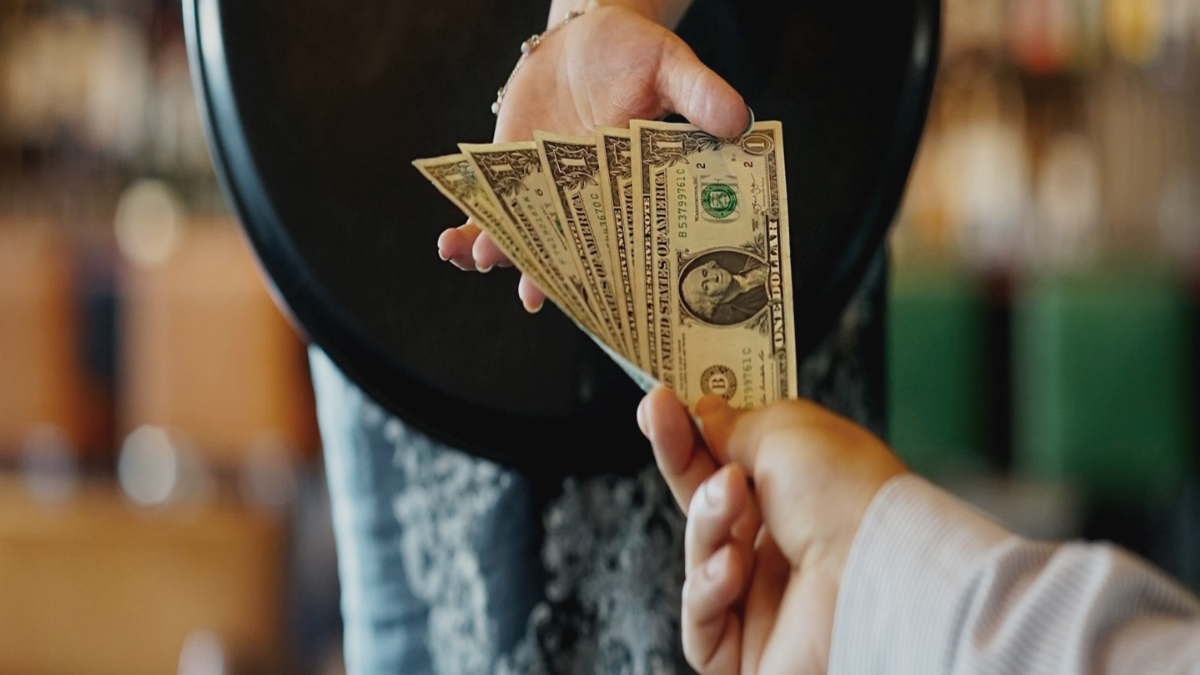
Tipping is not a traditional custom in local Vietnamese culture but is highly appreciated in tourism sectors. Offering small tips for exceptional service represents an excellent way to support local service workers directly. You can tip either in local Vietnamese Dong or in USD. Use both hands when offering money as a sign of respect and politeness in local culture.
| Service Sector | Suggested Tip Amount (VND) |
|---|---|
| Upscale Restaurants | 5% to 10% of the total food bill |
| Street Food & Coffee Stalls | Round up the bill or leave 10,000 to 20,000 VND |
| Hotel Room Housekeeping | 20,000 to 50,000 VND per night |
| Hotel Bellhop / Porters | 10,000 to 20,000 VND per heavy bag |
| Private Tour Guides (Full Day) | 150,000 to 300,000 VND per day |
| Private Drivers (Full Day) | 100,000 to 200,000 VND per day |
| Taxi or Grab Ride Drivers | Round up to the nearest 10,000 VND |
| Local Spa and Massage Therapists | 50,000 to 100,000 VND based on service quality |
Real-World Daily Budget Planning for Your Holiday
Understanding regional prices helps you estimate how much cash to withdraw or exchange throughout your trip. Vietnam remains one of the most cost-effective and budget-friendly destinations across Southeast Asia.
- Budget backpackers can explore comfortably on 800,000 VND to 1,500,000 VND daily.
- Mid-range comfort seekers should allocate between two million and four million Dong per day for activities. This allows you to enjoy charming boutique hotels, delicious regional restaurants, and private transport options.
- Luxury travelers should budget five million Dong and above daily to secure premium accommodation.
Booking a customized package with a licensed operator covers major logistics upfront, minimizing your daily cash needs.

Fully Licensed Local Agency
Tailor-Made Vietnam Family Holidays
Create unforgettable memories with our bespoke Vietnam family holiday packages. From child-friendly activity planning to private car comfort, our responsive coordinators manage every detail.
Hotline Booking: +84.988451530 (WhatsApp)
Frequently Asked Questions (FAQs) About Vietnamese Currency
Can I use US Dollars to pay for items in Vietnam?
No, the Vietnamese Dong is the sole legal tender for daily retail commerce. While some luxury hotels and travel agencies list prices in USD, they convert and settle payments in VND. It is best to pay in local currency to secure fair pricing.
What should I do if a bank note gets slightly damaged or wet?
Merchants and banks are extremely strict about banknote quality in Vietnam. If a bill is torn, written on, or heavily worn, try exchanging it at a major bank branch. Avoid carrying damaged bills, as small shops will refuse them during cash transactions.
Are credit cards widely accepted outside major Vietnamese cities?
Credit cards are rarely accepted in rural areas, mountain passes, and small villages. When exploring off-the-beaten-path destinations like Sapa or Ha Giang, always carry a sufficient amount of cash in small denominations to cover food, transport, and local purchases.
How can I tell genuine polymer bank notes from counterfeit bills?
Genuine polymer banknotes have a smooth, highly flexible feel and feature a clear, transparent security window. Inspect the clear window to see the embossed denomination value and look for the watermark portrait of Ho Chi Minh when held against the light.
What is the maximum cash limit I can bring into Vietnam without declaring it?
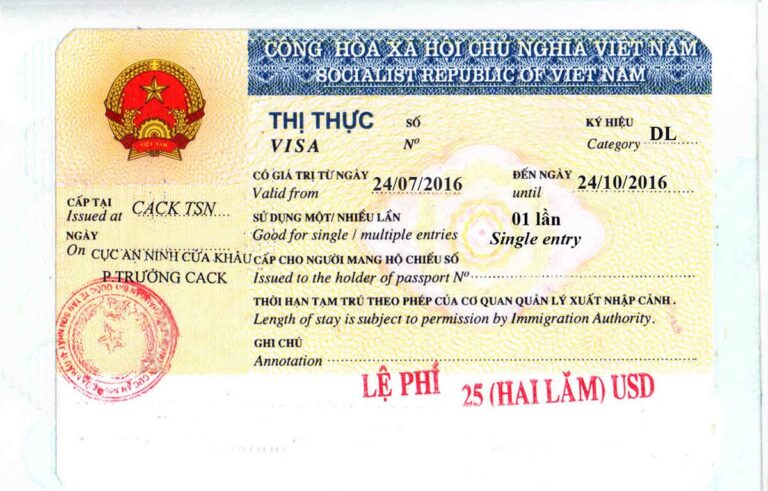
Travelers are permitted to bring up to 5,000 US Dollars or 15,000,000 Vietnamese Dong in cash without declaring it. If your cash assets exceed these regulatory thresholds, you must declare them to customs officers upon arrival.

Plan Your Customized Vietnam Tour with Golden Holiday Travel
Ready to explore the breathtaking wonders of Vietnam without any travel stress or logistical worry? The dedicated local travel experts at Golden Holiday Travel are ready to design a tailor-made private itinerary perfectly matched to your personal budget, interests, and preferred pace. Contact our responsive 24/7 service coordinators today via our website contact , WhatsApp +84.988451530 to browse our collection of personalized Vietnam travel package options and start planning your dream holiday.



























Write Comment