
Vietnam Tours for U.S. Veterans | A Meaningful Return Journey
For many who served, Vietnam tours for US veterans are far more than a holiday. They are a return journey to ground that has stayed with you for half a century, a chance to stand quietly where you once stood, and an opportunity to see the same landscapes shaped now by peace rather than conflict. We understand the weight a trip like this carries. Veterans Health Administration accounts describe such returns as journeys toward reflection and reconciliation, and many travelers speak of the healing, fellowship, and closure they find. At Golden Holiday Travel, with more than 10 years arranging journeys across Vietnam and travel consultancy for travelers worldwide, our role is simple: to carry the logistics so you can carry only what matters.
This guide explains who these journeys are for, the significant sites veterans most often ask to revisit, how a tailor-made itinerary can take you back to a specific firebase or village, and the practical support that makes the trip comfortable and worry-free.
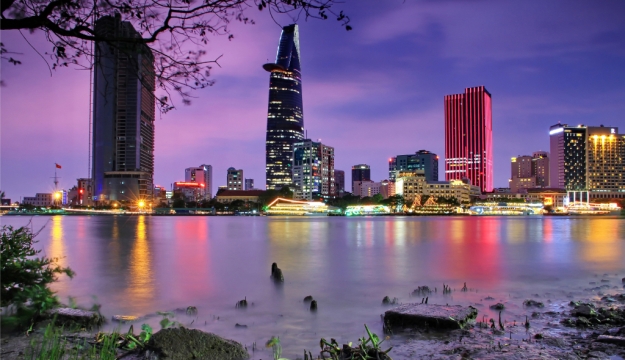
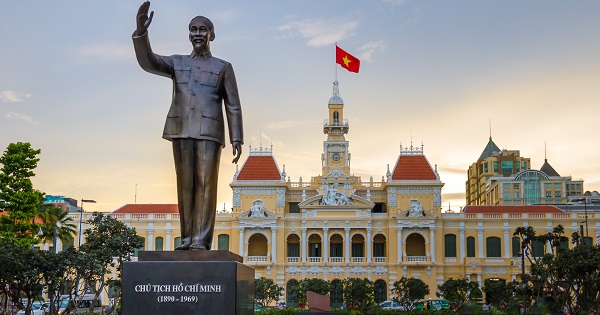
Peaceful Ho Chi Minh city along Sai Gon river
The Meaning of Returning to Vietnam
A return to Vietnam is a deeply personal act, and no two journeys look the same. Some travelers come seeking quiet closure; others come to honor comrades, to show family the places they have only heard about, or simply to replace old memories with new ones. We approach every itinerary with that understanding first.
Reporting from Military.com in 2026 followed a group of Vietnam veterans returning to the battlefields they left behind more than 50 years ago, and a recurring theme in such accounts is the warmth of the welcome. Many veterans describe the hospitality of the Vietnamese people, and the people-to-people connections that emerge, as among the most moving parts of the trip. We help create the calm, unhurried space in which those moments can happen naturally.
Who These Tours Are For
These journeys are designed with respect and care for a range of travelers, and you do not need to have a specific itinerary in mind to begin. Most of our veteran travelers are now in their 70s and 80s, so comfort, gentle pacing, and reliable support shape every plan we build.
- US Vietnam War veterans returning for the first time, or coming back again after an earlier visit.
- Families and adult children accompanying a veteran, or traveling to honor a parent or relative who served.
- Spouses and caregivers who want a smooth, supported journey with accessible pacing.
- Small groups of fellow veterans traveling together for fellowship and shared remembrance.
- History-minded travelers who wish to understand these sites with accuracy and context.
Whatever brings you, our local experts tailor the journey to your health, your interests, and the places that matter most to you.
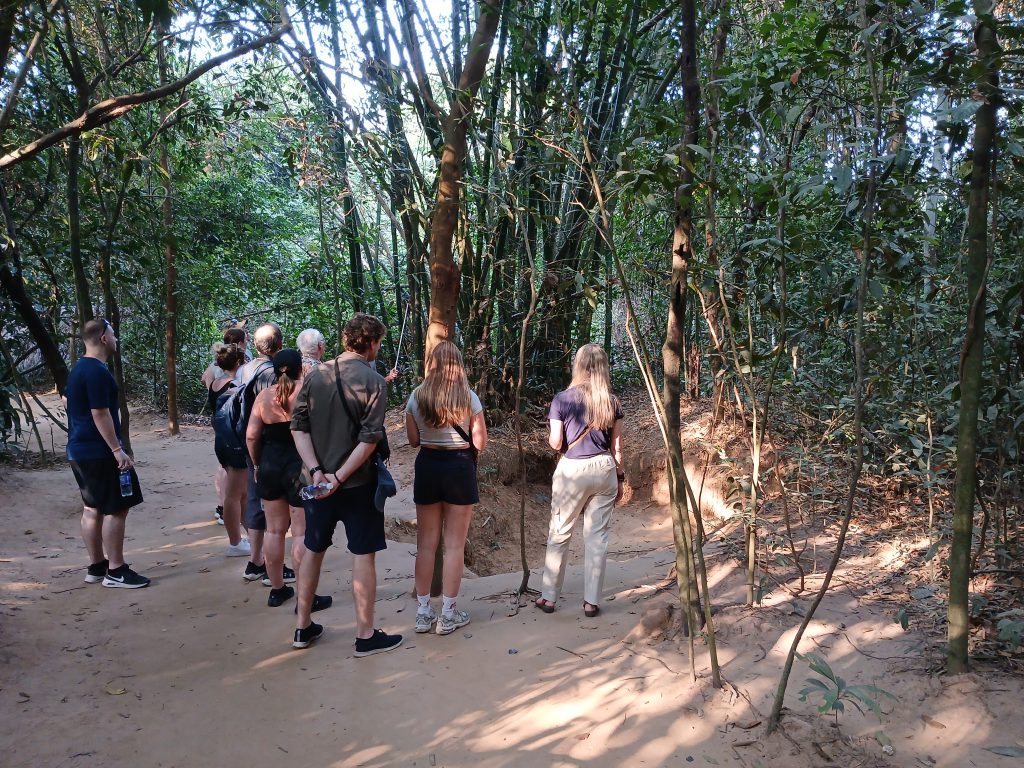
Significant Historic and Battlefield Sites Veterans Revisit
Below are the places travelers most often ask to revisit, spanning the length of the country from the former Demilitarized Zone to the Mekong Delta. We present them with historical care and neutrality, honoring all who were affected. The table offers an at-a-glance overview before we look at each region.
| Site | Region | Significance Today |
|---|---|---|
| The DMZ & Khe Sanh | Quang Tri (Central) | Former military zone and combat base, now quiet green hills with memorials and a museum. |
| Hue & the Citadel | Central | Historic imperial city, site of intense 1968 fighting; restored Citadel and commemorations. |
| Da Nang & China Beach | Central Coast | Major wartime base area; today a coastal city with a long, open beach. |
| A Shau Valley & Hamburger Hill | Thua Thien Hue (Central) | Remote highland valley and Hill 937, reached on tailor-made routes. |
| Cu Chi Tunnels | Near Ho Chi Minh City (South) | Preserved underground tunnel network; sections open to visitors. |
| Saigon / Ho Chi Minh City | South | Vibrant modern city; War Remnants Museum and historic landmarks. |
| Mekong Delta | Far South | River landscape associated with riverine operations; peaceful waterways today. |
The DMZ and Khe Sanh
The former Demilitarized Zone in Quang Tri Province, along the Ben Hai River and the Hien Luong Bridge, is among the most moving regions for returning veterans. The Khe Sanh Combat Base, once the scene of one of the war’s fiercest sieges, is now quiet and surrounded by green hills, with a small museum on the site. Nearby landmarks such as the Rockpile, Camp Carroll, and the Dakrong Bridge are often included.
Hue and the Citadel
Hue, the former imperial capital, saw heavy fighting during early 1968. Today its restored Citadel and riverside setting offer a place for reflection, and the city is a comfortable base from which to explore the central region and the DMZ to the north.
Da Nang and China Beach
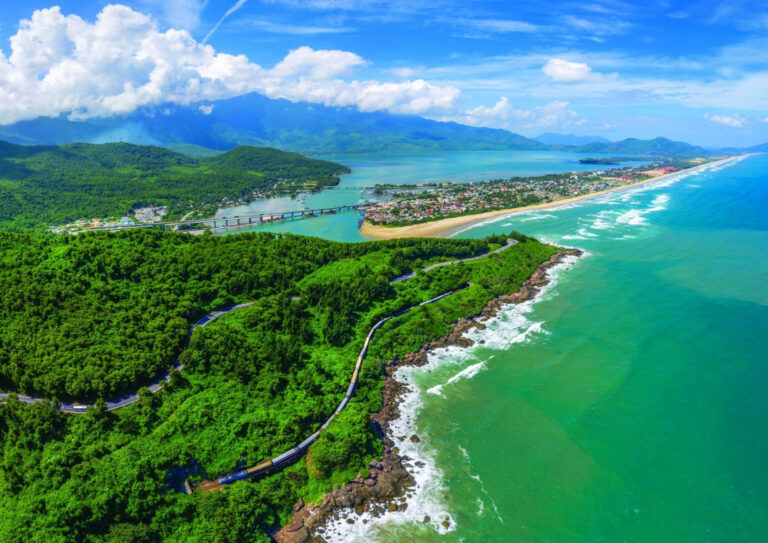
Da Nang was a major staging area during the war, and the long stretch once known to American servicemembers as China Beach is now an open coastal beach beside a modern city. Many travelers appreciate a restful day or two here.
A Shau Valley and Hamburger Hill
The remote A Shau Valley and Hill 937, widely remembered as Hamburger Hill, lie in rugged highland country. Reaching them takes careful planning and a knowledgeable local guide, which is exactly where a customized private itinerary makes the difference.
Cu Chi Tunnels
Near Ho Chi Minh City, the Cu Chi Tunnels preserve part of the vast underground network used during the war. Sections are open to visitors, and many veterans describe the visit as eye-opening. The walking and crawling are optional, and we always plan an accessible, gentle version for those who prefer to observe.
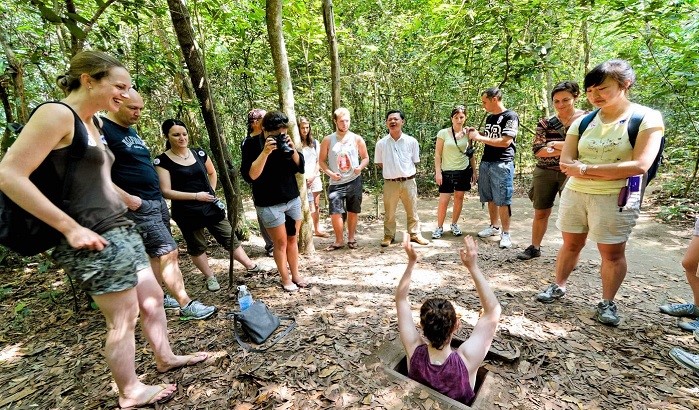
Cu Chi tunnels – a popular stop of Vietnam tours for US veterans
Saigon / Ho Chi Minh City and the Mekong Delta
Ho Chi Minh City, long known as Saigon, is now a bustling metropolis with historic landmarks and the War Remnants Museum. To the south, the Mekong Delta’s calm waterways, associated with riverine operations during the war, offer one of the gentlest and most reflective parts of any journey.
How a Tailor-Made Personal Itinerary Works
The most meaningful returns are rarely the standard ones. A tailor-made itinerary is essential when your goal is personal: to find a specific firebase, a particular village, a stretch of river, or the place a friend was lost. Our local experts specialize in exactly this kind of careful, respectful planning.
- Share your story. Tell us the unit, the dates, the place names, and any coordinates, photos, or memories you have.
- We research locally. Our team and regional guides work to identify the present-day location and the best, safest way to reach it.
- We design the route. The itinerary is built around your pacing, your priorities, and the moments you want time and space for.
- We refine together. You review and adjust until it feels right, with no pressure and no rush.
- We support you throughout. A private guide, driver, and 24/7 support accompany the journey from arrival to departure.
Emotional and Practical Support
A return journey can stir powerful emotions, and our aim is to surround you with calm, capable support so you never feel alone with the logistics. We build in flexibility, quiet time, and the option to slow down or rest whenever you need.
- Private, accompanied travel with an experienced local guide who knows the historic sites and treats them with respect.
- Unhurried pacing with shorter travel days, rest stops, and time to simply sit and reflect.
- Flexible scheduling so plans can change on the day if a place affects you deeply.
- 24/7 support throughout your trip, with help only a phone call away.
- Family-friendly arrangements if children or grandchildren are traveling with you.
Mobility, Health, and Visa for Older US Travelers
Practical readiness makes the journey smoother, and we handle the details so you can focus on the experience. The notes below are general guidance; please confirm current requirements with official US and Vietnamese sources before you travel.
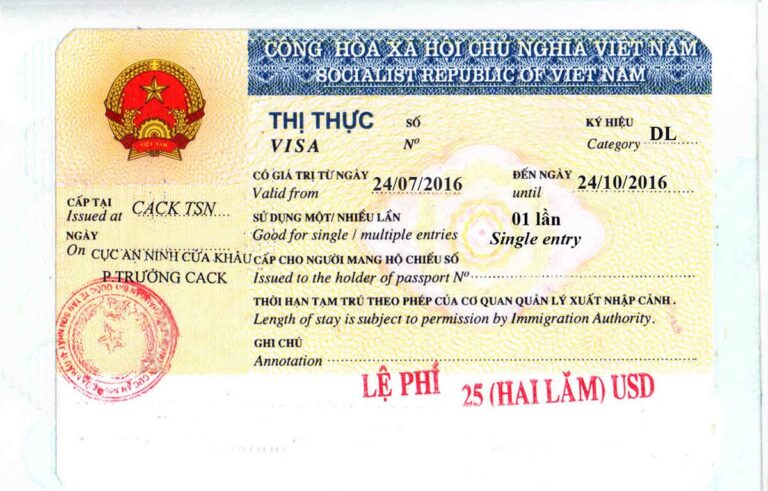
- Visa: US citizens generally need a visa for Vietnam, commonly arranged through the official Vietnamese government e-visa system. We guide you through the steps and timing.
- Mobility: We plan accessible pacing, comfortable private vehicles, ground-floor or elevator-served rooms where possible, and optional rather than required walking at strenuous sites.
- Health: Consult your physician and a travel clinic about vaccinations and medications well in advance. Bring a clear list of prescriptions in their original packaging.
- Insurance: Comprehensive travel and medical insurance is strongly recommended for older travelers.
- Climate comfort: We schedule indoor breaks and hydration stops, especially in warmer, more humid stretches.
A Sample Respectful Return Itinerary
Every journey we arrange is customized, but the sample below shows how a comfortable, north-to-south return might flow over about 12 days. It is a starting point, not a fixed plan.
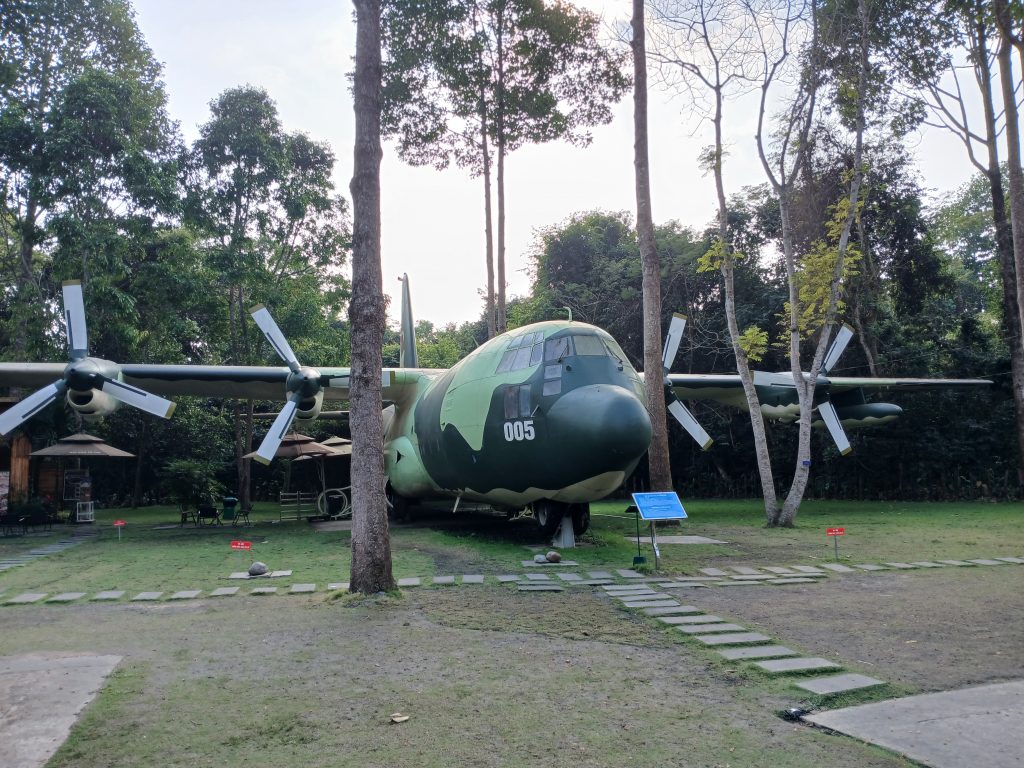
Local experts help pinpoint personal sites on Vietnam tours for US veterans
| Days | Region | Focus |
|---|---|---|
| 1–2 | Hanoi | Gentle arrival, rest, and historic landmarks at an easy pace. |
| 3–4 | Hue | The Citadel, riverside reflection, and time to acclimate. |
| 5–6 | DMZ & Khe Sanh | Quang Tri, Khe Sanh base, and personal sites with a local expert. |
| 7 | Da Nang / China Beach | Coastal rest day and optional A Shau Valley planning. |
| 8–9 | Ho Chi Minh City | Saigon landmarks, War Remnants Museum, and Cu Chi Tunnels. |
| 10–11 | Mekong Delta | Quiet waterways and reflection before departure. |
| 12 | Departure | Unhurried transfer and farewell. |
Costs and Best Time to Visit
Pricing depends on length, hotel comfort level, the difficulty of reaching personal sites, and group size. The ranges below are realistic 2026 USD per-person estimates for private, tailor-made travel, and we confirm exact figures only after your itinerary is set.
- Comfortable private tour (about 10–12 days): roughly $2,500–$4,500 per person, land only.
- Premium private tour with upscale hotels: roughly $4,500–$7,000+ per person, land only.
- Remote site access (e.g., A Shau Valley): additional cost for specialized guides and vehicles.
- International flights from the USA: typically separate and additional.
For weather, the cooler, drier months from roughly December to April are widely considered the most comfortable, with temperatures often in the 60s to 80s Fahrenheit and lower humidity. Because Vietnam stretches over a long distance, conditions vary by region, and we plan timing accordingly. Our 100% Price Beat Guarantee, 100% Money Back assurance, and 100% Customer Satisfaction commitment are there to make booking with confidence simple.
Frequently Asked Questions
A few questions come up often as travelers begin planning. Here are concise answers.
Is it safe and welcoming for US veterans to return?
Yes. Many veterans report being warmly received, and people-to-people connection is often described as a highlight of the journey. Our local team ensures a respectful, well-supported experience.
Can you find a specific firebase or village I served at?
Often, yes. With unit details, dates, place names, and any coordinates or photos, our local experts research the present-day location and plan the safest practical route to reach it.
Is the pace suitable for travelers in their 70s and 80s?
Absolutely. We design senior-friendly pacing with rest days, comfortable private vehicles, accessible options, and the freedom to slow down at any time.
Can family members come along?
Yes. Many travelers bring a spouse, adult children, or grandchildren, and we tailor the experience so it is meaningful for everyone.
Begin Your Return Journey
A return to Vietnam deserves to be handled with dignity, patience, and genuine local knowledge. When you are ready, Vietnam tours for US veterans can be shaped entirely around your story and your pace. Contact Golden Holiday Travel today for a personalized, hassle-free itinerary with our local experts. Ask about our Vietnam Tours or fill the form to customize your Vietnam Tours with us







Write Comment