
Uncovering the Struggle for Independence: A Journey Through the Haunting Past of Son La Prison
Son La prison is a popular destination for visitors to Son La province, and is often included on lists of top things to see and do in the city. Let’s get this blog read for your rich insight of this historical site…..
The history of Son La Prison
Son La Prison was built by the French colonial authorities in 1908 in Son La province, Vietnam, as part of their efforts to suppress Vietnamese nationalism and maintain control over the country. The prison was used to detain Vietnamese political prisoners who opposed French rule and were seen as a threat to colonial authority.
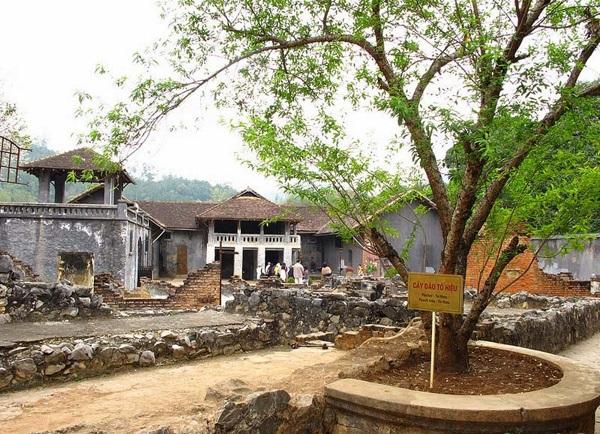
During its years of operation, Son La Prison was notorious for its harsh treatment of political prisoners. The prison was designed to break the spirits of Vietnamese nationalists and prevent them from agitating for independence. Prisoners were subjected to forced labor, physical abuse, and psychological torture, and many died as a result of the inhumane conditions.
Despite the oppressive conditions, Vietnamese nationalists continued to resist colonial rule, and many revolutionary leaders were imprisoned at Son La, including Le Duan, Truong Trinh, Nguyen Luong Bang, who would later become the top leaders of the Democratic Republic of Vietnam.
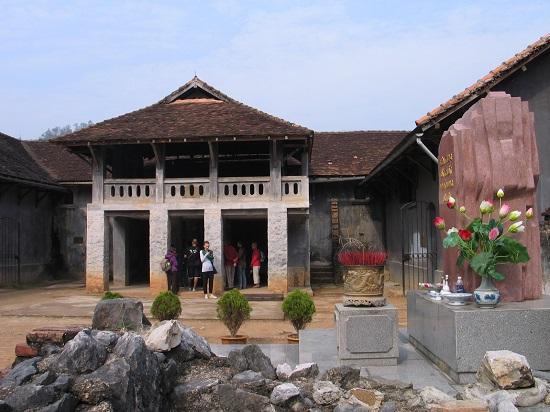
During the Vietnam’s Ressistance War against the French, which lasted from 1946 to 1954, the prison became a target for Vietnamese revolutionary forces, who sought to liberate their compatriots and weaken French colonial authority. On 22th Nov 1952, after a daring raid by Vietnamese forces, Son La Prison was captured, and the remaining prisoners were freed.
After the end of Vietnam Ressistance War & during American – Vietnam War, the prison was attacked & partly destroyed by air raids, which led to its current state.
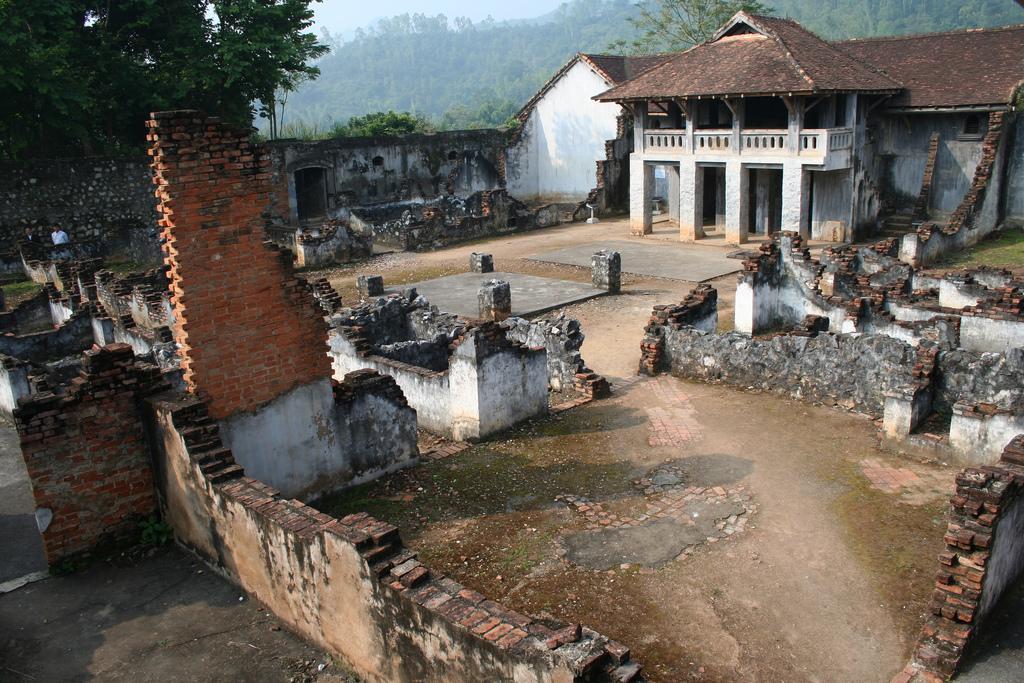
In 1996, the prison was converted into a museum to commemorate the struggles and sacrifices made by Vietnamese revolutionaries. The museum features exhibits that showcase the history of the prison, including photographs, artifacts, and personal accounts from former prisoners. Visitors can also explore the various cells and punishment areas, including the dark, cramped solitary confinement cells where prisoners were held in complete darkness for days at a time.
Today, Son La Prison serves as a powerful reminder of the sacrifices made by those who fought for Vietnamese independence, and stands as a testament to the resilience and determination of the Vietnamese people in the face of colonial oppression.
Opening time & admission fees to enter Son La Prison
Visitors to Son La Prison should allow at least an hour to explore the museum and take in the exhibits. The prison is open daily from 7:30 am to 11:00 am and 1:30 pm to 5:00 pm, and the admission fee is 30,000vnd/ person.
While visiting Son La Prison, visitors may also wish to explore other historic sites in the area, such as the Son La Museum, which features exhibits on the culture and history of the local Muong people, and the Son La Ethnic Village, which showcases traditional architecture and handicrafts.

Overall, a visit to Son La Prison is a powerful and moving experience that offers a glimpse into the struggles and sacrifices made by Vietnamese revolutionaries in the fight for independence. It is a must-visit place in Son La city for anyone interested in the history of Vietnam and the struggle for self-determination.
Frequently Asked Questions
Built by French colonial authorities in 1908, Son La Prison was designed to suppress the Vietnamese independence movement. Rather than breaking their spirit, it became a “revolutionary school” where prominent leaders like Le Duan and Truong Chinh organized political training. Today, it stands as a special national relic and a powerful symbol of the resilience and indomitable will of the Vietnamese people.
The prison is situated atop Khau Ca Hill in Son La City, approximately 300km northwest of Hanoi. It is a key stop for travelers exploring the Northwest loop toward Dien Bien Phu. For the best experience, Golden Holiday Travel recommends including it in a multi-day Northern Vietnam tour, allowing you to combine history with the stunning landscapes of the surrounding highlands
Visitors can explore the original stone cells, solitary confinement areas, and the “Hell on Earth” conditions faced by political prisoners. A highlight of the visit is the To Hieu Peach Tree, named after the revolutionary leader who planted it while imprisoned. The tree has become a national symbol of vitality and the evergreen spirit of the Vietnamese revolution.
The relic is open daily to the public. Morning hours are typically from 7:30 AM to 11:00 AM, and afternoon hours are from 1:30 PM to 5:00 PM. The admission fee is very affordable, currently around 30,000 VND per person, making it an accessible and educational must-visit destination for anyone interested in Vietnam’s struggle for independence.
The prison earned this nickname due to its brutal design and inhumane conditions. Prisoners were kept in dark, cramped cells with stone beds and foot shackles. The harsh climate of the Northwest—scorching heat in the summer and freezing mist in the winter—combined with the French colonialists’ use of forced labor and psychological torture, was intended to abolish the fighting will of the revolutionaries.
Yes, it is highly recommended for those who want to understand the “soul” of Vietnam beyond its beaches and cities. Booking through a licensed tour operator like Golden Holiday Travel ensures you have a professional guide to translate the historical context and artifacts, providing a moving and insightful journey into the sacrifices made for Vietnam’s modern-day freedom.

Meet Our Experts

Suggested


Featured Articles


Related Articles




Ask a Question or Share Your Thoughts
Have questions about this itinerary, road trip tips, private car rentals, or ticket booking? Leave a comment or question below — our travel specialists will reply within a few hours!