
Vietnamese Family Meals: Exploring the Culinary Traditions of North, Central & South Vietnam
Vietnamese family meals are at the heart of everyday life, bringing generations together around a shared table filled with savory dishes, fragrant steam rice, and light herbal soups. For travelers visiting Vietnam, understanding these communal dining traditions offers a genuine glimpse into how Vietnamese people bond, share stories, and show care and affection through food.
With more than 10 years of creating tailor-made Vietnam Tours, our local experts at Golden Holiday Travel have helped thousands of travelers discover experiences that go beyond the usual tourist checklist. In this regional guide, we share firsthand local insights into Vietnam’s diverse dining traditions, helping you understand the unique flavors and customs of each region while planning a truly memorable private holiday.
Key Takeaways for Travelers
- Vietnamese home dining focuses on family unity, communal sharing from a central tray, and balance among hot and cooling ingredients.
- Northern meals favor subtle, delicate, and savory tastes; Central tables feature bold, spicy, and pungent dishes; Southern cooking embraces sweetness, fresh herbs, and rich coconut broths.
- A standard home table always pairs four basic components: steamed white rice, a braised protein (kho), cooked vegetables (rau), and a light soup (canh).
- Observing table manners, including inviting elders before eating and holding your rice bowl correctly, shows cultural appreciation and respect.
What Makes Vietnamese Family Meals So Special?
Vietnamese family meals are often the heart of family life, bringing several generations together around a shared table to enjoy food, conversation, and time with one another. Rather than serving separate individual portions, Vietnamese families share every dish to strengthen emotional bonds, show mutual respect, and maintain daily harmony.
Fully Licensed Local Agency
Tailor-Made Vietnam Tour Packages
Discover Vietnam with private guides, safe drivers, and flexible custom itineraries. Experience authentic regional dining, family homestays, and iconic destinations with 24/7 dedicated support.
The Role of Food in Vietnamese Family Life
Food in Vietnam goes far beyond simple physical nourishment. Preparing a home-cooked dinner shows direct love and care from parents to children and from children to aging grandparents. In traditional Vietnamese culture, asking someone if they have eaten rice yet (Ban da an com chua?) serves as a common, warm greeting equivalent to asking about their well-being.
Daily meal preparation requires careful attention to the specific preferences of each family member. Grandmothers select tender greens for the elderly, while mothers prepare savory braised meats favored by younger children. Gathering together at the end of the day allows family members to set aside work stresses and reconnect over warm food.
Why Vietnamese Meals Are Usually Shared?
Communal dining defines the structure of traditional Vietnamese family meals. Unlike Western dining where each person receives an individual plate with separate meat and sides, Vietnamese meals place all shared dishes directly in the center of the table on a circular tray known as a mam com.
Each person holds their own private rice bowl and uses their chopsticks to pick small portions from the communal plates. This shared setup encourages attentive dining habits, requiring diners to observe others, share choice cuts of meat, and avoid taking excessive food for themselves.
The Balance of Flavors in a Traditional Vietnamese Meal
Vietnamese home cooking applies the ancient philosophy of Yin and Yang along with the Five Elements (Ngu Hanh) to balance taste and nutrition. A complete meal incorporates five core flavor elements: spicy (metal), sour (wood), bitter (fire), sweet (earth), and salty (water).
This culinary principle also helps balance the warming and cooling properties of ingredients, supporting overall well-being. For example, cooling seafood like duck or shellfish is cooked with warming ginger and lemongrass, while rich braised pork pairs with cooling sour vegetable soup to support smooth digestion.
How Family Meals Bring People Together?
The dinner table serves as an open space for conversation, moral education, and mutual encouragement across three or four generations. Parents use mealtime to teach younger children proper manners, patience, and consideration for others.
When a Vietnamese family invites you to join their home meal, it represents a deep gesture of hospitality and trust. Guests are treated like close family members, offered the prime portions of fish or meat, and welcomed into the warm daily rhythm of the family.
What Does a Typical Vietnamese Family Meal Look Like?
A standard Vietnamese family meal centers around freshly cooked white rice accompanied by a braised protein dish, boiled or stir-fried seasonal vegetables, a clear broth soup, and seasoned dipping fish sauce. This structured combination provides a balanced, satisfying meal suitable for everyday nutrition.
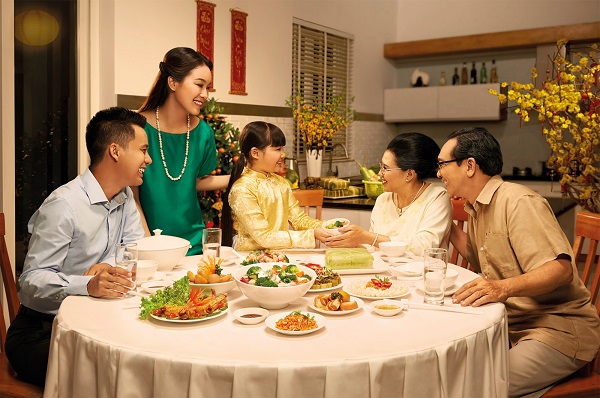
Food sharing and inviting elders during a traditional Vietnamese family gathering
Rice – The Staple at the Center of the Table
Steamed white rice acts as the neutral canvas against which all savory and sour dishes are tasted. A hot, perfectly cooked bowl of rice absorbs the juices of braised meats, mellows the sharp notes of dipping sauces, and provides lasting energy.
Families take pride in sourcing good-quality local rice varieties such as ST25 or fragrant Tam Thom. When dining in a Vietnamese home, finishing every grain in your bowl shows gratitude toward the farmers and the family cook.
Canh – Vietnamese Soup for a Complete Meal
No Vietnamese family meal is considered complete without a central bowl of canh. These light, vegetable-based or bone-broth soups refresh the mouth between rich bites of meat and moisten the rice for easy eating.
Common everyday soups include minced pork with winter melon (canh bi), sour tomato broth with dill (canh chua ca), and vegetable greens cooked with ground shrimp (canh rau ngot). The broth is ladled directly over rice toward the middle or end of the meal.
Rau and Vegetables – Freshness and Balance
Vegetables (rau) provide dietary fiber, crisp textures, and essential vitamins at every family meal. Boiled water spinach (rau muong luoc) is widely loved, with its cooking water seasoned with lemon juice to double as a simple, cooling soup.
In addition to cooked greens, platters of raw herbs including Thai basil, mint, perilla, and sliced cucumbers accompany almost every lunch and dinner, giving diners crisp, fresh bites throughout the meal.
Kho and Braised Dishes – Comfort Food for Vietnamese Families
Braised dishes (mon kho) represent the quintessential comfort food of Vietnamese households. Meat, fish, or tofu is simmered slowly in a clay pot with caramel sauce (nuoc mau), fish sauce, shallots, garlic, and cracked black pepper until the liquid thickens into a glossy glaze.
Because kho dishes are concentrated and intensely savory, a single spoonful of braised sauce and meat can season an entire bowl of rice, making it an economical and satisfying staple of daily life.
Nuoc Cham – The Sauce That Brings Everything Together
A small saucer of dipping sauce (nuoc cham) sits at the exact center of the dining tray. Depending on the meal, this may be pure high-protein fish sauce with sliced chili, or a balanced blend of fish sauce, lime juice, water, sugar, minced garlic, and bird’s eye chili.
Every boiled vegetable, slice of pork, or fried fish is dipped into this sauce before eating. The dipping saucer unites the disparate elements of the meal into a harmonious culinary whole.
How Vietnamese Families Serve and Share Food?
Dishes are arranged neatly on a round metal or wooden tray placed either in the center of a dining table or directly on a clean woven floor mat (chieu). Diners sit in a circle around the tray so that every shared bowl remains within comfortable reach of all participants.
A communal soup spoon is provided for the shared bowl of broth, while each person uses their chopsticks to transfer portions of meat or vegetables into their personal bowl before eating. It is customary to dip food lightly into the communal fish sauce saucer in the center.
Everyday Meals vs. Special-Occasion Feasts
While daily family meals emphasize quick, practical, and wholesome preparations, festive gatherings like the Lunar New Year (Tet) or ancestral death anniversaries (đám giỗ) feature elaborate culinary feasts known as cỗ.
Special feasts showcase traditional delicacies such as square sticky rice cakes (bánh chưng), crisp fried spring rolls (nem rán), boiled whole chicken with lime leaves, and rich bamboo shoot soup with pork bones. These grand banquets require hours of collective preparation by extended family members.
Fully Licensed Local Agency
Northern Vietnam Discovery & Culinary Tours
Explore Hanoi, Ninh Binh, Sapa, and Ha Long Bay with private transport and expert local guides. Taste authentic northern home cooking and discover cultural traditions on a customized journey.
Northern Vietnamese Family Meals: Subtle, Balanced & Traditional
Northern Vietnamese family meals reflect the region’s cooler climate and centuries of culinary refinement centered around the Red River Delta. The food features subtle, mild seasonings, clear broths, and a balanced harmony of salty, sour, and savory notes without heavy sweetness or overpowering chili heat.
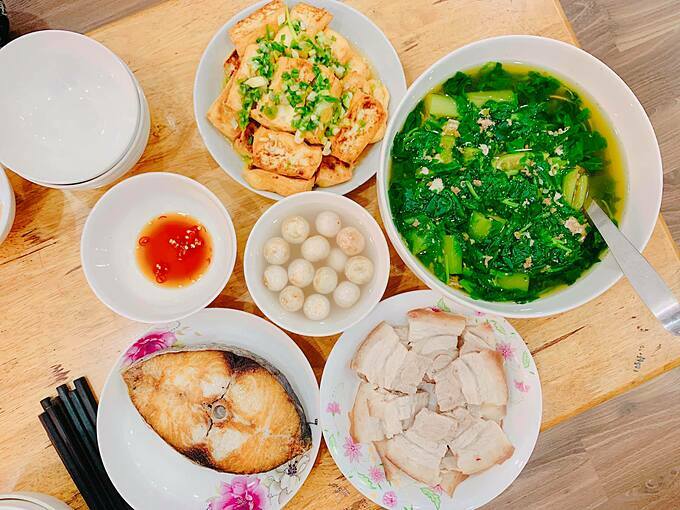
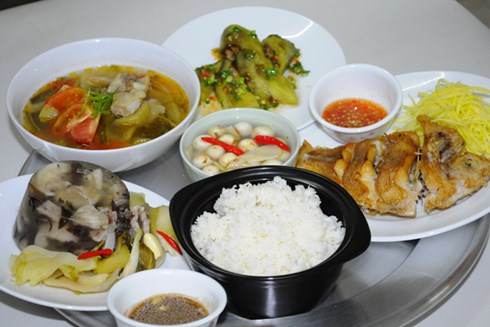
A typical Northern Vietnamese family dinner featuring braised pork, crab soup, and pickled eggplants
The Distinctive Flavors of Northern Vietnamese Cuisine
Northern cooking relies on pure fish sauce, ground black pepper, fresh ginger, garlic, and natural souring agents like rice vinegar (dam bong), dracontomelon (qua sau), or tamarind. The goal of Northern cooks is to highlight the natural, fresh flavors of raw ingredients rather than masking them with sugar or heavy spices.
Broths in the North are cooked clear and light, seasoned gently with salt and fish sauce. Dishes are rarely overly oily, making Northern family dinners feel clean, refreshing, and deeply restorative.
Common Dishes Found on a Northern Family Table
A standard Northern home dinner showcases classic dishes that have nourished generations across the delta villages and city neighborhoods.
- Thit Kho Tau: Tender pork belly braised with hard-boiled eggs in a savory caramel sauce.
- Canh Cua Rau Day: Freshwater crab soup cooked with jute greens and luffa, paired with crunchy pickled white eggplants (ca phao).
- Dau Phu Sot Ca Chua: Golden-fried tofu cakes gently simmered in a fresh, savory tomato and scallion sauce.
- Suon Xao Chua Ngot: Pork ribs stir-fried with vinegar, sugar, and garlic for a classic sweet and sour balance.
Hanoi-Style Family Meals and Culinary Traditions
Hanoi home dining represents the refined standard of Northern cuisine, emphasizing elegant presentation, precise vegetable carving, and selective herb pairings. Hanoi cooks pair specific meats with designated aromatic herbs to achieve perfect balance.
For instance, boiled pork always pairs with raw Vietnamese balm (kinh gioi), while fried fish is served with fresh dill (thi la) and scallions. This meticulous attention to herb pairings defines the sophisticated character of the capital city’s home cooking.
How Northern Cuisine Preserves Traditional Flavors
Because Northern Vietnam experiences distinct seasonal shifts, including chilly winters and hot summers, home cooks adapt their family menus to nature’s rhythm. Winter dinners feature rich, warming braised clay pots and ginger-infused broths, while summer tables center around cool crab soups and boiled greens with sour broth.
By relying on time-tested fermentation techniques and regional agricultural staples, Northern Vietnamese families preserve ancient food customs that remain largely unchanged through modern times.
Central Vietnamese Family Meals: Bold, Spicy & Flavorful
Central Vietnamese family meals are celebrated for their bold, intense seasoning, generous use of fiery red chili, and savory fermented seafood pastes. Influenced by both the royal culinary heritage of Hue and the rugged coastal geography of the central provinces, home-cooked meals in this region are known for their bold, distinctive flavors that leave a lasting impression.
.
Central and Southern Vietnamese family dinners feature fresh seafood, vibrant herbs, and savory braised pots
Why Central Vietnamese Cuisine Is Known for Strong Flavors?
The narrow central coastline experiences severe weather patterns, including scorching summers, typhoons, and heavy seasonal rains. Historically, local residents developed rich, highly spiced, and preserved foods to withstand long stretches of harsh weather.
Chili peppers, black pepper, and fermented seafood pastes add warmth and depth to meals, helping stimulate the appetite during the cooler, stormy winter months. Together, they create bold, deeply savory flavors with a distinctive spicy kick.
Popular Dishes in a Central Vietnamese Family Meal
Central home cooks turn fresh catches from the East Sea and garden harvests into bold, satisfying dishes that pair wonderfully with rice.
- Ca Kho To (Central Style): Sea fish or river fish braised in an earthenware clay pot with thick dark soy, chili, and crushed garlic until dense and chewy.
- Thit Luoc Cham Mam Tom Chua: Boiled pork belly sliced thin and dipped into Hue’s famous fermented sour shrimp paste with green bananas and starfruit.
- Canh Chua Ca Bien: Tangy coastal fish soup made with sour starfruit, tomatoes, pineapple, and generous amounts of fresh red chili.
- Mit Tron: Boiled young jackfruit salad tossed with shrimp, pork belly, crushed peanuts, and fresh Vietnamese coriander (rau ram).
The Influence of Hue’s Royal Cuisine
Hue served as the imperial capital under the Nguyen Dynasty from 1802 to 1945, establishing an intricate royal culinary culture that filtered down into ordinary household kitchens. Central home cooking reflects this imperial legacy through smaller portion sizes, decorative plating, and sophisticated marinades.
Rather than serving single large portions, Central families often prepare multiple smaller side dishes with distinct dipping sauces, creating an engaging and dynamic dining experience at the table.
How Local Ingredients Shape Central Vietnamese Cooking?
Fermented seafood seasonings are a key part of Central Vietnamese home cooking. Condiments such as mam ruoc (fermented shrimp paste), mam nem (fermented anchovy sauce), and mam ca com (fermented scad fish sauce) add a rich, savory depth that simple salt or regular fish sauce cannot quite match.
Fresh aromatics like lemongrass, turmeric root, and crushed shallots are sautéed in peanut oil to form fragrant bases for stir-fries and braised clay pots across Da Nang, Hoi An, and Quang Nam provinces.
Southern Vietnamese Family Meals: Fresh, Sweet & Generous
Southern Vietnamese family meals showcase the rich agricultural produce of the Mekong Delta and the warm tropical climate of the south. Southern home cooking is characterized by sweet coconut notes, generous portions, crisp fresh herbs, and an informal, welcoming dining atmosphere.
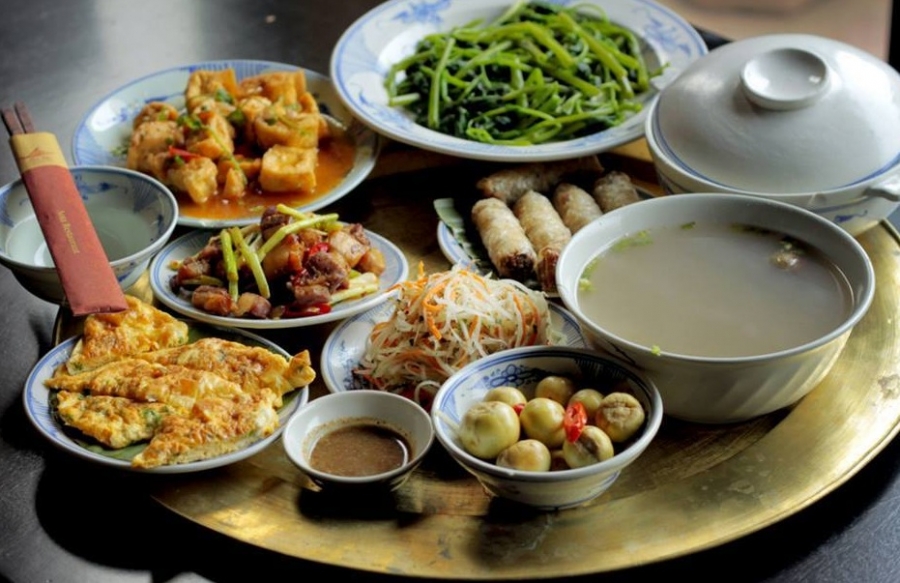
Abundant Southern family spreads feature fresh river fish, aromatic herbs, and rich coconut-braised meats
The Characteristic Flavors of Southern Vietnamese Cuisine
Southern cooks season their dishes with palm sugar, cane sugar, and fresh coconut water. This natural sweetness is balanced against tangy tamarind, savory fish sauce, and fragrant herbs to produce a rich and addictive flavor profile.
Dishes in the South are cooked with plenty of fresh garlic, shallots, and crushed black pepper. Food is often garnished with colorful sliced chilies, creating plates that look inviting and vibrant on the table.
Popular Dishes Served at Southern Family Meals
Southern households prepare dishes that highlight local freshwater fish, wild greens, and pork cuts.
- Canh Chua Ca Loc: Sour soup cooked with snakehead fish, pineapple, tomatoes, okra, bean sprouts, and elephant ear stems, garnished with rice paddy herb.
- Thit Kho Hot Vit: Large chunks of pork belly and whole duck eggs braised slowly in fresh coconut water until meltingly tender.
- Ca Tre Kho Tieu: Catfish simmered in a rich, dark caramel sauce with generous cracked black pepper.
- Rau Muong Xao Toi: Water spinach flash-fried in a hot wok with crushed garlic and oyster sauce.
The Influence of the Mekong Delta on Southern Cooking
The fertile river systems and warm climate of the Mekong Delta produce endless supplies of fresh river fish, prawns, water lilies, sesbania flowers (bong dien dien), and tropical fruits. Southern families incorporate these wild river vegetables directly into their daily soups and braised dishes.
Historical trade connections with Khmer, Chinese, and French cultures also influenced Southern home cooking, introducing coconut cream curries, French-style sautéed beef, and sweet Chinese marinades to family tables.
Why Southern Meals Often Feel More Abundant and Relaxed?
Southern dining etiquette is noticeably more casual and open than in the North. Platters of food are served generously, with overflowing baskets of raw herbs and greens placed directly alongside dipping bowls.
Southerners value warmth, spontaneity, and laughter at the dinner table. Family members and invited guests are encouraged to eat hearty portions, wrap grilled fish in fresh lettuce leaves with their hands, and enjoy informal conversation late into the evening.
North vs. Central vs. South: How Vietnamese Family Meals Differ?
Regional variations across Northern, Central, and Southern Vietnamese family meals stem from geography, weather patterns, and historical trade influences. While each region maintains unique seasonings and cooking methods, all three traditions share a deep love of steamed rice, shared dishes, and the sense of togetherness that comes from eating as a family.
Differences in Flavors and Seasoning
Northern cuisine focuses on mild, subtle, and savory flavors, relying heavily on black pepper, salt, and natural vinegar. Central cuisine delivers intense, spicy, and salty profiles shaped by chili peppers and fermented shrimp pastes. Southern cuisine champions sweet and savory combinations driven by palm sugar, coconut juice, and sweet marinades.
Differences in Ingredients and Cooking Methods
Northern families rely on river fish, pork, and seasonal greens, using slow-simmering and steaming techniques. Central cooks utilize fresh sea fish, squids, and bold & spicy marinades. Southern families take full advantage of abundant river catches, wild wetland plants, and coconut milk braises.
Differences in Signature Family Dishes
A northern family table centers on crab soup with jute greens and braised pork ribs. A central table features fiery clay pot braised fish with mam ruoc, while a southern meal highlights tamarind sour fish soup and pork belly braised in fresh coconut water.
What Stays the Same Across All Three Regions?
Despite distinct taste preferences, the foundational structure remains identical across the nation. Every traditional household places steamed white rice in the center, shares a bowl of soup, dips food into fish sauce, and uses mealtime to strengthen family unity.
| Regional Feature | Northern Vietnam | Central Vietnam | Southern Vietnam |
|---|---|---|---|
| Dominant Flavor Profile | Subtle, savory, balanced, mildly sour | Spicy, bold, pungent, deeply salty | Sweet, rich, fresh, herb-forward |
| Primary Heat Source | Black pepper & fresh ginger | Fresh red chili & chili powder | Mild chili garnish & crushed pepper |
| Signature Soup (Canh) | Crab & jute greens soup (Canh Cua) | Spicy coastal fish sour soup | Snakehead sour soup (Canh Chua) |
| Signature Braised Dish (Kho) | Pork belly with hard-boiled eggs | Clay pot sea fish with chili & mam | Pork belly braised in coconut juice |
| Preferred Dipping Sauce | Pure fish sauce with sliced bird chili | Fermented shrimp or anchovy paste | Sweet & sour garlic lime fish sauce |
Vietnamese Family Meal Etiquette Travelers Should Know
Table manners in Vietnamese family dining reflect core cultural values of filial piety, respect for seniority, and consideration for others. Following basic etiquette ensures a comfortable and culturally respectful experience when sharing a table with local hosts.
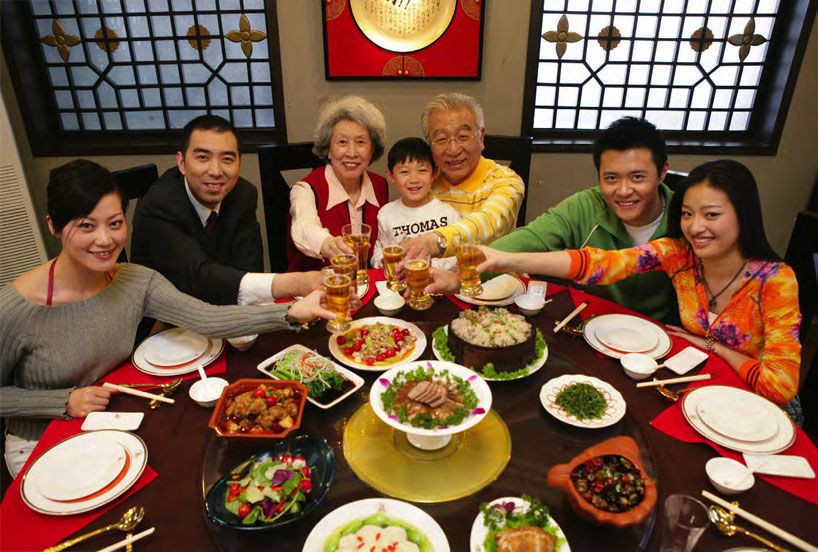
Mastering proper table etiquette, seating arrangements, and chopstick manners during family meals
Where to Sit and How to Share Dishes?
Seating arrangements follow age hierarchy. The eldest family members or honored guests are directed to the best seats, typically facing the main entrance or positioned closest to the choice dishes. Younger members sit near the rice cooker to assist with serving refills.
When sharing food from the central tray, pick small portions that you intend to eat immediately rather than loading your bowl with large piles of food all at once. This practice ensures there is plenty of food remaining for everyone at the table.
Using Chopsticks Properly at the Dining Table
Holding and using chopsticks correctly is an essential part of dining in Vietnam. Always hold your rice bowl in one hand close to your chest while using your chopsticks in the other hand to lift food to your mouth.
Never stick your chopsticks vertically into your rice bowl, as this resembles burning incense sticks at an ancestral altar or funeral ritual. When pausing between bites, lay your chopsticks neatly across the top of your bowl or rest them on the chopstick holder.
Serving Food to Older Family Members
Before picking food for yourself, it is polite to use the clean, reverse ends of your chopsticks or a dedicated serving spoon to pick prime pieces of fish or meat and place them into the bowls of older family members. This shows thoughtfulness and respect.
Before taking the first bite of the meal, younger members must perform the verbal meal invitation (moi com). Starting with the eldest grandparent and moving down in age order, you say “Con moi ong ba an com” (I invite grandparents to eat rice), signaling that everyone may now enjoy the meal together.
Common Dining Habits and Taboos to Avoid
Avoid digging through a shared dish to find preferred pieces of meat, as this is considered impolite. Pick from the section closest to your side of the plate.
Never tap your chopsticks against the side of your porcelain bowl, as traditional folklore suggests this noise attracts wandering spirits and mimics the behavior of beggars. When finished eating, place your chopsticks down and inform the host politely that you are full.
How to Experience an Authentic Vietnamese Family Meal?
Travelers seeking genuine cultural immersion can experience traditional family meals through homestays, specialized family-style restaurants, and interactive cooking classes. These opportunities provide firsthand knowledge of Vietnamese hospitality and culinary heritage.
Joining a Local Family for a Home-Cooked Meal
Booking a private tour with an authorized local operator allows you to visit a local household in countryside regions like Mai Chau, Ninh Binh, or the Mekong Delta. Sitting down on a woven bamboo mat with a host family offers deep insight into daily rural life.
You will share garden-fresh vegetables, homegrown rice, and pond-caught fish while conversing with multi-generational families through your private English-speaking tour guide.
Visiting a Traditional Restaurant for Regional Cuisine
In major cities like Hanoi, Da Nang, and Ho Chi Minh City, look for restaurants advertising com nha (home rice) or com binh dan (popular rice). These establishments serve authentic family-style dishes rather than fast-food street snacks.
Ordering several shared dishes including a braised clay pot, stir-fried greens, and a bowl of sour soup allows you to recreate an authentic Vietnamese family meal spread with your travel companions.
Taking a Vietnamese Cooking Class
A hands-on cooking class provides practical skills to recreate Vietnamese home favorites back in your home country. Most classes begin with a morning visit to a wet market to select fresh herbs, fish, and vegetables before cooking under the guidance of a local chef.
You will learn how to balance fish sauce, lime, and sugar to make perfect nuoc cham and master caramelization techniques for braised clay pots.
What Travelers Can Learn From a Vietnamese Family Table
Sharing a meal with a Vietnamese family reveals the deep cultural value placed on mindfulness, generosity, and community bonds. Experiencing these traditions firsthand builds lasting appreciation for Vietnam’s warm culture and enduring family connections.
To discover additional cultural insights and destination advice, consult our other guides to Vietnam travel and information prepared by our local team.

Common Mistakes & Our Practical Tips to Experience Authentic Vietnamese Family Meals
Foreign visitors often encounter unfamiliar dining situations when joining local Vietnamese meals. Review these common pitfalls and practical recommendations from our experienced tour team to dine with confidence.
- Mistake 1: Sticking chopsticks vertically into a rice bowl. This mimics funeral incense and causes discomfort to local hosts.
Expert Tip: Always rest your chopsticks flat across the top of your bowl or on the table when pausing.
- Mistake 2: Eating before the elders begin. Starting to eat before older family members invite the table breaches traditional etiquette.
Expert Tip: Wait for the oldest host to say the meal invitation or nod before lifting your chopsticks.
- Mistake 3: Piling multiple dishes onto your rice bowl at once. Treating a communal meal like a buffet plate looks greedy.
Expert Tip: Take one or two pieces of food at a time, eat them with rice, and then reach for the next item.
- Mistake 4: Leaving your rice bowl on the table while eating. Bending down to eat from a table is viewed as lazy table posture.
Expert Tip: Hold your rice bowl in your non-dominant hand close to your chest while eating with chopsticks.
Frequently Asked Questions (FAQs) About Vietnamese Family Meals
Here are direct answers to common questions international travelers ask about traditional Vietnamese dining customs.
What is the single most essential dish in a Vietnamese family meal?
Steamed white rice (com trang) is the indispensable center of every meal, providing the neutral carbohydrate base that balances savory braised meats, vegetable dishes, and light herbal soups.
How do Vietnamese home meals differ from restaurant dining?
Home meals center around shared communal dishes, simple clay-pot braises, boiled vegetables, and light broth, whereas restaurants often focus on single-portion noodle dishes or elaborate grilled specialties.
Is it considered impolite to leave rice in your bowl?
Yes, finishing every grain of rice shows respect for the agricultural labor of farmers and the hospitality of your host family. Take modest portions that you can finish completely.
Can vegetarians participate comfortably in traditional family meals?
Yes, Vietnamese cuisine includes Buddhist vegetarian traditions (an chay) with dishes like lemongrass-braised tofu, stir-fried greens, and mushroom soups seasoned with soy sauce rather than fish sauce.
Why do Vietnamese diners invite others before eating?
The verbal meal invitation (moi com) demonstrates filial respect toward elders, acknowledges everyone at the table, and marks the official start of the shared meal in harmony.
How can foreign travelers join an authentic family meal safely?
Arrange a private homestay or countryside village lunch through an authorized local operator like Golden Holiday Travel to enjoy authentic home cooking with high food hygiene standards.

Fully Licensed Local Agency
Authentic Vietnam Adventure & Cultural Tours
Trek scenic mountain trails, stay in local homestays, and taste regional family cooking. Our private customized tours provide comfortable transport, expert guides, and safe village encounters.
Final Thoughts on Vietnamese Family Meals & Arrange Your Trip with Our Travel Experts
Discovering Vietnamese family meals gives you direct access to the rich cultural heart of Vietnam. Whether you wish to explore regional dishes on our private Vietnam Tours or embark on authentic village homestays with our Vietnam Adventure Tours, our local team stands ready to design your ideal journey. Contact us directly via WhatsApp +84.988451530 or email [email protected] to start planning today.
Note: The travel tips and recommendations shared in this guide have been carefully prepared by the local travel experts at Golden Holiday Travel. While every traveler is different, our team is always happy to provide personalized itinerary planning, destination advice, and one-on-one support to help you create the perfect Vietnam journey.
Meet Our Experts

Suggested


Featured Articles


Related Articles




Ask a Question or Share Your Thoughts
Have questions about this itinerary, road trip tips, private car rentals, or ticket booking? Leave a comment or question below — our travel specialists will reply within a few hours!