
Dien Bien Phu Travel Guide: History, Culture, Things to Do & Travel Tips
This Dien Bien Phu travel guide offers practical, firsthand insights for international travelers exploring one of Vietnam’s most historically significant mountain destinations. Located in remote northwestern Vietnam near the border with Laos, this historic valley combines major military battlefield relics with scenery, mountain passes, and ethnic Thai and H’mong cultural traditions.
With over 10 years of crafting tailor-made Vietnam travel itineraries across the country, our local experts at Golden Holiday Travel have supported thousands of travelers discover experiences that go beyond the usual tourist sights. This guide combines local insights with practical travel tips to help you plan a smooth and rewarding trip to Dien Bien Phu.
Dien Bien Phu at a Glance
Overview Summary:
Dien Bien Phu is the provincial capital of Dien Bien Province in northwestern Vietnam, located about 500 kilometers from Hanoi. Known internationally for the decisive 1954 military victory that concluded French colonial rule in Indochina, the town combines historical battlefield relics with mountain scenery and diverse Thai and H’mong ethnic traditions.

Fully Licensed Local Agency
Tailor-Made Northern Vietnam Tours
Explore Northern Vietnam with private guides, safe drivers, and flexible itineraries custom-designed around your preferred schedule and travel style.
Understanding the basic geography and background of Dien Bien Phu helps visitors set realistic expectations for their travel plan in this remote corner of Vietnam.
Where Is Dien Bien Phu?
Dien Bien Phu is situated in the heart of the heart-shaped Muong Thanh Valley, in Dien Bien Province, Northwestern Vietnam. The valley stretches approximately 20 kilometers long and 6 kilometers wide along the Nam Ron River. Positioned just 35 kilometers from the Tay Trang international border crossing with Laos, the town sits surrounded by steep mountain ridges that isolate it from neighboring regions.
Why Visit Dien Bien Phu?
Travelers visit Dien Bien Phu primarily for its modern history. The town features intact trenches, bunkers, artillery positions, and memorial sites preserved from the 1954 siege. Beyond military history, the surrounding region offers opportunities to experience traditional ethnic village life, visit weekly highland markets, drive through mountain passes like Pha Din, and explore remote reservoirs such as Pa Khoang Lake and Muong Lay.
What Makes Dien Bien Phu Different from Other Northern Vietnam Destinations?
Unlike heavily commercialized tourist centers such as Sapa or Ha Long Bay, Dien Bien Phu remains focused on authentic historical memory and local agricultural activity. Tourist facilities are simple but sufficient, and outside major holiday periods, you’ll rarely encounter large crowds. Meeting local Thai and H’mong people also feels genuine, giving you a glimpse into everyday mountain life rather than a tourist experience designed purely for visitors.
| Traveler Type | Recommended Stay | Primary Focus | Key Recommended Sites |
|---|---|---|---|
| History Enthusiasts | 2 – 3 Days | Battlefield sites & Military History | A1 Hill, De Castries Bunker, Museum, Muong Phang |
| Adventure Drivers | 3 – 4 Days | Mountain Passes & Overland Circuit | Pha Din Pass, Highway 6, Tua Chua Loop |
| Culture Seekers | 2 – 3 Days | Ethnic Markets & Village Homestays | Xa Nhe Market, Ta Sin Thang, Muong Lay Stilt Houses |
A Brief History of Dien Bien Phu
The Battle of Dien Bien Phu took place between March 13 and May 7, 1954, lasting 57 days and nights. Viet Minh forces commanded by General Vo Nguyen Giap defeated French colonial forces, leading directly to the Geneva Accords and ending French rule across Indochina.
The First Indochina War and the Battle of Dien Bien Phu
By late 1953, the First Indochina War had reached a deadlock, with neither side able to gain a decisive advantage.French commanders sought to lure the Viet Minh into a direct battle, where their superior firepower and air support could give them a decisive military outcome. General Henri Navarre selected the remote Muong Thanh Valley to establish a heavy air-land base named Dien Bien Phu.
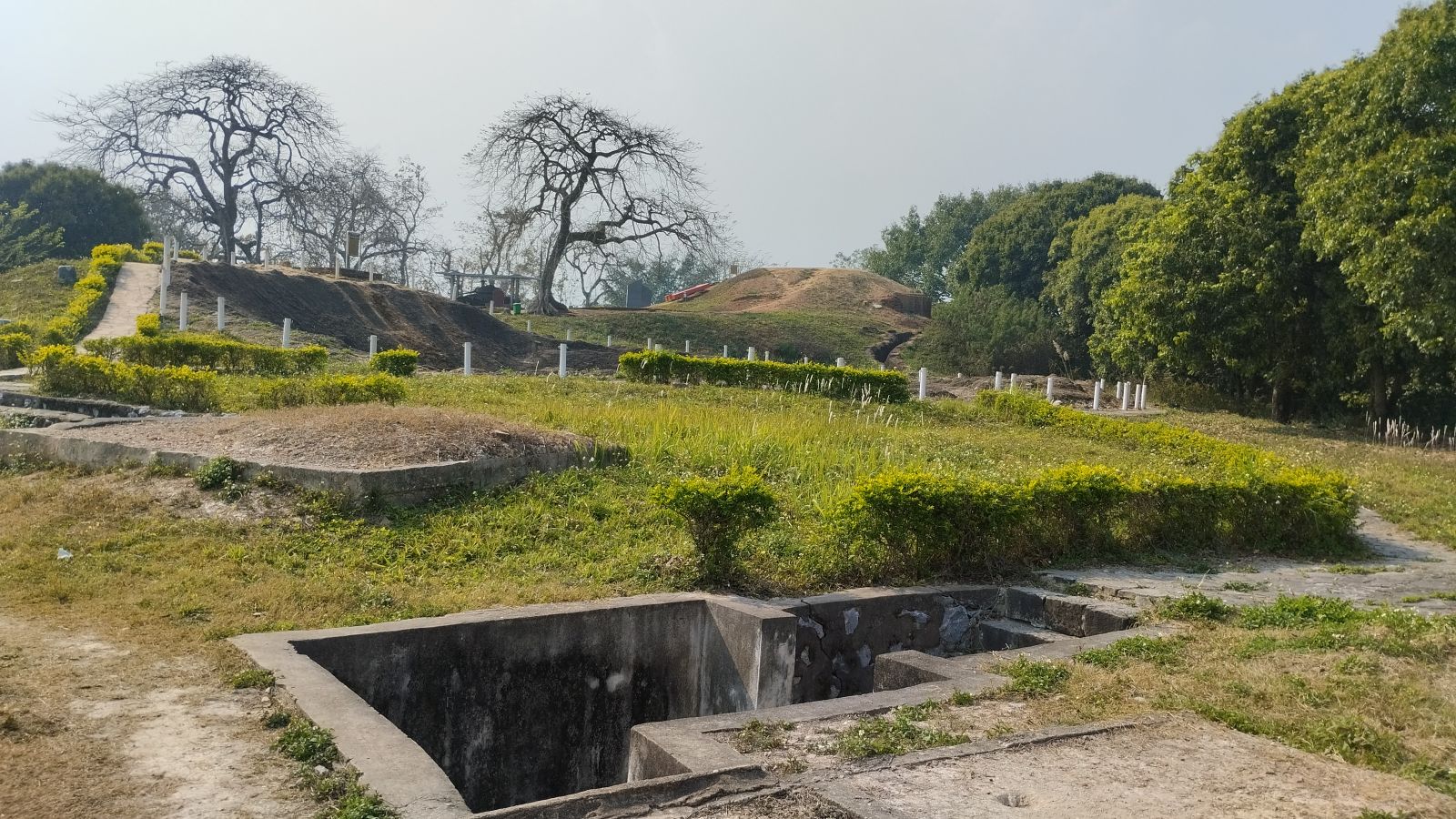
Underground trenches in A1 Hill
Contrary to French assumptions, Viet Minh forces under General Vo Nguyen Giap manually transported heavy artillery up steep jungle mountains surrounding the valley. The Viet Minh changed their strategy from a quick attack to a prolonged siege, using trenches to gradually cut off French air supplies and tighten them on the central strongholds over 57 grueling days.
Why Dien Bien Phu Was Strategically Important?
The location of Dien Bien Phu allowed control over supply routes between Northern Vietnam and Upper Laos. By establishing a strong military base in the valley, French forces hoped to defend Laos while preventing the Viet Minh from moving through the mountain routes of northwestern Vietnam.
The Significance of the Dien Bien Phu Victory
On May 7, 1954, French resistance in the valley collapsed. The defeat showed that even a modern colonial army could be beaten by a well-organized national liberation movement, changing the global political landscape and inspiring anti-colonial struggles around the world.
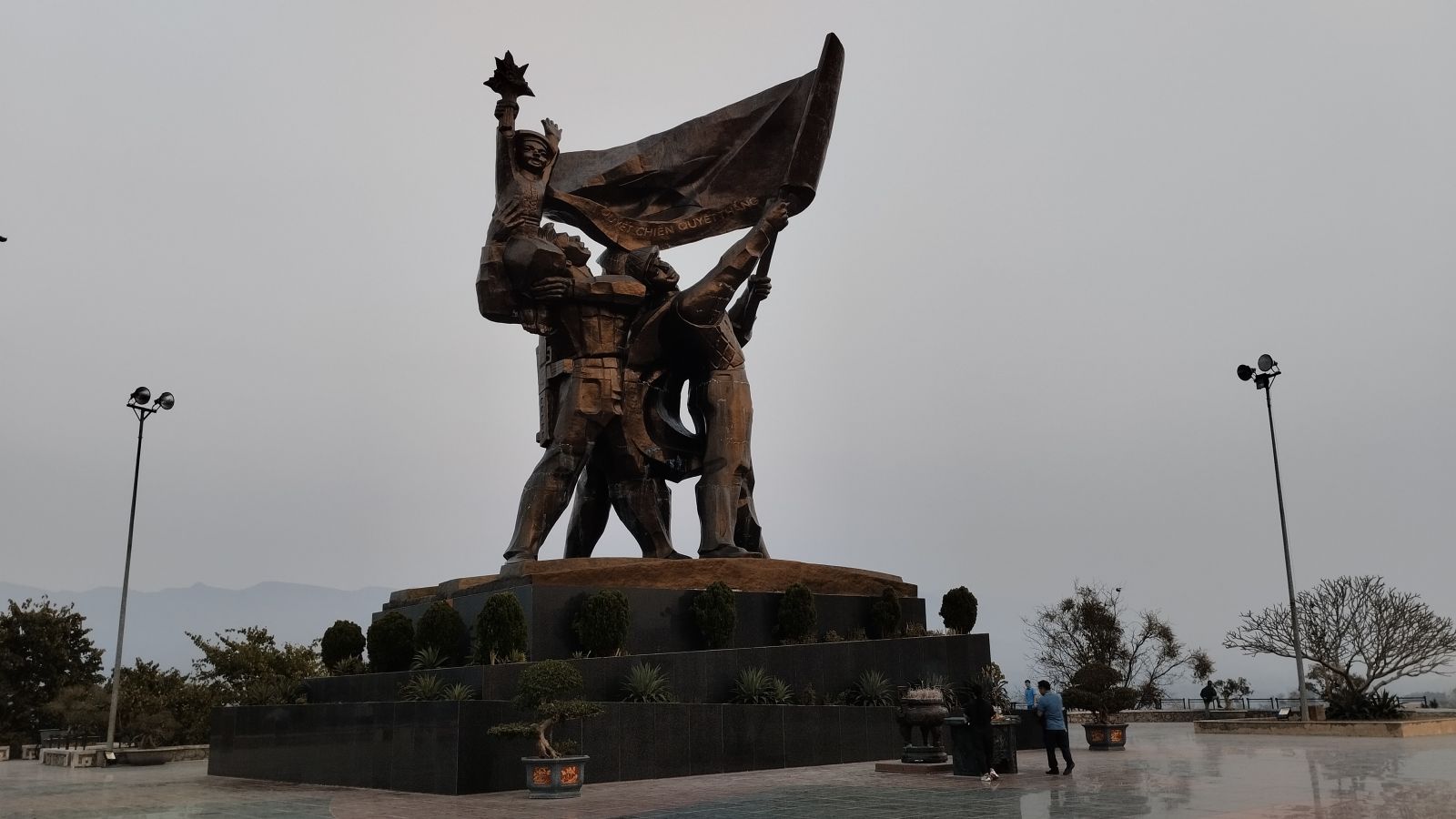
Victory Mounument- Dien Bien Phu Travel Guide
How the Battle Shaped Modern Vietnam?
The victory at Dien Bien Phu resulted in the signing of the 1954 Geneva Accords, establishing the temporary division of Vietnam at the 17th parallel and paving the way for the key historical events that shaped Vietnam’s history in the 20th century
Fully Licensed Local Agency
Vietnam Adventure Tours
Experience off-the-beaten-track mountain passes, ethnic markets, and historic battlefield routes with professional drivers and local private guides.
Top Historical Sites in Dien Bien Phu
Overview Summary:
Key historical sites in Dien Bien Phu are concentrated within the city and surrounding areas. Recommended stops include the Victory Museum, A1 Hill, General De Castries’ Bunker, Him Lam Hill, and the Viet Minh Command Headquarters in Muong Phang.
Dien Bien Phu Victory Museum
Opened in May 2014 to mark the 60th anniversary of the victory, the Victory Museum features an exterior designed to resemble a soldier’s helmet with foliage camouflage. Inside, four major display sections showcase over 270 artifacts, along with historical photographs, weapons, and uniforms.
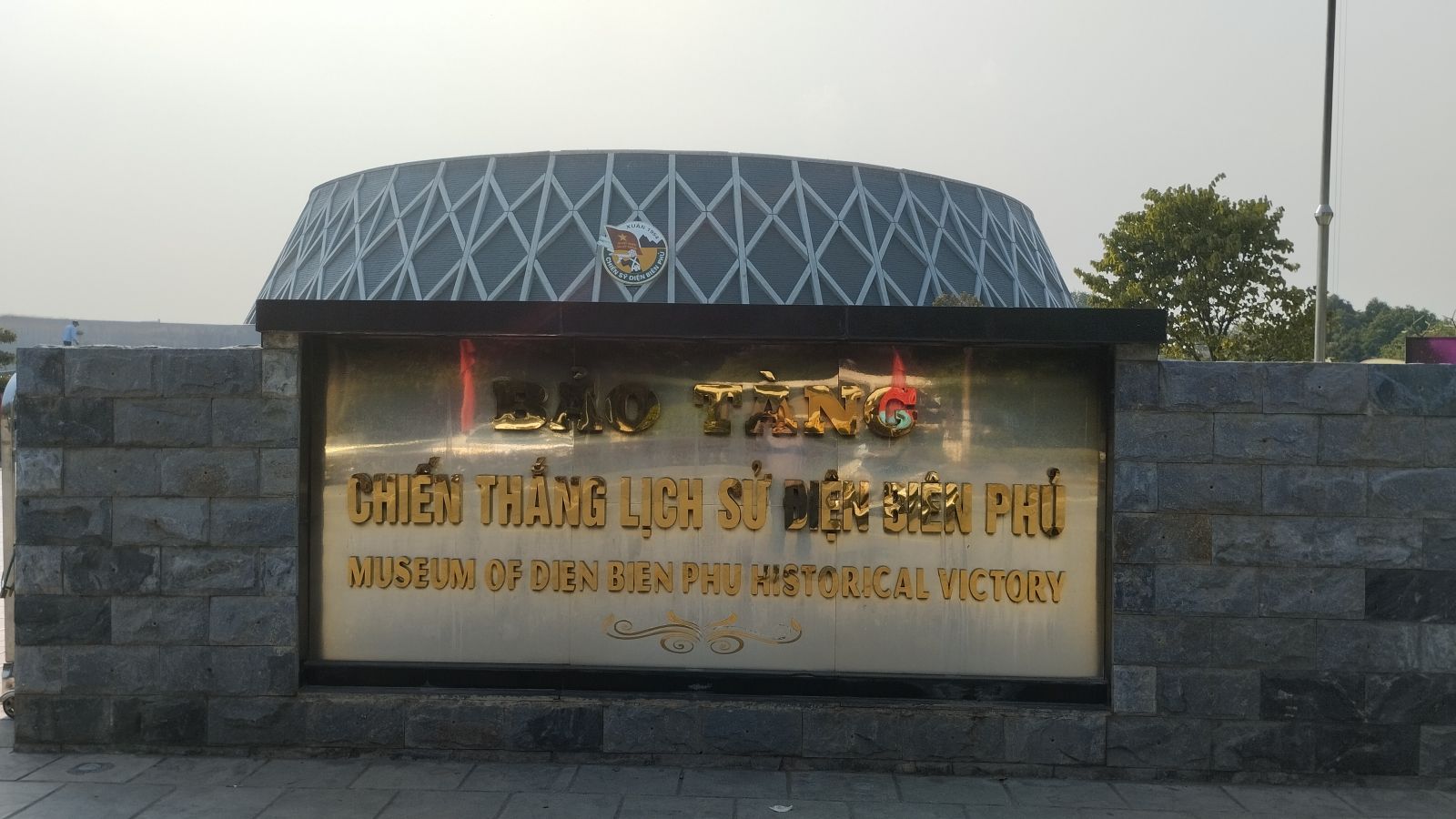
Museum of Dien Bien Phu Victory
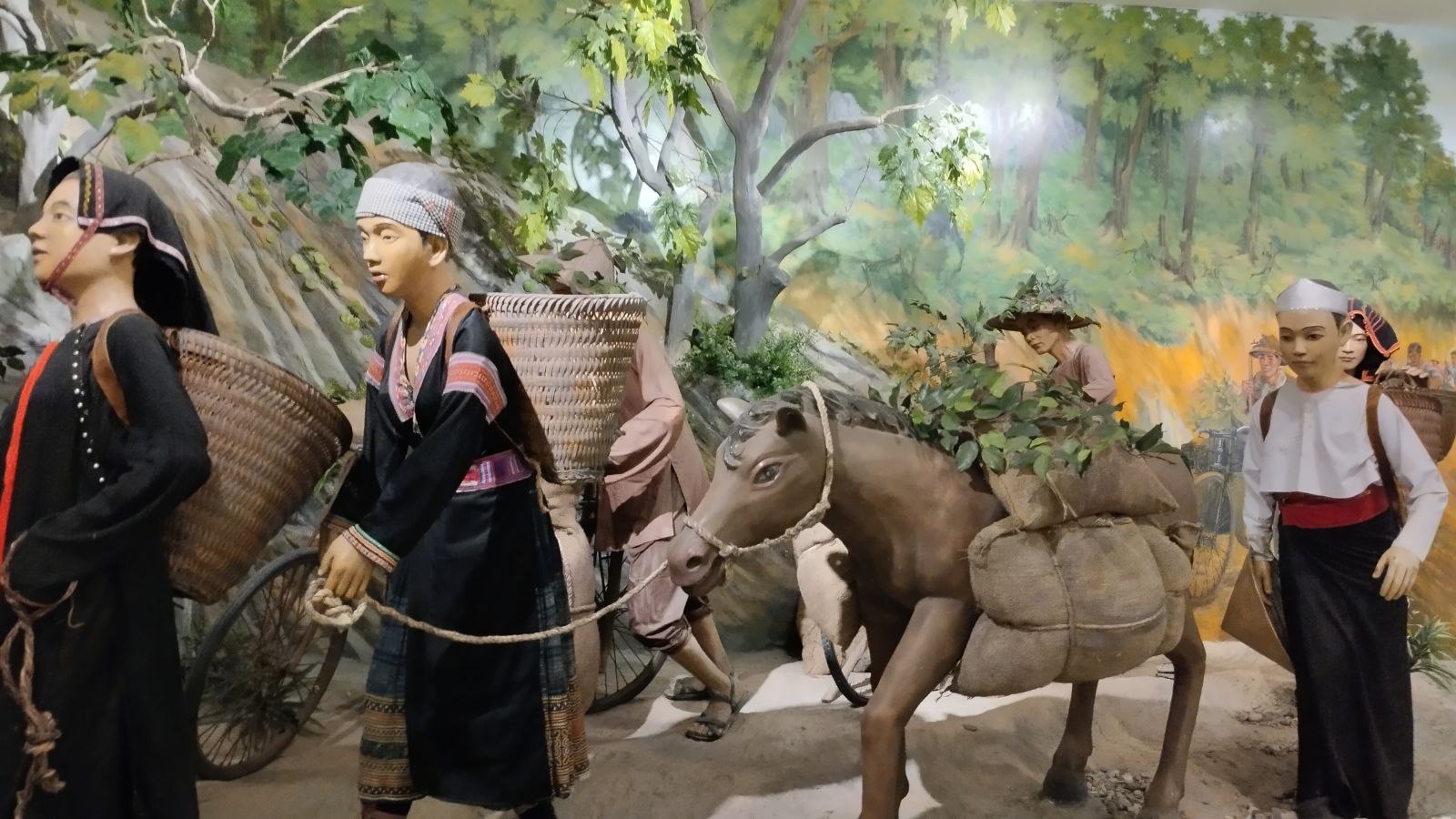
Historical displays inside the Victory Museum
A1 Hill (Colline Eliane 2)
A1 Hill was the site of intense combat during the siege. French defenders built reinforced concrete bunkers every 10 meters on the hill. Viet Minh troops dug an underground tunnel and detonated 1,000 kilograms of explosives on May 6, 1954, breaking the defense. Today visitors can view the blast crater, preserved trenches, and a captured French tank.
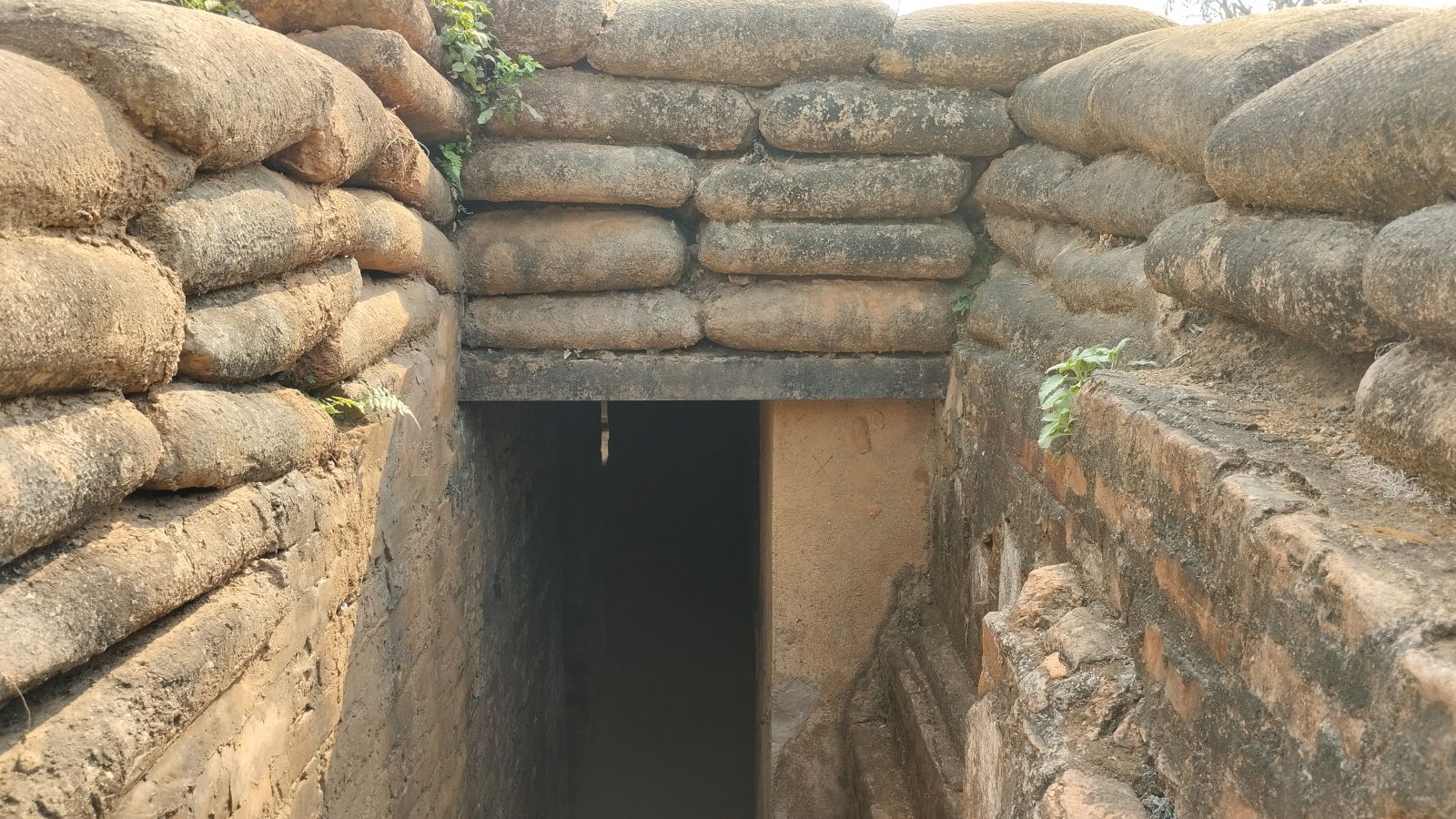
Preserved bunkers on A1 Hill
De Castries’ Bunker
Situated in the center of the Muong Thanh stronghold, the operational bunker of French Commander General Christian de Castries measures 20 meters long by 8 meters wide. Constructed using curved steel panels and sandbag fortification, this command center remains preserved in its original form, marking the spot where French commanders were captured on May 7, 1954.
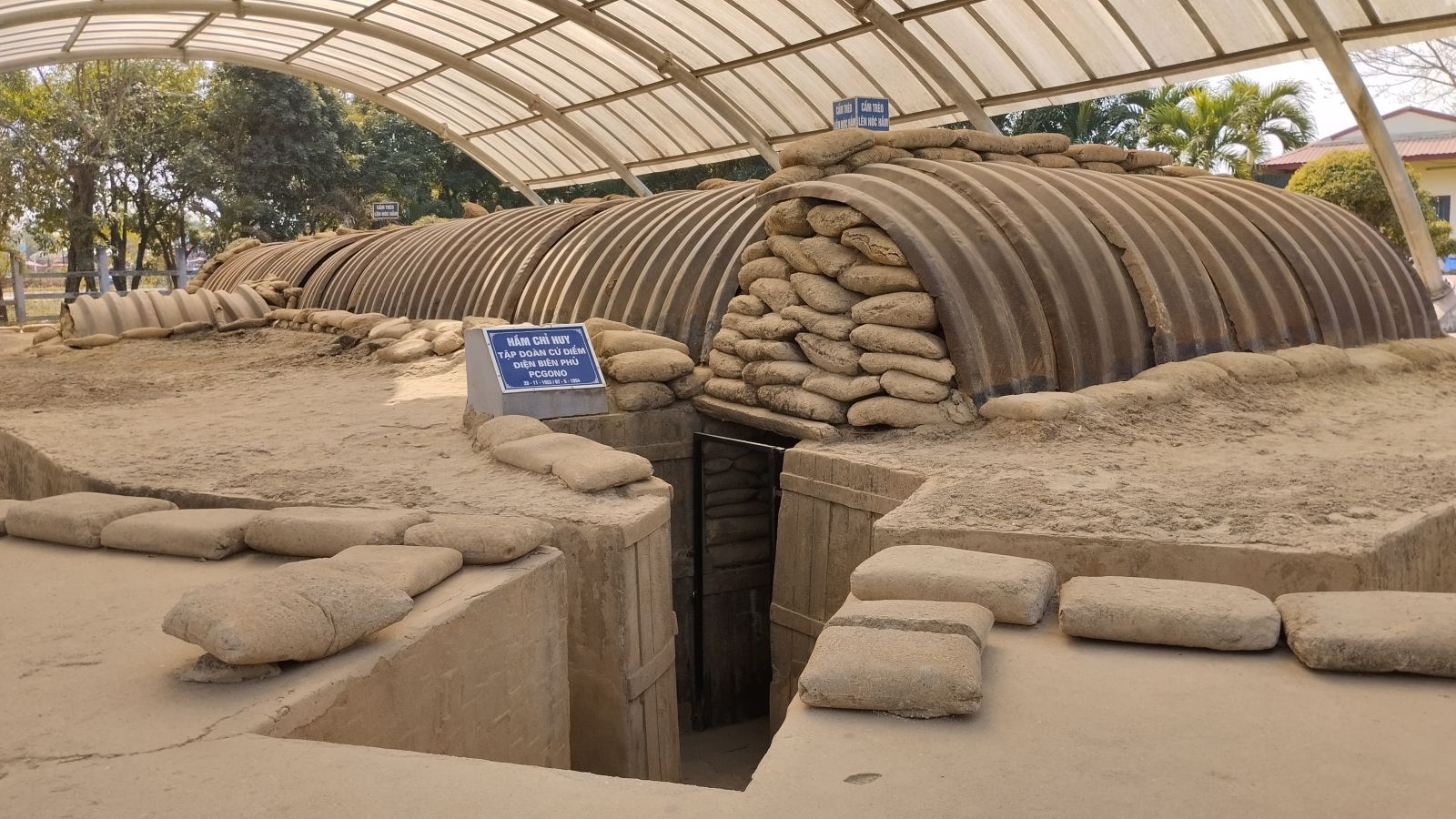
General De Castries’ Bunker
Him Lam Hill (Beatrice)
Located 2 kilometers northeast of the city center, Him Lam Hill was the site of the opening artillery battle on March 13, 1954. Positioned on elevated ground, Him Lam served as a critical defense outpost covering the northern air access routes into Muong Thanh Valley.
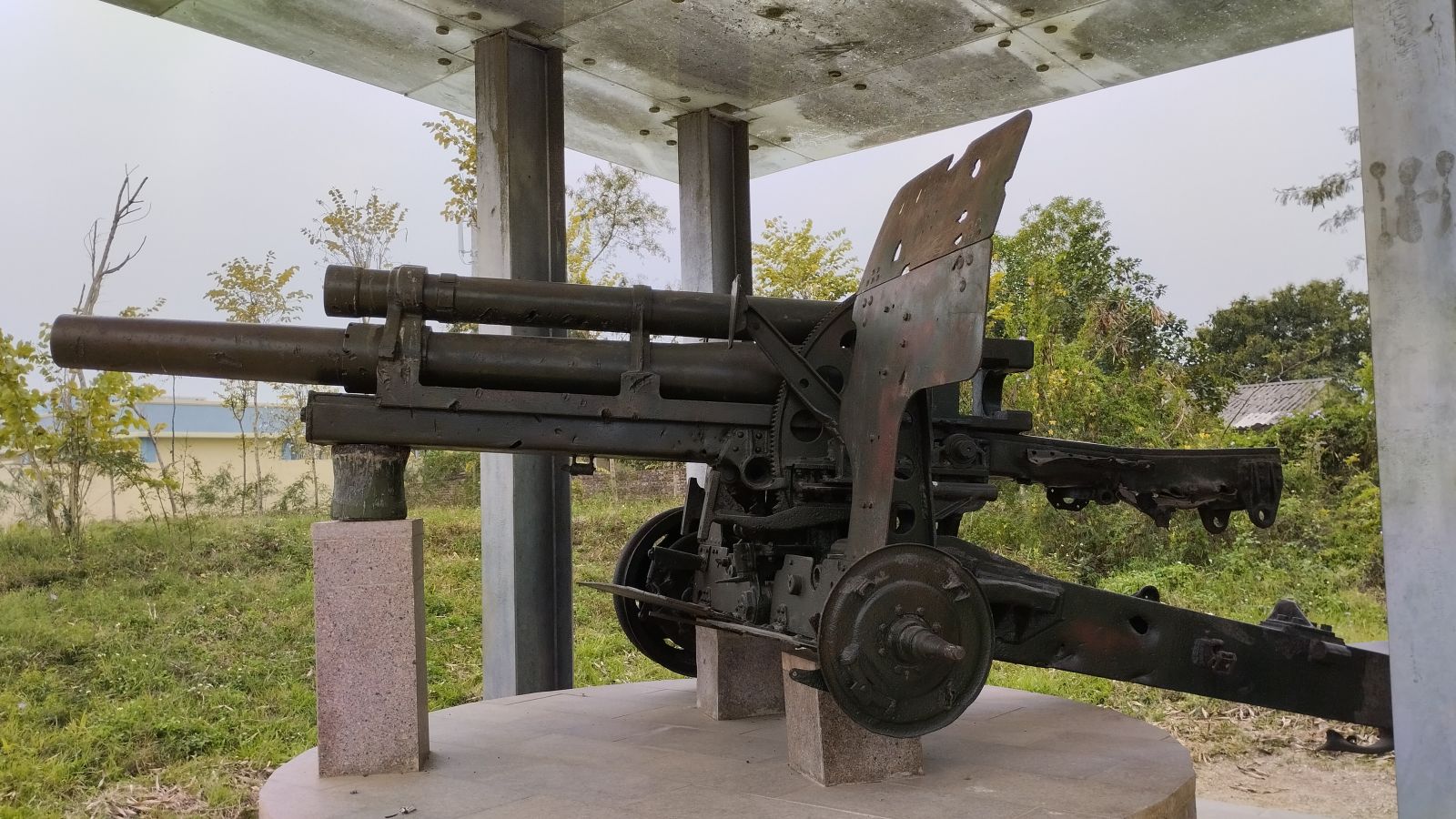
Artillery positions at Him Lam Hill
Dien Bien Phu Cemetery
Located directly opposite A1 Hill, the A1 National Cemetery serves as a quiet memorial field holding the graves of Vietnamese soldiers who lost their lives during the campaign. It provides a dignified atmosphere for reflecting on human loss during the conflict.
Dien Bien Phu Victory Monument
Erected on D1 Hill overlooking the town center, the massive bronze Victory Monument depicts three Vietnamese soldiers celebrating victory above a local child holding flowers. Stairs lead up the hill, offering panoramic views across the Muong Thanh valley.
Muong Phang: The Viet Minh’s Headquarters
Located roughly 30 kilometers east of Dien Bien Phu city, Muong Phang was chosen by General Vo Nguyen Giap for the strategic command center. Hidden within primary mountain forest, visitors can walk along forest paths to view original earth-sheltered command huts, radio operations shelters, and underground communication tunnels.
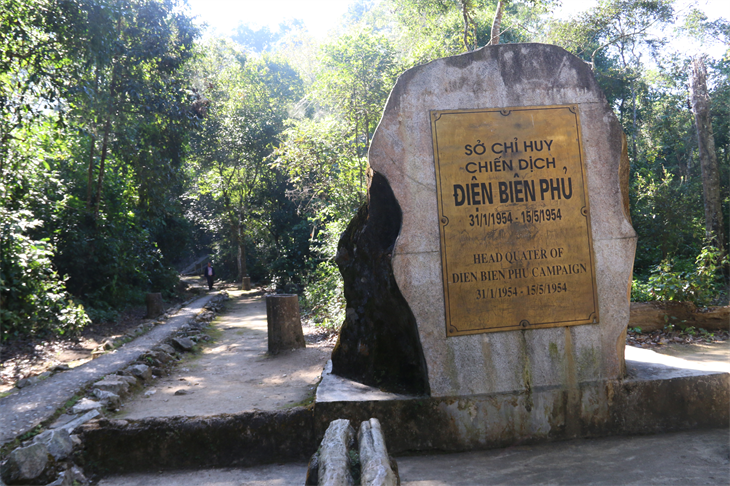
Muong Phang Command Headquarters
Muong Thanh Valley: The Largest Rice Field in Northwest Vietnam
Spanning 20 kilometers along the Nam Ron River, Muong Thanh Valley is renowned as the largest agricultural plain in the northwestern mountains. Frame by high ridges, the valley floor provides ideal soil for growing regional sticky rice varieties.
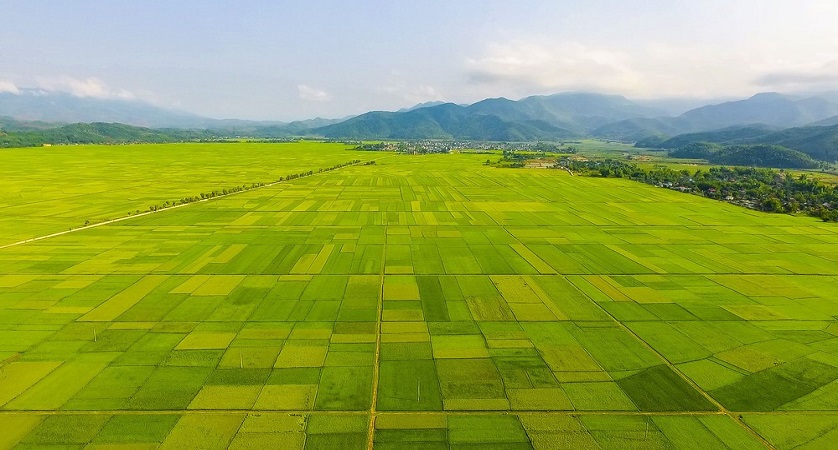
Muong Thanh Valley Rice Fields
Beyond the Battlefield: Things to Experience in Dien Bien
Overview Summary:
Beyond military history, visitors to Dien Bien Province can explore highland ethnic markets, sample local mountain food, drive over Pha Din Pass, take boat trips on Pa Khoang Lake, and stay in traditional White Thai stilt houses in Muong Lay.
Explore Local Markets: Xa Nhe Hilltribe Market & Ta Sin Thang Market
In Tua Chua District, North of Dien Bien, traditional hilltribe fair markets take place every six days according to the lunar cycle. Ethnic minority groups including the H’mong, Thai, Dzao, and Phu La gather in colorful traditional clothing to trade farm produce, handwoven brocade fabrics, livestock, and local corn wine.
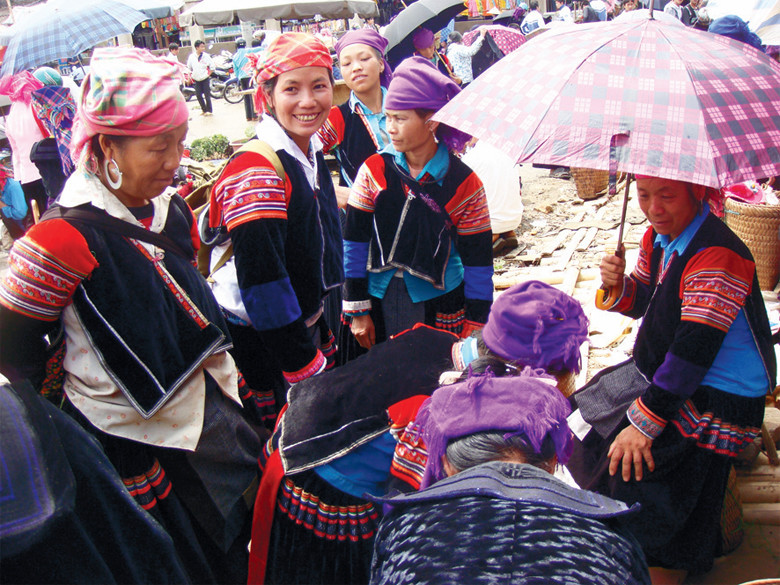
Xa Nhe Hilltribe Market
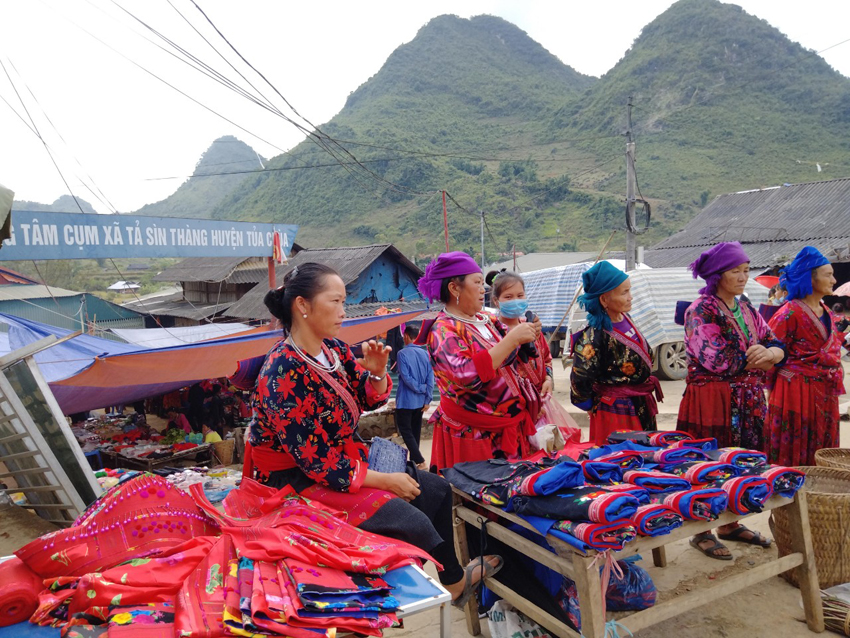
Ta Sin Thang Highland Market
Try Traditional Dien Bien Cuisine
Dien Bien features distinct regional culinary traditions based on mountain herbs and forest spices. Local dishes worth sampling include smoked buffalo meat (Thit trau gac bep), seasoned grilled river fish , and sticky rice steamed in bamboo tubes.
Discover Thai Culture and Villages
The Black Thai and White Thai ethnic communities form a main group across Dien Bien Province. Visiting traditional villages gives insight into wooden stilt house architecture, handloom weaving practices, and regional folk music traditions.
Enjoy the Scenery Around Muong Thanh Valley
Renting a bicycle or scooter allows easy exploration along quiet rural paths winding through rice paddies and small farm settlements across the flat valley floor, particularly during harvest times.
Take a Ride to Pha Din Pass
Stretching 32 kilometers along National Highway 6, Pha Din Pass serves as the geographical boundary separating Son La and Dien Bien provinces. Renowned as one of the major mountain passes in Northern Vietnam, the road features dramatic mountain slopes, valley views, and high-altitude viewpoints.
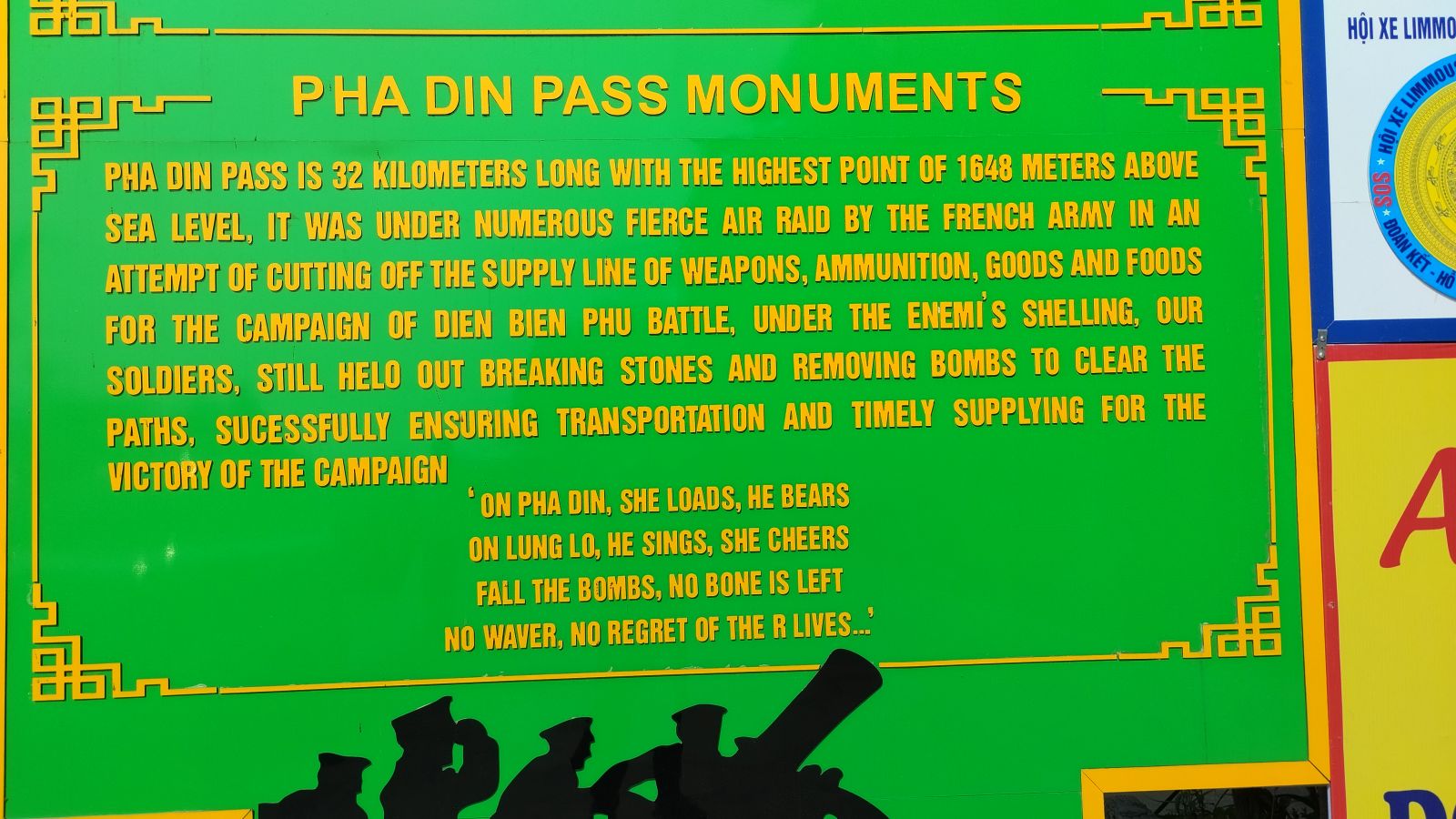
Pha Din Mountain Pass View
Take a Scenic Boat Ride at Pa Khoang Lake
Covering over 2,400 hectares roughly 20 kilometers east of Dien Bien Phu, Pa Khoang Lake is a peaceful artificial reservoir surrounded by wooded hills. Local wooden boats ferry visitors across calm waters to central islets, including Cherry Blossom Island, where imported Japanese trees bloom during spring months.
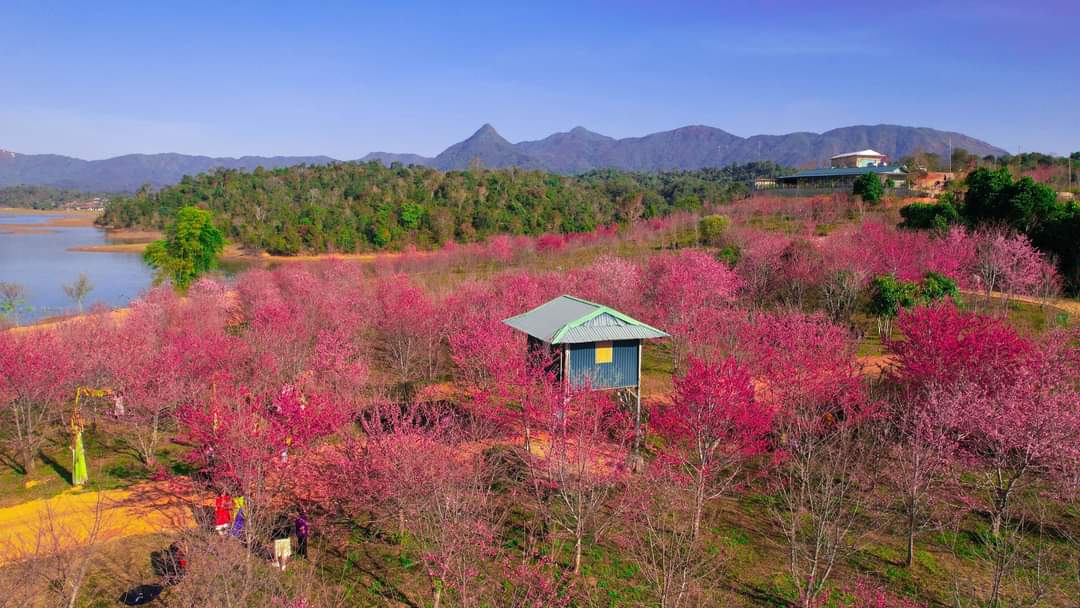
Cherry Blossom Island at Pa Khoang Lake
Muong Lay – The Valley of Stilt Houses
Located 100 kilometers north of Dien Bien Phu along the Da River reservoir, Muong Lay is home to White Thai communities living in black-roofed stilt houses along the water’s edge. Boat excursions on the river provide quiet views of surrounding mountain landscapes.
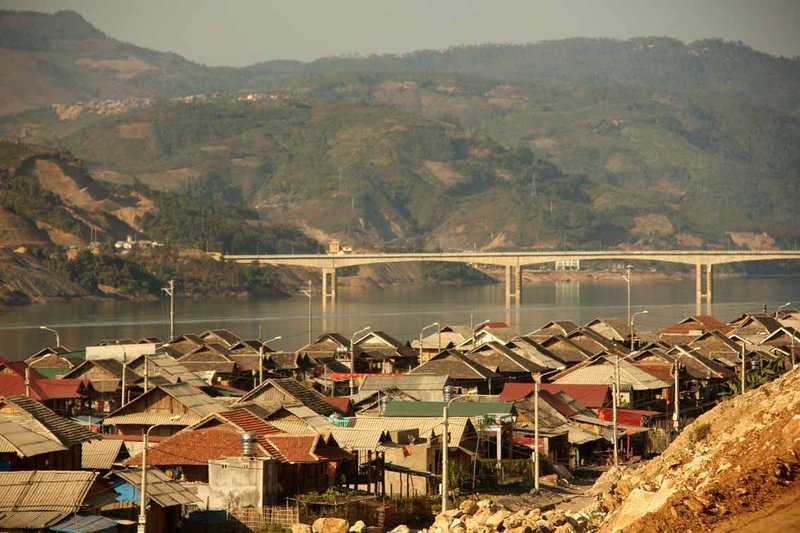
Muong Lay Stilt Houses along the Water
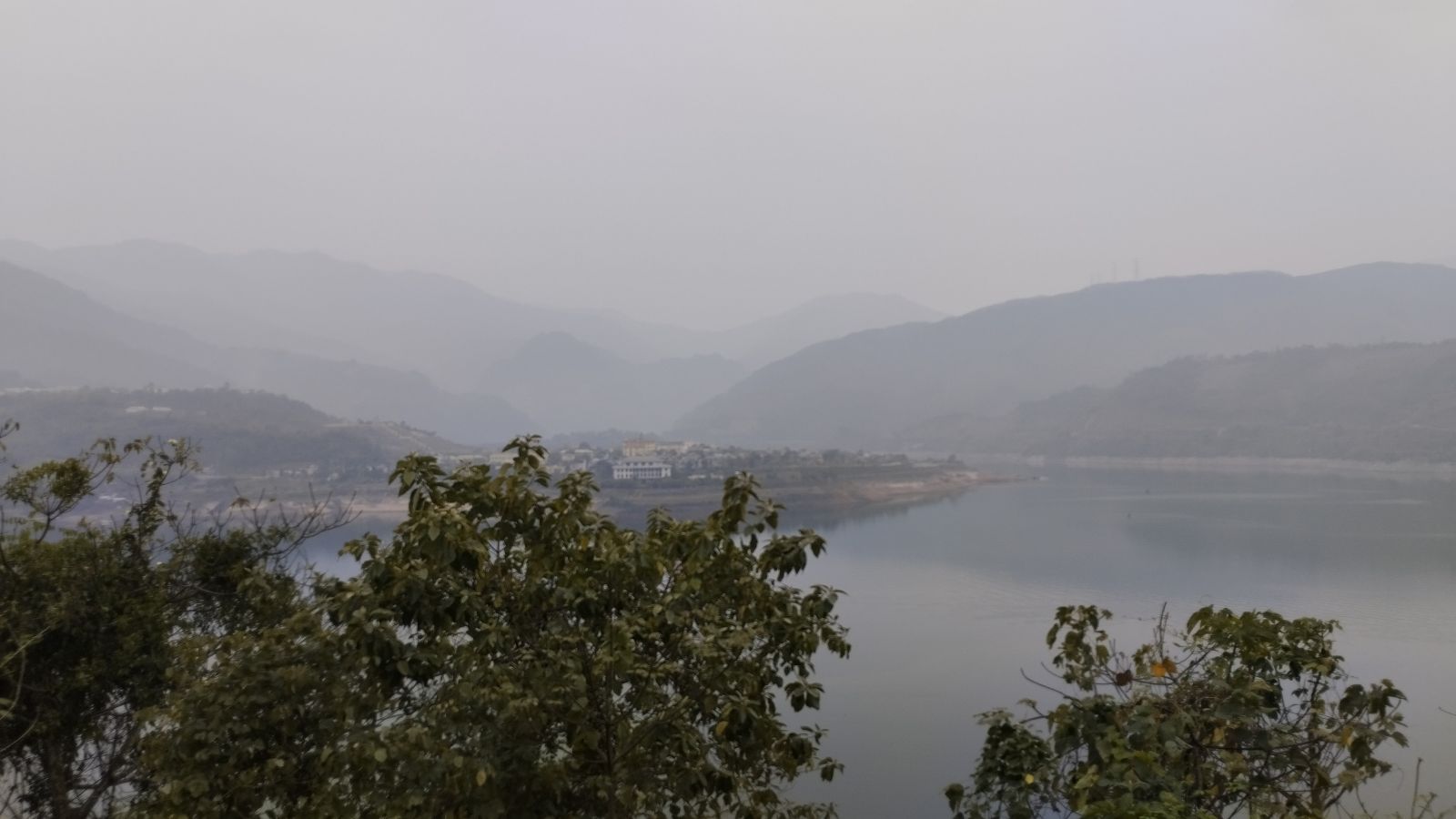
Da River Reservoir in Muong Lay
Xa Nhe Cave Exploration
Situated in Tua Chua District, Xa Nhe Cave extends 700 meters underground across five large chambers filled with stalactite formations. The natural cave site offers a rugged stop during north-bound overland journeys toward Lai Chau and Sapa.
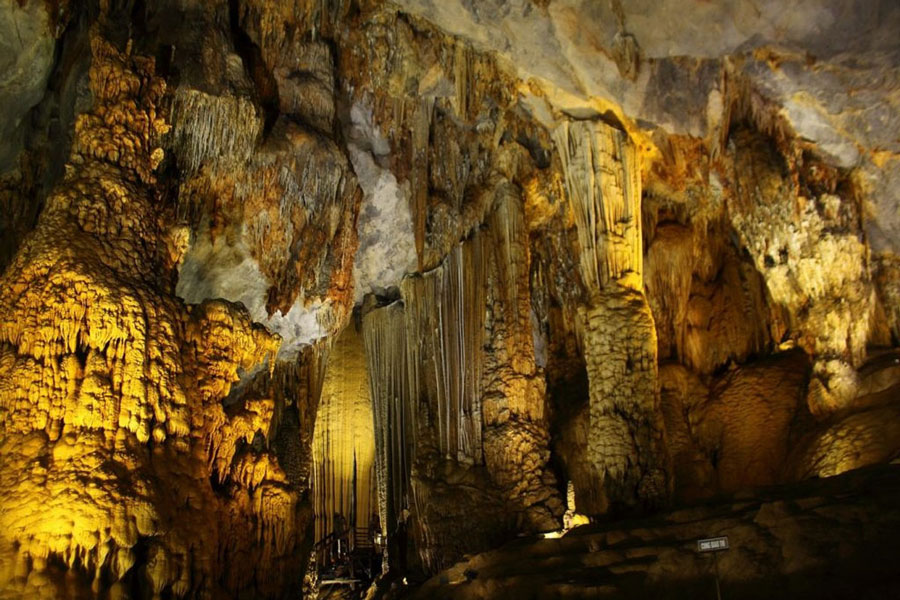
Xa Nhe Cave Interior
Best Time to Visit Dien Bien Phu
Overview Summary:
The dry season from November through April offers clear weather for travel. May features anniversary commemorations, while September and October showcase golden rice harvest seasons in Muong Thanh Valley.
Dien Bien Phu in the Dry Season
From November to April, northwestern Vietnam experiences clear skies, low rainfall, and cooler temperatures. Daytime conditions remain pleasant for touring open-air battlefield trenches and driving mountain passes without road rain hazards.
Visiting Around the Dien Bien Phu Victory Anniversary
Early May marks the anniversary of the 1954 victory. Special parades, cultural performances, and official ceremonies take place in the town center. Travelers visiting during May 7th should reserve flights and hotel rooms weeks in advance due to increased domestic visitor numbers.
What to Expect During the Rainy Season
Monsoon rainfall occurs between June and August across Northern Vietnam. Heavy rain downpours can occasionally cause landslides along mountain highways like Highway 6 or Highway 12, potentially causing travel delays on overland routes.
The Best Months for Outdoor Exploration
March and April offer wild ban flower blooms across mountain slopes, while September and October mark the main rice harvest in Muong Thanh Valley, turning the valley floor golden yellow.
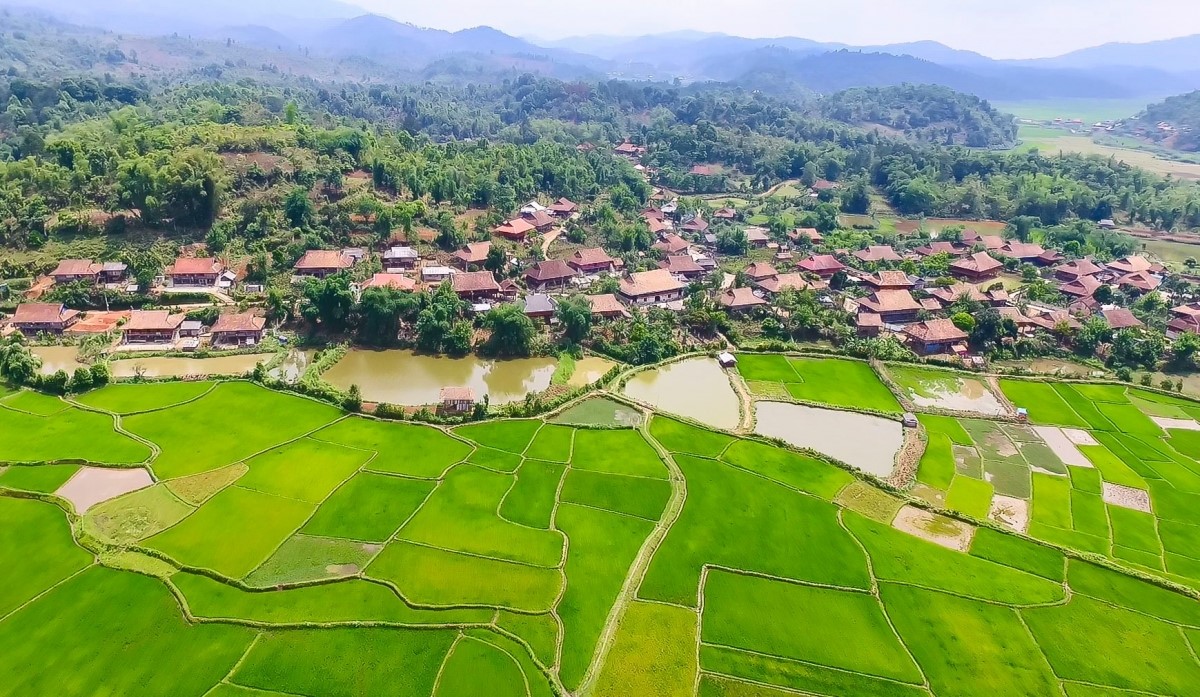
Golden Rice Fields in Muong Thanh Valley
Where to Stay in Dien Bien Phu?
Overview Summary:
Accommodations in Dien Bien Phu range from comfortable mid-range city hotels near the Victory Museum to traditional Thai stilt house homestays in surrounding rural villages.
Best Areas to Stay
Staying within central Dien Bien Phu city along Vo Nguyen Giap Avenue or near Muong Thanh Bridge provides walk-in access to historical sites, local restaurants, and evening night markets.
Hotels and Homestays in Dien Bien Phu
Hotels in town offer reliable 2-star to 3-star standard amenities, clean private rooms, air conditioning, and Wi-Fi access. Notable properties include Muong Thanh Dien Bien Hotel and Him Lam Resort.
Choosing Accommodation for a Cultural Experience
For rural cultural immersion, booking a community homestay in nearby Thai hamlets like Him Lam II or Ten Village offers opportunities to dine on home-cooked meals and sleep in elevated wooden stilt structures.
What to Eat in Dien Bien Phu?
Overview Summary:
Regional food specialties in Dien Bien incorporate fragrant upland sticky rice, dried mountain beef or buffalo meat, wild forest herbs, and traditional charcoal-grilled river fish.
Must-Try Local Dishes
Distinct culinary choices include Pa Pinh Top (river fish butterfly-cut, stuffed with wild pepper and mountain herbs, then grilled over charcoal), and Thit Trau Gac Bep (smoked buffalo meat seasoned with mac khen spice).
Dien Bien’s Famous Rice and Local Specialties
Muong Thanh sticky rice (Xoi Dien Bien) is famous throughout Vietnam for its tender texture and natural aroma. It is frequently served as multi-colored sticky rice (Xoi Ngu Sac) dyed using natural forest leaves.
Where to Try Local Food?
Local food stalls situated around central Dien Bien market offer morning rice noodle soups and grilled meats. For formal meals, city restaurants along Nguyen Chi Thanh street serve complete regional specialty menus.
How to Get to Dien Bien Phu?
Overview Summary:
Travelers can access Dien Bien Phu from Hanoi via a 1-hour commercial flight, an overnight 10 to 12-hour sleeper bus journey, or a private car tour connecting through mountain highlights across northwest Mountain of Vietnam.
How to Travel from Hanoi to Dien Bien Phu
Selecting the right transportation mode depends on your time constraints, comfort preference, and overall travel budget.
Flying to Dien Bien Phu
Dien Bien Airport (DIN) sits just 4 kilometers from the town center. Commercial domestic flights depart daily from Hanoi’s Noi Bai Airport, taking approximately 1 hour. This option saves significant travel time compared to overland road routes.
Traveling by Bus
Overnight sleeper buses depart regularly from Hanoi’s My Dinh Bus Station. The road trip takes 10 to 12 hours traveling along Highway 6. Reliable bus companies operate daily schedules, arriving in Dien Bien Phu early the next morning.
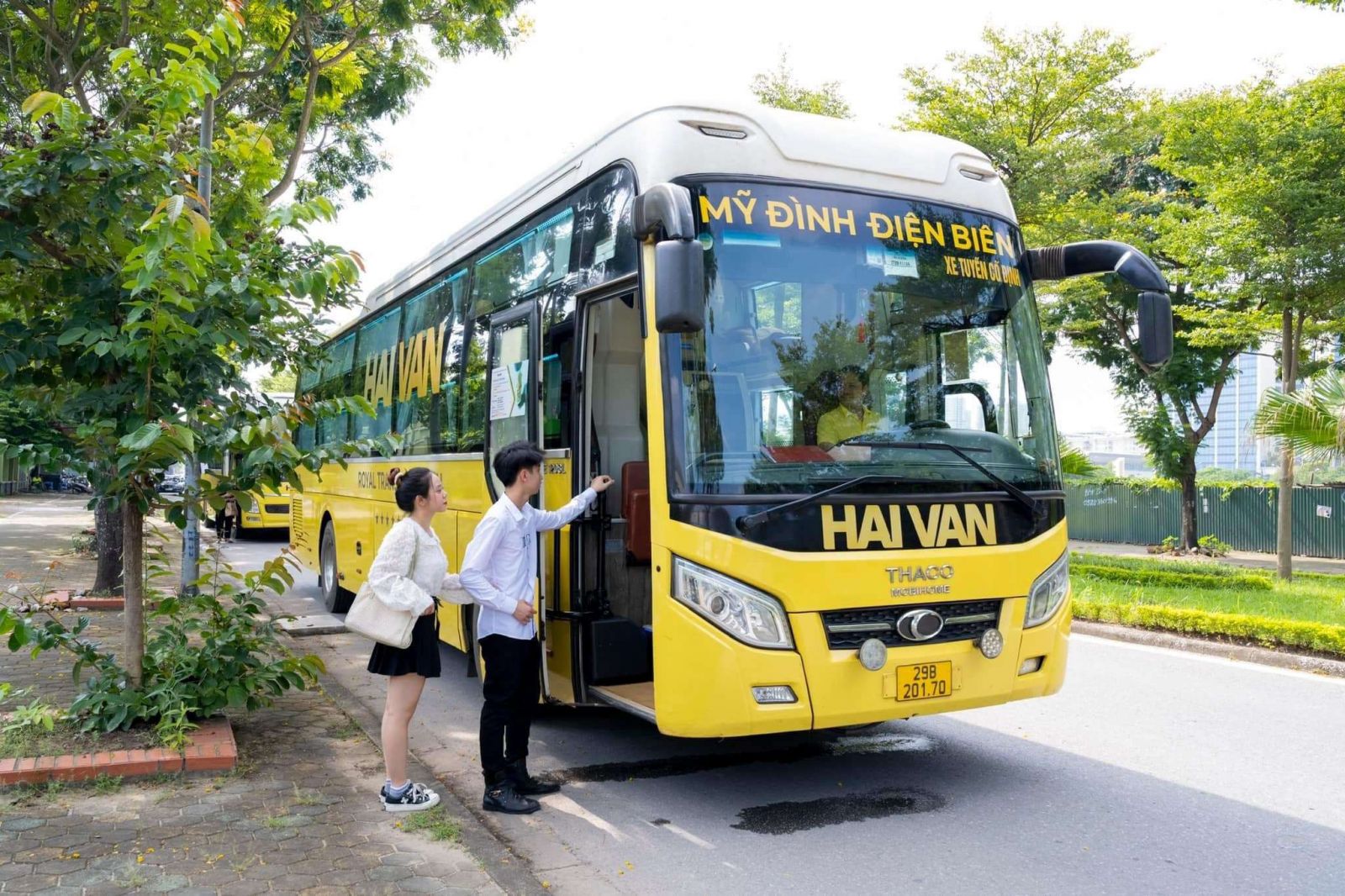
Bus Hai Van from Hanoi- Dien Bien
Traveling by Private Car
Booking a private vehicle with an experienced driver offers maximum comfort and flexibility. Overland travel allows you to pause at intermediate mountain stops such as Mai Chau, Moc Chau, and Son La while passing across Pha Din Pass.
Book Northern Vietnam Tour connected highlights in Northwest Vietnam
Dien Bien Phu integrates into a multi-day Northwest Vietnam circuit route: Hanoi – Mai Chau – Son La – Dien Bien Phu – Lai Chau – Sapa – Hanoi. This comprehensive overland loop covers diverse mountain landscapes, pass roads, and ethnic minority regions across Northern Vietnam.
Common Mistakes & Our Practical Tips for Your Trip To Dien Bien Phu
To ensure a comfortable and respectful visit, keep these local travel insights provided by our tour planning team in mind:
- Inappropriate Attire at Memorial Sites: Battlefield grounds and cemeteries are solemn places for local people. Dress respectfully by covering shoulders and knees when visiting cemetery grounds or museum halls.
- Underestimating Mountain Transit Distances: Distances on regional maps can be deceiving. Driving on winding mountain roads takes twice as long as flat highway driving. Plan realistic daily itineraries.
- Expecting Card Payments Everywhere: While central hotels accept major credit cards, family eateries, market vendors, and homestays require cash payment in Vietnamese Dong (VND). Bring sufficient cash when traveling outside the city center.
- Attempting Self-Driving Without Experience: Steep pass roads require seasoned mountain driving skills. Hire a private vehicle with a professional local driver for safer mountain navigation.
- Skipping Historical Context Before Visiting: Battlefield sites mean much more when you understand the timeline. Visit the Dien Bien Phu Victory Museum first before heading out to other field sites like A1 Hill or De Castries’ Bunker.

Frequently Asked Questions (FAQs) About Dien Bien Phu
How many days should I spend in Dien Bien Phu?
Spending 2 to 3 days allows sufficient time to tour major historical battlefield sites, visit the Victory Museum, take a boat trip on Pa Khoang Lake, and explore nearby Thai ethnic villages without rushing.
Is Dien Bien Phu suitable for international family travelers?
Yes, families interested in history and nature can enjoy flat valley cycling, interactive museum displays, and accessible historical monuments throughout the town plain.
Can I fly directly to Dien Bien Phu from Hanoi?
Yes, commercial flights operate daily from Hanoi’s Noi Bai Airport directly to Dien Bien Airport. The flight time takes approximately 1 hour each way.
What should I wear when visiting battlefield sites?
Wear comfortable walking shoes suitable for gravel trails and modest clothing covering shoulders and knees out of respect at national cemetery grounds.
Can Dien Bien Phu be combined with a trip to Sapa?
Yes, travelers can complete a mountain circuit drive from Dien Bien Phu north through Lai Chau and across O Quy Ho Pass directly into Sapa.
Fully Licensed Local Agency
Private Custom Vietnam Tour Packages
Let our local travel team build your ideal Vietnam vacation itinerary with dedicated 24/7 customer care, private vehicles, and licensed English-speaking guides.
Final Thoughts on Dien Bien Phu & Arrange Your Trip with Our Travel Experts
This Dien Bien Phu travel guide covers practical logistics, battlefield historical sites, and regional culture to assist in planning your Northern Vietnam Tours. Whether you need a car hire with driver to Dien Bien Phu or a complete custom Vietnam travel itinerary, our team is ready to assist. Contact us via WhatsApp +84.988451530 or send your inquiry to [email protected] (or [email protected]) to plan your custom travel itinerary today.
Note: The travel tips and recommendations shared in this guide have been carefully prepared by the local travel experts at Golden Holiday Travel. While every traveler is different, our team is always happy to provide personalized itinerary planning, destination advice, and one-on-one support to help you create the perfect Vietnam journey.
Meet Our Experts

Suggested


Featured Articles


Related Articles




Ask a Question or Share Your Thoughts
Have questions about this itinerary, road trip tips, private car rentals, or ticket booking? Leave a comment or question below — our travel specialists will reply within a few hours!