
Top 10 Thrilling Things to Do in Vietnam for Adventure Lovers
Adventure activities in Vietnam offer the perfect mix of wild landscapes, active experiences, and local culture. From mountain trekking and cave exploration to kayaking through limestone bays, there is an adventure for every skill level.
With over 10 years of experience creating tailor-made Vietnam tours, our local experts at Golden Holiday Travel have helped thousands of travelers enjoy experiences beyond standard sightseeing. We focus on trusted transport, experienced guides, and safety throughout your journey.
In this guide, we share the best adventure in Vietnam, where to try them, and the ideal time to go – helping you choose an experience that matches your fitness level and travel plans
Key Takeaways for Outdoor Travelers
- Diverse Regional Terrains: Northern Vietnam leads in trekking and mountain passes, Central Vietnam specializes in cave exploration and canyoning, and Southern Vietnam offers water sports.
- Seasonal Planning: October to April delivers dry weather across Northern and Southern regions, while Central Vietnam caving is best between February and August.
- Safety First: Demanding routes such as the Ha Giang Loop and deep cave expeditions require licensed guides, certified gear, and experienced local drivers.
- Private Customization: Tailor-made private itineraries eliminate rigid group schedules, allowing flexible pace adjustments based on real-time weather.
Why Vietnam Is a Dream Destination for Adventure Seekers?
Vietnam provides a combination of vertical karst topography, extensive river networks, tropical rainforests, and over 3,200 kilometers of coastline. This geographic variety allows active travelers to combine high-altitude trekking, technical caving, marine sports, and long-distance road trips within a single travel itinerary.
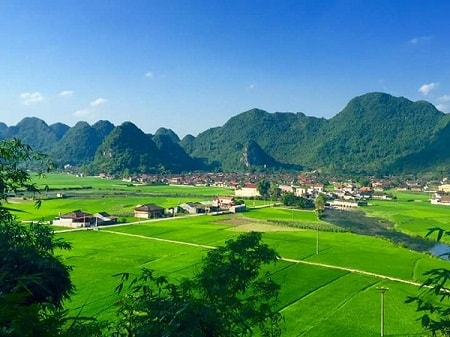
Fully Licensed Local Agency
Customized Vietnam Adventure Tours
Explore remote mountain trails, river valleys, and national parks with private transport, certified guides, and flexible schedules tailored to your physical capabilities.
Diverse Landscapes for Every Type of Adventure
The country is divided into distinct topographical zones. The northwest and northeast Vietnam feature mountain ranges reaching over 3,000 meters, deep gorges, and terraced rice valleys. These highland conditions create demanding routes for multiday trekking and motorcycling adventure.
Central Vietnam holds ancient karst formations containing the largest subterranean cave passages on earth, alongside dense evergreen jungles and river systems. Along Vietnam’s coast, protected archipelagos and consistent offshore winds provide ideal conditions for a variety of open-water adventures.
In southern Vietnam, the landscape shifts to tropical islands, lush mangrove wetlands, and protected wildlife reserves. Vietnam’s diverse landscapes make it easy for travelers to find the right destination for their favorite outdoor activities, whether they’re into trekking, kayaking, motorbiking, or exploring caves..
From Gentle Outdoor Experiences to Adrenaline-Pumping Challenges
Vietnam’s outdoor activities offer something for every fitness level, from easy-going experiences to more physically demanding adventures. Travelers seeking moderate activity can choose four-hour village valley walks, calm sea kayaking in sheltered bays, or leisure cycling through rural flatlands.
Athletic individuals can select steep ascents up Fansipan or Ky Quan San, multiday cave expeditions requiring abseiling and underground swimming, or rock climbing on vertical limestone faces.
Choosing a private tour enables you to set your own daily pace, take rest breaks as needed, and adjust daily distances according to current weather and stamina levels.
The Best Regions in Vietnam for Adventure Travel
Northern provinces like Lao Cai, Ha Giang, Cao Bang, and Yen Bai form the primary hub for mountain trekking and scenic pass touring. Central provinces like Quang Binh and Lam Dong serve as the capitals for caving and river canyoning.
Southern coastal locations like Mui Ne, Nha Trang, and Phu Quoc Island focus on wind-driven water sports, scuba diving, and coral reef snorkeling. Organizing travel plans around these regional strengths saves transit time and maximizes field exploration.
Top 10 Adventure Activities to Try in Vietnam
Vietnam offers a wide range of exciting outdoor activities across land, water, and air, giving adventure seekers plenty of ways to explore the country. Below are the top 10 activities recommended by our experienced field operations team based on natural scenery, safety infrastructure, and traveler satisfaction.
1. Conquer the Magnificent Peaks in Northern Mountain Vietnam
Climbing Northern peaks offers some of the most rewarding high-altitude trekking in Southeast Asia. Mount Fansipan, standing at 3,143 meters in the Hoang Lien Son range, presents multi-day hiking routes through bamboo forests and misty ridges for travelers who decline the cable car.
Other notable summits include Ky Quan San (Bach Moc Luong Tu) and Lao Than, famous for their panoramic ocean of clouds at dawn. These climbs require good fitness, sturdy hiking boots, and the guidance of local porters who understand mountain weather shifts.
2. Motorbike Adventure in Ha Giang Loop
The Ha Giang Loop covers over 350 kilometers of winding roads through the Dong Van Karst Plateau UNESCO Global Geopark. Riders cross Ma Pi Leng Pass, looking down into the deep canyon carved by the Nho Que River below.
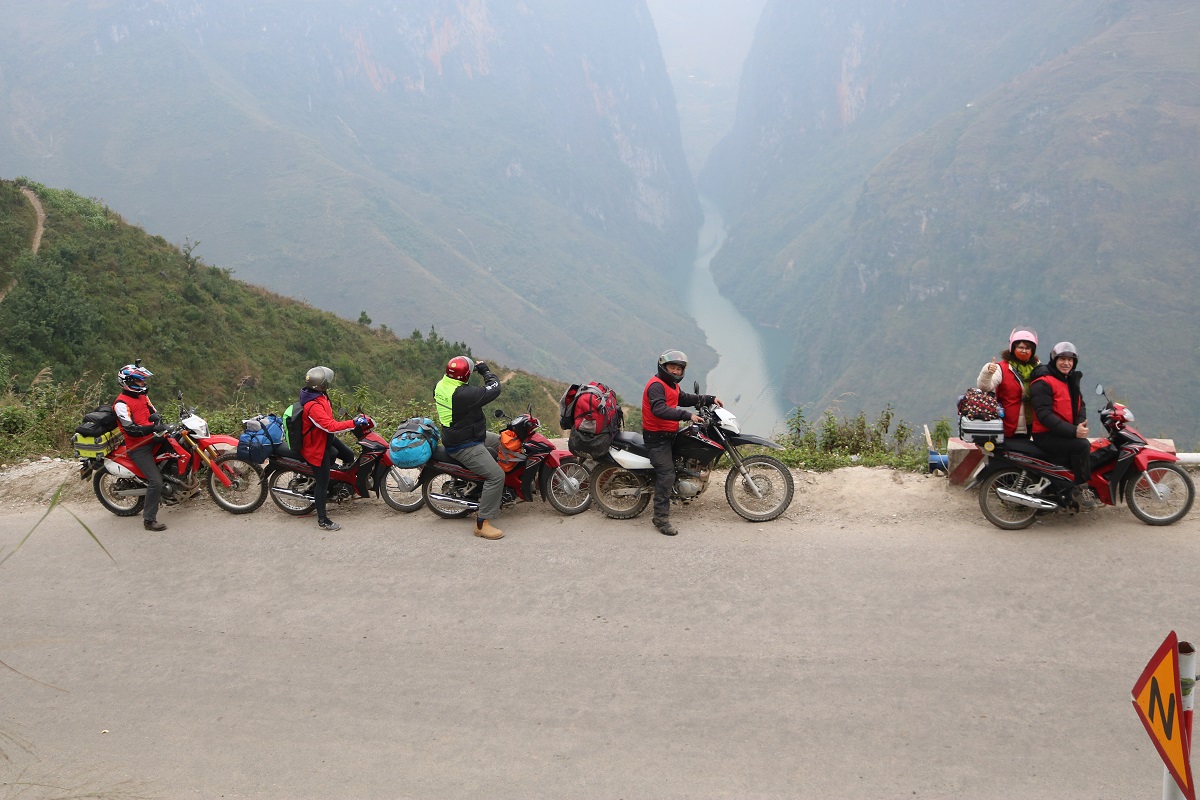
Mountain roads feature sharp hairpin curves, steep inclines, and sudden fog banks. Independent riding requires a valid International Driving Permit with motorbike endorsement and extensive two-wheel experience.
For travelers who want to enjoy Vietnam’s stunning scenery while keeping safety a priority, our private cars with experienced local drivers offer a comfortable option. If you prefer a more adventurous experience, you can also ride as a pillion passenger with a licensed local rider.
3. Caving Expedition to the World’s Largest Caves in Phong Nha
Phong Nha-Ke Bang National Park in Quang Binh Province contains vast underground chambers, including Son Doong, Hang En, Hang Va, and Tu Lan. Expeditions require hiking through primary rainforest, river crossings, scrambling over boulder fields, and swimming through subterranean rivers.
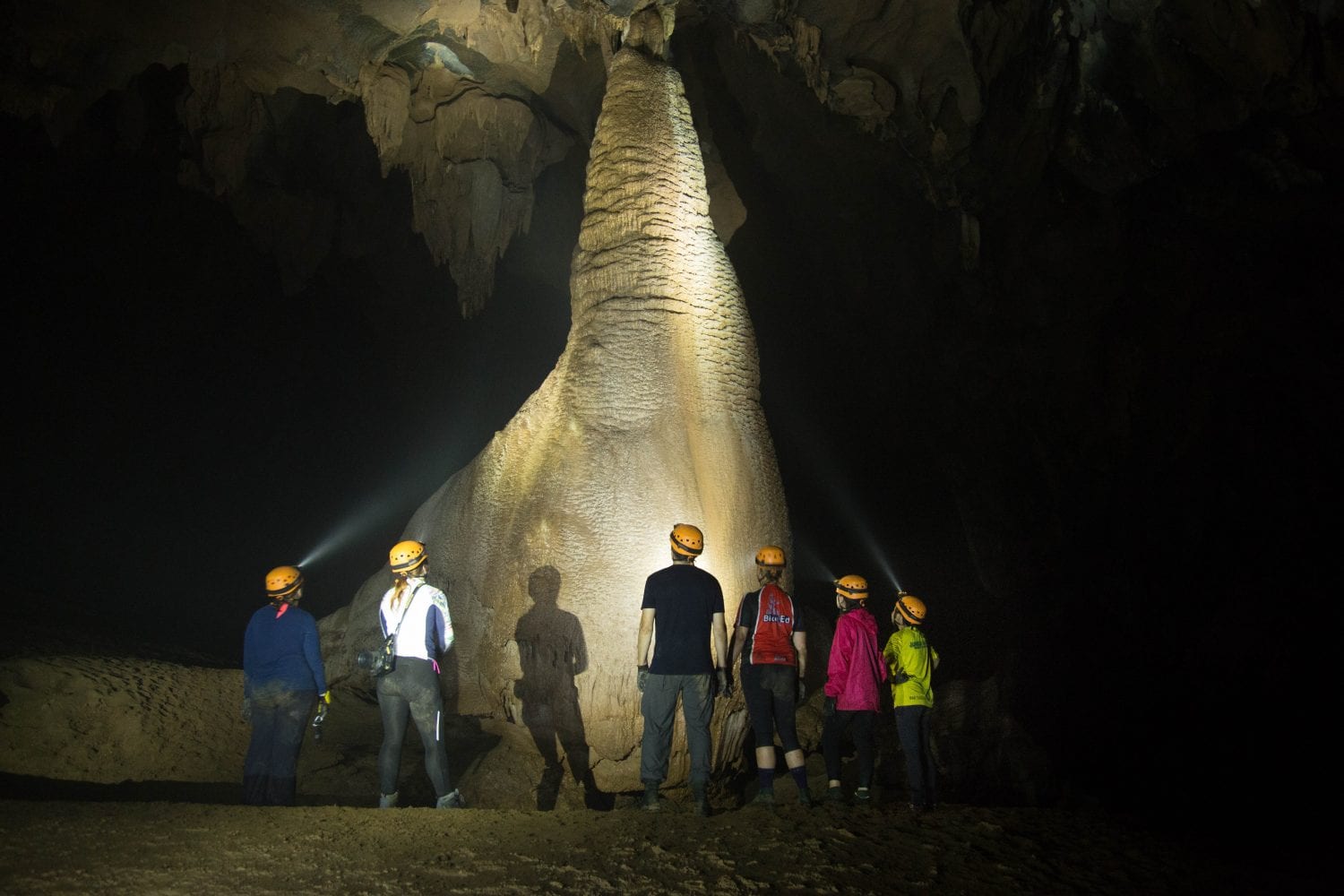
Caverns feature massive stalagmites, subterranean cloud systems, and specialized ecosystems found nowhere else. Strict limits on visitor numbers help preserve these fragile limestone landscapes.
Tours range from family-friendly explorations of Paradise Cave and Dark Cave to demanding multi-day wilderness expeditions requiring technical safety harnesses and professional caving guides.
4. Kayak Through the Limestone Islands of Halong Bay
Paddling a sea kayak through Halong Bay and Lan Ha Bay provides access to narrow sea tunnels, enclosed lagoons, and isolated white-sand beaches inaccessible to larger cruise vessels.
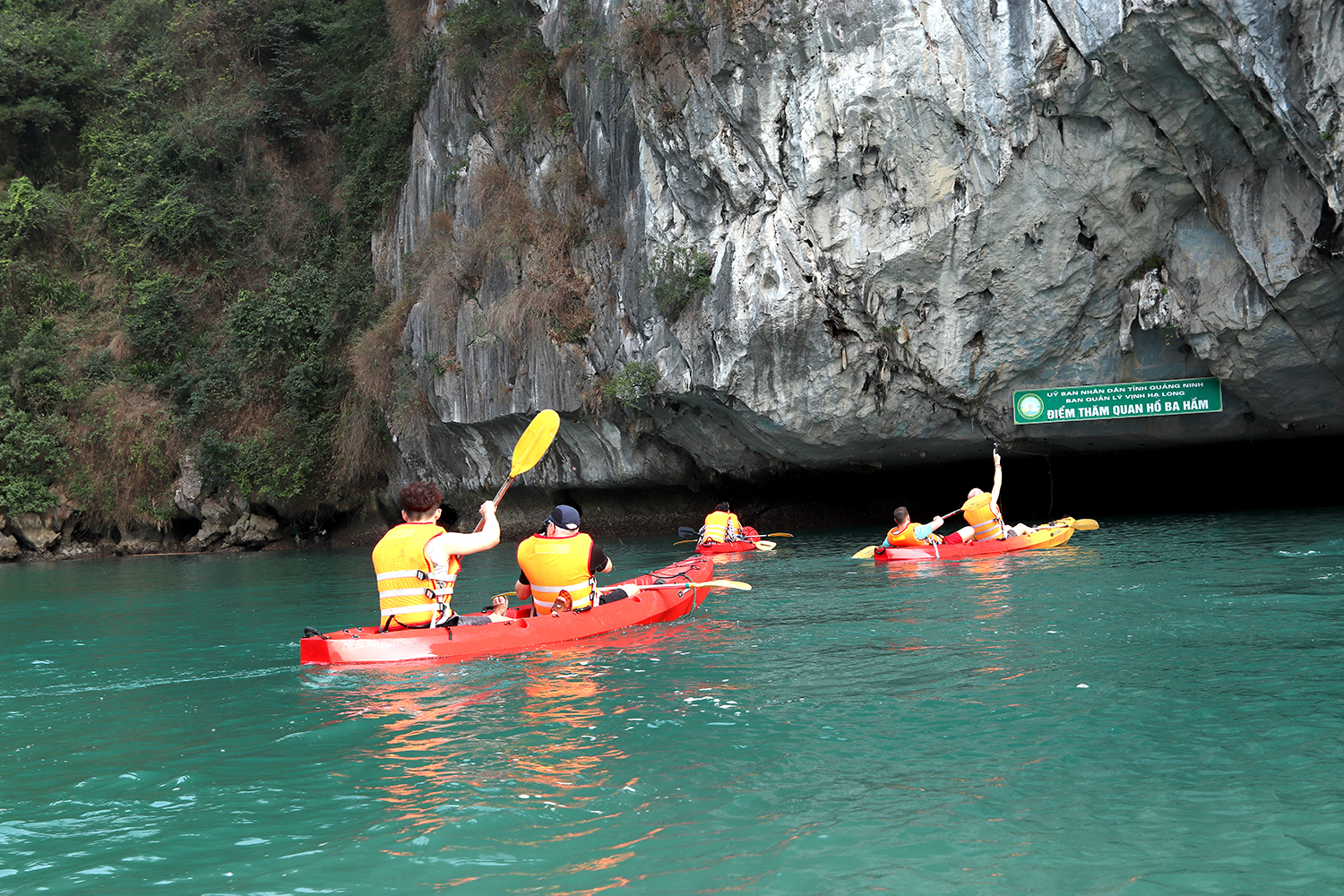
Paddlers navigate through areas like Ba Ham Lake, Dark and Bright Cave, and Tra Bau. Calm water conditions make sea kayaking suitable for beginners while providing satisfying upper-body workouts.
Pairing a luxury boutique cruise with scheduled private kayaking excursions delivers comfort alongside active outdoor exploration.
5. Canyoning Amidst the Waterfalls in Da Lat
The Central Highlands around Da Lat feature pine forests, steep granite canyons, and fast-flowing rivers ideal for canyoning. Activities include abseiling down 25-meter waterfalls, cliff jumping into deep river pools, natural rock water slides, and river floating.
Datanla Waterfall serves as the main canyoning location, offering regulated safety stations and certified climbing anchors. Professional instructors provide thorough ground training on rope handling and rappelling before entering the canyon.
Participants should possess moderate physical endurance and comfort in moving water currents.
6. Kitesurf Along the Beaches of Mui Ne
Mui Ne in Binh Thuan Province is recognized as Southeast Asia’s premier kitesurfing destination due to reliable seasonal winds, wide sandy beaches, and warm water temperatures year-round.
Cross-onshore winds blowing between 18 and 28 knots create reliable conditions for freestyle riding, wave jumping, and hydrofoiling. Numerous IKO-certified (International Kiteboarding Organization) schools offer multi-day courses for beginner and intermediate riders.
The prime wind season runs from late October through April, providing consistent training conditions.
7. Snorkeling and Scuba Diving in Phu Quoc Island
Phu Quoc Island in the Gulf of Thailand offers warm waters, shallow coral gardens, and diverse marine life. The An Thoi Archipelago in the south features protected dive sites such as Turtle Island, Fingernail Island, and May Rut Island.
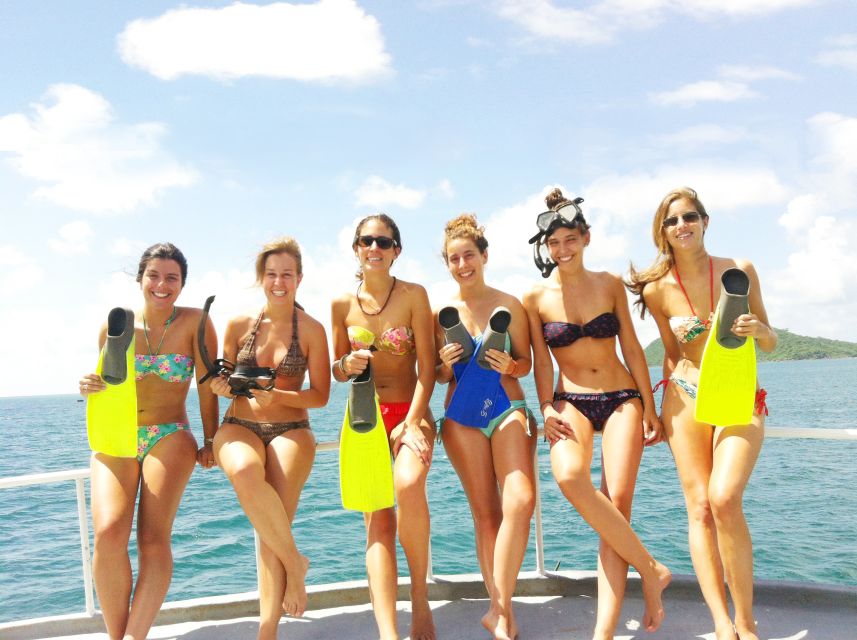
Divers and snorkelers observe hard and soft corals, anemone fish, parrotfish, blue-spotted rays, and small reef sharks. Calm sea conditions between November and April offer water visibility ranging from 8 to 15 meters.
Chartering a private wooden boat or speedboat allows you to access quiet reef locations away from crowded day-tour boats.
8. Rock Climbing in Cat Ba Island
Cat Ba Island and Lan Ha Bay feature world-class limestone crags and sheer sea cliffs suitable for sport climbing and deep-water soloing (climbing over open water without ropes).
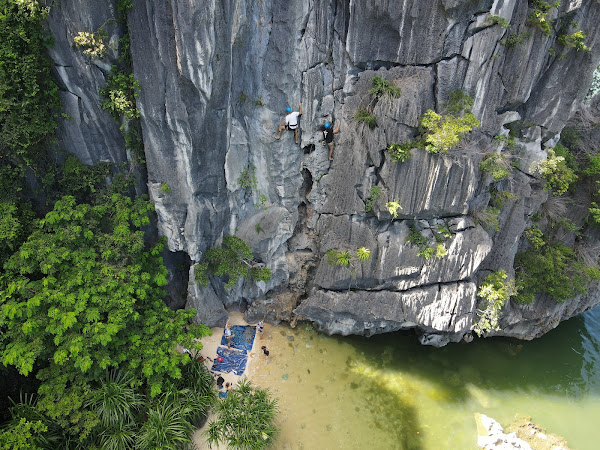
Climbing locations like Butterfly Valley, Hidden Valley, and Moody Beach offer over 150 bolted routes ranging from beginner 4a grades to advanced 8a technical testpieces.
Reliable local climbing shops supply certified ropes, helmets, shoes, and boat transfers to marine climbing sectors.
9. Paraglide in Khau Pha Pass – Mu Cang Chai / Tam Dao
Tandem paragliding over Khau Pha Pass in Yen Bai Province allows adventurers to soar above the extensive terraced rice fields of Mu Cang Chai from an altitude of over 1,200 meters.
During the rice harvest season in September and October, flights offer sweeping views across golden valley slopes and winding mountain passes. Flights are conducted alongside certified tandem pilots with international licenses.
Closer to Hanoi, Tam Dao and Doi Bu in Chuong My offer accessible weekend paragliding launch points for travelers based in the capital city.
10. Trekking to Explore Stunning Rice Terraces & Local Villages
Beyond high-altitude peaks, northern valleys like Pu Luong Nature Reserve, Hoang Su Phi, and Bac Son Valley offer rewarding rural trekking along dirt paths and hillside waterways.
Trekkers walk through water-wheel irrigated valleys, traditional stilt-house villages, and limestone karst forests. Daily routes range from 10 to 18 kilometers over sloping hills with moderate elevation gains.
Staying overnight in comfortable boutique eco-lodges or private community homestays combines active trail walking with peaceful rural evenings.

Fully Licensed Local Agency
Private Northern Vietnam Tours
Discover Sapa mountain trails, Ha Giang passes, and Halong Bay waters with private air-conditioned vehicles, licensed guides, and handpicked boutique accommodations.
Best Places in Vietnam for Adventure Activities
For a smoother and more efficient itinerary, it’s best to plan your trip by geographic region. Each part of Vietnam offers its own landscapes, climate conditions, and unique adventure experiences, making regional planning a practical way to get the most out of your journey.
Northern Vietnam – Mountains, Caves, and Epic Motorbike Routes
Northern Mountain Vietnam is the center for high-altitude trekking, pass touring, and karst exploration. Key destinations include Sapa, Ha Giang, Cao Bang (Ban Gioc Waterfall and Nguom Ngao Cave), Ba Be National Park, Mu Cang Chai, and Pu Luong.
The region demands sturdy physical conditioning for mountain trails and careful scheduling around winter cold snaps and summer rainfalls.
Central Vietnam – Caves, Highlands, and Coastal Adventures
Central Vietnam connects underground cave systems in Quang Binh with the rugged Central Highlands around Da Lat and Kon Tum. Phong Nha provides premier cave trekking, while Da Lat serves as the base for canyoning, mountain biking, and rafting.
The coastal spine around Hue, Da Nang, and Hoi An provides sea kayaking, paddleboarding, and coastal motorcycle tours across the Hai Van Pass.
Southern Vietnam – Water Sports, Jungles, and River Adventures
Southern Vietnam centers on coastal water sports, tropical island diving, and lowland jungle trekking. Cat Tien National Park offers multiday wildlife trekking, night safaris, and mountain biking through lowland tropical rainforest.
Mui Ne delivers world-class kitesurfing and sandboarding, while Phu Quoc Island and Con Dao Archipelago provide scuba diving, snorkeling, and open-ocean kayaking.
When Is the Best Time for Adventure Activities in Vietnam?
Vietnam spans over 1,650 kilometers from north to south, creating three distinct climate zones. Choosing the correct seasonal window ensures optimal trail grip, clear visibility, and safe water conditions.
Best Seasons for Northern Vietnam Adventures
The optimal window for trekking in Sapa, cycling in Pu Luong, and riding the Ha Giang Loop spans from October through April. Autumn (October to November) brings clear skies and moderate daytime temperatures ranging from 18°C to 24°C.
Winter (December to February) brings cold mountain temperatures occasionally dropping below 5°C, requiring insulated layers. Heavy monsoon rains occur from June to August, raising landslide risks on mountain passes.
Best Months for Central Vietnam Activities
Phong Nha cave expeditions run primarily from February to late August when underground river water levels remain low and stable. Temperatures inside caves remain constant around 22°C to 25°C.
From September through November, heavy rainfall causes seasonal flooding in cave passages, prompting safety closures for major underground expeditions. Da Lat remains accessible year-round, with dry conditions from November to April.
When to Plan Southern Vietnam Adventures?
Southern Vietnam follows a simple two-season pattern: dry season from November to April and rainy season from May to October. The dry season delivers flat ocean conditions and maximum underwater visibility in Phu Quoc.
Mui Ne kitesurfing benefits from winter monsoon winds peaking between November and March. Jungle hiking in Cat Tien National Park is best during dry months when trail leeches and mud are minimal.
| Adventure Activity | Prime Locations | Recommended Months | Fitness Level | Key Considerations |
|---|---|---|---|---|
| High-Peak Trekking | Sapa, Fansipan, Ky Quan San | Oct – Apr | High | Cold temperatures, steep elevation gain |
| Pass Touring / Motorbiking | Ha Giang, Cao Bang, Hai Van | Sep – Nov, Mar – May | Moderate to High | Valid motorcycle license or private driver |
| Technical Caving | Phong Nha, Tu Lan, Son Doong | Feb – Aug | Moderate to Very High | River crossings, underground swimming |
| Sea Kayaking & Climbing | Halong Bay, Lan Ha Bay, Cat Ba | Oct – Apr | Moderate | Tidal changes, sun protection needed |
| Waterfall Canyoning | Da Lat (Datanla) | Nov – Jun | Moderate | Certified gear, comfort with heights |
| Kitesurfing & Wind Sports | Mui Ne, Phan Rang | Nov – Apr | High | Strong wind conditions, IKO lessons |
| Scuba Diving & Snorkeling | Phu Quoc, Nha Trang, Con Dao | Nov – Apr | Low to Moderate | Water visibility, coral conservation rules |
How to Choose the Right Vietnam Adventure for You?
Selecting suitable outdoor activities depends on realistic fitness self-assessments, total travel days, seasonal climate shifts, and group dynamics. Following structured selection criteria prevents physical exhaustion and ensures an enjoyable journey.
Match the Activity to Your Fitness and Experience Level
Assess your current aerobic stamina and technical experience honestly. Multiday treks involving 1,000-meter vertical daily ascents require prior hiking conditioning and well-broken-in boots.
Travelers without technical rope experience can select day hikes in Pu Luong or leisure kayaking in Lan Ha Bay, which provide scenic views without extreme physical strain.
Families traveling with active teenagers can combine moderate waterfall walks, boat tours, and short bike excursions that accommodate varying energy levels.
Consider Weather, Terrain, and Travel Time
Vietnam’s mountain roads require substantial transit time. Ha Giang or Cao Bang circuits require 6 to 8 hours of road travel from Hanoi, making 4 to 5 days the recommended minimum duration.
If you have a shorter schedule of 2 to 3 days, choose closer destinations such as Ninh Binh, Halong Bay, or Pu Luong Nature Reserve.
Always align destination choices with regional rainfall patterns to avoid trail washouts or compromised sea visibility.
Choose Between Independent Travel and Guided Adventures
While basic city exploration can be done independently, remote adventure activities in Vietnam require local knowledge, park permits, and reliable emergency support.
Booking with a licensed tour operator provides professional English-speaking mountain guides, tested safety equipment, and private vehicles driven by experienced chauffeurs.
This structure eliminates language barriers in ethnic minority villages, secures required border permits, and provides 24/7 logistical backup during unexpected weather changes.
How to Combine Adventure Activities With a Vietnam Itinerary?
Combining outdoor activities with cultural highlights creates a well-paced vacation. Below are three proven regional adventure routes designed by our itinerary specialists.
Northern Vietnam Adventure Route (7 to 10 Days)
Begin with a 1-day cultural orientation in Hanoi before traveling to Sapa for 2 days of mountain trekking through Muong Hoa Valley and hillside villages.
Transfer across the northern ridges to Ha Giang for a 3-day loop passing Dong Van, Meo Vac, and Ma Pi Leng Pass with a private car and local guide.
Return toward the coast to conclude with a 2-day boutique cruise in Lan Ha Bay featuring sea kayaking and rock climbing around Cat Ba Island.
Central Vietnam Adventure Route (5 to 7 Days)
Fly into Dong Hoi to spend 2 to 3 days in Phong Nha-Ke Bang National Park taking on cave expeditions, river swims, and jungle hikes.
Transfer south via private car over Hai Van Pass to Hoi An for cycling tours through rural agricultural hamlets and boat ride on the Thu Bon River.
Take a short flight to Da Lat for 2 days of waterfall canyoning, single-track mountain biking, and pine forest trekking.
Southern Vietnam Adventure Route (5 to 7 Days)
Depart Ho Chi Minh City by private vehicle to Cat Tien National Park for 2 days of wildlife spotting, jungle walking, and mountain biking.
Continue to Mui Ne for 2 days of kitesurfing instruction and sandboarding on the coastal dunes.
Conclude with a flight to Phu Quoc Island for 3 days of scuba diving, coral reef snorkeling, and coastal speedboat excursions.

Common Mistakes & Our Essential Safety Tips for Adventure Travel in Vietnam
Outdoor adventure travel requires proactive risk management. Based on our field operations experience, avoiding common travel oversights protects your health and trip schedule.
Common Tourist Pitfalls to Avoid:
- Renting motorbikes without licenses: Riding without a 1968 Convention International Driving Permit invalidates medical insurance and risks police fines.
- Underestimating trail conditions: Hiking mountain routes in casual sneakers leads to slips on clay mud and severe ankle strain.
- Ignoring regional weather warnings: Entering caves or mountain passes during monsoon depressions poses flash flood and rockfall hazards.
- Inadequate hydration and sun care: High tropical humidity accelerates dehydration and heat exhaustion during exposed daytime treks.
Check Weather and Local Conditions Before You Go
Monitor meteorological updates from the National Center for Hydro-Meteorological Forecasting (NCHMF) before starting remote treks or water sports.
Our operations desk tracks provincial weather alerts daily, enabling our team to reroute clients safely around storm fronts or heavy rainfall zones.
Use Reputable Guides and Tour Operators
Verify that your inbound agency holds an International Tour Operator License issued by VNAT. Licensed agencies carry mandatory tour deposits and maintain strict safety audits for guides and vehicles.
Ensure caving and canyoning operators use CE-marked safety gear, locking carabiners, and dual-rope belay setups overseen by certified wilderness instructors.
Pack the Right Gear for Your Adventure
Bring moisture-wicking synthetic clothing, ankle-supporting trail boots, a lightweight rain shell, a 20-liter dry bag, and high-SPF mineral sunscreen.
Carry electrolyte replacement tablets, insect repellent containing DEET, a personal medical kit, and a compact headlamp with spare batteries for cave and night outings.
Know When to Take Extra Precautions
Check that your comprehensive travel insurance policy explicitly covers outdoor activities, high-altitude trekking up to 3,500 meters, and emergency medical evacuation.
Keep emergency phone numbers, passport copies, and insurance policy cards accessible both digitally and as physical waterproof copies throughout your journey.
Frequently Asked Questions (FAQs) About Adventure Activities in Vietnam
1. Is Vietnam safe for outdoor adventure sports?
Yes, Vietnam is safe when booking through fully licensed operators that use certified safety gear, trained local guides, and well-maintained private transport.
2. Do I need prior experience for caving in Phong Nha?
Introductory caves like Paradise Cave require no prior experience. Multiday expeditions like Son Doong or Tu Lan require good physical fitness and swimming capability.
3. Can beginner riders join a Ha Giang motorbike tour?
Beginners should not drive independently on mountain passes. We recommend traveling as a pillion passenger behind an experienced local driver or choosing a private car.
4. What is the best month for trekking in Northern Vietnam?
October and November provide clear skies, dry trails, and comfortable temperatures, while March and April bring pleasant spring weather and blooming mountain flora.
5. Should I book outdoor tours before arriving in Vietnam?
Yes. Strict national park quotas for caving and high demand for top-rated trekking guides require advance booking to secure required permits and preferred dates.
6. Are adventure activities in Vietnam suitable for families?
Many activities like bay kayaking, rural cycling, and valley walking are family-friendly. We design customized itineraries with moderate pacing suitable for all ages.

Fully Licensed Local Agency
Tailor-Made Vietnam Tour Packages
Combine thrilling outdoor activities with rich cultural discoveries across Vietnam through custom-designed private itineraries with 24/7 local support.
Final Thoughts on Adventure Activities in Vietnam & Arrange Your Trip with Our Travel Experts
Planning active outdoor adventures in Vietnam delivers rewarding encounters with dramatic natural landscapes and rural cultures. Whether you want to join challenging Vietnam Adventure Tours or book comprehensive Ha Giang Tour Packages, our team provides trusted private transport, licensed guides, and flexible schedules.
Contact our travel team on WhatsApp +84.988451530 or email us at [email protected]. You can also submit an inquiry through our travel consultation desk to receive a personalized itinerary within 24 hours.
Note: The travel tips and recommendations shared in this guide have been carefully prepared by the local travel experts at Golden Holiday Travel. While every traveler is different, our team is always happy to provide personalized itinerary planning, destination advice, and one-on-one support to help you create the perfect Vietnam journey.

Meet Our Experts

Suggested


Featured Articles


Related Articles




Ask a Question or Share Your Thoughts
Have questions about this itinerary, road trip tips, private car rentals, or ticket booking? Leave a comment or question below — our travel specialists will reply within a few hours!