
Master Vietnamese Chopsticks Etiquette: Dos, Don’ts & Dining Customs
Vietnamese chopstick etiquette is an important part of local dining culture, reflecting respect, family values, and shared traditions. For first-time visitors doing trips to Vietnam, understanding a few basic rules can help you avoid cultural mistakes, connect with locals, and enjoy Vietnamese meals with confidence.
With over 10 years of experience operating private and customized Vietnam tours for travelers worldwide , Golden Holiday Travel team recognizes that dining etiquette often causes anxiety for first-time travelers. As a fully licensed tour operator, our local team shares practical tips on chopstick use, table manners, and sharing dishes to help you navigate every local meal with ease.
Key Takeaways for Travelers
- Utensil Handling: Hold chopsticks near the upper third section to balance leverage when lifting food items.
- Major Taboo: Never stick chopsticks vertically into a bowl of white rice, as this mirrors incense burners at funeral rites.
- Sharing Etiquette: Transfer shared food into your personal bowl before placing it in your mouth.
- Elder Respect: Wait for the oldest family member or host to invite everyone before picking up your utensils.
- Resting Utensils: Place chopsticks horizontally across the rim of your bowl or on a ceramic rest when taking a pause.

Fully Licensed Local Agency
Customized Vietnam Tour Packages
Experience regional culinary traditions and iconic highlights with our private English-speaking guides and dedicated private drivers. We customize 100% of our holiday itineraries to suit your preferred schedule and comfort standards.
The Role of Chopsticks in Vietnamese Dining Culture
Chopsticks serve as the main dining tool in Vietnamese cuisine, bridging culinary tradition and social bonding during family meals. Unlike Western individual plating, a Vietnamese table revolves around communal dishes where chopsticks facilitate sharing and hospitality.
Why Chopsticks Matter in Everyday Vietnamese Meals?
In Vietnam, chopsticks (known locally as đôi đũa) come as a pair and are often seen as a symbol of unity, togetherness, and harmony within the family. Made traditionally from bamboo, coconut wood, or lacquered timber, they are designed to handle rice, long rice noodles, leafy herbs, and delicate steamed fish.
Using chopsticks allows diners to pick precise bite-sized portions without crushing ingredients or tearing delicate rice paper rolls. The tool adapts to every meal type, from roadside breakfast stalls serving hot noodle soups to multi-course banquets hosted during lunar festival holidays.
Children in Vietnamese families start practicing with wooden chopsticks around 5 to 6 years of age. Learning to hold chopsticks properly is an important skill in Vietnam, helping children develop patience, hand-eye coordination, and good table manners from an early age.
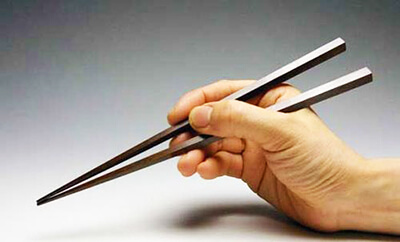
Proper finger positioning allows precise control over wooden chopsticks during shared meals.
The Shared and Family-Style Nature of Vietnamese Dining
Vietnamese dining centers on shared platters arranged in the middle of a round or rectangular table. Each person receives an individual bowl of steamed white rice, while main courses such as braised pork, stir-fried vegetables, and soup bowls remain communal.
This shared setup transforms chopsticks into an instrument of social connection. Diners actively observe the needs of others, offering prime cuts of meat or fresh herbs to elderly relatives and visiting guests before serving themselves.
Because everyone dips into the same central plates, adherence to basic hygiene rules and polite handling protects the dining experience for the entire group. Being mindful of how you use your utensils is a simple way to show respect and appreciation for the people you’re dining with.
Basic Rules for Using Chopsticks in Vietnam
Holding chopsticks with correct finger placement provides stability and prevents dropping food across shared dining trays. With the right chopstick grip and a few basic table manners, you’ll feel more comfortable and at ease when sharing a meal with local hosts.
How to Hold Chopsticks Properly?
To hold chopsticks correctly, place the first chopstick in the valley between your thumb and index finger, resting the lower section against your ring finger. This bottom stick remains stationary to provide a solid base for lifting food items.
Hold the second chopstick between the tip of your thumb, index finger, and middle finger, similar to holding a pencil. Move only this upper stick up and down to grip ingredients securely without applying excessive muscular tension.
Align the tips of both chopsticks evenly on your plate before grabbing food. If one tip extends past the other, tap them gently against the table surface or adjust them with your free hand to restore balance.
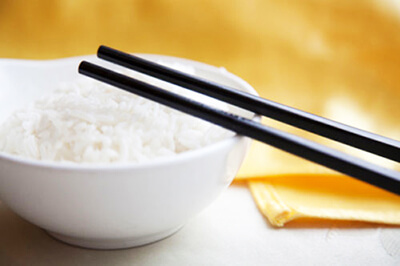
Resting chopsticks parallel across your bowl indicates you are pausing or finished with your meal.
How to Pick Up Food from Shared Dishes?
When choosing food from a shared dish, use your chopsticks to pick up a suitable portion in one smooth motion. Rather than eating directly from the communal plate, place the food in your own rice bowl first before eating. This simple habit is considered more polite and hygienic, especially when sharing a meal with others.
It is also best to take small, manageable portions that you can finish in one or two bites. Avoid grabbing too much food at once, as it can easily fall or drip sauce onto the table or other dishes. If serving chopsticks or a communal spoon is provided, use them whenever possible to serve yourself
Using a Serving Spoon or Separate Chopsticks When Available
At formal banquets, restaurants, and family gatherings, central dishes frequently feature communal serving spoons or designated serving chopsticks. Always use these dedicated utensils to transfer portions onto your personal plate or bowl.
Return the communal serving utensil to its original plate immediately after using it so other guests can reach it easily. Avoid mixing serving utensils between different dishes to keep sauces and seasonings distinct.
When dedicated serving tools are absent and you wish to offer food to a table companion, flip your personal chopsticks to use the clean, untouched upper ends. This thoughtful gesture prevents the transfer of saliva and maintains mealtime hygiene.
Fully Licensed Local Agency
Private Northern Vietnam Tours & Excursions
Discover authentic food traditions from Hanoi old quarters to mountain homestays in Sapa and Ha Giang. Enjoy private transfers, licensed tour guides, and 24/7 travel support on your personalized route.
Important Chopstick Etiquette: What Not to Do?
Certain actions with chopsticks carry negative cultural meanings, superstitions, or social taboos in Vietnamese households. Knowing what behaviors to avoid ensures smooth, polite dining during home visits and restaurant outings.
Do Not Stick Chopsticks Upright in Your Bowl of Rice
Sticking chopsticks vertically into a bowl of rice is the most severe dining taboo in Vietnam. This arrangement closely resembles two incense sticks burning in a bowl of ashes at an ancestral altar or funeral memorial service.
Placing chopsticks upright makes the dish look like an offering dedicated to the deceased, which brings discomfort to your hosts. Always place your chopsticks across the rim of your bowl or on a chopstick rest when pausing.
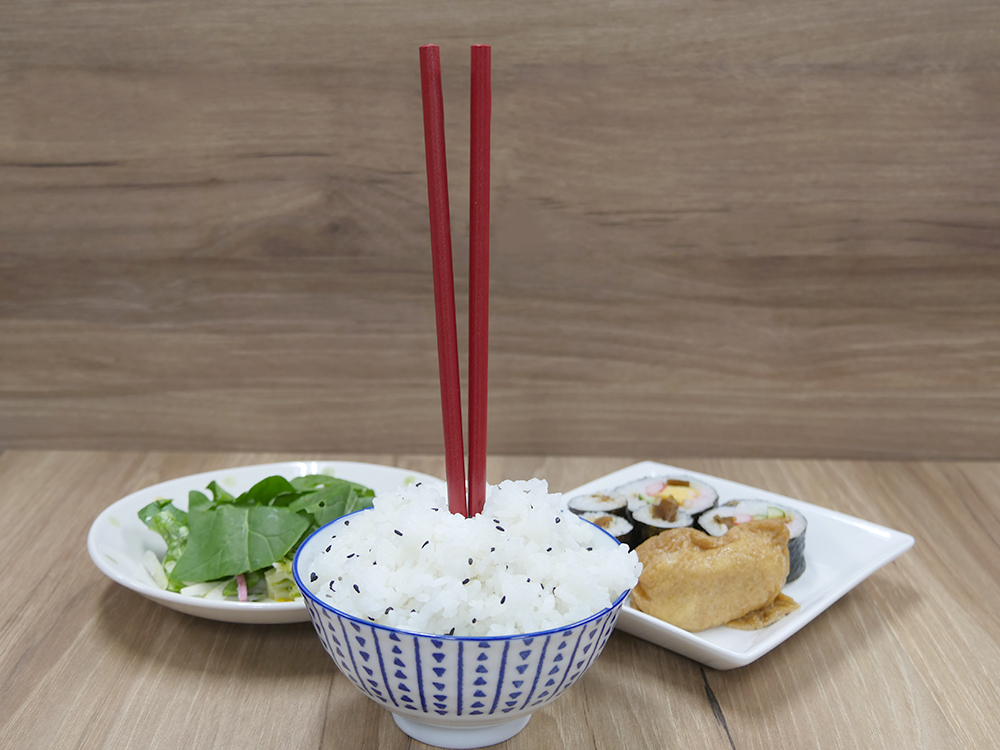
Avoid sticking chopsticks upright in rice bowls because it mirrors memorial incense offerings.
Avoid Pointing at People or Gesturing with Chopsticks
Using chopsticks as pointers while talking is considered impolite and aggressive. In Vietnamese culture, directing pointed utensils at someone signals criticism, blame, or disrespect toward table companions.
When engaging in lively mealtime conversation, set your utensils down on the table or across your bowl. Keep your hands free to gesture naturally without waving utensils in the air.
Do Not Tap Your Bowl or Table with Chopsticks
Rhythmically tapping ceramic bowls or table edges with chopsticks is strictly discouraged. Historically, street beggars struck empty bowls with wooden sticks to attract attention and request food donations.
In folk beliefs, knocking on bowls is thought to summon wandering spirits to the dining area, disrupting domestic tranquility. Keep your mealtime quiet and avoid producing unnecessary clattering sounds with utensils.
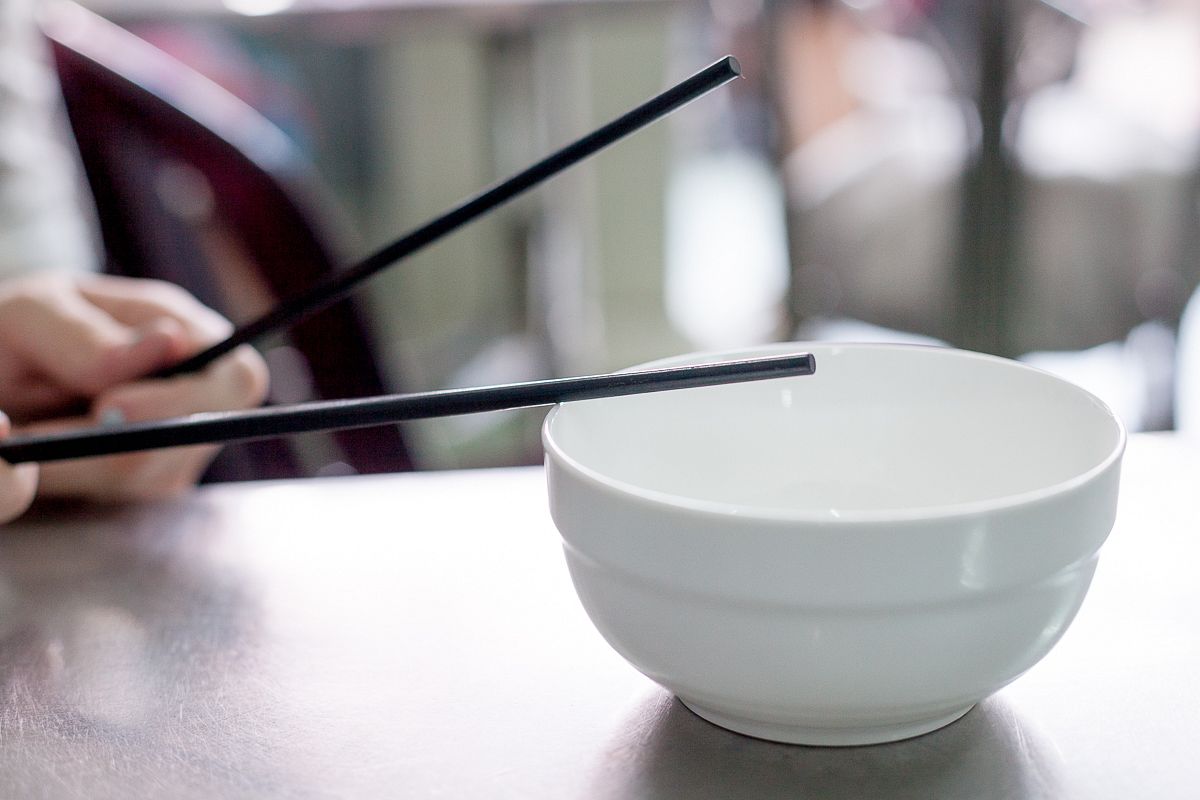
Do not tap ceramic bowls with chopsticks, as clattering sounds are linked with begging traditions.
Avoid Spearing Food with Your Chopsticks
Spearing meat chunks or meatballs with a single chopstick is seen as bad manners and poor utensil handling. It creates an impression of greed or impatience to table companions.
If an ingredient proves slippery or difficult to grip, use a soup spoon to support the piece from underneath. You can also ask your server for a fork or spoon without any embarrassment.
Do Not Wave or Play with Chopsticks at the Table
Hovering your chopsticks indecisively over multiple dishes while deciding what to eat is known as gắp trôi. This habit blocks others from reaching platters and appears indecisive.
Scan the table visually first, decide on your choice, and reach directly for that item. Avoid drum-rolling, twisting, or playing with your chopsticks while waiting between courses.
Avoid Passing Food Directly from Chopsticks to Chopsticks
Passing food directly from one pair of chopsticks to another is another major taboo across Vietnam. This action parallels a Buddhist cremation ritual where bone fragments are transferred between relatives using wooden sticks.
To pass food politely, place the item directly into the recipient’s bowl or onto their side plate. The recipient can then pick up the food from their bowl using their own utensils.
Chopstick Etiquette When Sharing Vietnamese Dishes
When sharing dishes at a Vietnamese meal, be mindful of others and take your portion thoughtfully. Following local dining customs, such as serving others before yourself, helps create a respectful and harmonious meal.
Taking Food from Communal Plates Respectfully
Select items from the side of the platter closest to you rather than reaching across to the far side. Reaching over someone else’s space or across central bowls interrupts other diners and risks tipping dipping sauces.
Avoid stirring dipping sauces excessively with your chopsticks or double-dipping food after taking a bite. If you need more seasoning, spoon some sauce into your personal dipping dish.
When taking fish or whole poultry, lift portions cleanly along natural muscle cuts. Leaving the central presentation neat preserves the appetizing appearance of the dish for other guests.
Serving Older Family Members and Guests First
Hospitality in Vietnam dictates that senior members and honored guests receive the first servings. Hosts often use clean serving chopsticks to place choice pieces of meat or fresh rolls directly into your bowl.
Accept these offerings by holding your rice bowl with both hands and nodding your head slightly with a polite thank you (cảm ơn). Declining directly can feel dismissive to an attentive host.
If you want to serve an elder seated nearby, use the clean top ends of your chopsticks or a designated spoon. This demonstrates refined upbringing and thoughtful awareness of local table customs.
Understanding the Importance of Respect for Elders
Vietnamese dining traditions are deeply rooted in Confucian values that prioritize familial hierarchy and generational respect. Seating arrangements and mealtime pace often follow the lead of the eldest person at the table.
Younger diners typically wait until grandparents or parents pick up their utensils before beginning to eat. Following this rhythm demonstrates humility and social attentiveness throughout the meal.
When pouring tea, water, or beer, serve elders and guests first using both hands to support the cup or teapot. This polite practice reinforces the warm atmosphere of family-style gatherings.
Where to Place Your Chopsticks During a Meal?
Knowing where to rest your chopsticks signals your dining status to hosts and waitstaff without verbal interruption. Proper placement keeps table surfaces tidy and maintains utensil hygiene.
How to Rest Your Chopsticks When Taking a Break?
When pausing to sip soup, drink tea, or converse, place your chopsticks across the rim of your bowl or on a ceramic rest (gác đũa). Align the two sticks neatly parallel to each other.
Avoid laying chopsticks crossed in an “X” shape on the table or across your bowl. In local custom, crossed chopsticks symbolize opposition, conflict, or negative energy between diners.
At casual street stalls where rests are unavailable, place your chopsticks across the top of your bowl or rest the tips on a clean paper napkin to keep them off the table surface.
What to Do When You Finish Eating?
When you complete your meal, lay both chopsticks flat and parallel across the top of your empty rice bowl or neatly to the right of your place setting. This clear visual signal tells your host or server that you have finished eating.
Place your soup spoon facing downward next to your bowl. Leaving utensils neatly organized keeps the table tidy as dishes are cleared for fresh fruit or hot green tea.
If you leave the table temporarily, keep your chopsticks flat across the bowl rather than on the tabletop to avoid confusion regarding whether you have finished.
| Dining Setting | Chopstick Materials | Resting Practice | Key Etiquette Focus |
|---|---|---|---|
| Street Food Stalls | Bamboo or hard plastic | Across bowl rim or on paper napkin | Wipe utensils with dry tissue or lime before use |
| Family Homestays | Natural wood or coconut timber | Horizontally across personal rice bowl | Wait for the elders to begin; serve others first |
| Traditional Restaurants | Lacquered wood or bamboo | On ceramic chopstick rest (gác đũa) | Use designated serving spoons for shared platters |
| Cruise & Luxury Dining | Polished timber or composite | Dedicated porcelain rest beside plate | Follow multi-course utensil placement rules |
Vietnamese Dining Etiquette Beyond Chopsticks
Chopstick handling is just one part of Vietnamese mealtime etiquette. Understanding how rice bowls are held, how meals begin, and how conversation flows creates a welcoming atmosphere at any table.
Wait for the Elders or Host Before Starting Your Meal
Before taking the first bite of food, Vietnamese custom requires inviting others to eat, known as mời cơm. Younger diners say polite phrases to invite grandparents, parents, and guests in order of seniority.
As a foreign traveler, simply wait until your host or the eldest person says “Mời cả nhà ăn cơm” (inviting everyone to enjoy the meal) and takes the first bite. You can smile and say “Cảm ơn” (thank you) before lifting your chopsticks.
Starting to eat before the host or senior members signals impatience. Waiting a few seconds sets a respectful tone for the entire group.
How Rice Bowls and Shared Dishes Are Traditionally Used?
In Vietnamese dining culture, it is customary to lift your rice bowl close to your chest with your left hand while manipulating chopsticks with your right hand. Leaving your bowl resting flat on the table while bending down to eat is seen as unrefined.
Holding your bowl close catches falling rice grains and sauce drips, keeping the table clean. It also allows you to push rice and morsels into your mouth with ease.
When eating classic noodle soups like Pho, hold your chopsticks in your dominant hand and a ceramic soup spoon in your other hand. Use the chopsticks to lift noodles into the spoon with broth before bringing it to your mouth.
Common Table Manners Visitors Should Know
Chewing quietly with your mouth closed is appreciated in both home and restaurant environments. Avoid speaking with a full mouth, as food particles could fall into shared central dishes.
Toothpicks are widely provided at the end of meals. When using a toothpick, cover your mouth discreetly with your other hand to keep the action private and polite.
Leaving a small mouthful of rice in your bowl at the end of a family meal is acceptable, indicating you were served generously and are fully satisfied.
Common Chopstick Mistakes Foreign Visitors Make & Our Essential Tips for Better Vietnam Experiences
Even well-intentioned travelers occasionally make simple mistakes when adjusting to local mealtime customs. Our local travel guides share practical advice on how to navigate these situations smoothly.
- Trying to Use Chopsticks for Every Type of Food: Many visitors assume every Vietnamese dish must be eaten with chopsticks. In reality, dishes like spring rolls (nem rán) and fresh herbs are often wrapped by hand using rice paper, while soups require a ceramic spoon.
Expert Tip: Observe how your local guide or host handles each dish. Do not hesitate to use hands for wraps or request a fork if your hands tire. Join our guided Hanoi street food tour to practice these techniques with a dedicated food specialist.
- Reaching Across the Table: Stretching your arms across other guests to grab a distant piece of roasted duck can cause accidental spills and disrupts conversation.
Expert Tip: Ask someone sitting closer to pass the platter or transfer a portion to your bowl with a polite request.
- Forgetting That Vietnamese Meals Are Often Shared: Treating central platters like individual servings can lead to taking too much food at once, leaving less for other guests.
Expert Tip: Take one or two small pieces per turn, allowing everyone equal access to hot dishes throughout the meal.
Frequently Asked Questions (FAQs) About Chopstick Etiquette in Vietnam
Here are quick answers to common questions foreign travelers ask when dining across Vietnam.
How do Vietnamese people use chopsticks during meals?
Vietnamese people hold chopsticks with their dominant hand while holding their rice bowl close to their chest with the other. They use chopsticks to pick food from communal plates, place it in their bowl, and eat in modest bites.
What are the basic chopstick etiquette rules in Vietnam?
Hold chopsticks near the top third, wipe them clean before eating at street stalls, place food in your bowl before eating, and never stick utensils upright in rice. Rest them parallel across your bowl when pausing.
Is it rude to stick chopsticks upright in a bowl of rice?
Yes, sticking chopsticks vertically in rice is a serious cultural taboo. It resembles incense sticks placed in funerary altars for the dead, making it uncomfortable for hosts and companions.
What should you avoid doing with chopsticks?
Avoid pointing chopsticks at people, tapping bowls, spearing food, waving utensils in the air, crossing chopsticks, or passing food directly chopstick-to-chopstick.
How are shared dishes and communal meals served?
Dishes sit centrally on the table. Diners use dedicated serving spoons or reverse chopstick ends to place food into their own bowls before eating.
Are Vietnamese dining customs different from those in China, Japan, or other Asian countries?
Yes. While sharing core taboos, Vietnamese meals feature longer bamboo chopsticks, communal herb platters, dipping sauces, and direct reverse-end serving habits that differ from Japanese or Korean customs.
What should foreign visitors know before eating with a Vietnamese family?
Wait for the host or elder to invite everyone to eat, lift your rice bowl with both hands, accept offered food gracefully, and keep conversations warm and relaxed.
How can travelers avoid accidentally offending their hosts?
Observe table elders, place utensils flat when pausing, chew quietly, and ask for a fork politely if handling chopsticks feels uncomfortable.

Fully Licensed Local Agency
Tailor-Made Vietnam Adventure Tours
Combine mountain trekking, rural cycling, and home dining experiences with our private guides. Discover remote valleys and authentic ethnic minority culture with complete safety and flexibility.
Final Thoughts on Vietnamese Chopsticks Etiquette & Arrange Your Trip with Our Travel Experts
Mastering Vietnamese chopsticks etiquette opens doors to authentic cultural exchanges during your Vietnam Tours and private Northern Vietnam Tours. Connect with our dedicated travel specialists on WhatsApp +84.988451530 or send your custom itinerary requests to [email protected] to start planning your personalized holiday today.
Note: The travel tips and recommendations shared in this guide have been carefully prepared by the local travel experts at Golden Holiday Travel. While every traveler is different, our team is always happy to provide personalized itinerary planning, destination advice, and one-on-one support to help you create the perfect Vietnam journey.
Meet Our Experts

Suggested


Featured article


Related Articles




Write Comment