
Top 8 Cultural Places in Vietnam to Experience the Country’s Rich Heritage
Cultural places in Vietnam give travelers a fascinating glimpse into the country’s thousands of years of history, rich ethnic traditions, and remarkable architecture. From ancient temples and imperial landmarks to traditional villages and lively local communities, each destination reveals a different part of Vietnam’s cultural story.
At Golden Holiday Travel, our experienced local travel specialists create private, tailor-made itineraries that go beyond typical sightseeing. We help you discover Vietnam’s most significant historical sites and cultural communities while experiencing local traditions, stories, and everyday life in a more authentic and meaningful way.
What are Cultural Places to Visit in Vietnam? An In-Depth Overview
Vietnam’s cultural attractions offer a fascinating journey through more than 4,000 years of history with an extensive network from ancient imperial citadels and UNESCO-listed trading towns to highland villages, sacred archaeological sites, and river-based communities, each destination reflects a different chapter of the country’s past. Together, they showcase how Vietnamese culture has been shaped by indigenous traditions, East Asian philosophies, Southeast Asian maritime trade, and the lasting influence of French colonial architecture.
Fully Licensed Local Agency
Tailor-Made Vietnam Cultural Tour Packages
Experience authentic Vietnamese heritage with professional English-speaking private guides, comfortable private vehicle transfers, and fully customizable itineraries suited to your exact schedule.
Vietnam’s cultural landscape is broadly divided into three distinct regions, each reflecting unique environmental adaptations, historical dynasties, and community lifestyles. Understanding these defining regional characteristics helps travelers appreciate the true depth and variety of Vietnam’s culture :
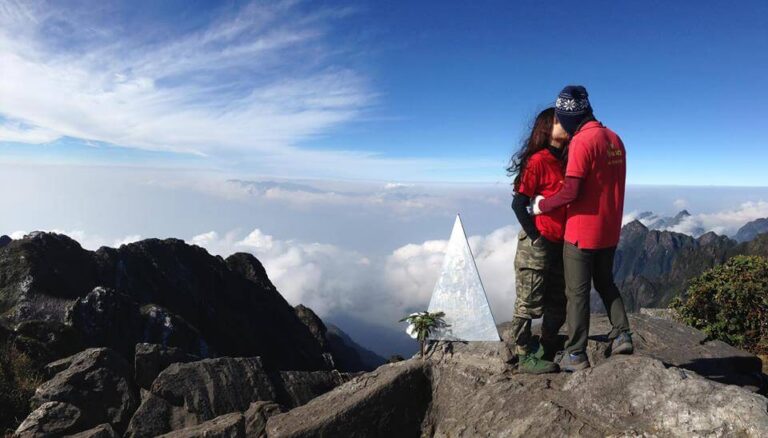
- Northern Cultural Heartland: Centered around the Red River Delta and the northern highlands, this region preserves ancient scholarly traditions, traditional water puppetry, thousand-year-old temples, and the rich heritage of 54 officially recognized ethnic groups in mountain provinces like Sapa and Ha Giang.
- Central Imperial and Heritage Region: Home to monumental palaces, royal tombs, and UNESCO World Heritage sites, Central Vietnam reflects the architectural mastery of the Nguyen Imperial Dynasty in Hue, ancient Cham Hindu ruins at My Son Sanctuary, and historical maritime exchange in Hoi An Ancient Town.
- Southern Riverine and Cosmopolitan Landscape: Characterized by the fertile waterways of the Mekong River Delta and the dynamic energy of Ho Chi Minh City, this region showcases stilt-house communities, lively floating markets, Khmer spiritual shrines, and French neoclassical landmarks.
At Golden Holiday Travel, we emphasize genuine cultural discovery over superficial sightseeing. Visiting these historic destinations allows travelers to connect directly with local artisans, historians, and village elders whose ancestral traditions continue to thrive in everyday modern life.
Why Cultural Places to Visit in Vietnam are a Must-Visit? Key Benefits and Experiences
Exploring Vietnam’s premier cultural destinations provides travelers with profound historical perspective, authentic human connection, and cultural richness unmatched elsewhere in Southeast Asia. Engaging directly with heritage sites transforms an ordinary vacation into an enlightening life journey.
Living History and Multi-Era Architectural Masterpieces
Vietnam’s cultural monuments are living ecosystems rather than static museums. In places like Hoi An and Hanoi’s Old Quarter, centuries-old wooden merchant houses, French colonial villas, and Buddhist pagodas remain fully active centers of daily enterprise, family worship, and community gathering.
Travelers can see how traditional wood-carving techniques blend naturally with Chinese communal halls and Japanese bridges, creating a unique and harmonious cultural landscape. Walking down these preserved historical avenues enables you to witness sacred ancestral altars, incense-making rituals, and traditional tea ceremonies practiced exactly as they were 300 years ago.
Deep Immersion into 54 Distinct Ethnic Minority Traditions
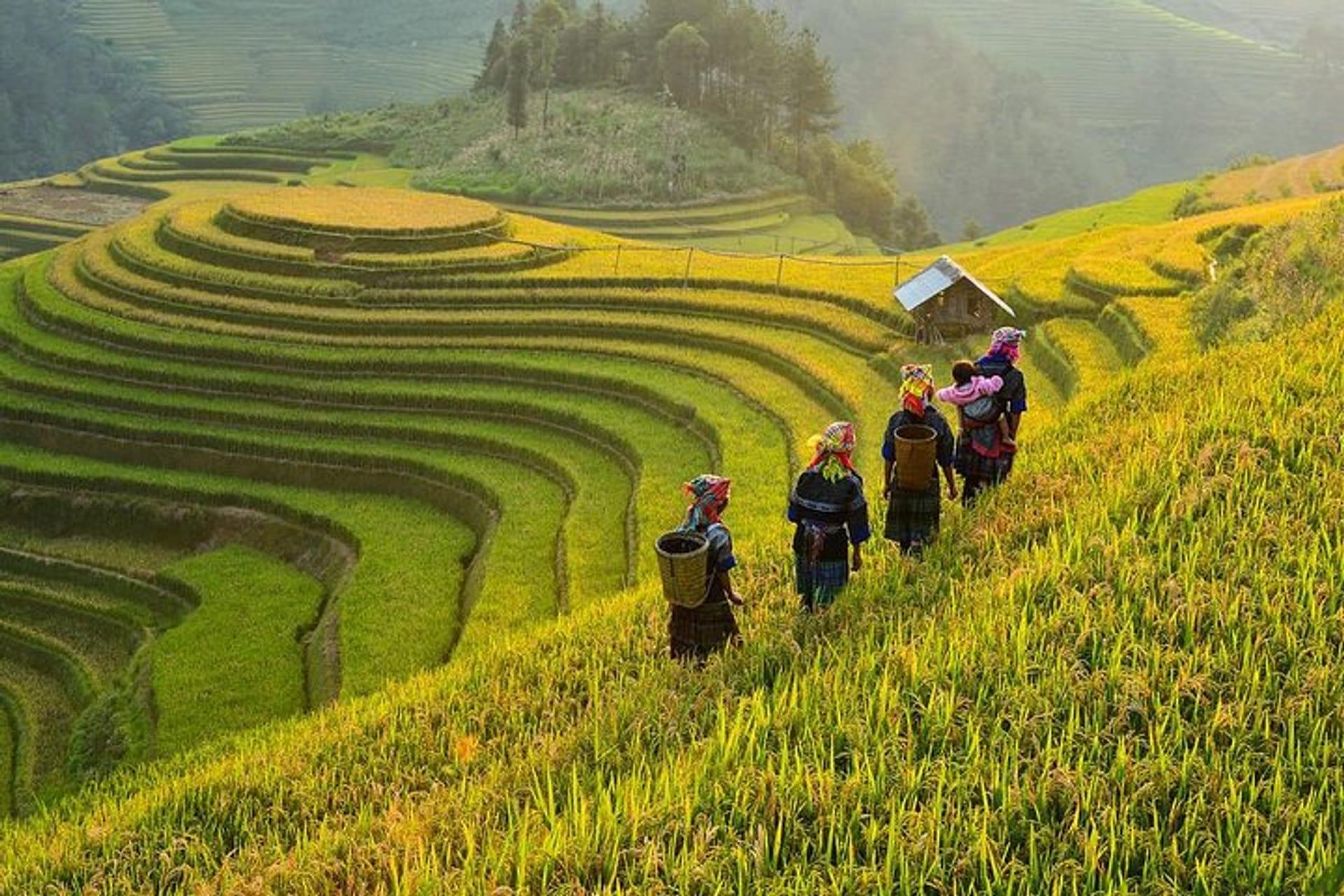
The northern mountainous regions of Sapa and Ha Giang offer rare opportunities to interact directly with indigenous ethnic groups, including the Hmong, Red Dao, Tay, and Giay peoples. Each group maintains distinct spoken dialects, intricate indigo-dyed textile traditions, silver craftsmanship, and unique spiritual belief systems.
Opting for a private cultural tour led by our licensed local guides ensures respectful cultural exchange. Travelers can visit traditional stilt houses, participate in natural hemp weaving workshops, and learn how mountainous terraced farmlands have been sustainably cultivated for generations.
Authentic Culinary Heritage Rooted in Regional Philosophy
Vietnamese cuisine is intimately intertwined with cultural philosophy, balancing the five core elements of wood, fire, earth, metal, and water through delicate herbs, fresh ingredients, and distinct cooking styles. Every cultural region presents its own signature culinary identity.
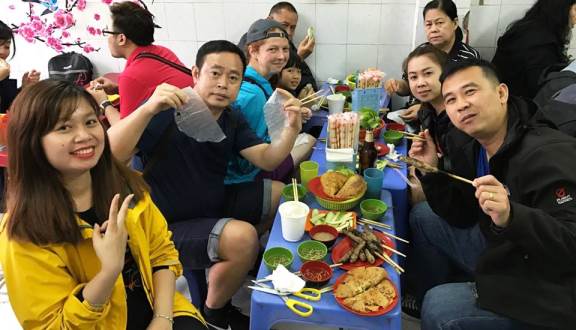
From Hanoi’s gently seasoned noodle soups and creamy egg coffee to Hue’s elegant royal-style dishes and the Mekong Delta’s sweet-and-savory specialties, each region offers a distinct taste of Vietnamese culture. Enjoying these local dishes where they originate not only lets you discover authentic flavors but also turns every meal into a memorable part of your journey.
Fully Licensed Local Agency
Vietnam Highland Adventure & Cultural Tours
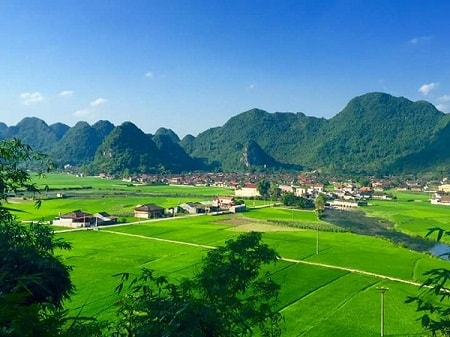
Venture off the beaten track to Sapa, Ha Giang, and Bac Son Valley with dedicated private 4WD transport, expert local trekking guides, and authentic village homestays.
Top Cultural Places in Vietnam Every Traveler Should Experience
Choosing the right cultural destinations in Vietnam takes more than simply picking places from a map. It is good to consider their location, historical and cultural importance, seasonal weather, and how easy they are to reach. From historic cities and UNESCO-listed heritage sites to scenic mountain regions home to diverse ethnic communities, Vietnam offers an impressive variety of cultural experiences for every type of traveler.
The comparison table below provides an expert overview of Vietnam’s top cultural regions, key historical elements, ideal travel windows, and recommended durations for in-depth exploration:
| Destination & Region | Primary Cultural Highlight | Architectural & Heritage Style | Best Time to Visit | Suggested Stay |
|---|---|---|---|---|
| Hoi An Ancient Town | 15th-19th century trading port, lantern culture | Sino-Vietnamese timber frame, Japanese bridge | February to August | 2 to 3 Days |
| Hue Royal City | Nguyen Dynasty Imperial Citadel and Royal Tombs | Imperial geomancy, royal palaces, ornate mosaic | January to April | 2 Days |
| Ho Chi Minh City | Southern metropolitan history, war heritage | French neoclassical, modern Vietnamese fusion | December to April | 2 to 3 Days |
| Mekong River Delta | Riverine civilization, Cai Be & Cai Rang markets | Stilt houses, floating villages, Khmer pagodas | December to April | 1 to 2 Days |
| Sapa Highlands | Hmong & Red Dao cultures, rice terrace engineering | Highland wooden stilt houses, earthen dwellings | March to May, Sept to Oct | 2 to 3 Days |
| Ha Giang Karst Plateau | Untouched ethnic markets, Dong Van Karst Geo-park | Ancient clay wall houses, Hmong stone architecture | September to November | 3 to 4 Days |
| Hanoi Capital | Thousand-year-old dynastic history, 36 Guild Streets | Tube houses, French colonial villas, ancient temples | October to April | 2 to 3 Days |
| My Son Sanctuary | 4th-13th century Champa Kingdom religious center | Mortarless red brick towers, Hindu stone bas-reliefs | February to August | Half Day (from Hoi An) |
01. Hoi An Ancient Town: A Living Museum of Maritime Silk Road Heritage
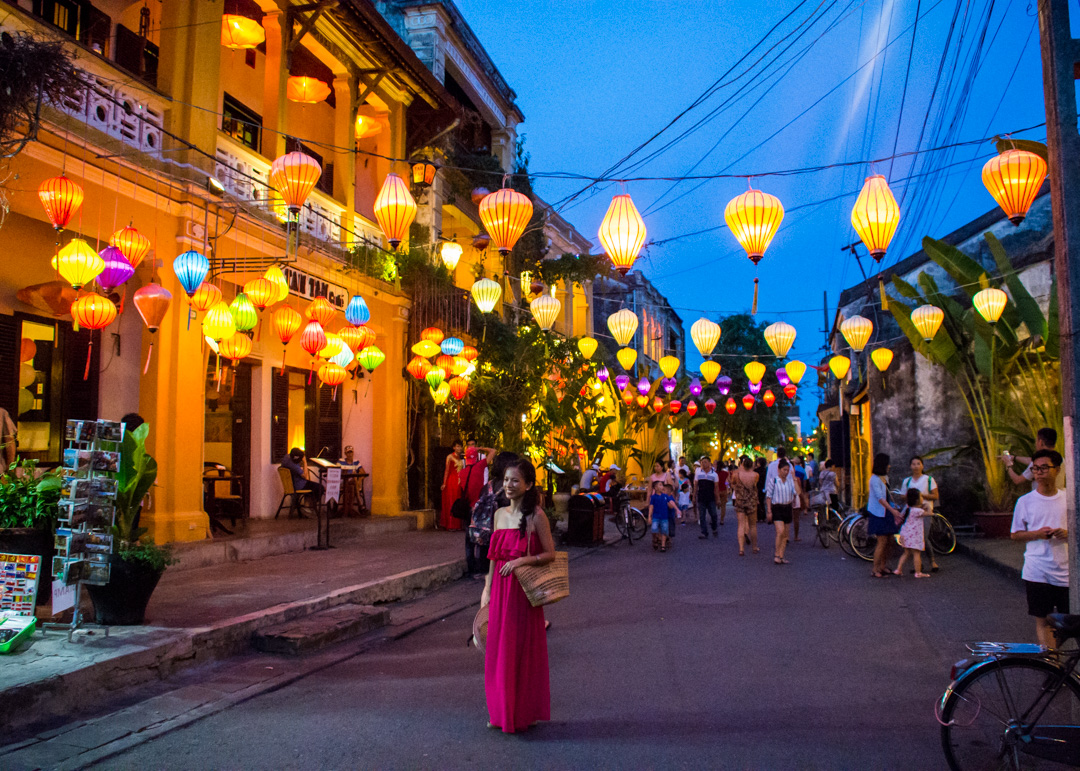
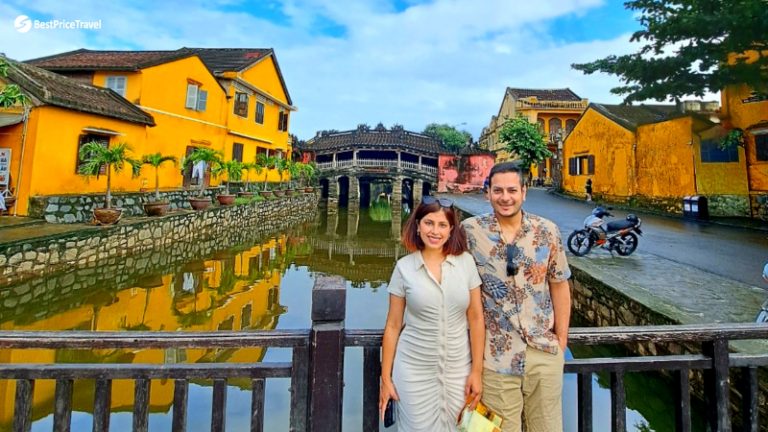
Hoi An Ancient Town, designated a UNESCO World Heritage Site in 1999, stands as an exceptionally well-preserved example of a Southeast Asian trading port dating from the 15th to the 19th century. During its golden age, Hoi An attracted merchants from Japan, China, Portugal, the Netherlands, and India, who settled along the Thu Bon River and left behind a remarkable blend of architectural styles, traditions, and cultural influences.
Strolling through the pedestrian-only historic streets, visitors admire traditional wooden shophouses with yellow ochre facades, carved wooden roof trusses, and Chinese assembly halls dedicated to seafaring deities. The iconic Japanese Covered Bridge, constructed in the late 16th century, serves as an enduring symbol of peaceful international friendship. At dusk, thousands of silk lanterns illuminate the riverbanks, creating a mesmerizing historical atmosphere.
02. Hue Royal City: Reliving Vietnam’s Imperial Past
Hue served as the national capital of Vietnam from 1802 to 1945 under the 13 emperors of the Nguyen Dynasty. Situated along the poetic Perfume River, Hue features the finest traditions of Vietnamese classical architecture, royal court music, and imperial cuisine. Its Nha Nhac royal court music, recognized by UNESCO, reflects the elegance and cultural sophistication of Vietnam’s former royal court.
At the heart of the city, the monumental Hue Citadel encompasses the Imperial City and the Forbidden Purple City, all protected by imposing stone walls and wide defensive moats.
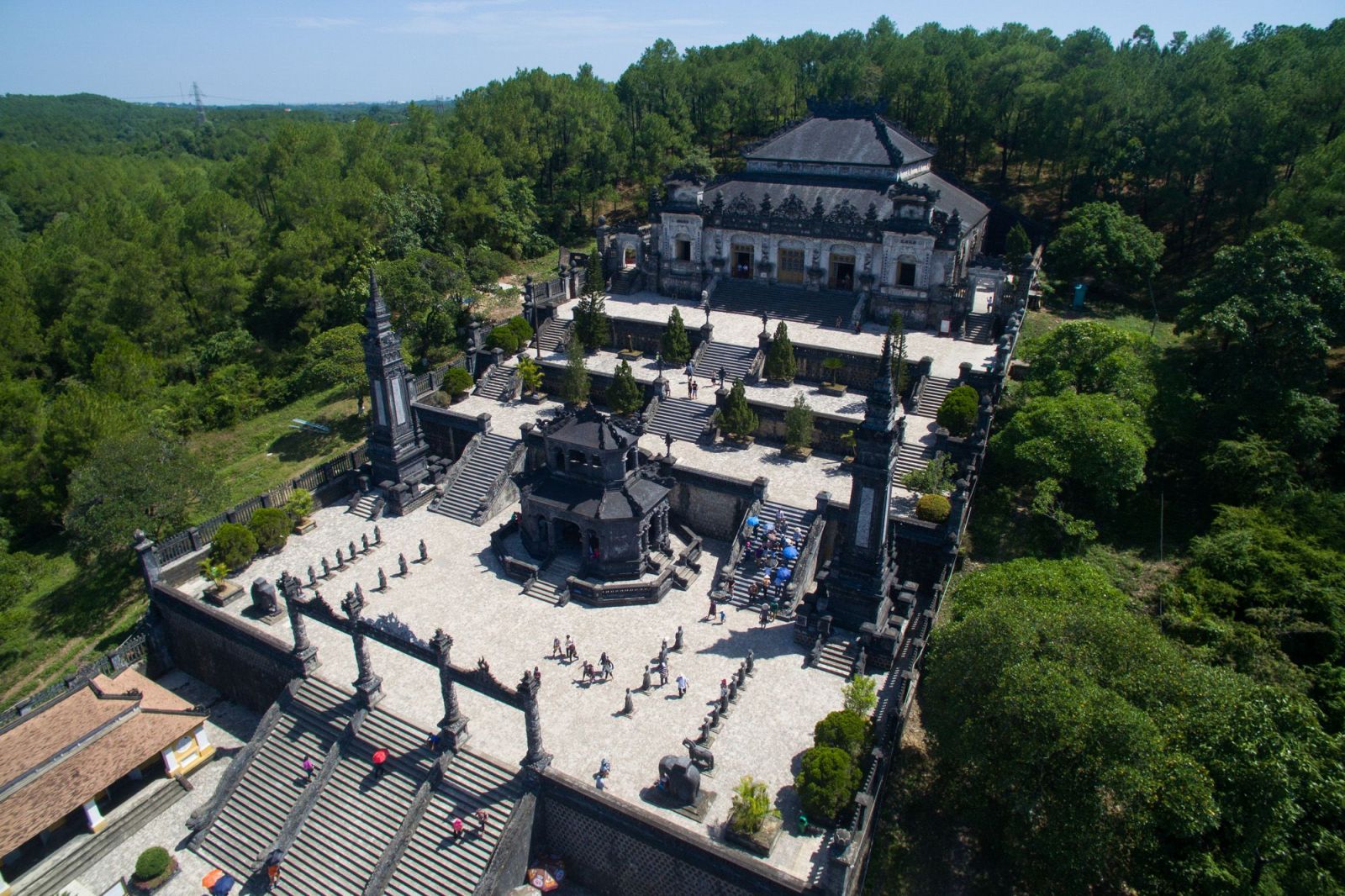
Beyond the central citadel, travelers explore the elaborate royal mausoleums scattered across the surrounding hills. The tomb of Emperor Khai Dinh showcases an astonishing fusion of European gothic architecture and traditional Vietnamese porcelain mosaic craftsmanship. In contrast, the tomb of Emperor Tu Duc offers a tranquil poetic sanctuary with lotus-filled lakes and wooden pavilions. Visiting Thien Mu Pagoda, an ancient seven-story pagoda established in 1601, provides deep spiritual serenity.
03. Ho Chi Minh City: A Fusion of Tradition and Modernity
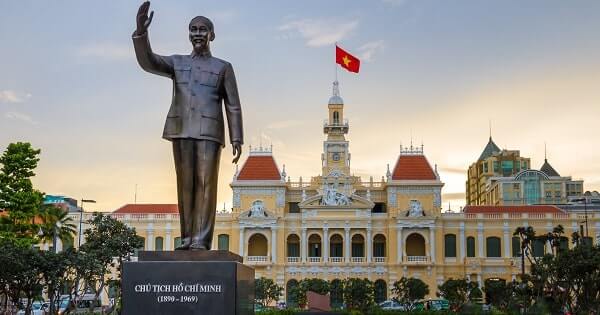
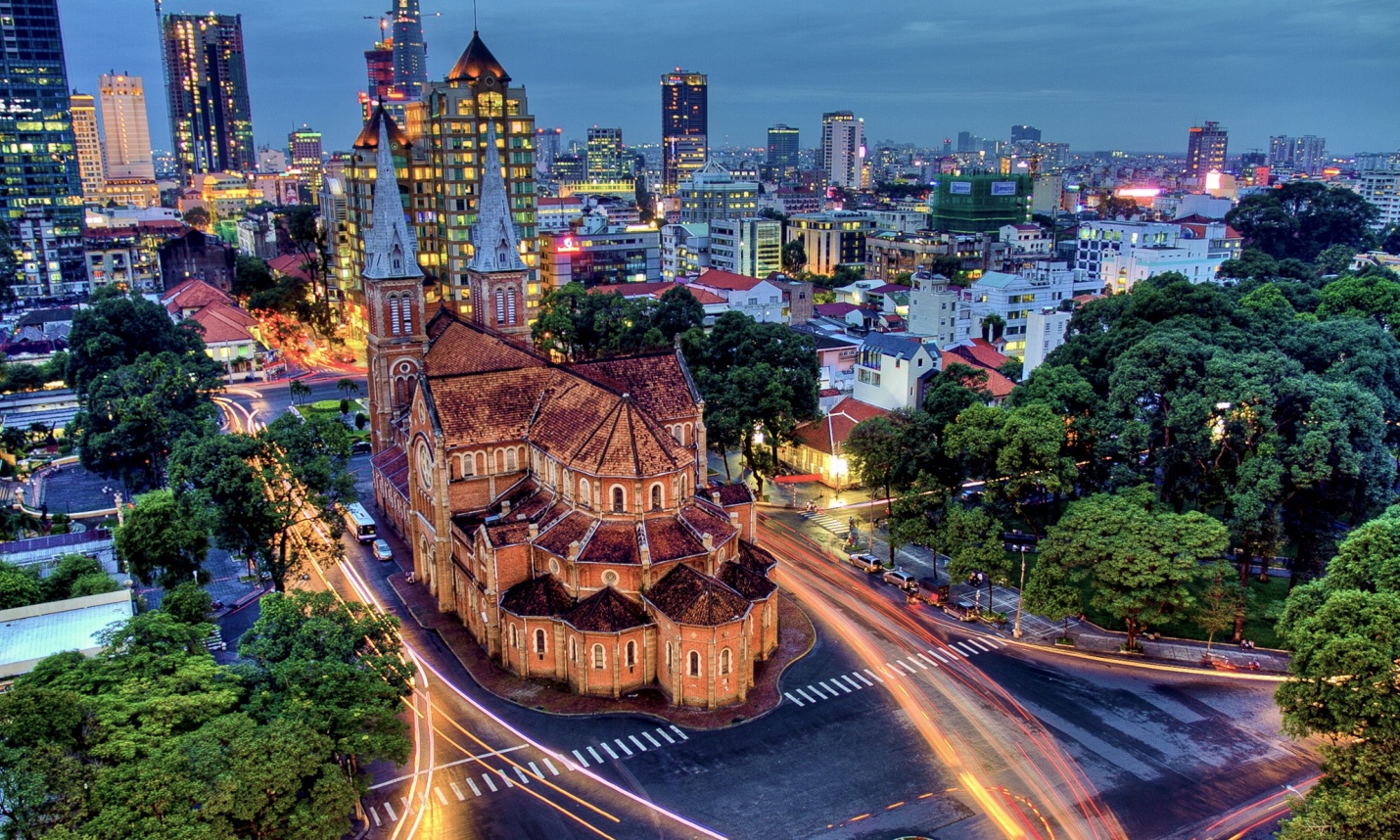
Ho Chi Minh City, formerly known as Saigon, is the energetic commercial center of southern Vietnam. Despite its rapid modernization and skyscrapers, the city carefully preserves its rich colonial heritage and cultural landmarks. Walking through District 1 reveals iconic French architectural masterpieces constructed during the late 19th century, including the Saigon Central Post Office designed by Gustave Eiffel and the magnificent Notre-Dame Cathedral Basilica.
A deeper cultural exploration takes visitors into Cholon (Saigon’s Chinatown in District 5), where incense coils hang continuously from the ceilings of the historic Thien Hau Pagoda. History enthusiasts gain profound insights into Vietnam’s 20th-century history by touring the Reunification Palace and the War Remnants Museum, illustrating the resilience and determination of the Vietnamese people.
04. Mekong River Delta: Life on the Water and Riverine Traditions
The Mekong River Delta, known locally as the Nine Dragon River Delta, is a vast watery world where daily life, farming, and spiritual traditions are deeply connected to the rhythms of the tides and rivers. Spanning across 13 southwestern provinces, this fertile agricultural wonderland supplies over half of Vietnam’s total rice production and an abundance of exotic tropical fruits.
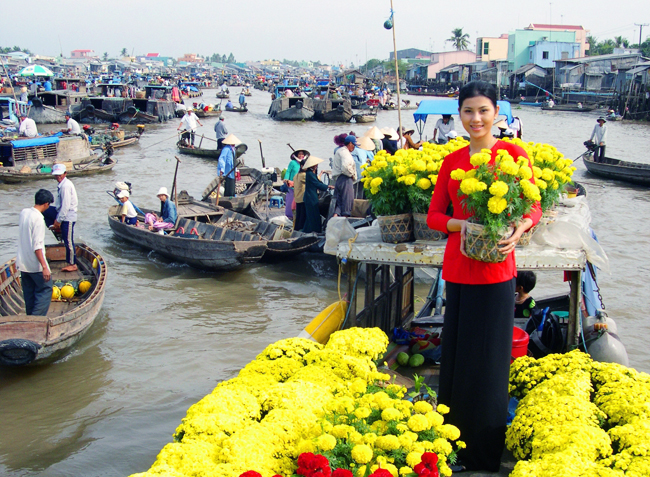
Navigating the intricate canals aboard traditional sampan wooden boats, travelers discover vibrant floating markets such as Cai Be and Cai Rang, where wholesale merchants advertise their produce by hanging watermelons, pomelos, or coconuts high upon bamboo poles. On land, traditional workshops demonstrate coconut candy making, rice paper drying, and traditional honey harvesting, offering an authentic glimpse into genuine southern river hospitality.
05. Sapa: A Haven for Highland Cultural Exploration
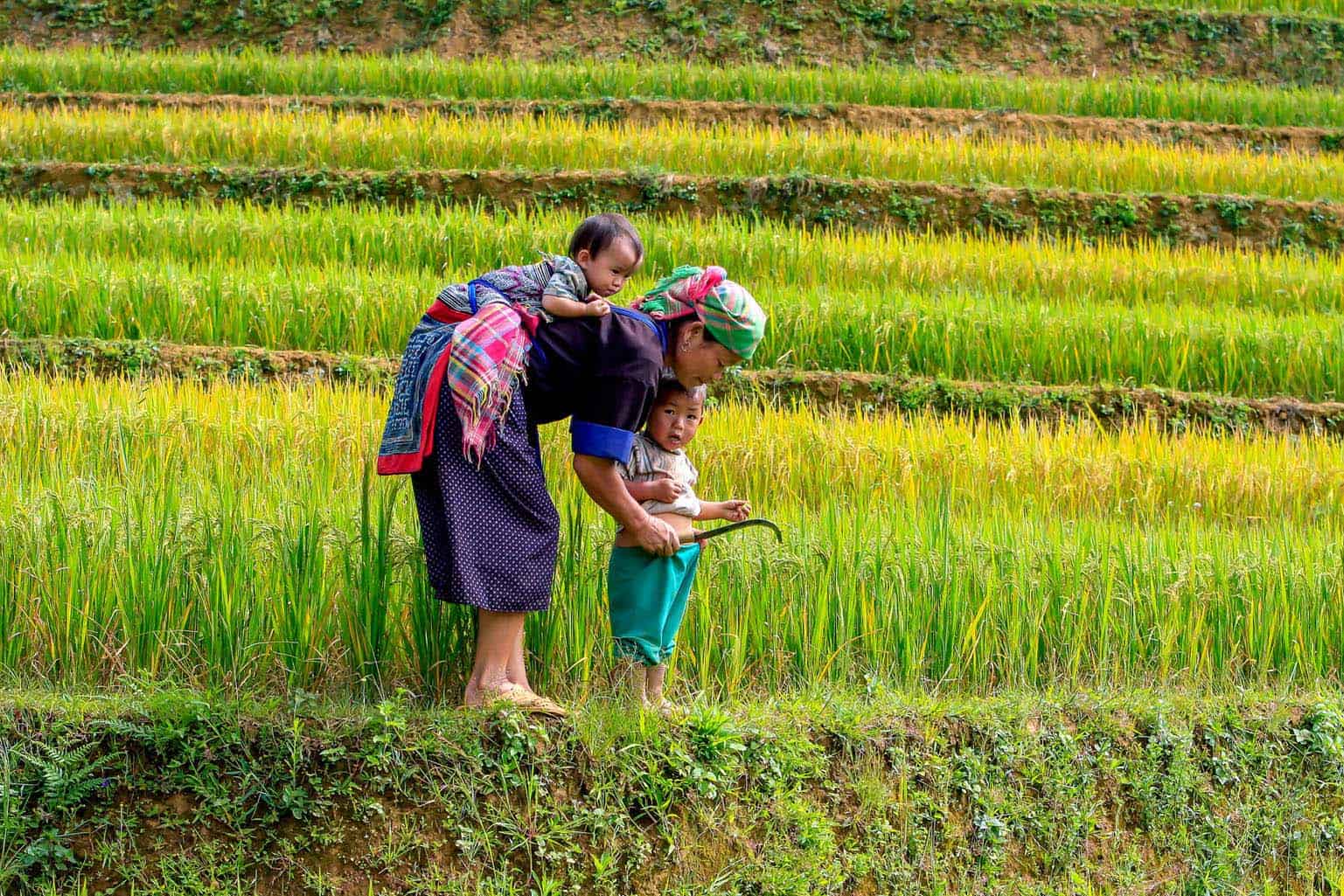
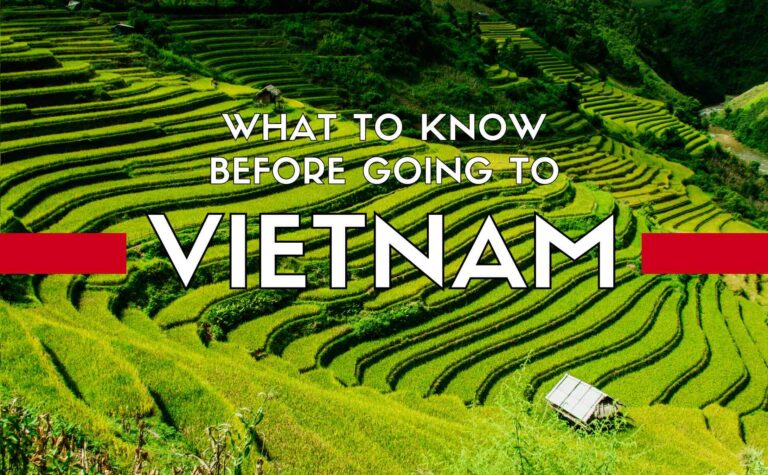
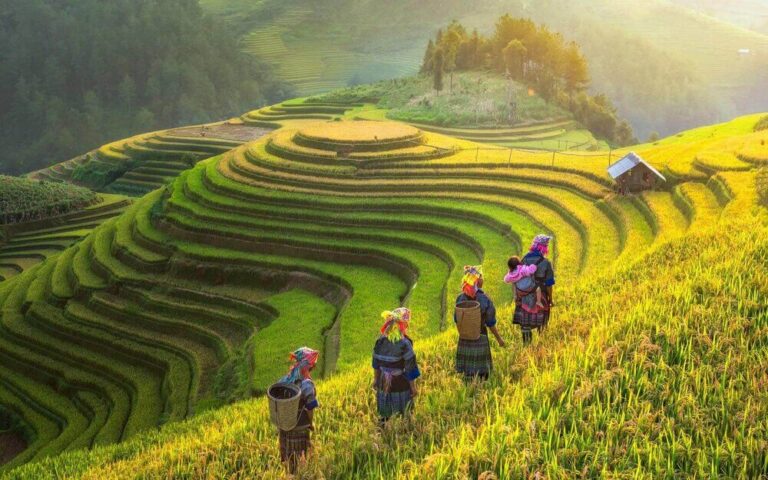
Perched high in the Hoang Lien Son mountain range in Lao Cai Province, Sapa is celebrated globally for its iconic cascading rice terraces, cool alpine climate, and rich ethnic heritage. This highland sanctuary is home to five main ethnic minority groups: the Black Hmong, Red Dao, Tay, Giay, and Xa Pho, who have coexisted for centuries while maintaining their ancestral cultural identities.
Trekking through picturesque valleys like Muong Hoa, Ta Van, and Cat Cat enables visitors to witness daily life in mountain hamlets, traditional silver jewelry forging, and special beeswax batik dyeing. Red Dao herbal baths, made with more than 30 wild medicinal herbs gathered from the forest, offer travelers a soothing way to relax and recharge both body and mind after a long day of mountain trekking.
.
06. Ha Giang: A Journey to Remote Karst Plateaus and Ancient Lands
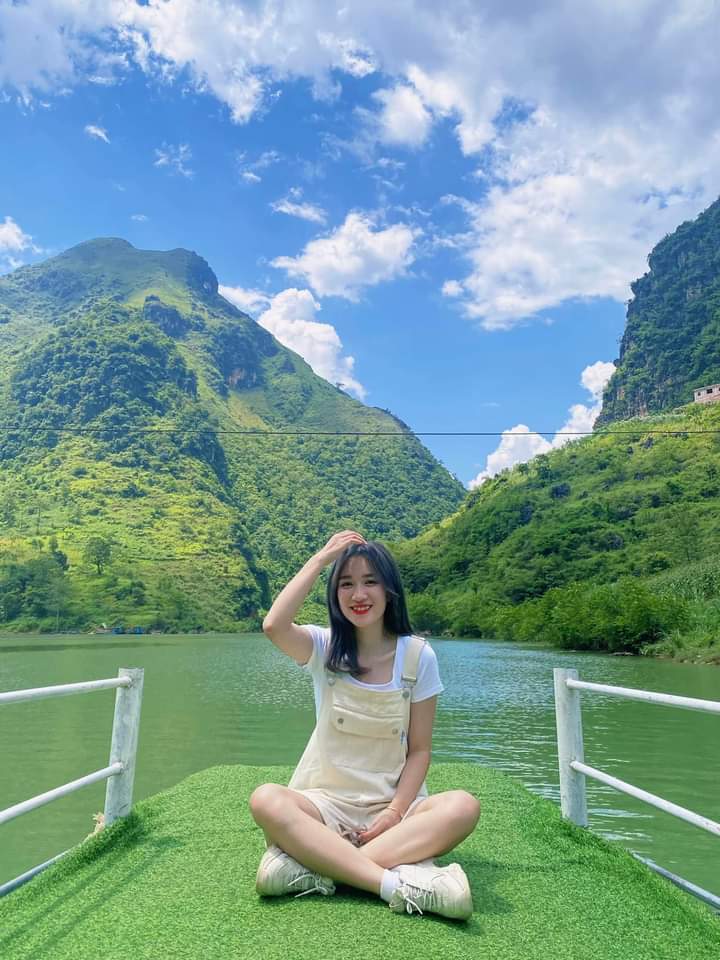
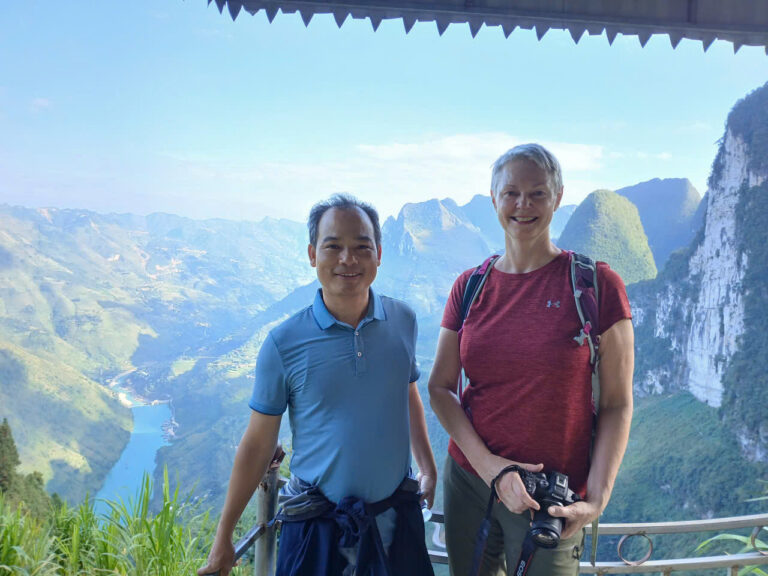
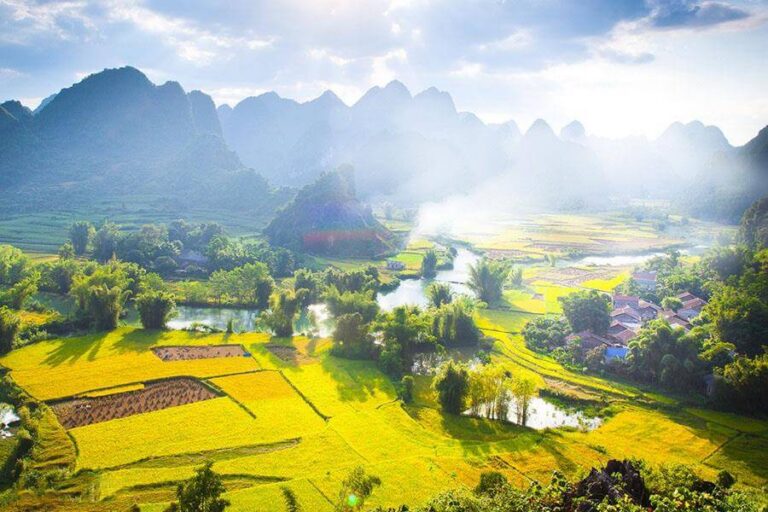
Ha Giang, Vietnam’s northernmost frontier province, is one of Southeast Asia’s most dramatic and pristine cultural landscapes. Recognized as the Dong Van Karst Plateau UNESCO Global Geopark, this spectacular geological wonderland features towering limestone peaks, deep canyons, and rugged mountain passes like the legendary Ma Pi Leng Pass.
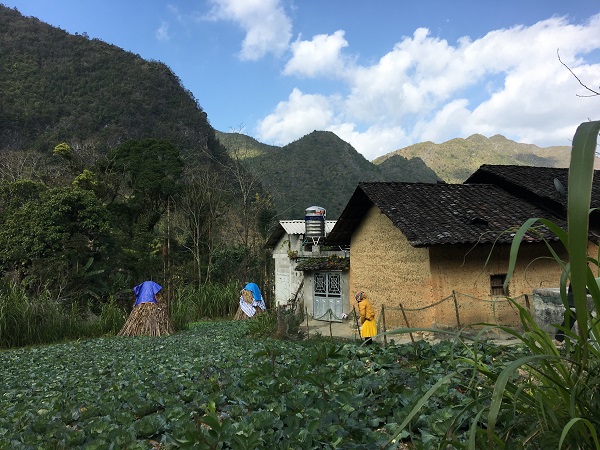
Beyond its breathtaking natural beauty, Ha Giang preserves 17 distinct ethnic groups whose customs remain virtually untouched by mass tourism. Exploring weekly hill tribe markets in Dong Van, Meo Vac, or Lung Cu provides an explosion of colors, where ethnic villagers dressed in traditional handwoven attire trade livestock, hand-embroidered textiles, and local corn wine. The 100-year-old Hmong King Palace (Dinh Vua Meo) in Sa Phin offers fascinating architectural proof of local autonomy during the French colonial period.
07. Hanoi Capital: The Thousand-Year-Old Heart of Vietnamese Civilization
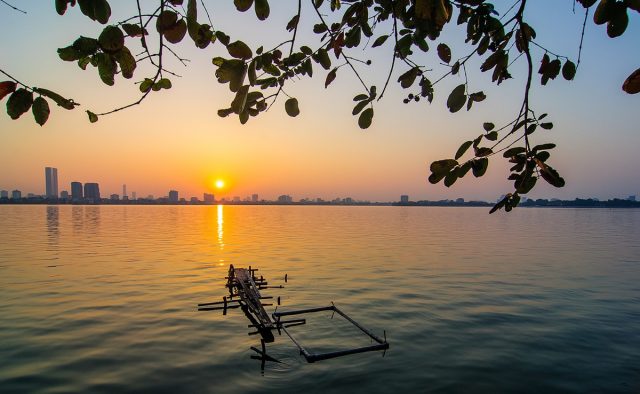
Established as the capital Thang Long in 1010 AD by King Ly Thai To, Hanoi stands as the enduring cultural, intellectual, and political heart of Vietnam. The capital beautifully blends its rich heritage with the energy of modern daily life, especially in the Old Quarter’s 36 historic guild streets. Each street was traditionally associated with a particular craft or trade, giving it a name that reflected the goods sold there—for example, Hang Gai (Silk Street) was known for silk products, while Hang Bac (Silver Street) was home to silver craftsmen and traders.
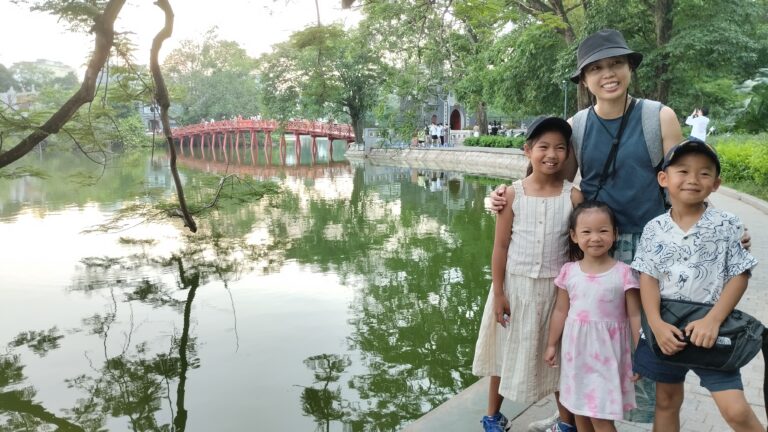
Key cultural highlights include the Temple of Literature (Van Mieu), Vietnam’s first national university founded in 1070, featuring stone steles of doctor laureates perched atop sacred stone turtles. Travelers exploring Hanoi with our customized Vietnam itineraries also experience the serene waters of Hoan Kiem Lake, Ngoc Son Temple, the historic One Pillar Pagoda, and the picturesque West Lake at sunset.
08. My Son Sanctuary: A Mystical Glimpse into the Ancient Champa Kingdom
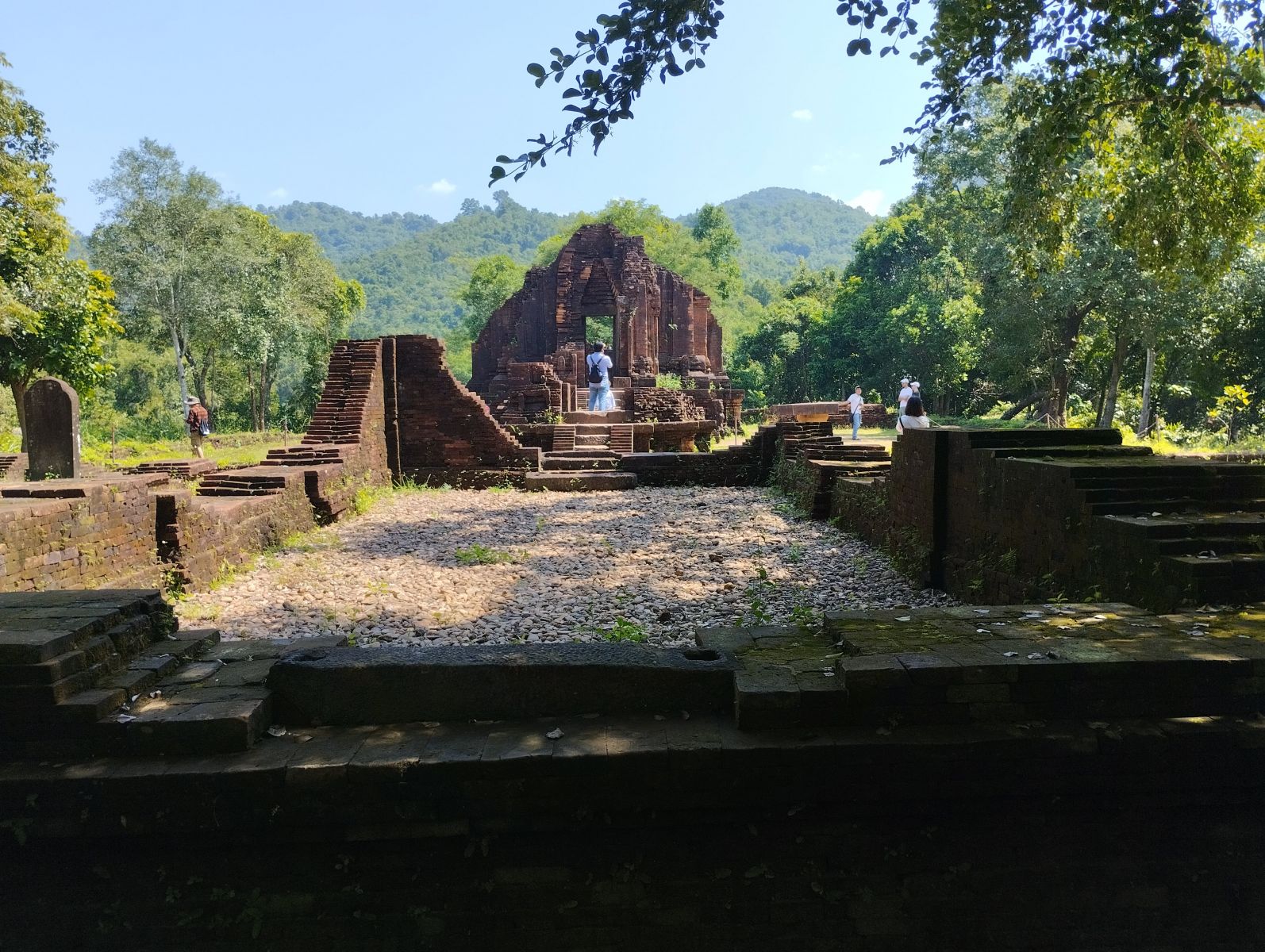
Tucked within a secluded valley surrounded by lush tropical mountains in Quang Nam Province, My Son Sanctuary is one of the foremost archaeological treasures in Southeast Asia. Serving as the main religious and political capital of the Champa Kingdom between the 4th and 13th centuries, My Son features over 70 red-brick temple towers dedicated to Hindu deities, predominantly Lord Shiva.
What fascinates archaeologists and travelers alike is the unique mortarless construction technique used by ancient Cham builders, who bonded red fired bricks together using natural organic resins without visible mortar joints. The intricate sandstone carvings depict celestial dancers (Apsaras), sacred animals, and Hindu mythology. Attending an authentic Cham traditional dance and music performance on-site adds rich living context to this ancient spiritual valley.
Step-by-Step Guide on How to Experience Cultural Places in Vietnam for First-Time Travelers
Maximizing the educational and cultural value of your journey across Vietnam requires systematic planning, respectful cultural awareness, and optimized regional routing. Follow this standard operating guide curated by Golden Holiday Travel’s senior tour leaders to ensure a seamless and deeply authentic travel experience:
- Define your main cultural travel region: Select either a North-to-South or South-to-North longitudinal routing spanning 10 to 15 days to seamlessly connect Hanoi, Sapa, Hue, Hoi An, and the Mekong Delta without backtracking.
- Schedule temple and monument visits during early morning hours: Arrive at major cultural landmarks like Hue Citadel, My Son Sanctuary, or Hanoi’s Temple of Literature by 7:30 AM to beat midday heat and large group tour crowds.
- Adhere strictly to sacred dress codes: Wear respectful clothing covering shoulders and knees when visiting Buddhist pagodas, temples, and communal shrines across all provinces.
- Secure an officially licensed English-speaking local private guide: Partner with certified local guides through Golden Holiday Travel who provide in-depth historical insights, translate ethnic dialects, and bridge cultural interactions.
- Arrange private vehicle transfers for highland and regional routes: Eliminate transit stress on mountainous passes in Ha Giang and Sapa by booking dedicated private modern SUVs with professional licensed drivers.
- Engage ethically with indigenous artisans: Purchase authentic handwoven crafts directly from village artisans in Sapa and Ha Giang rather than factory-made souvenirs to directly support local indigenous households.
- Participate in hands-on cultural workshops: Enhance your historical understanding by booking interactive lantern-making classes in Hoi An, pottery workshops in Bat Trang, or traditional cooking courses in Hue.

Common Mistakes to Avoid When Visiting Cultural Places & Our Local Tips
Independent travelers often encounter common logistical hurdles, cultural misunderstandings, and commercial tourist traps when navigating historic destinations in Vietnam. Below are vital pitfalls to avoid, accompanied by our expert corrective guidance:
- Mistake 1: Over-packing itineraries across too many distant regions.
Corrective Advice: Do not attempt to cover Hanoi, Sapa, Ha Giang, Hue, Hoi An, and the Mekong Delta within 7 days. Dedicate a minimum of 2 to 3 days per cultural hub to allow meaningful exploration and prevent traveler fatigue. - Mistake 2: Disregarding temple decorum and photo etiquette in sacred shrines.
Corrective Advice: Always ask permission before photographing ethnic minority elders and children. Remove hats and shoes where indicated, and avoid pointing your feet directly toward Buddhist altars. - Mistake 3: Booking unlicensed roadside transport or rigid large-bus tours.
Corrective Advice: Large 45-seat tour buses cannot navigate narrow historic streets in Hoi An or mountainous passes in Ha Giang. Utilize private car transfers with certified operators who guarantee modern safety features and flexible photo stops. - Mistake 4: Missing authentic highland morning markets due to late departures.
Corrective Advice: Mountain markets in Ha Giang, Bac Ha, and Sapa reach peak activity between 6:30 AM and 9:00 AM. Depart your hotel early to experience the authentic energy before commercial tour crowds arrive. - Mistake 5: Failing to carry local currency (VND cash) in remote rural areas.
Corrective Advice: While major hotels in Hanoi and Ho Chi Minh City accept credit cards, highland homestays, local fruit boats in the Mekong, and handicraft artisans in Sapa deal exclusively in Vietnamese Dong cash.
Fully Licensed Local Agency
Vietnam Family Heritage Holidays & Cruises
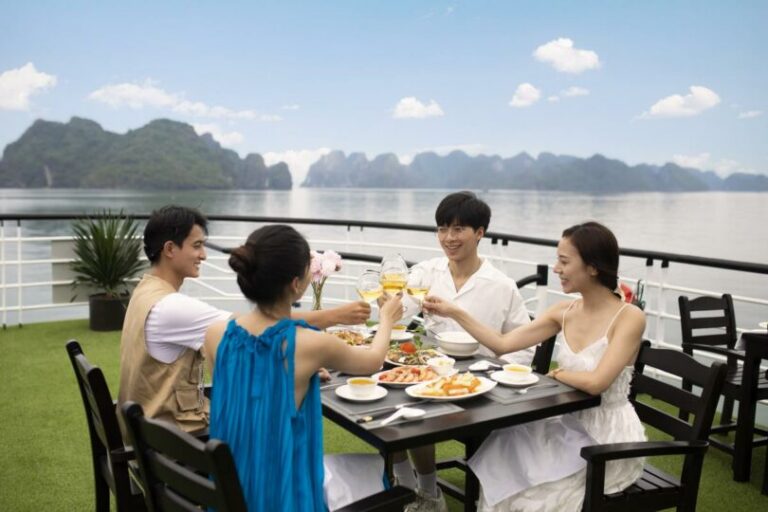
Design balanced cultural itineraries featuring kid-friendly workshops, luxury bay cruises, private van transfers, and hand-picked boutique hotels across Vietnam.
Frequently Asked Questions (FAQs) About Cultural Places to Visit in Vietnam
What is the single best cultural destination in Vietnam for first-time visitors?
Hoi An Ancient Town is the top recommended destination for first-time visitors due to its compact UNESCO-listed historic streets, preserved multi-cultural architecture, vibrant lantern culture, and convenient proximity to both My Son Sanctuary and Danang International Airport.
How many days are required to thoroughly explore Vietnam’s cultural highlights?
A comprehensive cultural journey covering Hanoi, Hue, Hoi An, and the Mekong Delta requires 10 to 14 days. Adding northern highland cultural immersions in Sapa or Ha Giang extends the recommended itinerary duration to 15 to 18 days.
What is the appropriate etiquette when visiting temples and ethnic villages?
Always wear modest attire covering shoulders and knees, remove footwear where requested, speak softly inside pagodas, and ask for permission before taking photographs of local residents, sacred altars, or ceremonies.
Can cultural itineraries in Vietnam be customized for seniors and families?
Yes, Golden Holiday Travel specializes in tailor-made private tours with flexible daily pacing, private air-conditioned vehicle transfers, accessible hotel accommodations, and customized culinary options tailored to senior travelers and families with young children.
Plan Your Perfect Customized Vietnam Tour with Our Travel Experts
Embark on an enriching cultural journey across Vietnam with the local travel specialists at Golden Holiday Travel. Contact our dedicated support team 24/7 via WhatsApp at +84.988451530 or email [email protected] to receive your bespoke travel proposal within 24 hours.
Note: The travel information and recommendations provided in this article are curated by the travel experts at Golden Holiday Travel for informational purposes. For personalized itinerary planning and direct support, please contact our team.
Meet Our Experts

Suggested

Featured article



Related Articles


Write Comment