
Top 8 Authentic Ethnic Markets Near Sapa You Shouldn’t Miss in Your Trip to Sapa
Markets around Sapa are much more than places to buy and sell goods. They are cultural meeting grounds for dozens of ethnic minority groups across the northern highlands of Vietnam. For travelers planning a trip to Sapa, visiting one of these markets offers a genuine glimpse into long-standing traditions, highland farming, and everyday life that feels far removed from the usual tourist experience.
With over 10 years of crafting tailor-made Vietnam travel itineraries, our local experts at Golden Holiday Travel have guided thousands of travelers to experiences that go far beyond a typical checklist. Drawing on first-hand local knowledge and trusted travel insights, this guide will help you plan a smooth and well-organized market visit around Sapa, with practical tips to match your interests, travel style, and schedule.
KEY TAKEAWAYS FOR TRAVELERS
- Weekly Rotation: Most traditional markets operate on specific days of the week (Bac Ha and Muong Hum on Sunday, Can Cau on Saturday, Coc Ly on Tuesday, Cao Son and Sin Cheng on Wednesday, Lung Khau Nhin on Thursday).
- Early Arrivals Matter: Peak trading happens between 7:30 AM and 10:00 AM. Arriving early lets you witness livestock trading and community socializing before mid-day heat.
- Cash Is Essential: Hill tribe vendors do not accept credit cards or digital payments; carry sufficient Vietnamese Dong (VND) in small denominations.
- Private Transport Recommended: Remote markets sit 50 km to 130 km from Sapa town along winding mountain passes best navigated with a licensed driver and private vehicle.
Why Sapa’s Local Markets Are Worth Visiting?
Local markets in Sapa offer foreign travelers a direct window into highland minority cultures, authentic trading rituals, and regional crafts that have remained intact across generations. Unlike standard souvenir shops in big cities, these regional fairs function as essential centers for village commerce and community life.

Fully Licensed Local Agency
Northern Vietnam Tours & Sapa Market Excursions
Explore authentic ethnic minority markets with private English-speaking local guides, comfortable private car transfers, and customized mountain itineraries designed around your preferences.
More Than Shopping: A Window Into Local Life
Traditional markets in the northern mountain area of Vietnam are fundamental social settlements. For villagers living in isolated mountain valleys, the weekly market is their main opportunity to catch up with relatives, drink corn wine with friends, share hot bowls of soup, and exchange community news.
During market mornings, you will observe local barbers giving haircuts along open pathways, blacksmiths repairing farming implements, and families dining together on traditional dishes like thang co. This social foundation gives hill tribe markets an authentic character distinct from conventional shopping centers.
Meet the Ethnic Communities Around Sapa
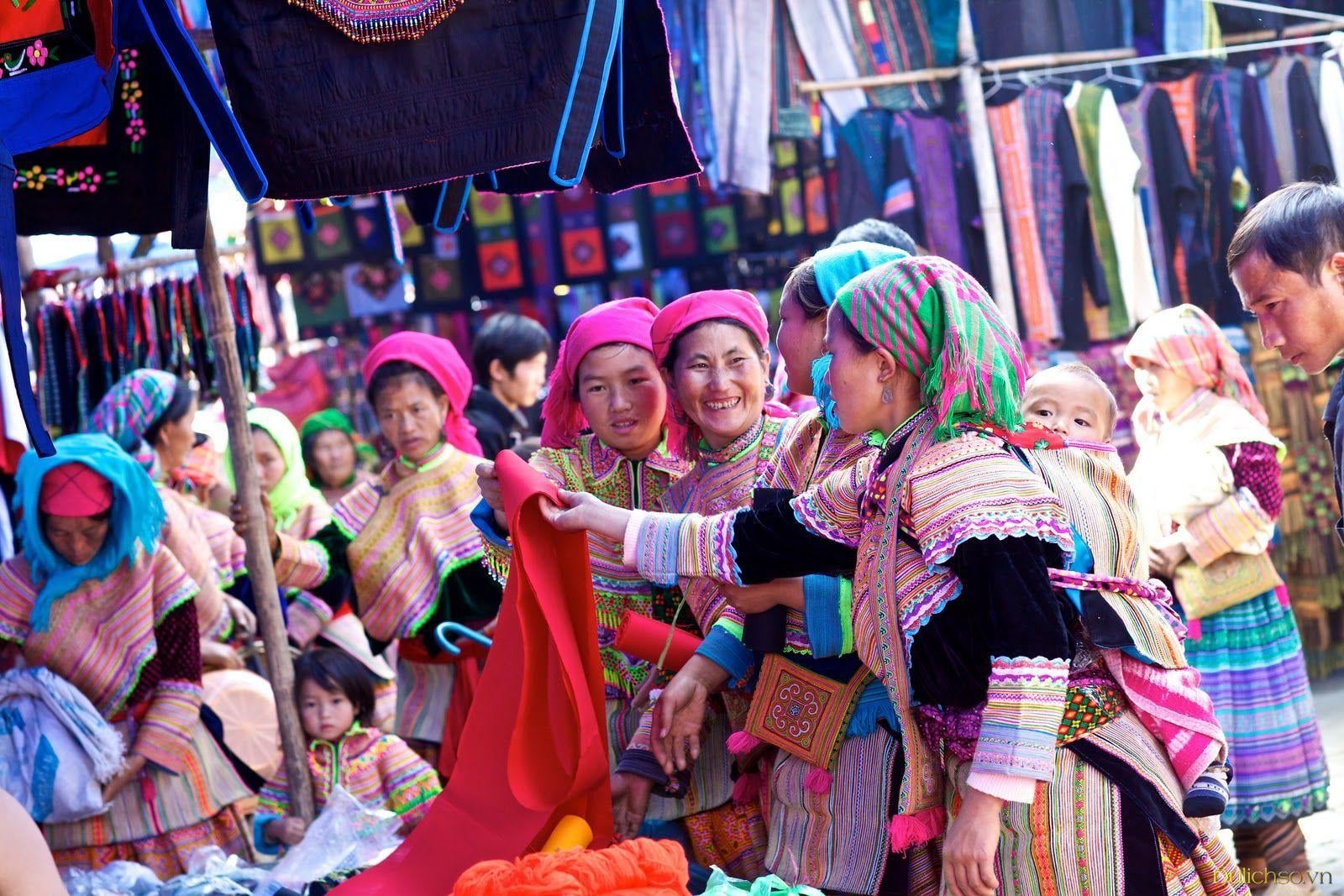
Lao Cai province is home to over 25 distinct ethnic minority groups, each maintaining its own language, customs, architecture, and dress codes. Visiting local markets in Sapa allows you to meet members of the Flower Hmong, Black Hmong, Red Dao, Tay, Giay, Nung, and Phu La communities in one central location.
Locals attend these gatherings dressed in their finest handmade garments. Observing the intricate embroidery of the Red Dao headscarves or the multi-layered skirts of the Flower Hmong provides clear insight into the cultural identity preserved across mountain hamlets.
Discover Traditional Handicrafts, Food, and Local Products
Traditional markets near Sapa Vietnam showcase farm-fresh produce, local specialties and authentic mountain crafts. Stalls feature raw materials such as naturally dyed indigo thread, hand-made hemp fabrics, beeswax-drawn batik panels, hand-forged farming knives, and carved wooden tools.
You will also encounter distinct food sections with fresh wild herbs, mountain mushrooms, black cardamom, pure forest honey, and seasonal highland fruits like plums and peaches. Purchasing these items directly supports local artisans and farming households.
Top 8 Markets Around Sapa You Shouldn’t Miss
Planning your market visits requires checking specific weekly schedules and travel distances across the mountain terrain. Below are the best ethnic markets to visit near Sapa, organized with practical details on locations, operating days, and highlights.
1. Bac Ha Market – The Largest and Most Colorful Market in the Region
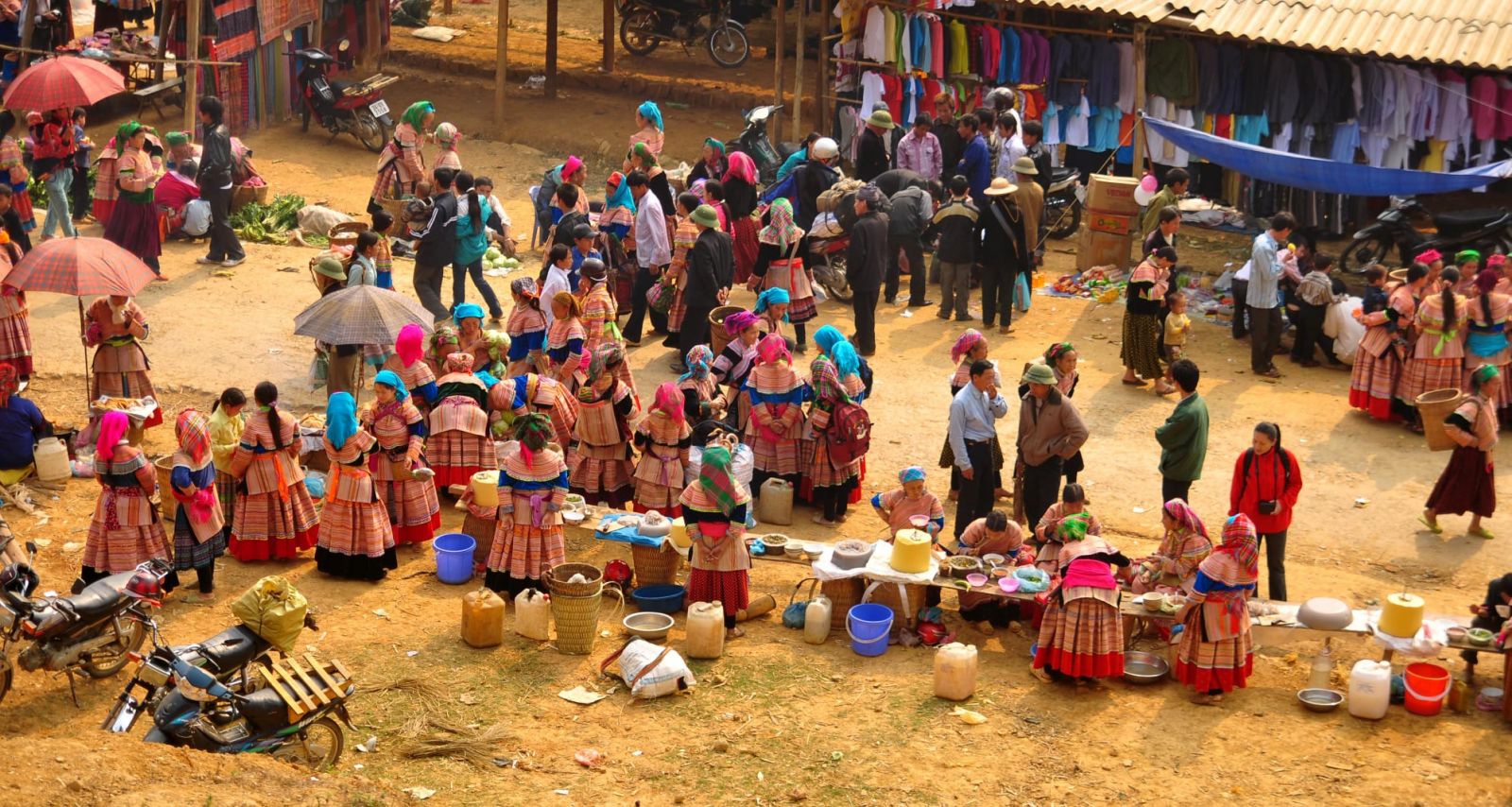
A visit to Bac Ha market on Sunday morning is widely regarded as one of the standout cultural highlights in northern Vietnam. Located approximately 100 km from Sapa town and 65 km from Lao Cai city, Bac Ha is the largest trading hub in the northwest highlands.
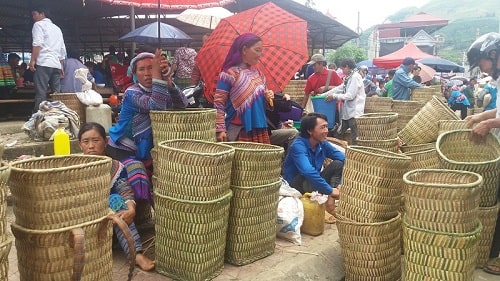
The market comes alive as hundreds of Flower Hmong, Black Dao, Tay, Nung, and Giay villagers descend from nearby hillsides. The space is divided into distinct zones: a lively fresh-produce area, a large textile section filled with colorful fabrics, a bustling food court serving corn wine and steaming hot broth, and a busy livestock area where water buffaloes, horses, and local pigs are traded.
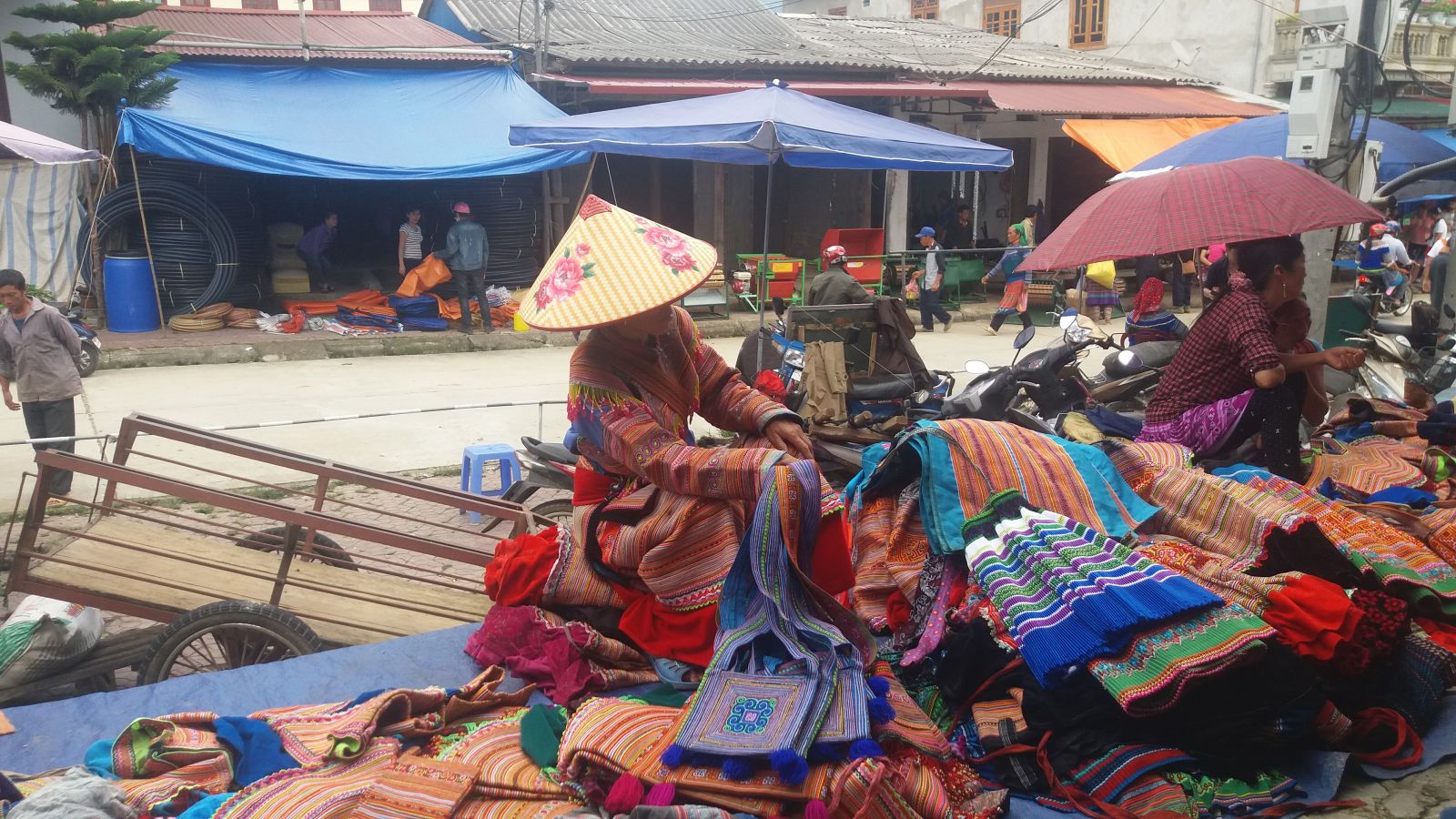
To experience the lively atmosphere at its peak, arrive between 7:30 AM and 10:00 AM before afternoon trading winds down. You can easily include this destination as a day trip from Sapa or combine it with a broader Vietnam travel itinerary that includes nearby historic stops such as Hoang A Tuong Castle or Ba Pho Village
- Market Day: Every Sunday Morning (6:00 AM – 2:00 PM)
- Distance from Sapa: 100 km (approx. 2.5 to 3 hours drive)
2. Coc Ly Market – A Riverside Market Full of Local Charm
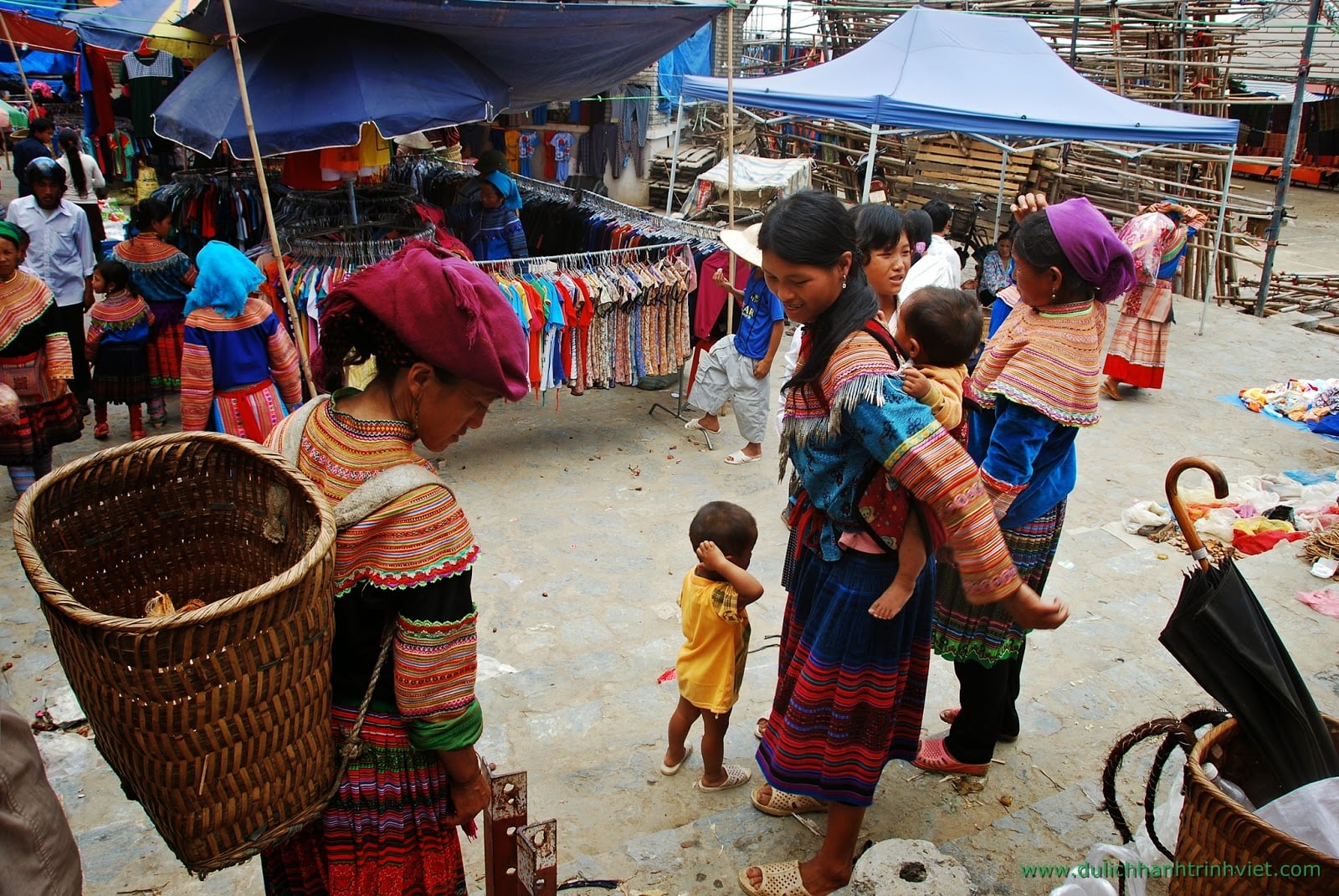
Coc Ly market takes place every Tuesday morning along the peaceful banks of the Chay River in Bac Ha district, roughly 80 km from Sapa town. This gathering attracts Flower Hmong, Black Dao, Nung, and Tay villagers who arrive on foot, on horseback, or via wooden riverboats.
The riverside setting gives Coc Ly a distinct character. Travelers can browse mountain spices, homemade corn whiskey, and embroidered textiles before boarding a scenic boat ride along the Chay River to visit quiet riverside caves and minority hamlets.
- Market Day: Every Tuesday Morning (7:00 AM – 1:00 PM)
- Distance from Sapa: 80 km (approx. 2 to 2.5 hours drive)
3. Can Cau Market – A Lively Gathering in the Mountains
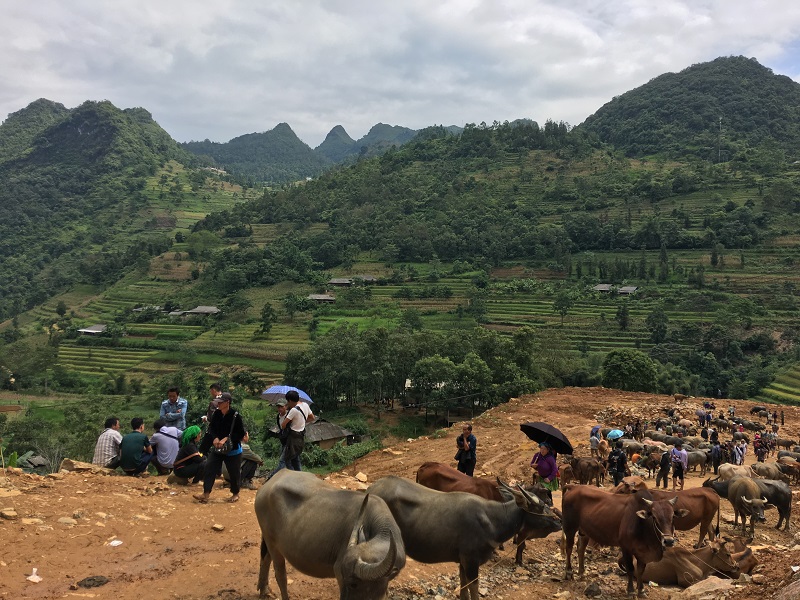
Can Cau market is an open-air mountain market situated in Si Ma Cai district, just 7 km from the international border with China and 120 km from Sapa. Operating every Saturday morning, it offers a deeply authentic look into highland trading routines.
Can Cau is particularly renowned for hosting the largest live water buffalo market in northwest Vietnam. Set along stepped mountain terraces, hundreds of farmers negotiate livestock sales, while stalls display medicinal herbs, sugar cane, clothing, and hot food.
- Market Day: Every Saturday Morning (6:30 AM – 12:30 PM)
- Distance from Sapa: 120 km (approx. 3 to 3.5 hours drive)
4. Muong Hum Market – A Glimpse into Authentic Highland Life
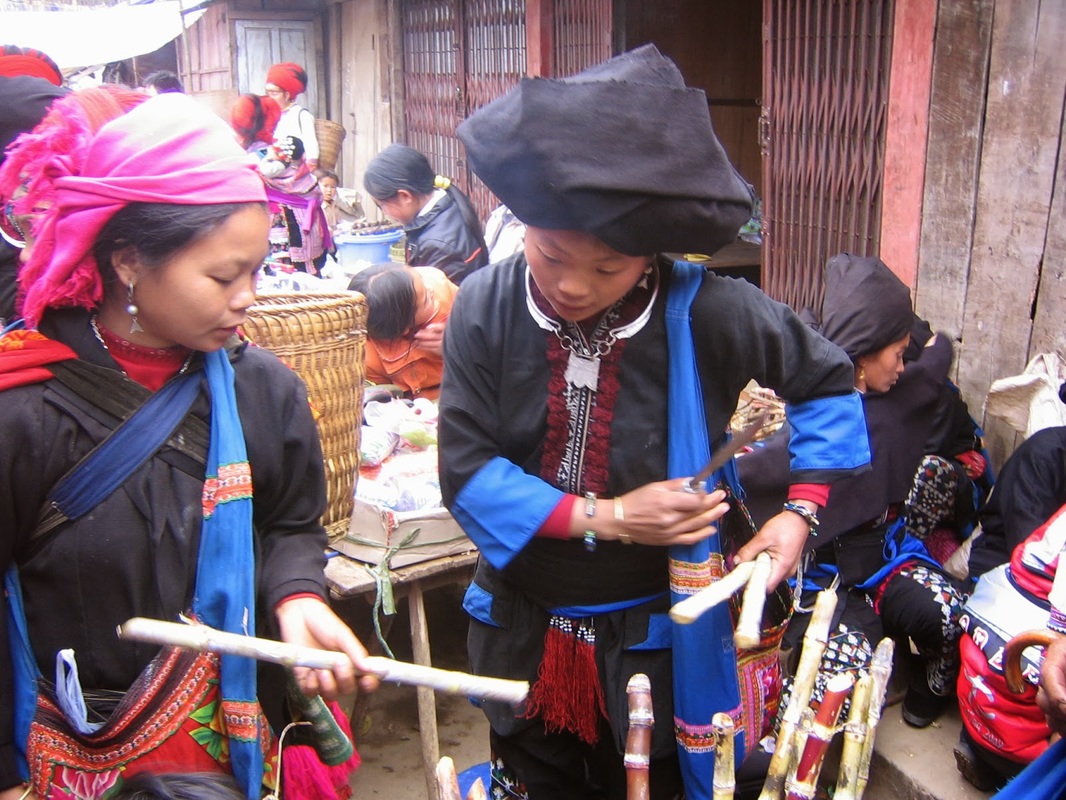
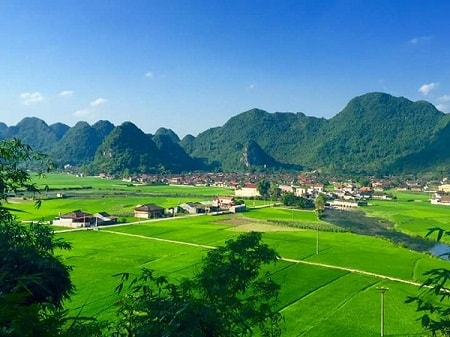
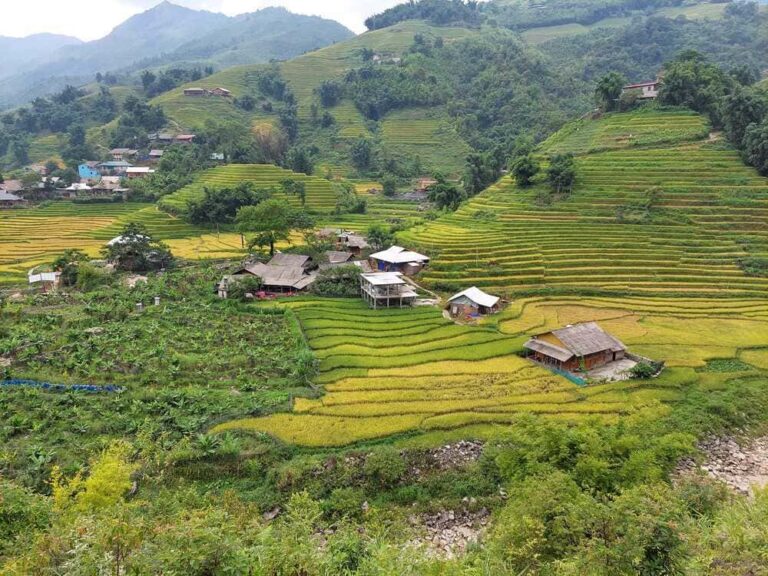
If you want to escape commercialized crowds, Muong Hum Market in Bat Sat district is one of the most rewarding options. Situated 50 km northwest of Sapa at the base of a scenic valley surrounded by terraced rice fields and mountain streams, it remains largely untouched by mass tourism.
Taking a Trip to Muong Hum Market on Sunday morning allows you to observe Hmong, Red Dao, Giay, and Ha Nhi villagers trading farm products, honey, cardamom, and woven baskets in a peaceful valley setting.
- Market Day: Every Sunday Morning (7:00 AM – 1:00 PM)
- Distance from Sapa: 50 km (approx. 1.5 to 2 hours drive)
>>>> Explore our detailed itinerary: Sapa Day Trip to Muong Hum Market & Ta Giang Phin village
5. Sapa Market : A Cultural Hub Right in Sapa Town
Conveniently located near the bus station in the center of town, Sapa market is a modern two-story building that operates seven days a week. It serves as a practical main point for visitors looking to browse local products without traveling far into the rural districts.
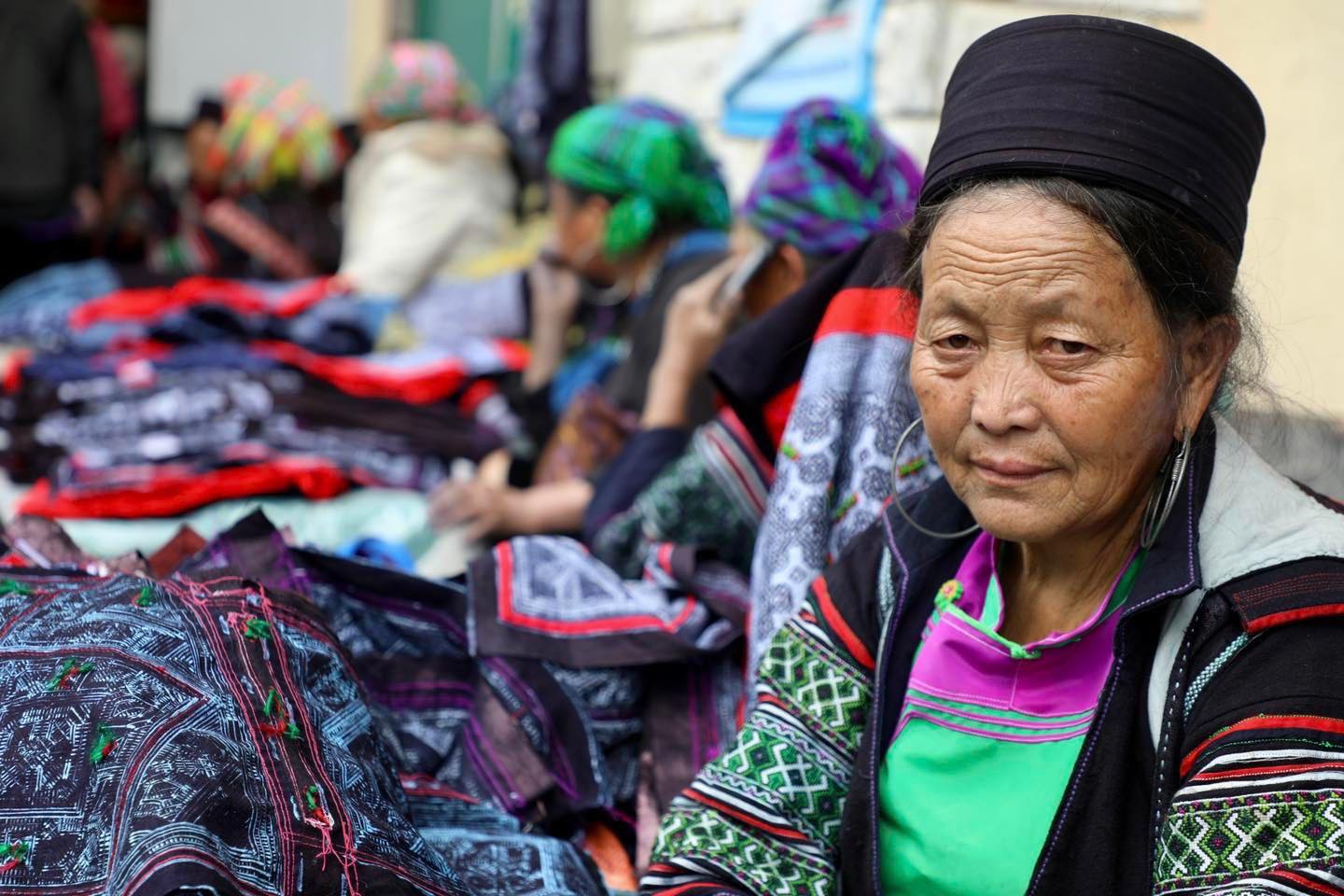
The ground floor features fresh fruit, highland vegetables, meat, and fragrant local spices. Upstairs, you will find handicraft stalls run by local Black Hmong and Red Dao women offering silver jewelry, embroidered blankets, bags, and traditional clothing.
- Market Day: Open Daily (6:00 AM – 6:00 PM)
- Location: Center of Sapa Town
>>>>>> Read more: Top 10 Unmissable Things to Do In Sapa
6. Lung Khau Nhin Market – A Traditional Market in a Remote Setting
Held every Thursday morning in Muong Khuong district near the Chinese border, Lung Khau Nhin is one of the oldest and most historic markets in Lao Cai province. It is located roughly 80 km from Sapa town along scenic mountain roads.
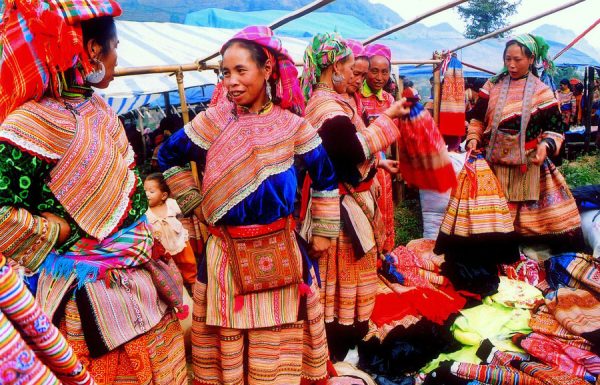
This market is a key gathering point for Black Dao, Giay, Tay, and Flower Hmong communities. Because of its distance from main tourist circuits, Lung Khau Nhin retains a quiet, traditional rhythm where villagers barter corn, soybeans, peanuts, handmade baskets, and pottery.
- Market Day: Every Thursday Morning (7:30 AM – 1:00 PM)
- Distance from Sapa: 80 km (approx. 2.5 hours drive)
>>>>>> Discover more destinations: Top 12 Places You Must Visit When Travelling To Sapa
7. Cao Son Market – A Colorful Display of Ethnic Culture and Traditions
Located in Muong Khuong district approximately 90 km from Sapa and 50 km from Lao Cai city, Cao Son market meets every Wednesday morning. Set against the backdrop of rolling mountain ranges and the Chay River, it gathers four distinct ethnic groups: Mong, Phu La, Dao, and Black Han.
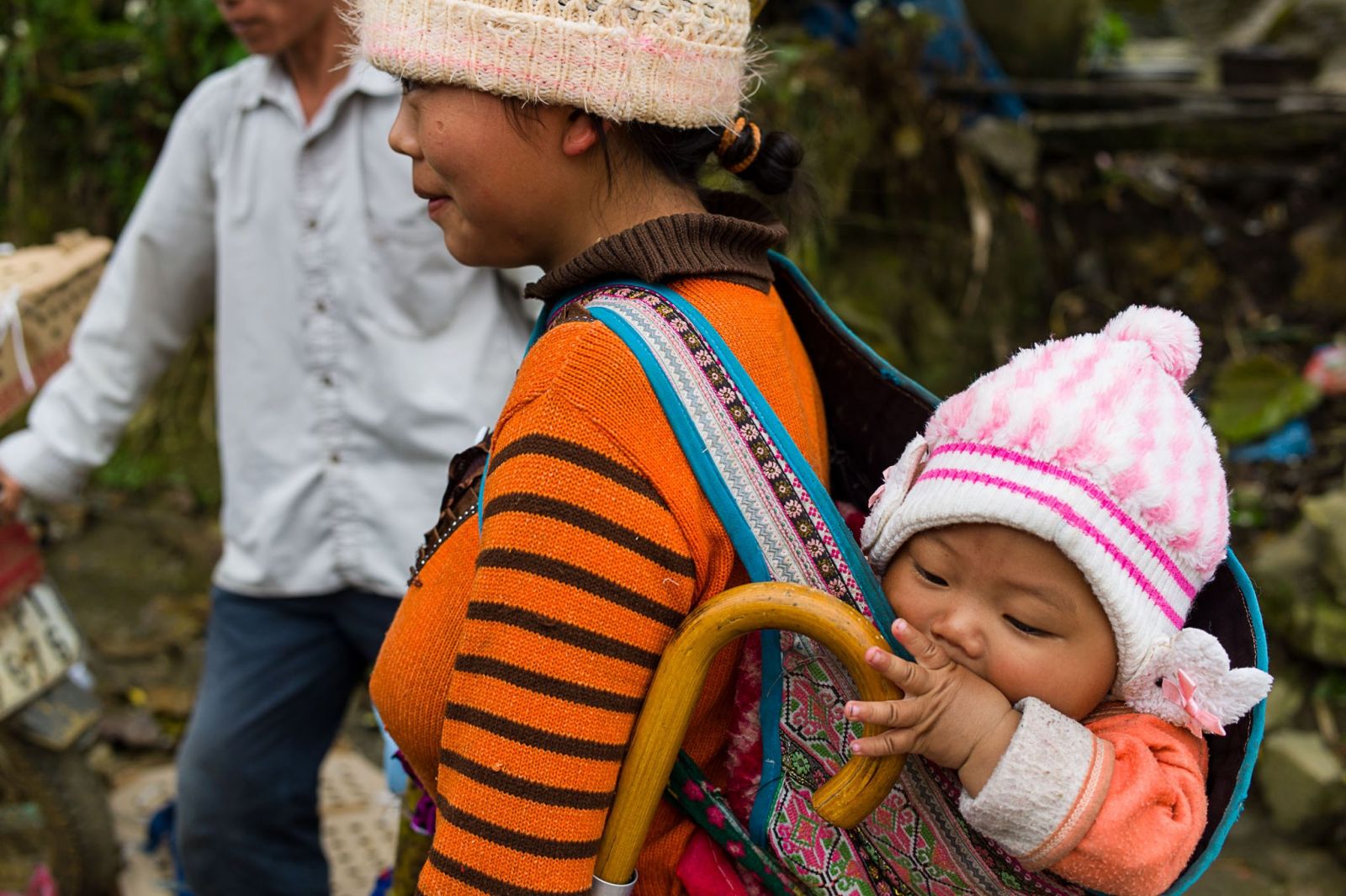
Cao Son provides travelers with a welcoming, unhurried atmosphere. Visitors can see ethnic women trading hand-embroidered textiles, purchase medicinal herbs, and observe traditional bartering customs practiced in highland communities for centuries.
- Market Day: Every Wednesday Morning (7:00 AM – 1:00 PM)
- Distance from Sapa: 90 km (approx. 2.5 hours drive)
8. Sin Cheng Market :Experience the Authentic Flavors and Culture
Sin Cheng is a remote market situated in Si Ma Cai district, roughly 130 km from Sapa town and 40 km from Bac Ha. Held every Wednesday morning, it is famous for preserving deep-rooted cultural customs among the Flower Hmong, Tay, Nung, and Thu Lao communities.
At Sin Cheng, the trade focuses on local essentials including water buffaloes, horses, ducks, handmade farming tools, and fragrant local corn whiskey. The market also functions as a vital social venue where young villagers meet and elder residents gather over hot tea.
- Market Day: Every Wednesday Morning (7:00 AM – 1:30 PM)
- Distance from Sapa: 130 km (approx. 3.5 hours drive)
>>>>>> Cultural reading: Must-know taboos of local ethnic villages in Sapa

Fully Licensed Local Agency
Vietnam Adventure Tours & Highland Trekking Packages
Combine colorful mountain market excursions with scenic trekking routes through terraced valleys, traditional homestays, and private transport across northern Vietnam.
What Can You Buy at Sapa’s Local Markets?
Highland markets offer a wide variety of authentic agricultural produce, regional spices, and hand-embroidered textiles made directly by local ethnic minority families. Knowing what to look for helps you choose high-quality local goods while supporting indigenous craft traditions.
Colorful Traditional Textiles and Handicrafts
Textile stalls are filled with hand-woven hemp fabric, natural indigo-dyed garments, and beeswax batik clothes. Genuine ethnic minority textiles take weeks or months of manual labor to complete.
Look closely at the stitching to distinguish hand-embroidered items from machine-printed factory copies. Popular purchases include embroidered pillow covers, scarves, shoulder bags, and table runners featuring intricate geometric motifs unique to each ethnic group.
Fresh Produce and Local Specialties
The cool mountain climate allows farmers to cultivate distinct temperate produce unavailable in lowland Vietnam. Stalls feature chayote squashes, sweet mustard greens, purple mountain garlic, and forest chestnuts.
Visitors can also purchase smoked buffalo meat (thit trau gac bep), traditional corn wine, and colorful sticky rice cakes dyed with natural forest leaves.
Highland Spices, Herbal Products, and Honey
Sapa’s surrounding mountain ranges provide rich harvests of wild herbs and aromatics. Stalls commonly sell black cardamom (thao qua), wild pepper berries (mac khen), and raw forest honey harvested from mountain cliffs.
Herbal bath mixes formulated by the Red Dao people are also widely available. These dried botanical blends contain dozens of wild forest plants used traditionally to soothe muscles and improve circulation.
Meet the Ethnic Communities Behind Sapa’s Markets
Ethnic minority markets around Sapa gather multiple distinct highland groups who maintain distinct linguistic, artistic, and cultural traditions. Recognizing these communities enriches your travel experience and fosters respectful cross-cultural interactions.
Hmong Traditions and Colorful Traditional Dress
The Hmong is one of the largest ethnic groups in Lao Cai province, comprising several distinct branches including Flower Hmong and Black Hmong. Flower Hmong women are recognized by their brightly colored, multi-layered skirts with beaded borders and vivid check patterns.
Black Hmong wear deep indigo-dyed hemp jackets, embroidered leg wraps, and dark head coverings. Both groups excel at natural hemp processing, indigo dyeing, and fine silver jewelry smithing.
Red Dao Culture and Herbal Traditions
The Red Dao community is known for distinctive red triangular turbans, silver-tasseled jackets, and red pom-poms adorning their collars. Traditionally, Red Dao women shave their foreheads and eyebrows when they marry, following a centuries-old custom that remains an important part of their cultural identity.
The Red Dao hold deep botanical knowledge passed through maternal lineages, specializing in medicinal forest harvesting and traditional herbal remedies.
Tay, Nung, and Other Highland Communities
The Tay and Nung people inhabit the fertile valleys near rivers and streams, residing in traditional wooden stilt houses. Their attire tends to be simpler, featuring solid indigo-colored tunics accented by polished silver neckbands.
Smaller groups such as the Giay, Thu Lao, and Phu La also participate in these weekly markets, bringing regional agricultural produce, woven bamboo baskets, and distinct hand-stitched patterns.
How Markets Bring Different Communities Together?
Markets provide a welcoming space where people from different ethnic groups come together, interact, and build connections through everyday trade and shared experiences. Although each community speaks its own native dialect, villagers communicate through regional trade vocabularies or basic Vietnamese.
These trade gatherings maintain regional harmony, support cooperative barter networks, and preserve centuries of highland social cohesion across Lao Cai province.
When Is the Best Time to Visit Sapa’s Markets?
Understanding regional seasons and cultural calendars ensures you experience highland markets at their most active and rewarding times. Market dynamics shift throughout the year, with special festive peaks occurring during spring and holiday periods.
Returning Home for the Lunar New Year
The weeks leading up to the Vietnamese Lunar New Year (Tet) is the most lively market season in northern Vietnam. During this period, migrant workers and students return from lowland cities to their native mountain villages.
In the days leading up to Tet, local markets become especially lively, drawing thousands of families who come to shop for new clothes, traditional ingredients, festive decorations, and items for ancestral ceremonies.
Honoring Ancestors During Tet
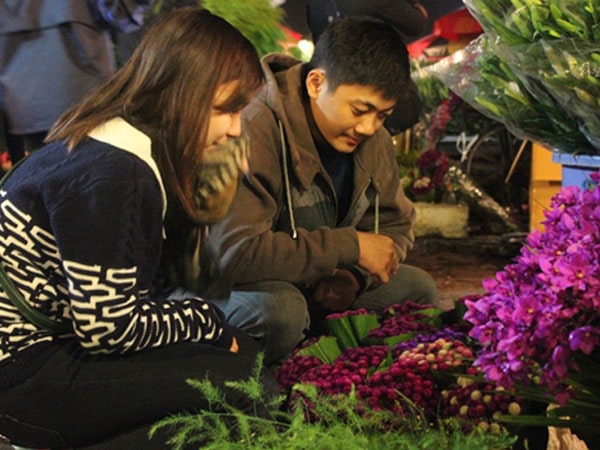
Markets around Tet are dedicated to acquiring offerings for family ancestral altars. Stalls display specialized bundles of incense, ceremonial paper goods, whole pigs, local chickens, and sticky rice dyed red and yellow with forest leaves.
Observing these ceremonial purchases offers deep cultural insight into the spiritual traditions and family reverence shared across northern ethnic minority households.
Family Traditions, Lucky Money, and New Year Gatherings
In the weeks following Tet (February through March), post-holiday market sessions feature folk games, flute performances, and community celebrations. Young adults participate in traditional courtship rituals and con throwing competitions in adjacent open fields.
Weather during this spring period is generally dry and comfortable, making it an excellent time for combining market visits with valley walking and landscape photography.
Sapa Markets vs. Bac Ha Market Regions: Which Should You Visit?
Choosing the right market depends on your schedule, physical comfort, and interest in cultural depth. Comparing central town markets against remote regional fairs helps you make an informed decision for your Sapa itinerary.
Choose Sapa Market for Convenience
Sapa Market in town is ideal if you have limited travel time, are traveling with young children or elderly family members, or want to browse without a multi-hour car ride. It is open every day of the week and offers covered walkways that remain accessible in wet weather.
Choose Bac Ha for a Larger Cultural Experience
Bac Ha Market is recommended if you are in Sapa over a weekend and want to experience the largest and most varied ethnic gathering in northern Vietnam. Its livestock trade and regional variety make the 2.5-hour car transfer worthwhile for dedicated cultural travelers.
Choose Smaller Markets for a More Authentic Atmosphere
If you want to observe traditional bartering without large tour groups, choose Muong Hum (Sunday), Can Cau (Saturday), or Coc Ly (Tuesday). These markets offer closer cultural immersion, quiet mountain valley scenery, and authentic community interactions.
| Market Name | Schedule | Distance from Sapa | Scale & Setting | Best Suited For |
|---|---|---|---|---|
| Sapa Market | Daily | In town center | Indoor 2-story building | Quick shopping & convenience |
| Bac Ha Market | Sunday morning | 100 km (2.5 – 3 hrs) | Largest regional market | First-time cultural immersion |
| Can Cau Market | Saturday morning | 120 km (3 – 3.5 hrs) | Terraced mountain setting | Buffalo trading & photography |
| Muong Hum Market | Sunday morning | 50 km (1.5 – 2 hrs) | Peaceful valley location | Avoiding tourist crowds |
| Coc Ly Market | Tuesday morning | 80 km (2 – 2.5 hrs) | Chay River setting | Market visit + boat tour |
| Lung Khau Nhin | Thursday morning | 80 km (2.5 hrs) | Historic border outpost | Deep local authenticity |
How to Visit Markets Around Sapa?
Reaching rural markets requires navigating steep mountain roads, river valleys, and mountain passes across Lao Cai province. Selecting the right transportation method guarantees safety, comfort, and schedule flexibility.
1. Joining a Guided Market Tour
Traveling with a licensed, English-speaking local tour guide provides context that independent travel cannot match. A knowledgeable local guide translates minority languages, explains complex tribal customs, guides you to fair handicraft prices, and introduces you to trusted local artisans.
2. Traveling by Private Car
Booking a private vehicle with an experienced highland driver is the safest and most comfortable option for couples, families, and private groups. Mountain roads leading to Bac Ha, Si Ma Cai, or Bat Sat feature sharp bends, steep gradients, and occasional fog.
A private car provides AC comfort and gives you full freedom to stop for landscape photography at mountain passes along the way.
3. Combining a Market Visit With a Sapa Trekking Experience
An effective way to structure your northern holiday is pairing an early morning market excursion with an afternoon countryside trek. For example, you can explore Bac Ha market in the morning, visit Ban Pho village after lunch, and stay overnight at an authentic eco-lodge in the surrounding valley.
Common Mistakes & Our Practical Tips for Visiting Markets Around Sapa
Visiting remote highland markets can present practical challenges if you are unprepared. Based on our team’s regular inspections across Lao Cai province, review these common pitfalls and expert travel tips before your trip:
- Check the Market Schedule Before You Go: Traditional markets operate only on specific mornings and finish by early afternoon. Arriving after 11:30 AM means missing prime trading activity. Plan to depart Sapa town between 5:30 AM and 6:30 AM for distant markets like Can Cau or Bac Ha.
- Bring Cash and Small Vietnamese Dong Notes: There are no ATMs or digital payment systems at remote market grounds. Withdraw cash in Sapa or Hanoi beforehand, and carry small notes (10,000, 20,000, 50,000, and 100,000 VND) to facilitate exact change with village vendors.
- Ask Before Taking Photos of Local People: Always show courtesy before photographing ethnic minority women, elders, or children. Make eye contact, smile, and ask for permission with a polite gesture. If someone declines, respect their privacy and move on.
- Bargaining Respectfully at Local Markets: Gentle bargaining is acceptable for non-food items such as handicrafts and textiles, but avoid aggressive haggling. The prices quoted by hill tribe artisans are generally modest, and purchases provide essential income for rural families.
- What to Wear and Bring for a Highland Market Visit: Highland weather changes rapidly. Dress in breathable layers, wear broken-in walking shoes with good grip for muddy terrain, and pack a light waterproof jacket, sunscreen, and insect repellent.
Frequently Asked Questions (FAQs) About Markets Around Sapa
Here are direct answers to the most common questions foreign travelers ask when planning a trip to ethnic minority markets in the Sapa region:
What is the most famous market around Sapa?
Bac Ha Market is the largest and most well-known market in the region, taking place every Sunday morning. It attracts thousands of Flower Hmong, Dao, and Tay villagers trading livestock, textiles, and local food.
Which local market near Sapa is the least touristy?
Muong Hum Market on Sunday and Lung Khau Nhin Market on Thursday are among the least touristy. Located in remote mountain valleys, they maintain pure traditional trading practices with very few foreign visitors.
Can I visit markets around Sapa on weekdays?
Yes. Coc Ly operates on Tuesday, Cao Son and Sin Cheng take place on Wednesday, and Lung Khau Nhin operates on Thursday. Sapa town market is open every day of the week.
How far is Bac Ha Market from Sapa town?
Bac Ha Market is approximately 100 km from Sapa town. The drive takes about 2.5 to 3 hours each way by private car along scenic mountain roads via Lao Cai city.
Are credit cards accepted at traditional markets near Sapa?
No. Traditional hill tribe markets operate strictly on cash in Vietnamese Dong (VND). We recommend carrying small denominations such as 10,000, 20,000, 50,000, and 100,000 VND for easy transactions.
Is it safe to try street food at local highland markets?
Yes, freshly cooked hot dishes like noodle soups (pho, thang co), grilled skewers, and steamed corn cakes are generally safe. Avoid uncooked raw vegetables or unboiled water, and select busy stalls favored by locals.

Fully Licensed Local Agency
Customized Vietnam Tour Packages & Private Travel Planning
Design your complete Vietnam journey with our travel specialists. Enjoy licensed tour guides, private door-to-door transport, flexible pacing, and 24/7 dedicated local support.
Final Thoughts on Ethnic Markets Around Sapa & Arrange Your Trip with Our Travel Experts
Exploring traditional markets around Sapa provides foreign visitors with an authentic encounter with northern Vietnam’s ethnic minority customs, traditional crafts, and highland agriculture. Our team at Golden Holiday Travel specializes in crafting tailor-made Vietnam Adventure Tours and Sapa Tours from Hanoi featuring private vehicles and licensed guides. Contact our travel specialists directly on WhatsApp +84.988451530 or email [email protected] to plan your customized Vietnam itinerary today.
Note: The travel tips and recommendations shared in this guide have been carefully prepared by the local travel experts at Golden Holiday Travel. While every traveler is different, our team is always happy to provide personalized itinerary planning, destination advice, and one-on-one support to help you create the perfect Vietnam journey.

Meet Our Experts

Suggested


Featured article










Related Articles


Write Comment