
Ba Dinh Square Hanoi: Where Vietnam’s Independence Was Born
Ba Dinh Square Hanoi – A Symbol of Vietnam’s Independence and National Pride
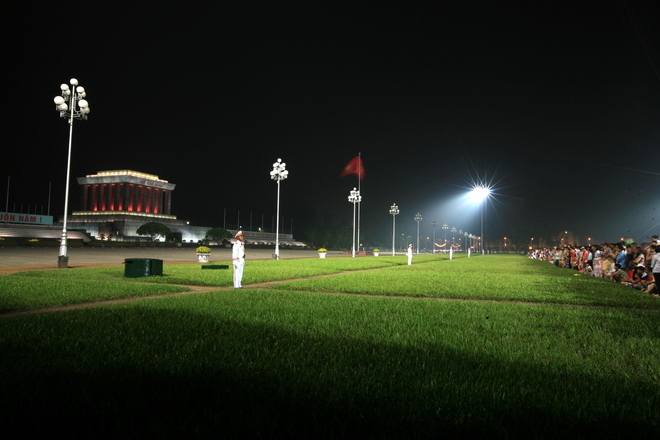
Located in the heart of Vietnam’s capital, Ba Dinh Square Hanoi is one of the country’s most important historical and political landmarks. Situated directly in front of the Ho Chi Minh Mausoleum, the square is not only the largest public square in Vietnam but also a powerful symbol of the nation’s struggle for independence, unity, and sovereignty.
For many travelers, visiting Ba Dinh Square offers a unique opportunity to connect with Vietnam’s modern history while exploring some of the most iconic attractions in Hanoi. Whether you’re interested in history, culture, architecture, or sightseeing, this landmark is a must-visit destination on any Hanoi travel itinerary
The History of Ba Dinh Square
The story of Ba Dinh Square dates back centuries. Originally, this area formed part of the western section of the ancient Thang Long Imperial Citadel, the political center of Vietnam for generations. During the Nguyen Dynasty, the citadel underwent significant changes and continued to serve as an important administrative hub.
Following the French occupation of Hanoi in the late 19th century, much of the old citadel was demolished and replaced by colonial buildings and landscaped gardens. The site later became known as Puginier Garden, reflecting the French influence that shaped Hanoi during the colonial era.
However, the most significant chapter in the history of Ba Dinh Square Hanoi began on September 2, 1945. On this historic day, President Ho Chi Minh stood before a crowd of hundreds of thousands and proclaimed the Declaration of Independence, officially founding the Democratic Republic of Vietnam. This moment marked the birth of modern Vietnam and transformed Ba Dinh Square into a national symbol of freedom and self-determination.
Why Is It Called Ba Dinh Square?
The name “Ba Dinh” originates from the historic Ba Dinh Uprising, a patriotic resistance movement that took place in Thanh Hoa Province between 1886 and 1887. Led by Vietnamese scholars and local patriots, the uprising became a powerful symbol of the country’s determination to resist French colonial rule.
Following the success of the August Revolution and Vietnam’s declaration of independence in 1945, the former French colonial garden occupying this site was renamed Ba Dinh Square to honor the spirit of national resistance, unity, and patriotism.
Today, the square remains a sacred landmark where visitors can learn about Vietnam’s struggle for independence while exploring one of the most significant historical and cultural sites in Hanoi
Top Things to Do at Ba Dinh Square
As the political and historical heart of Vietnam, Ba Dinh Square is surrounded by some of Hanoi’s most important cultural and historical landmarks. A visit here offers far more than a photo opportunity – it’s a chance to explore the places that shaped modern Vietnam.
1. Pay Your Respects at Ho Chi Minh Mausoleum
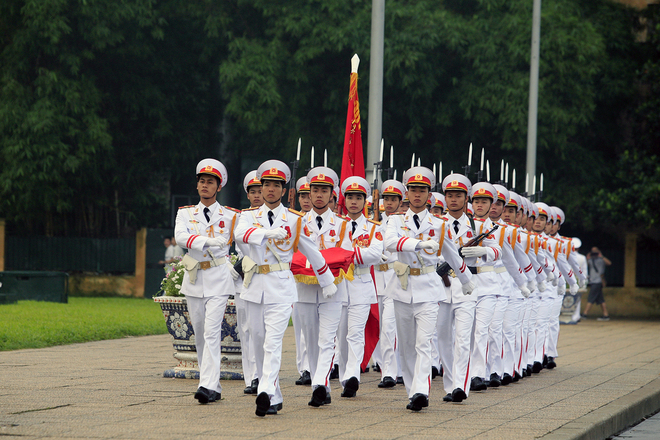
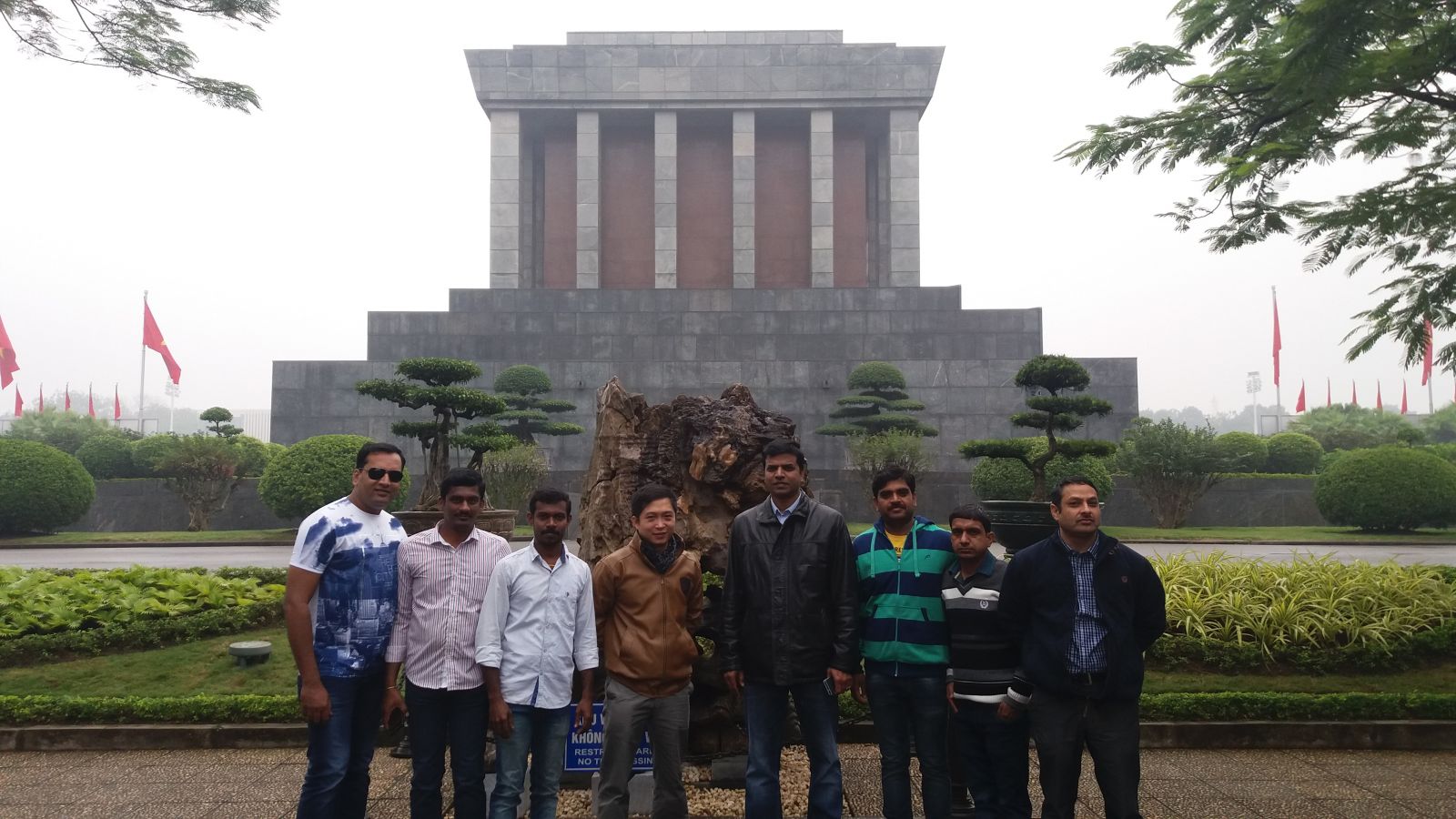
The most iconic attraction at Ba Dinh Square is the Ho Chi Minh Mausoleum, where the embalmed body of President Ho Chi Minh is preserved. This monumental structure is one of the most visited historical sites in Hanoi and a symbol of national pride. Visitors can witness the solemn atmosphere, observe the ceremonial guards, and learn more about the life of Vietnam’s most revered leader.
2. Watch the Flag-Raising and Flag-Lowering Ceremonies
For a truly memorable experience, arrive early in the morning ( 6AM) to witness the daily flag-raising ceremony or return at 9PM every night for the flag-lowering ceremony. Performed by honor guards in military uniform, these ceremonies showcase Vietnam’s patriotism, discipline, and deep respect for national traditions.
3. Explore Ho Chi Minh Museum
Located within the Ho Chi Minh Mausoleum Complex, the Ho Chi Minh Museum offers a fascinating journey through Vietnam’s modern history. Through photographs, artifacts, documents, and multimedia displays, visitors can gain a deeper understanding of President Ho Chi Minh’s revolutionary life and his lasting impact on the nation.
4. Admire the Presidential Palace
Just a short walk from the square stands the elegant Presidential Palace, one of the finest examples of French colonial architecture in Hanoi. Surrounded by lush gardens and ancient trees, the palace provides visitors with a glimpse into Vietnam’s colonial past and remains an important political landmark today.
5. Visit Uncle Ho’s Stilt House
Unlike the grandeur of the Presidential Palace, Ho Chi Minh’s Stilt House reflects the simplicity and humility of Vietnam’s beloved leader. Nestled beside a peaceful fish pond, this modest wooden residence preserves many of his personal belongings and offers insight into his daily life and working environment.
6. Discover the One Pillar Pagoda
No visit to Ba Dinh Square is complete without stopping at the famous One Pillar Pagoda, one of Hanoi’s most recognizable cultural landmarks. Originally built in the 11th century, the pagoda is designed to resemble a lotus blossom emerging from the water – a powerful symbol of purity, enlightenment, and prosperity in Vietnamese Buddhism.
Best Time to Visit Ba Dinh Square
Ba Dinh Square can be visited year-round, but choosing the right time will help you enjoy a more comfortable and memorable experience.
1. Visit Early in the Morning
The ideal time to explore Ba Dinh Square Hanoi is early in the morning when the weather is cooler and the area is less crowded. This is also an excellent opportunity to witness the solemn flag-raising ceremony in front of the Ho Chi Minh Mausoleum, a meaningful daily ritual that reflects Vietnam’s national pride. The soft morning light also creates perfect conditions for photography and sightseeing.
2. Autumn (September to November) – The Best Season
Autumn is widely regarded as the most beautiful time to visit Hanoi and its historical landmarks. During these months, visitors can enjoy pleasant temperatures, low humidity, clear blue skies, and ideal conditions for outdoor exploration. Visiting Ba Dinh Square in early September is particularly special, as it was here that President Ho Chi Minh proclaimed Vietnam’s Declaration of Independence on September 2, 1945.
3. Spring (March to April)
Spring is another excellent season to visit Ba Dinh Square and other Hanoi attractions. The weather is mild and comfortable, while blooming flowers and lush greenery add extra charm to the surrounding historical sites, making it a wonderful time for walking tours and cultural exploration.
To avoid the intense summer heat and larger crowds during national holidays, consider planning your visit during the spring or autumn months for the best overall experience.
Essential Travel Tips for Visiting Ba Dinh Square
To make the most of your visit to Ba Dinh Square, one of the most important historical landmarks in Hanoi, keep these practical travel tips in mind:
- Dress Respectfully : As Ba Dinh Square and the Ho Chi Minh Mausoleum are significant national and memorial sites, visitors are advised to wear modest clothing that covers their shoulders and knees. Respectful attire is especially important when entering cultural, historical, and religious attractions within the complex.
- Maintain a Quiet and Respectful Atmosphere: When visiting the Ho Chi Minh Mausoleum, visitors should remain silent, follow staff instructions, and show respect throughout the visit. Loud conversations, inappropriate behavior, and photography inside the mausoleum are strictly prohibited.
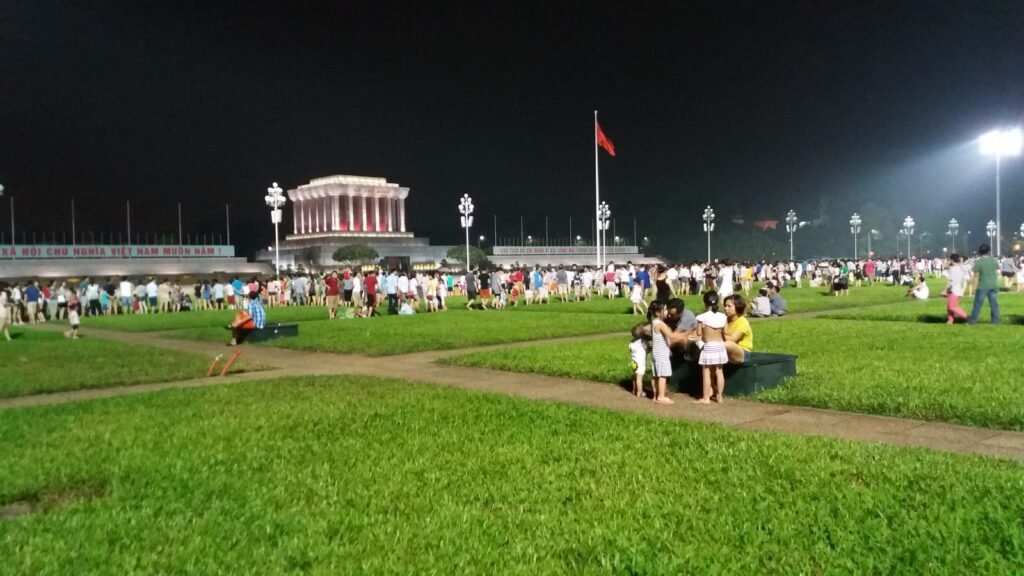
- Arrive Early to Avoid Crowds :Ba Dinh Square is one of the most visited Hanoi attractions, attracting both local and international visitors. Arriving early in the morning allows you to enjoy a more peaceful atmosphere, take better photographs, and avoid long queues at nearby attractions.
- Bring Water and Sun Protection : The square is a large open-air space with limited shade. If you plan to explore the surrounding Ho Chi Minh Mausoleum Complex, especially during the summer months, be sure to bring drinking water, sunscreen, sunglasses, and a hat for added comfort.
- Check Opening Hours Before Your Visit : Several attractions within the complex, including the Ho Chi Minh Mausoleum, may have specific visiting hours or temporary closures for maintenance and preservation. Checking schedules in advance will help you plan your Ba Dinh Square Hanoi tour more efficiently and avoid disappointment.

Explore Ba Dinh Square with Golden Holiday Travel
As part of the famous Ho Chi Minh Complex, Ba Dinh Square can be easily combined with visits to the Ho Chi Minh Mausoleum, Presidential Palace, Ho Chi Minh’s Stilt House, and One Pillar Pagoda. You can explore these landmarks independently or enjoy a more enriching experience on a guided Hanoi City Tour.
At Golden Holiday Travel, we offer expertly designed Hanoi day tours, airport transfers, and customized Vietnam tour packages to help you discover the best of Hanoi and beyond. Feel free to contact us by [email protected] or WhatsApp: +84 988 451 530, and let us help you create unforgettable memories in Hanoi, Vietnam.
Frequently Asked Questions
Ba Dinh Square is the most historically significant political square in Vietnam. On September 2, 1945, President Ho Chi Minh read the Declaration of Independence right here, officially founding the Democratic Republic of Vietnam. Today, it stands as the heart of Hanoi’s political complex, serving as the venue for major national parades, celebrations, and flag ceremonies. When booking a Hanoi city tour with Golden Holiday Travel, our guides will walk you through the precise locations where these monumental historical shifts took place
Walking around and viewing Ba Dinh Square is completely free of charge. The open grass areas and the exterior of the square are accessible all day. However, if you plan to enter the specific monuments within the complex—such as the Ho Chi Minh Mausoleum—operating hours are strictly limited to the mornings (typically 7:30 AM to 11:00 AM & 13:00 P.M to 16.00 PM), and they are closed on Mondays and Fridays. Golden Holiday Travel always coordinates your itinerary timing perfectly so you don’t miss out on these morning openings.
Because Ba Dinh Square is a highly revered site containing the Ho Chi Minh Mausoleum, visitors must adhere to a strict dress code. Tops must cover your shoulders (no tank tops or sleeveless shirts) and bottoms must cover your knees (no short skirts or shorts). Hats and sunglasses must be removed when approaching the mausoleum area. Additionally, travelers are expected to walk respectfully in designated lanes, keep noise to a minimum, and avoid crossing into restricted grass zones. Our tour operators will always remind you of these guidelines the day before your trip.
Yes, you are more than welcome to take photos and videos of the open layout of Ba Dinh Square, the exterior of the Ho Chi Minh Mausoleum, and the surrounding government buildings. However, photography and videography are strictly prohibited inside the Ho Chi Minh Mausoleum itself. You will be required to check in large cameras and bags before entering the mausoleum line. Your Golden Holiday Travel guide will handle the logistics of bag storage so you can experience the site hassle-free.
Ba Dinh Square is a cornerstone feature of our private and group Hanoi City Tours. We typically arrange private car pickups from your hotel in the Old Quarter, ensuring a smooth 10-to-15 minute ride directly to the complex. Our experienced English-speaking guides will manage all entry logistics, guide you through the security checkpoints, explain the rich history of the area, and provide recommendations for nearby dining once the morning tour concludes.
Meet Our Experts

Suggested


Featured Articles


Related Articles




Ask a Question or Share Your Thoughts
Have questions about this itinerary, road trip tips, private car rentals, or ticket booking? Leave a comment or question below — our travel specialists will reply within a few hours!