
Duong Lam Ancient Village: A Hidden Heritage Gem of Northern Vietnam
Why Duong Lam Ancient Village Is a Must-Visit Cultural Destination near Hanoi
Duong Lam Ancient Village is one of the most fascinating cultural destinations near Hanoi for travelers seeking authentic experiences, traditional architecture, and a deeper understanding of Vietnam’s rural heritage. Located around 60 km west of Hanoi, this centuries-old village is famous for its well-preserved ancient houses, charming laterite alleyways, historic temples, and peaceful countryside atmosphere that beautifully reflects the soul of the Red River Delta.
A visit to Duong Lam Village offers a refreshing escape from the busy streets of Hanoi, allowing travelers to slow down and immerse themselves in the timeless beauty of traditional Vietnamese village life. From walking through ancient village gates and exploring historic communal houses to tasting local specialties and interacting with friendly villagers, every corner of Duong Lam tells a unique cultural story.
So, what makes Duong Lam Ancient Village a must-visit cultural destination in Northern Vietnam? Let’s explore this travel guide together as we uncover the village’s rich history, distinctive architecture, local traditions, authentic cuisine, and unforgettable countryside experiences that make Duong Lam one of the best cultural day trips from Hanoi
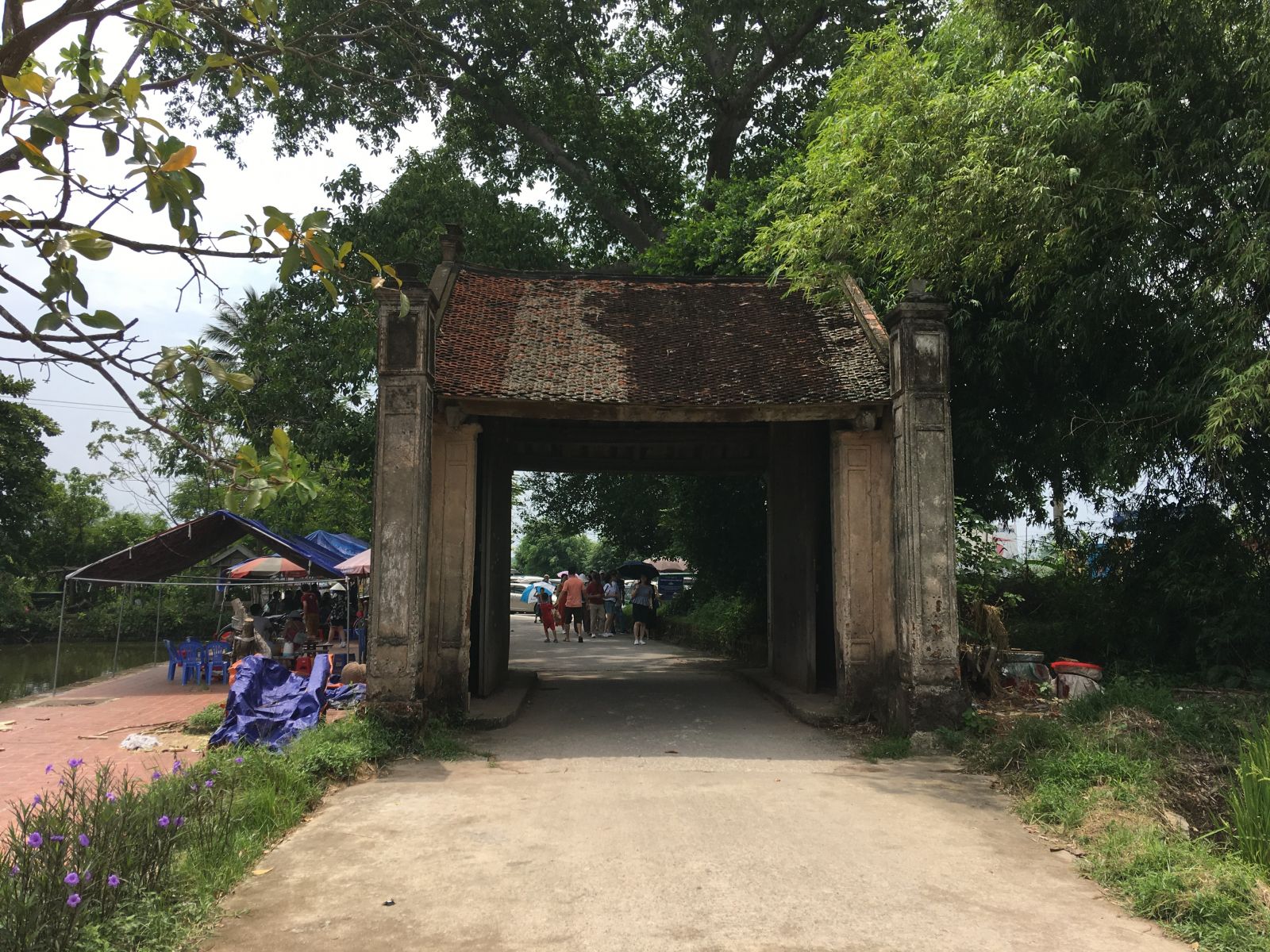
Duong Lam Village – A Place of Historical Significance in Vietnam
Duong Lam Village is famous as the birthplace of two legendary Vietnamese kings who played significant roles in the nation’s history. Phung Hung (771-802) led a successful resistance against the Chinese Tang Dynasty, securing the nation’s independence, while Ngo Quyen (896-944) ended a thousand-year Chinese domination with his victory over the Han rulers in 938. Today, visitors on a Hanoi Day Trip to Duong Lam Village can explore the ancient temples dedicated to these heroic figures and gain deeper insights into Vietnam’s past.
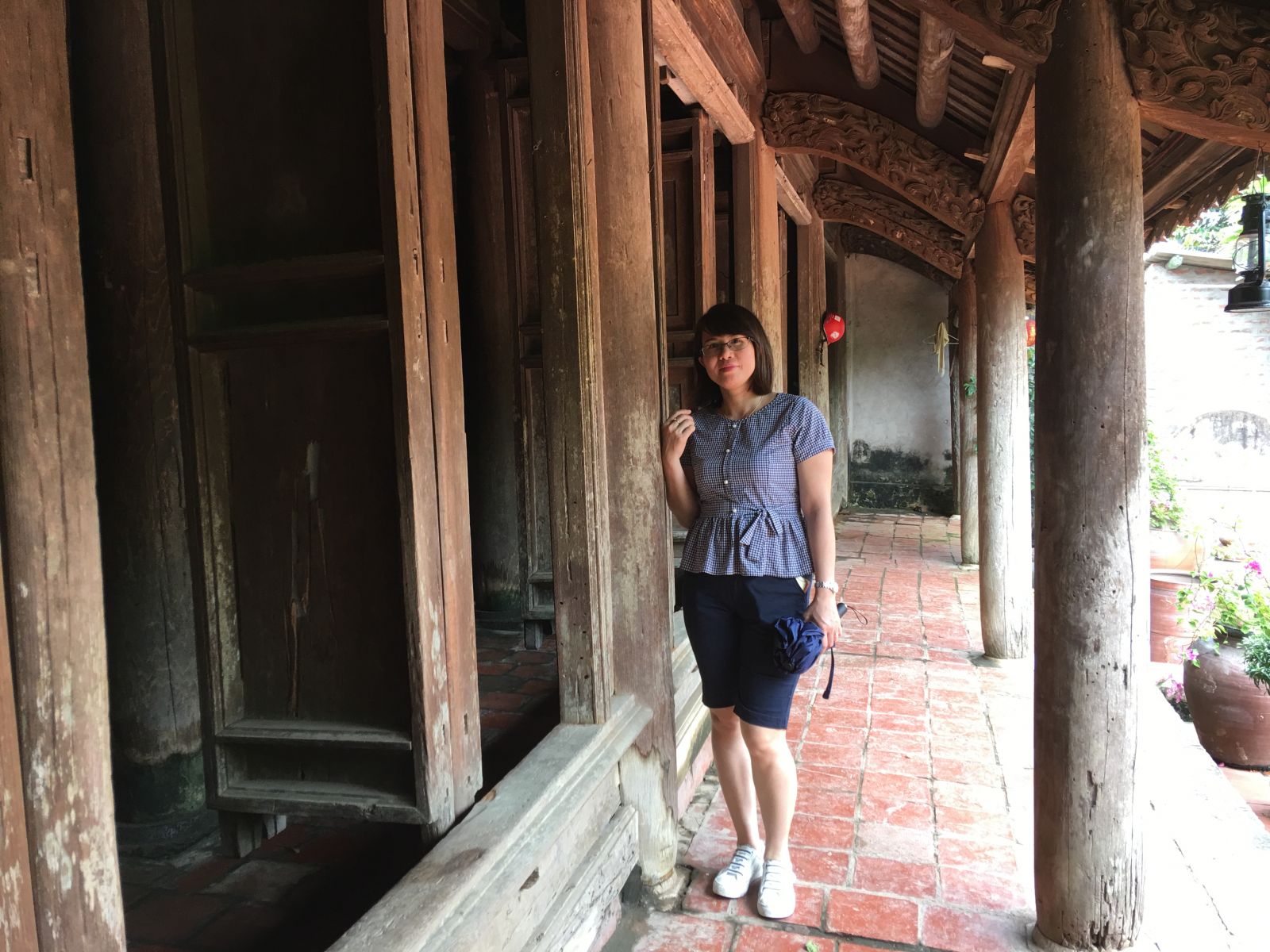
Duong Lam – A Living Museum of Vietnamese Village Architecture
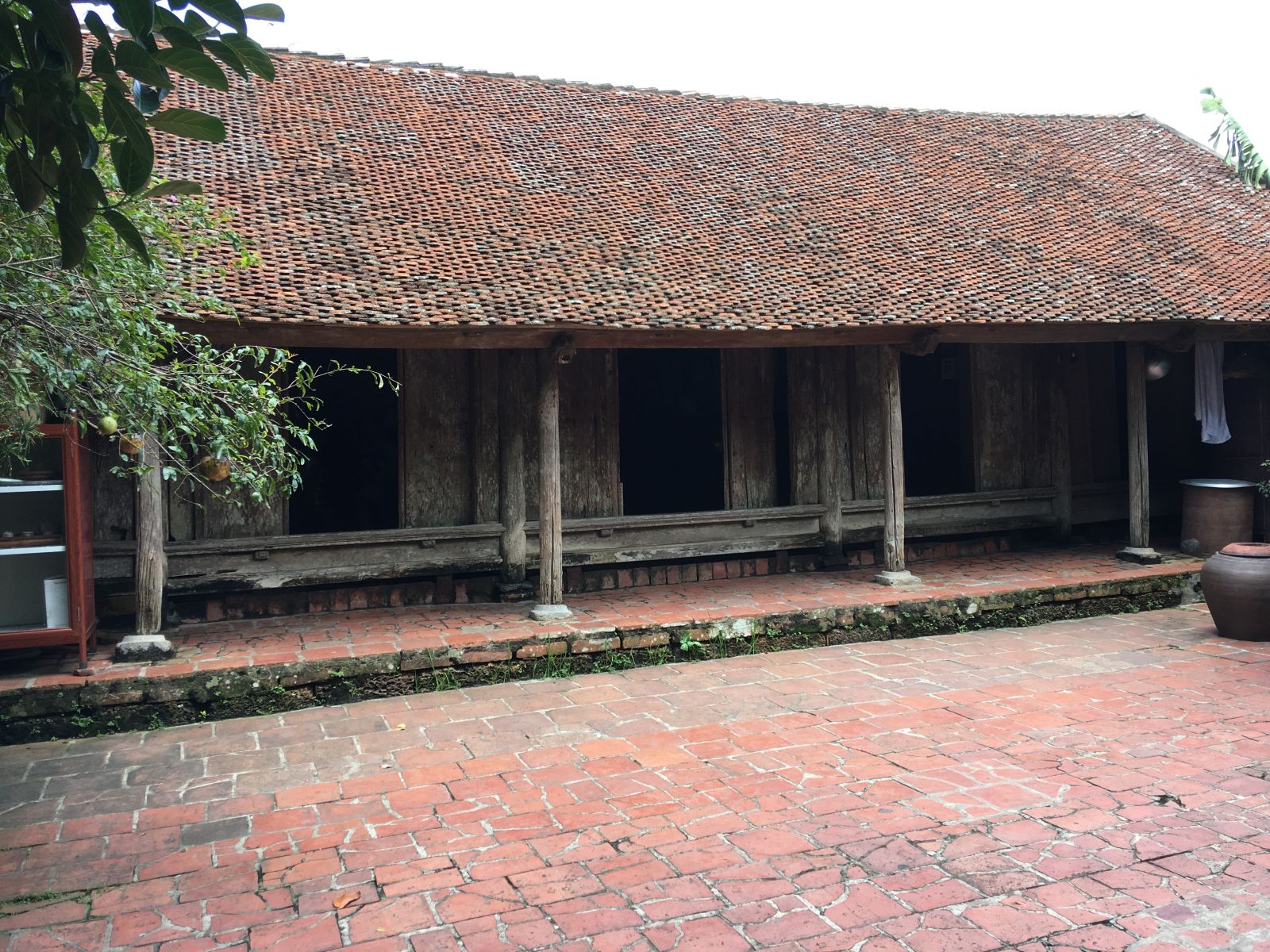
Unlike many other villages in Vietnam, Duong Lam has retained its original architecture and village layout, making it an extraordinary site to witness Vietnam village’s symbols. The village is over 1,200 years old and boasts nearly 1,000 well-preserved ancient houses. The roads follow a unique fishbone structure, and the houses, made of laterite bricks and mud, showcase traditional designs with intricately carved wooden doors, raised thresholds to ward off evil spirits, and cool interiors that remain comfortable year-round.
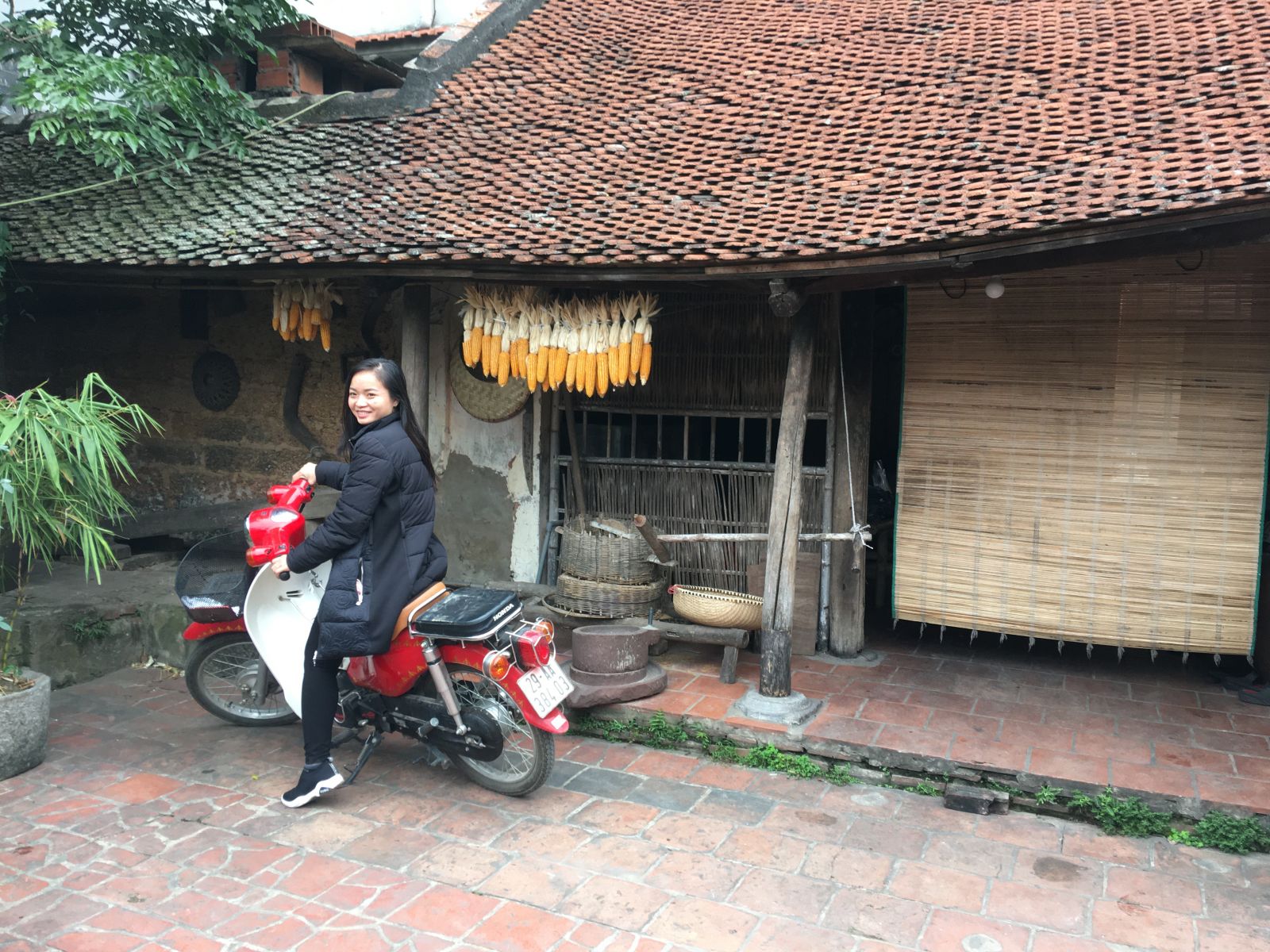
During your day trip to Duong Lam, you can visit famous old houses such as Mr. The’s house, Mr. Hung’s house, and Ms. Lan’s mandarin-style home. Visitors can also experience authentic local cultures by enjoying a home-cooked meal featuring specialties like Che Lam (sticky rice cake), Ga Mia (Mia chicken), Banh Te (steamed rice cake), Keo Doi (peanut candy), and Tuong (fermented soy sauce). Renting a bicycle to explore the peaceful village roads can bring you more awesome experiences as well.
Duong Lam Offers You Chances to Know More About Northern Vietnam Village’s Symbols
Duong Lam Ancient Village is an ideal place to explore the characteristic symbols of traditional Vietnamese villages, each with its own cultural significance:
-
Banyan Tree: At the entrance of Mong Phu Village, a 300-year-old banyan tree provides shade and serves as a traditional gathering place where locals used to rest, socialize, and exchange farming experiences.
-
Village Water Well: Traditionally, the water well was located in the heart of the community, where villagers used to collect water, to wash clothes, and to socialize. In Duong Lam, two large wells stand near Mong Phu Communal House, symbolizing the village’s deep-rooted traditions and serving as a reminder of the past.
-
Communal House: The communal house is the spiritual and social center of the village, where important meetings, festivals, and rituals take place. Mong Phu Communal House, dedicated to Tan Vien – the God of the Mountain, is one of the most culturally significant sites in Duong Lam. Other communal houses in the village honor historical figures like Phung Hung and Cao Phuc Dien.
Visit Mia Pagoda and Surrounding Attractions in Your Day Trip to Duong Lam
No Hanoi Day Trip to Duong Lam Village is complete without a visit to Mia Pagoda, a stunning 15th-century Buddhist temple featuring over 287 ancient statues. The pagoda is a spiritual retreat and a remarkable place to admire traditional Vietnamese religious architecture. Additionally, travelers can explore nearby sites like Ba Vi National Park, Tay Phuong Pagoda, and Thay Pagoda for a more enriching cultural journey.
How to Get to Duong Lam Village?
Located just 1.5 hour’s drive from Hanoi, Duong Lam is easily accessible via different transportation options:
-
Private Duong Lam Village Day Tour: The most convenient and informative way to explore the village is by booking a guided tour, which includes transportation and in-depth insights into the village’s history and culture.
-
Public Bus: Take bus number 71 from My Dinh, number 70 from Kim Ma, or number 77 from Ha Dong to Son Tay Station, then hire a taxi or motorbike to Duong Lam.
-
Motorbike or Private Car Rental: Renting a motorbike or private car with a driver allows for flexible and comfortable travel.
Plan Your Duong Lam Village Day Tour with Golden Holiday Travel
At Golden Holiday Travel, we are passionate about showcasing Vietnam’s hidden gems and authentic local cultures. Whether you’re looking for a customized Hanoi Day Trip to Duong Lam Village or a private car rental to explore nearby attractions like Ba Vi Mountains and Tay Phuong Pagoda, we are here to help. Contact us at [email protected] or WhatsApp us + 84.988451530 for personalized travel experiences that immerse you in the beauty and traditions of Vietnam.
We wish you an unforgettable journey to Duong Lam Ancient Village!
Frequently Asked Questions
Duong Lam is world-renowned for its extensive use of laterite (da ong), a reddish-brown local stone, in its walls, gates, and wells. It is the first village in Vietnam to be recognized as a National Cultural and Literary Relic, boasting over 900 traditional houses—some dating back 400 years. The village layout follows the traditional Northern Vietnamese style with a central communal house, banyan trees, and ancient water wells.
The village is the birthplace of two of Vietnam’s national heroes: Phung Hung (8th century) and Ngo Quyen (10th century). Both leaders were instrumental in the country’s struggle for independence against foreign dynasties. Travelers can visit the historic temples and mausoleums dedicated to these kings, which remain sacred spiritual sites for the local community today
A visit to Duong Lam is incomplete without tasting Che Lam (nutty ginger sticky rice bars) and Keo Doi (peanut candy). The village is also famous for its Mia Chicken, a breed once reserved for royalty, and Tuong Gao (fermented soybean sauce). Many ancient houses serve authentic local lunches, allowing you to dine in the same wooden halls where generations of villagers have lived.
While beautiful year-round, the harvest seasons (May–June and September–October) are particularly magical, as the village roads are often covered with drying golden rice and straw. The Lunar New Year (January/February) is also excellent for experiencing traditional festivals at the Mong Phu Communal House, featuring folk games and vibrant cultural ceremonies.
Located approximately 45km west of Hanoi, Duong Lam is easily accessible. While public buses and motorbikes are options, the most beneficial way for travelers is via a private car and guided tour. This ensures you don’t miss the hidden “compartment” architecture of the ancient houses and allows for a seamless visit to nearby sites like the Son Tay Ancient Citadel.
Golden Holiday Travel provides a “bridge to the past” by connecting you directly with local homeowners. Our tours focus on cultural preservation; we arrange private cooking classes in 400-year-old kitchens and cycling routes through the quiet back-lanes that tour buses can’t reach. Our licensed guides provide deep historical context that isn’t found on signage, ensuring a meaningful and respectful travel experience

Meet Our Experts

Suggested


Featured Articles


Related Articles




Ask a Question or Share Your Thoughts
Have questions about this itinerary, road trip tips, private car rentals, or ticket booking? Leave a comment or question below — our travel specialists will reply within a few hours!