
A Food Lover’s Guide to 5 Must-Try Rice Dishes in Vietnam
Unique rice dishes in Vietnam are deeply rooted in thousands of years of wet-rice farming, reflecting the country’s rich cultural heritage and the unique culinary traditions of each region. At Golden Holiday Travel, our local culinary experts create authentic food experiences that let international travelers discover iconic rice-based specialties, from Hanoi in the north to the Mekong Delta in the south, while enjoying a comfortable, safe, and memorable journey.
How Rice Shapes Vietnamese Cuisine and Regional Food Traditions?
Vietnam’s Rice dishes are the main ones featuring the country’s national cuisine, shaped by thousands of years of wet rice agriculture and distinct regional climates. From earthenware clay pots in the Red River Delta to bamboo tubes in the northern highlands, each preparation demonstrates specialized culinary techniques.
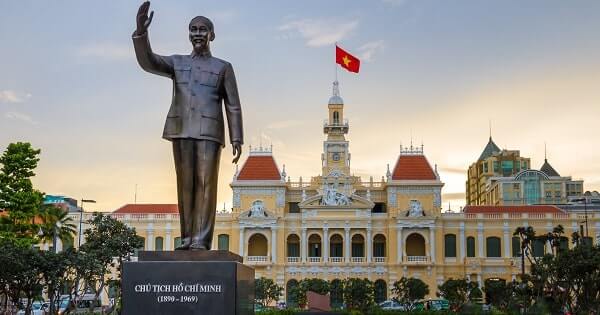
Fully Licensed Local Agency
Tailor-Made Vietnam Private Tour Packages
Experience authentic Vietnamese culinary traditions, scenic heritage routes, and personalized sightseeing with licensed local tour guides, safe private drivers, and flexible 24/7 client care.
In Vietnamese culture, the word for meal is “ăn cơm”, which literally translates to “eat rice”. This linguistic detail highlights just how deeply rice is woven into everyday life, family gatherings, and festive offerings across Vietnam’s provinces. In Vietnam, rice is far more than a simple staple. It is a fragrant centerpiece of the meal, prepared in many different ways using varied cooking methods, heat levels, and flavorful marinades.
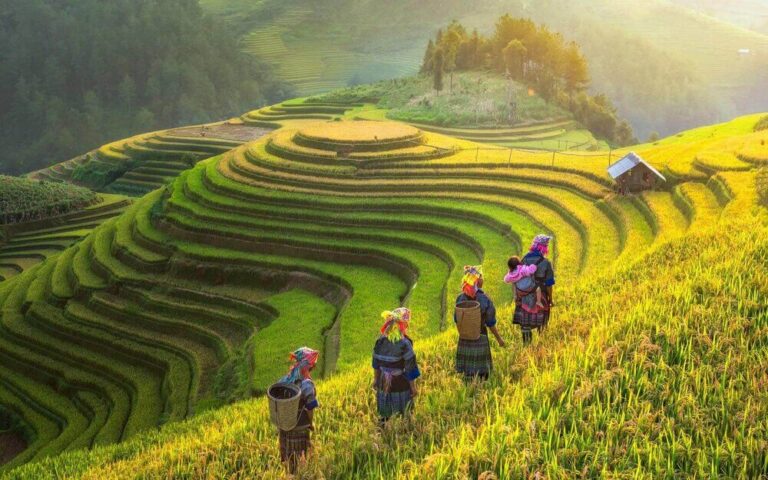
Vietnam’s varied geography create a rich mix of microclimates, water sources, and soil conditions, allowing hundreds of local rice varieties to thrive. In the cool mountain terraces of the Northwest, farmers grow fragrant upland and sticky rice, while the fertile plains of the Mekong Delta are ideal for aromatic jasmine rice and naturally broken grains.
These regional differences have also shaped local cooking traditions, with communities developing their own creative ways to prepare, preserve, and enjoy rice using ingredients and techniques suited to their surroundings.
- Indigenous Grain Profiles: Vietnamese cuisine utilizes a wide range of rice varieties including long-grain jasmine rice, nutrient-dense broken grains (gạo tấm), sweet highland glutinous grains (gạo nếp nương), and herbal aromatic varieties.
- Specialized Cooking Mediums: Traditional preparations rely onterracotta earthenware, freshly cut forest bamboo tubes, hollowed coconut shells, and cast-iron skillets to impart distinct earthy flavors.
- Philosophical Yin-Yang Harmony: Every recipe balances warming spices like ginger and black pepper with cooling herbs, fresh vegetables, and fermented savory dipping sauces to promote optimal digestion.
- Deep Socio-Cultural Heritage: Rice meals serve as the anchor of ancestral worship ceremonies, harvest celebrations, and multigenerational family bonding throughout rural and urban Vietnam.
Why Culinary Rice Dishes in Vietnam are a Must-Visit Experience? Key Benefits and Experiences
Exploring Vietnamese rice cuisine offers travelers an immersive gateway into the country’s living agricultural traditions, diverse ethnic cultures, and refined flavor profiles. Sampling these dishes directly in their native provinces provides an unmatched sensory connection to local life.
Immersion in Ancient Wet Rice Civilization and Heritage
Vietnamese gastronomy remains fundamentally intertwined with ancient farming customs that have shaped the countryside landscape for millennia. Dining on regional rice specialties allows travelers to appreciate the labor-intensive cultivation behind every grain.
When enjoying bamboo-cooked sticky rice in Sapa or broken rice in Ho Chi Minh City, visitors participate in a living culinary lineage passed down across countless generations. In northern highland communities, rice harvesting dictates seasonal festivals, courtship rituals, and spiritual offerings to mountain deities. Understanding the history behind these recipes transforms an ordinary dinner into an enriching cultural masterclass.
Masterful Balance of Flavors and Nutritional Harmony
Vietnamese culinary philosophy prioritizes balanced nutritional structures through fresh natural ingredients, lean proteins, crisp vegetables, and fermented dipping broths. This approach ensures deeply satisfying meals that leave diners energized for full days of travel exploration.
Unlike heavy, cream-laden culinary traditions, Vietnamese rice plates emphasize clean contrast, aromatic herbs, and minimal cooking oils. A single serving of Hoi An chicken rice or Saigon broken rice incorporates crisp pickled daikon, fresh mint, shredded poultry or charbroiled pork, and clear mineral-rich broths. This dietary equilibrium provides wholesome fuel for travelers trekking mountain passes or exploring historic ancient quarters.
Regional Biodiversity Reflected Through Cooking Mediums
The distinctive cooking vessels used throughout Vietnam highlight the ingenuity of local cooks utilizing indigenous flora and minerals. From organic forest bamboo to mineral-rich clay deposits, these vessels impart subtle aromas impossible to replicate in modern cookware.
In the Mekong Delta, whole coconuts infuse rice grains with sweet fatty waters during prolonged steaming over wood fires. In the Red River Delta, unglazed terracotta pots distribute steady heat that yields delicate, golden crispy crusts. Experiencing these localized techniques reveals how Vietnamese cuisine harmonizes with surrounding ecological landscapes.
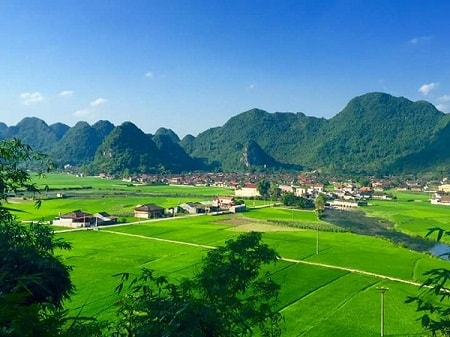
Authentic Highland Tours
Vietnam Adventure & Cultural Discovery Tours
Journey off the beaten track to Sapa, Ha Giang, and Bac Son Valley to experience authentic ethnic homestays, dramatic rice terraced landscapes, and traditional bamboo cooking over open fires.
Top Regional Rice Dishes You Should Try in Vietnam
Vietnam’s diverse regional geography has fostered world-renowned rice dishes defined by unique cooking vessels, specialized grain types, and complementary side delicacies. Below is a comparative overview followed by in-depth evaluations of the top 5 iconic recipes.
| Rice Specialty & Region | Cooking Vessel & Core Grain | Primary Accompaniments & Flavors | Best Locations to Taste |
|---|---|---|---|
| Cơm Niêu (Clay Pot Rice) | Terracotta Earthenware Pot; Jasmine rice | Caramelized braised fish (Cá kho tộ), crab soup, savory crispy crust | Hanoi, Ho Chi Minh City, Da Nang |
| Cơm Dừa (Coconut Rice) | Hollow Fresh Coconut Shell; Fragrant long grain | Roasted river shrimp, sweet coconut nectar, Hue royal meats | Ben Tre, Hue, Ho Chi Minh City |
| Cơm Tấm (Broken Rice) | Cast-iron steamer; Fractured rice grains (tấm) | Lemongrass grilled pork chop, steamed egg meatloaf, scallion oil | Ho Chi Minh City, Can Tho, Southern Delta |
| Cơm Gà Hội An (Chicken Rice) | Pot cooked with chicken fat & turmeric | Shredded free-range chicken, Vietnamese coriander, chili jam | Hoi An Ancient Town, Da Nang, Hanoi |
| Cơm Lam (Bamboo Rice) | Young Neohouzeaua Bamboo Tube; Glutinous upland rice | Charbroiled mountain chicken, crushed roasted sesame salt | Sapa, Ha Giang, Mai Chau, Da Lat |
1. Cơm Niêu – Traditional Rice in Earthenware Clay Pot
Cơm Niêu is a Vietnamese rice specialty prepared inside porous unglazed earthenware pots over open flames or baking hearths. This ancient method produces an extraordinarily fluffy grain interior crowned with a crunchy golden bottom layer.
Historically common across rural northern hamlets prior to modern electric cookers, Cơm Niêu has evolved into a celebrated dining staple featured in high-end traditional restaurants across Hanoi and Saigon. Diners can specify their preferred doneness: standard medium, aromatic yellowish-brown, or thoroughly charred for maximum crunch.
The crunchy rice layer, known locally as “cơm cháy”, pairs exceptionally well with “cá kho tộ” – fresh river fish caramelized in thick dark soy and fish sauce inside a smaller earthenware vessel over four simmering hours.
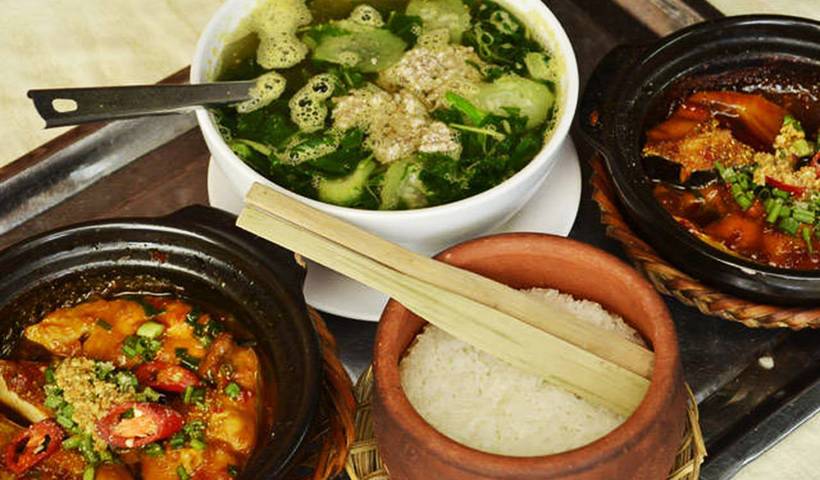
Authentic Vietnamese clay pot rice served alongside savory caramelized braised catfish.
Recommended Places to Try Cơm Niêu in Vietnam:
- Com Nieu Sai Gon: 27 Tu Xuong, Ward 7, District 3, Ho Chi Minh City
- Gao Restaurant: 33 Le Quy Don, District 3, Ho Chi Minh City
- Thuy Nga Restaurant: 29 Nguyen Chi Thanh, Ba Dinh District, Hanoi City
2. Cơm Dừa – Aromatic Coconut Rice of Ben Tre and Hue
Cơm Dừa represents a delicate fusion of fragrant long-grain rice steamed directly within freshly harvested whole coconuts. Travelers can savor two distinct regional variations: the rustic style of Ben Tre and the elaborate royal court recipe of Hue.
In Ben Tre, renowned throughout Southeast Asia as the Land of Coconuts, local cooks fill fresh coconut cavities with seasoned rice and coconut water before slow-steaming them over charcoal fires. This process requires precise timing so the rice absorbs natural oils without softening excessively. Ben Tre coconut rice is traditionally savored with crispy roasted riverine shrimp cooked in caramel fish sauce.
In contrast, Hue royal coconut rice originated as an imperial palace delicacy served to Nguyen Dynasty emperors. The cooked rice is seasoned and tossed with diced pork, Vietnamese sausage, river shrimp, garden peas, and Hue cold cuts before receiving a final aromatic steam inside a coconut shell.
Recommended Places to Taste Cơm Dừa in Vietnam:
- Din Ky Restaurant: 137C Nguyen Trai, District 1, Ho Chi Minh City
- Ben Tre Riverside Resort Dining: 708 Nguyen Van Tu, Ward 7, Ben Tre City
3. Cơm Tấm – Iconic Southern Vietnamese Broken Rice
Originating in the agricultural heartland of southern Vietnam, Cơm Tấm has evolved into an indelible culinary symbol of Ho Chi Minh City. This world-famous dish transforms fractured rice grains into an appetizing culinary centerpiece.
Historically, broken grains were the damaged fragments left over from commercial rice milling, reserved for working-class families and farming households. Over decades, southern cooks elevated this humble ingredient into a multifaceted masterpiece paired with grilled marinated pork chops, seasoned pork skin, steamed egg-and-meat loaf, and sunny-side-up eggs.
Drizzled with fragrant scallion oil and accompanied by sweet-and-sour garlic fish sauce with pickled vegetables, Cơm Tấm delivers a rich blend of textures. In Ho Chi Minh City, it is enjoyed at all hours of the day across street stalls and upscale bistros alike.
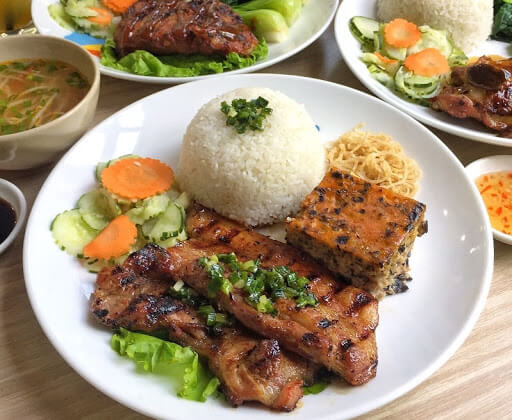
A classic plate of Saigon broken rice served with charbroiled pork chop, meatloaf, and fried egg.
Recommended Places for Broken Rice in Vietnam:
- Com Tam Muoi: 294/35 Xo Viet Nghe Tinh, Binh Thanh District, Ho Chi Minh City
- Com Tam Ba Rom: 55 Phan Dinh Phung, Ward 17, Phu Nhuan District, Ho Chi Minh City
- Com Tam 36: 17 Ngo Gach, Hoan Kiem District, Hanoi City
- Com Tam Hang: 12, Alley 16, Huynh Thuc Khang Street, Dong Da District, Hanoi City
4. Cơm Gà Hội An – Golden Hoi An Turmeric Chicken Rice
Hoi An Chicken Rice is central Vietnam’s culinary artistry, originally served at modest street side wooden carts in the historic UNESCO trading port. The dish combines aromatic turmeric rice with tender, hand-shredded free-range chicken.
To craft authentic Cơm Gà Hội An, long-grain rice is washed and gently cooked in rich chicken bone broth alongside fresh turmeric and crushed chicken fat. This technique yields gleaming golden grains that remain light, fluffy, and savory. Tender boiled chicken is hand-shredded and tossed with thinly sliced white onions, crushed Vietnamese coriander (rau răm), lime juice, and coarse black pepper.
The finished plate is complemented by a bowl of hot herbal broth, homemade sweet chili jam, and pickled young green papaya. The harmony of rich poultry, citrus dressing, and peppery greens delivers an unforgettable central Vietnamese dining experience.

Golden turmeric Hoi An chicken rice tossed with fresh herbs, sliced onions, and chili jam.
Where to Try Hoi An Chicken Rice in Vietnam:
- Com Ga Ba Buoi: 22 Phan Chu Trinh, Hoi An City
- Com Ga Ba Van: 21 Phan Chu Trinh, Hoi An City
- Com Ga Hoi An: 95/1 Nguyen Trai, Ben Thanh Ward, District 1, Ho Chi Minh City
- Hoi Pho Quan: 152/22 Nguyen Trong Tuyen, Ward 8, Phu Nhuan District, Ho Chi Minh City
- Com Ga Hoi An De Faifo: 98 Trieu Viet Vuong, Hai Ba Trung District, Hanoi City
5. Cơm Lam – Fragrant Bamboo Tube Rice of the Northern Highlands
Cơm Lam is a celebrated culinary staple of ethnic minority communities across Vietnam’s northern mountains and central highlands. Glutinous sticky rice is packed inside fresh young bamboo stalks and slow-roasted over glowing charcoal embers.
This cooking method originated out of practical necessity for highland farmers, hunters, and gatherers venturing into remote mountain forests for days at a time. The natural inner membrane of the fresh bamboo seals the rice, keeping it moist, sweet, and safe from spoilage across several days without refrigeration.
To prepare Cơm Lam, premium highland glutinous rice is soaked in fresh mountain spring water for 4 to 6 hours before being loaded into young bamboo tubes sealed with banana leaves. Once roasted, the singed outer green bark is sliced away, leaving a delicate white inner skin that peels back easily when eating. Dipped in roasted peanut sesame salt and paired with charbroiled hill chicken, Cơm Lam offers an authentic mountain flavor.
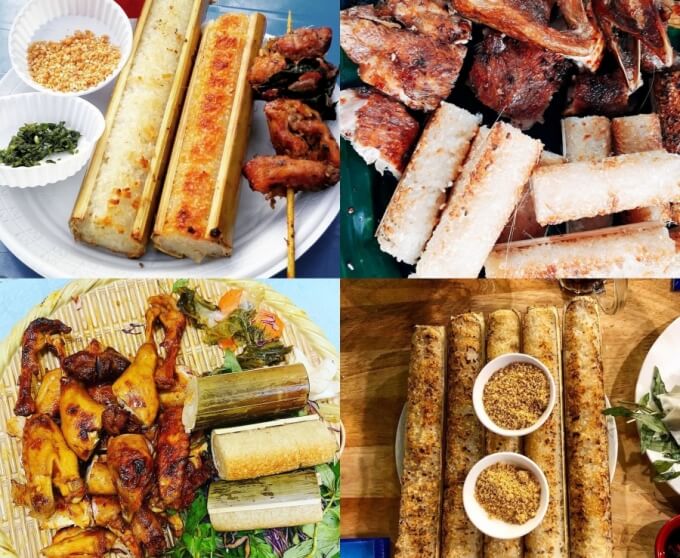
Freshly roasted highland bamboo tube rice paired with charred mountain chicken and sesame salt.
Recommended Places to Try Cơm Lam in Vietnam:
- Ga Nuong Com Lam Muong Thuong: 29/281 Song Hanh, Highway 22, Tan Hung Thuan Ward, District 12, Ho Chi Minh City
- Thung Lung Xanh Restaurant: Ankroet, Ward 7, Lac Duong District, Da Lat City
- Thao Nguyen Quan: Ankroet, Ward 7, Lac Duong District, Da Lat City
- Local Highland Food Markets: Sapa, Bac Ha, Ha Giang, Mai Chau Valley, and Mu Cang Chai
Step-by-Step Guide on How to Experience Rice Dishes in Vietnam for First-Time Travelers
Navigating Vietnam’s dynamic culinary scene requires clear planning to ensure genuine gastronomic quality, food safety, and authentic local flavor profiles. Follow this standardized procedure to maximize your culinary explorations.
- Align regional rice specialties with your geographic travel routing: Focus on Cơm Niêu in Hanoi, Cơm Gà in Hoi An, Cơm Lam across Sapa or Ha Giang mountain trails, and Cơm Tấm throughout Ho Chi Minh City to enjoy every dish in its native culinary context.
- Select dining venues with active patron turnover: Prioritize bustling street establishments and reputable traditional restaurants with visible cooking stations and high daily ingredient turnover to guarantee freshness.
- Pair your rice dishes with regional braised proteins and broths: Order caramelized clay pot catfish (cá kho tộ) alongside clay pot rice, pair roasted hill chicken with bamboo sticky rice, and complement broken rice with sweet garlic fish sauce.
- Communicate dietary preferences and spice tolerances clearly: Inform restaurant servers early if you require mild chili profiles, gluten-conscious seasonings, or plant-based tofu alternatives.
- Engage a licensed local guide from Golden Holiday Travel: Book private culinary tours led by professional local experts who lead you into generational family kitchens, translate intricate menus, and provide direct cultural context.

Common Mistakes to Avoid When Visiting Vietnam & Local Tips from Golden Holiday Travel
International visitors often encounter minor dining challenges due to language differences or unfamiliar local etiquette. Review these insider tips from our travel specialists to dine with complete confidence.
- Mistake: Ordering southern specialty dishes in remote northern mountain outposts.
Expert Tip: Savor indigenous regional specialties where local ingredients thrive; order fragrant Cơm Lam in northern mountain valleys and authentic Cơm Dừa in southern palm groves. - Mistake: Leaving the crispy clay pot rice crust untouched at the bottom.
Expert Tip: The crunchy bottom layer (cơm cháy) is considered the highlight of clay pot dining; scrape it loose and spoon savory caramelized braising sauce over the top for rich texture. - Mistake: Relying exclusively on tourist-heavy dining promenades near train stations.
Expert Tip: Venture two or three blocks off main tourist thoroughfares into residential neighborhoods where multigenerational family eateries maintain authentic heritage recipes. - Mistake: Placing chopsticks vertically upright into a bowl of rice.
Expert Tip: Sticking chopsticks vertically resembles burning incense sticks at ancestral altars, which is considered bad luck; always rest chopsticks horizontally across your bowl or on a side stand.
Frequently Asked Questions (FAQs) About Rice Dishes in Vietnam
Here are quick answers to the most common questions international travelers ask when exploring Vietnamese rice dishes and culinary tours.
What is the most famous rice dish to try in Ho Chi Minh City?
Cơm Tấm (Broken Rice) is the definitive culinary symbol of Ho Chi Minh City, served with grilled lemongrass pork chops, steamed egg meatloaf, scallion oil, and sweet-savory fish sauce.
Is Vietnamese clay pot rice (Cơm Niêu) gluten-free?
The plain cooked rice in clay pots is completely gluten-free. However, travelers with celiac disease should verify that accompanying braised sauces (such as cá kho tộ) use pure fish sauce without added wheat soy sauce.
How is Hoi An Chicken Rice different from Hainanese Chicken Rice?
Hoi An Chicken Rice infuses the rice with golden turmeric and shredded free-range chicken hand-tossed with fresh Vietnamese coriander (rau răm), sliced onions, lime juice, and homemade central chili jam.
Where can travelers taste authentic Cơm Lam in Northern Vietnam?
Authentic Cơm Lam is best experienced in northern highland areas including Sapa, Ha Giang, Mai Chau Valley, and Mu Cang Chai, where local ethnic communities roast bamboo tubes over open hardwood fires.
Tailor-Made Family Trips
Customized Vietnam Family & Culinary Holidays
Design custom Vietnam itineraries tailored to your preferred pace, dietary wishes, and travel style with direct support from our licensed Hanoi travel experts.
Plan Your Perfect Customized Vietnam Tour with Our Travel Experts
Ready to embark on an unforgettable culinary and cultural adventure across Vietnam? Let our licensed destination specialists craft your personalized itinerary.
As a fully licensed international tour operator, Golden Holiday Travel specializes in tailor-made private tours, local food experiences, and seamless private transfers throughout Vietnam. Contact our team directly via email at [email protected] or message our 24/7 WhatsApp concierge at +84.988451530 to begin designing your dream holiday today.
Note: The travel information and recommendations provided in this article are curated by the travel experts at Golden Holiday Travel for informational purposes. For personalized itinerary planning and direct support, please contact our team.
Meet Our Experts

Suggested

Featured article








Related Articles


Write Comment