
Best Time to Visit Ha Giang: A Complete Travel Guide & Tips For The First Timers
Best time to visit Ha Giang depends on whether you seek golden rice terrraces, blooming flowers, or dry mountain passes for clear view & good road condition.
With over 10 years of organizing personalized Vietnam travel itineraries for travelers worldwide, our local team at Golden Holiday Travel shares practical guide into Ha Giang’s weather, road conditions, and seasonal highlights. This guide combines firsthand local insights with reliable regional travel information to help you choose the best time for your private mountain getaway.
Why Timing Matters When Visiting Ha Giang?
Selecting the right month can turn your Ha Giang road trip from a tough mountain journey into a memorable adventure through stunning karst landscape. Seasonal weather changes can make a big difference in Ha Giang, affecting road conditions, visibility on mountain passes, and the colors of the valleys and rice fields.
Fully Licensed Local Agency
Private Ha Giang Adventure Tour Packages
Discover northern mountain passes with licensed English-speaking guides, private comfortable vehicles, and flexible pacing tailored to your schedule.
As a high-altitude border territory in northern Vietnam, Ha Giang shows distinct terrain features including towering limestone canyons, steep mountain roads, and deep valleys. Planning your trip around Ha Giang’s seasonal weather helps you choose the best time for your travel style while enjoying safer roads and the region’s most beautiful scenery.
Ha Giang’s Climate and Seasonal Overview
Ha Giang features a subtropical highland climate with two primary periods: a humid summer rainy cycle from May to September and a dry, cooler winter cycle from October to April. Regional temperatures fluctuate from 5°C in high-altitude stone plateaus during January to 32°C in low valleys during July.
High elevation creates distinct microclimates across districts like Dong Van, Meo Vac, and Yen Minh compared to low-lying Ha Giang City. Travelers heading to high passes must prepare for sudden temperature drops and rapid changes in cloud cover throughout the day.
What Makes Each Season Different?
Every season in Ha Giang displays featured ecological shifts, ranging from spring blossom blooms to summer rice irrigation and autumn rice harvests. Cultural life among the 16 local ethnic groups is closely intertwined with these seasonal changes in agriculture.
Spring introduces soft pink peach blossoms and white plum flowers across stone villages. Summer covers mountainsides in vivid green vegetation and fills terraced fields with sparkling rainwater. Autumn brings golden yellow rice terraces followed by pink buckwheat fields, while winter provides quiet, misty landscapes and cool mountain air.
Best Time to Visit Ha Giang at a Glance
For mild temperatures, stable road conditions, and colorful landscapes, the months from September to November rank as the overall favorite travel window. March to May serves as a pleasant second choice with clear skies and moderate warmth suitable for leisure road touring.
If you prioritize avoiding tourist crowd while observing authentic farming routines, May to June offers quiet routes and active field preparation. Winter months from December to February suit travelers who enjoy crisp weather, warm local hearths, and mountain solitude.
Fully Licensed Local Agency
Customized Vietnam Tour Packages
Combine your northern mountain circuit with cultural explorations across Hanoi, Ninh Binh, and Halong Bay with our dedicated planning team.
Ha Giang in Spring: March to May
Spring provides refreshing weather, vibrant floral displays, and comfortable road conditions across the high plateau. It represents a balanced travel window for visitors who appreciate mild temperatures without severe winter cold or summer showers.
Weather and Road Conditions
During spring, daytime temperatures stay between 18°C and 25°C, dropping to 12°C at night on high plateaus. Rainfall is usually light, so water rarely pools on the narrow mountain roads.
Driving conditions along high ridges remain stable with clear visibility over long distances. Private vehicles navigate mountain curves smoothly without the risk of heavy summer water runoff.
What the Landscape Looks Like?
Limestone slopes and earthen courtyards turn colorful with peach blossoms, plum blossoms, and fresh green shoots. Stone walls surrounding traditional Hmong villages contrast with the pink and white petals.
The valley floors are dotted with carefully tended cornfields and vegetable gardens. The landscape feels vibrant and renewed as local farmers begin their annual crop preparations.
Best Things to Do in Spring
Key activities include touring historic stone architecture in Dong Van, stopping by local weekly markets, and walking through floral villages. Travelers can observe cultural gatherings and photograph mountain passes under soft natural lighting.
Taking a boat trip on the Nho Que River beneath the Tu San Canyon offers calm water conditions and pleasant canyon breezes. Visiting Quan Ba Twin Mountains also provides panoramic views across green springtime basins.
Is Spring a Good Time for the Ha Giang Loop?
Yes, spring serves as an excellent window for completing the mountain loop by private car or guided Ha Giang loop tour. Good road conditions, moderate wind levels, and clear canyon views make the loop comfortable and relatively easy to navigate.
Travelers embarking on Vietnam tours will find that spring combines reliable mountain access with moderate lodging demand, ensuring peaceful stops at viewpoints.
Ha Giang in Summer: June to August
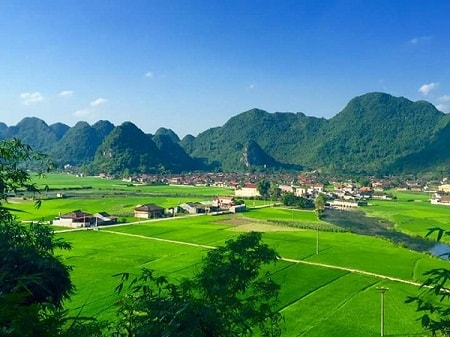
Summer paints the northern mountains in deep green while filling stepped rice terraces with mountain rain. While it brings rainfall and warm temperatures, it delivers dramatic agricultural landscapes and peaceful mountain roads far from the crowds.

The view of rice terraces in Hoang Su Phi district – Ha Giang
Weather, Rainfall and Road Conditions
Summer temperatures reach 26°C to 33°C in low valleys, accompanied by periodic tropical showers. Rain often arrives in short, intense afternoon bursts rather than continuous day-long storms.
Wet-Weather Driving Safety
Wet roads require for extra caution, especially on steep downhill bends where water can collect and make the surface slippery. Experienced local drivers keep a close eye on the weather forecast and adjust their travel plans to find the safest time to hit the road each day.
Lush Green Mountains and Terraced Rice Fields
In late May and June, local farmers channel mountain water into hillside terraces for the annual planting cycle. The terraced fields turn into shimmering mirrors, reflecting the ever-changing clouds and soft morning sky.
By July and August, young rice plants coat the hillsides in vivid emerald carpets. The contrast between lush green slopes and dark limestone peaks creates exceptional landscape for photography.
Advantages and Challenges of Summer Travel
Summer advantages include lower tourist numbers, flexible homestay availability, and rich green countryside views. Waterfalls and mountain streams are at their fullest, adding even more beauty to the scenery along the roads.
The primary challenge centers on unpredictable rainfall that can temporarily delay travel along rural unpaved side roads. Selecting private car transport with an experienced driver minimizes these travel concerns effectively.
Tips for Riding the Ha Giang Loop During the Rainy Season
Always carry reliable waterproof bags, high-visibility raincoats, and sturdy footwear with good grip. Avoid riding through unfamiliar water puddles, and if heavy rain suddenly hits the high mountain passes, it’s safer to stop and wait until visibility improves.
Schedule daily departures early in the morning to reach your destination before typical afternoon rain cycles begin. Booking a private car rental with driver from Hanoi to Ha Giang ensures maximum comfort and protection against sudden weather changes.
Ha Giang in Autumn: September to November
Autumn ranks as the premier travel season for Ha Giang, offering crisp dry weather and sweeping golden harvest panoramas. It combines comfortable travel temperatures with the region’s most celebrated agricultural events..
Why Autumn Is Considered the Best Season
Autumn provides low humidity, virtually no heavy rainfall, and moderate daytime temperatures averaging 18°C to 24°C. Clear skies produce wide visibility across limestone peaks and mountain canyons.
With more stable weather and clearer skies, this is the most reliable time for mountain treks, canyon boat trips, and longer road journeys across all northern districts.
Golden Rice Terraces During Harvest
In September and early October, rice terraces turn brilliant golden yellow across Hoang Su Phi. Local ethnic Tay, Nung, and Red Dzao communities harvest crops along steep hillside terraces using traditional sickles.

The rice terraces & Red Dzao ethnic in Hoang Su Phi area
Travelers interested in trekking can consult our guide on the ideal time to visit Hoang Su Phi rice terraces and explore top things to do in Hoang Su Phi. For active hikers, a 4 day or longer off-the-beaten-path Hoang Su Phi Adventure Trek provides an authentic look into village life.
Buckwheat Flower Season in October and November
Following the grain harvest, fields across Dong Van, Meo Vac, and Lung Cu burst into bloom with pink and purple buckwheat blossoms. These small flowers blanket stone slopes and roadside terraces in soft pastel hues.

Buckwheat flowers – the symbol of mountainous region in Vietnam
Buckwheat is an important crop for local communities while creating famous landscape backdrops. The annual Buckwheat Flower Festival celebrates this seasonal change with cultural music and local food tastings.
Best Places to See Autumn Colors
For the best autumn views, head to the stunning terraced landscapes of Ban Phung and Ban Luoc in Hoang Su Phi, where the hillsides come alive with golden rice fields. For buckwheat fields, top viewpoints include Sung La Valley, Lung Cu Flag Tower slopes, and the base of Ma Pi Leng Pass.
Pairing these destinations into your Vietnam adventures guarantees diverse landscape photography across both terraced valleys and stone plateaus.
Ha Giang in Winter: December to February
Winter brings a tranquil, atmospheric ambiance with mist-shrouded karst peaks, vibrant yellow mustard fields in bloom, and refreshing mountain breezes. It appeals to travelers seeking quiet routes and cultural homestay warmth.

Yellow kale follower in December
What to Expect From the Cold Weather?
Winter temperatures range between 6°C and 15°C, with occasional drops toward 2°C on high stone plateaus during cold spells. The air is fresh and invigorating, making daytime adventures even more enjoyable.
Many traditional homestays feature wood-burning hearths where guests gather in the evening. Selecting boutique eco-lodges or certified hotels with heating units ensures restful overnight stays.
Foggy Mountains and Unique Winter Scenery
Dense morning mists drift through limestone canyons, giving mountain passes a dramatic, otherworldly appearance. By midday, sunlight breaks through the clouds to reveal clear mountain horizons.
The quiet winter landscape provides reflective travel moments away from standard holiday crowds. Photographers can capture atmospheric images of limestone peaks emerging from sea-like cloud layers.
Can You See Flowers in Winter?
Yes, December showcases vibrant yellow mustard (kale) flowers blooming across valley plots and hillsides. These yellow carpets stand out against dark stone walls and green mountain slopes.
As January turns to February, early wild peach blossoms and white plum blossoms begin opening across highland villages, signaling the approach of spring.
What to Pack for a Winter Ha Giang Loop?
Pack warm thermal base layers, a windproof fleece or down jacket, gloves, and a neck warmer for road transits. Thick wool socks and insulated walking boots provide comfort during outdoor walks.
Layering your clothing allows you to adapt easily as daytime sun warms the valleys and evening chills settle over high plateaus.
| Month | Avg Temp (°C) | Rainfall Level | Landscape Highlight | Road Condition |
|---|---|---|---|---|
| January | 8 – 14°C | Low | Yellow mustard flowers, winter mist | Dry, morning fog |
| February | 10 – 17°C | Low | Peach and plum blossoms blooming | Dry, clear passes |
| March | 15 – 22°C | Moderate-Low | Spring floral displays, green valleys | Good driving conditions |
| April | 19 – 26°C | Moderate | Khau Vai cultural market season | Dry and clear |
| May | 22 – 29°C | Moderate-High | Water-filling season on rice terraces | Occasional wet patches |
| June | 24 – 32°C | High | Mirror-like watered terraces, lush hills | Slippery when raining |
| July | 24 – 33°C | Very High | Deep green maize and rice slopes | Requires careful driving |
| August | 23 – 31°C | High | Active farming in green valleys | Watch for rain runoff |
| September | 20 – 27°C | Moderate | Golden ripe rice harvest in Hoang Su Phi | Firm and reliable |
| October | 16 – 24°C | Low | Buckwheat blossoms, cool dry skies | Excellent road traction |
| November | 12 – 20°C | Low | Peak buckwheat flower season | Dry and clear |
| December | 8 – 15°C | Low | Yellow kale flowers, crisp atmosphere | Dry, morning fog |
What Is the Best Time to Visit Ha Giang for Different Travelers?
Every traveler values different trip elements, from road safety and ease of transit to specialized photography or strenuous mountain hiking. Aligning your group interest with regional seasons makes sure a rewarding vacation.
Best Time for First-Time Visitors
First-time visitors should prioritize October and November or March and April. These months offer the most stable weather, dry roads, clear panoramic views, and moderate temperatures.
Choosing these windows minimizes travel disruptions while delivering classic views of mountain passes and colorful agricultural valleys.
Best Time for Photographers
Photographers should target September for golden ripe rice terraces or late October to November for buckwheat blooms. June also offers exceptional reflections during the water-filling season on terraced hillsides.
Early morning light during autumn produces crisp shadow lines across karst formations, adding landscape depth and texture.
Best Time for Nature and Adventure Lovers
Outdoor adventure enthusiasts will appreciate October to December and March to May for long-distance hiking and village trekking. Comfortable daytime temperatures make it easier to stay active throughout the day without feeling overly tired from the heat.
Trails remain firm underfoot, allowing safe navigation through high mountain paths and remote tribal hamlets for memorable travel experiences in your Ha Giang adventure.
Best Time for Families and Older Travelers
Families with children and mature travelers benefit most from traveling in March, April, October, or early November. Moderate warmth and clear roads support a relaxed sightseeing pace via private vehicle.
Avoiding severe winter cold and summer downpours ensures comfortable daily transit between heritage sites, boat docks, and boutique accommodations.
Best Time for Travelers Seeking Fewer Crowds
Travelers seeking quiet mountain roads should plan trips during May, June, or late February. During these windows, tourist traffic remains light, allowing private access to scenic lookouts.
Homestay hosts have more time for personalized hospitality, offering authentic interactions with local ethnic families across quiet villages.
| Traveler Profile | Ideal Months | Top Activities | Recommended Travel Style |
|---|---|---|---|
| First-Time Visitors | Oct – Nov, Mar – Apr | Pass viewing, canyon boat trips, cultural markets | Private guided car tour |
| Photographers | Sep – Nov, Jun | Terrace reflections, golden harvest, flower fields | Tailor-made photography itinerary |
| Adventure & Hikers | Oct – Dec, Mar – May | Multi-day trekking, canyon walks, remote trails | Guided trekking package with homestays |
| Families & Seniors | Mar – Apr, Oct – Nov | Scenic driving, heritage visits, river excursions | Comfortable private vehicle with private guide |
| Fewer Crowds Seekers | May – Jun, Feb | Quiet village stays, peaceful mountain lookouts | Off-the-beaten-path private tour |
What to Pack for Ha Giang Based on the Season?
Packing correctly guarantees your safety and comfort across diverse microclimates in northern Vietnam. Mountain altitudes demand thoughtful preparation regardless of the general forecast.
Clothing and Layers for Cool Weather
During autumn and winter, pack breathable thermal undergarments, long trousers, and multiple middle layers such as fleeces and light wool sweaters. A windproof, water-resistant outer jacket protects against brisk mountain winds.
For evening stays at high altitudes, bring a warm beanie, lightweight gloves, and cozy footwear for unheated indoor spaces.
Rain Gear for the Wet Season
Summer travelers should pack durable two-piece rain suits rather than flimsy plastic ponchos that catch high mountain winds. Waterproof dry bags or heavy-duty backpack covers keep electronics and passports secure.
Quick-drying synthetic shirts and trekking pants prevent chafing and dry rapidly after unexpected afternoon showers.
Sun Protection for Mountain Roads
High-elevation ultraviolet radiation remains strong even on overcast days. Carry broad-spectrum sunscreen with SPF 50+, polarized sunglasses, and a wide-brimmed hat for daytime excursions.
Lip balm with sun protection protects against windburn and chapping during long outdoor transits along limestone ridges.
Essential Items for the Ha Giang Loop
Carry sufficient local cash (VND) because automated bank machines are scarce outside major towns like Ha Giang City and Dong Van. Bring personal medications, motion sickness remedies, insect repellent, and an international power adapter.
Sturdy walking shoes with rubberized tread provide secure footing when exploring rocky village paths and limestone viewpoint staircases.

Common Mistakes & Our Practical Tips for Planning Ha Giang Loop trip
Avoiding frequent travel oversights saves valuable time and prevents unnecessary safety hazards on mountain roads. Our team shares practical corrective recommendations based on years of organizing private tours across the province.
- Choose Your Travel Dates Based on What You Want to See: Align your booking with specific regional features. If you want golden rice, visit in September; for buckwheat blossoms, choose late October to November; for fresh greenery, travel in spring.
- Book Accommodation and Transport in Advance During Peak Season: Autumn weekends fill quickly across Dong Van and Meo Vac. Secure quality private car services and certified boutique hotels at least 4 to 8 weeks ahead.
- Stay Flexible With Your Route: Mountain weather can change quickly. Allow extra transit time between stops and follow your local guide’s advice regarding road conditions and alternative passes.
- Make Safety a Priority on the Ha Giang Loop: Avoid self-driving motorbikes without proper international licensing and mountainous driving experience. Opting for a private car with a professional local driver ensures safety and peace of mind on steep mountain passes.
Frequently Asked Questions (FAQs) About the Best Time to Visit Ha Giang
Here are concise answers to the five most common traveler inquiries regarding timing, weather, and road safety in Ha Giang.
Which month offers the best weather in Ha Giang?
October ranks as the month with the most stable weather, offering cool daytime temperatures around 20°C, minimal rainfall, and crisp sky visibility over mountain passes.
When is the buckwheat flower season in Ha Giang?
Buckwheat flowers bloom from late October to late November, with peak pink and purple blossoms covering limestone slopes across Dong Van and Lung Cu districts.
Is it safe to visit Ha Giang during the summer rainy season?
Yes, visiting in summer is manageable with private car transport and experienced drivers who monitor daily weather and avoid traveling during heavy localized downpours.
When can I see golden ripe rice terraces in Ha Giang?
The golden rice harvest season occurs in late September and early October, especially across the terraced valleys of Hoang Su Phi district.
How cold does Ha Giang get in winter?
Winter temperatures in high-altitude towns like Dong Van average 8°C to 14°C, occasionally dropping toward 2°C during strong northern cold waves.

Fully Licensed Local Agency
Northern Vietnam Tour Packages
Combine your Ha Giang exploration with Sapa trekking, Cao Bang waterfalls, and luxury cruises in Bai Tu Long Bay on a private customized schedule.
Final Thoughts on Best Time to Visit Ha Giang & Arrange Your Trip with Our Travel Experts
Ha Giang provides distinct seasonal rewards throughout the year, from golden autumn harvests to fresh spring blossoms and dramatic summer valleys. Our team at Golden Holiday Travel specializes in crafting bespoke Ha Giang tour packages and Northern Vietnam Adventures tailored to your preferred travel style. Contact our travel consultants via WhatsApp +84.988451530 or email [email protected] to start planning your personalized mountain vacation today.
Note: The travel tips and recommendations shared in this guide have been carefully prepared by the local travel experts at Golden Holiday Travel. While every traveler is different, our team is always happy to provide personalized itinerary planning, destination advice, and one-on-one support to help you create the perfect Vietnam journey.

Meet Our Experts

Suggested


Featured Articles


Related Articles




Ask a Question or Share Your Thoughts
Have questions about this itinerary, road trip tips, private car rentals, or ticket booking? Leave a comment or question below — our travel specialists will reply within a few hours!