
Discover the Central Highlands of Vietnam : A Journey Beyond the Tourist Trail
Central Highlands Vietnam, known locally as Tay Nguyen, is a vast highland region shaped by rich red volcanic soil, misty pine-covered hills, powerful waterfalls, and traditional ethnic minority villages with centuries of history. Often missed by travelers following Vietnam’s classic coastal route, the Highlands offer a quieter escape filled with stunning scenery and authentic local culture.
With over 10 years of crafting tailor-made Vietnam travel itineraries, our local experts at Golden Holiday Travel have helped thousands of travelers to experiences that go far beyond a standard checklist. In this guide, we share practical travel tips, itinerary ideas, and first-hand local insights to support you plan a smooth and rewarding private journey through the heart of Vietnam’s Central Highlands.
Key Takeaways for Your Central Highlands Trip
- Geographic Region : Comprises five key provinces across distinct plateaus: Dak Lak, Dak Nong, Gia Lai, Kon Tum, and Lam Dong.
- Best Travel Window: The dry season from November to April delivers cool mountain breezes, sunny skies, and blossoming coffee plantations.
- Cultural Highlights: Experience UNESCO-recognized Space of Gong Culture, traditional Rong communal houses, and matrilineal Ede longhouses.
- Ideal Trip Length: Allocate 4 to 5 days for a comprehensive highland circuit, or 2 to 3 days for focused regional exploration.
- Travel Recommendation: Book a private car with an experienced local driver and licensed guide to travel the winding mountain passes safely.
Fully Licensed Local Agency
Customized Vietnam Tour Packages
Discover Vietnam with custom-designed private itineraries, professional English-speaking tour guides, and private vehicle transfers. Reduce your vacation planning time by up to 70% with our rapid 24-hour turnaround guarantee.
What Makes the Central Highlands of Vietnam Worth Visiting?
The Central Highlands of Vietnam provide an alternative to crowded coastal resorts, offering expansive volcanic plateaus, dense national parks, and living tribal heritage. Travelers coming here can discover spectacular waterfalls, taste locally grown Robusta coffee, and experience well-preserved indigenous traditions in authentic village communities.
A Land of Mountains, Forests, Waterfalls, and Coffee Plantations
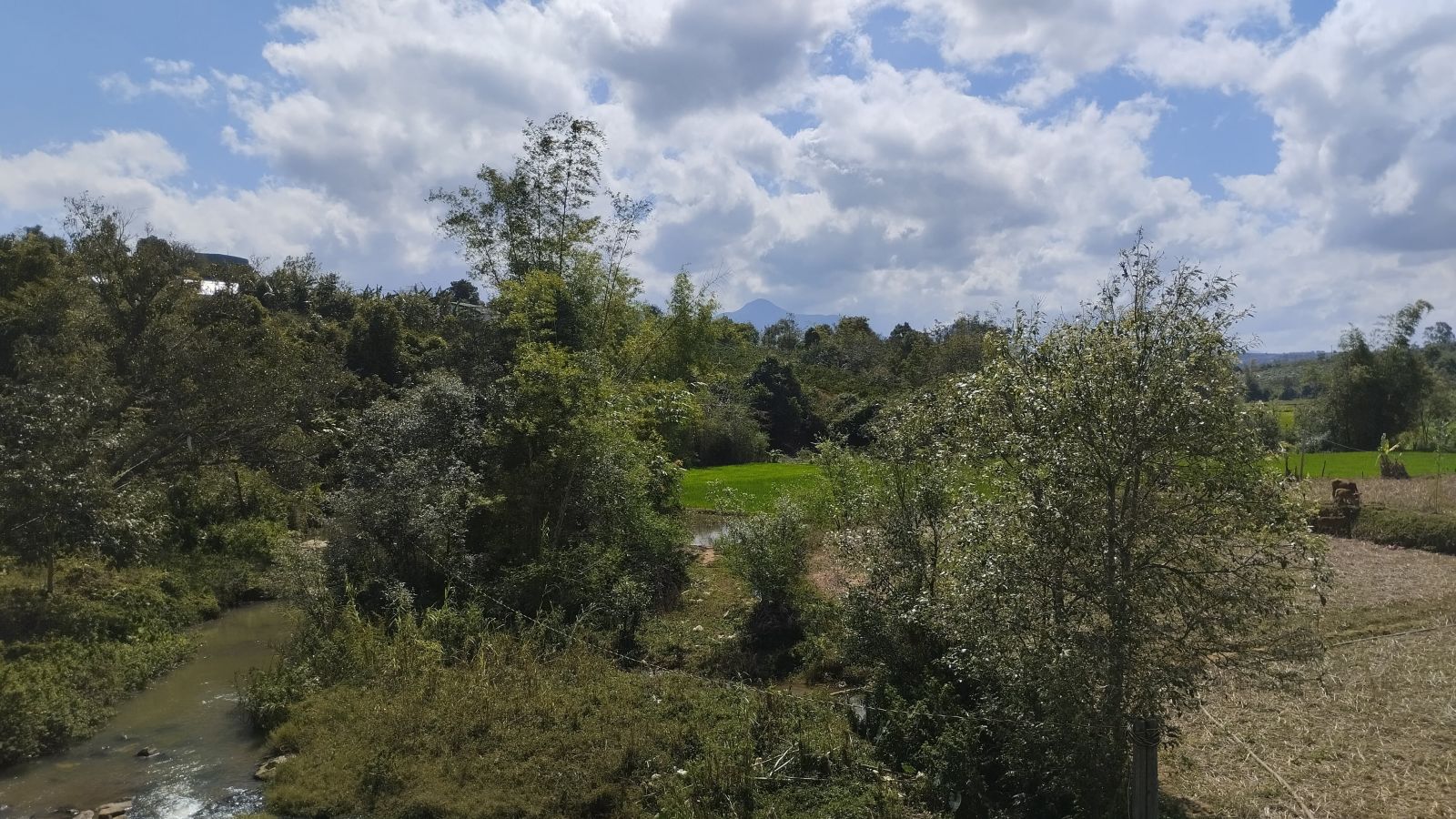
Covering thousands of square kilometers of rich basalt soil, the Central Highlands feature a diverse landscape that ranges from pine-covered hills in Lam Dong to fertile plains across Dak Lak. This rugged terrain also forms the source of major river systems, creating impressive waterfalls such as Dray Sap, Dray Nur, and Gia Long.
Rolling hillsides across Buon Ma Thuot and Pleiku support extensive rows of Robusta coffee trees, pepper vines, and rubber plantations. Visiting these farming areas gives travelers a chance to meet local farmers and see traditional harvesting methods up close.
.
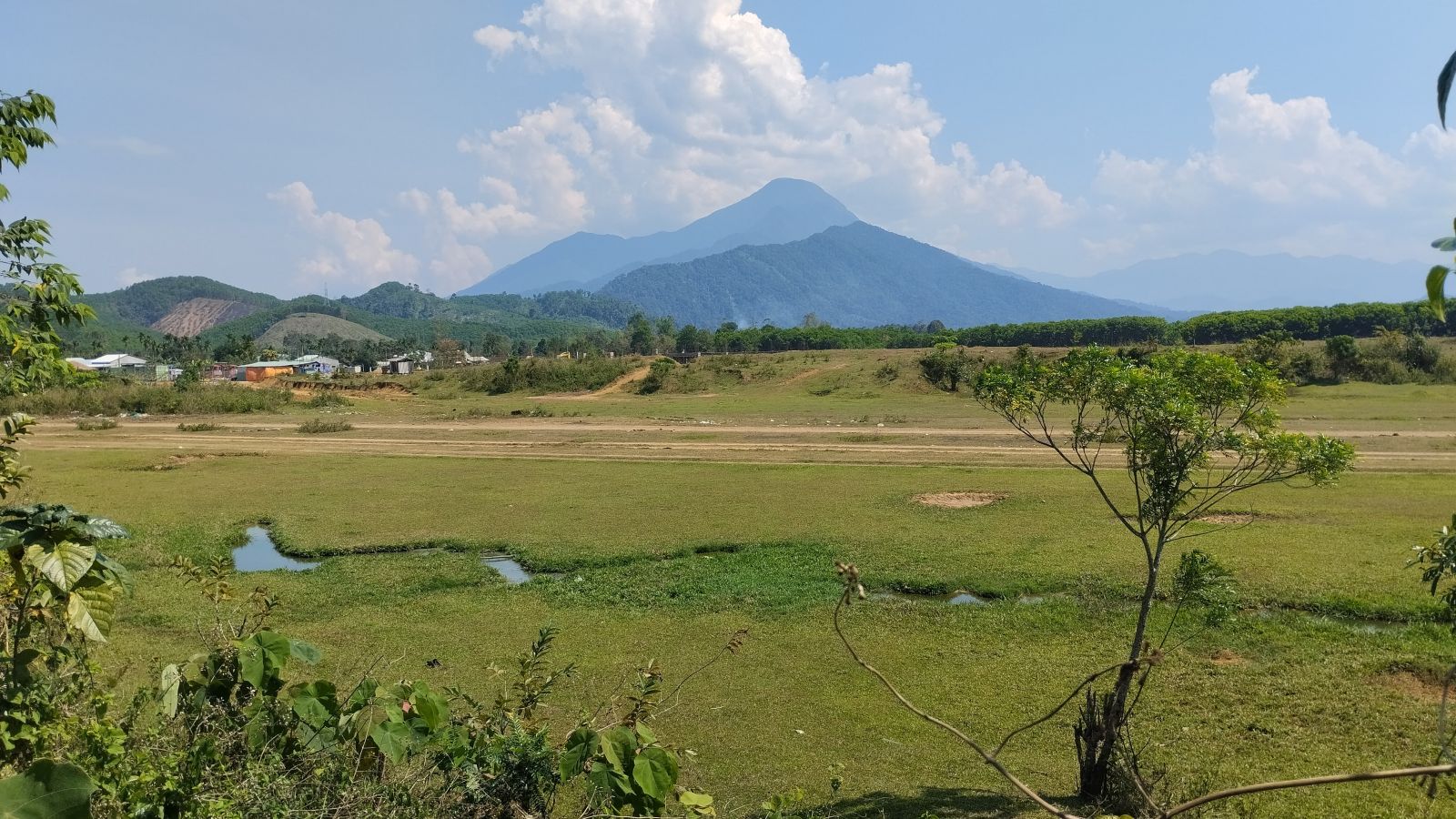
A Slower, More Authentic Side of Vietnam
Unlike major tourist hubs, the highland towns move at a calm, unhurried pace. Morning routines center on open-air coffee shops where locals drink strong drip brews alongside quiet streets.
Rural roads wind through small farming communities where mass tourism has yet made influence. Travelers can stroll through peaceful villages, chat with local artisans, and experience everyday life away from the crowds and commercial souvenir stalls.
Rich Indigenous Cultures and Living Traditions
Over 21 ethnic minority groups inhabit the region, with the Ede, Bahnar, Jarai, and M’nong communities forming the cultural backbone of the highlands. Many of their traditional ways of life can still be seen today, from distinctive architecture and community structures to long-standing spiritual beliefs and customs.
Villages feature towering communal Rong houses and long wooden stilt structures that reflect centuries of shared village governance. Bronze Gong music plays an important role in community ceremonies, linking traditional rituals with the stories and heritage passed down from ancestors.
Where Are the Central Highlands of Vietnam?
The Central Highlands occupy the inland plateau territory of central-southern Vietnam, bordering southern Laos and northeastern Cambodia to the west. Situated away from the South China Sea coastline, the region sits at average elevations ranging from 500 to 1,500 meters above sea level.
Understanding the Geography and Landscape
Geographically known as Tay Nguyen, the territory consists of a chain of contiguous plateaus rather than a single flat plain. Major elevations include the Kon Tum Plateau, Pleiku Plateau, Dak Lak Plateau, and the high-altitude Lam Vien Plateau.
These high plateaus serve as important water sources for Central Vietnam and neighboring countries, feeding major rivers such as the Serepok and Se San, which flow westward into the Mekong Delta
The Main Provinces and Destinations to Explore
The region consists of five administrative provinces, traditionally divided into northern, central, and southern areas according to their differences in elevation and climate.
- North Central Highlands: Includes Kon Tum and Gia Lai provinces, marked by deep valleys, tea plantations, and Bahnar and Jarai villages.
- Middle Central Highlands: Encompasses Dak Lak and Dak Nong provinces, famous for coffee production, volcanic geoparks, and Yok Don National Park.
- South Central Highlands: Covers Lam Dong province, centered around Da Lat, which is known for its cool mountain climate, rolling pine forests, and refreshing highland scenery.
How the Central Highlands Differ From Other Regions of Vietnam?
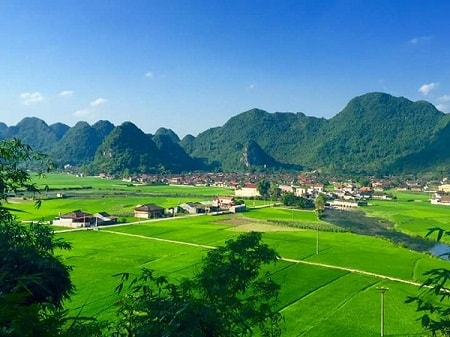
Unlike the limestone karsts of Northern Vietnam or the coastal deltas of the South, the Central Highlands feature vast red basalt plateaus shaped by prehistoric volcanism. The climate is significantly cooler and less humid than the lowlands.
The cultural setting is also distinct; while the coastal plains reflect strong lowland Viet culture, the highlands preserve Austroasiatic and Austronesian indigenous social customs, architectural styles, and agricultural methods.
Fully Licensed Local Agency
Vietnam Adventure Tours
Experience guided trekking expeditions, scenic mountain drives, and authentic ethnic village stays. Our private adventure tours feature certified wilderness guides, modern 4WD vehicles, and 24/7 dedicated local assistance.
Top Destinations to Visit in Vietnam’s Central Highlands
Each province in the Central Highlands displays distinct natural characteristics and historical heritage. From the misty colonial villas of Da Lat to the tribal heartlands of Kon Tum, travelers can explore diverse regional destinations across the plateaus.
Da Lat – The Romantic Mountain City
Located at an altitude of 1,500 meters in Lam Dong Province, Da Lat offers year-round cool temperatures, French colonial architecture, and flower gardens. Xuan Huong Lake sits at the city center, surrounded by pine hills and walking paths.
Key attractions include the Bao Dai Summer Palace, Truc Lam Zen Monastery overlooking Tuyen Lam Lake, and Mount Langbiang. The surrounding valleys contain extensive vegetable greenhouses and strawberry farms.
Buon Ma Thuot – Vietnam’s Coffee Capital
As the commercial capital of Dak Lak Province, Buon Ma Thuot functions as the primary coffee trading center of Vietnam. The city houses the World of Coffee Museum, featuring historical brewing equipment from global coffee traditions.
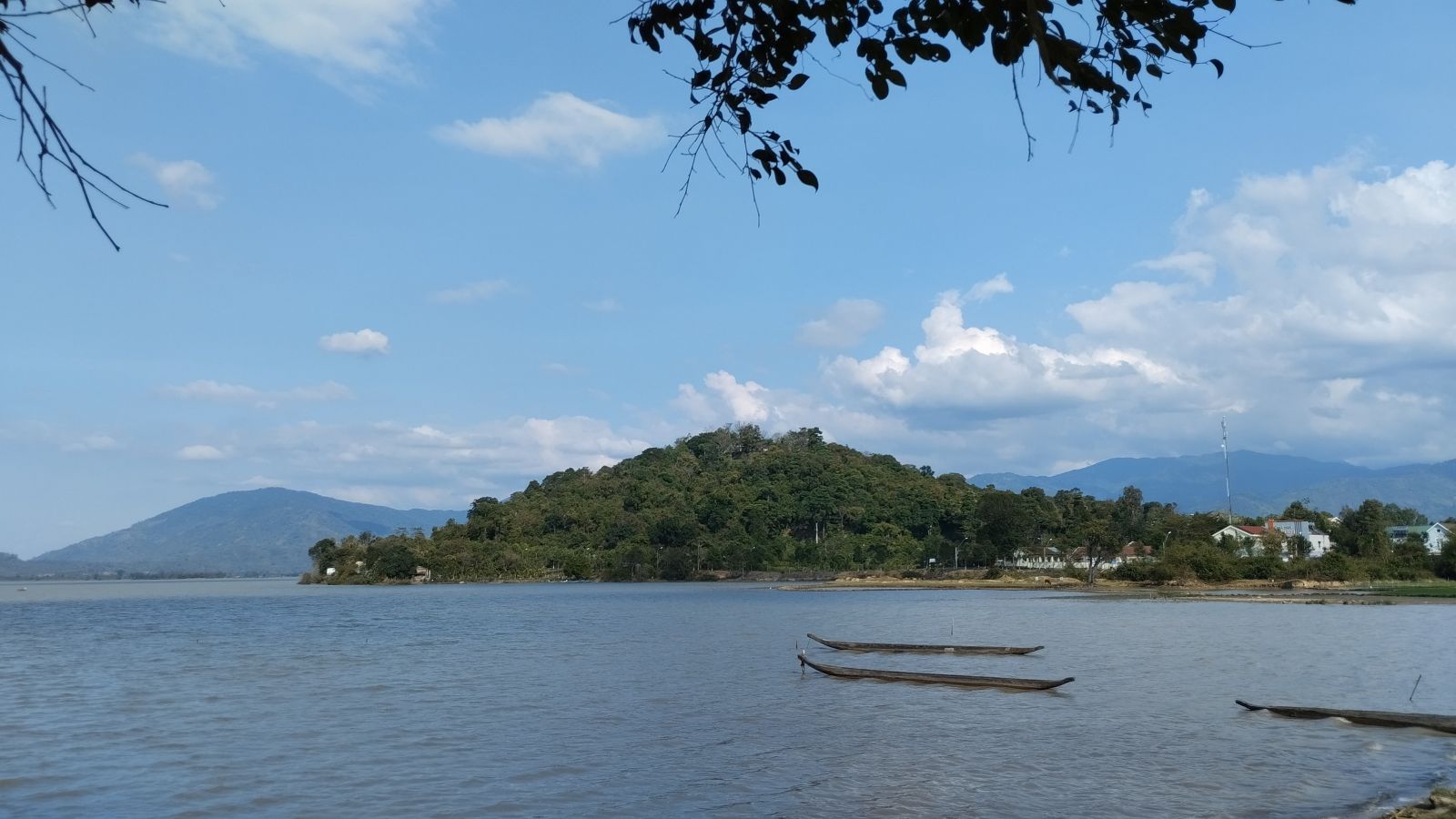
Outside the city limits, travelers can explore Lak Lake, the largest freshwater lake in the highlands, and the powerful cascades of Dray Sap Waterfall, and Dray Nur Waterfall.
Kon Tum – A Gateway to Indigenous Culture
Situated along the Dak Bla River, Kon Tum preserves important historical landmarks, including the Kon Tum Wooden Church constructed in 1913 using wood and clay walls without iron nails.
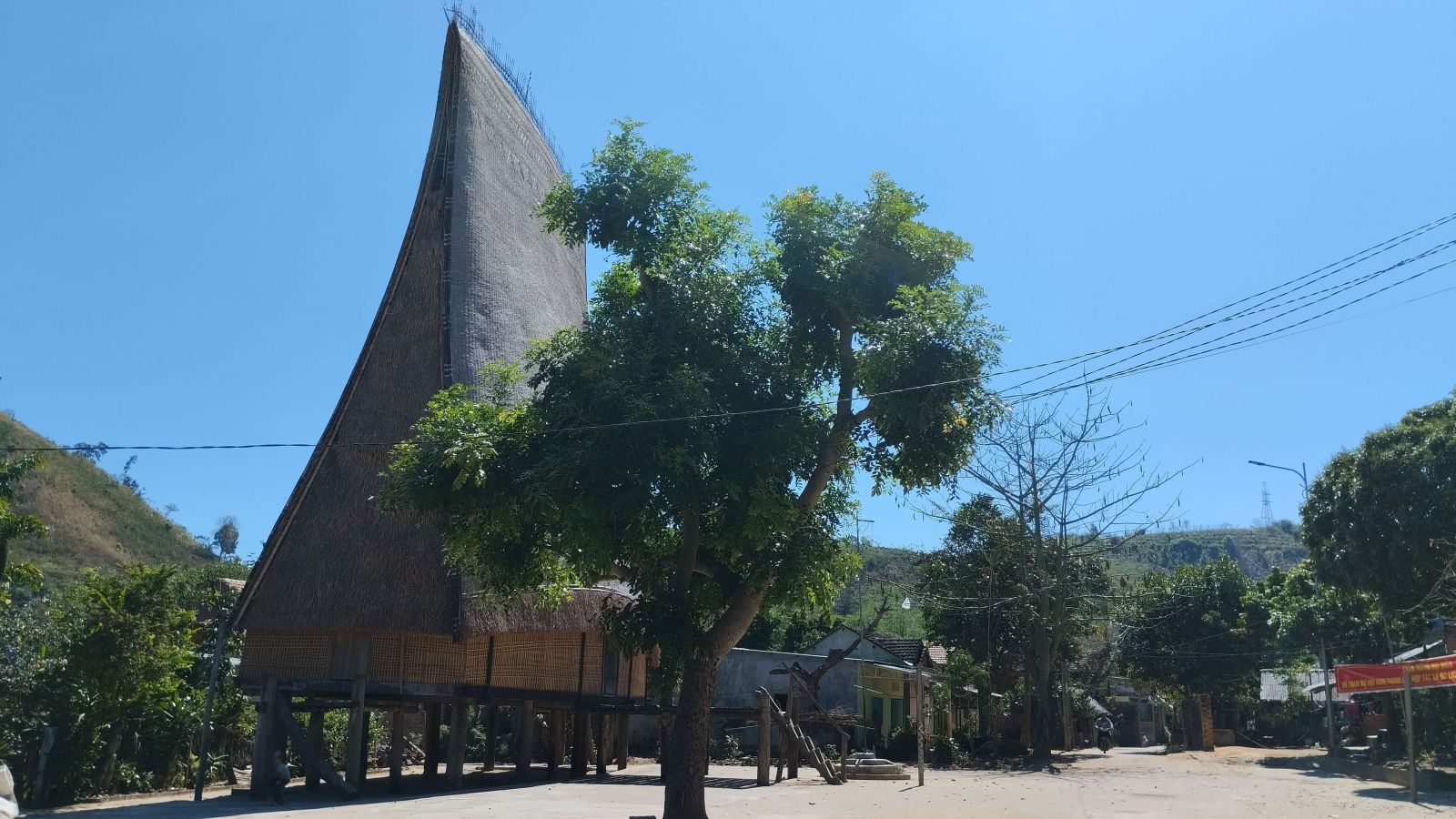
Cross the Kon Klor suspension bridge to visit Kon K’Tu village, where Bahnar families maintain traditional weaving, woodworking, and communal gathering customs in their towering village Rong house.
Pleiku – Lakes, Mountains, and Volcanic Landscapes
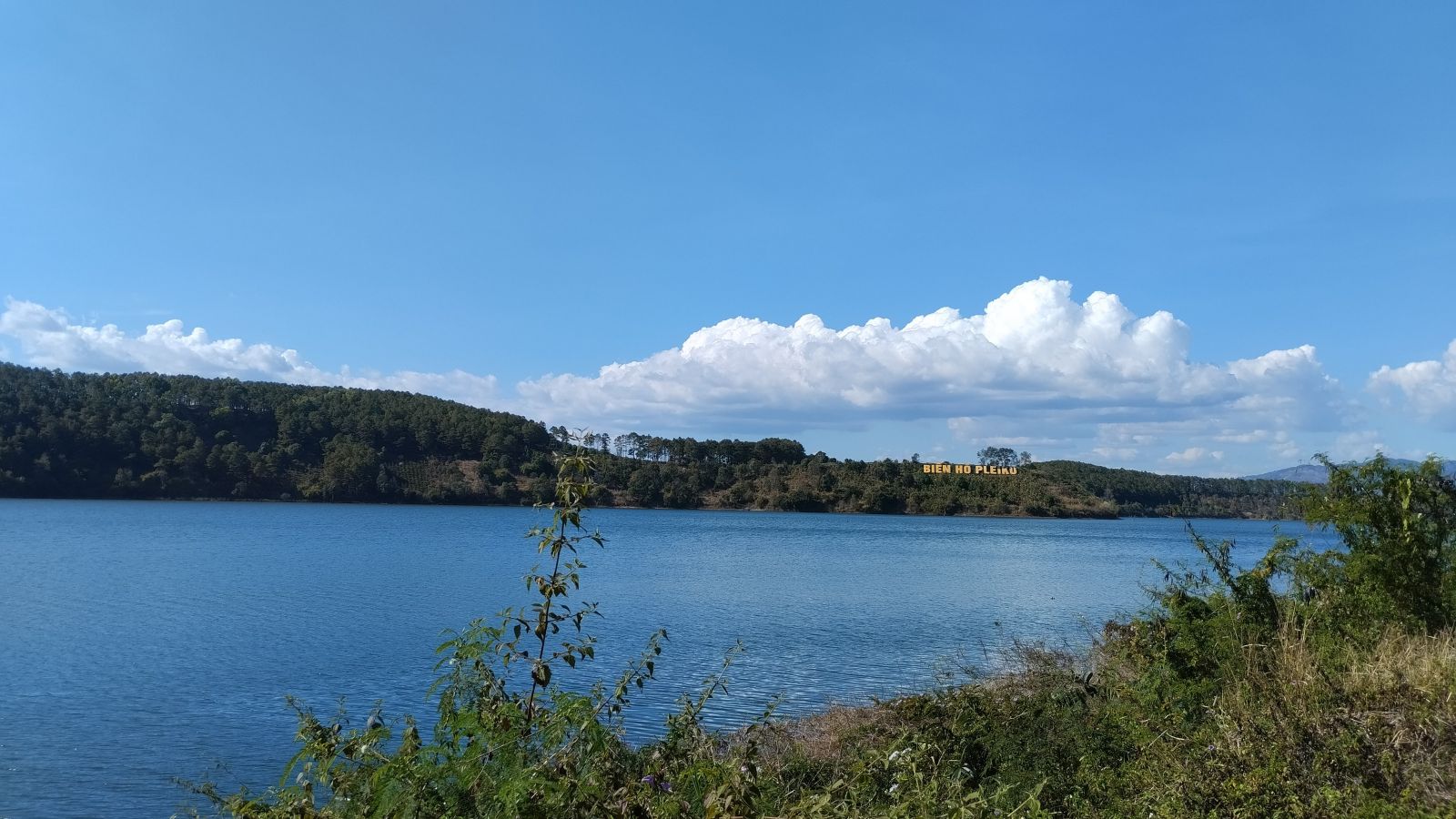
Pleiku serves as the administrative hub of Gia Lai Province, set on an ancient volcanic field. The standout natural attraction is Bien Ho (T’Nung Lake), a freshwater crater lake formed millions of years ago, framed by pine groves.
Drive out to the Chu Dang Ya extinct volcano to view seasonal fields of wild yellow sunflowers, or explore the century-old Bien Ho tea plantations founded during the early 20th century.
Dak Nong – Waterfalls, Volcanoes, and Geoparks
Dak Nong Province is home to the UNESCO Dak Nong Global Geopark, featuring the most extensive volcanic cave system in Southeast Asia. The geopark contains dozens of lava tubes, basalt craters, and preserved waterfalls.
Visitors can explore Ta Dung Lake, often described as an inland bay due to its collection of over 40 verdant islands rising from clear waters across a protected national park reservoir.
Gia Lai – Dramatic Scenery and Traditional Villages
Gia Lai provides access to Kon Ka Kinh National Park and the Kon Chu Rang Nature Reserve, where K50 waterfall drops over a 54-meter cliff face hidden deep within primary forest.
The province also contains traditional Jarai burial grounds featuring carved wooden funerary statues that depict stages of human life and spiritual transitions.
Best Things to Do in Vietnam’s Central Highlands
Outdoor activities and cultural exploration are at the heart of any trip to Tay Nguyen. Whether hiking through dense national parks, tasting specialty drip coffee, or traveling scenic mountain passes, visitors enjoy diverse activities across the highlands.
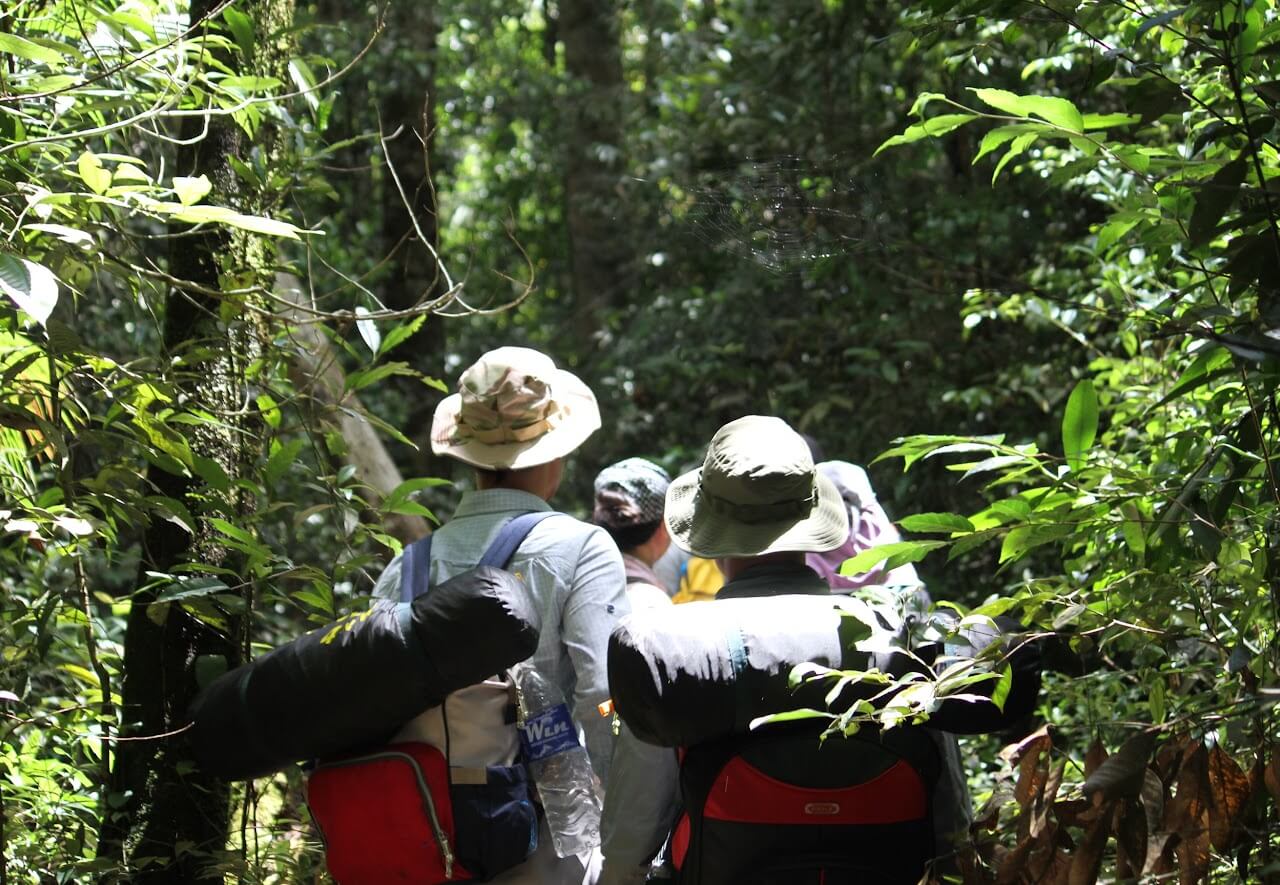
1. Trek Through Forests and Mountain Landscapes
National parks such as Chu Yang Sin, Yok Don, and Kon Ka Kinh provide multi-day trekking trails through seasonal dry forests and dense, year-round tropical jungles. Guided treks allow hikers to observe wildlife, medicinal flora, and mountain streams.
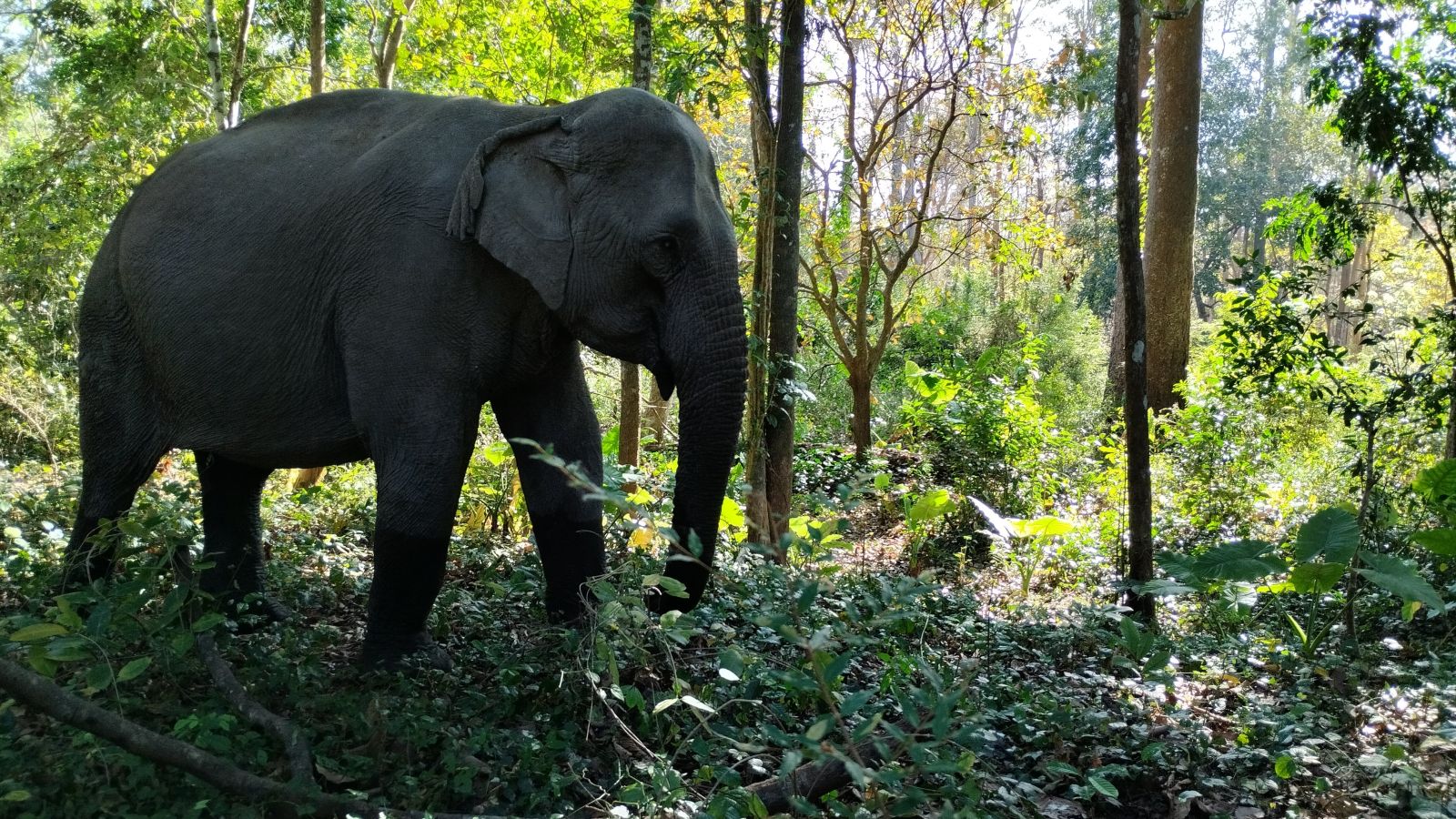
Yok Don National Park offers an ethical elephant experience where travelers track rehabilitated Asian elephants foraging naturally through the forest alongside trained park rangers.
2. Visit Coffee Farms and Learn About Vietnam’s Coffee Culture
Vietnam is the world’s second-largest coffee exporter, and the Central Highlands produce the vast majority of its beans. Farm tours around Buon Ma Thuot teach visitors about bean picking, wet processing, drying, and roasting.
Local roasteries serve traditional Ca Phe Phin (metal filter drip coffee) alongside single-origin Arabica varieties grown in the cooler highlands of Da Lat.
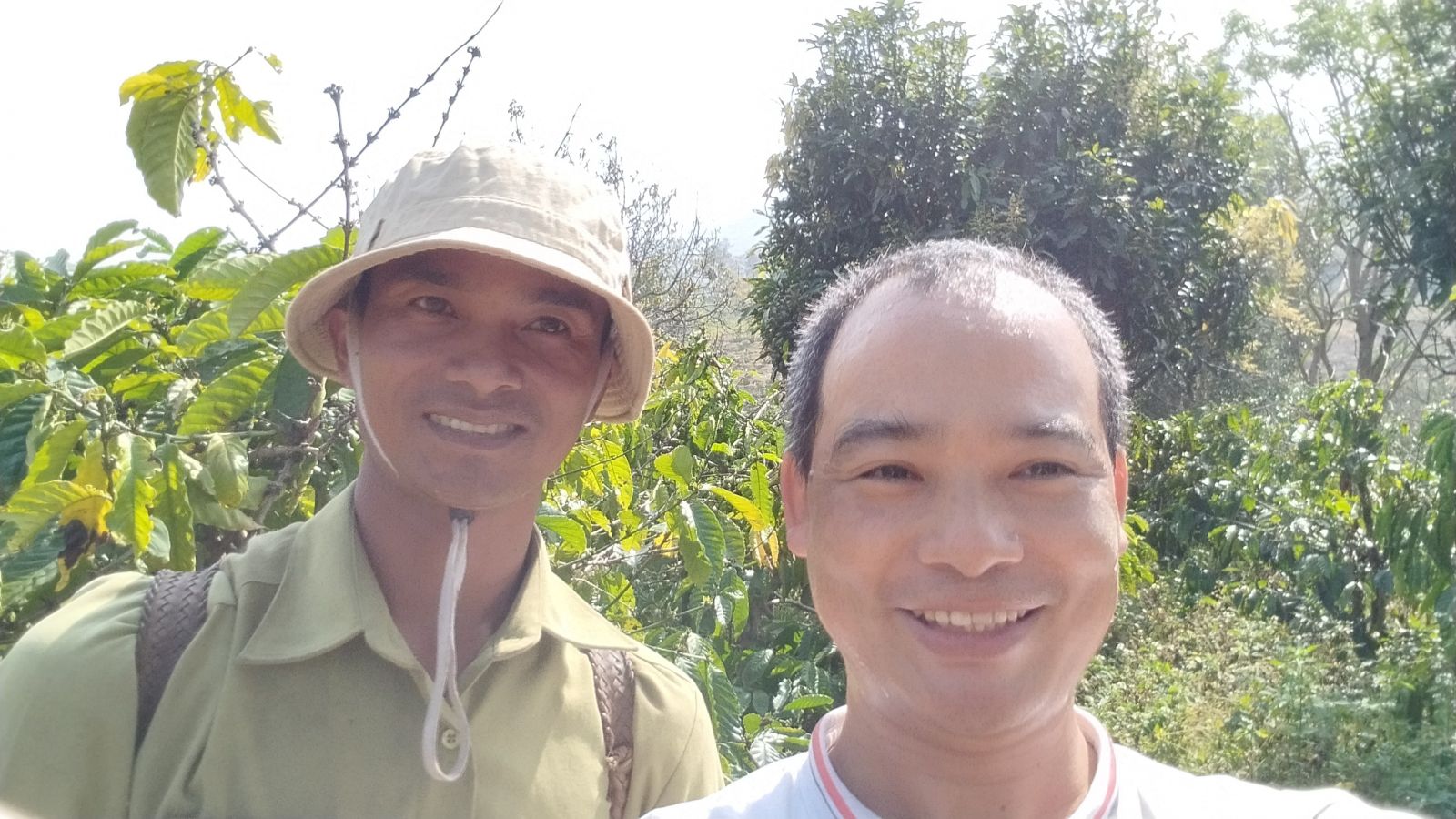
3. Explore Ethnic Villages and Experience Local Hospitality
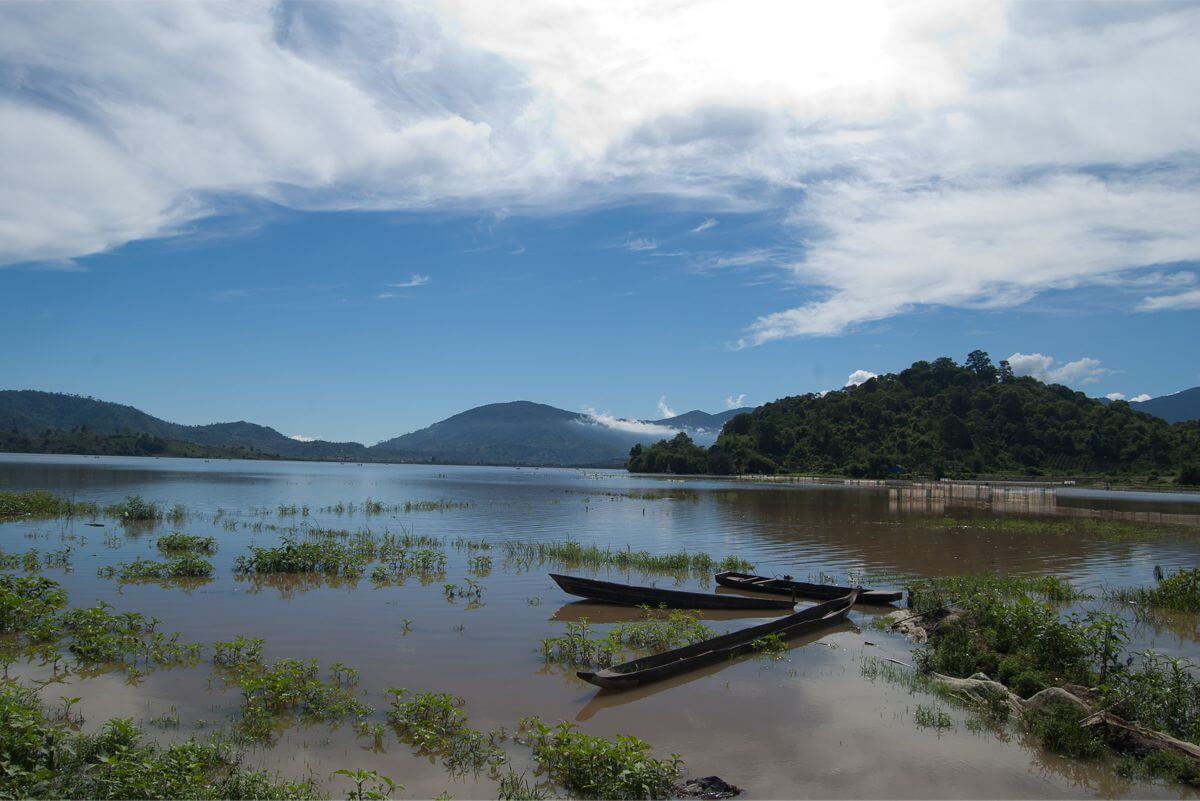
Spending time in villages like Jun or M’Lieng near Lak Lake introduces travelers to M’nong stilt architecture and traditional fishing methods on wooden dugout canoes. Respectful village visits organized with licensed guides provide genuine cultural exchanges.
Local hosts often share stories about village history while demonstrating traditional brocade weaving and bamboo basket construction.
4. Swim Beneath Waterfalls and Discover Hidden Natural Spots
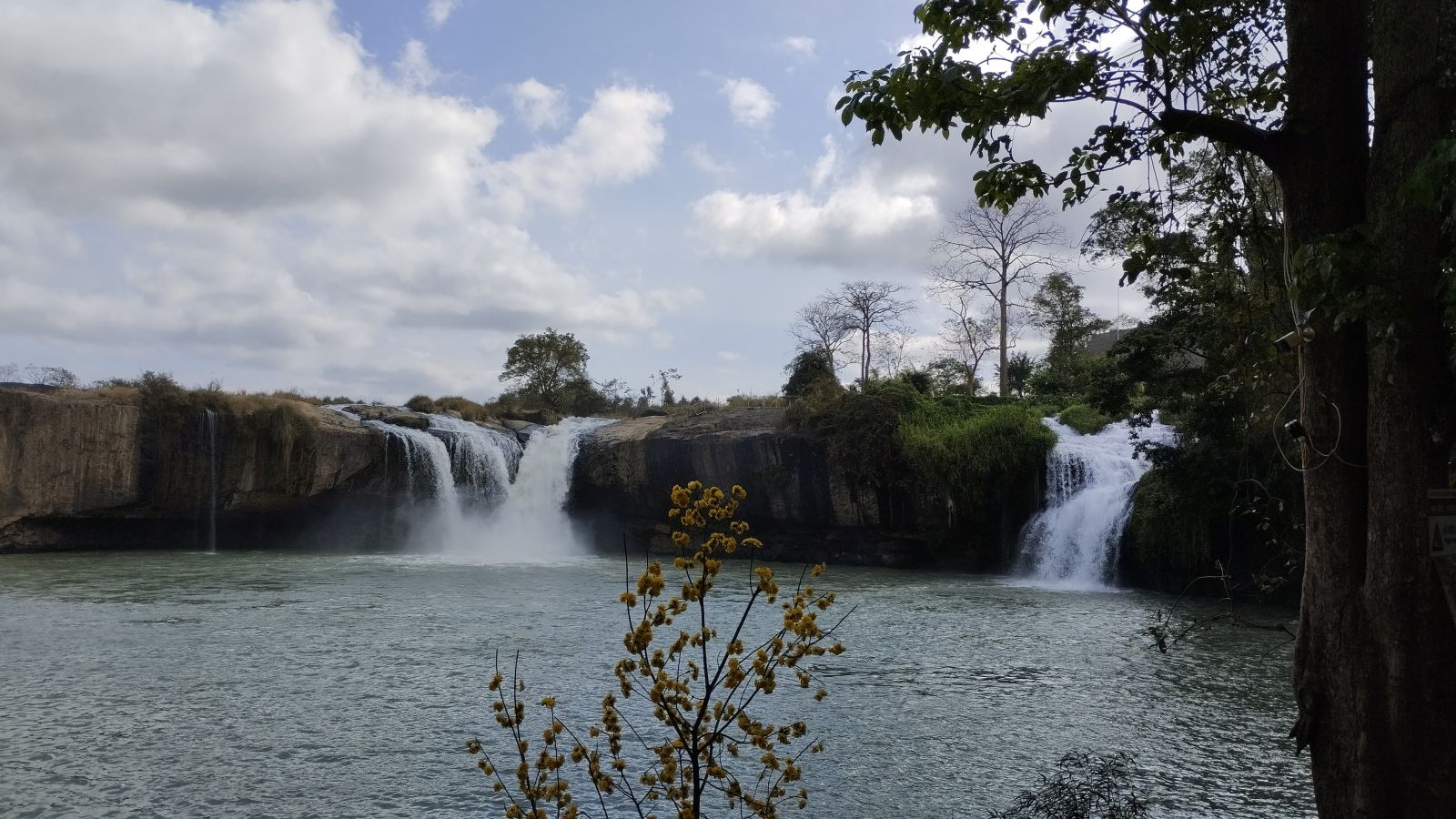
The river networks crossing the basalt plateaus create massive cascade systems. Dray Nur and Dray Sap waterfalls near Buon Ma Thuot feature natural rock pools suitable for wading under local guide supervision.
In Lam Dong and Gia Lai, quieter waterfalls such as Pongour, Elephant Falls, and Phu Cuong offer impressive photographic viewpoints surrounded by jungle foliage.
5. Taste Authentic Central Highland Cuisine
Highland food utilizes wild jungle vegetables, river fish, and mountain herbs cooked inside fresh bamboo tubes. Signature meals include Com Lam (sticky rice roasted in bamboo) and Ga Nuong Ban Don (charcoal-grilled free-range chicken served with wild salt).
Dishes are traditionally paired with Ruou Can (fermented rice wine consumed through long, slender bamboo straws from a communal ceramic jar).
6. Take a Scenic Road Trip Through the Highlands
Driving along National Route 14 (part of the historic Ho Chi Minh Highway) or connecting routes between Da Lat and Nha Trang delivers sweeping vistas of pine forests, terraced coffee hills, and rural valleys.
A private car with a dedicated professional driver allows travelers to stop at panoramic lookouts, rural roadside markets, and small village artisan workshops at their own pace.
Discover the Rich Culture of the Central Highlands
The cultural landscape of the Central Highlands is characterized by indigenous community customs, matrilineal family structures, and UNESCO-recognized oral and musical traditions. Learning about these cultural roots adds deeper meaning to every journey through the highlands and helps visitors connect more respectfully with the region and its people.
1. Meet the Ede, M’nong, Bahnar, Jarai and Other Ethnic Communities
The Ede people of Dak Lak follow a matrilineal kinship system where family lineage and property inherit through the mother’s side. The Bahnar and Jarai communities in Kon Tum and Gia Lai maintain patrilineal or bilateral systems with strong community councils.
Each ethnic group preserves distinct traditional dress styles, intricate geometric weaving patterns, and specific ceremonial rituals that mark rice harvesting seasons and village lifecycle events.
2. Step Inside Traditional Longhouses and Communal Houses
The traditional Ede longhouse (Nha Dai) extends horizontally as daughters marry and build additional rooms, sometimes reaching lengths over 50 meters. The entrance features a carved wooden ladder with sculpted female breasts representing maternal authority.
In Bahnar villages, the Rong house stands as the central communal structure, characterized by a massive axe-shaped thatched roof rising up to 30 meters high where village elders resolve disputes and conduct sacred ceremonies.
3. Discover Gong Culture and Traditional Highland Music
In 2005, UNESCO declared the Space of Gong Culture in the Central Highlands a Masterpiece of the Oral and Intangible Heritage of Humanity. Gongs are considered sacred instruments linking the living with the spiritual world.
Gong performances involve bronze instruments played in synchrony with traditional dances around a communal bonfire during major celebrations such as the New Rice Festival.
4. Taste Local Specialties and Highland Coffee
Highland dining balances bold flavors, aromatic herbs, and simple open-flame cooking methods. Local specialties include Com Lam, grilled mountain fish, bitter tomato soup (Canh Ca Dang), and beef dry-cured with red ant salt.
Trying fresh Robusta, Arabica, and Liberica coffee at local cafés is a great way to discover how altitude and processing methods shape the distinct flavors of each variety.
When Is the Best Time to Visit the Central Highlands?
The Central Highlands experience a tropical climate with two clear seasons: the dry season from November to April and the rainy season from May to October. Planning your visit according to seasonal conditions ensures comfortable outdoor exploration and smooth road transfers.
Dry Season – The Best Time for Outdoor Adventures
Running from November to April, the dry season brings clear blue skies, dry road surfaces, and moderate humidity. Daytime temperatures range between 22°C and 28°C, while evenings on higher plateaus can drop to 12°C to 16°C.
This period offers ideal conditions for trekking, motorcycle touring, wildlife observation in national parks, and visiting rural ethnic villages.
Rainy Season – Waterfalls at Their Most Impressive
From May to October, southwest monsoon winds bring regular afternoon rain showers, with July and August experiencing the highest rainfall totals. Forest vegetation turns lush green, and river volumes peak during this time.
Waterfalls like Dray Sap, K50, and Pongour reach maximum water flow, providing dramatic views for photographers. However, unpaved rural tracks can become muddy and slippery.
Coffee Blossom and Harvest Seasons
Between late February and April, coffee plantations burst into blanket white blossoms, filling the plateau air with a sweet jasmine-like scent. This is one of the most picturesque times to visit Buon Ma Thuot and Pleiku.
The coffee harvest takes place from October to December. During these months, farmers spread bright red coffee cherries along courtyards and road shoulders to dry under the sun.
| Season | Months | Weather & Temperature | Key Highlights | Best Activities |
|---|---|---|---|---|
| Cool Dry Season | Nov – Jan | 14°C – 25°C, sunny, crisp nights | Coffee harvest, yellow wild sunflowers | Trekking, village visits, road trips |
| Warm Dry Season | Feb – Apr | 22°C – 32°C, dry, warm afternoons | White coffee blossoms across hills | Coffee farm tours, lake excursions |
| Early Wet Season | May – Jun | 24°C – 30°C, afternoon showers | Lush landscapes, growing river volume | Cultural sightseeing, museum visits |
| Peak Wet Season | Jul – Oct | 20°C – 28°C, heavy regular rains | Spectacular full-volume waterfalls | Waterfall photography, resort stays |
How to Get to Vietnam’s Central Highlands?
Reaching the Central Highlands is straightforward thanks to regional domestic airports and well-maintained national highways connecting the plateaus with major transit centers across Vietnam.
Traveling From Ho Chi Minh City or Hanoi Capital
Travelers coming from Hanoi or Ho Chi Minh City can choose between direct commercial flights or long-distance sleeper coaches. Flying saves travel time, as driving from Hanoi takes approximately 18 hours, while overland travel from Ho Chi Minh City requires 8 to 10 hours.
For visitors planning a trip to Vietnam with family, direct domestic flights followed by private ground transfers offer the most comfortable travel setup.
Flying Into Buon Ma Thuot, Pleiku, or Da Lat
Three primary domestic airports service the region:
- Buon Ma Thuot Airport (BMV): Serves Dak Lak and Dak Nong, with multiple daily flights from Hanoi, Ho Chi Minh City, and Da Nang.
- Pleiku Airport (PXU): Convenient entry hub for Gia Lai and Kon Tum provinces.
- Lien Khuong Airport (DLI): Located 30 km south of Da Lat, receiving frequent domestic flights and select regional international routes.
Exploring the Highlands by Private Car or Motorbike
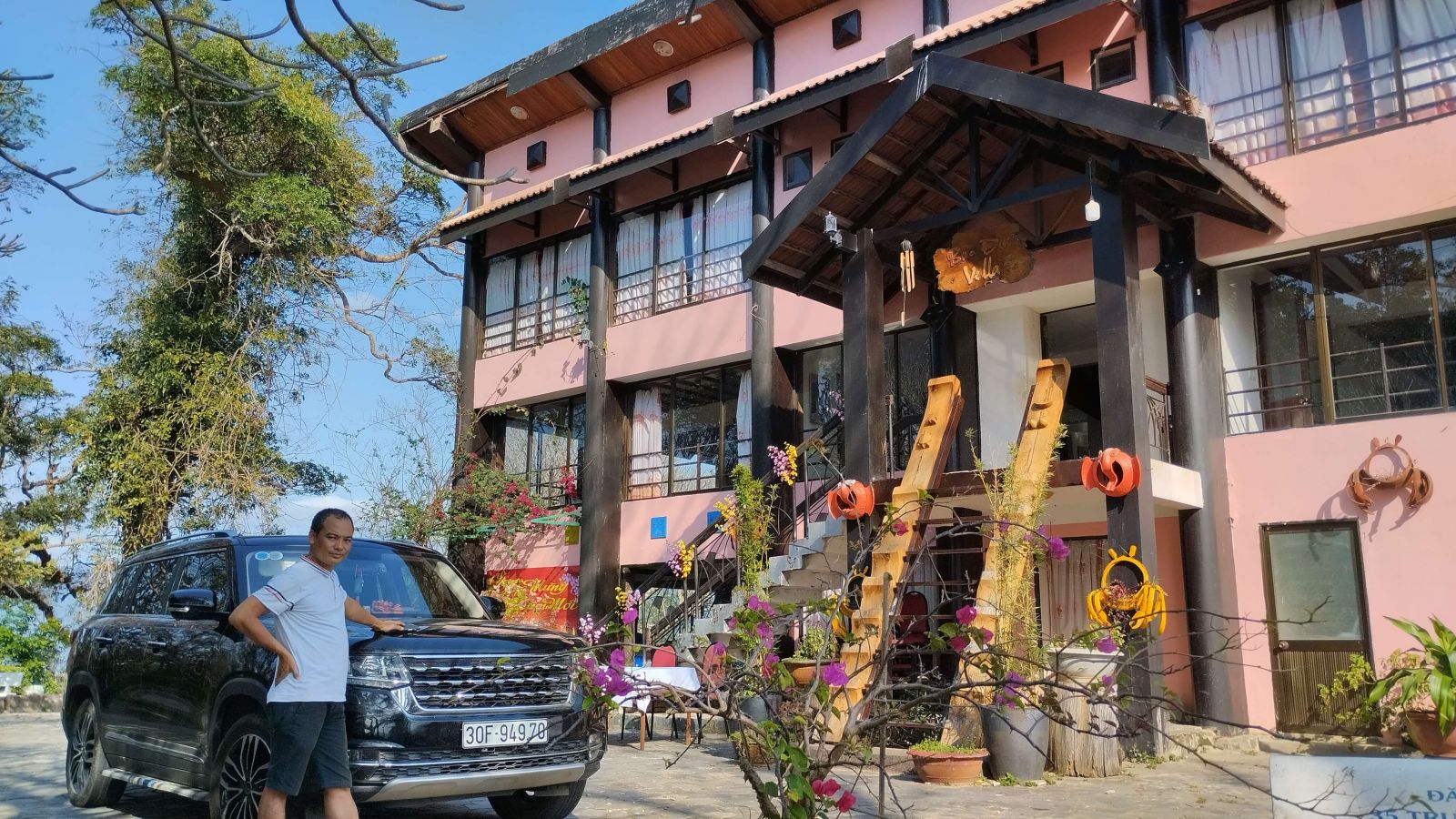
Once in the highlands, booking a private vehicle with an experienced professional driver ensures safety along steep mountain passes and unpaved rural tracks. Private vehicles allow flexible photo stops and comfortable luggage transport.
Experienced motorcyclists can opt for guided motorbike tours along scenic secondary routes, provided they hold valid international driving permits and comprehensive travel insurance.
How Many Days Do You Need in the Central Highlands?
The duration of your highland tour depends on your travel interests and whether you wish to explore a single province or complete a multi-province overland circuit.
A 2–3 Day Highland Escape
A 2 to 3-day itinerary works well for focusing on one destination hub. You can spend 3 days in Da Lat visiting colonial villas, waterfalls, and flower farms, or base yourself in Buon Ma Thuot to tour coffee estates, Lak Lake, and Dray Nur waterfall.
This compact timeframe provides a refreshing break from coastal heat without requiring extensive driving hours.
A 4–5 Day Central Highlands Adventure
A 4 to 5-day Central Highlands Vietnam Travel Itinerary allows you to connect Buon Ma Thuot, Pleiku, and Kon Tum overland. This schedule gives ample time for village walks, wooden church visits, crater lake tours, and coffee plantation explorations.
Travelers can experience both Bahnar and Ede cultural traditions while seeing the shifting plateau topography across three provinces.
Combining the Highlands With Central or Southern Vietnam
For a comprehensive travel plan, link your highland route with coastal destinations. A popular overland route travels from Da Nang or Hoi An through Kon Tum and Pleiku, descending to Quy Nhon or Nha Trang on the coast.
Integrating highland and coastal legs creates a balanced Vietnam itinerary that blends cultural heritage, mountain scenery, and beach relaxation.

Why the Central Highlands Belong on Your Vietnam Itinerary?
Including Tay Nguyen on your Vietnam vacation expands your travel perspective beyond standard tourist hotspots. The region delivers genuine cultural encounters, peaceful natural landscapes, and uncrowded historical sights.
For Travelers Seeking Nature Beyond the Crowds
Travelers who appreciate wide open landscapes will value the quiet trails of Yok Don National Park, the crater rim walks of Pleiku, and the misty pine hills of Da Lat. Sights remain free from massive tour bus crowds.
The expansive geography provides clean air, quiet nights, and direct immersion in mountain nature.
For Culture Lovers Looking for Authentic Experiences
Unlike staged commercial shows, ethnic minority communities in the Central Highlands live in working agricultural villages. Visitors witness authentic daily routines, traditional weaving, and genuine communal gatherings.
Learning directly from village elders about matrilineal customs and traditional architecture creates lasting travel memories.
For Adventure Seekers and Scenic Road-Trippers
Winding mountain passes, river valley roads, and rural plantation tracks make Tay Nguyen a premier driving destination. Overland travelers encounter scenic viewpoints at every mountain turn.
Pairing road travel with hiking, kayaking on volcanic lakes, and waterfall exploration satisfies active travelers seeking physical adventure.
Common Mistakes & Our Practical Tips for Exploring the Central Highlands
Traveling through remote highland provinces requires thoughtful preparation. Here are common traveler pitfalls and expert advice from our travel team to ensure a safe, enjoyable tour:
- Mistake: Underestimating travel times between cities. Highland mountain roads feature sharp curves, elevation changes, and local traffic that reduce average driving speeds. Our Advice: Plan for average speeds of 40 to 50 km/h and limit daily drives to under 200 km.
- Mistake: Relying entirely on self-drive motorbikes without local experience. Remote mountain passes can present unexpected gravel patches, heavy logging trucks, and sudden weather shifts. Our Advice: Book a private car with a licensed driver or travel with a professional guide.
- Mistake: Entering ethnic villages and sacred communal houses uninvited. Communal Rong houses and Jarai burial grounds have specific cultural protocols and taboos. Our Advice: Always visit with a licensed local guide who can introduce you properly to village elders.
- Mistake: Packing only lightweight summer clothes. Due to elevation, evening temperatures on plateaus like Da Lat, Pleiku, and Kon Tum drop sharply. Our Advice: Pack warm layers, a fleece jacket, and a rainproof outer shell.
What to Pack for Highland Weather and Outdoor Activities?
Bring sturdy trekking shoes with reliable traction for waterfall paths and forest trails. Pack breathable long-sleeve shirts and trousers to protect against sun exposure and jungle insects.
Include a compact waterproof daypack, electrolyte packets, insect repellent containing DEET, and sufficient cash in Vietnamese Dong, as rural village ATMs are scarce.
Respecting Local Customs and Cultural Traditions
Dress modestly when visiting communal Rong houses, wooden churches, and ethnic communes. Always ask for permission before taking photographs of village residents, particularly elders and children.
Avoid touching sacred poles, ritual altars, or carved funerary statues without explicit permission from your local guide.
Supporting Local Communities and Responsible Tourism
Purchase handmade brocade textiles and agricultural products directly from village artisans rather than commercial tourist shops. This practice guarantees that financial benefits flow directly to local families.
Choose ethical animal experiences such as observation-based elephant tours in Yok Don National Park rather than riding activities that compromise animal welfare.
Why a Local Guide Can Better Your Experience?
A licensed English-speaking local guide bridges language barriers in remote areas where few residents speak English. Your guide interprets indigenous oral stories, facilitates respectful village interactions, and ensures you travel safe routes.
Having an experienced guide also provides access to family coffee roasteries, traditional musicians, and private home dining that independent travelers cannot easily locate.
Frequently Asked Questions (FAQs) About Central Highlands Vietnam
1. Is the Central Highlands of Vietnam safe for foreign tourists?
Yes, the region is safe and welcoming for foreign visitors. Violent crime is rare. Main travel precautions involve exercising caution on winding mountain passes, carrying insect repellent, and respecting local ethnic customs when entering traditional stilt houses.
2. What is the best month to visit the Central Highlands?
December to March represents the optimal travel window. You will experience pleasant dry weather, cool evening breezes, coffee harvesting, and white coffee blossoms spreading across the plateaus.
3. Do I need special permits to travel through the Central Highlands?
Standard travel across Da Lat, Buon Ma Thuot, Pleiku, and Kon Tum requires no special permits. However, specific remote border zones near Cambodia or Laos may require local police registration, which licensed tour guides handle for you.
4. How do I travel between Central Highland provinces?
Booking a private car with a dedicated driver is the most reliable option. National Route 14 connects major towns smoothly, while private transfers give you the flexibility to stop at waterfalls and ethnic villages along the route.
5. Is the Central Highlands suitable for families with children?
Yes, families enjoy Da Lat flower gardens, ethical elephant tours in Yok Don National Park, and boat rides on Lak Lake. We recommend private tours to ensure flexible pacing and rest stops for children.
6. What should I buy as souvenirs from the Central Highlands?
Top authentic souvenirs include whole-bean Robusta and Arabica coffee, raw forest honey, black pepper, handmade Bahnar and Ede brocade textiles, and traditional wooden crafts purchased directly from village cooperatives.

Fully Licensed Local Agency
Northern & Central Vietnam Private Tours
Combine the dramatic plateaus of Central Vietnam with world-class heritage sites in Hanoi, Ninh Binh, and Halong Bay. Fully customizable private departures with 24/7 dedicated support and licensed local travel guides.
Click to Chat : +84.988451530 (WhatsApp)
Final Thoughts on Central Highlands Vietnam & Arrange Your Trip with Our Travel Experts
Central Highlands Vietnam offers travelers a distinctive combination of volcanic plateaus, coffee estates, powerful waterfalls, and living ethnic traditions away from crowded tourist routes. If you are eager to include Tay Nguyen in your customized Vietnam Adventure Tours, contact our travel team directly via WhatsApp +84.988451530 or email [email protected] to design your private highland vacation today.
Note: The travel tips and recommendations shared in this guide have been carefully prepared by the local travel experts at Golden Holiday Travel. While every traveler is different, our team is always happy to provide personalized itinerary planning, destination advice, and one-on-one support to help you create the perfect Vietnam journey.
Meet Our Experts

Suggested


Featured article


Related Articles




Write Comment