
Best Time to Visit Sapa Vietnam: Weather by Month, Seasons & Stunning Rice Terraces
Sapa – the precious gem of Vietnam’s Northwest mountains – captivates travelers with its dramatic peaks, cascading rice terraces, and the rich cultural heritage of the H’Mong, Dao, Tay, and Giay ethnic groups. Thanks to its cool climate and ever-changing scenery, Sapa offers a different kind of beauty in every season, from shimmering water-filled terraces to golden rice terrraces and mystical winter fog.
Join Golden Holiday Travel as we explore the best time to visit Sapa, with a complete Sapa weather guide, seasonal highlights, and expert Sapa travel tips to help you plan the perfect journey.
About Sapa, Vietnam
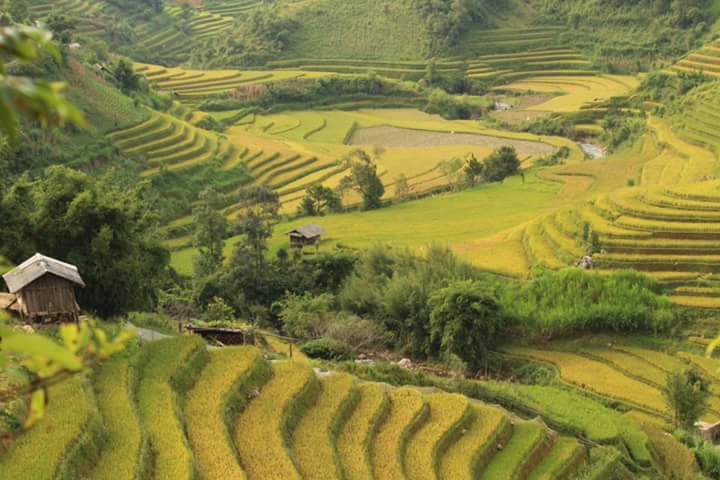
Located at an altitude of around 1,600 meters in Lao Cai Province, Sapa lies in the heart of the Hoàng Liên Sơn mountain range, home to Fansipan – the “Roof of Indochina.” Known as one of the most charming destinations in any Sapa Vietnam travel guide, the town attracts visitors with lush valleys, dramatic mountains, and iconic terraced rice fields flowing like silken ribbons across the hillsides.
Beyond nature, Sapa is a cultural mosaic. Colorful markets, handwoven brocade, traditional dances, and age-old farming practices bring the ethnic highlands to life. Whether you are a nature lover, photographer, trekker, or culture enthusiast, Sapa promises unforgettable experiences all year round.
Sapa Climate Overview – Four Seasons in One Day
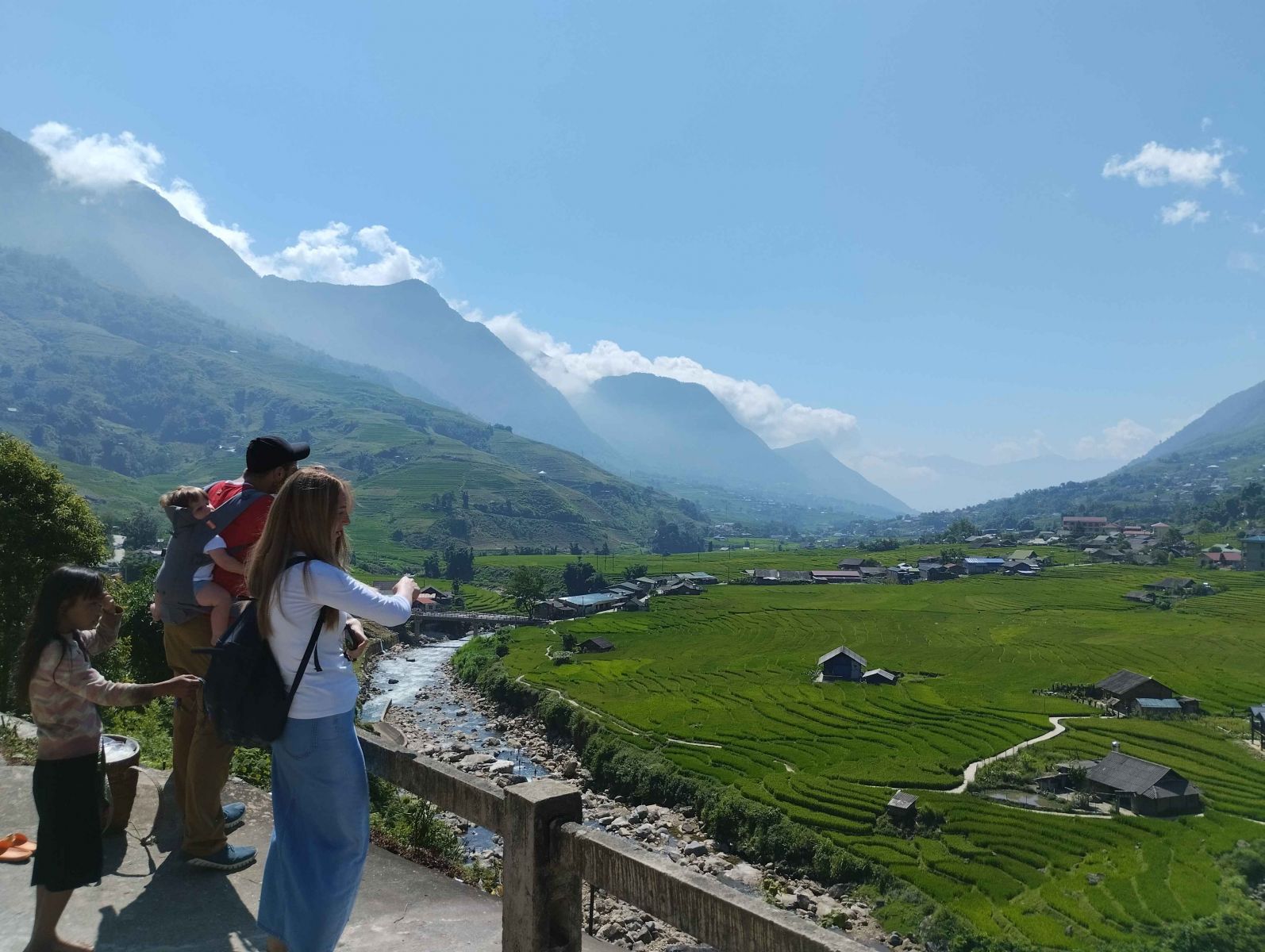
Sapa features a cool subtropical mountain climate, often described as having “four seasons in one day.” Mornings feel like spring, afternoons like summer, evenings resemble autumn, and nights can be distinctly wintery.
When Is The Best Time to Visit Sapa by Season?
The seasonal diversity makes choosing the best month to visit Sapa depend largely on what you want to see and do while planning a trip to Sapa
1. Spring in Sapa (February – May) :14–25°C, mild, little rain
Spring is one of the most beautiful times to visit Sapa. With pleasant temperatures and minimal rainfall, it’s ideal for sightseeing, photography, and light trekking.
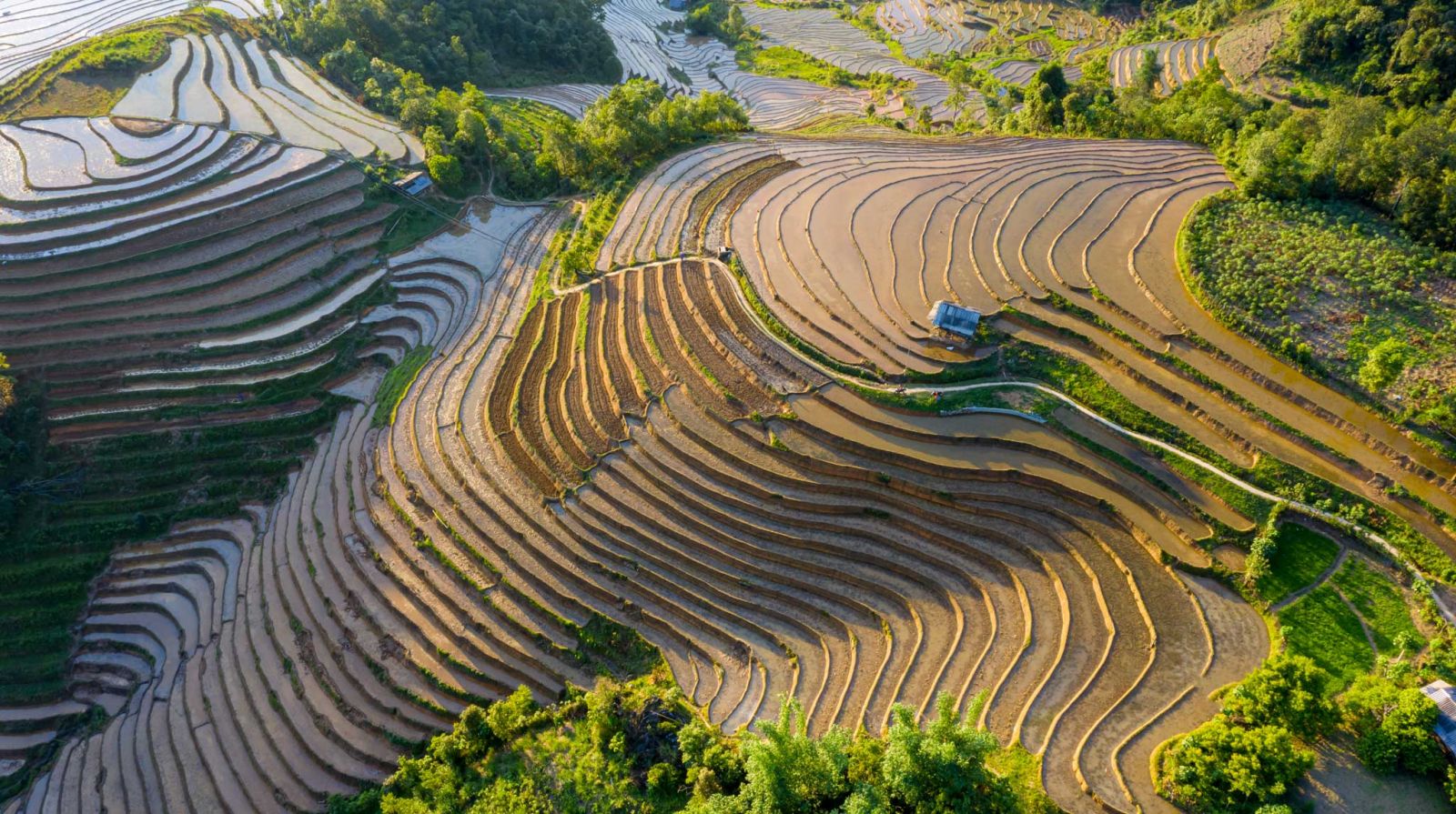
March marks the bloom of peach and plum blossoms, painting villages in soft pinks and whites. This is also the water-flooded rice terrace season, when farmers prepare for planting. The terraces glisten like giant mirrors, making spring a favorite time to visit Sapa for rice terraces.
Can’t- Be- Missed Spring Experiences in Sapa
-
Capturing water-filled rice terraces: Wander through the picturesque Muong Hoa or Ta Phin valleys to photograph mirror-like terraces, where crystal-clear water reflects golden sunlight, rolling clouds, and towering mountain peaks.
-
Discovering ethnic villages: Explore Cat Cat or Lao Chai Villages to experience the everyday life of the H’Mong and Dao communities, observe rice-planting preparations, and try traditional brocade weaving passed down through generations.
-
Taking part in traditional festivals: Spring enlivens Sapa with colorful highland celebrations. Breathe in the cool mountain air, admire blooming peach and plum flowers, and enjoy the rhythmic sounds of khèn flutes and drums. During the first lunar month, highlights include the Giáy’s Roong Pooc Festival, the Tày’s Field-Opening Ceremony, the H’Mông’s Gầu Tào and Jumping Festival, and the Mong’s Nào Cống Festival honoring ancestors.
-
Enjoying authentic spring cuisine: Warm your senses with Sapa’s signature spring dishes, from the bold flavors of H’Mong thắng cố soup and golden-grilled free-range pork to stir-fried wild bamboo shoots, herbal black chicken, and the Tày’s black sticky rice cake. Pair these with fragrant apple cider wine by a crackling fire for a true taste of Northwest Vietnam.
Best for: Culture lovers, photographers, festival seekers
2. Summer in Sapa (June – August) : 20–30°C, humid, frequent showers
Summer transforms Sapa into a lush green paradise. Frequent rain nourishes the rice fields, waterfalls, and forests, creating vibrant scenery. While June and early July can be wet (the Sapa rainy season), late July and August see less rainfall and clearer skies.
This period is ideal for nature lovers and adventurous travelers seeking the Sapa trekking season, though caution is advised during heavy rains.
Must-Do Summer Experiences in Sapa
-
Admiring the beauty of waterfalls: Discover the raw beauty of Thác Bạc (Silver Waterfall) and Thác Tình Yêu (Love Waterfall), where summer rains swell the cascades, creating dramatic scenery and a wonderfully cool, refreshing atmosphere.
-
Soaking in lush landscapes: Trek through scenic valleys such as Tả Van and Lao Chải to admire endless emerald rice terraces. Gently swaying in the mountain breeze, the fields form a living work of art and provide perfect backdrops for unforgettable photos.
-
Connecting with local life: Stop by Bản Hồ Village to experience the slow rhythm of summer in the highlands, interact with friendly locals, and feel the sincere hospitality of Sapa’s ethnic communities.
-
Tasting summer flavors: Delight in Sapa’s rustic summer cuisine, from fragrant grilled stream fish and smoky dried buffalo meat to crisp stir-fried wild vegetables. Pair these dishes with a cup of local corn wine in the cool mountain air for a true taste of Northwest Vietnam.
Best for: Trekking, green landscapes, waterfalls
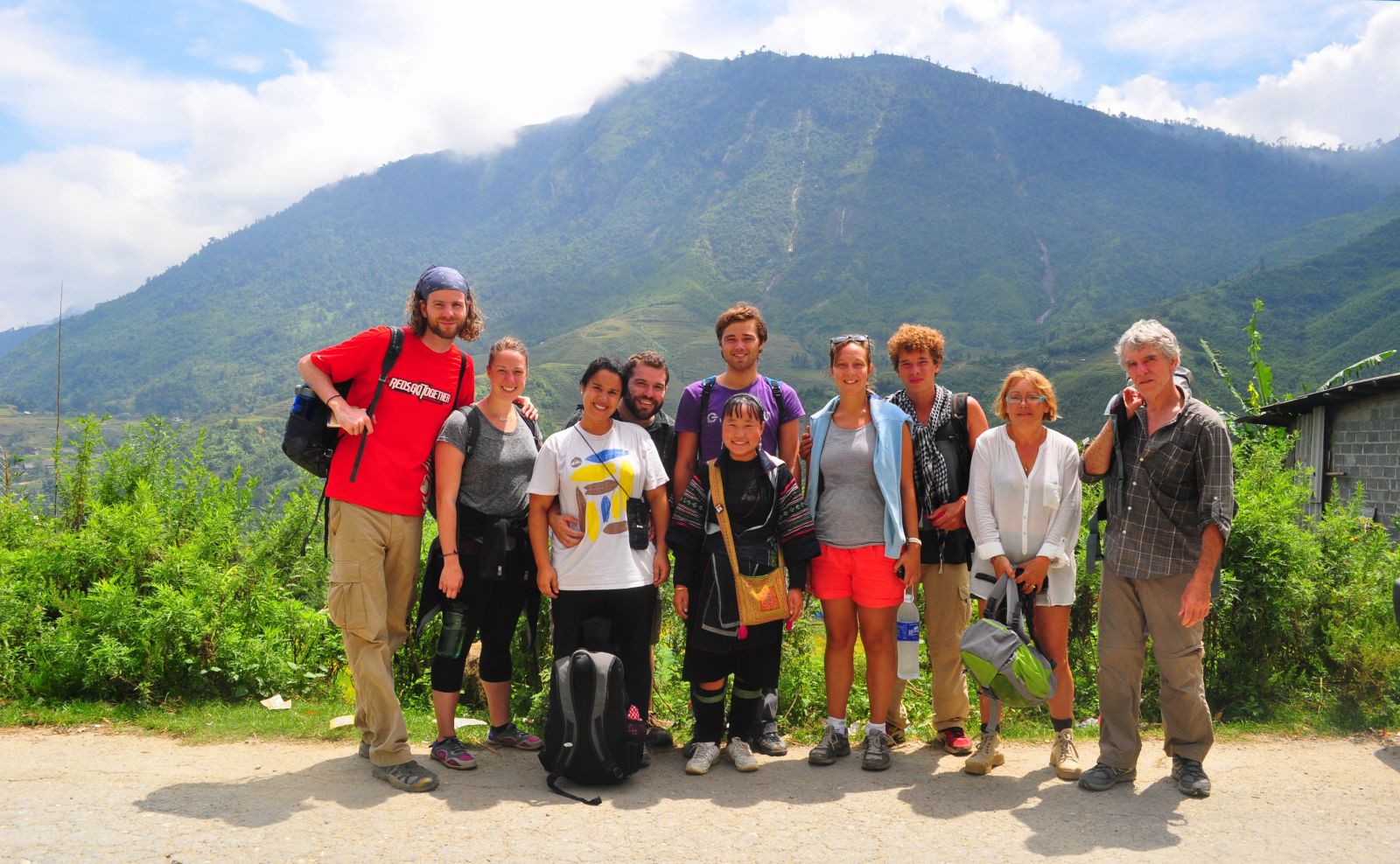
3. Autumn in Sapa (September – November) – The Best Season Overall : 15–20°C, dry and cool
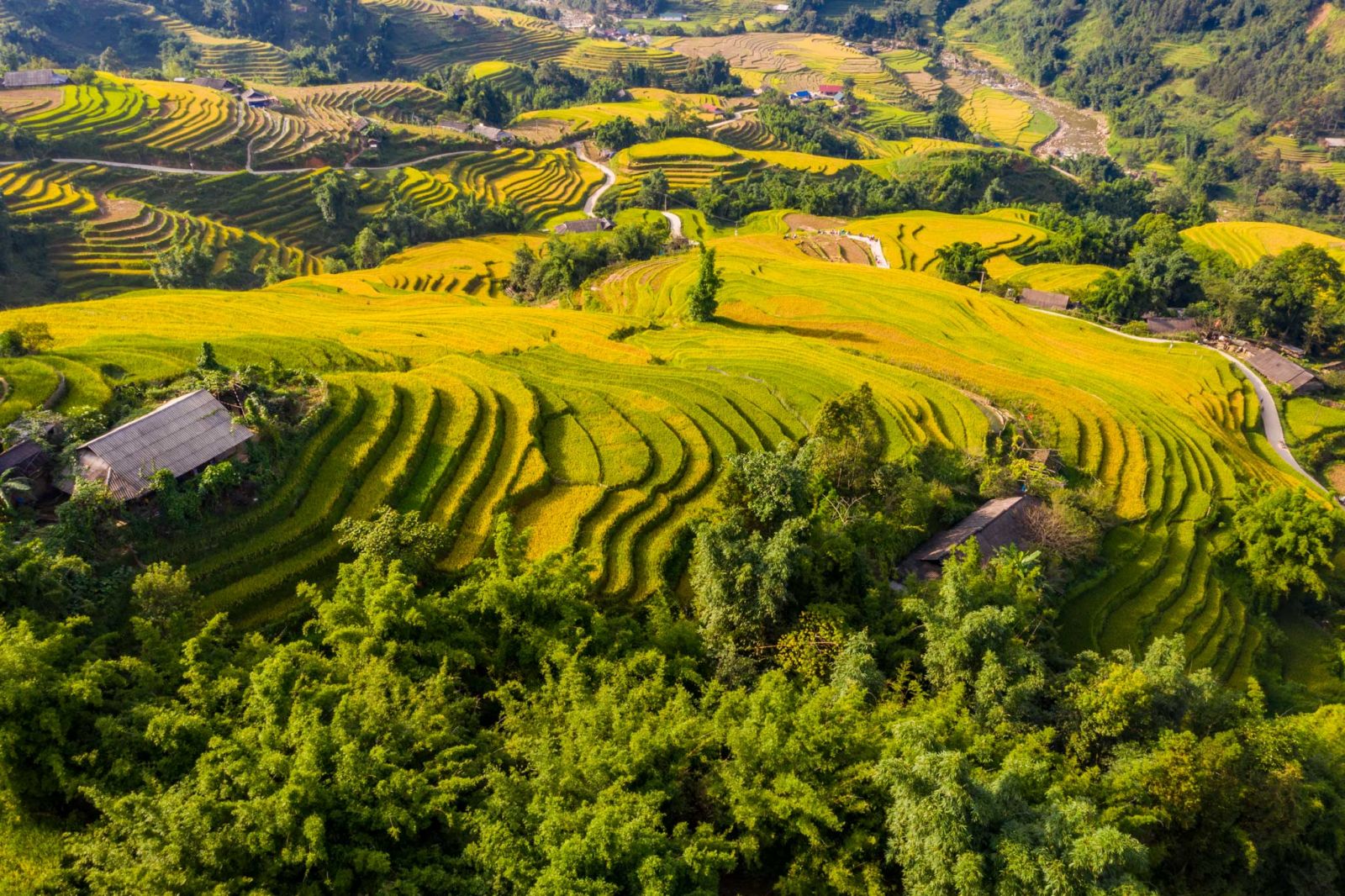
Autumn is widely considered the best time to visit Sapa rice terraces. The weather is cool, dry, and comfortable, making it perfect for outdoor activities. From early – mid September, the rice terraces turn brilliant gold during the Sapa rice harvest season.
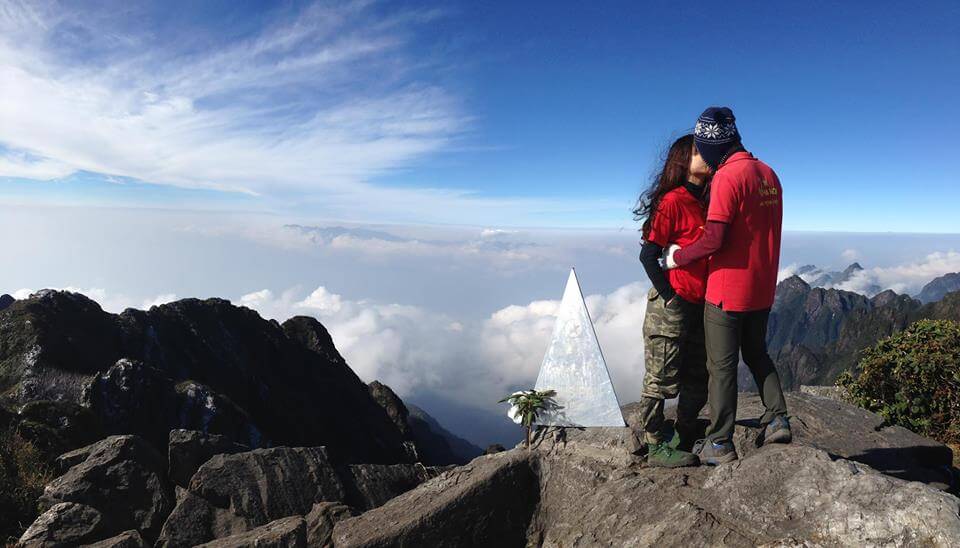
Clear skies also offer ideal conditions for cloud-hunting on Fansipan or Ô Quy Hồ Pass, showcasing Sapa’s most iconic views.
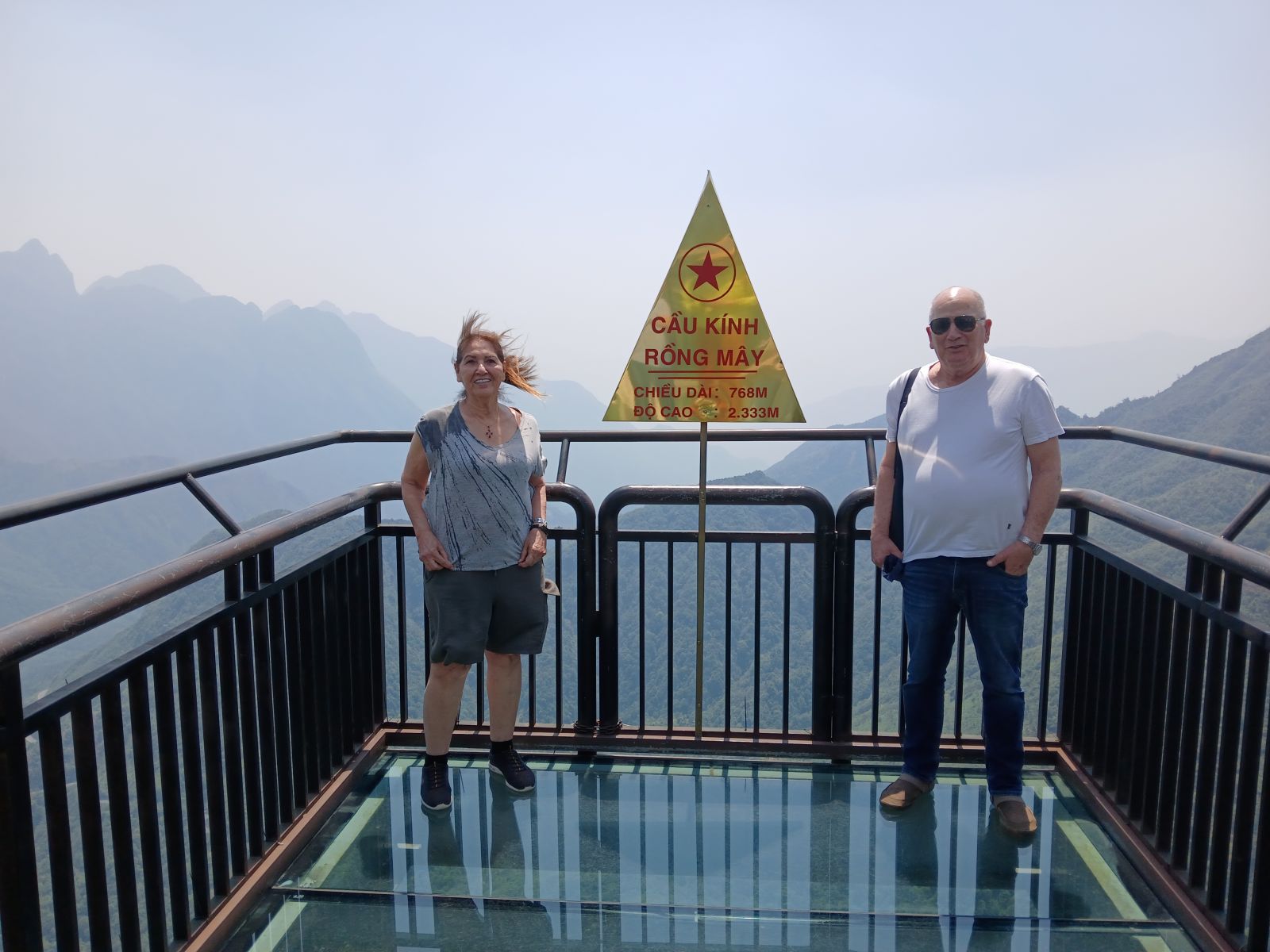
Must-Do Autumn Experiences in Sapa
-
Capture the rice harvest: Trek through Tả Van, Lao Chải, Ý Linh Hồ or Giang Ta Chải to photograph sweeping golden rice terraces and watch local farmers harvesting rice, offering an authentic insight into Sapa’s age-old agricultural traditions.
-
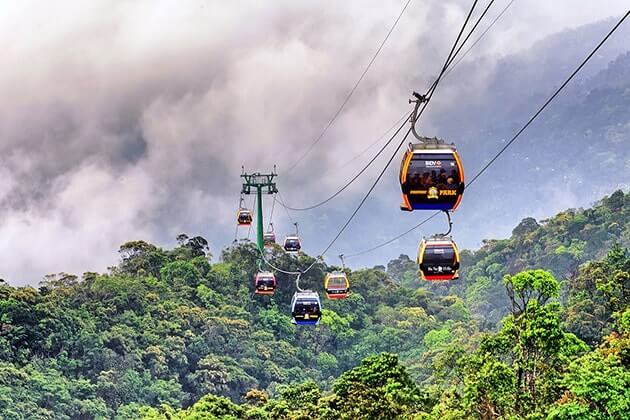
Chase the clouds: Take the Fansipan cable car or hike to panoramic viewpoints to witness magical seas of clouds, especially in the early mornings of October, when the scenery feels truly surreal and dreamlike.
-
Experience traditional festivals: Autumn is festival season in Sapa. Join the Tày’s Then Festival (8th lunar month) to discover sacred rituals for a bountiful harvest, elegant Then dances, and the soulful rhythms of ethnic music.
-
Indulge in autumn flavors: Warm up with Sapa’s signature seasonal dishes such as fragrant grilled free-range pork, steaming H’Mông thắng cố, and stir-fried wild mushrooms. Enjoy a cup of Shan Tuyết tea or apple cider wine amid golden rice fields to savor the authentic taste of Northwest Vietnam.
Best for: First-time visitors, photographers, couples
4. Winter in Sapa (December – February) : 0–10°C, foggy, occasional snow
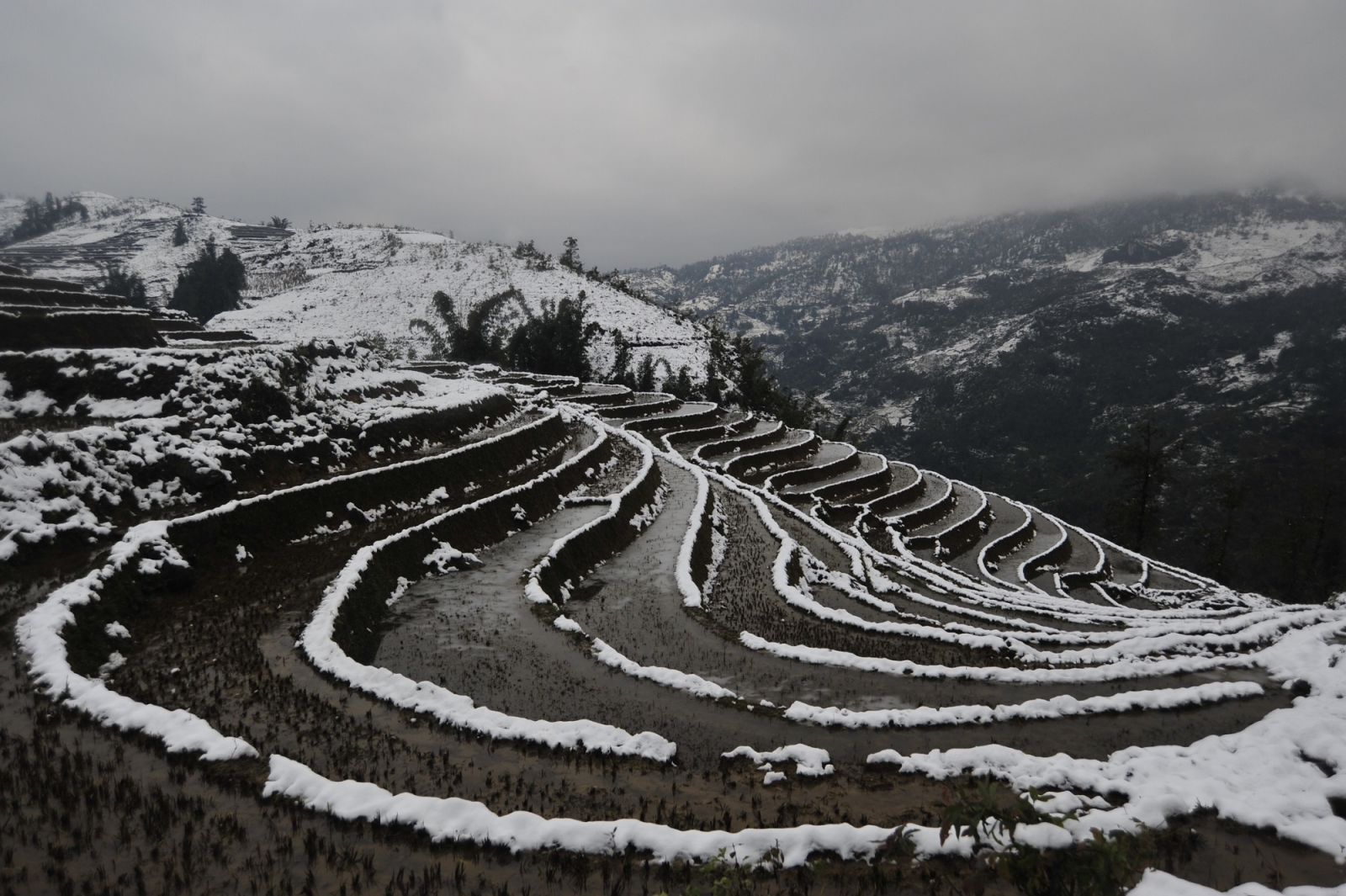
Winter brings a mystical charm to Sapa. With temperatures dropping to near freezing, fog blankets the valleys, creating an ethereal atmosphere. On rare occasions, snowfall appears on Fansipan, making Sapa winter weather a unique experience in Vietnam.
Though colder, winter is quieter and ideal for travelers seeking serenity and cultural immersion.
Unmissable Winter Experiences in Sapa
-
Snow hunting on Fansipan: Take the Fansipan cable car for a chance to witness snowfall – most likely in January – a rare and magical sight in Vietnam, as the mountains transform into a fairytale-like winter wonderland.
-
Immersing in local culture: Discover the vibrant traditions of the H’Mông and Dao communities through lively folk games, soulful khèn (bamboo flute) performances, traditional duet singing, and captivating ethnic dances rich in highland heritage.
-
Enjoying winter cuisine: Warm up with Sapa’s hearty mountain specialties, from steaming black chicken hotpot and fragrant smoked buffalo meat to crispy Tày sticky rice cakes. Sitting by a glowing fire with a cup of apple cider wine perfectly captures the cozy culinary spirit of Northwest Vietnam.
-
Celebrating Christmas & New Year: Experience the festive charm of Christmas and New Year in Sapa’s crisp mountain air, surrounded by misty, snow-kissed scenery and joyful moments shared with loved ones – memories to treasure long after the journey ends.
Best for: Romance, culture, unique winter scenery
Final Travel Tips – When Is the Best Time to Visit Sapa?
Choosing when to visit Sapa, Vietnam depends on what kind of experiences you’re looking for. Each season offers its own charm, from breathtaking rice terraces to vibrant festivals and rare winter scenery.
-
For rice terraces & photography: Visit September- October to witness the spectacular golden rice harvest season, when terraced fields glow under autumn sunlight. Alternatively, March – May is ideal for seeing water-filled rice terraces, shimmering like giant mirrors as farmers prepare for planting.
-
For trekking & outdoor adventures: The best Sapa trekking season falls between March – May and September – November, when the weather is cool, dry, and comfortable. These months offer clear views, lush valleys, and safe trail conditions for exploring ethnic villages and mountain landscapes.
-
For festivals & cultural experiences: Spring and Autumn are the most vibrant times to immerse yourself in Sapa’s ethnic culture. Traditional highland festivals, lively markets, and daily farming activities bring the H’Mông, Dao, Tày, and Giáy communities to life.
-
For snow, romance & quiet escapes: Travel during December – January if you’re seeking a peaceful atmosphere and the rare chance to see snow in Sapa, especially on Fansipan. Fewer crowds and misty scenery create a magical setting for couples and slow travelers.

No matter the season, Sapa always reveals a unique and unforgettable side of its beauty. With expertly crafted Sapa tours by Golden Holiday Travel, you can experience this mountain paradise at the perfect time – tailored to your interests, pace, and travel style.
Frequently Asked Questions
The most breathtaking time to witness Sapa’s iconic golden rice terraces is during the harvest season, which typically runs from late August to mid-September. During this period, the emerald fields transform into a brilliant gold, offering a spectacular landscape for photography and trekking. Travelers with Golden Holiday Travel often prefer September for its cool, dry weather and the vibrant activity of local ethnic farmers harvesting their crops across the Muong Hoa Valley.
The “water-flooded season” (or pouring water season) occurs in Sapa during late April and May. This is when local farmers channel water from the mountains into the terraced fields to prepare for a new rice crop. The terraces act like giant natural mirrors, reflecting the blue sky, white clouds, and mountain peaks. It is a unique, shimmering beauty that provides a completely different perspective than the green or golden seasons, making it a favorite for culture seekers and professional photographers.
Yes, Sapa is one of the rare places in Vietnam where you can experience snow, typically between late December and January. While not guaranteed every year, temperatures can drop below 0°C, especially on the peak of Fansipan Mountain—the “Roof of Indochina.” Golden Holiday Travel recommends this winter period for travelers who enjoy a mystical, foggy atmosphere and the rare chance to see a “fairytale” winter wonderland in a tropical country.
For the best trekking experience, visit Sapa during the Spring (March to May) or Autumn (September to November). These months offer mild temperatures ranging from 15–25°C and minimal rainfall, ensuring the trails through villages like Lao Chai and Ta Van are safe and less slippery. Spring offers blooming peach blossoms, while Autumn provides the most stable weather for long-distance treks and conquering Fansipan Mountain.
Sapa is a cultural mosaic with festivals happening mostly in the Spring (February – March) and Autumn. In Spring, you can witness the Giáy’s Roong Pooc Festival or the Tày’s Field-Opening Ceremony. In Autumn, the Tày’s Then Festival is a highlight. Golden Holiday Travel helps visitors connect with these authentic traditions, featuring the soulful sounds of khèn flutes and traditional dances of the H’Mong, Dao, and Tay communities.
Summer in Sapa is a “green paradise” and a perfect escape from the intense heat of Vietnam’s lowlands. Although it is the rainy season, the showers are often quick and followed by brilliant rainbows. The rice terraces are at their most lush and vibrant green during this time. It is also the best season to admire the full force of Sapa’s waterfalls, such as Silver Waterfall and Love Waterfall, which are nourished by the summer rains.
Meet Our Experts

Suggested


Featured article


Related Articles




Write Comment