
Top 10 Best Places to Visit in Vietnam: Must-See Destinations for Every Traveler (2026 Guide)
Best places to visit in Vietnam range from dramatic limestone karsts, historic imperial cities, emerald rice terraces, and tranquil coastal towns across its three distinct regions. Planning a trip to Vietnam will be much easier when you have reliable local insights to help you avoid bad weather and overcrowded tourist hotspots.
For over a decade, our travel specialists at Golden Holiday Travel have crafted tailor-made Vietnam travel itineraries that have allowed thousands of international travelers to experience the country in a more authentic and meaningful way. This guide combines local expertise with up-to-date travel information to help you plan a personalized, stress-free trip across Vietnam.
Why Vietnam Should Be on Your Travel Bucket List?
Vietnam offers an exceptional mix of natural landscapes, deep historical heritage, and the regional world-renowned cuisine stretched across a 1,650-kilometer of Vietnam’s long, S-shaped coastline and landscape. In a single trip, travellers can hike through the cool mountain landscapes of northern Vietnam, kayak among the limestone islands of Halong Bay, wander the lantern-lit streets of ancient towns, and experience the lively beauty of floating river markets in the Mekong Delta.
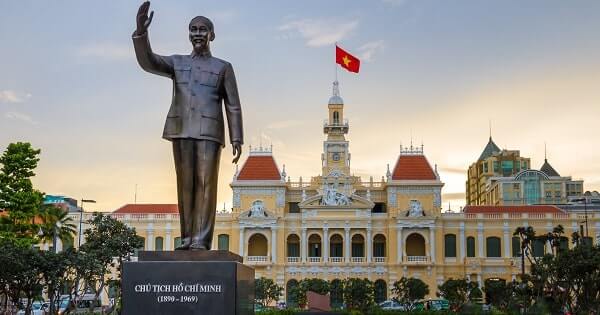
Fully Licensed Local Agency
Tailor-Made Vietnam Tour Packages
Explore Vietnam with complete peace of mind. Our custom itineraries include private air-conditioned vehicles, professional English-speaking guides, and handpicked 3 to 5-star accommodations tailored to your exact pace.
What Makes Vietnam One of Southeast Asia’s Most Diverse Destinations
Vietnam stretches across three distinct regions, each with its own unique culture, local dialect, climate, and culinary traditions. The warmth and hospitality of Vietnamese people form an essential part of the travel experience, welcoming visitors into local workshops, family-run eateries, and peaceful rural villages.
- Diverse Landscapes: Features over 3,200 kilometers of coastline, two major river deltas (Red River and Mekong), and rugged mountain chains exceeding 3,000 meters in elevation.
- Cultural Depth: Home to 54 distinct ethnic groups, each maintaining unique traditional attire, architectural styles, and ancestral customs.
- Culinary Distinction: World-renowned street food culture emphasizing fresh herbs, light broths, balanced sweet-sour flavor profiles, and regional noodle specialties.
- Exceptional Travel Value: High-end 4-star and 5-star hotel accommodations, private transport services, and fine dining options remain substantially more affordable than in Western destinations.
Best Time to Visit Different Regions of Vietnam
Since Vietnam extends through multiple climate regions, there is no single bad time to visit the country as a whole. When one region experiences monsoon rain, another enjoys dry, sunshine-filled days. Planning your itinerary around these regional seasonal patterns guarantees optimal weather conditions for sightseeing.
- Northern Vietnam (Hanoi, Halong Bay, Sapa, Ha Giang): Best conditions occur from October to April. Autumn (October to November) offers dry air and mild temperatures, while spring (March to April) brings pleasant warmth. Winters (December to February) in the mountains can be cold and misty.
- Central Vietnam (Hoi An, Da Nang, Hue, Phong Nha): Ideal weather runs from February to August with consistent sunshine and warm temperatures. Rain and occasional typhoons concentrate between September and November.
- Southern Vietnam (Ho Chi Minh City, Mekong Delta, Phu Quoc): Enjoys year-round tropical warmth between 25°C and 32°C. The dry season runs from November to April, while the wet season (May to October) features short afternoon tropical showers that rarely disrupt travel plans.
How Many Days Do You Need to Explore Vietnam?
To travel comfortably without feeling rushed, our operations team recommends a minimum of 10 days for first-time visitors to cover key highlights across the North and South. A 14-day timeline allows a balanced pace covering North, Center, and South regions. Travelers with 21 days can combine popular sights with immersive off-the-beaten-path mountain loops and island retreats.
| Region | Key Destinations | Optimal Travel Window | Recommended Days |
|---|---|---|---|
| North Vietnam | Hanoi, Halong Bay, Sapa, Ha Giang, Ninh Binh | October – April | 5 – 8 Days |
| Central Vietnam | Hoi An, Hue, Da Nang, Phong Nha Caves | February – August | 4 – 6 Days |
| South Vietnam | Ho Chi Minh City, Mekong Delta, Phu Quoc Island | November – April | 3 – 6 Days |
Top 10 Best Places to Visit in Vietnam
Selecting the right mix of destinations depends on your personal interests, mobility, and vacation schedule. Based on our years of local travel expertise and on-the-ground experience, we’ve selected the 10 best places to visit in Vietnam and included practical insights to help you make the most of your trip
1. Hanoi – Vietnam’s Timeless Capital
Hanoi serves as the political, historical, and cultural heart of Vietnam. Over a thousand years of urban development have left an extraordinary architectural legacy blending traditional Vietnamese wooden temples, Chinese influences, and grand French colonial mansions.
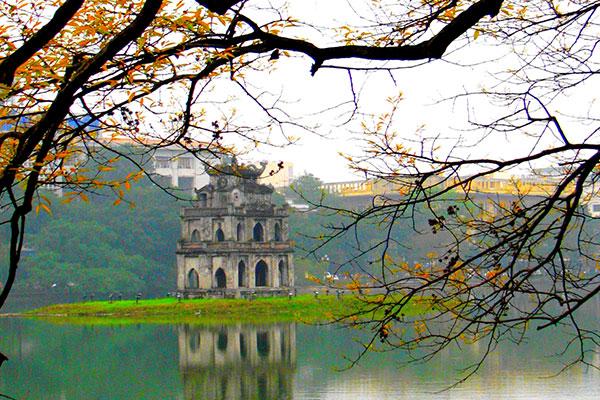
Hoan Kiem lake – Hanoi city
Exploring the historic Hanoi Old Quarter reveals a labyrinth of 36 guild streets where craftsmen have sold specialized trade goods for centuries. Travelers can walk around peaceful Hoan Kiem Lake, visit the 11th-century Temple of Literature, and observe early morning lifestyle rituals along the tree-lined avenues.
- Top Attractions: Ho Chi Minh Mausoleum Complex, Temple of Literature, Tran Quoc Pagoda, French Quarter, Vietnam Museum of Ethnology.
- Best Local Culinary Delights: Pho Bo (Beef Noodle Soup), Bun Cha (Grilled Pork with Rice Vermicelli), Egg Coffee (Ca Phe Giang), Banh Mi Hanoi.
- Recommended Stay: 2 to 3 days to explore city landmarks and savor local street food tours.
2. Halong Bay – Vietnam’s UNESCO Natural Wonder
Renowned worldwide for its calm emerald waters and thousands of towering limestone pillars crowned with rainforests, Halong Bay is officially recognized as a World Heritage Site by UNESCO. The bay encompasses over 1,600 islands and islets formed through millions of years of karst erosion.
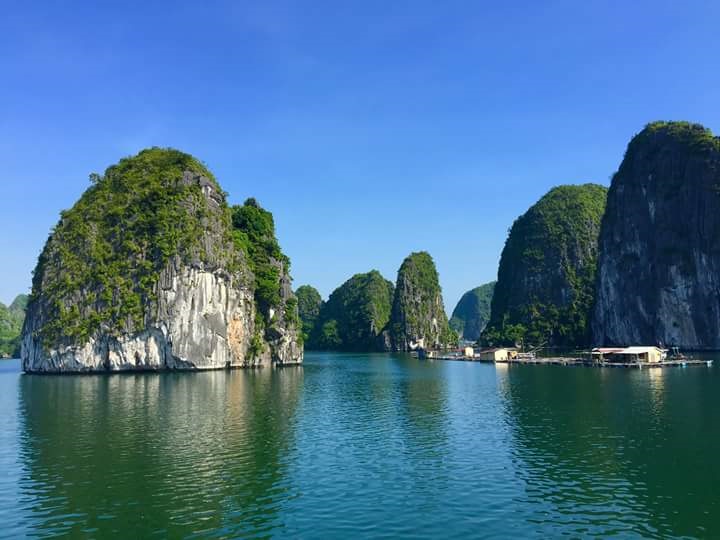
Pristine landscape of limestone pillars on sea water
Taking an overnight cruise is the most effective way to experience the bay. Guests can kayak through hidden lagoons, explore expansive grottos like Sung Sot Cave, climb up Ti Top Island for broad panoramic viewpoints, and join morning Tai Chi sessions on the sun deck.
- Day Trip vs Overnight Cruise: A day cruise (6-8 hours) suits tight schedules, but a 2-day/1-night or 3-day/2-night overnight cruise allows deeper navigation into quieter waters like Bai Tu Long Bay or Lan Ha Bay.
- Best Time to Visit: March to May and September to November provide clear skies and comfortable sea temperature for swimming and kayaking.
3. Ninh Binh – The “Halong Bay on Land”
Located just 90 kilometers south of Hanoi, Ninh Binh features dramatic karst limestone peaks rising directly out of green rice paddies and winding riverways. This tranquil landscape offers a peaceful retreat for visitors seeking nature and ancient historic sites.
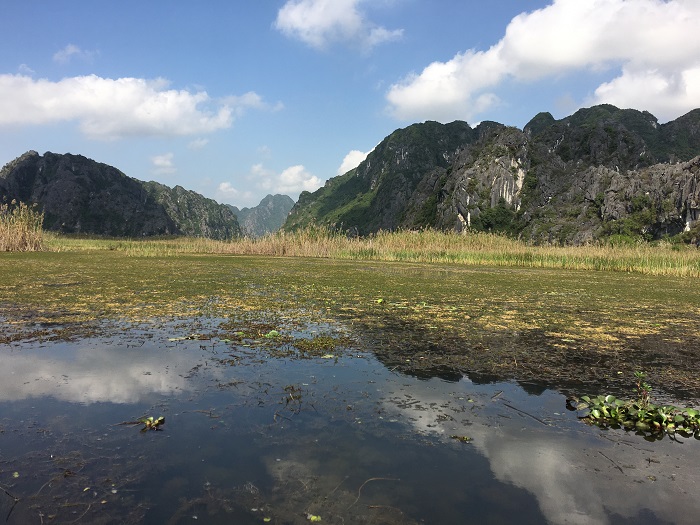
Van Long wetland & nature reserve – Ninh Binh
Key experiences in Ninh Binh include taking a hand-rowed sampan boat trip through river caves in Trang An or Tam Coc, climbing 500 stone steps to the Mua Cave dragon peak for dramatic valley views, and exploring Hoa Lu, Vietnam’s ancient capital during the 10th and 11th centuries.
- Tam Coc vs Trang An: Trang An provides organized boat routes through natural tunnel caves and UNESCO complex facilities. Tam Coc offers closer proximity to local village life and seasonal golden rice harvests in late May.
- Recommended Stay: 1 to 2 days. Conveniently accessible as a day trip from Hanoi via private vehicle.
4. Sapa – Vietnam’s Mountain Paradise
Perched high in the Hoang Lien Son mountain range near the Chinese border, Sapa is famous for its vast sculptured rice terraces and vibrant ethnic minority villages. Travelers can review our curated guide on 12 places to visit in Sapa to build an itinerary focused on cultural immersion.
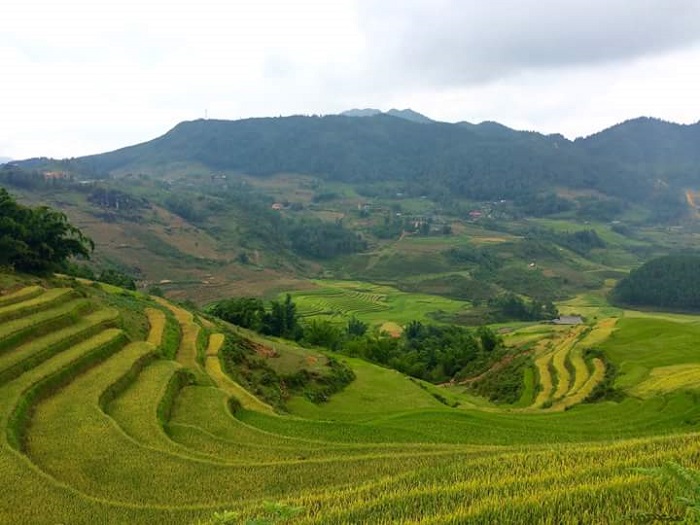
Rice terraces in Muong Hoa valley – Sapa
Trekking through the Muong Hoa Valley connects visitors with Black Hmong, Red Dao, and Tay communities. Adventurous travelers can ascend Mount Fansipan, the highest peak in Indochina at 3,143 meters above sea level, using either a modern cable car system or guided multi-day mountain trekking tours.
- Best Rice Terrace Viewing: May to June (watering season creates mirror reflections) and August to September (golden harvest season).
- Recommended Stay: 2 to 3 days, combining private trekking routes with local homestays or luxury mountain lodge stays.
5. Ha Giang Loop – Vietnam’s Ultimate Road Trip
Ha Giang represents Vietnam’s northernmost frontier, dominated by towering limestone karsts, steep mountain passes, and deep river canyons. It is home to the historic Road of Happiness, making it an ideal inclusion for any adventure-focused trip to Northern Vietnam.
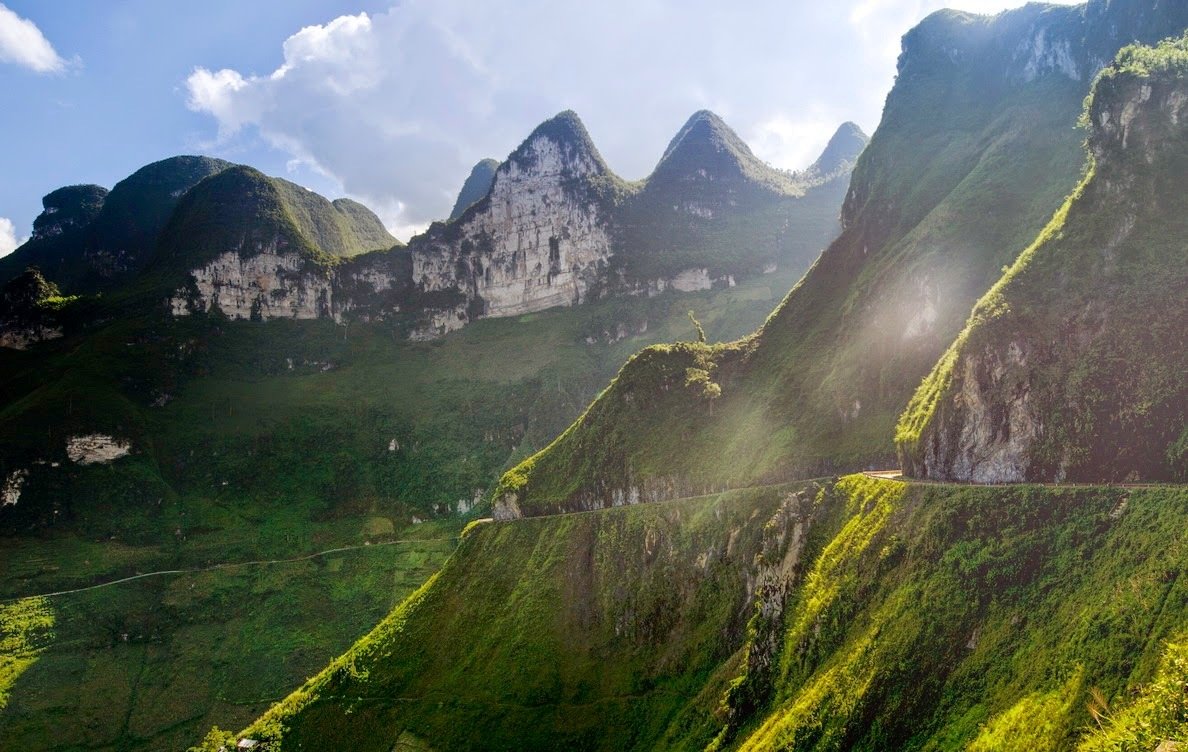
Majestic mountain range in Ma Pi Leng Pass – Ha Giang
The highlight of Ha Giang is crossing Ma Pi Leng Pass, hanging precariously over the emerald Nho Que River far below. Travelers can verify the best time to visit Ha Giang to plan safe mountain driving conditions.
- Transport Choices: Self-driving is recommended only for experienced motorbikers. For maximum safety and comfort, private car rentals with professional drivers or experienced local easy-riders are strongly advised.
- Recommended Duration: 3 to 5 days to complete the full circuit from Ha Giang city through Dong Van, Meo Vac, and Du Gia.
6. Hoi An – Vietnam’s Most Charming Ancient Town
Hoi An is an exceptionally preserved international trading port dating from the 15th to the 19th centuries. Its iconic yellow-painted merchant houses, timber frame shops, Japanese Covered Bridge, and lantern-lit streets attract visitors on every comprehensive Vietnam vacation.
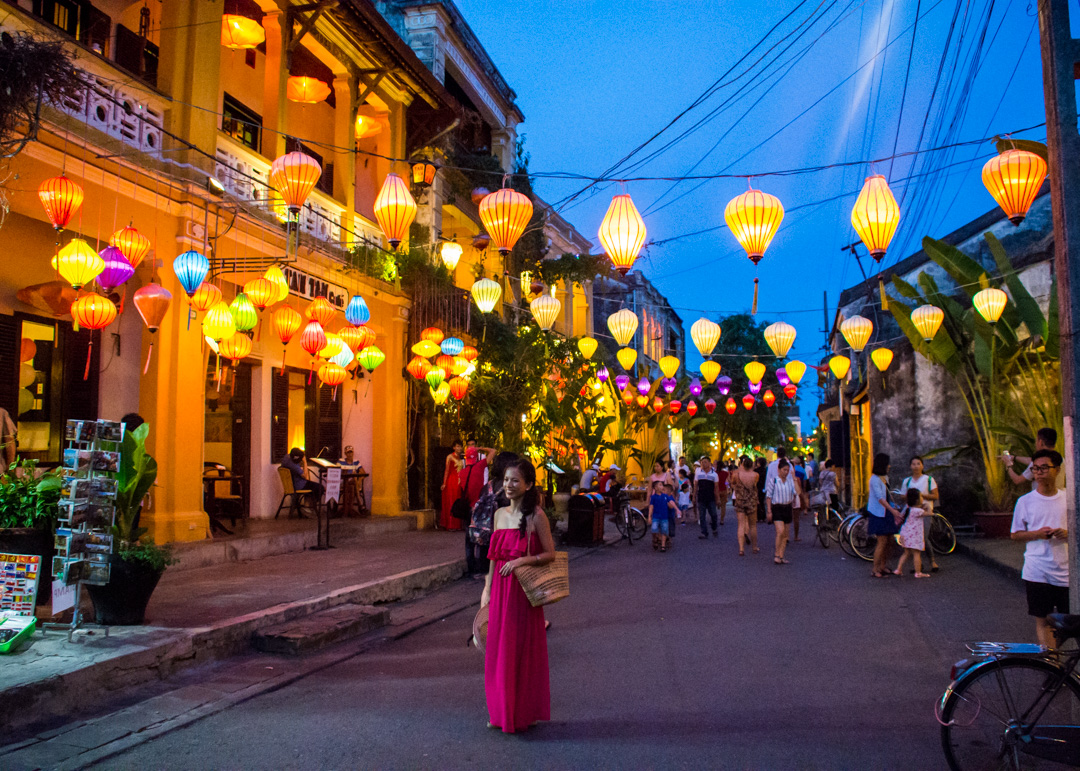
Hoi An ancient town illuminated by lanterns
By night, the riverfront glows with hundreds of silk lanterns. Hoi An is famous for professional custom tailoring shops capable of producing bespoke suits and dresses within 24 to 48 hours. Nearby An Bang Beach offers soft sand and seaside relaxation just 5 kilometers from town.
- Key Activities: Cycling through local organic farming villages (Tra Que), taking cooking classes, boat rides on the Thu Bon River, and custom clothing fittings.
- Recommended Stay: 3 to 4 days to balance historic walking tours with beach relaxation.
7. Da Nang – Vietnam’s Coastal City
Da Nang is a modern coastal metropolis known for clean urban planning, long sandy beach stretches, and quick access to major historical points. Located just 30 kilometers north of Hoi An, Da Nang features comfortable beach resort infrastructure along My Khe Beach.
- Top Landmarks: Golden Bridge at Ba Na Hills (held by two giant stone hands), Marble Mountains limestone peaks, Dragon Bridge (which breathes fire and water on weekend nights), and Son Tra Peninsula.
- Recommended Stay: 2-3 days, ideal as a base for coastal resort living and airport transport hub access.
8. Hue – Vietnam’s Imperial Capital
Hue served as the national capital of Vietnam during the Nguyen Dynasty from 1802 to 1945. Situated along the banks of the Perfume River, Hue preserves royal architectural heritage, ancient pagoda complexes, and imperial culinary traditions.
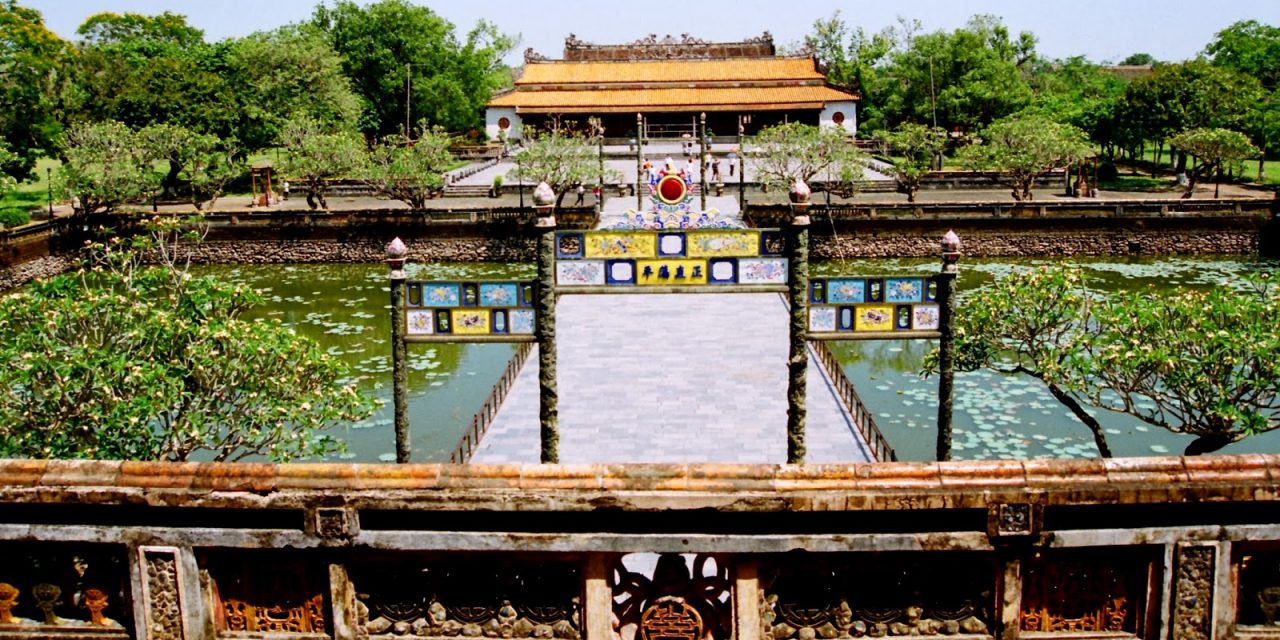
Hue Imperial Citadel along the Perfume River
Visitors can explore the massive walled Imperial Citadel, examine the intricate royal tombs of Emperors Tu Duc, Khai Dinh, and Minh Mang, and visit Thien Mu Pagoda. Nature enthusiasts can extend visits into nearby Bach Ma National Park for mountain hikes and jungle streams.
- Imperial Cuisine Highlights: Bun Bo Hue (Spicy Beef Noodle Soup), Banh Ram It, Banh Bot Loc, and royal tasting banquets.
- Recommended Stay: 2 to 3 days for historic sightseeing tours.
9. Ho Chi Minh City – Vietnam’s Vibrant Metropolis
Ho Chi Minh City (formerly Saigon) is Vietnam’s economic engine and largest city. It presents an energetic dynamic contrast between modern skyscrapers like Landmark 81, historic French administrative buildings, traditional street markets, and motorbikes moving through wide avenues.
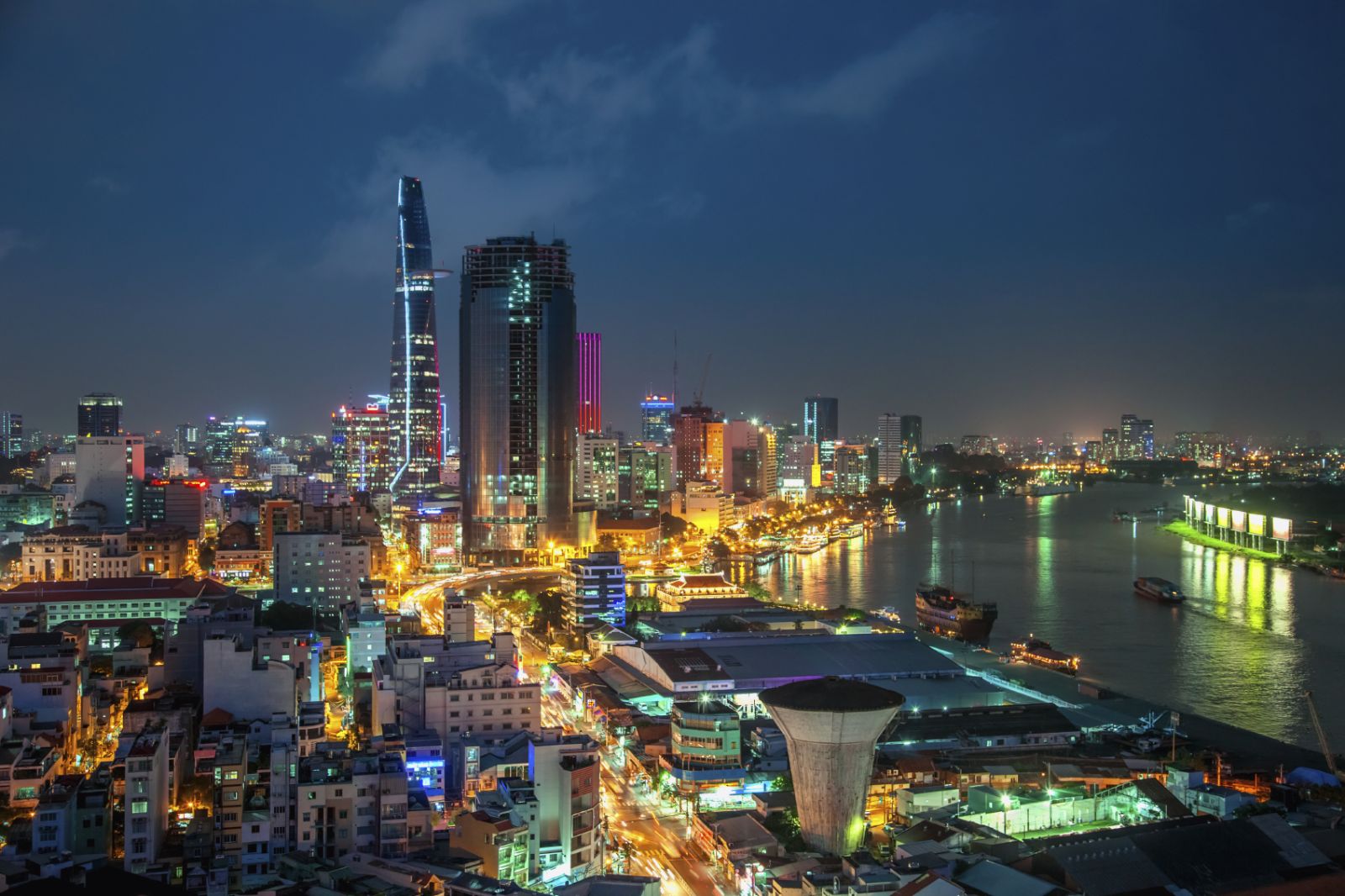
Ho Chi Minh City urban skyline
Major urban landmarks include the War Remnants Museum, Independence Palace, Notre Dame Cathedral, and Central Post Office. Essential day excursions from the city lead to the historic Cu Chi Tunnels underground defense networks.
- Key Experiences: Scooter food tours by night, rooftop dining, exploring Ben Thanh Market, and taking day trips to underground historical sites.
- Recommended Stay: 2 to 3 days.
10. Regional Gems: Mekong Delta, Phong Nha Caves, Nha Trang & Phu Quoc
Completing your destination selection involves looking at specialised regional highlights depending on whether you seek cave exploration, river basin floating markets, or tropical island beaches.
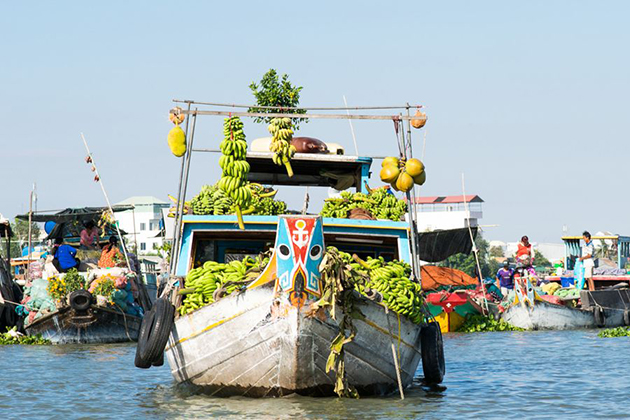
Colorful floating market in Mekong delta
The Mekong Delta south of Saigon offers an extensive network of waterways, tropical fruit orchards, and bustling boat trading sites like Cai Rang floating market. In central Quang Binh province, travelers can explore top amazing places to visit in Quang Binh within Phong Nha-Ke Bang National Park, including Son Doong Cave (the largest cave on earth) and Paradise Cave.
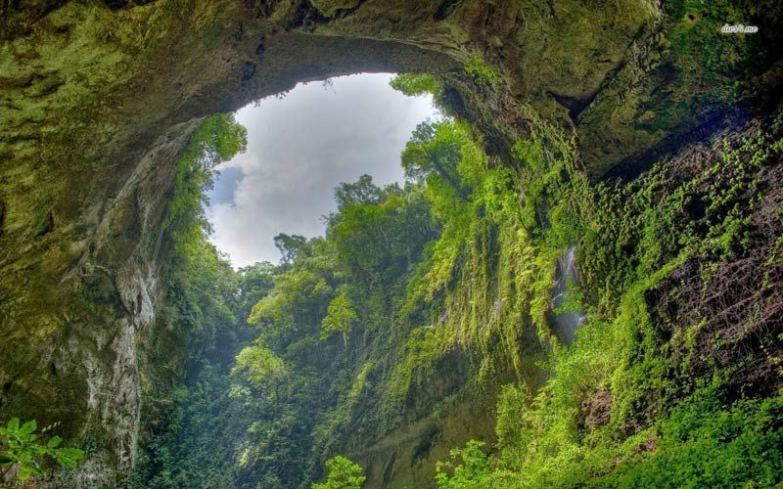
Son Doong cave – the largest cave chamber in the world
For tropical beach relaxation, coastal Nha Trang delivers clear blue ocean bays and marine sports, while Phu Quoc Island in the Gulf of Thailand provides luxury beach resort stays, white sand beaches, and snorkeling clear waters.
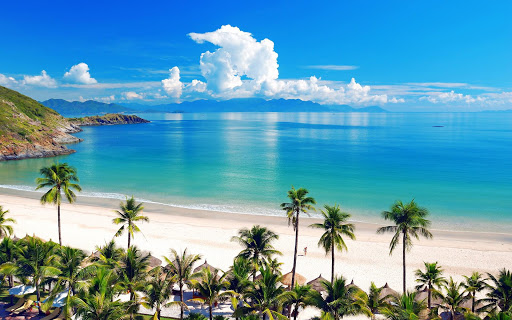
Nha Trang sandy beach bay

Fully Licensed Local Agency
Private Northern Vietnam Custom Tours
Discover Northern Vietnam with customized itineraries. Combine Hanoi Old Quarter tours, Halong Bay luxury cruises, and Sapa mountain treks with our experienced local drivers and knowledgeable private guides.
Vietnam Map – Where Are These Destinations Located?
Understanding Vietnam’s geography is essential when planning logical route connections between destinations. Vietnam extends over 1,600 kilometers north to south, meaning internal travel relies on domestic flights, express trains, or private highway transport.
Northern Vietnam Highlights
The northern cluster centers around Hanoi airport (Noi Bai International Airport – HAN). From Hanoi, Halong Bay and Ninh Binh are reached within 2 to 2.5 hours by expressway private transfer. Sapa and Ha Giang lie further north near the mountain borders, requiring overnight sleeper trains, luxury limousine vans, or private transfers taking 5 to 6 hours.
Central Vietnam Highlights
Central Vietnam uses Da Nang International Airport (DAD) as its main entry point. Hoi An sits 30 kilometers south of Da Nang airport, while Hue lies 100 kilometers north across the scenic Hai Van Pass. Phong Nha caves lie further north in Quang Binh, reachable by a 4-hour train ride or private transfer from Hue.
Southern Vietnam Highlights
The southern zone operates around Tan Son Nhat International Airport (SGN) in Ho Chi Minh City. The Mekong Delta waterways begin 2 hours south of Saigon by vehicle. Reaching Phu Quoc Island involves a short 50-minute domestic flight from Ho Chi Minh City.
Which Destination Is Best for Your Travel Style?
Choosing destinations that match your interests helps you enjoy a smoother, more rewarding trip, and guarantees every member of your private group gets the maximum value out of their itinerary.
Best for First-Time Visitors
First-time travelers should focus on the classic axis: Hanoi, Halong Bay, Hoi An, and Ho Chi Minh City. This itinerary offers a balanced cross-section of capital history, natural UNESCO waters, ancient architecture, and southern urban life with direct domestic flight links.
Best for Nature Lovers
Nature enthusiasts should prioritize Ninh Binh, Halong Bay, and Phong Nha-Ke Bang National Park. These areas showcase spectacular limestone karst topography, vast river systems, and massive underground cave networks.
Best for Adventure Travelers
For physical activity and remote mountain landscapes, combine Sapa trekking routes with the Ha Giang Loop mountain passes. Off-the-beaten-path trails lead through minority homestays and mountain valley vistas.
Best for Families
Families traveling with children or seniors benefit from smooth logistics in Hanoi, overnight Halong Bay cruises, relaxed beach living in Hoi An/Da Nang, and safe private car transfers throughout.
Best for Couples & Honeymooners
Couples seeking romance and privacy appreciate boutique boutique hotels in Hoi An, private balcony luxury cabins on Lan Ha Bay cruises, and secluded beach resorts in Phu Quoc Island.
Best for Food Lovers
Food enthusiasts will find Hanoi and Hue to be extraordinary highlights. Hanoi offers savory street soups and street side grills, while Hue delivers rich royal recipes and distinct central spices.
Best for Luxury Travelers
High-end travelers can combine 5-star international wellness resorts in Da Nang, private yacht charters in Halong or Lan Ha Bay, and luxury boutique heritage properties in Hanoi and Saigon.
| Traveler Profile | Top Destinations | Key Recommended Activities | Recommended Service Setup |
|---|---|---|---|
| First-Timers | Hanoi, Halong Bay, Hoi An, HCM City | Old Quarter walk, Bay cruise, Lantern town walk | Private car, English guide, 4-star hotels |
| Adventure Seekers | Ha Giang, Sapa, Phong Nha Caves | Pass driving, Valley trekking, Cave expeditions | Private SUV/Driver, Local trek guide, Ecolodges |
| Couples & Luxury | Lan Ha Bay, Hoi An, Phu Quoc Island | Luxury cruise, Spa treatments, Beachfront dining | Boutique 5-star resorts, Private yacht charter |
Suggested Vietnam Itineraries
Below are four custom itinerary frameworks developed by our tour operations team to help you allocate your available travel days efficiently.
7-Day Vietnam Highlights (North & Center)
Designed for travelers with limited vacation schedules who wish to hit key highlights with minimal travel overhead.
- Day 1-2: Hanoi arrival, street food exploration, and historical walking tour.
- Day 3-4: Express transfer to Halong Bay for an overnight cruise, returning on Day 4 to fly to Da Nang/Hoi An.
- Day 5-6: Hoi An ancient town tour, tailor fittings, and countryside cycling.
- Day 7: Da Nang sight visit and departure flight.
10-Day Classic Vietnam Tour (North, Center & South)
The standard recommended framework for first-time visitors seeking balanced regional coverage.
- Day 1-2: Hanoi capital highlights and Old Quarter exploration.
- Day 3-4: Overnight Halong Bay cruise, transfer back for flight to Hue.
- Day 5-7: Hue imperial tour, drive over Hai Van Pass to Hoi An for a 2-night stay.
- Day 8-10: Flight to Ho Chi Minh City, Cu Chi Tunnels visit, Mekong Delta day tour, and departure.
14-Day Vietnam Discovery
Allows a relaxed travel pace with time for mountain nature and deeper local interaction.
- Day 1-3: Hanoi capital sightseeing and day excursion to Ninh Binh karsts.
- Day 4-6: Sapa mountain valley trekking and Fansipan ascent, returning for Halong Bay cruise.
- Day 7-8: Halong Bay overnight cruise, evening flight to Central Vietnam.
- Day 9-11: Hue historical monuments and Hoi An ancient town immersion.
- Day 12-14: Ho Chi Minh City highlights, 2-day Mekong Delta exploration, and departure.
3-Week Ultimate Vietnam Adventure
A total regional itinerary covering major sights along with off-the-beaten-track mountain loops and tropical island relaxation.
- Days 1-7 (Northern Frontier): Hanoi, 4-day Ha Giang Loop adventure, and Ninh Binh boat rides.
- Days 8-14 (Central Heritage): Halong Bay cruise, Phong Nha cave exploration, Hue, and Hoi An town.
- Days 15-21 (Southern Tropics): Ho Chi Minh City, Mekong Delta river stay, and 4 days of beachfront relaxation on Phu Quoc Island.
Common Mistakes & Our Essential Travel Tips Before Visiting Vietnam
Based on direct travel feedback from international visitors, our ground team has compiled critical practical advice to prevent common mistakes during your Vietnam trip.
- Booking Unlicensed Tour Agents: Street tour booths often sell sub-standard boat cruises or unlicensed mountain transfers. Always verify an operator’s official International Tour Operator License issued by the Vietnam National Administration of Tourism.
- Underestimating Internal Distances: Do not attempt to drive between regions without checking road terrain. Mountain roads in Ha Giang and Sapa require significantly more transfer time than lowland expressways.
- Ignoring Temple Dress Codes: Modest clothing covering shoulders and knees is mandatory when entering pagodas, the Ho Chi Minh Mausoleum, and royal tombs.
- Visa Requirements: Foreign travelers must secure an official Vietnam E-Visa online prior to arrival via the official government portal. Verify that your passport has at least 6 months validity from your entry date.
- Currency & Payment Setup: The official currency is Vietnamese Dong (VND). While credit cards are accepted in major hotels and restaurants, cash remains necessary for street food vendors, local taxis, and small town markets.
- Health & Safety: Drink bottled or purified water only. Use reputable ride-hailing services (Grab) or private driver transfers arranged by licensed agencies to avoid unmetered street taxi rates.
Frequently Asked Questions (FAQs) About Best Places to Visit in Vietnam
What is the single best place to visit in Vietnam for first-timers?
Halong Bay and Hanoi form the quintessential first-time combination. Hanoi provides rich historic culture and street food, while Halong Bay delivers exceptional natural marine scenery within a convenient 2.5-hour transfer distance.
Is Sapa or Ha Giang better for mountain landscapes?
Sapa is ideal for village trekking, luxury mountain lodges, and cable car rides up Fansipan. Ha Giang offers more dramatic karst scenery and remote road trips for adventurous travelers seeking quieter paths.
How do I travel between North, Central, and South Vietnam?
Domestic flights offer the fastest connections between Hanoi (HAN), Da Nang (DAD), and Ho Chi Minh City (SGN). For scenic coastal travel between Hue and Hoi An, private driver cars or express trains are recommended.
How far in advance should I book Halong Bay cruises?
High-demand 4-star and 5-star cruises sell out quickly during peak season (October to April). Booking 2 to 3 months in advance guarantees your preferred cabin type and cruising route.
Is Vietnam safe for private custom travel?
Vietnam is ranked among the safest travel destinations in Southeast Asia. Booking through a licensed local tour operator secures professional drivers, reliable vehicles, and 24/7 client support throughout your stay.
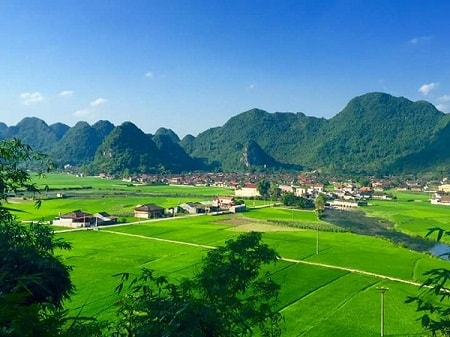
Fully Licensed Local Agency
Vietnam Adventure & Custom Excursions
Experience off-the-beaten-path mountain trekking, Ha Giang passes, and custom eco-tours. All adventure trips feature safe private drivers, licensed local guides, and flexible booking schedules.
Plan Your Dream Vietnam Trip with Our Travel Expert
Selecting the best places to visit in Vietnam is the exciting first step in crafting your Vietnam vacation. Our travel team specializes in organizing bespoke Vietnam Tours that align with your exact travel dates, physical preferences, and accommodation standards. Connect directly with our local travel specialists via WhatsApp +84.988451530 or email us at [email protected] to receive a personalized itinerary consultation within 24 hours.
Note: The travel tips and recommendations shared in this guide have been carefully prepared by the local travel experts at Golden Holiday Travel. While every traveler is different, our team is always happy to provide personalized itinerary planning, destination advice, and one-on-one support to help you create the perfect Vietnam journey.
Meet Our Experts

Suggested


Featured article


Related Articles




Write Comment