
Top 10 Experiences You Shouldn’t Miss in Sapa (Top Things to Do in Sapa)
Best things to do in Sapa bring together the region’s most memorable experiences for travelers exploring the stunning mountains of Northern Vietnam. Situated within Lao Cai Province, this mountainous district draws travelers seeking impressive valley views, genuine cultural interactions with hill tribes, and challenging trekking paths across terraced rice fields.
Backed by over 10 years of experience creating personalized Vietnam tours for travelers exploring Vietnam, our local team at Golden Holiday Travel has helped thousands of visitors discover authentic experiences beyond the usual tourist trail. This practical guide combines direct boots-on-the-ground knowledge with updated travel details to help you organize a safe, well-planned, and rewarding journey.
Why Sapa Should Be on Every Vietnam Itinerary?
Sapa stands out as Northern Vietnam’s premier mountain center, combining high-altitude landscapes with authentic ethnic cultural traditions. Located at an elevation of approximately 1,500 meters above sea level, this region provides a cool highland climate and access to the Hoang Lien Son mountain range.
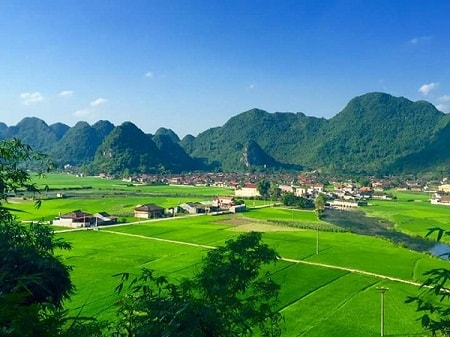
Fully Licensed Local Agency
Private Sapa Trekking & Cultural Packages
Explore Sapa with professional English-speaking local guides, private air-conditioned vehicles, and custom daily walking routes tailored to your fitness level. Experience flexible schedules and handpicked accommodations.
Where is Sapa and What Makes It Special?
Sapa is located in Lao Cai Province, situated approximately 320 kilometers northwest of Hanoi near the Chinese border. Understanding why visit Sapa and why it belongs on your itinerary helps travelers plan realistic itinerary. Key characteristics defining the area include :
- A spectacular mountain setting: Nestled at the foot of Mount Fansipan, the highest peak in Indochina, Sapa is surrounded by dramatic valleys and towering mountains.
- Rich cultural heritage: The region is home to five major ethnic communities – the Black Hmong, Red Dao, Tay, Giay, and Kinh – each preserving its own customs, traditions, and colorful festivals.
- Iconic terraced rice fields: Generations of local farmers have carved breathtaking rice terraces into the steep hillsides, creating one of Vietnam’s most recognizable landscapes.
- A unique mountain climate: Sapa often experiences the feeling of four seasons in a single day, with misty mornings, warm sunshine at midday, refreshing afternoons, and cool evenings
Best Time to Experience Sapa
Timing your visit directly impacts the scenery and outdoor walking conditions you will encounter across the valleys.
- March to May (Spring): Clear skies, mild temperatures (15°C–22°C), blooming local flower orchards, and ideal conditions for long-distance treks.
- June to August (Summer): Warm weather with seasonal rain. The rice terraces are vibrant green, and waterfalls run at maximum volume.
- September to October (Autumn): Golden harvest season. The slopes transform into golden-yellow fields, offering prime photography options.
- November to February (Winter): Cold temperatures (falling below 5°C), thick mountain fog, and occasional snowfall on high peaks.
How Many Days Do You Need in Sapa?
To fully enjoy the high mountain terrain without rushing, a minimum stay of 2 days and 1 night is recommended. A 3-day, 2-night itinerary allows you to balance physical trekking with comfortable relaxation and market excursions.
| Travel Season | Average Temperature | Landscape Conditions | Recommended Activity Focus |
|---|---|---|---|
| Spring (Mar – May) | 15°C – 22°C | Clear skies, blooming cherry blossoms, active farm work | Valley trekking, mountain pass driving, village walks |
| Summer (Jun – Aug) | 20°C – 28°C | Lush green terraces, occasional rain showers | Waterfall visits, Fansipan cable car, homestays |
| Autumn (Sep – Oct) | 15°C – 23°C | Golden harvest fields, dry mountain air | Photography tours, multi-day trekking, market trips |
| Winter (Nov – Feb) | 3°C – 12°C | Heavy cloud cover, misty valleys, cold air | Cloud hunting, herbal baths, local hotpot dining |
Top 10 Experiences You Shouldn’t Miss in Sapa
To make the most of your time in Sapa, focus on the region’s most rewarding cultural experiences and outdoor adventures. Below are the top things to do in Sapa recommended by our local field experts.
1. Trek Through Spectacular Rice Terraces: Muong Hoa Valley, Lao Chai & Ta Van Villages
Trekking remains the core activity for travelers selecting customized Sapa tours. Exploring the trails across Muong Hoa Valley brings you face-to-face with traditional farming communities and sweeping terrain.

A full-day trek typically leads from Sapa town down the valley into Y Linh Ho, continuing along dirt paths through Lao Chai (Black Hmong ethnic community) and finishing in Ta Van village (Giay ethnic community). Hiring a licensed local guide makes your journey smoother, with expert navigation, the right permits, and seamless communication with local families
For visitors looking for less frequented trails, considering a trip to Ta Phin Village or the quiet farming areas of Ta Giang Phin Village presents alternative routes far from high-density tourist groups.

If you have a free day, review details on our organized Sapa day trek to Ban Khoang, Ta Giang Phin villages, and Love Waterfall for a well-balanced day hike.
2. Ride the Cable Car to Fansipan Peak
Reaching the peak of Fansipan Mountain, known as the Rooftop of Indochina at 3,143 meters elevation, is an essential highland activity. The Sun World Fansipan Legend cable car system holds world records for its three-rope system, ascending nearly 1,400 meters in altitude over a 15-minute ride.

Upon arriving at the upper station, visitors climb 600 stone steps or ride a mountain funicular to reach the summit flag pole. High-altitude spiritual sites, including the Grand Buddha Statue and Bich Van Zen Monastery, line the complex. Physical condition should be taken into account due to thin air at the top. For energetic outdoor enthusiasts, dedicated multi-day hikes can be organized via our Fansipan Peak Adventure Trek.
3. Visit Authentic Ethnic Minority Villages: Hmong, Dao, Giay Communities
Cultural immersion is central to Sapa’s identity. Distinct clothing styles, traditional wooden house construction, and dialect differences characterize each group. The Black Hmong are recognized for indigo-dyed hemp fabrics, while the Red Dao are noted for embroidered headscarves and medicinal plant knowledge.
Being respectful of local customs and etiquette helps you build positive connections with local people. Review our detailed guide on must-know taboos of local ethnic villages in Sapa prior to visiting their homes or taking their photographs.
4. Wander Around Sapa Town & Stone Church
Sapa town center centers around the Holy Rosary Church (commonly called the Stone Church), constructed by French colonial architects in the early 20th century. The surrounding central square acts as a main point for evening gatherings, walking paths around Sapa Lake, and elevated coffee shops overlooking Muong Hoa Valley.
5. Experience Sapa’s Colorful Local Markets.
Weekly regional markets offer a direct window into local trading and highland culture. Ethnic families travel early in the morning to trade livestock, textiles, farm tools, and local produce.

While Bac Ha Market (held on Sundays) is the largest, travelers seeking authentic non-commercial environments should consider Muong Hum Market on Sunday mornings. Combine market visits with nearby village walks by booking a Sapa day trip to Muong Hum Market and Ta Giang Phin Village.
6. Stay Overnight in an Ethnic Homestay
Replacing standard hotel stays with a rural family homestay in Ta Van or Giang Ta Chai provides direct economic support to host families while allowing visitors to share family dinners cooked over open wood fires.

Facilities at local homestays are clean and comfortable, featuring private or shared sleeping quarters fitted with mosquito nets, clean bedding, Western-style toilets, and hot water showers.
7. Taste Traditional Cuisine in Sapa
Sapa’s cool mountain climate has inspired a cuisine centered around steaming hotpots, fragrant wild herbs, and flame-grilled meats.

Thang Co: A traditional dish cooked using horse, beef, or pork simmered with 12 mountain spices including cardamom, cinnamon, lemongrass, and star anise.
Sturgeon & Salmon Hotpot: Locally farmed in cold mountain springs near Silver Waterfall, served fresh with mountain vegetables like pumpkin buds and wild watercress.

8. Watch the Sunrise or Sunset Above the Clouds.
Few moments in Sapa are as magical as watching the sunrise or sunset from O Quy Ho Pass or Fansipan Summit. As golden light spreads across the Hoang Lien Son Mountains, a sea of clouds drifts through the valleys, creating unforgettable views. Whether you visit the scenic mountain pass or stand atop Indochina’s highest peak, this is an experience that belongs on every Sapa itinerary.

9. Explore Waterfalls and Hidden Nature Spots.
Located roughly 12 to 15 kilometers west of Sapa town, Silver Waterfall (Thac Bac) drops over 200 meters down rock faces beside the main highway. A short distance further lies Love Waterfall (Thac Tinh Yeu), accessible via a scenic 1.5-kilometer stone path through bamboo forests within Hoang Lien National Park.

10. Conquer O Quy Ho Pass – One of Vietnam’s Most Scenic Mountain Roads
Driving or taking a private car across O Quy Ho Pass yields views of deep canyon cliffs and winding switchbacks. Thrill-seekers can also visit the nearby Rong May Glass Bridge, which extends from a cliffside 2,300 meters above sea level.

Fully Licensed Local Agency
Tailor-Made Northern Vietnam Expeditions
Combine your Sapa trekking experience with private Hanoi city tours, luxury Halong Bay cruises, or Ninh Binh day trips. Contact our travel planners to craft an itinerary matching your timeframe and style.
More Amazing Things to Do in Sapa If You Have Extra Time
Travelers spending more than three days in Sapa can expand their plans with these additional mountain activities.
Visit Ham Rong Mountain
Located right beside Sapa town center, Ham Rong Mountain features paved stone walking trails through manicured orchid gardens and limestone formations leading up to Cloud Yard (San May) for viewlines of the entire valley town.

Take a Herbal Red Dao Bath
After completing a long valley hike, relaxing in a traditional wooden tub filled with warm water boiled with wild forest leaves, herbs, and barks prepared by Red Dao practitioners aids muscle recovery.
Rent a Motorbike for Scenic Adventures
Experienced riders can rent motorbikes to explore outer routes like Ban Khoang or Sau Chua. Riders must exercise caution due to steep slopes, sharp bends, and varying weather patterns.
Join Local Festivals (Seasonal)
Visiting during the first lunar month provides opportunities to observe traditional spring festivals featuring folk games, traditional music, and community dancing.
Glass Bridge Rong May
Situated 17 kilometers from Sapa town, this glass skywalk extends out over mountain cliffs, letting you walk on transparent platforms while taking in breathtaking panoramic views
Best Experiences by Travel Style in Sapa
Customizing your schedule based on your specific travel companions ensures everyone gets the most out of their time in the highlands.
Best Things to Do in Sapa for First-Time Visitors
First-time guests should focus on core landmarks: a guided half-day walk through Muong Hoa Valley, a ride on the Fansipan cable car, exploring Sapa Stone Church, and trying salmon hotpot at a local restaurant.
Best Experiences for Couples
Couples often enjoy high-end boutique mountain resorts in Topas Ecolodge or Jade Hill, private sunset drives to Tram Ton Heaven Gate, and relaxing herbal bath sessions in Ta Phin.
Best Family-Friendly Activities
Families travelling with children or older adults will appreciate the Fansipan cable car, short flat walks around Cat Cat village, visiting Sapa Lake, and convenient private car transportation between viewpoints.
Best Adventures for Nature Lovers
Avid hikers can take on 2-day Fansipan summit treks through Hoang Lien National Park, combined with off-the-beaten-track hikes connecting Ban Ho and Thanh Phu villages.
Best Instagram & Photography Spots
Photographers should focus on the sweeping rice field viewpoints in Lao Chai, sunset angles along O Quy Ho Pass, Cloud Yard on Ham Rong Mountain, and the vibrant ethnic textile displays at weekly markets.
Sample Sapa Itineraries
Use these carefully crafted Sapa travel itineraries from our local travel experts to create a trip that suits your travel style..
One Day in Sapa
- Morning: Board the Sun World cable car up to Mount Fansipan summit complex.
- Afternoon: Enjoy lunch in town, followed by a guided 3-hour trek through Y Linh Ho and Lao Chai villages.
- Evening: Walk around Sapa Stone Church and enjoy a hotpot dinner in town.
2 Days 1 Night Sapa Itinerary
- Day 1: Arrive from Hanoi. Trek across Muong Hoa Valley visiting Lao Chai and Ta Van. Stay overnight in a local Ta Van homestay.
- Day 2: Hike through Giang Ta Chai bamboo forests. Return to Sapa town for a afternoon visit to Fansipan cable car before heading back to Hanoi.
3 Days 2 Nights for a Complete Experience
- Day 1: Full-day guided valley trek across Lao Chai and Ta Van. Overnight stay at a mountain resort or boutique hotel.
- Day 2: Visit Fansipan Peak via cable car in the morning. Drive across O Quy Ho Pass, visit Love Waterfall, Rong May Glass Bridge, and experience a Red Dao herbal bath in Ta Phin.
- Day 3: Morning trip to a local Sunday market (Bac Ha or Muong Hum) & back to Hanoi
Common Mistakes in Sapa & Our Essential Tips for Visiting Sapa
To ensure a comfortable trip, keep these practical points in mind while preparing your journey:
- Underestimating Trail Conditions: Sapa valley paths can become muddy and slippery during rainy periods. Always pack sturdy hiking boots with good grip rather than smooth-soled sneakers.
- Buying Unregulated Tours on the Street: Accepting self-promoted trekking services from unregistered street peddlers can lead to poor service quality and safety issues. Secure your trekking through licensed tour operators like Golden Holiday Travel.
- Ignoring Sudden Temperature Drops: Mountain weather changes rapidly. Even during sunny afternoons, temperatures drop quickly once night falls. Pack light layers along with a windproof jacket.
- Disrespecting Local Customs: Refrain from photographing residents, especially children, without asking first. Avoid giving cash directly to small children in rural villages, as it may encourage them to skip school.

Fully Licensed Local Agency
Full Vietnam Vacation Packages
Let our local travel consultants handle all hotel bookings, private car transfers, train tickets, and regional tour guides for your multi-day trip across Vietnam.
Frequently Asked Questions (FAQs) About Sapa
How do I get to Sapa from Hanoi?
You can travel via sleeper train from Hanoi to Lao Cai Station followed by a 45-minute bus ride, or take a direct limousine van or highway express bus via the Noi Bai – Lao Cai Highway taking roughly 6 hours.
Is trekking in Sapa suitable for beginners?
Yes, many routes through Muong Hoa Valley feature gentle dirt paths and steps suitable for beginners. Private local guides can adjust the walking speed and distance to match your family’s fitness level.
When is the best month to see golden rice terraces?
The best timeframe to see golden rice terraces is from late August through early September, right before the local farmers begin their annual harvest season across the valley slopes.
Do I need to book a local guide for trekking?
While basic walks around Sapa town can be done independently, hiring a local ethnic guide is strongly recommended for rural valley treks to ensure safe navigation and respectful village entry.
What currency should I carry while visiting Sapa?
Carry Vietnamese Dong (VND) in small bills when visiting villages and local markets. Credit cards are accepted in major hotels and restaurants in town, but rural vendors only accept cash.

Need Help Getting Your Sapa Adventure With Local Travel Experts
Planning your ideal highland journey in Vietnam is easy with support from our licensed team. We specialize in private customized Sapa tours, tailor-made itineraries, private vehicles with professional drivers, and authentic village homestays. Reach out directly via WhatsApp +84.988451530 or send your travel request to [email protected] today.
Note: The travel tips and recommendations shared in this guide have been carefully prepared by the local travel experts at Golden Holiday Travel. While every traveler is different, our team is always happy to provide personalized itinerary planning, destination advice, and one-on-one support to help you create the perfect Vietnam journey.
Meet Our Experts

Suggested


Featured Articles


Related Articles




Ask a Question or Share Your Thoughts
Have questions about this itinerary, road trip tips, private car rentals, or ticket booking? Leave a comment or question below — our travel specialists will reply within a few hours!