
Discover Sapa: The Ultimate First-Timer’s Guide to Vietnam’s Mountain Escape
Many Sapa travel guides cover only the usual tourist spots, but a better trip takes local insight into mountain weather, village etiquette, and scenic trails. This guide helps foreign visitors, families, and couples plan reliable transport, comfortable stays, and respectful cultural experiences while avoiding the busiest areas.
With 10+ years of crafting tailor-made Vietnam tours, our local experts at Golden Holiday Travel have helped thousands of travelers discover authentic experiences beyond the usual tourist checklist. This guide shares practical local guides & travel tips to help you plan a smooth and memorable Sapa getaway.
KEY TAKEAWAYS FOR YOUR SAPA TRIP
- Optimal Timing: Visit from May to June for green terraces or late August to September for golden harvest views.
- Transport Choice: Select comfortable overnight sleeper trains for classic travel or private transfers for 5.5-hour direct convenience.
- Cultural Etiquette: Always ask permission before photographing ethnic villagers and support local artisans directly.
- Trip Duration: Allocate 2 to 3 days to balance iconic mountain vistas with quiet valley walks
Why Sapa Should Be on Your Vietnam Travel Itinerary?
Sapa sits in the Hoang Lien Son mountain range, offering travelers a striking combination of alpine scenery, cool highland air, and centuries-old ethnic minority traditions. Planning a visit to this northern mountain retreat gives you a chance to see layered green valleys and experience a lifestyle distinct from lowlands like Hanoi.

Fully Licensed Local Agency
Sapa Tours 2-3 Days from Hanoi
Explore scenic trekking routes in Sapa with private local guides, comfortable private vehicles, and personalized itineraries built around your preferences.
A Land of Dramatic Mountains and Endless Rice Terraces
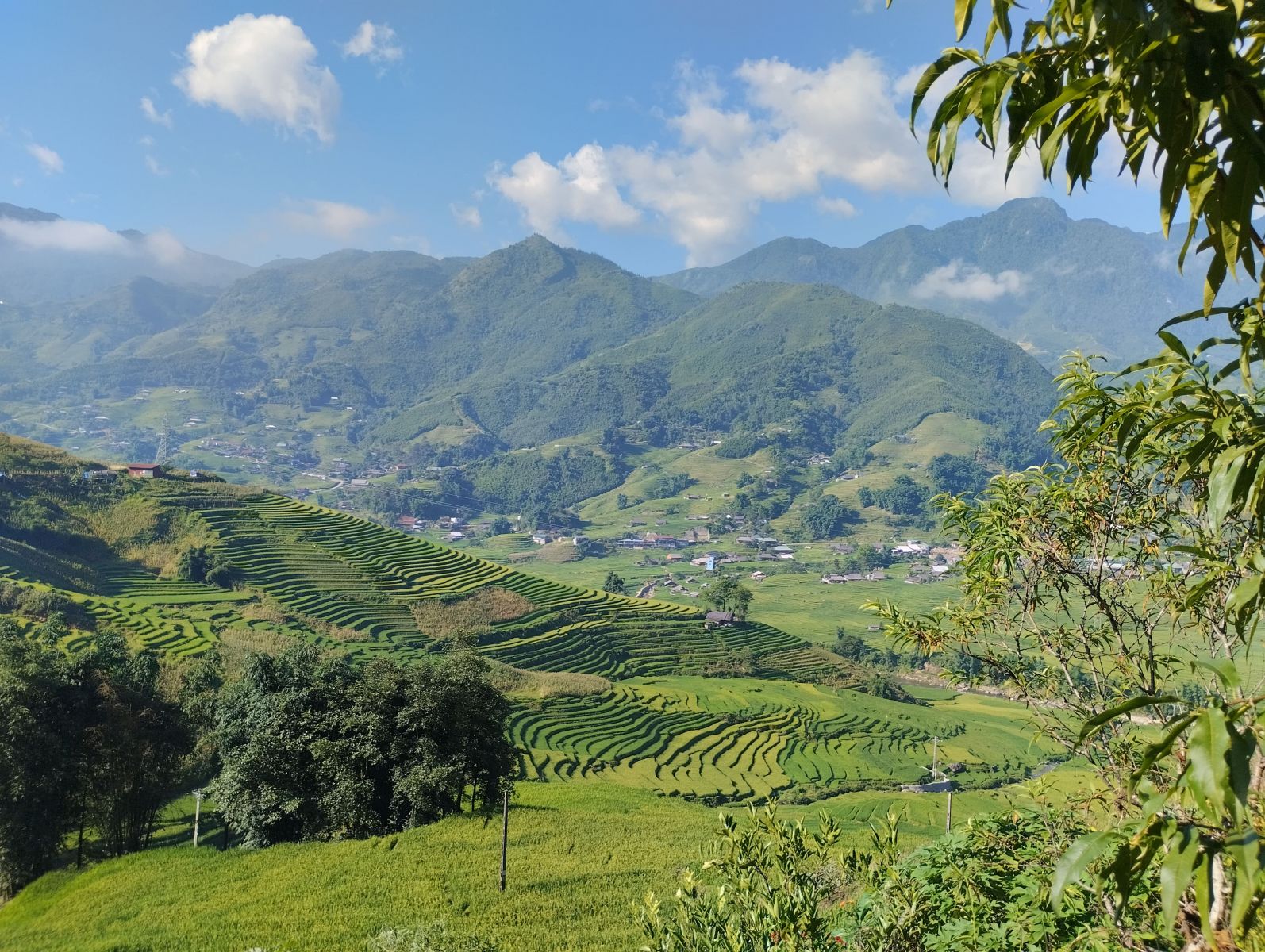
The landscape of Sapa is featured by deep valleys and massive peaks, dominated by Mount Fansipan. Centuries of agricultural labor have shaped the hillsides into dramatic terraced fields that change color with the farming seasons.
Visitors exploring the Northwest Mountain Region of Vietnam will find that Sapa stands out for its panoramic viewpoints, walking paths, and peaceful rural scenery.
Discover Vietnam’s Rich Ethnic Minority Cultures
Sapa is home to several distinct ethnic groups, including the Black Hmong, Red Dao, Tay, Giay, and Xa Pho. Each community retains its own dialect, traditional dress, craftsmanship, and architectural styles.
Walking through traditional villages allows travelers to observe daily farming routines, intricate embroidery work, and herbal medicine preparation handed down through generations.
From Relaxing Escapes to Outdoor Adventures
Whether you seek quiet boutique resorts overlooking misty valleys or multi-day hiking expeditions across mountain passes, Sapa accommodates diverse travel styles. It serves as a refreshing contrast to coastal destinations during a broader Vietnam trip.
Our team regularly arranges customized trip to Sapa packages that balance light walking with peaceful resort stays for travelers of all ages.
Where Is Sapa and How Do You Get There?
Sapa is located in Lao Cai Province, approximately 315 kilometers northwest of Hanoi near the border with China. Reaching Sapa is straightforward thanks to modern expressways and reliable rail services operating daily between the capital and the mountains.
Where Is Sapa Located?
Positioned at an elevation of roughly 1,500 to 1,650 meters above sea level, Sapa town overlooks the Muong Hoa Valley and faces the towering peaks of the Hoang Lien Son range. Its high altitude gives the town a cool temperate climate throughout the year.
How to Get from Hanoi to Sapa?
Travelers can choose between overnight trains to Lao Cai railway station, express limousine vans via the Noi Bai – Lao Cai Highway, standard tourist buses, or private chauffeured cars. Travel time ranges from 6 hours by highway to around 8 hours by sleeper train.
Train vs. Bus vs. Private Car: Which Option Is Best?
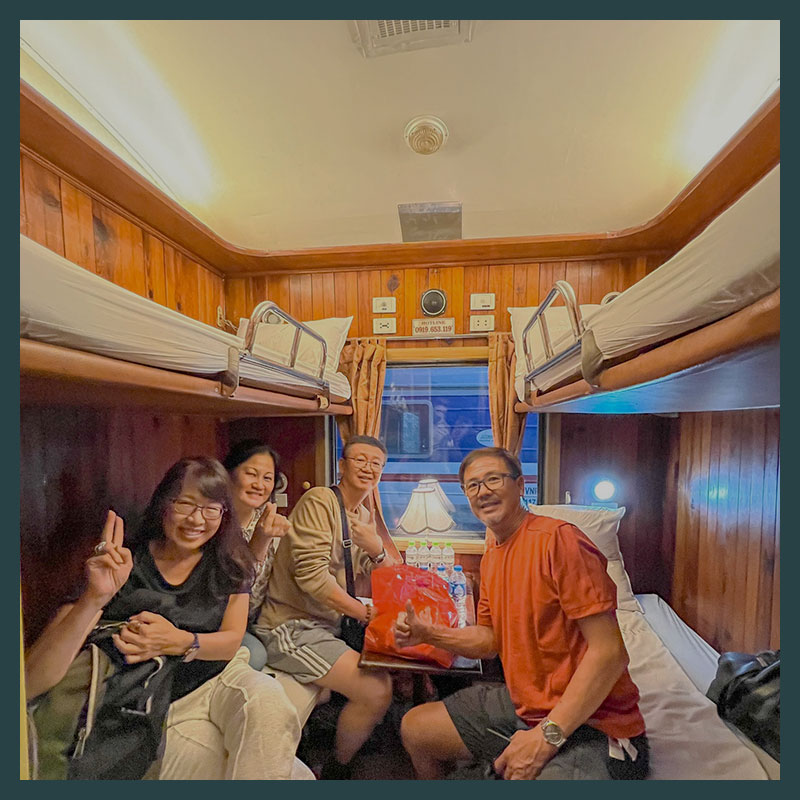
Choosing an overnight train journey from Hanoi to Sapa provides comfortable AC sleeper cabins on tourist carriages such as Sapaly Express, Chapa Express, Livitrans, Vicsapa train. Trains arrive in Lao Cai at dawn, followed by a 50-minute mountain road transfer to Sapa town.
For travelers seeking speed and door-to-door convenience, booking tickets on 12go.asia for luxury limousine vans like EcoSapa Bus, GreenLion Bus, Interbusline, Sapa Express offers direct pickup near hotels in the Hanoi Old Quarter.
Selecting a private car for the journey from Hanoi to Sapa remains the top recommendation for families and small groups who prioritize privacy, flexible rest stops, and custom departure times.

How to Get Around Sapa Once You Arrive?
Central Sapa town is easily walkable on foot. To visit outlying valleys and trailheads, you can hire local electric shuttles, book private taxis, or arrange a private vehicle with an experienced mountain driver through our travel desk.
While some independent travelers rent motorbikes, steep mountain roads and sudden fog require experienced riding skills and proper licensing.

Fully Licensed Local Agency
Tailor-Made Northern Vietnam Tours
Combine the mountain landscapes of Sapa with Hanoi day excursions and luxury bay cruises. Enjoy personalized service, verified 4-star and 5-star lodgings, and round-the-clock support.
When Is the Best Time to Visit Sapa?
The best time to visit Sapa depends largely on whether your priority is viewing lush green rice terraces, witnessing the golden autumn harvest, or enjoying crisp mountain air. For detailed monthly weather breakdowns, read our guide on the best time to visit Sapa Vietnam before finalizing dates.
| Season | Months | Average Temp | Key Highlights | Recommended For |
|---|---|---|---|---|
| Spring | Mar – May | 15°C – 22°C | Peach and plum flowers, clear hiking trails | Trekking lovers, couples, nature walks |
| Summer | Jun – Aug | 20°C – 27°C | Vibrant green rice paddies, occasional rain | Summer getaways, lush green landscapes |
| Autumn | Sep – Nov | 15°C – 23°C | Golden harvest fields, dry and sunny weather | Photography, peak hiking, family travel |
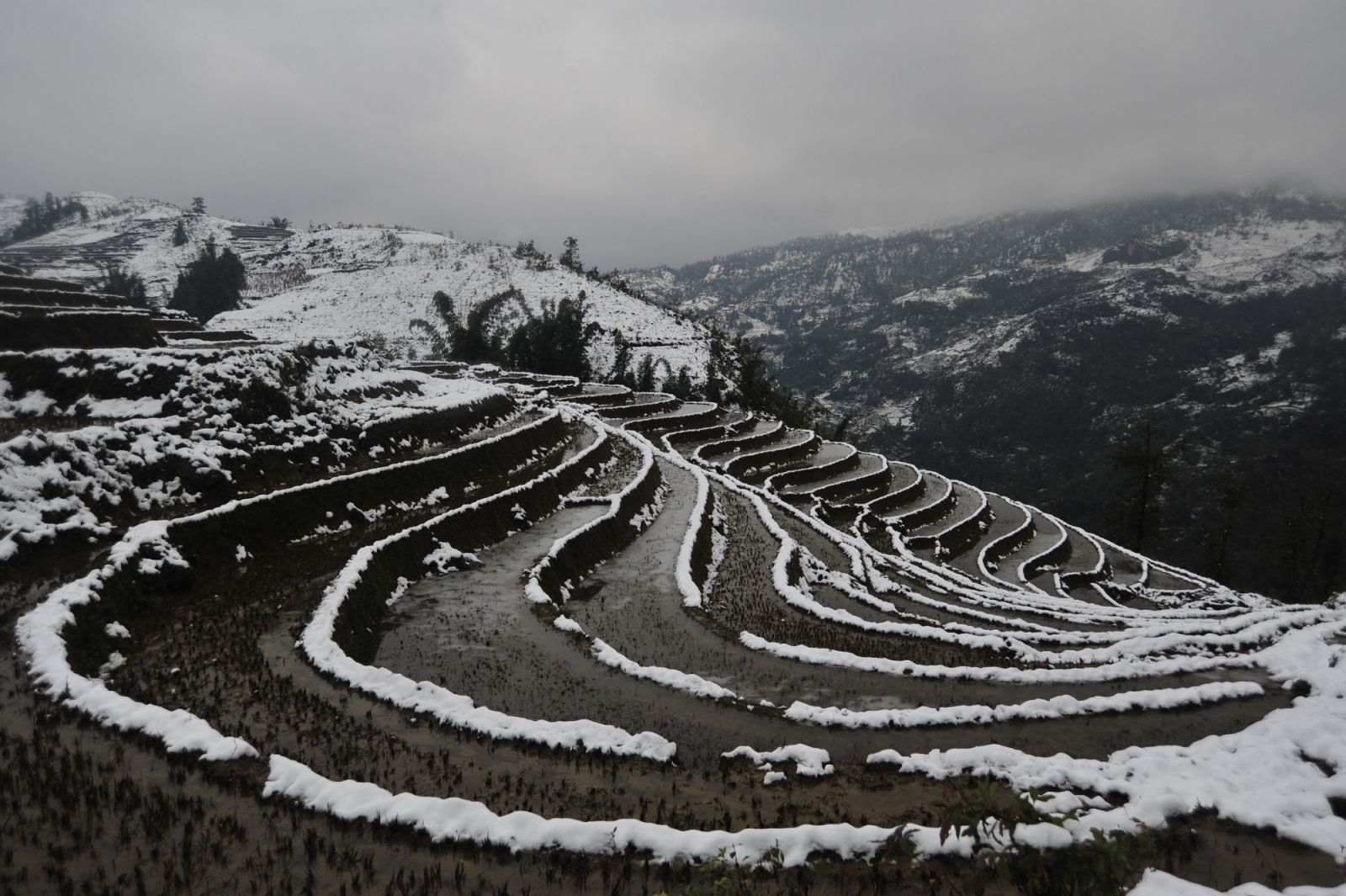
| Winter | Dec – Feb | 5°C – 13°C | Sea of clouds, cold mountain air, winter fog | Cloud hunting, cozy resort stays, food tasting |
Top Things to Do in Sapa for First-Time Visitors
First-time travelers will discover an extensive range of activities across the region, from scaling the tallest peak in Indochina to strolling along cascading mountain streams. You can read our detailed guide on the top 10 unmissable things to do in Sapa for additional inspiration.
Best Places to Visit in Sapa
Selecting the right destinations helps you balance iconic viewpoints with peaceful, less-crowded settings. Review our complete selection of the top 12 places to visit in Sapa when outlining your daily sightseeing schedule.
Muong Hoa Valley and Traditional Hamlets
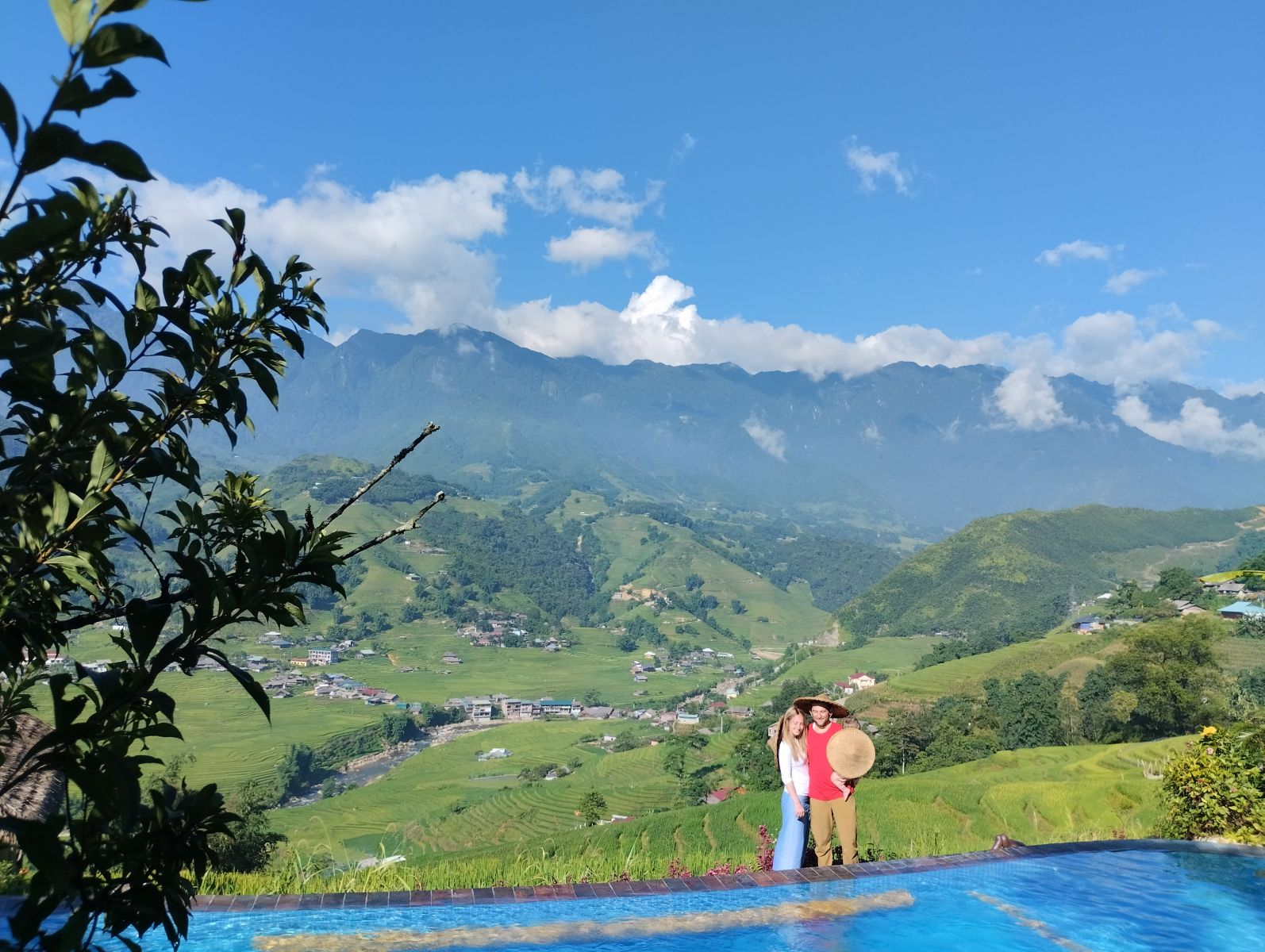
Muong Hoa Valley contains the largest concentration of terraced farmlands in the district. Visiting hamlets like Lao Chai and Ta Van lets you see wooden stilt houses, ancient stone field carvings, and clear river streams winding between rice plots.
Love Waterfall and Silver Waterfall
Love Waterfall is situated within Hoang Lien National Park and reached via a shaded 20-minute stone pathway along the Golden Stream. Its peaceful forest surroundings make it an excellent stop for nature enthusiasts.
A short drive further down the pass brings you to Silver Waterfall (Thac Bac), which cascades down a 200-meter rocky mountainside right beside the main highway.
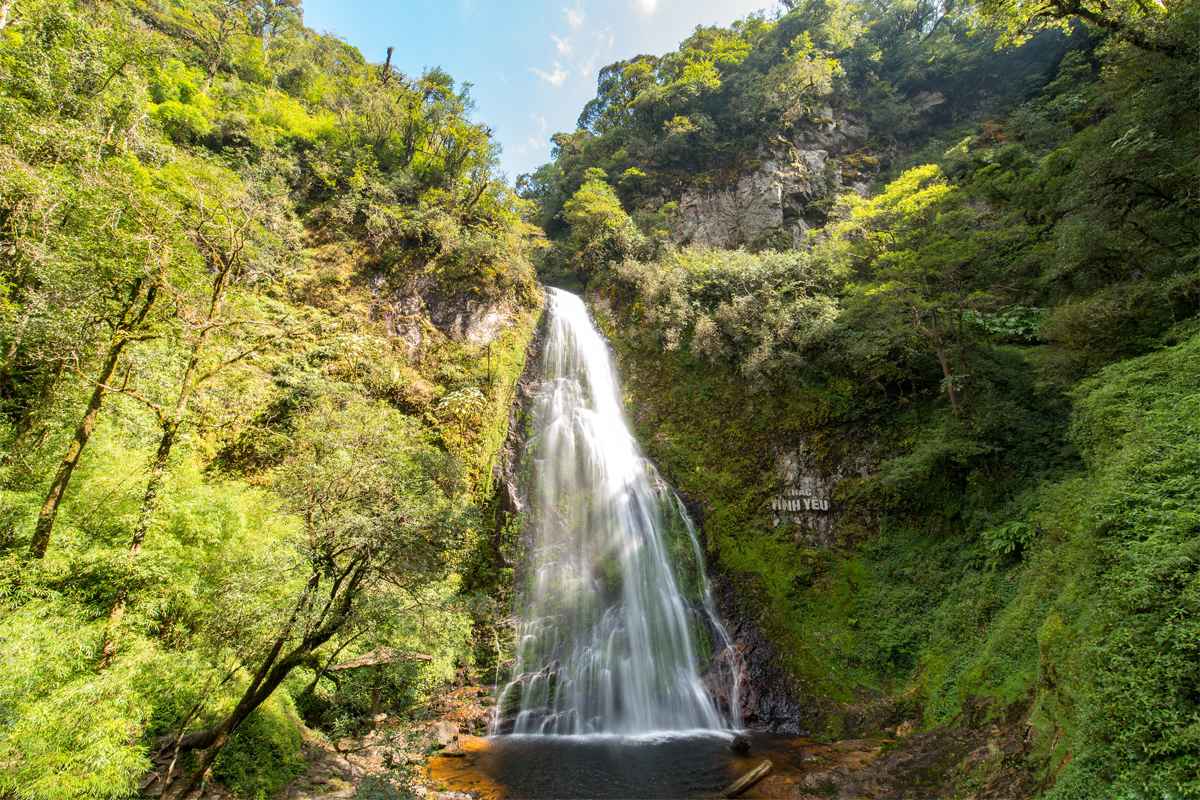
Tranquil Outlying Villages: Ban Ho, Nam Cang, and Ta Giang Phinh
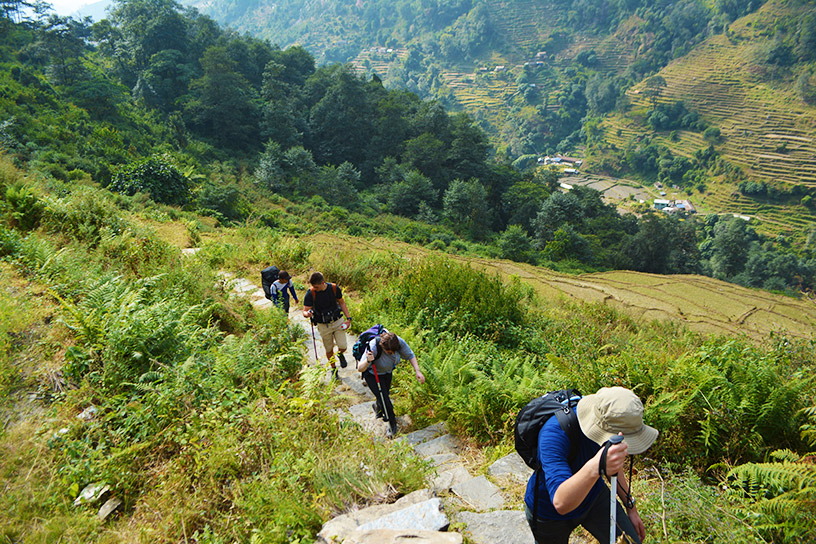
Travelers seeking quiet trails away from central crowds can head to lower valleys like Ban Ho, Nam Cang, or Giang Ta Chai village. Here, Tay and Red Dao families maintain traditional lifestyles framed by natural waterfalls and river valleys.
Traditional Highland Markets Around Sapa
Venturing outside Sapa town to weekly rural gatherings such as Muong Hum market or Bac Ha market offers a look into highland commerce. Explore our curated guide to the vibrant markets of the indigenous hill tribes around Sapa to time your visit with local trading days.
Experience Sapa’s Unique Ethnic Culture
Engaging with local communities offers meaningful insights into northern Vietnam heritage. Traveling with knowledgeable local guides ensures respectful interactions that honor community customs while supporting sustainable village economies.
Meet the Hmong, Dao, Tay, and Other Ethnic Communities
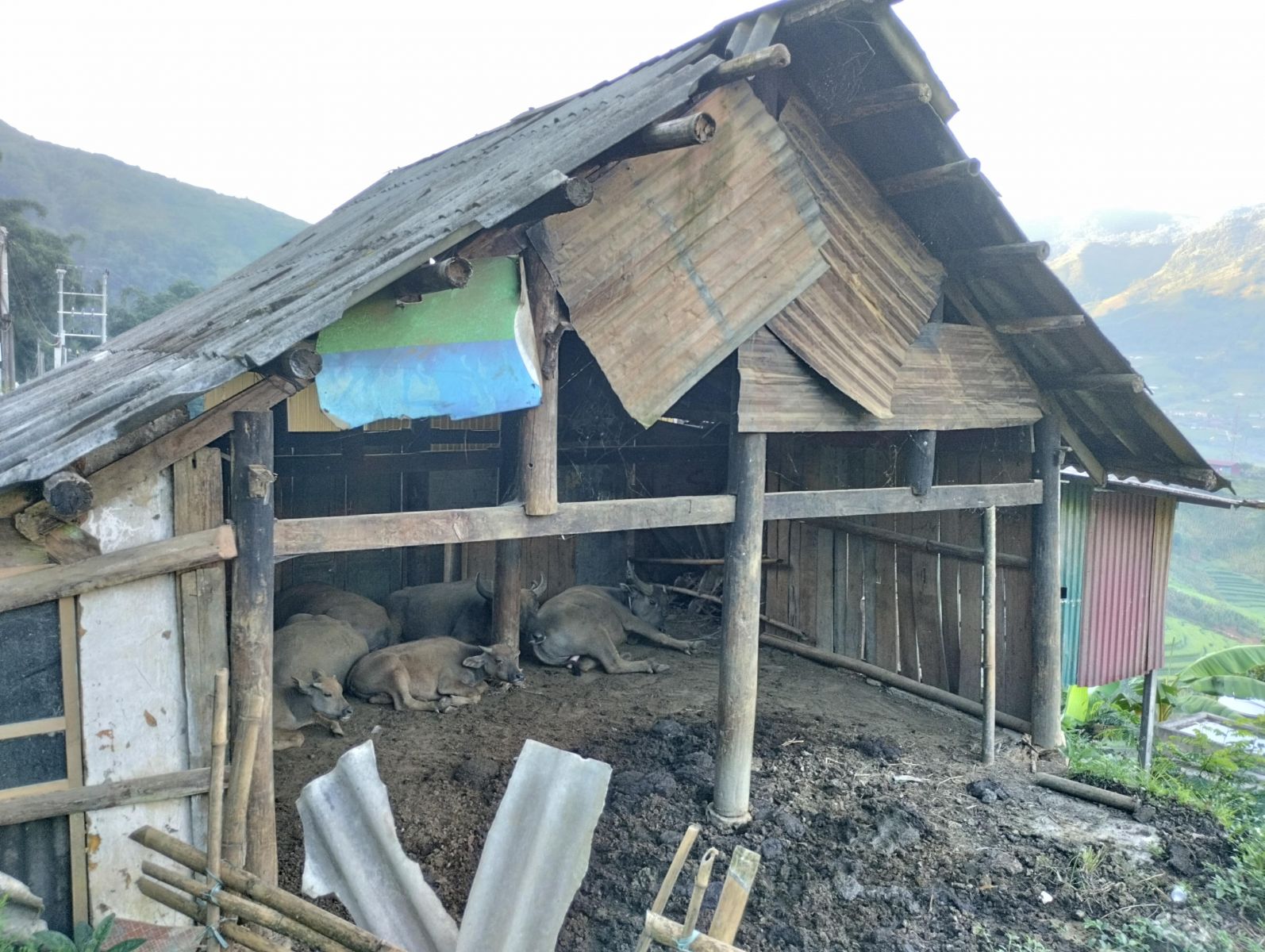
The Black Hmong are easily recognized by their dark indigo-dyed hemp clothing and silver jewelry, while the Red Dao are noted for their bright red headscarves and traditional herbal bath practices. Tay communities typically reside in stilt houses near valley streams, specializing in fish farming and wet-rice cultivation.
Understanding Local Customs and Village Etiquette
When visiting ethnic villages, dress modestly and avoid touching sacred altars or doorway markers. Always ask permission before taking close-up portraits of village elders or children.
To prevent unintentional cultural offenses, review our advisory on Must-know taboos of local ethnic villages in Sapa prior to your excursion.
Shopping for Handicrafts and Supporting Local Communities
Support household artisans by purchasing handwoven textiles, beeswax batik fabrics, and embroidered bags directly from the women who produce them. Refrain from giving candy or money directly to young children to encourage continued school attendance.
Where to Stay in Sapa for First-Time Visitors
Accommodation options in Sapa range from 5-star mountain view resorts to family-run village homestays. To select the right area and lodging style for your trip, review our curated overview of where to stay in Sapa Vietnam.
Stay in Sapa Town for Convenience and Easy Access
Staying in Sapa town puts you within walking distance of restaurants, cafes, the Sun Plaza cable car station, and local night markets. Central properties like Hotel de la Coupole – MGallery and Silk Path Grand Resort deliver high service standards with convenient urban access.
Choose Muong Hoa Valley for Rice Terrace Views
If waking up to direct views of terraced paddies and mountain peaks is your goal, consider properties positioned along the valley slopes between Lao Chai and Ta Van. Eco-lodges here provide quiet surroundings away from town traffic.
Stay in a Local Village for a Genuine Community Experience
Opting for an overnight stay in an ethnic family’s wooden home in Ta Phin or Nam Cang offers firsthand insights into highland life. You share home-cooked dinners, enjoy herbal foot baths, and participate in evening conversations around the hearth.
Hotels, Resorts, Homestays, or Eco-Lodges: Which Is Right for You?
Families traveling with young children often prefer full-service town resorts with heated indoor pools and on-site dining. Couples seeking peaceful scenery typically choose secluded eco-lodges such as Topas Ecolodge, while cultural enthusiasts enjoy vetted private homestays.
Fully Licensed Local Agency
Sapa Tours 2-3 Days from Hanoi
Explore scenic trekking routes in Sapa with private local guides, comfortable private vehicles, and personalized itineraries built around your preferences.
What to Eat in Sapa?
Sapa’s highland cuisine features fresh mountain herbs, farm-raised poultry, cold-water fish, and distinct charcoal-grilled specialties suited to the cool evening climate. Dining in local restaurants gives you a delicious introduction to northern regional cooking.
Must-Try Local Specialties
Key regional dishes include Sapa salmon and sturgeon hotpot cooked with fresh mountain greens, black chicken simmered with traditional herbs, and ‘Thang Co’ (a traditional horse meat soup flavored with cardamom and star anise).
Do not miss trying ‘Com Lam’ (fragrant sticky rice roasted inside bamboo tubes) paired with grilled wild pork and roasted sesame salt.
Where to Find Authentic Mountain Cuisine?
Reputable dining venues in central Sapa, including Red Dzao House, A Phu Restaurant, and Hill Station Signature Restaurant, serve traditional recipes made with fresh local ingredients in comfortable, clean settings.
Exploring Sapa’s Street Food and Evening Barbecue
In the evening, central food stalls around Sapa market serve charcoal-grilled skewers of wild pork wrapped in mustard leaves, river fish, sweet potatoes, and quail eggs. Enjoying fresh grilled skewers near an open brazier is a favorite night-time activity.
How Many Days Do You Need in Sapa?
Allocating the appropriate number of days ensures you can hike at a comfortable pace, visit remote hamlets, and enjoy mountain viewpoints without feeling rushed by transit times.
Is One Day Enough to Visit Sapa?
A single day is not recommended due to the 6-hour driving distance each way from Hanoi. A 1-day visit leaves minimal time for sightseeing and results in excessive fatigue on mountain highways.
A Perfect 2-Day Sapa Itinerary for First-Time Visitors
A 2-day, 1-night plan allows you to take an early morning private transfer from Hanoi, ride the Fansipan cable car in the afternoon, and spend the second morning walking through Lao Chai and Ta Van before returning to the capital by evening.
Explore Sapa at a Slower Pace with 3 or More Days
A 3-day itinerary provides ideal balance. You can dedicate one day to Fansipan and Heaven Gate, one full day to valley hiking across Muong Hoa and Giang Ta Chai, and a third morning to exploring quieter outlying spots like Ban Ho or Ta Phin.
Combining Sapa with Hanoi, Ha Giang, or Mu Cang Chai
Many foreign travelers link a 3-day Sapa tour with a 2-day Mu Cang Chai and cultural walking tours in Hanoi. You can also connect Sapa eastward toward Bac Ha market and the dramatic mountain loops of Ha Giang
Fully Licensed Local Agency
Tailor-Made Vietnam Adventure Tours
Combine the mountain landscapes of Sapa with Mu Cang Chai trails and Ha Giang Loop. Enjoy personalized service, verified 4-star and 5-star lodgings, and round-the-clock support.
Common Mistakes & Our Practical Tips for Your First Trip to Sapa
Planning ahead prevents common travel frustrations like weather mismatches, unexpected mountain road fatigue, or inadequate trekking preparation. Review these practical pointers from our local field team.
- Relying on weekend visits: Weekend crowds drive up hotel rates and create long lines at the Fansipan cable car. Schedule your stay from Monday to Thursday whenever possible.
- Underestimating trail slipperiness: Clay paths in Muong Hoa Valley become extremely slick after morning mist or rain. Proper hiking footwear is critical.
- Buying mass-produced souvenirs: Some street items are commercially manufactured rather than locally woven. Look for genuine artisan cooperatives in villages like Ta Phin.
What to Pack for Sapa’s Changing Weather?
Mountain conditions fluctuate rapidly within a single day. Pack lightweight quick-drying clothing along with a fleece layer, a windproof and waterproof jacket, a warm beanie, and sturdy moisture-wicking socks.
Prepare for Trekking and Mountain Roads
Bring broken-in hiking shoes with deep rubber treads and ankle support. If you have sensitive knees, collapsible trekking poles reduce joint strain during steep descent steps along valley paths.
Cash, ATMs, and Payment Options
While town hotels and upscale restaurants accept international credit cards, village stalls, local taxis, and handicraft weavers operate strictly on Vietnamese Dong (VND) cash. Withdraw adequate currency from ATMs in central Sapa before heading out on day treks.
Staying Safe and Avoiding Common Tourist Scams
Street sellers may follow hikers along valley routes offering handicraft sales. A polite but firm ‘No, thank you’ is usually respected. Book your local guides through a licensed travel agency to guarantee fair wages and reliable routing.
Respecting Local Culture and the Natural Environment
Carry a reusable water bottle to reduce single-use plastic waste along rural trails. Dispose of all trash responsibly and stay on marked paths to prevent soil erosion across working terrace walls.

Frequently Asked Questions (FAQs) About Sapa Travel
1. How many days should I spend in Sapa?
A 2 to 3-day itinerary is recommended. This allows you to explore Mount Fansipan, hike through Muong Hoa Valley, and visit traditional villages without rushing your travel schedule.
2. What is the best month to see golden rice terraces in Sapa?
Late August through September is the prime period. During these weeks, the terraced fields turn vibrant yellow just before the annual autumn harvest begins across the valleys.
3. Is the overnight train better than a limousine bus to Sapa?
Overnight sleeper trains offer relaxing bed cabins and classic rail charm, while limousine buses are faster (6 hours) and provide direct hotel-to-hotel drop-off service.
4. Is trekking in Sapa difficult for beginners?
Most valley walks between Y Linh Ho, Lao Chai, and Ta Van are moderate and suitable for beginners with basic fitness and proper treaded hiking shoes.
5. Can I visit Fansipan without doing a multi-day mountain hike?
Yes, the Sun World Fansipan Legend cable car transports visitors from Sapa valley to the peak area in approximately 20 minutes with comfortable accessibility for all ages.
6. What currency is accepted in Sapa ethnic villages?
Vietnamese Dong (VND) in cash is required for small shops, local guides, and village markets. Carry enough cash from ATMs in central Sapa before excursions.

Fully Licensed Local Agency
Comprehensive Vietnam Tour Packages
Design your private multi-destination Vietnam holiday featuring Sapa, Ninh Binh, Halong Bay, and central heritage sites with licensed tour experts and 24/7 dedicated support.
Final Thoughts on Sapa & Arrange Your Trip with Our Travel Experts
Following this comprehensive Sapa travel guide helps you organize an enriching mountain vacation filled with dramatic scenery and authentic cultural interactions. Whether you are interested in customized Vietnam Adventure Tours or a private Sapa Tour, our team is ready to assist. Contact our specialists directly via WhatsApp +84.988451530 or email [email protected] to start planning your personalized itinerary today.
Note: The travel tips and recommendations shared in this guide have been carefully prepared by the local travel experts at Golden Holiday Travel. While every traveler is different, our team is always happy to provide personalized itinerary planning, destination advice, and one-on-one support to help you create the perfect Vietnam journey.

Meet Our Experts

Suggested


Featured article


Related Articles




Write Comment