
Northern Vietnam Mountains: Vietnam’s Ultimate Off-the-Beaten-Path Escape
Northern Vietnam mountains are home to remote highland landscapes, dramatic river valleys, sweeping terraced fields, and diverse ethnic communities scattered across the country’s northern borderlands. For first-time and returning visitors, having practical guidance helps you explore these remote areas smoothly while avoiding transport hassles and overly touristy experiences.
With over 10 years of creating tailor-made Vietnam tours, our local experts at Golden Holiday Travel have helped thousands of travelers discover experiences beyond the usual tourist checklist. Based on our firsthand experience across Northwest and Northeast Vietnam mountain regions, this guide covers road conditions, weather, trekking routes, homestays, and local market schedules to help you plan a safe and rewarding mountain adventure.
KEY TAKEAWAYS FOR MOUNTAIN TRAVELERS
- Primary Geographic Hubs: The Northwest focuses on Sapa, Mu Cang Chai, and Mai Chau with prominent rice terraced farmlands, while the Northeast showcases the dramatic limestone karst topography of Ha Giang, Cao Bang, and Ba Be Lake.
- Optimal Travel Window: September to October delivers golden rice harvests and dry conditions; November to early May provides pleasant temperatures and dry condition for safe outdoor adventure
- Logistics & Safety: Mountain roads require experienced local private drivers or licensed local guides to handle steep hairpin turns, sudden fog, and unpaved rural passes safely.
- Recommended Duration: Allocate 4 to 6 days for a single mountain loop (either Northwest or Northeast), or 10 to 14 days for a complete cross-regional loop departing from and returning to Hanoi.
Why Northern Vietnam’s Mountains Are Worth Exploring?
Northern Vietnam’s mountain ranges are home to some of Southeast Asia’s most spectacular landscapes, stretching from the eastern reaches of the Himalayas to the towering limestone karsts along the Chinese border. Venturing into these highlands offers travelers a chance to experience authentic village life, age-old farming traditions, and breathtaking wilderness far beyond the usual urban tourist routes.
Fully Licensed Local Agency
Tailor-Made Vietnam Adventure Tours
Explore high mountain passes, remote tribal settlements, and terraced valleys with our licensed English-speaking guides and private experienced drivers. We customize routes to match your personal travel pace.
The geological diversity across the northern provinces creates distinct microclimates and landscapes. While the Northwest is dominated by massive granite massifs including the Hoang Lien Son range, the Northeast features steep karst plateaus and ancient river valleys. Exploring these areas allows travelers to understand the agricultural ingenuity of local ethnic minority groups who transformed steep hillsides into productive, irrigated terraces over hundreds of years.
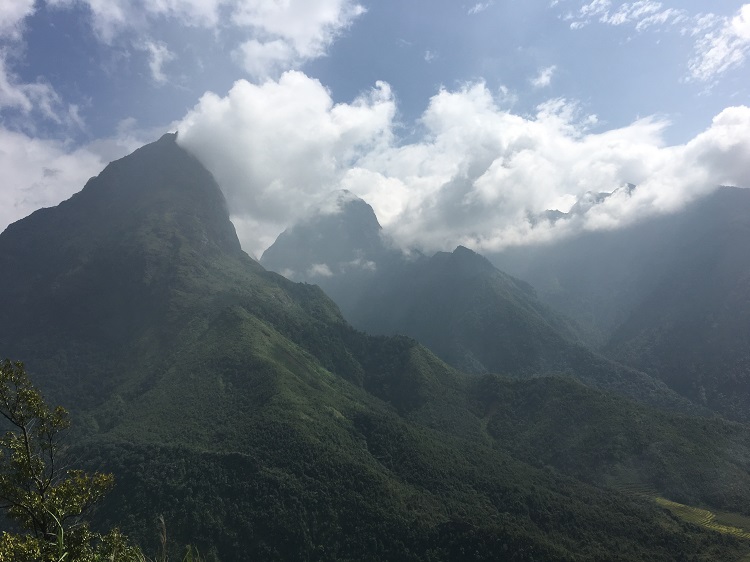
The landscape of Tram Ton Pass in the Hoang Lien Son mountain range
Dramatic Peaks, Deep Valleys, and Endless Rice Terraces
The dramatic mountains of Northern Vietnam offer breathtaking viewpoints, with some peaks rising more than 2,000 meters above sea level. Deep valleys shaped by rivers such as the Red, Ma, and Gam wind through these rugged landscapes, creating striking changes in elevation even over relatively short journeys.
Across the mountain slopes, generations of Hmong, Dao, and Tay farmers have carefully carved rice terraces into the natural contours of the land. These sweeping terraces create mesmerizing patterns that transform throughout the year, shifting from fresh green to golden yellow as each farming season unfolds.
A Journey Beyond Vietnam’s Famous Tourist Hubs
Standard travel routes through Vietnam often move directly between major coastal hubs like Hanoi, Halong Bay, Hoi An, and Ho Chi Minh City. Heading into the northern mountain districts takes you off these busy routes into rural regions where daily life continues around traditional agriculture and local trade. Here, travelers experience quiet village paths, uncrowded mountain lookouts, and authentic rural hospitality in small villages that welcome respectful visitors.
Dramatic Mountain Passes and Winding Roads
Vietnam’s northern frontier is connected by historic mountain passes along steep cliff faces. Mountain routes such as O Quy Ho Pass, Ma Pi Leng Pass, Khau Pha Pass, and Pha Din Pass showcase impressive feats of road construction while offering breathtaking views over rugged valleys and deep canyons. Traveling these winding roads with an experienced driver makes the journey even more enjoyable, with stunning panoramic vistas waiting around almost every bend.
Rich Ethnic Cultures and Authentic Mountain Life
The highlands of Northern Vietnam are home to more than 30 distinct ethnic groups, each retaining their own dialects, traditional architecture, textile arts, and spiritual customs. Visiting communes in Ha Giang, Lao Cai, Yen Bai, and Cao Bang provides opportunities to observe traditional indigo dyeing, hemp weaving, bamboo waterwheel operation, and timber stilt house construction. Respectful interactions in these villages offer educational cultural insights for travelers of all ages.
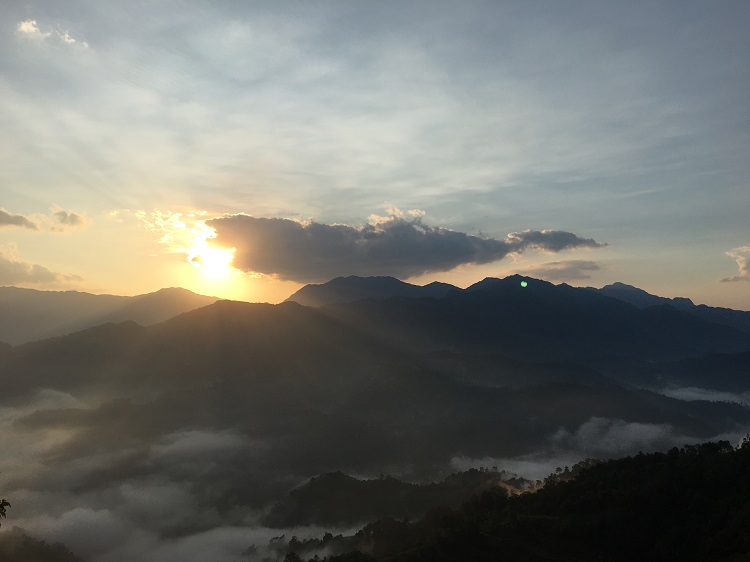
Morning view over the valley from Ban Luoc bungalow in Hoang Su Phi
The Most Spectacular Mountain Destinations in Northern Vietnam
Selecting the right mountain destinations depends on your physical fitness, available travel days, and specific interests in trekking, cultural immersion, or landscape photography. Below is an overview of the premier northern highland regions that our team recommends including in your route planning.
1. Sapa – Iconic Mountain Views and Terraced Rice Fields
Located in Lao Cai Province, Sapa sits beneath Fansipan Peak, the highest summit in Indochina at 3,143 meters. The town serves as the primary base for trekking through Muong Hoa Valley, where trails connect the villages of Lao Chai, Ta Van, and Giang Ta Chai. Sapa offers comfortable lodging ranging from rustic homestays to high-end mountain resorts, making it suitable for travelers seeking classic scenery paired with reliable amenities. Travelers can explore Vietnam’s mountains and ascend Fansipan via the modern cable car system.
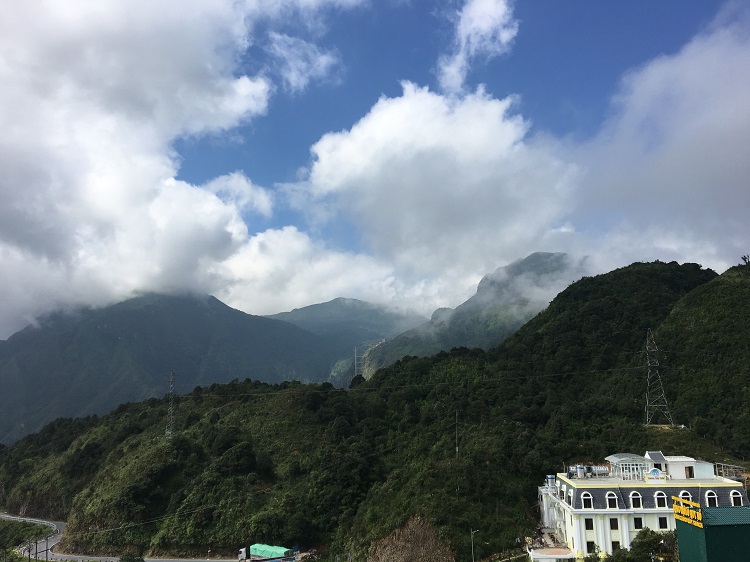
Tram Ton Heaven Gate looking out across the Lao Cai and Lai Chau border
2. Ha Giang – Rugged Landscapes and the Legendary Ha Giang Loop
Ha Giang province marks Vietnam’s northernmost boundary and contains the UNESCO-recognized Dong Van Karst Plateau Geopark. Traveling through Ha Giang reveals dramatic limestone canyons, jagged rock fields, and high-altitude mountain passes. Driving the loop takes you through Quan Ba Heaven Gate, Yen Minh pine forests, the historic Hmong King Palace, and the dramatic Ma Pi Leng Pass overlooking the emerald Nho Que River. For thorough route details, read our guide on Top attractions in Ha Giang.
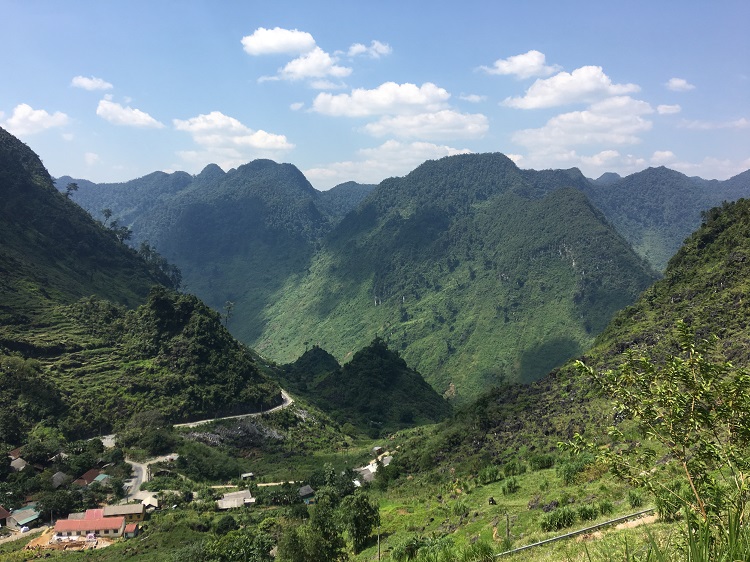
Limestone formations across the Dong Van Karst Plateau Geopark
To plan an efficient Ha Giang trip, check our advisory on the Best Time to visit Ha Giang or review our structured Essential Ha Giang Adventure 5 days package.
3. Cao Bang – Waterfalls, Limestone Peaks, and Hidden Valleys
Cao Bang province features green karst valleys, underground cavern systems, and tranquil rivers. The crowning attraction is Ban Gioc Waterfall, situated directly along the international border with China, dropping over 30 meters across multiple limestone tiers. Nearby attractions include Nguom Ngao Cave with its expansive stalactite formations, Truc Lam Pagoda, and the historic Pac Bo Cave area. Cao Bang offers quiet, uncrowded roads ideal for relaxed touring.
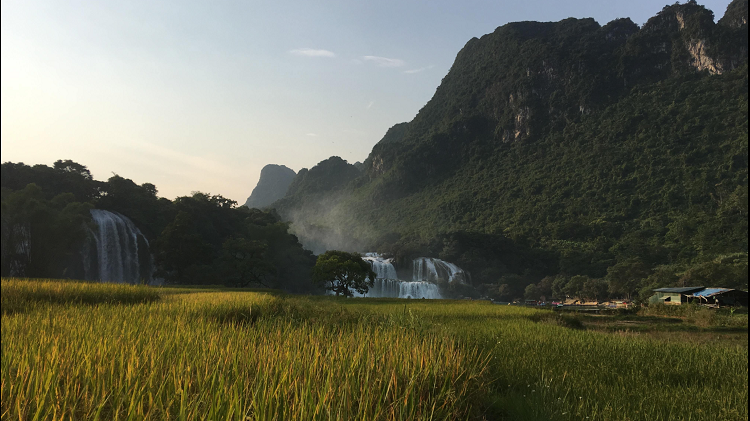
Ban Gioc Waterfall in Cao Bang during late afternoon
4. Mu Cang Chai – A Paradise of Rice Terraces
Situated in Yen Bai Province along the foot of the Hoang Lien Son range, Mu Cang Chai is famous for its steep agricultural terraces recognized as a National Special Heritage site. The communes of La Pan Tan, Che Cu Nha, and De Xu Phinh showcase hundreds of carved steps that ascend steeply from valley floors up to mountain ridges. Review our detailed guide on the best time to visit Mu Cang Chai to time your trip with the annual harvest.
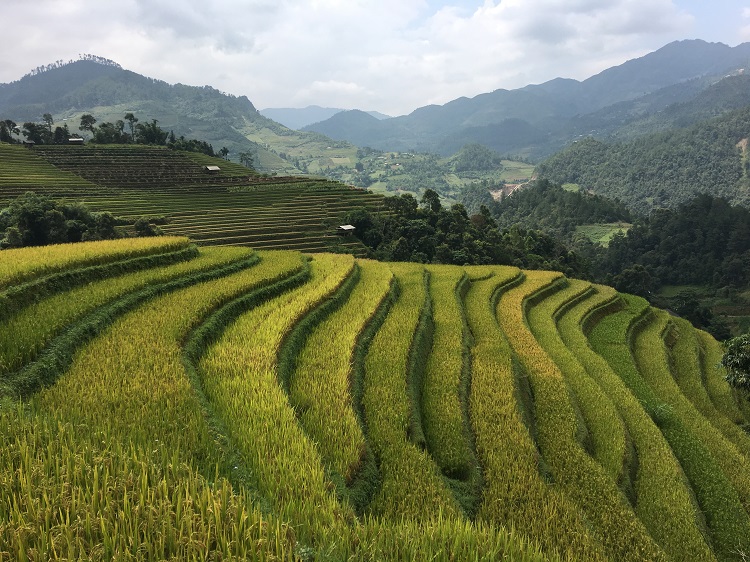
Layered terraced fields across the hillsides of La Pan Tan in Mu Cang Chai
Travelers interested in trekking these terraced valleys can consider our Mu Cang Chai Trekking Tour 3 days, our Intensive Mu Cang Chai trekking tour 4 days, or our cross-region Sapa – Mu Cang Chai Exploration 4 days.
5. Bac Ha – Mountain Markets and Traditional Ethnic Villages
Located northeast of Sapa, Bac Ha is the cultural meeting point for Flower Hmong, Tay, and Nung communities. The town is famous for its vibrant Sunday market, where locals trade livestock, produce, and traditional handicrafts. Smaller, highly authentic weekly markets operate in nearby districts, including Can Cau market on Saturdays and Coc Ly market on Tuesdays. Bac Ha also offers relaxed walking routes through plum orchards and quiet mountain hamlets.
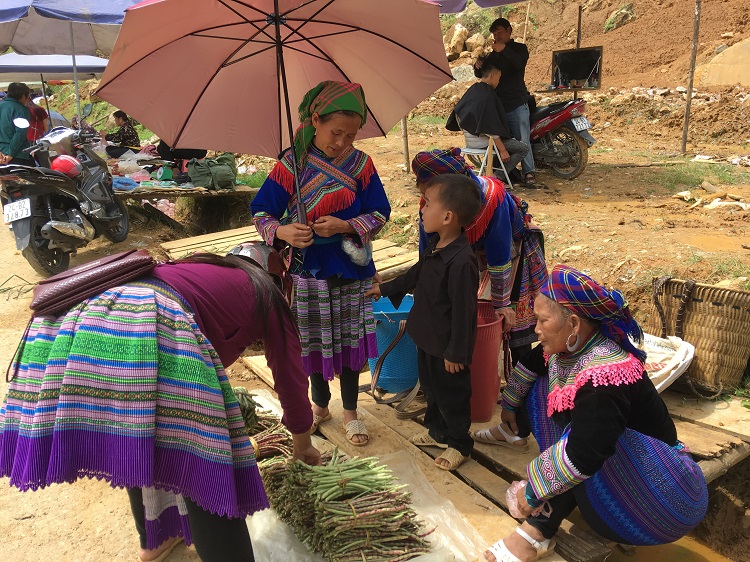
Ethnic minority trade at the weekly Can Cau market near Si Ma Cai
6. Ba Be National Park – Lakes, Forests, and Limestone Mountains
Ba Be National Park in Bac Kan Province surrounds Vietnam’s largest natural freshwater lake, nestled amid dense primary evergreen forests and limestone cliffs. Travelers can take quiet motorboat excursions across the lake, visit Dau Dang Waterfall, explore Puong Cave, and lodge in traditional Tay stilt houses in Pac Ngoi or Bo Lu villages along the lakeshore.
7. Bac Son Valley, Pu Luong Nature Reserve, and Mai Chau Valley
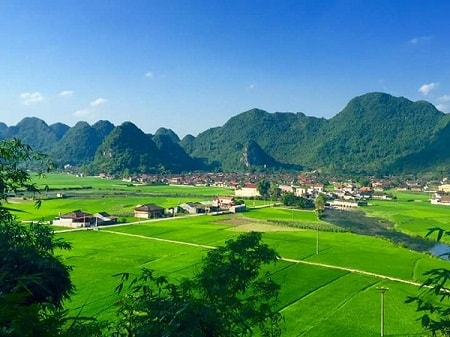
For travelers seeking mountain landscapes closer to Hanoi, Lang Son’s Bac Son Valley features flat agricultural plains surrounded by karst peaks. Further southwest, Mai Chau valley and the adjacent Pu Luong Nature Reserve showcase White Thai villages, organic farming, and traditional bamboo waterwheels along clear streams. Exploring these locations reveals these off-the-beaten-path destinations with shorter driving times from the capital.
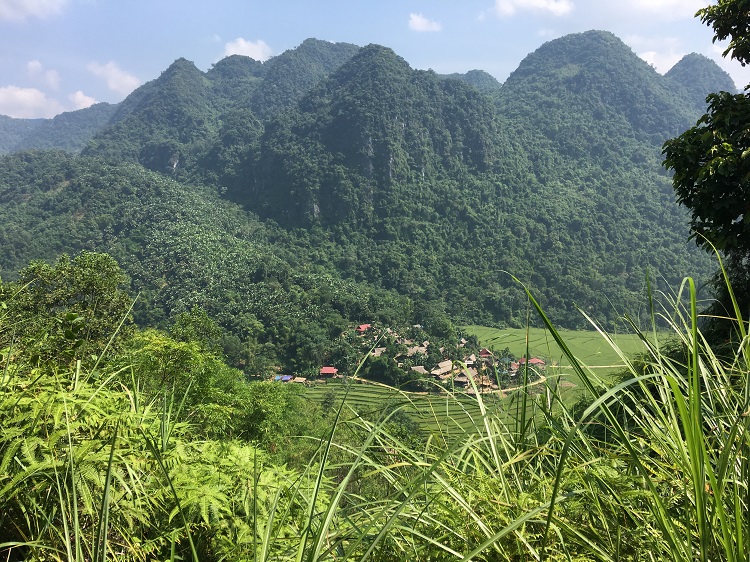
Trekking trail overlooking the farming valleys of Ban Don
To experience these nearby valleys, consider our popular tour programs: Mai Chau Valley and Pu Luong Nature Reserve Escape – 4 days, Mai Chau Valley and Pu Luong Nature Reserve Trekking Tour – 3 days, or Pu Luong Nature Reserve Trekking Tour – 2 days.

Tailor-Made Northern Loops
Private Northern Vietnam Tours
Combine mountain trekking in Sapa and Ha Giang with a relaxing luxury cruise on Halong Bay. All tours feature private transport, licensed tour leaders, and handpicked boutique accommodations.
Click to Chat : +84.988451530 (WhatsApp)
Best Things to Do in Northern Vietnam’s Mountains
Planning activities across northern Vietnam mountain destinations requires balancing active exploration with cultural appreciation. Below are key experiences that provide genuine insights into highland topography and regional heritage.
1. Trek Through Rice Terraces and Mountain Villages
Engaging in Northern Vietnam Mountain Trekking allows travelers to access remote farming paths inaccessible to motorized vehicles. In Hoang Su Phi, trails pass through ancient tea forests and steep valleys in Ban Luoc, Nam Hong, and Nam Ai communes. Hikers can choose single-day walks or multi-day expeditions connecting local hamlets. For an authentic hiking experience, review our program for Trekking in Luoc village or book the Hoang Su Phi Adventure Trek 4 days.
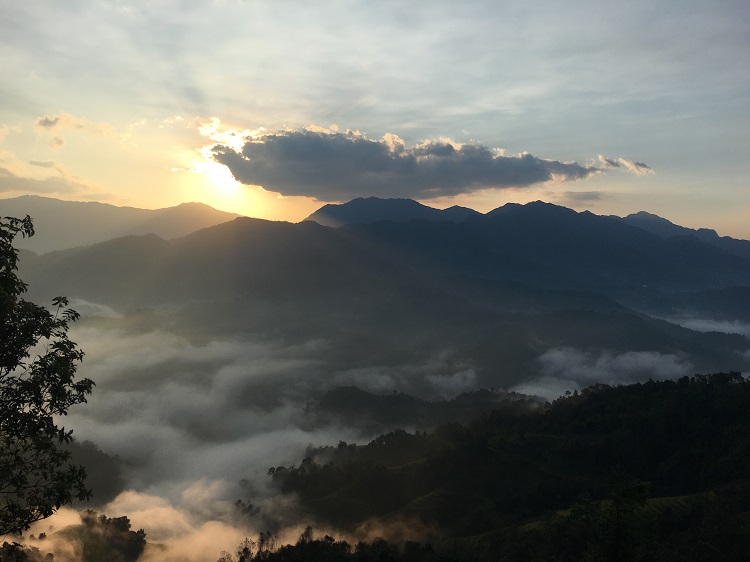
Overlooking the terraced valley from Ban Luoc in Hoang Su Phi
Travelers seeking broader regional hiking itineraries can also examine our Bac Ha market – Hoang Su Phi Trek 4 days, the Thac Ba lake – Hoang Su Phi Trek 4 days, or our Impressive Ha Giang Adventure to Dong Van Geopark & Hoang Su Phi rice terraces.
2. Ride the Legendary Mountain Passes
Traversing the high passes of Northern Vietnam is a premier activity for touring enthusiasts. Traveling via a private vehicle with a professional driver allows you to stop safely at scenic overlooks like Tram Ton Pass, Ma Pi Leng Pass, and Khau Pha Pass without the fatigue or road hazards of navigating steep cliff edges on your own.
3. Meet Local Ethnic Communities and Experience Their Traditions
Spending time in communal villages allows travelers to learn about northern Vietnam’s traditional crafts. In Black Hmong villages, you can see how natural hemp fibers are harvested, spun, and dyed with mountain indigo plants. In Red Dao communities, herbal medicinal baths prepared with wild forest leaves offer restorative therapy after long hiking days.
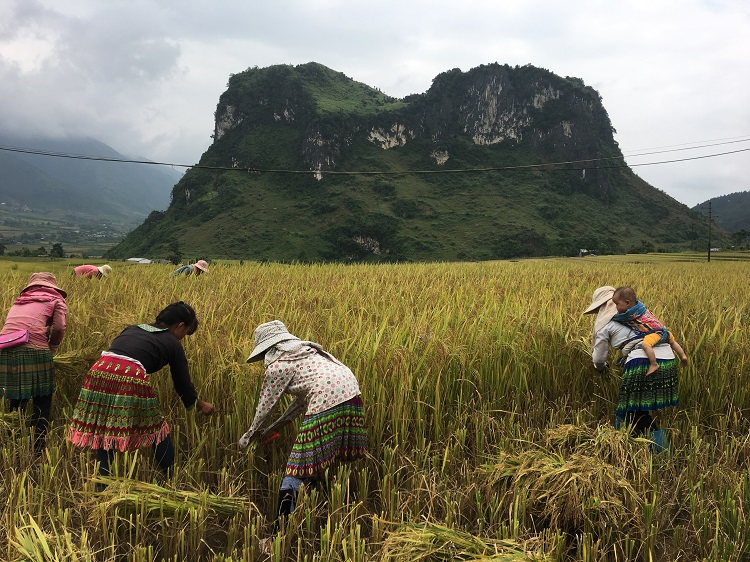
Local Hmong community harvesting rice cooperatively in Lai Chau province
4. Explore Waterfalls, Caves, and Hidden Natural Wonders
Beyond high summits, northern valleys contain remarkable karst formations and water systems. Ban Bo village in Tam Duong district displays historic bamboo waterwheels that channel river water into elevated canals. In Cao Bang, Nguom Ngao Cave extends several kilometers into limestone hills, while Ban Gioc Waterfall creates impressive mist and multi-tiered cascades along the border river.
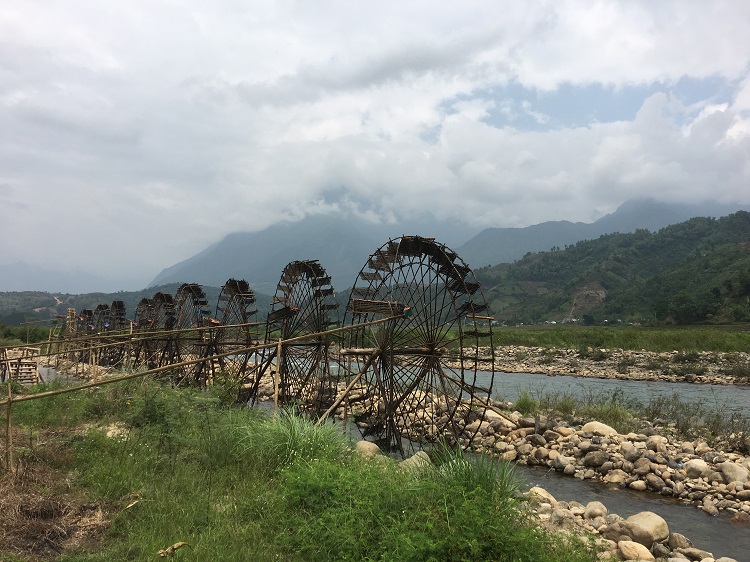
The system of bamboo waterwheels in Ban Bo village, Lai Chau
5. Stay Overnight in a Traditional Mountain Homestay
Staying in family-operated homestays constructed from local timber and bamboo connects travelers directly with rural hospitality. Sharing evening meals with host families provides opportunities to enjoy home-cooked regional specialties, sample locally brewed corn or rice wine, and learn about daily life in the mountains.
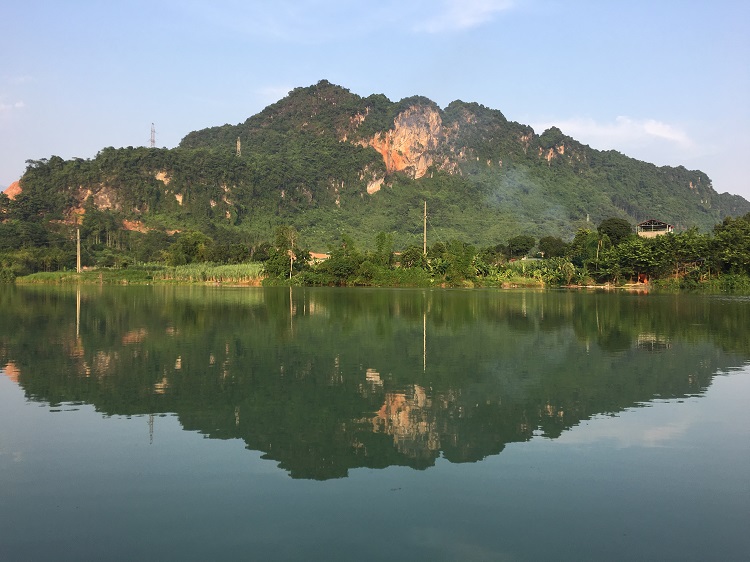
Lakeside accommodation grounds at Truong Xuan Resort in Ha Giang city
6. Capture Sunrise, Sunset, and Cloudy Mountain Views
High-altitude valley viewpoints in Sapa, Y Ty, Sin Ho, and Dong Van offer excellent conditions for landscape photography. Early morning hours often feature cloud inversions where white fog fills the valleys below high mountain peaks, while clear late afternoons cast warm light across the layered terraced hillsides.
7. Explore Local Markets and Taste Regional Specialties
Weekly ethnic markets serve as central trading and social centers across the highlands. Visitors can sample regional culinary preparations including grilled stream fish, smoked mountain pork, sticky rice steamed in bamboo tubes, and fragrant wild cardamom teas prepared using traditional local methods.
When Is the Best Time to Visit the Northern Vietnam Mountains?
Understanding seasonal climate variations is essential when choosing the best time to visit Northern Vietnam Mountains. Elevation significantly influences local temperatures, creating distinct conditions across the four seasons.
Spring (Feb to Apr) – Blooming Flowers and Fresh Mountain Landscapes
Spring brings warming temperatures averaging 18°C to 25°C across the highlands. Valleys in Moc Chau, Sapa, and Ha Giang display peach, plum, and mustard blossoms. Skies are generally clear with moderate rainfall, providing comfortable conditions for valley walks and multi-day trekking tours.
Summer (May to Aug) – Lush Green Valleys and Rice Fields
Summer delivers warmer temperatures (25°C to 32°C) along with the seasonal monsoon rains. During early June , farmers flood the terraced slopes for planting during the “watering season,” turning hillsides into reflective pools. While afternoon rain showers are common, the valleys display rich green vegetation.
Autumn (Sep to Nov) – Golden Rice Terraces at Their Best
Autumn is widely considered the premier season for northern mountain travel. Cool, dry air prevails, and northern Vietnam mountain rice terraces in Mu Cang Chai, Sapa, and Hoang Su Phi turn golden yellow before the harvest. Clear blue skies make this period optimal for photography, pass driving, and outdoor hiking.
Winter (Dec to Jan) – Misty Mountains and a Cooler Atmosphere
Winter brings cold, dry weather to the northern highlands, with temperatures dropping below 10°C in high-altitude locations like Sapa, Dong Van, and Mau Son. Dense fog and mist create atmospheric mountain scenes, and occasional light frost occurs on the highest peaks. Proper cold-weather layering is essential during these months.
| Season | Months | Average Temp | Landscape Characteristics | Recommended Activities |
|---|---|---|---|---|
| Spring | Feb – Apr | 18°C – 25°C | Blossoming fruit orchards, fresh greenery, clear skies | Trekking, cultural village walks, photography |
| Summer | May – August | 25°C – 32°C | Flooded mirroring terraces, lush green crops, afternoon rains | Waterfalls, cave exploration, green valley tours |
| Autumn | Sept – Nov | 17°C – 26°C | Golden ripe rice harvest, dry weather, optimal visibility | Harvest trekking, pass driving, landscape photography |
| Winter | Dec – Jan | 5°C – 16°C | Atmospheric fog, buckwheat flower blooms, cold breezes | Homestays, local markets, cultural exploration |
Northern Vietnam Mountains: Which Destination Is Right for You?
Every mountain district in Northern Vietnam offers specific travel characteristics. Selecting the best destination depends on your available travel timeframe, road comfort preferences, and desired level of outdoor activity.
Choose Sapa for Easy Access and Classic Mountain Scenery
Sapa is the most accessible highland destination, connected to Hanoi via a modern 6-hour expressway or overnight sleeper train. It offers the widest range of high-standard boutique hotels, luxury eco-resorts, and organized day hikes through Muong Hoa Valley. Sapa is well suited for families, couples, and first-time travelers seeking comfort alongside mountain views.
Choose Ha Giang for Adventure and Epic Road Trips
Ha Giang suits active travelers seeking dramatic karst landscapes and thrilling road routes. The Dong Van Karst Plateau offers dramatic geological formations, steep mountain passes, and deep river canyons. Because of long driving distances over winding roads, Ha Giang requires a minimum of 4 to 5 dedicated days.
Choose Cao Bang for Waterfalls and Dramatic Karst Landscapes
Cao Bang appeals to nature lovers interested in waterfalls, underground caverns, and peaceful rural farming communities. Roads are less crowded than in Sapa or Ha Giang, offering a tranquil pace suitable for leisurely private car touring and soft walking excursions.
Choose Mu Cang Chai for Rice Terraces and Rural Landscapes
Mu Cang Chai is the definitive choice for photography enthusiasts and hikers whose primary objective is witnessing Vietnam’s most dramatic terraced rice fields. It offers a distinctly authentic, agricultural atmosphere with quiet hilltop ecolodges and village homestays.
Choose Ba Be for Nature, Lakes, and a Slower Pace
Ba Be National Park is ideal for travelers who appreciate freshwater lake settings, forest hikes, and boat excursions. It provides a peaceful retreat that pairs easily with Cao Bang to create a complete Northeast regional circuit.

Comprehensive Vietnam Tours
Customized Vietnam Adventure Packages
Design your customized journey combining northern mountain expeditions with central cultural heritage sites and southern river deltas. Enjoy 24/7 dedicated operational support throughout your travels.
How to Plan Your Northern Vietnam Mountain Adventure?
Careful logistics planning is required to design a practical Northern Vietnam Mountain Travel Itinerary. Road conditions across the highlands require realistic transit estimates and dependable transportation arrangements.
How Many Days Do You Need?
For a single destination like Sapa or Mai Chau, 3 to 4 days provides adequate time. For the complete Ha Giang Loop or a combined Mu Cang Chai and Sapa itinerary, allocate 5 to 7 days. A comprehensive Grand Northern Loop covering both the Northwest (Mai Chau, Mu Cang Chai, Sapa) and the Northeast (Ha Giang, Cao Bang, Ba Be, Halong Bay) requires 12 to 14 days for a well-paced journey without travel fatigue.
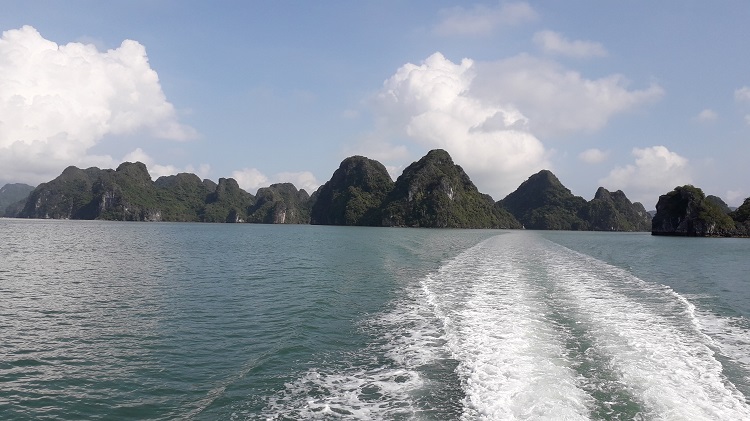
Limestone islands across Bai Tu Long Bay on the return journey to Hanoi
For details on combining mountain routes with the coast, explore our Highlighted Northeast Vietnam Adventure 8 days package.
Getting from Hanoi to the Mountain Regions
Hanoi serves as the primary transportation hub for all northern mountain routes. Sapa is connected by the Noi Bai – Lao Cai Highway (approx. 6 hours) and the overnight train. Other destinations like Ha Giang (6 to 7 hours), Mu Cang Chai (6 to 7 hours), and Cao Bang (6 to 7 hours) are accessed via national highways that transition into winding mountain roads. Booking private air-conditioned vehicles ensures comfort, schedule flexibility, and reliable transit times.
Trekking, Motorbike Tours, or Private Cars?
While adventurous backpackers occasionally ride motorbikes, the steep grades, heavy truck traffic, and sudden weather changes present real safety hazards for inexperienced riders. Traveling by private car with a dedicated professional driver paired with localized day treks provides the optimal combination of safety, luggage security, all-weather comfort, and active trail exploration.
What to Pack for Northern Vietnam’s Mountainous Areas?
Pack sturdy hiking shoes with deep rubber tread for walking along slippery earthen village paths. Bring breathable moisture-wicking clothing for daytime walks, paired with warm fleece or down jackets for cool mountain evenings. Additional essentials include a lightweight waterproof rain shell, broad-spectrum sunscreen, insect repellent, a compact headlamp, and cash in Vietnamese Dong, as rural village vendors cannot process credit cards.
Common Mistakes & Our Practical Tips for Exploring Northern Vietnam’s Mountains
Traveling through remote highland terrain requires thoughtful preparation to avoid common travel pitfalls. Below are frequent mistakes observed among independent visitors, along with corrective recommendations from our field operations team.
- Overpacking Daily Schedules: Attempting to cover too many destinations in a short period leads to 8-hour daily driving times over winding roads. Corrective Advice: Limit daily driving to under 180 km in mountain sectors to allow time for village walks, scenic stops, and photography.
- Underestimating Cold Weather: Assuming Vietnam is warm year-round leads travelers to pack only summer clothes. Corrective Advice: Bring warm layers and thermal outerwear if traveling between November and February when highland temperatures can drop below 8°C.
- Booking Unlicensed Local Tour Operator: Relying on unregulated budget operators increases safety risks on steep passes. Corrective Advice: Secure transport through an officially licensed travel agency with verified safety records and modern, well-maintained vehicles.
Prepare for Changing Mountain Weather
Weather in the northern ranges changes rapidly. Clear valley mornings can quickly transition into afternoon fog or rain on high passes. Always carry waterproof rain gear in your daypack and maintain flexible daily plans during outdoor trekking.
Respect Local Customs and Traditional Villages
When visiting ethnic minority settlements, dress modestly with covered shoulders and knees. Always ask permission before photographing local residents, especially children and village elders. Remove your shoes before entering private traditional stilt houses, and avoid touching sacred ancestral altars located inside family living rooms.
Travel Responsibly in Fragile Mountain Environments
Highland ecosystems have limited waste management infrastructure. Carry reusable water bottles, avoid single-use plastics along hiking trails, and dispose of trash at your hotels. Support local family economies directly by purchasing handmade textiles and eating at local village homestays.
Choose Local Guides for a Safer, Deeper Experience
Hiring licensed local English-speaking guides bridges language barriers, allows safe navigation through unmarked village footpaths, and enriches your understanding of regional ethnic cultures, agricultural practices, and local history.

Frequently Asked Questions (FAQs) About Northern Vietnam Mountains
1. Which destination has the best rice terraces in Northern Vietnam?
Mu Cang Chai in Yen Bai and Hoang Su Phi in Ha Giang feature the steepest and most expansive rice terraces. Sapa also offers accessible terraced walks along the Muong Hoa Valley.
2. Is it safe to drive through the northern mountain passes?
Mountain roads are safe when traveling in private vehicles with professional, experienced local drivers. Independent motorbike travel on these steep passes requires advanced riding skills and international driving permits.
3. When is the golden harvest season in Northern Vietnam?
The golden rice harvest occurs from late Aug to early Sep for Sapa, while late September to mid-October across Mu Cang Chai and Hoang Su Phi, offering optimal conditions for landscape photography.
4. How many days are needed to explore Northern Vietnam’s mountains?
A single regional trip to Sapa or Mai Chau requires 3 to 4 days. A complete loop through Ha Giang or across both Northwest and Northeast circuits requires 7 to 14 days.
5. Are homestays in northern ethnic villages clean and comfortable?
Our partner homestays provide clean private bedding, mosquito nets, hot water showers, Western-style flush toilets, and home-cooked regional meals while maintaining authentic architectural character.
6. What is the physical fitness level required for mountain trekking?
Standard village walking routes require moderate fitness suitable for most active travelers. Multi-day off-trail treks in Hoang Su Phi or Fansipan require good stamina and proper hiking footwear.
Comprehensive Vietnam Tours
Customized Vietnam Adventure Packages
Design your customized journey combining northern mountain expeditions with central cultural heritage sites and southern river deltas. Enjoy 24/7 dedicated operational support throughout your travels.
Final Thoughts on Northern Vietnam Mountains & Arrange Your Trip with Our Travel Experts
Northern Vietnam mountains provide extraordinary travel adventures, whether you choose private Vietnam adventure tours or a dedicated Sapa tour. As a local licensed tour operator holding International Tour Operator License No. 01-884/2016/TCDL-GPLHQT, Golden Holiday Travel delivers customized trip to Vietnam arrangements, professional drivers, and boutique homestays. Contact our local specialists directly via WhatsApp +84.988451530 or email [email protected] to start planning your personalized northern highland journey.
Note: The travel tips and recommendations shared in this guide have been carefully prepared by the local travel experts at Golden Holiday Travel. While every traveler is different, our team is always happy to provide personalized itinerary planning, destination advice, and one-on-one support to help you create the perfect Vietnam journey.

Meet Our Experts

Suggested


Featured article


Related Articles




Write Comment