
Beyond the Tourist Trail: 10 Hidden Gems to Discover in Vietnam
Hidden places in Vietnam offer peaceful valleys, limestone mountains, and untouched coastlines away from the crowds. Beyond the country’s famous destinations, these lesser-known spots let travelers enjoy authentic villages, pristine nature, and stunning landscapes at a slower, more relaxing pace.
Many travelers find standard tours too rigid to experience Vietnam’s authentic character. At Golden Holiday Travel, our local experts have over 10 years of experience creating flexible, tailor-made Vietnam tours with comfortable 3- to 5-star stays and reliable logistics. This guide shares our local knowledge to help you discover Vietnam’s hidden gems with ease.
Step beyond Vietnam’s busy tourist hubs to discover ethnic cultures, ancient landscapes, and peaceful waters. Whether you’re after a quiet escape, a family adventure, or scenic hikes, these lesser-known places offer a more authentic side of Vietnam. Our local team can also help you choose the right season, routes, and highlights for your trip.
KEY TAKEAWAYS FOR YOUR TRIP
- Diverse Regional Highlights: Explore 10 distinct off-the-beaten-path locations across Northern, Central, and Southern Vietnam.
- Ideal Seasonal Timing: Discover the optimal months to witness harvest colors, clear water, and calm seas.
- Practical Route Planning: Learn realistic travel times and transfer options using private vehicles and licensed local guides.
- Tailored Travel Matches: Select destinations that match your personal interests in trekking, photography, relaxation, or cultural discovery
Why Explore Vietnam’s Hidden Gems?
Beyond Halong Bay, Hoi An and Sapa
Most standard Vietnam itineraries focus on a handful of well-known cities and bays. Although these iconic destinations are still worth visiting, they can often feel crowded, overly commercialized, and tied to rigid tour schedules, leaving travelers with little room to explore at their own pace.
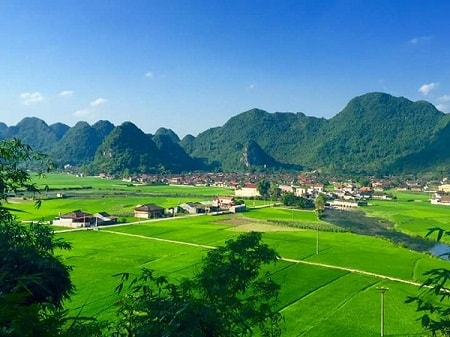
Fully Licensed Local Agency
Vietnam Adventure Tours & Expeditions
Experience private guided treks, safe drivers on mountain passes, and flexible custom itineraries across Vietnam’s most pristine landscapes. License No. 01-884/2016/TCDL-GPLHQT.
Exploring Vietnam’s lesser-known destinations gives you a more authentic glimpse into everyday life, away from the usual tourist crowds. For a broader look at the country’s rich diversity, check out our guide to the Top 10 Reasons to Visit Vietnam and see what makes each region unique.
While mountainous areas like Sapa offer rich history, surrounding valleys provide far quieter trails for genuine relaxation.
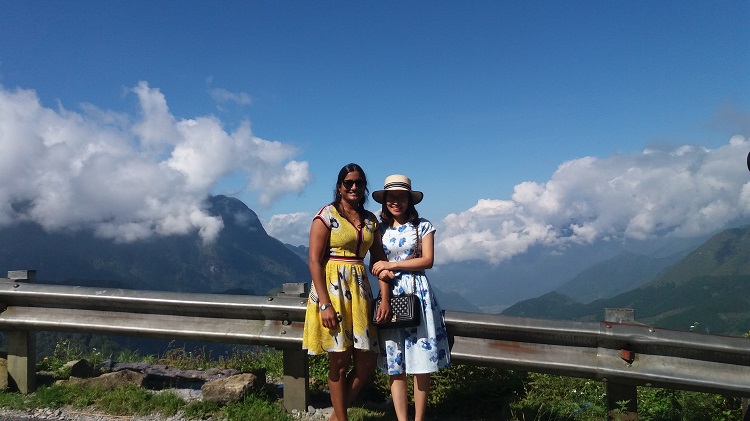
The mountain scenery near Tram Ton pass in Northern Vietnam
What Makes a Destination a True Hidden Gem?
A genuine hidden place balances natural preservation with welcoming local communities. In these districts, agriculture and traditional crafts remain the primary livelihood rather than souvenir sales.
Visiting these peaceful corners ensures your tourism spending directly benefits rural families, homestay owners, and regional guides who safeguard their natural environment.
Who Should Add These Off-the-Beaten-Path Places to Their Vietnam Itinerary?
Travelers seeking quiet retreats, avid landscape photographers, and active walkers find these locations ideal. Private touring arrangements allow families with children or seniors to explore comfortably without strenuous group pressure.
| Destination | Region | Landscape Type | Best Suited For | Recommended Stay |
|---|---|---|---|---|
| Pu Luong | North-Central | Terraced Valleys & Forest | Relaxation, Walking, Couples | 2 – 3 Days |
| Ban Gioc (Cao Bang) | Northeast | Waterfalls & Karst Peaks | Sightseeing, Photography | 3-5 Days |
| Ha Giang | Far North | High Passes & Canyons | Adventure, Road Trips | 4 – 5 Days |
| Ba Be National Park | Northeast | Freshwater Lakes & Caves | Kayaking, Eco-Tours | 2 – 3 Days |
| Mu Cang Chai | Northwest | Steep Rice Terraces | Trekking, Photography | 3 – 4 Days |
| Phong Nha | Central | Vast Caves & Rivers | Caving, Active Exploration | 2 – 4 Days |
| Quy Nhon | South-Central Coast | Quiet Sandy Bays | Seaside Leisure, Seafood | 3 – 4 Days |
| Ta Xua | Northwest | Cloud Valleys & Ridges | Cloud Hunting, Hiking | 2 Days |
| Con Dao Islands | Southern Offshore | Coral Reefs & Islands | Diving, Historic Discovery | 3 – 5 Days |
| Bai Tu Long Bay | Northeast Coast | Limestone Marine Karsts | Luxury Cruising, Kayaking | 2 – 3 Days |
1. Pu Luong Nature Reserve – A Peaceful Escape Among Rice Terraces and Forests
Pu Luong nature reserve spans protected mountain ridges in Thanh Hoa province. The valley holds traditional stilt-house villages where Black Thai and Muong communities cultivate two annual rice crops in deep harmony with the forest.
Unlike heavily developed towns, Pu Luong maintains quiet walking trails through bamboo groves and terraced fields, making it a premier place to visit in Vietnam for peaceful retreats.
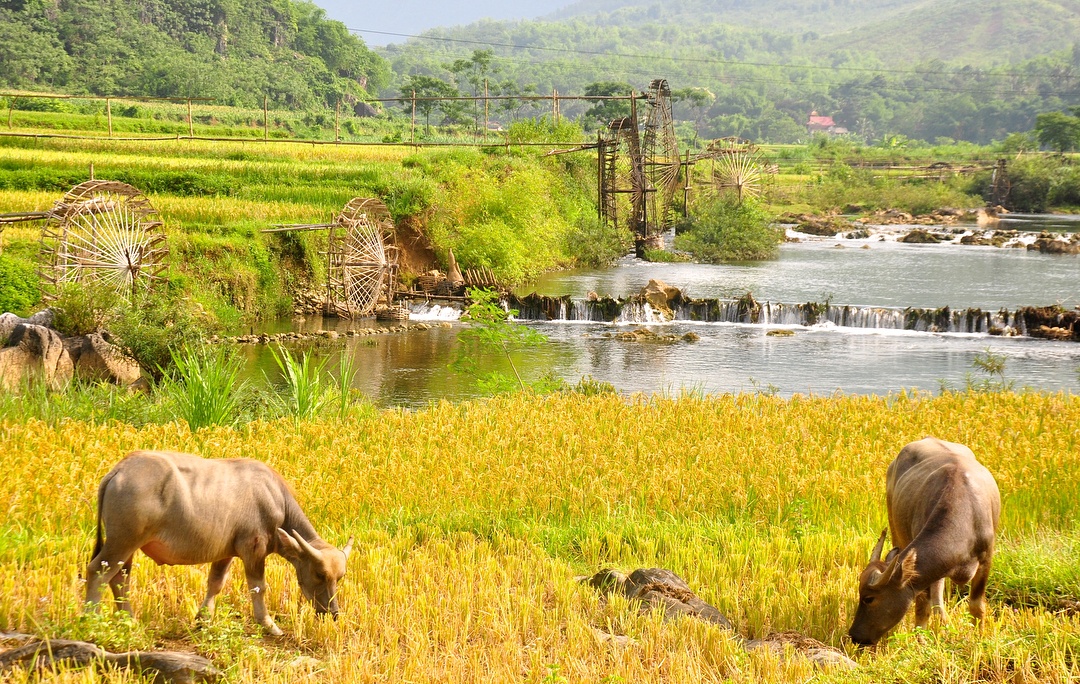
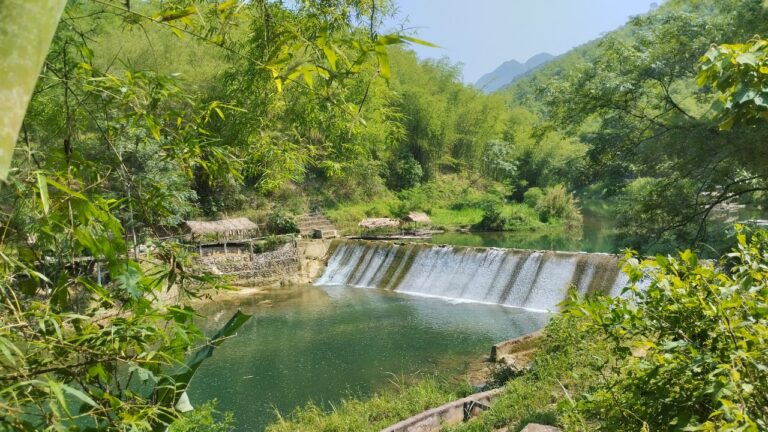
Traditional bamboo waterwheels along the stream in Pu Luong
- Top Things to See and Do in Pu Luong : Take gentle valley walks connecting Don Village to Hieu Waterfall and Kho Muong Cave. You can float along the Cham River on handmade bamboo rafts or observe historic waterwheels lifting river water into elevated canals. Booking our curated 2 day Pu Luong Trekking Tour provides an organized private guide who leads you along scenic trails without logistical worries.
- How to Get to Pu Luong? : Pu Luong sits 180 km southwest of Hanoi, requiring approximately 4 hours by private car via scenic mountain roads. The drive follows Highway 6 toward Hoa Binh before climbing through mountain roads into the reserve. A private vehicle with a professional driver ensures a safe, direct trip without intermediate bus transfers.
- Best Time to Visit Pu Luong : During May, June, September, and October, the valley turns vibrant yellow as rice crops mature. The winter months from November to February offer cool, dry conditions ideal for longer hiking routes.
- Who Will Love Pu Luong Most? : Couples and families appreciate the quiet boutique lodges perched on hillside terraces. Travelers wanting light activity combined with quality dining find Pu Luong a refreshing pause in their itinerary.
2. Ban Gioc Waterfall – Vietnam’s Spectacular Borderland Wonder
Located in the far northeast near the international frontier, Ban Gioc remains protected from excessive commercialization due to its distance from standard transport lines. Standing on the Quay Son River between Vietnam and China, Ban Gioc plunges across multiple limestone tiers. Its remote geography in Cao Bang keeps large tour groups away, preserving rural tranquility across the valley.
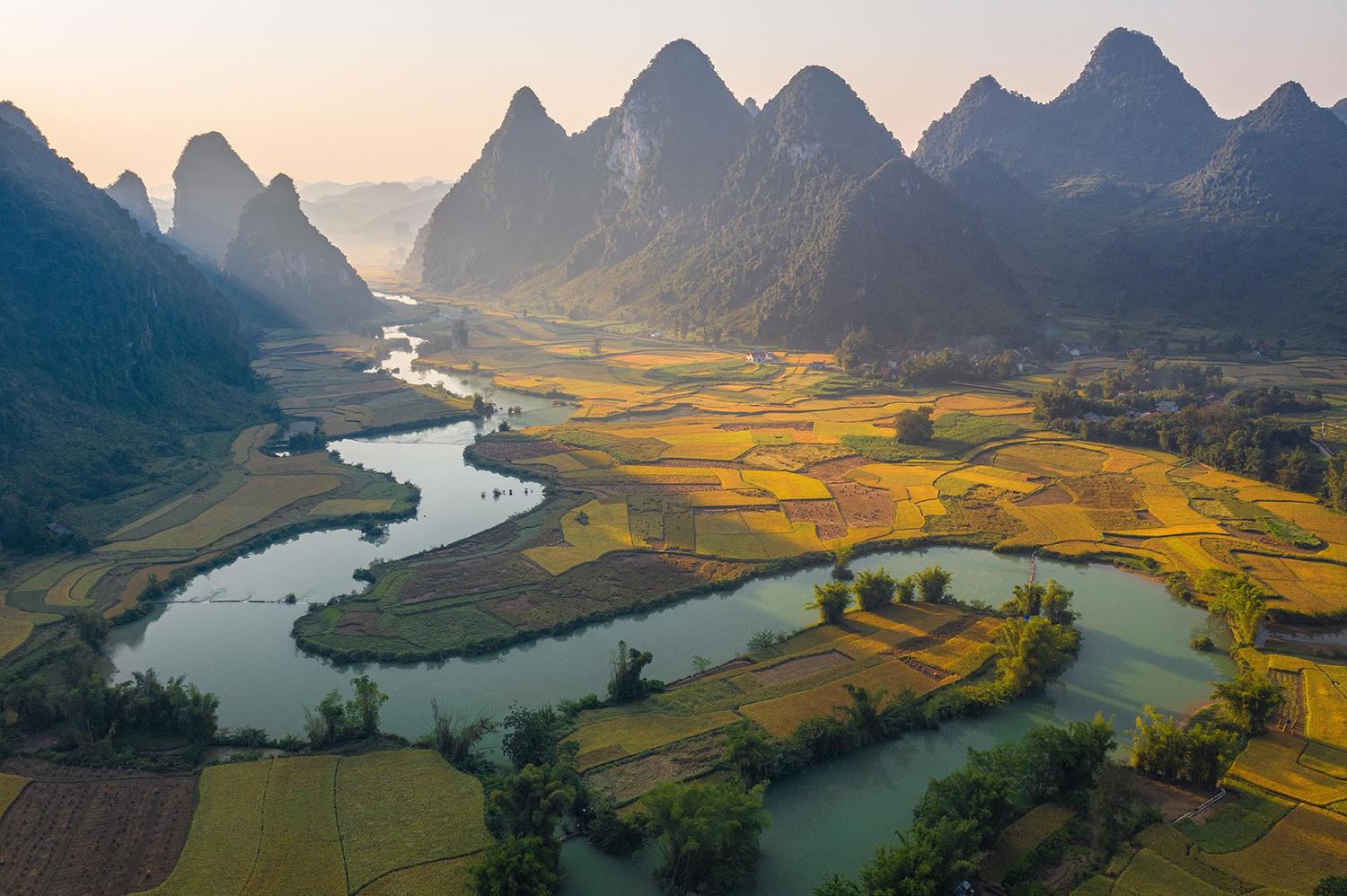
Quay Son River and limestone peaks in Cao Bang province
- Top Things to See and Do Around Ban Gioc : Board a local boat along the Quay Son River to feel the spray near the falls. Nearby, walk through Nguom Ngao Cave with its massive stalactites, and explore Khuoi Ky stone village where the Tay ethnic group constructs homes entirely from river stone. You can combine these sites seamlessly on our specialized Ba Be lake – Ban Gioc waterfall Exploration 3 days itinerary.
- How to Get to Ban Gioc Waterfall? : Ban Gioc is situated 330 km northeast of Hanoi, typically visited via a 2-day or 3-day private driving route through Lang Son or Bac Kan. The route crosses rolling hills and mountain passes on National Route 3. Using a private car with a dedicated driver ensures safe transit along mountain curves while allowing spontaneous photo stops.
- Best Time to Visit Ban Gioc : From August through October, the Quay Son River flows with clear turquoise water framed by golden rice fields. Summer brings massive water volume, while dry winter months offer mild walking temperatures.
- Who Is Ban Gioc Best For? : Travelers seeking majestic natural geology and historic border culture will appreciate Ban Gioc. It integrates seamlessly into broader Northeast Loop Vietnam exploration circuits.

Fully Licensed Local Agency
Northern Vietnam Private Discovery Tours
Discover Ha Giang, Ba Be Lake, Ban Gioc Waterfall, and remote valleys with licensed English-speaking guides and comfortable private transfers. Custom itineraries built around your pace.
Click to Chat: +84.988451530 (WhatsApp)
3. Ha Giang – Dramatic Mountain Roads Beyond the Usual Vietnam Route
Ha Giang sits along Vietnam’s northernmost frontier. The region is renowned for the Dong Van Karst Plateau Geopark, where steep limestone cliffs tower over small ethnic villages and deep river valleys.
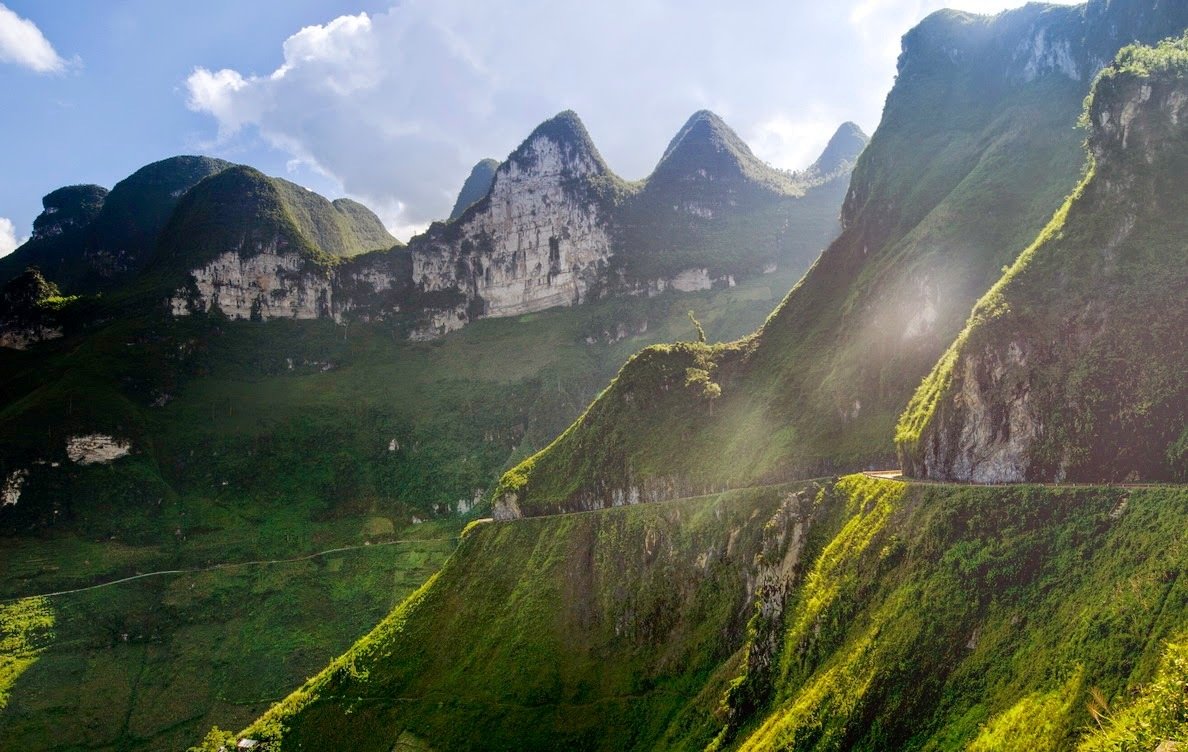
Ma Pi Leng Pass overlooking the Nho Que River in Ha Giang
- Top Things to See and Do in Ha Giang : Drive along the dramatic Ma Pi Leng Pass, cruise on an electric boat through Tu San Canyon on the Nho Que River, and tour the historic Hmong King Palace in Sa Phin. Consider our comprehensive 6 day Impressive Ha Giang Adventure to Dong Van Geopark & Hoang Su Phi for a complete private journey.
- How to Get to Ha Giang from Hanoi? : Ha Giang city is located 300 km north of Hanoi, accessible via a 6-hour highway drive before continuing into the mountain plateau. Travel by private limousine vehicle from Hanoi via the Noi Bai – Lao Cai Expressway and National Route 2. Having an experienced driver ensures comfortable navigation along steep mountain hairpin turns.
- Best Time to Visit Ha Giang : September to November offers harvest terraces and buckwheat blooms, while March brings peach and plum blossoms. Consult our detailed guide on when is the ideal time to visit Ha Giang to match your dates with seasonal buckwheat flower festivals or golden rice harvests.
- Who Should Travel to Ha Giang? : Ha Giang is well suited for adventurous travelers wanting dramatic mountain geology. Touring by private vehicle provides maximum comfort and flexibility across challenging mountain terrain.
4. Ba Be National Park – A Wild Escape of Lakes, Caves and Forests
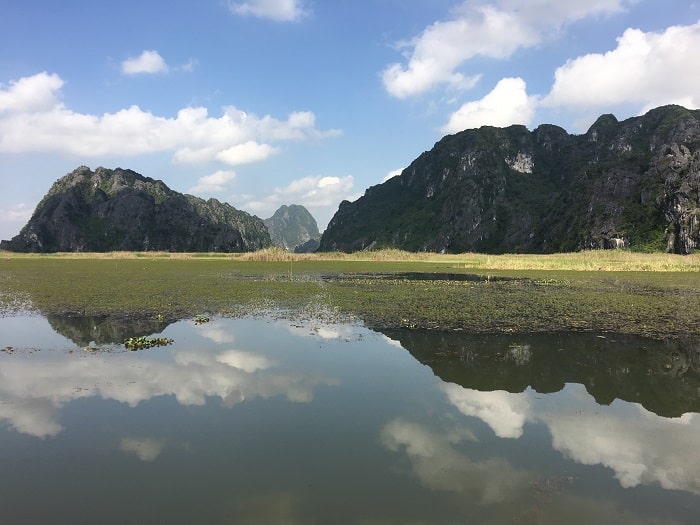
Ba Be remains peaceful and unhurried, offering freshwater boat exploration, cave kayaking, and lakeside Tay homestay hospitality. Ba Be lake spans over 650 hectares of calm fresh water situated 150 meters above sea level. Dense limestone forests protect the watershed, providing a calm haven for wildlife and visitors alike.
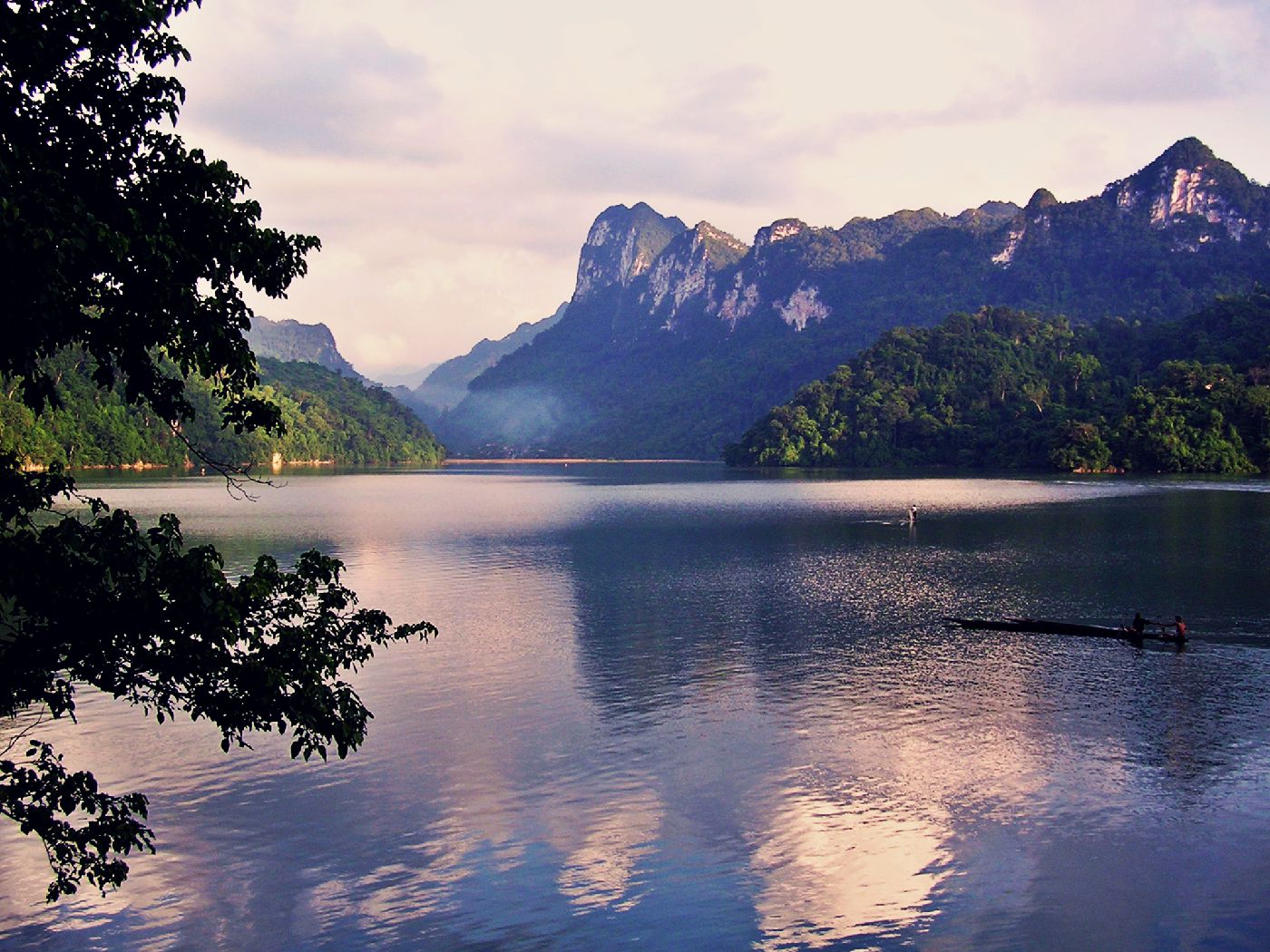
Pristine waters and limestone cliffs of Ba Be Lake
- Top Things to See and Do in Ba Be National Park : Cruise past limestone islets to visit An Ma Temple, paddle kayaks into the dramatic Puong Cave where the Nang River flows through limestone cliffs, and view Dau Dang Waterfall. Choose our private 2 day trip to Ba Be lake or combine it with fertile valleys on our Unvail the hidden gems of Bac Son valley & Ba Be lake 3 days program.
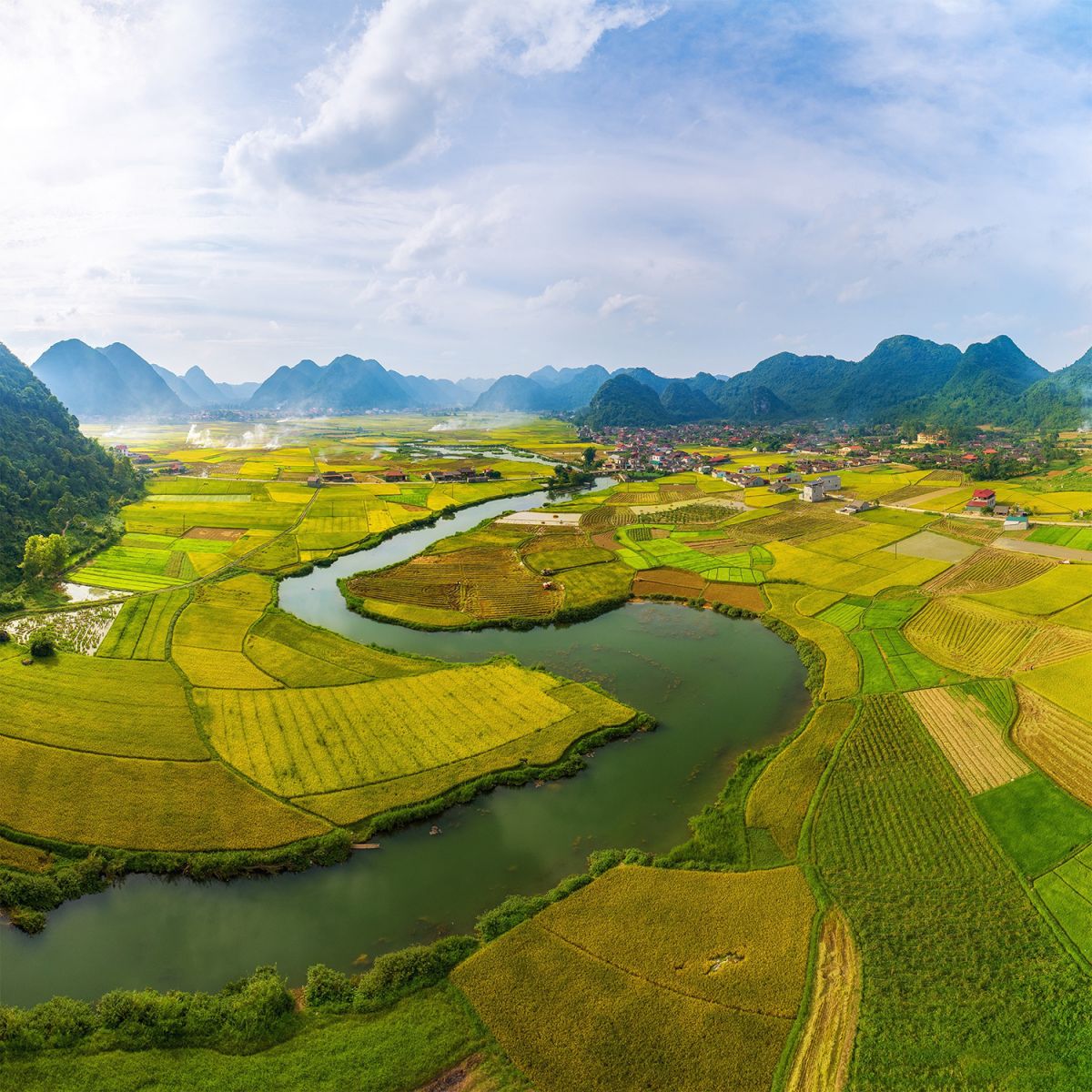
Scenic farming valley in nearby Bac Son valley
- How to Get to Ba Be from Hanoi? : Ba Be sits 220 km north of Hanoi, taking roughly 4.5 hours by private car via the Hanoi – Thai Nguyen Expressway. The drive follows modern expressways past Thai Nguyen before winding through Bac Kan province. Private transport delivers you directly to your lakeside lodge in Pac Ngoi or Bo Lu village.
- Best Time to Visit Ba Be National Park : September to November and March to May feature comfortable temperatures, clear skies, and calm lake waters suitable for kayaking and forest walking.
- Who Is Ba Be Best For? : Travelers who enjoy boat journeys, peaceful mornings by the water, and local Tay home hospitality will find Ba Be deeply rewarding.
5. Mu Cang Chai – Beyond the Famous Rice Terrace Photos
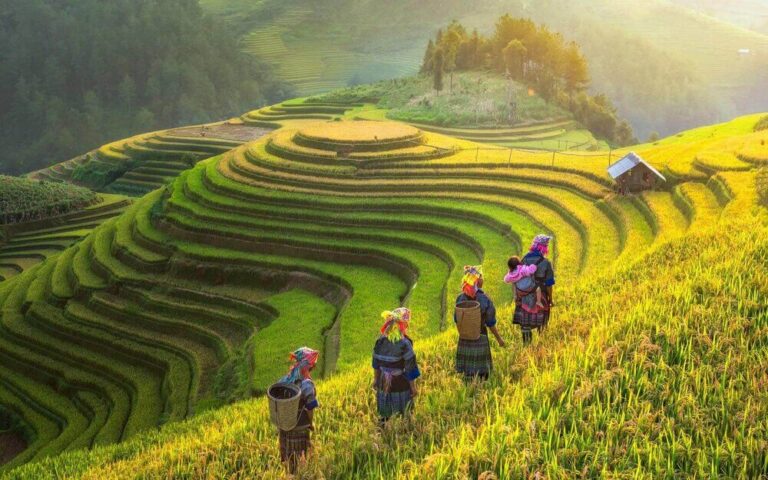
Mu Cang Chai in Yen Bai province holds some of the most impressive terraced hillsides in Southeast Asia, sculpted by generations of Hmong farmers. Mu Cang Chai spans rugged mountain terrain 300 km northwest of Hanoi. Its terraced slopes climb steep ridges from valley streams up to high pine forests.
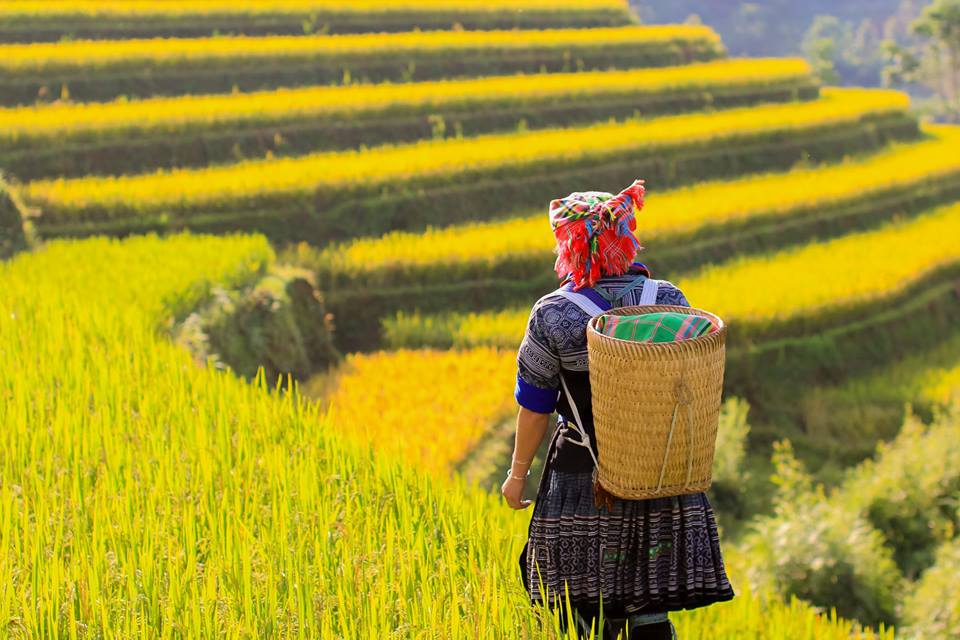
Terraced rice fields sculpted across mountain slopes in Mu Cang Chai
- Top Things to See and Do in Mu Cang Chai : Admire the iconic terraced patterns at Mam Xoi and Horseshoe Hill, drive across the high Khau Pha Pass, and hike between traditional Hmong settlements in La Pan Tan and Che Cu Nha. Discover deep valley routes on our private Intensive Mu cang Chai trekking tour 4 days.
- How to Get to Mu Cang Chai? : Mu Cang Chai is accessed via a 6.5-hour drive from Hanoi through Nghia Lo and across Khau Pha Pass. The route crosses the tea plantations of Nghia Lo before ascending into high mountain terrain. A private vehicle allows you to break the drive with relaxed cultural stops.
- Best Time to Visit Mu Cang Chai : Harvest season in late September displays golden yellow terraces, while the May watering season turns the fields into shimmering hillside mirrors.
- Who Should Visit Mu Cang Chai? :Travelers seeking grand scenery and uncommercialized hill-tribe hospitality will find Mu Cang Chai an unforgettable stop.
6. Phong Nha – Vietnam’s Underground World Beyond the Tourist Trail
Recognized as a UNESCO World Heritage site, Phong Nha features ancient karst structures dating back over 400 million years. Beyond show caves, vast jungle wilderness protects untouched underground ecosystems.
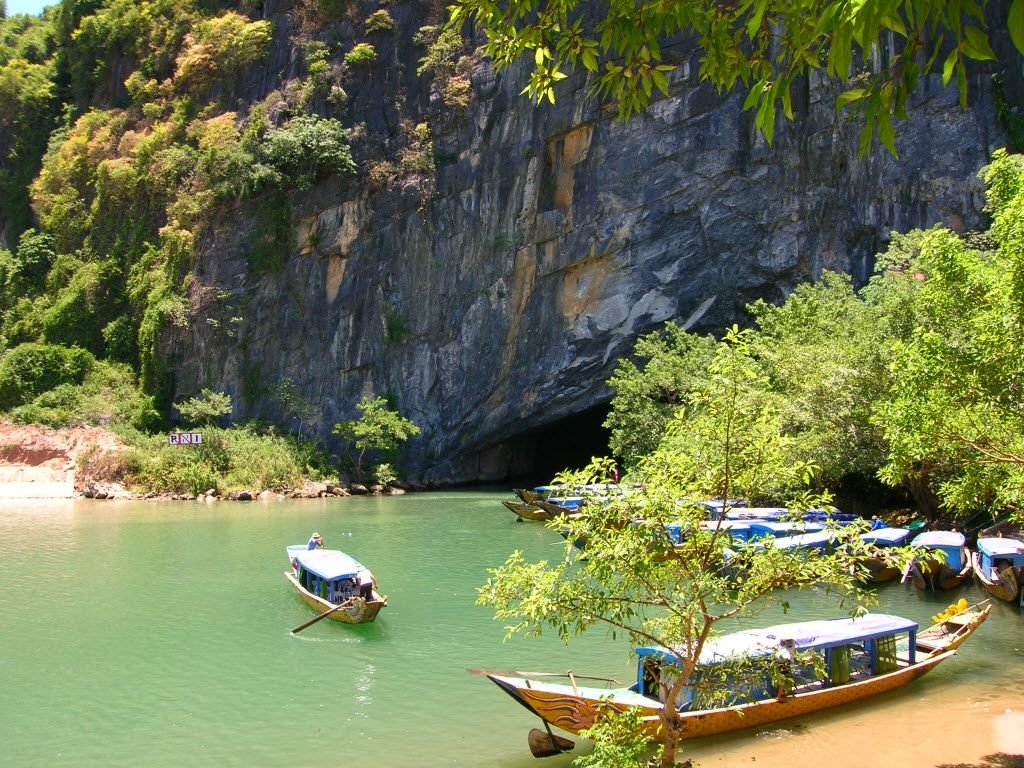
River entrance to the subterranean chambers of Phong Nha Cave
- Top Things to See and Do in Phong Nha : Board riverboats into Phong Nha Cave, admire Paradise Cave’s massive calcite formations, and join guided wilderness treks through the Tu Lan cave system. Check our curated recommendations in our Top 15 place you should not miss when visiting Quang Binh guide.
- How to Get to Phong Nha? : Daily direct flights connect Hanoi and Ho Chi Minh City to Dong Hoi Airport. From the airport, our private car service brings you smoothly to your park retreat.
- Best Time to Visit Phong Nha : The dry months from March through August allow unhindered access to river caves and jungle trails. Heavy autumn rains can restrict cave entry between October and November.
- Who Will Enjoy Phong Nha the Most? : Phong Nha welcomes both high-intensity cave expedition travelers and leisure visitors seeking relaxed valley cycling and boat trips.
7. Quy Nhon – Quiet Beaches, Coastal Roads and Local Life
Quy Nhon in Binh Dinh province features uncrowded golden sands, historic Cham towers, and authentic coastal fishing communities. Located halfway between Da Nang and Nha Trang, Quy Nhon offers peaceful coastal stretches. Its sandy bays and seafood markets remain centered around local life rather than tourist developments.
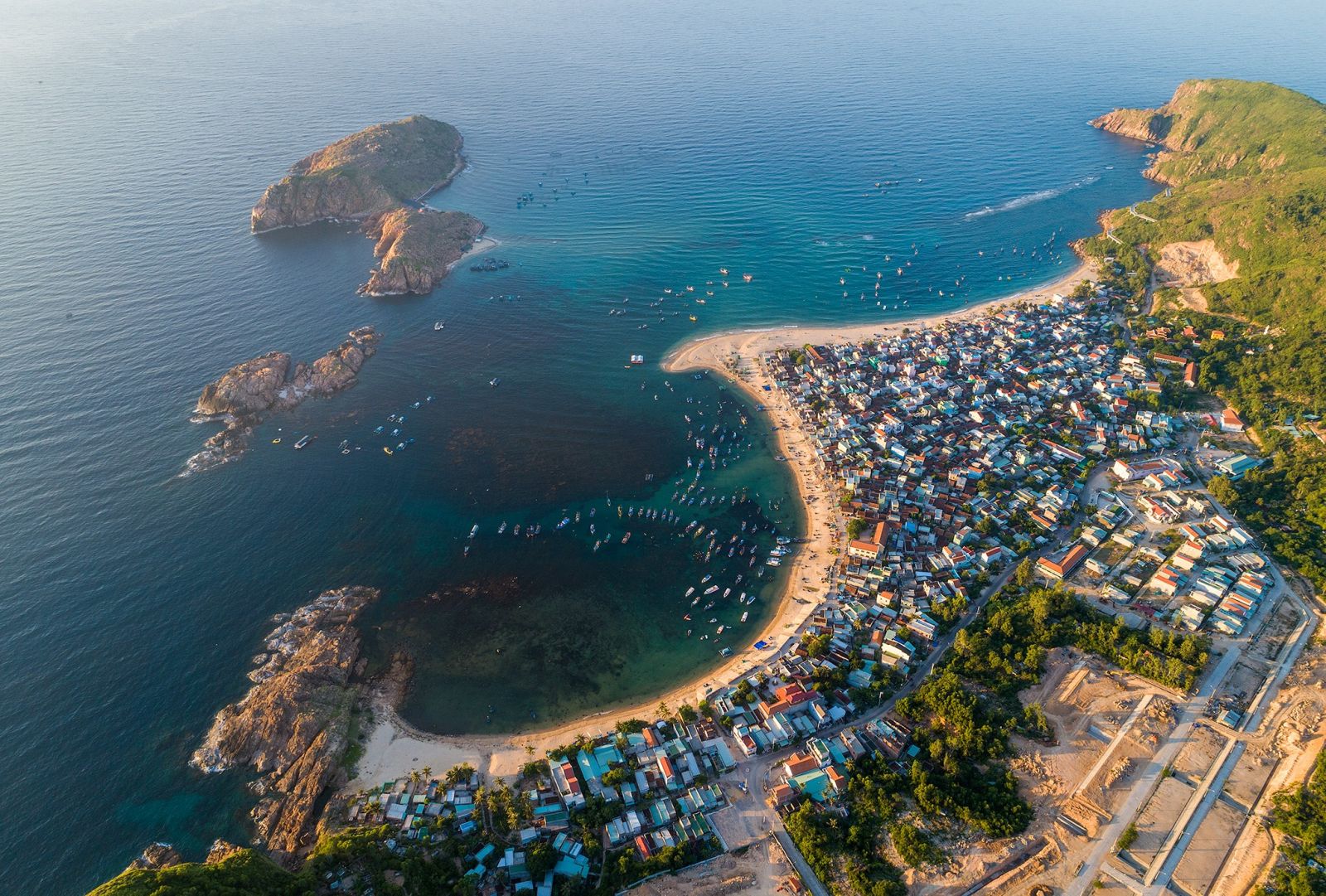
Coastal curves and sandy shores in Quy Nhon, Binh Dinh
- Top Things to See and Do in Quy Nhon : Walk the rocky coastal path at Eo Gio, take a private boat to the clear waters of Ky Co Beach, and discover ancient Champa civilization relics at Banh It and Thap Doi towers.
- How to Get to Quy Nhon? :Frequent domestic flights serve Phu Cat Airport daily. Private coastal rail journeys also link Quy Nhon conveniently with Da Nang and Nha Trang.
- Best Time to Visit Quy Nhon : Sunny weather and calm turquoise waters prevail from March through September. The autumn months between October and December experience higher rainfall.
- Who Is Quy Nhon Best For? : Quy Nhon provides an ideal coastal retreat for guests seeking peaceful 4-star to 5-star beachfront resorts without commercial noise.
8. Ta Xua – Vietnam’s Magical Sea of Clouds
Ta Xua in Son La province is a high mountain ridge famous for dense cloud inversions, ancient Shan Tuyet tea trees, and quiet highland trails. Rising above 2,000 meters elevation in Son La province, Ta Xua creates dramatic atmospheric conditions where dense white cloud layers settle over deep valleys beneath towering peaks.
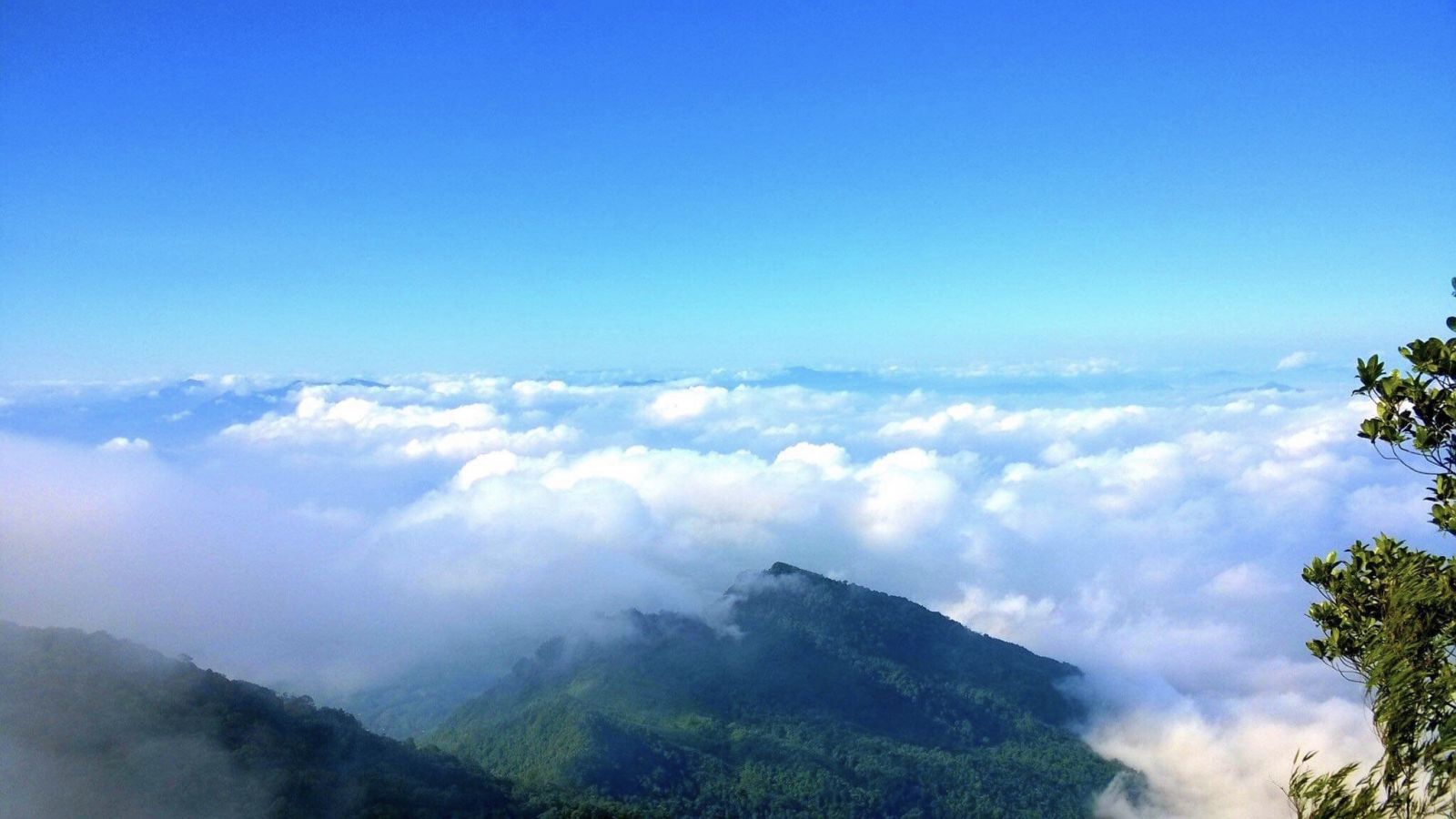
Scenic mountain elevations across Northern Vietnam
- Top Things to See and Do in Ta Xua : Walk the narrow Dinosaur Backbone ridge in Bac Yen, observe morning cloud inversions from panoramic vantage points, and sample heritage organic tea in Shan Tuyet groves.
- How to Get to Ta Xua? : Ta Xua is 210 km northwest of Hanoi, requiring a 5-hour drive via Son Tay and Bac Yen. The journey follows Highway 32 through Phu Tho before climbing steep mountain roads into Bac Yen. Private transport provides essential safety on narrow mountain stretches.
- Best Time to Visit Ta Xua for Cloud Hunting : Cool winter mornings and clear skies between October and April create optimal weather conditions for continuous cloud inversions across the valleys.
- Who Should Visit Ta Xua? : Ta Xua suits travelers who value raw natural landscapes and tranquil mountain scenery over luxury hotel infrastructure.
9. Con Dao – Untouched Beaches and Wild Island Adventures
The Con Dao archipelago in Southern Vietnam combines secluded white sand beaches, rich marine biodiversity, and profound historical heritage. Con Dao consists of 16 offshore islands protected by Con Dao National Park. Far less developed than Phu Quoc, the islands offer tranquil coastlines and clean forested bays.
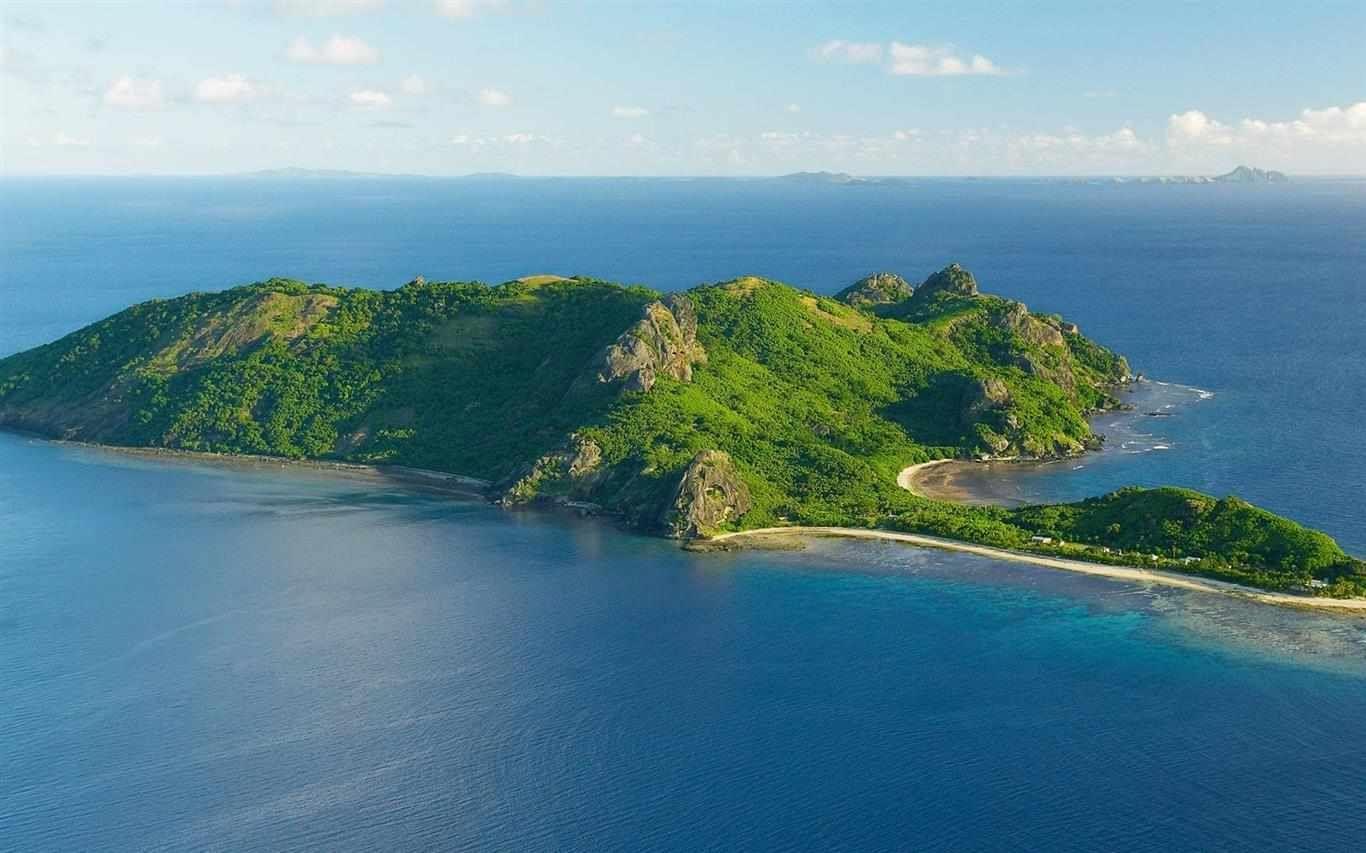
Hon Bay Canh island within the protected Con Dao marine park
- Top Things to See and Do in Con Dao : Snorkel vibrant coral reefs around Hon Bay Canh, observe sea turtle conservation programs, swim at Dam Trau Beach, and visit the historic Con Dao Prison complexes and Hang Duong Cemetery.
- How to Get to Con Dao? : Short direct flights operate daily from Tan Son Nhat Airport in Ho Chi Minh City to Con Dao Airport (VCS), offering the most comfortable transfer.
- Best Time to Visit Con Dao : Calm seas and high underwater visibility prevail from March through September. Turtle nesting activity on offshore islets occurs between May and October.
- Who Is Con Dao Best For ? : Con Dao provides an unmatched island escape for travelers wanting pristine coastal ecology and high-end boutique hospitality.
10. Bai Tu Long Bay – A Quieter Alternative to Halong Bay
Bai Tu Long Bay borders Halong Bay to the northeast, offering identical karst limestone geology with 80% fewer tourist vessels. Bai Tu Long Bay shares the same dramatic submerged limestone karst towers as Halong Bay but maintains strict vessel quotas. Cruising here delivers quiet anchorages and peaceful waters.
- Top Things to See and Do in Bai Tu Long Bay : Paddle kayaks through the secluded lagoons of Cong Do, explore Thien Canh Son Cave, and observe traditional aquaculture at Vung Vieng floating village.
- How to Get to Bai Tu Long Bay? : Modern expressway connections ensure a rapid 2.5-hour private transfer from Hanoi directly to your departure pier.
- Best Time to Visit Bai Tu Long Bay : October to April delivers dry weather and clear skies, while May through June provides warm swimming conditions with stable pleasant temperatures, minimal rainfall, and crisp ocean views across the limestone towers.
- Who Should Choose Bai Tu Long Bay? : Travelers seeking a peaceful cruise experience will find Bai Tu Long Bay the perfect alternative to busy adjacent waterways.
How to Choose the Right Hidden Place in Vietnam for Your Travel Style?
Align your destination choice with physical activity preferences, cultural interests, and available travel days to build a rewarding custom holidays
- Best Hidden Destinations for Adventure Travelers : Active explorers who enjoy physical challenges (hiking or trekking) should focus on Phong Nha’s subterranean systems, Ha Giang’s steep passes, and Ta Xua’s mountain ridgelines.
- Best Places for Photographers and Nature Lovers : Landscape photographers will capture exceptional compositions among Mu Cang Chai’s terraced curves, Ban Gioc’s multi-tiered waterfalls, and Ba Be’s tranquil mountain reflection waters.
- Best Hidden Gems for Couples Seeking Peace and Privacy : Couples can enjoy boutique eco-resorts overlooking Pu Luong valley, private luxury cruises in Bai Tu Long Bay, or secluded oceanfront villas in Quy Nhon and Con Dao.
- Best Destinations for Authentic Cultural Experiences : Ba Be, Ha Giang, and Mu Cang Chai offer direct interaction with Tay, Hmong, and Dao ethnic minority traditions. Staying in traditional Tay stilt homes in Ba Be or visiting weekly ethnic markets in Dong Van provides authentic insights into time-honored community customs.
- Best Off-the-Beaten-Path Places for Families : Pu Luong, Ba Be Lake, and Bai Tu Long Bay feature manageable travel times, comfortable lodges, and safe outdoor activities. Families appreciate smooth transfers, gentle boat rides, and comfortable boutique family suites that make nature exploration easy and stress-free for all ages.
How to Add These Hidden Gems to Your Vietnam Itinerary?
Integrating remote destinations requires logical routing, realistic driving buffers, and coordinated private transportation to avoid fatigue
Best Hidden Places to Combine with a Northern Vietnam Itinerary
Link Pu Luong with Ninh Binh, or combine Ba Be Lake and Ban Gioc Waterfall into an integrated Northeast loop. From Hanoi, travel directly to Pu Luong before crossing to Ninh Binh, or build a 5-day circular route connecting Ba Be Lake with Ban Gioc Waterfall and Cao Bang.
Where to Go Beyond the Main Tourist Route in Central Vietnam?
Explore the underground caves of Phong Nha before heading south to the imperial citadel of Hue, or continue along the coast to the quiet beaches of Quy Nhon via coastal rail
Hidden Southern Vietnam Destinations Worth the Extra Journey
Con Dao Islands provide a peaceful, nature-rich marine escape easily reached via a 45-minute flight from Ho Chi Minh City. After exploring the southern metropolis, take a short flight to Con Dao to relax on protected beaches and explore preserved marine park ecosystems.
How Many Days Should You Allow for Off-the-Beaten-Path Travel?
For most off-the-beaten-path destinations in Vietnam, 2–4 days is a good amount of time to explore without feeling rushed. Allow extra time for remote areas, as longer travel times and limited transport connections can make the journey slower.
If you want to combine several hidden gems, plan for 5–7 days to enjoy the landscapes, local culture, and quieter pace more comfortably.
Should You Travel Independently or Join a Private Tour?
While independent transit is possible, language barriers and difficult mountain roads make private custom tours the safest, most efficient choice for high-comfort travel.
Common Mistakes & Our Practical Tips for Exploring Vietnam’s Hidden Destinations
- Pitfall: Underestimating Mountain Driving Times: Mountain roads require slower speeds. Expert Advice: Plan realistic transit averages of 40-50 km/h rather than expressway speeds.
- Pitfall: Visiting During Post-Harvest Seasons: Terraces look dry after harvesting. Expert Advice: Check seasonal agricultural cycles with our travel specialists before booking dates.
- Pitfall: Relying Solely on Card Payments: Remote villages lack digital POS terminals. Expert Advice: Carry sufficient local currency (VND) for rural market purchases and local tips.
- Pitfall: Using Unvetted Independent Transport: Mountain passes demand skilled driving. Expert Advice: Always book a licensed operator providing professional private drivers and inspected vehicles.
Frequently Asked Questions (FAQs) About Hidden Places in Vietnam
1. Are hidden destinations in Vietnam safe for foreign travelers?
Yes, Vietnam is exceptionally safe. Rural areas boast low crime and hospitable locals. Traveling with a licensed operator and private driver ensures secure mountain transit and immediate support throughout remote provinces.
2. How do I handle language barriers in remote Vietnamese villages?
While basic translation apps help, hiring a licensed English-speaking local guide bridges cultural gaps, explains ethnic traditions, and handles logistics seamlessly so you enjoy smooth communication everywhere.
3. What accommodation standards can I expect in off-the-beaten-path areas?
Most hidden gems now offer high-quality 3-star to 5-star boutique eco-lodges with air conditioning, private bathrooms, swimming pools, and Western-standard amenities alongside traditional architecture.
4. How far in advance should I book off-the-beaten-path tours?
We recommend booking 3 to 6 months ahead, particularly for travel during peak harvest windows (September-October) when boutique lodge rooms in places like Pu Luong and Mu Cang Chai sell out quickly.
5. Is Wi-Fi and mobile connectivity available in remote areas?
Vietnam has extensive 4G and 5G mobile coverage. Major telecom networks (Viettel, Vinaphone) provide reliable reception across most mountain towns, boutique lodges, and rural homestays.
6. Can families with young children visit these hidden destinations?
Yes. Destinations like Pu Luong, Ba Be Lake, and Bai Tu Long Bay are family-friendly, offering gentle outdoor walks, boat rides, and comfortable private transport suitable for all generations.

Fully Licensed Local Agency
Customized Vietnam Tour Packages
Design your private, tailor-made holiday combining iconic landmarks with peaceful hidden destinations. Enjoy 24/7 dedicated support and top TripAdvisor-rated local expertise.
Final Thoughts on Discovering a Different Side of Vietnam & Arrange Your Trip with Our Travel Experts
Discovering the hidden places in Vietnam opens up quiet valleys, pristine waters, and deep ethnic connections. Our local team specializes in private Northern Vietnam Tours and bespoke Vietnam Adventure Tours tailored to your schedule. Explore our diverse Vietnam Holiday Packages or contact us directly to begin planning your personalized trip.
Chat with our specialists via WhatsApp +84.988451530 or send your travel requirements by email to [email protected] for a free customized itinerary quotation within 24 hours.
Note: The travel tips and recommendations shared in this guide have been carefully prepared by the local travel experts at Golden Holiday Travel. While every traveler is different, our team is always happy to provide personalized itinerary planning, destination advice, and one-on-one support to help you create the perfect Vietnam journey.

Meet Our Experts

Suggested


Featured article








Related Articles



Write Comment