
Top 5 Mountain Destinations You Must Visit in Northern Vietmam
Vietnam Mountain Region & What to Expect for Your Vietnam Vacation?
In the mountains, there’s a beauty that city dwellers often overlook. The sun shines brightly, the breeze is refreshing, and the air remains cool and pure. Nature is untouched. And above all, life is simply beautiful
In Vietnam, mountains cover roughly three-quarters of the country’s land. They hold over 90% of the remaining forested areas and host 90% of Vietnam’s rare and precious plant and animal species. Approximately 24 million people reside in these mountainous regions, with more than a third belonging to various ethnic minorities. These communities possess Vietnam’s oldest, most culturally rich, and well-preserved traditions, making their homeland a destination worth exploring once you visit the country.
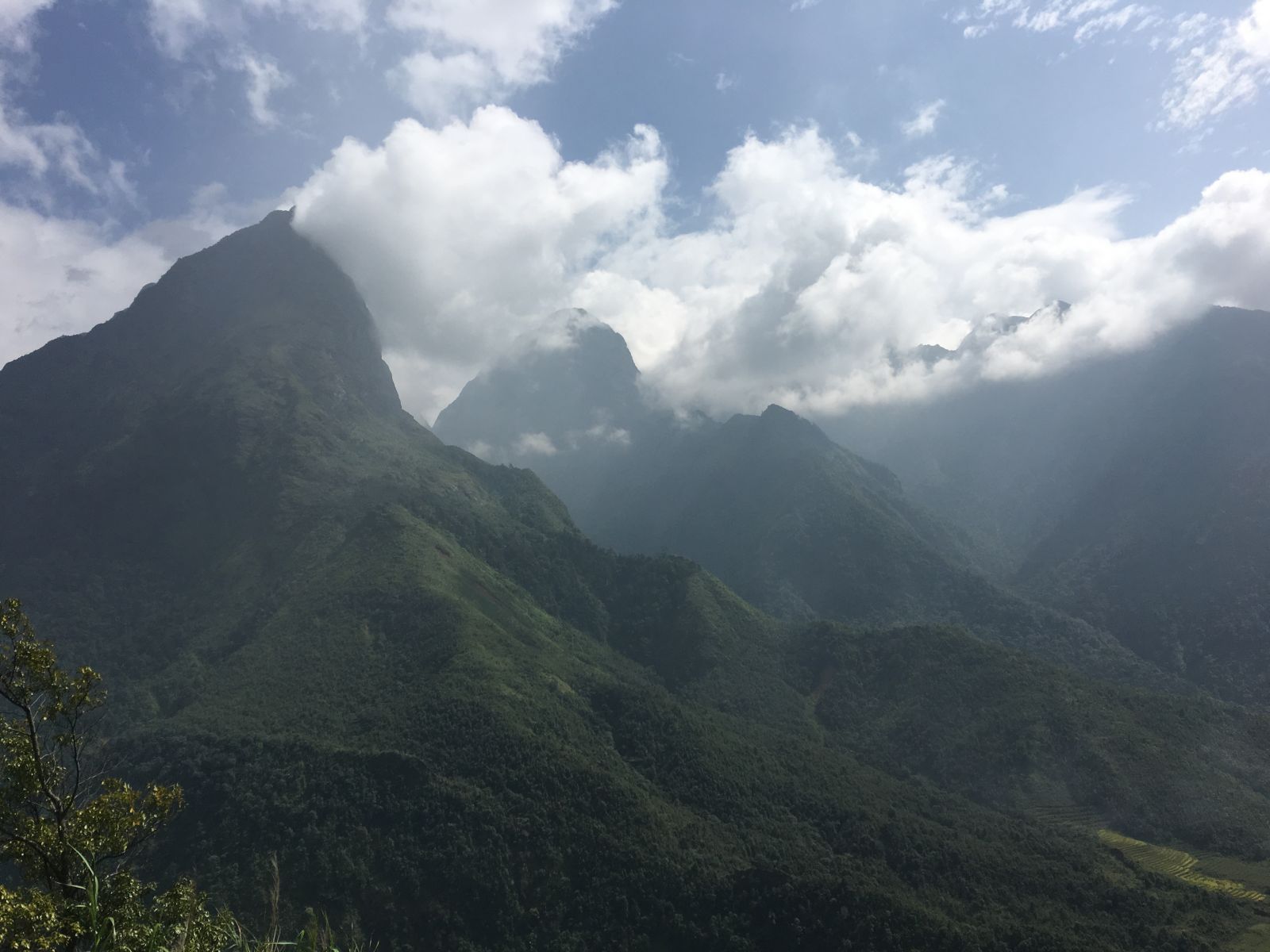
Scenic mountain destinations in Northern Vietnam
The beauty of Vietnam’s mountains surely takes your breath away for countless reasons. Ethnic culture is just one facet of their charm. Picture-perfect peaks shrouded in thick clouds, winding rivers, awe-inspiring waterfalls, and stunning terraced rice fields during harvest season paint a breathtaking landscape. Trekking trails offer awesome adventures, while vibrant upland markets show with lively exchanges among ethnic groups, sharing chats and household items, which provides glimpses into their rich traditions
In these remote areas, people still wear their traditional dress unique to their identity. Far from city trends, their attires are strikingly beautiful, adorned with intricate details and vibrant colors that blend harmoniously. Beautifully embroidered fabrics, crafted by skilled local women, are readily available at affordable prices, a testament to their artisanal skill and cultural heritage.
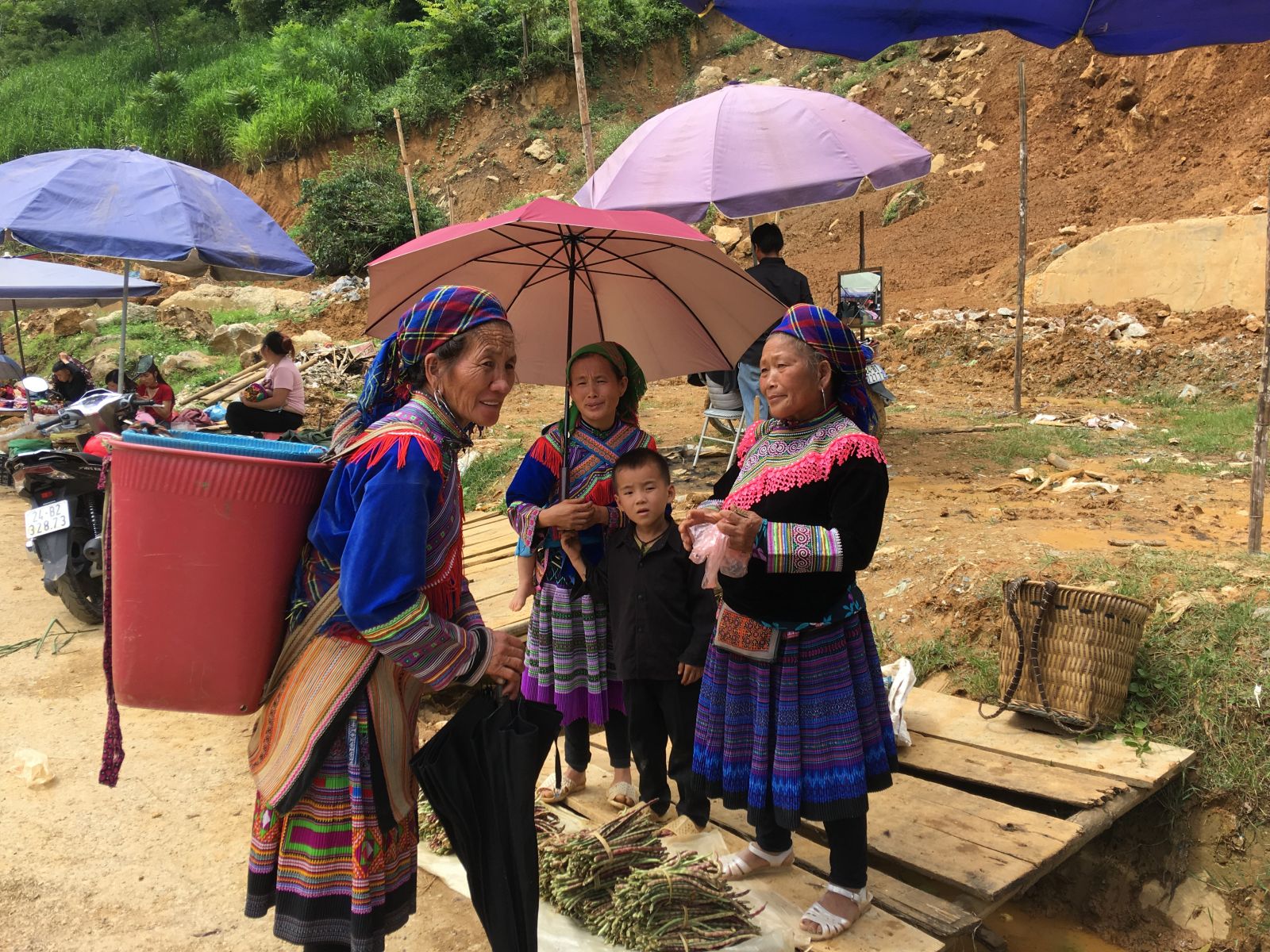
Discover Top 5 Mountain Spots for Your Adventure in Northen Vietnam
While mountains dot the entire country, Upper Northern Mountain Vietnam boasts some of the most breathtaking landscapes, just a 4 to 5-hour drive from the capital city of Hanoi. These remote regions offer stunning natural scenery intertwined with rich ethnic cultures. Start your journey in the northwest with Sapa, a former French hill station renowned for its exceptional hiking trails. Venture to Ha Giang, Vietnam’s northernmost province bordering China, known for the Dong Van Karst Plateau Geopark, rugged mountains, and majestic rivers. The Northeast mountain loop from Hanoi through Ha Giang, Hoang Su Phi, Dong Van, Meo Vac, and back offers an unforgettable journey through Vietnam’s most beautiful landscapes, cultures, and people.
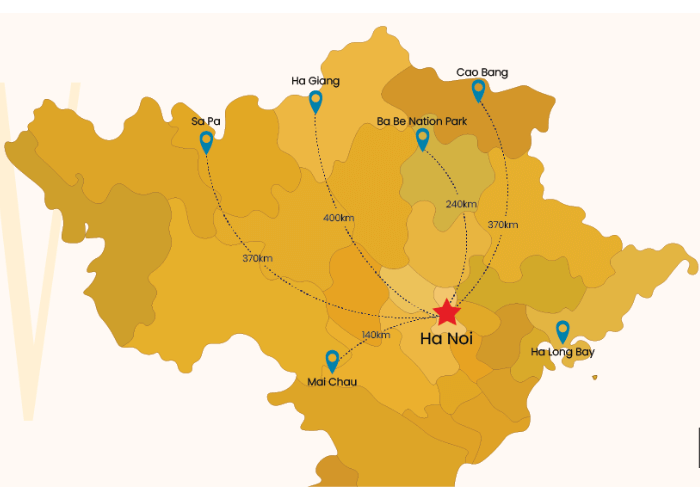
Explore the following top 5 mountain destinations that make Northern Mountain Vietnam a must-visit in your trip to Vietnam.
01. Sapa : A Summer Retreat Established by the French
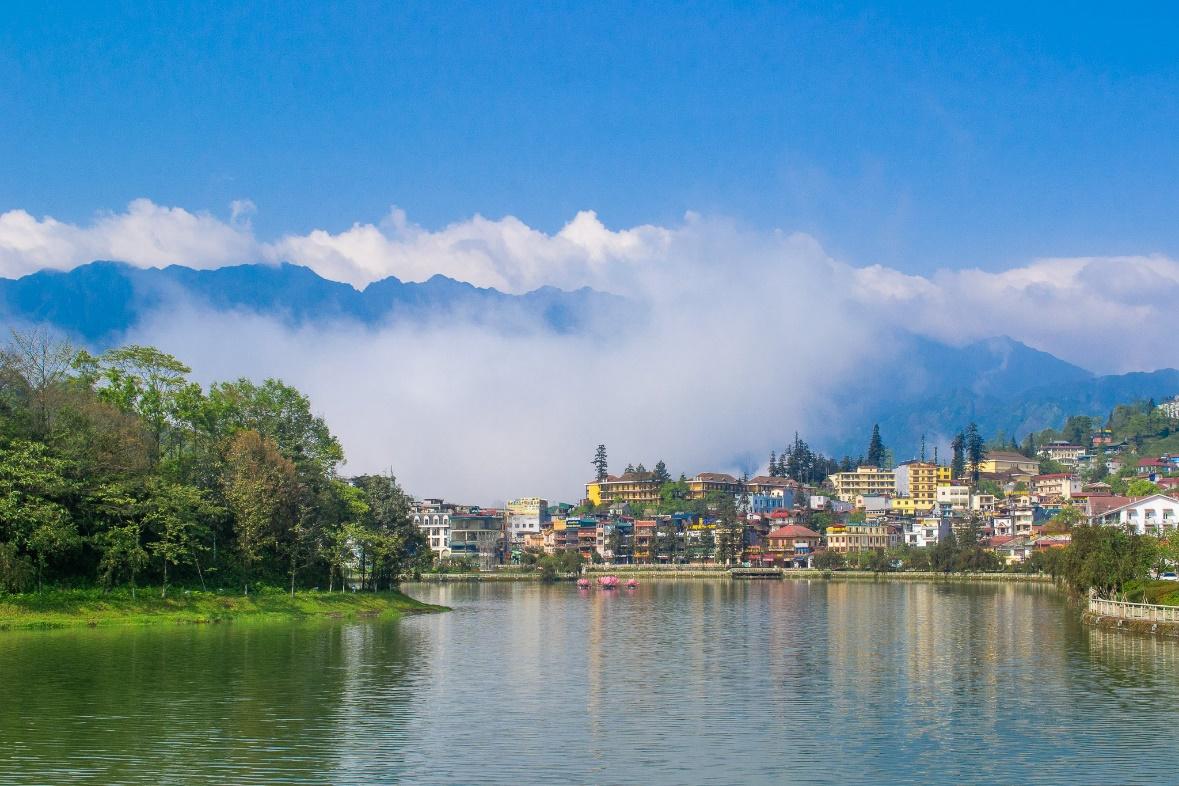
Sapa stands out as Vietnam’s foremost mountain destination, originally established by the French in the early 20th century as a retreat from Hanoi. Today, it remains a favored getaway & with a new highway making it an easy access for any travellers doing trips to Hanoi, Vietnam
Summer and autumn unveil Sapa’s vibrant mountain colors, inviting trekkers to explore some of Sapa finest rice terraces and venture into ethnic H’mong and Dzao villages to witness their distinct way of life. For the adventurous, conquering Mount Fansipan, the rooftop of Indochina at 3,143 meters, is a thrilling two-day expedition.
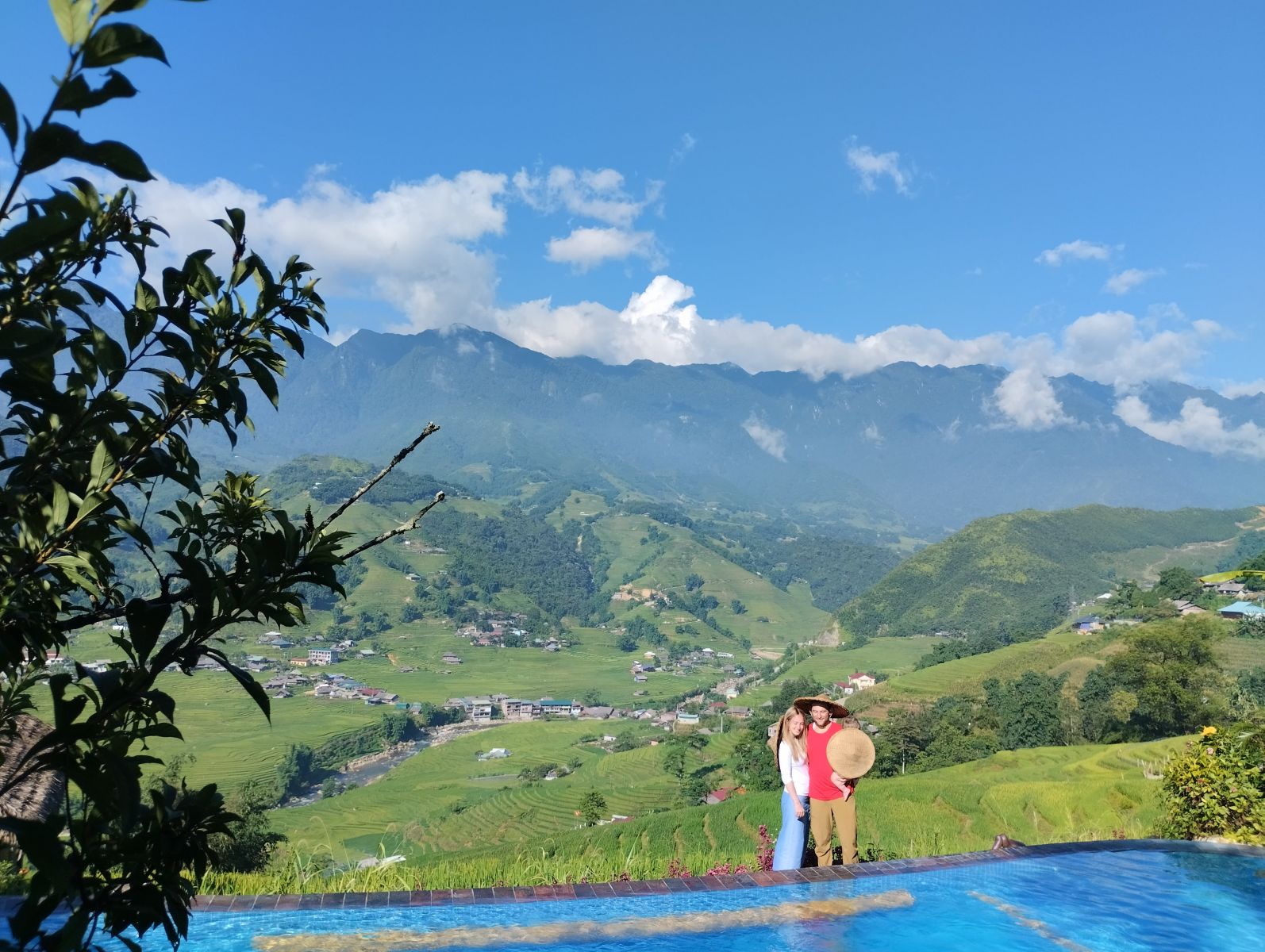
Majestic mountain in Sapa & Muong Hoa valley
Experience local life at Bac Ha Sunday Market, where the mountain community gathers not just to trade goods but also to exchange stories and reconnect with friends. Occasionally, you might witness a man carrying a small black pig in his arms on the way to the market. A few hours later, passing by the same route again, you might see him still holding the pig returning home. It’s a sign that his business didn’t go successfully as planned. If you stay long enough, you’ll likely see him and his pig at the market again next week. Such glimpses into daily life reveal the lasting traditions of this captivating region
>>>>>>>>> You may be interested in : Top 8 Vibrant Markets Around Sapa That Offer a Rich Insight into Local Culture and Traditions
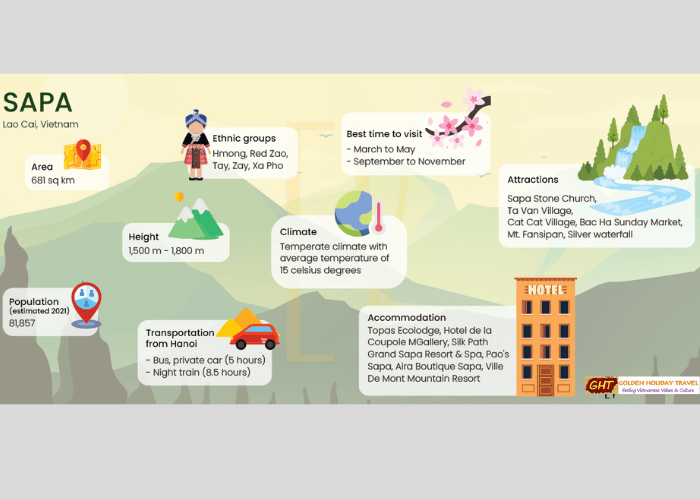
– Graphic Briefing about Sapa’s Information
– Getting to Sapa from Hanoi
Situated 340 km northwest of Hanoi, Sapa is easily reachable by bus or overnight train. For the adventurous, a motorbike journey is possible, though the winding mountain roads require skilled driving. You can dive into this blog about Sapa travel tips & the proper ways to get to Sapa from Hanoi.
– Recommended Accommodations in Sapa
Sapa offers a range of accommodations, with Topas Ecolodge standing out as a premier eco-friendly resort located 45 minutes from town. In the heart of Sapa, Hotel de la Coupole MGallery and Silk Path Grand Sapa Resort & Spa offer convenient access to dining and nightlife. Ville De Mont Mountain Resort, named Asia’s Leading Lifestyle Resort, provides another excellent option for discerning travelers.This article will give you a glimpse of which area in Sapa to stay while exploring Sapa’s attractions
02. Discover Ha Giang: Northern Vietnam’s Hidden Gem
Nestled in Vietnam’s northernmost reaches, Ha Giang emerges as a remote and poorest province in Vietnam, yet it boasts some of Southeast Asia’s most spectacular mountain vistas. A journey through Ha Giang unveils the awe-inspiring Ma Pi Leng Pass, renowned as Vietnam’s “King of Passes,” snaking at 1,500 meters above sea level along steep limestone cliffs, with Nho Que River glistening far below—a scene of breathtaking beauty.
Step into Dong Van old town, where time seems to slow down. Centuries-old earthen houses with brown-tiled roofs and a bustling highland market paint a nostalgic picture of a bygone era. This small community of 40 households, nestled against rocky cliffs, offers a glimpse into a serene and close-knit way of life. Recognized as a UNESCO Global Geopark, Dong Van Karst Plateau remains remarkably untouched.
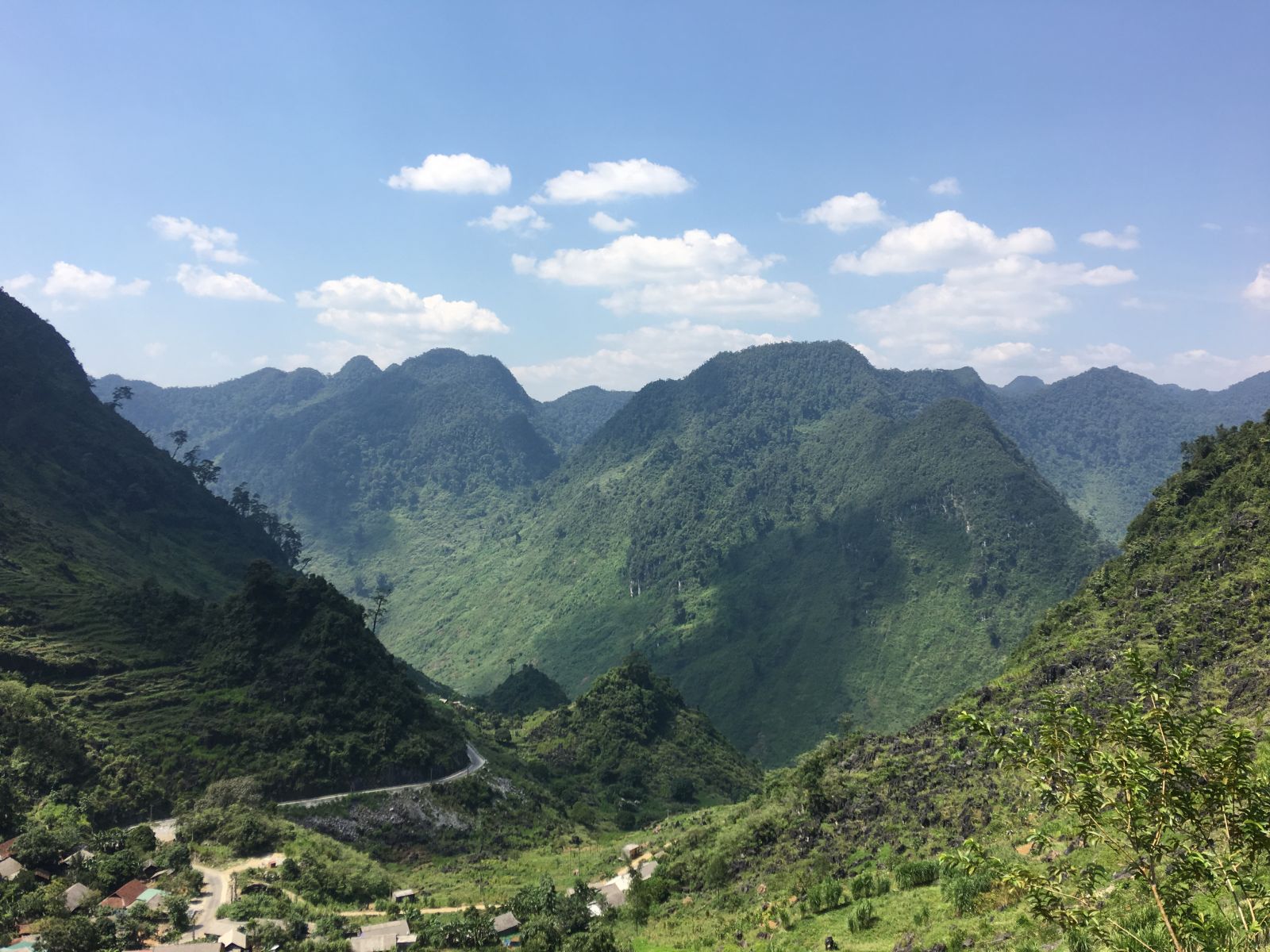
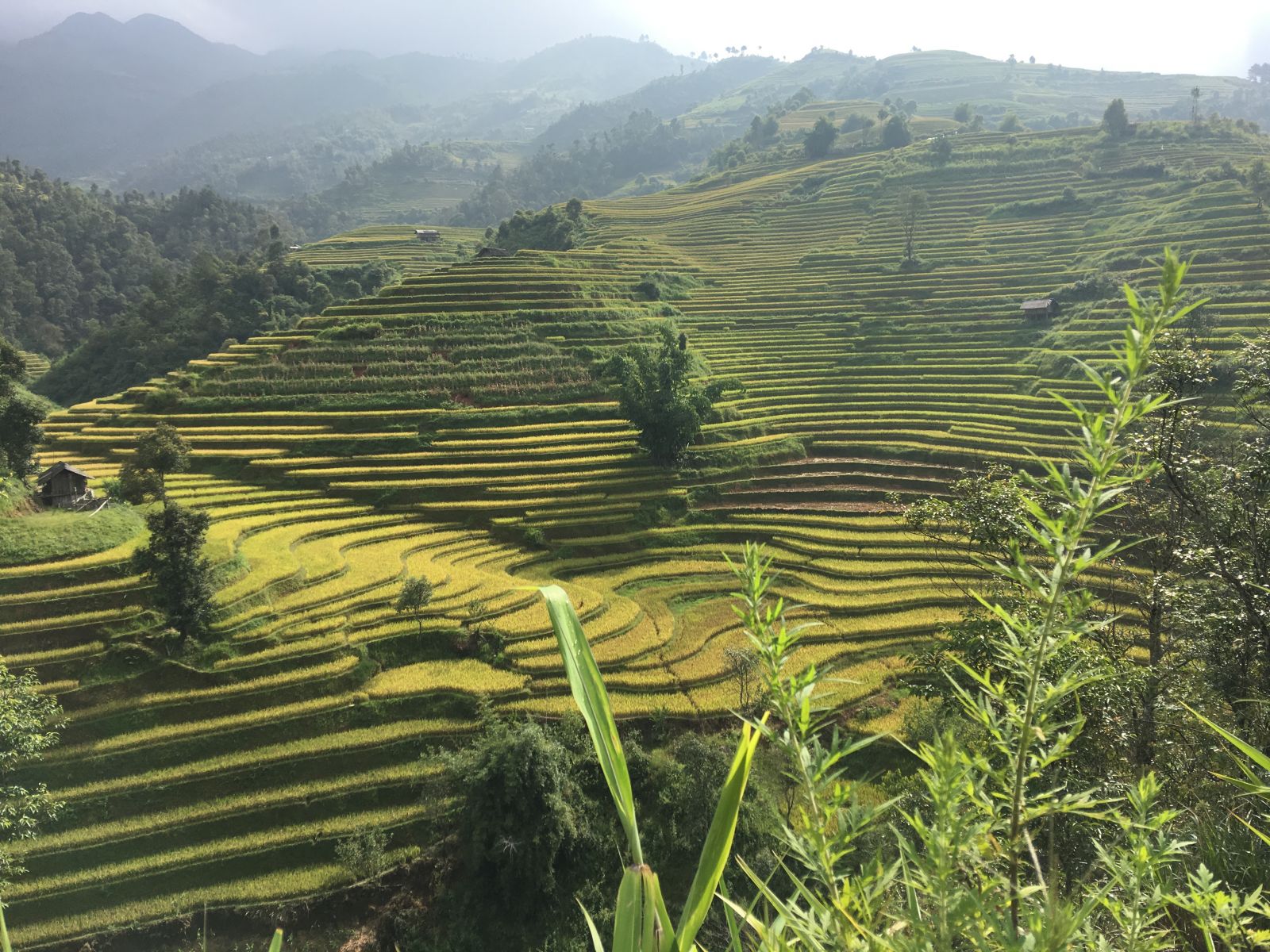
Recommended to take part in a tranquil 40-minute boat ride along the emerald waters of the Nho Que River, embraced by towering peaks to feel small next to nature. Ha Giang’s terraced rice fields ( in Hoang Su Phì) rival those of Sapa in beauty, yet retain an authentic charm due to fewer tourists. Explore local markets bustling with ethnic specialties like exquisite linen, vibrant brocades, buckwheat cakes, and the hearty Thang Co—a beloved local dish in Northern Mountain Vietnam
– Graphic Briefing about Ha Giang
– Traveling to Ha Giang from Hanoi
Ha Giang, situated 400 kilometers from Hanoi, is best reached by car, offering a scenic journey that typically spans around 6 hours. However, travelers often extend their trip to take in the sights along the way & further explore to Ha Giang Loop….
– Recommended Accommodation in Ha Giang
Due to its remote nature, luxury hotels are limited in Ha Giang. For those seeking a remarkable experience, P’apiu stands out as a serene escape nestled amidst mountains and clouds. Recognized as Asia’s leading romantic resort by the ASIA awards in October 2023, P’apiu is not to be missed. Other worthwhile mid-range options away from the city center include Palm Ha Giang Ecolodge, Panhou Retreat, and H’Mong Village Resort.
03. Ba Be National Park & Lake: Preserving Pristine Nature for Millennia
Located in in Bac Kan Province, northeast of Hanoi, Ba Be National Park spans 76 km2 of lush valleys, intricate caves, meandering rivers, cascading waterfalls, and verdant tropical forests. Hunting is strictly prohibited, though local villagers are permitted to fish. The park is inhabited by several ethnic groups across 10 villages, with the Tay ethnics residing here for over 2,000 years.
Renowned for its towering limestone peaks reaching up to 1,500 meters, Ba Be is crowned by the sprawling Ba Be Lake, covering 6.5 sq. km at its heart. Revered by many Vietnamese as a sanctuary of untouched natural beauty and the verdant lungs of Northeast Vietnam, Ba Be National Park offers a myriad of outdoor activities for adventurers.

Whether you’re trekking to picturesque waterfalls, cycling through quaint villages, kayaking along the Nang River, exploring the bat-filled Puong Cave, or cruising serenely on Ba Be Lake in a traditional boat with a stop at An Ma Pagoda on a tranquil islet, there’s something for everyone. Hua Ma Cave, an 800-meter marvel shaped by millennia of geological evolution, also awaits exploration. Amidst these activities, immerse yourself in the serene beauty of Ba Be’s unspoiled landscapes—a sight to soothe the soul and refresh the spirit.
– Graphic Briefing about Ba Be National Park
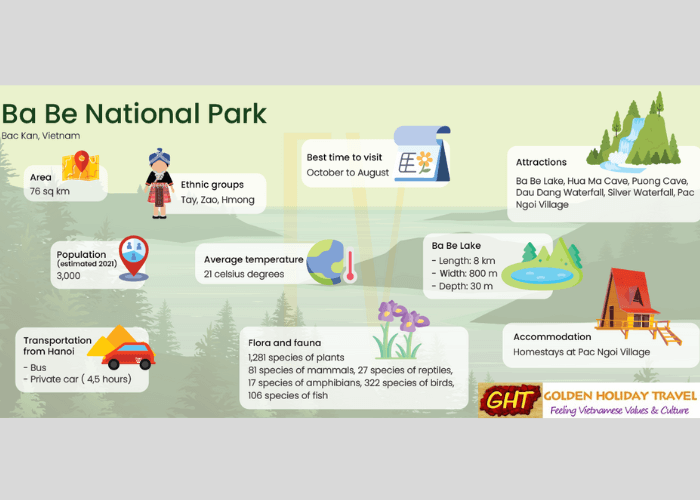
– Getting to Ba Be National Park from Hanoi:
Located 240 km northeast of Hanoi, reaching Ba Be National Park typically requires a 5-hour car journey.
– Accommodations at Ba Be National Park:
The primary lodging option here consists of authentic local homestays, offering an immersive experience with the community.
04. Mai Chau Valley : Tranquil Escape from Hanoi’s Bustling Pace
Hidden in a valley amidst rolling hills, Mai Chau offers a serene contrast to the hustle and bustle of Hanoi. While the town itself has become somewhat touristy, just 20 kilometers away lies a tranquil countryside adorned with rice fields and traditional Thai villages, providing a soothing retreat for the mind. Despite its mountainous terrain, Mai Chau’s elevation varies significantly, ranging from 200 meters in town to 1,536 meters at Pa Co village, predominantly inhabited by the Hmong community.
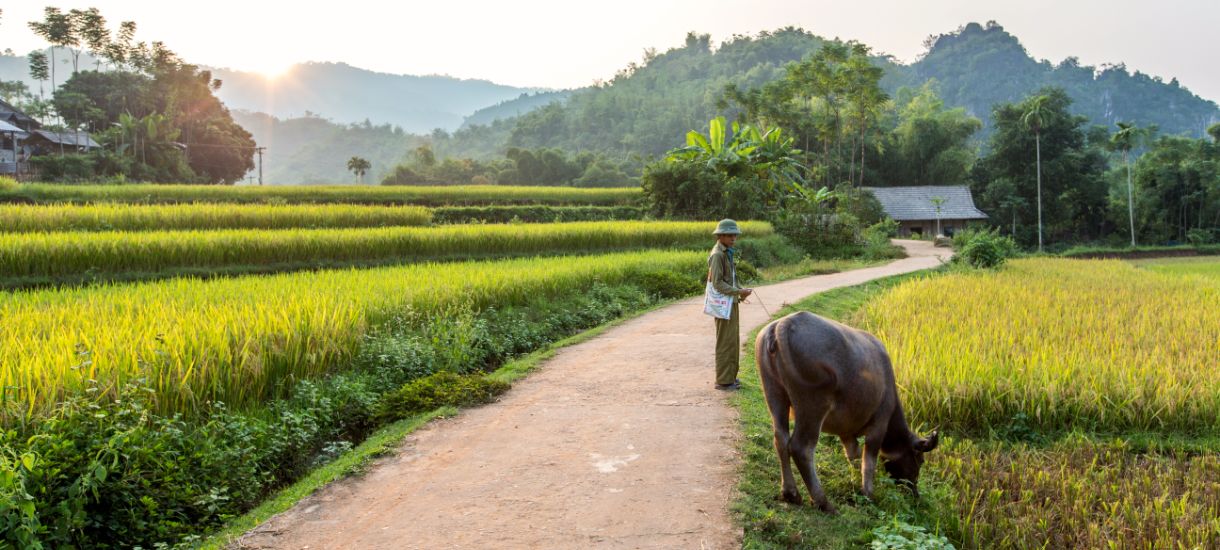
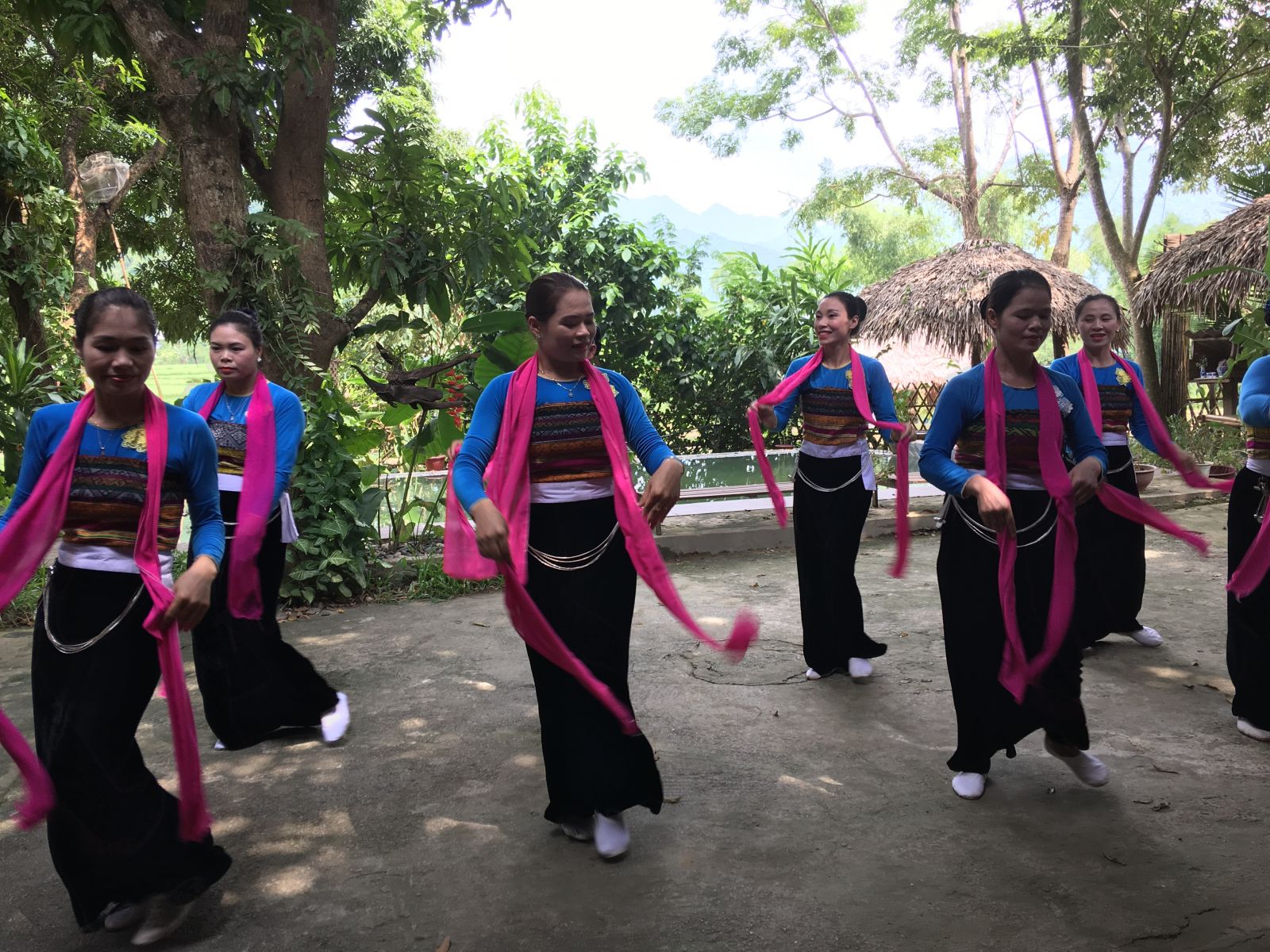
The White Thai people, the largest ethnic group here, no longer don their traditional attire daily but reserve it for special occasions and festivals. Renowned for their skill in weaving intricate textiles and their mastery of traditional Thai dances learned since childhood.They friendily welcome you with a warm smile as if you are a close friend living far away who has just returned home.
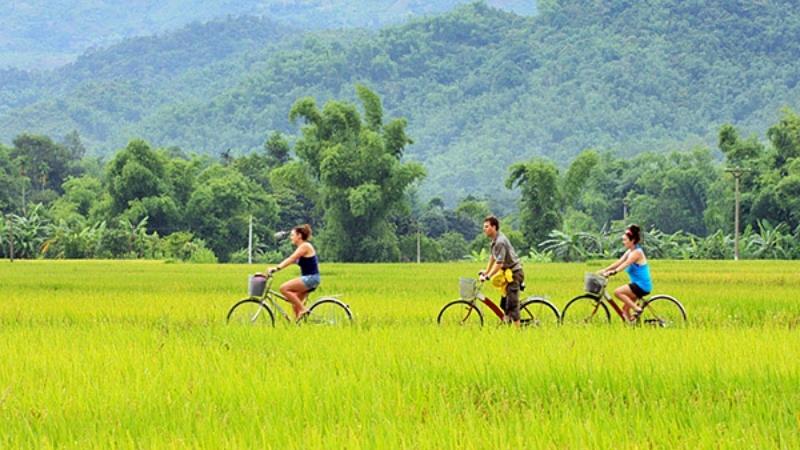
Stilt houses, the locals’s cosy home, dot the landscape near streams and rivers, reflecting the Thai belief in the water bringing life. While Mai Chau isn’t geared towards strenuous treks, it’s an ideal destination for biking, hiking, and unwinding amid the scenic beauty. Traverse rice paddies, cassava fields, and rural hamlets by bike or foot, immersing yourself in the tranquil rhythms of local life. When the sun sets, share a meal with the locals before settling down for the night in a traditional stilt house and waking up to the rural soundtrack
– Graphic Mai Chau Valley Information
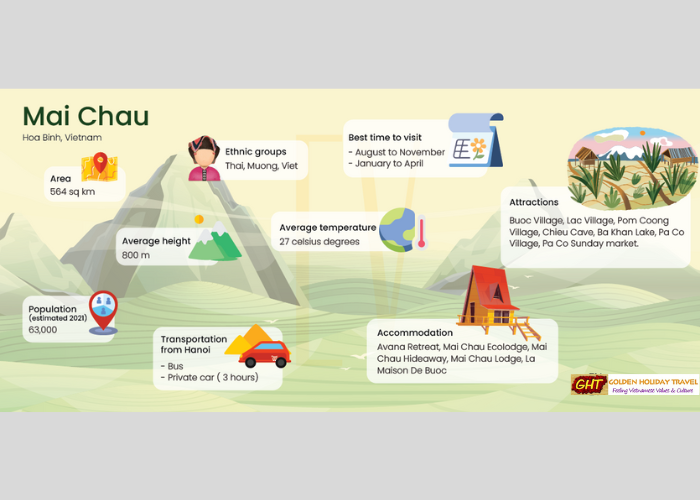
– Traveling to Mai Chau from Hanoi:
To reach Mai Chau, located approximately 140 km west of Hanoi, travelers can opt for buses, private cars, or motorbikes. Limousine buses offer a more comfortable travel option.
– Accommodations in Mai Chau:
Mai Chau offers several excellent resorts nestled in its valley, including Mai Chau Ecolodge and Mai Chau Hideaway. For those seeking a luxury experience, Avana awaits atop the mountains, just an hour’s drive away. Awarded Asia’s Leading Retreat in 2021 and 2022 by the World Travel Awards, Avana features a private waterfall at its heart and a serene Spa by cascading waterfalls.
05. Cao Bang: The Ultimate Off-The-Beaten-Track Trekking Destination
Our final distination, Cao Bang, might be the least known to travelers, but Cao Bang’s remote location is its greatest asset. Its rural charm is celebrated as one of the most beautiful regions in Vietnam, with picturesque landscapes of rolling paddy fields and winding rivers—a true reward for those embarking on a Northern Vietnam odyssey.
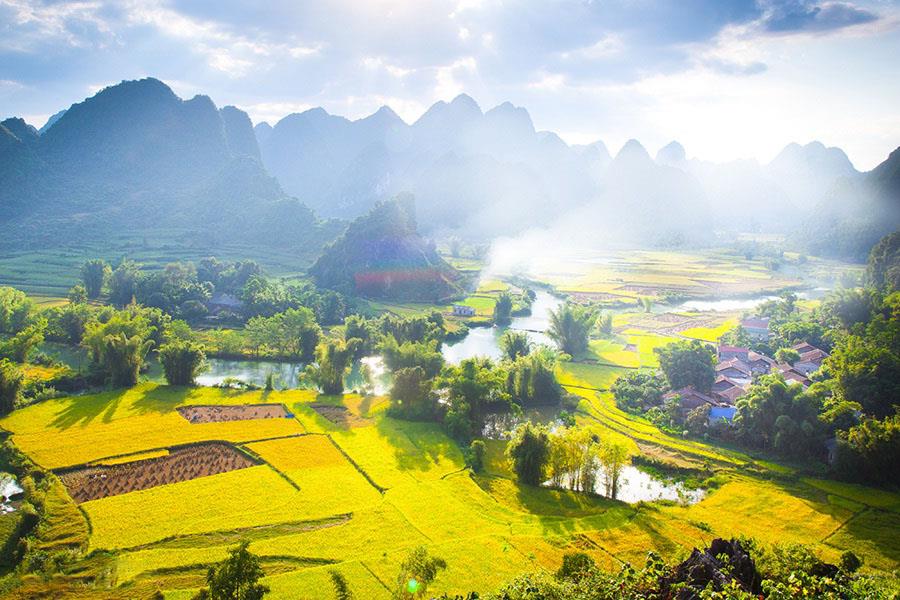
The crown jewel of Cao Bang is Ban Gioc Waterfall, the most astonishing waterfall in Vietnam and one of the world’s finest. Fed by the Quay Son River, this breathtaking site stays in the border line between Vietnam & China, cascading from a height of 60 meters. It is also the world’s fourth-largest waterfall along a national border.
Cao Bang’s pleasant climate invites you to embark on day treks through villages inhabited by various ethnic groups. If you’re up for a more challenging adventure, the mountains and jungles offer plenty of opportunities for hard-core exploration. Unlike other trekking trails in Vietnam, those in Cao Bang offer a unique experience—it’s very likely you won’t encounter another tourist, not even a local one. Here, the majestic mountains of Northern Vietnam are all yours to discover.
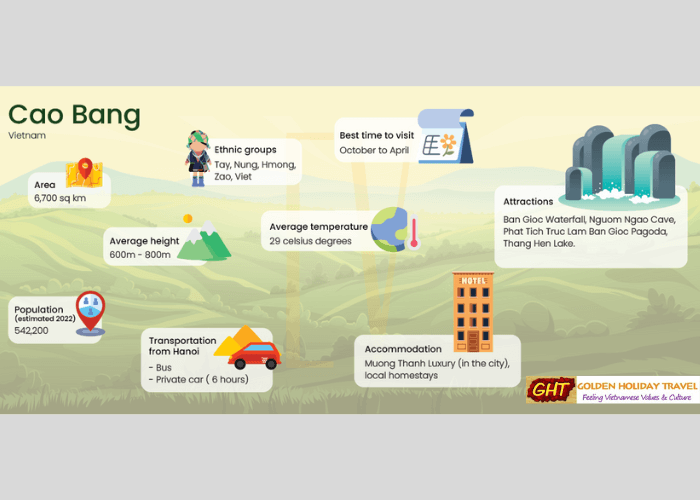
– Graphic Cao Bang Information
– Traveling to Cao Bang from Hanoi
Cao Bang is located 370 km from Hanoi, and buses from the capital typically take around 6 hours to reach Cao Bang town.
– Accommodations in Cao Bang
In the city center, you can find several quality 3-4 star hotels. However, if you venture into the villages, staying at a homestay is a great option. The locals have become adept at attracting tourists and are excellent cooks, ensuring you’ll enjoy delicious meals.
>>>>>> Read more about : Top 7 must-see places in Cao Bang
Vietnam Mountain Adventure with Golden Holiday Travel
We hope you found our guide on Top 5 Mountain Destinations in Northern Vietnam helpful! Join us in Northern Vietnam Tours to explore its stunning mountains and rich ethnic cultures.

For an unforgettable adventure in Northern Vietnam, simply fill out our contact form, reach us via WhatsApp at +84.988451530, or email us at [email protected].
Golden Holiday Travel Team is excited to provide you with valuable travel insights, create your personalized travel itinerary, and ensure your Vietnam vacation is memorable and well-cared for.
Frequently Asked Questions
Northern Vietnam is home to breathtaking landscapes, with the top 5 must-visit destinations being Sapa, Ha Giang, Mu Cang Chai, Cao Bang, and Mai Chau. Each offers a unique experience, from the iconic terraced rice fields of Sapa and Mu Cang Chai to the dramatic limestone peaks of the Ha Giang Loop and the majestic Ban Gioc Waterfall in Cao Bang
For the most beautiful scenery, visit during the harvest season (September to October) when the rice terraces turn a brilliant golden yellow. Alternatively, spring (February to March) is ideal for seeing blooming peach and plum blossoms. If you prefer cool, dry weather for trekking, the months of October through April offer the most comfortable conditions.
While the mountain roads in Northern Vietnam are stunning, they are also steep and winding with many hairpin turns. For safety and comfort, most travelers prefer to hire a private car with a professional driver through an agency like Golden Holiday Travel. This allows you to focus on the scenery and photography without the stress of navigating dangerous mountain passes
Sapa is more developed with various trekking routes and the Fansipan cable car, making it great for those who want comfort and variety. However, Mu Cang Chai is often considered the most “photogenic” for its untouched, massive rice terraces like Mam Xoi Hill. If you want an authentic, less crowded experience, Mu Cang Chai is the top choice for photographers.
The weather in the mountains can change rapidly. It is essential to pack layered clothing, a waterproof jacket, and sturdy trekking shoes. Even in summer, nights can be chilly. Don’t forget sun protection, insect repellent, and a good camera to capture the diverse ethnic cultures and landscapes you will encounter
The best way to plan a seamless trip is to work with a licensed tour operator in Vietnam like Golden Holiday Travel. We specialize in tailoring itineraries that connect these five mountain gems, providing reliable transport, experienced local guides, and hand-picked accommodations that ensure you experience the true heart of the highlands.
Meet Our Experts

Suggested


Featured Articles


Related Articles




Ask a Question or Share Your Thoughts
Have questions about this itinerary, road trip tips, private car rentals, or ticket booking? Leave a comment or question below — our travel specialists will reply within a few hours!